Base Fabric Strength
The woven core carries tensile load. Yarn type, weave structure and fabric construction influence how the tarp behaves under tension, tearing and repeated flexing.

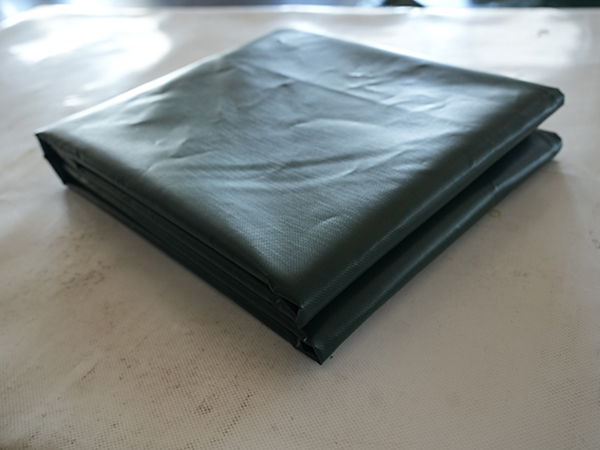
DER factory supplies heavy duty tarps and project-built tarpaulin solutions for industrial equipment, construction sites, logistics, outdoor storage and agricultural protection. Instead of treating “heavy duty” as one fixed weight, the tarp is specified around the actual material structure, exposure, abrasion, fastening load and fabrication method.
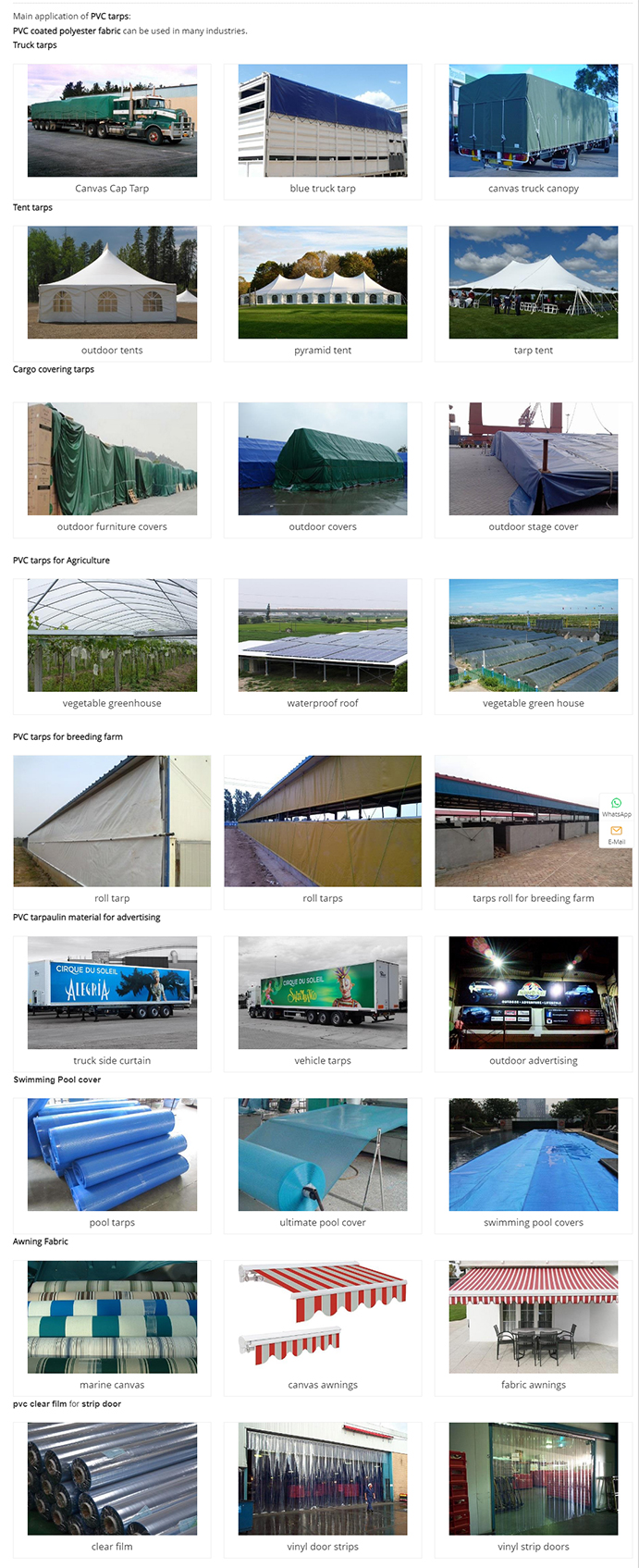
A heavy duty tarp is a reinforced protective sheet or fabricated cover designed for demanding weather, handling, tension and abrasion conditions. The term does not describe one universal GSM or thickness. A true industrial heavy duty tarp should be specified as a complete system: base fabric, coating or lamination, waterproof barrier, tear resistance, seams, reinforced perimeter, fastening points and the way the tarp is installed. PVC-coated polyester is often used for reusable industrial covers because it can combine waterproofing, weldability and strong reinforcement options; PE woven tarpaulin and other materials remain useful where lower weight, temporary coverage, airflow or different cost targets matter.
Buyers often compare tarp weight first because GSM and mil thickness are easy to quote. That is useful, but it can hide the actual failure mode. A heavier sheet can still fail early if the base fabric, corner reinforcement, seam design or tie-down layout is wrong for the job.
The woven core carries tensile load. Yarn type, weave structure and fabric construction influence how the tarp behaves under tension, tearing and repeated flexing.
The PVC, PE or specialty surface controls water barrier, cleanability, weathering, weldability and abrasion behavior. More coating mass is not automatically better without the right substrate.
Many tarp failures begin at corners, hems or hardware. Reinforcement should spread force away from one eyelet instead of concentrating the load at a small puncture zone.
Slack, water pooling, flapping and uneven tie-down tension can damage even a strong fabric. The tarp design and the installation method need to work together.
A reusable industrial tarp commonly uses a high-strength textile or woven base with a waterproof surface layer. For many fabricated covers, PVC-coated polyester fabric is a practical platform because the reinforced textile carries load while the PVC surface provides the weather barrier and supports heat-welded fabrication.
For buyers specifically comparing PVC/vinyl construction, DER factory's vinyl tarps page provides the related material direction for waterproof industrial and outdoor use.
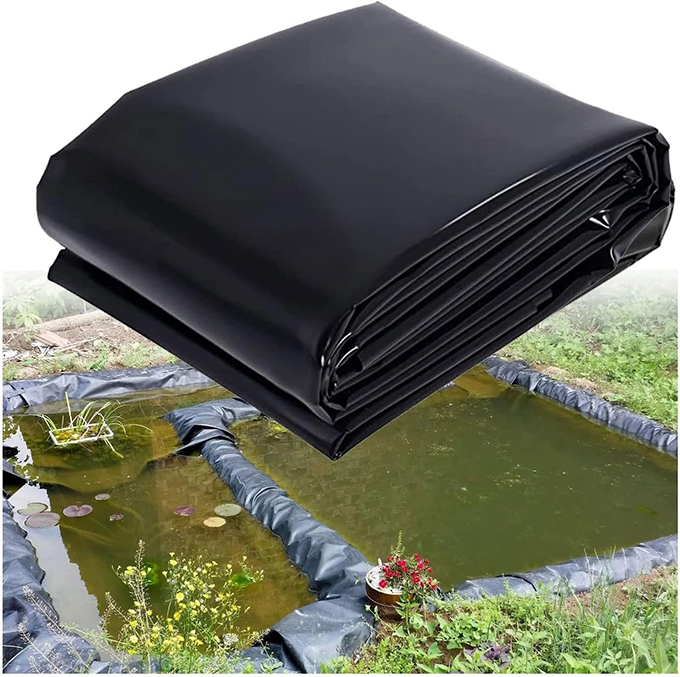
This DER factory material image shows why surface appearance alone is not enough. The strength platform comes from the reinforced structure beneath the waterproof PVC surface; the final tarp grade should be matched to load, bending, abrasion and seam requirements.
An industrial heavy duty tarp is normally purchased because the cover will face more than rain. The specification should identify the dominant stresses so material and fabrication can be matched to actual service conditions.
A waterproof surface is only the first layer of protection. Welded seams, penetrations, slope, tie-down tension and drainage determine whether the finished tarp sheds water in service.
RainOutdoor storageWeatheringRepeated flapping creates cyclic loading at grommets, hems and sharp contact points. Large covers may need closer fastening, stronger edge reinforcement or a different installation layout.
Wind loadTie-downEdge stressTruck, construction and machinery covers can rub against corners, frames or cargo during movement. Abrasion risk should influence coating selection, reinforcement and contact-zone protection.
DraggingFoldingContact wearA strong woven substrate helps resist tear growth, but tears commonly start at punctures, unprotected corners or overstressed fittings. Hardware layout is part of tear prevention.
Tear resistanceReinforcementFor prolonged sunlight exposure, UV performance should be included in the project specification rather than assumed from color or thickness.
OutdoorUV requirementCold folding, hot surfaces and repeated handling can change how a coated fabric behaves. State the expected temperature range and whether the tarp will be folded or tensioned while cold.
Cold flexHeat exposureSpecific values should follow the end-use requirement. The table below is structured to help buyers build a comparable RFQ without assuming unsupported standard numbers.
| Parameter | Project Direction | Why It Matters |
|---|---|---|
| Material | PVC-coated polyester, PVC-laminated fabric, PE woven tarpaulin or other project-reviewed construction | Controls handling, waterproofing, weldability, weight and cost direction |
| Weight / GSM | Project dependent; confirm after application review | Higher mass can improve robustness but also adds handling weight and cost |
| Thickness | Project dependent; do not compare thickness without fabric construction | Thickness alone does not define tensile or tear performance |
| Width / Roll Format | Available according to selected material and production format | Influences seam count, panel layout, waste and conversion efficiency |
| Color / Surface | Project colors and finishes can be reviewed | Affects appearance, heat absorption, branding and maintenance |
| Tensile / Tear | Specify required test values or end-use target before production | More meaningful than a vague “heavy duty” label |
| UV Requirement | Specify outdoor exposure and expected service environment | Long sunlight exposure should be addressed at formulation level |
| FR Requirement | Specify required flame standard during quotation if applicable | FR should never be assumed from product name alone |
| Seams | Heat welded, HF welded, hot-air welded or sewn after technical review | Seam method affects waterproofing, flexibility and production geometry |
| Edge Reinforcement | Folded hems, webbing, rope, patches or layered reinforcement as required | Distributes loads around the perimeter and hardware |
| Hardware | Grommets, eyelets, D-rings, straps, Velcro, zippers or project fittings | Fastening points are common stress concentrations |
| Branding / Packing | Logo, labels, OEM packing and repeat-order identification can be reviewed | Important for distributors, private-label programs and inventory control |
The same material can perform very differently depending on how it is tensioned, handled and exposed. Start with the use case, then specify the material, reinforcement and fastening around that environment.
Large covers can face wind pressure, scaffold contact, rough handling and water accumulation. Edge anchoring and drainage are often as important as the material itself.
See construction tarp solutions Specify: installation duration, wind exposure, support spacing, anchoring and flame requirement if applicable.Equipment covers may need fitted shapes, access openings and protection around protrusions. A loose generic tarp can rub controls, trap water or flap against painted surfaces.
See equipment cover applications Specify: equipment drawing, hot/sharp zones, access points, lifting method and storage environment.Repeated removal, forklift environments and stacked loads often make handling and abrasion more important than simply choosing the heaviest sheet.
See pallet protective covers Specify: pallet size, stack height, access frequency, outdoor exposure and fastening method.Farm tarps may cover hay, equipment, feed, bulk materials or irregular piles for long periods. UV exposure, wind anchoring and field handling can dominate the design.
See agriculture tarp covers Specify: material being covered, season, UV exposure, wind, contact surface and tie-down method.Transport creates repeated dynamic loading. Reinforced edges, hardware placement, abrasion zones and a stable tie-down pattern matter because the tarp moves with the vehicle.
Specify: vehicle type, speed exposure, cargo geometry, fold cycle, fastening points and contact edges.Steel, machinery, raw materials and stockpiles may need large reusable covers. The best construction balances material strength with safe handling, drainage and repeat installation.
Specify: object dimensions, sharp edges, exposure duration, lifting/handling method and inspection cycle.A finished tarp is more than a sheet of coated fabric. The seam method, panel orientation, edge build-up and attachment hardware should be designed around the expected forces.
Heat, hot-air or HF welding can create continuous joints on compatible coated materials. The method should be matched to coating type, panel geometry and waterproofing requirement.
Folded hems, webbing, rope or layered fabric can increase edge stability. The right reinforcement is selected from tarp size, tie-down load and handling cycle.
Grommets and D-rings should be supported by enough material and reinforcement to spread load. More fittings are not always better if the perimeter construction is weak.
Equipment and industrial covers may require pockets, flaps, access doors, cut-outs or irregular geometry. Drawings help control seam placement and stress points.
Color matching, logo printing, labels and packing can be reviewed for distributor or private-label programs after the technical tarp specification is approved.
Converters may prefer roll material, while contractors and end users may need fabricated covers. Supply form changes freight, packing and downstream labor requirements.
Send the dimensions, use environment, failure location and fastening layout so the material and reinforcement can be reviewed as one system.
No single material is best for every job. The right choice depends on whether the priority is long-term waterproofing, low weight, breathability, airflow, abrasion, weldability or cost.
| Material Direction | Strong Fit | Trade-Off to Check |
|---|---|---|
| PVC-coated polyester | Reusable industrial covers, trucks, machinery, outdoor storage, fabricated panels | Heavier than economy PE; specify cold flex, UV, abrasion and seam method as needed |
| PE woven tarpaulin | Economy, lightweight or temporary coverage; large-area handling | Long-term abrasion, hardware stress and repeated folding depend strongly on grade |
| Canvas | Applications valuing breathability and textile handling | Water resistance depends on treatment; do not assume a continuous waterproof barrier |
| Mesh tarp | Shade, debris containment, airflow and reduced wind pressure | Not intended for full rain protection because the structure is intentionally open |
The practical question is not “Which material sounds toughest?” but “Which failure mode must this cover survive?” That is why a heavy duty tarp quotation should connect material, seam, edge and fastening choices to the application.
For custom industrial covers, QC should follow the agreed drawing and specification. Testing standards should be stated during quotation when the project requires specific verified values.
Confirm the approved material construction, color, surface and project code before conversion.
Check against the approved tolerance or agreed specification rather than an unrecorded verbal target.
Inspect continuity, overlap and visible defects on welded or sewn joints according to the chosen fabrication method.
Verify finished dimensions, drops, openings and panel orientation against the latest approved drawing.
Confirm hems, webbing, patches, corner build-up and stress-zone details are present where specified.
Check grommet, eyelet or D-ring location and spacing against the approved fastening plan.
Review coating surface, contamination, obvious damage, print placement and finishing quality.
Match folding, labels, identification and packing method to handling and repeat-order requirements.
Many failures are not caused by the tarp material alone. Avoiding the following specification errors can be more valuable than simply adding GSM.
GSM is easy to compare, but it does not tell you how the tarp will resist tearing at a grommet, rubbing over a corner or flexing at a welded seam.
A flat cover that collects water can develop large local loads. Shape, slope and tension should be part of the cover design.
Installing strong grommets into a weak hem does not solve the load-path problem. The surrounding fabric and webbing must carry the force.
Loose installation can increase flapping and abrasion. Too much tension can also overload fittings. A stable tie-down pattern is the goal.
Steel corners, equipment protrusions and rough concrete can create point abrasion. Add padding, local reinforcement or geometry changes where required.
Material may be waterproof while a finished cover still leaks through seams, penetrations or poor drainage. Evaluate the complete cover system.
A clear inquiry makes material selection and quotation more accurate and reduces back-and-forth before sampling or bulk production.
Truck, equipment, construction, storage, agriculture, pallet, stockpile or other use.
Finished size, drops, shape, openings, reference drawing or photos.
Rain, UV, wind, abrasion, temperature, chemical or flame requirements.
Seams, hems, webbing, grommets, D-rings, straps, logo and packing.
Quantity, destination, sample need, required tests and repeat-order plan.
Concise answers to the specification, material and fabrication questions that determine whether a tarp is actually suitable for industrial use.
A heavy duty tarp combines a strong base fabric or woven structure with a durable waterproof surface, suitable tear and abrasion performance, reliable seams, reinforced edges and fastening points designed for the real load. Thickness or GSM alone does not define heavy-duty performance.
PVC-coated polyester is often preferred for reusable industrial covers because it is waterproof, weldable and reinforcement-friendly. PE woven tarpaulin can be better for lightweight or economical coverage, while canvas and mesh suit breathable or airflow-focused applications.
No. Higher GSM increases mass per unit area, but actual strength also depends on the base textile, weave, coating system, tear performance, abrasion, seam design and reinforcement around hardware.
DER factory can review custom finished sizes, irregular shapes, panel layouts, hems, reinforcement, grommets, D-rings, logo and packing requirements. Final feasibility should be confirmed from dimensions, drawings, photos or samples before production.
Many PVC and PE heavy duty tarpaulins are designed as waterproof materials. Finished performance still depends on seams, penetrations, edge details, installation, slope and tensioning. A waterproof material should not be treated as proof that every installation will be leak-free.
Choose fastening density from wind exposure, tarp size, edge load, tie-down method and reinforcement design. A fixed grommet interval is not appropriate for every heavy duty tarp application.
Project-specific UV, flame-retardant or other performance requirements can be reviewed. State the required standard or end-use condition during quotation so the material and testing direction can be confirmed before production.
MOQ and lead time depend on material, dimensions, fabrication complexity, accessories, printing, quantity, testing and packing. They should be confirmed against the final approved specification during quotation rather than assumed from a generic tarp product.
For a useful quotation, send DER factory the application, finished dimensions, preferred material or target performance, quantity, environmental exposure, reinforcement, fastening hardware, logo/packing requirements and any test standard that must be met.
Request A QuoteOur products are widely used in our residential and industrial area, which can be used for producing tents, outdoor covering, flexible ventilation tube, water bladders, inflatable castles, architecture membrane structures, etc. Our main products: PVC coated fabrics, PU/TPU coated fabrics, Oxford fabric, PVC ceiling film, flexible banner material. Welcome to our site and order online.
Message