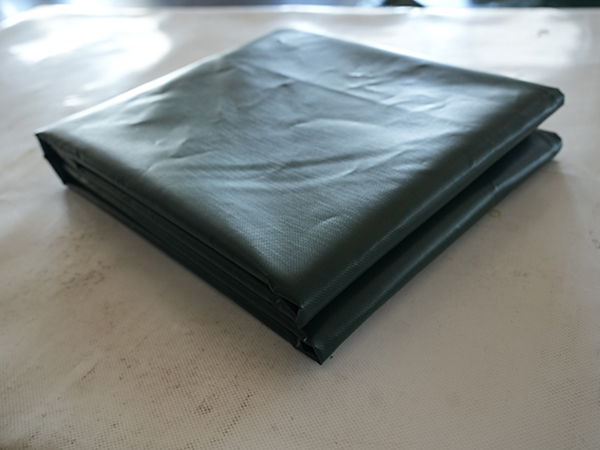
Heavy Duty Tarps Manufacturer | Industri..
- 2026-09-13

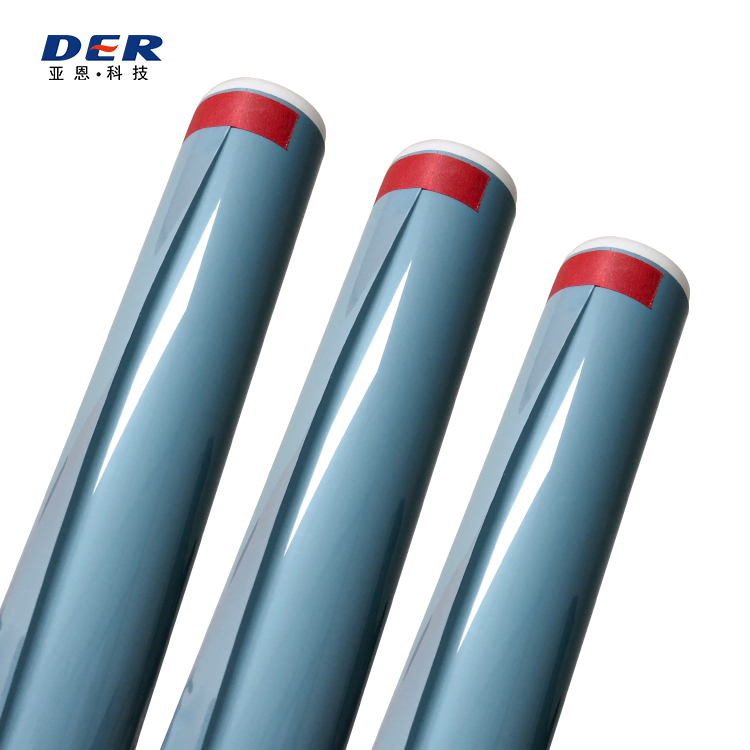
An hui Der factory supplies custom explosion-proof wrap solutions for buyers who need more than a generic wrapping film. We support industrial distributors, project contractors, OEM brands, equipment fabricators, pipeline protection teams, and export buyers looking for wrapping materials with stronger mechanical integrity, stable processing, consistent roll quality, and options such as flame-retardant performance, anti-static behavior, chemical resistance, and outdoor durability. This page is built to help purchasing teams evaluate explosion-proof wrap from the practical angle that actually matters in industrial buying: application fit, material structure, conversion logic, delivery control, documentation readiness, and long-term supply reliability.
When buyers search for an explosion-proof wrap manufacturer or explosion-proof wrap supplier, they are usually trying to solve a bigger industrial problem: how to protect a sensitive asset in a demanding environment without creating unnecessary complexity in procurement, installation, or lifecycle cost. In many projects, the real requirement is not a decorative cover. It is a purpose-built wrapping material that can serve as a barrier layer, containment support, abrasion shield, weatherproofing skin, surface-protection medium, or part of a larger industrial protection system.
That is why serious procurement teams focus on total material performance rather than one headline claim. They want to know whether the wrap can resist handling damage during conversion, stay stable through storage and transport, maintain uniform thickness across the roll, handle field installation with less waste, and support the documentation package the project team may require. They also want to confirm whether custom width, color, print marking, palletization, and OEM packaging are available without turning a routine purchase into a long sourcing cycle.
A practical definition for engineers, sourcing managers, distributors, and OEM buyers.
In industrial sourcing, explosion-proof wrap usually refers to a high-performance wrapping material or composite wrap used around equipment, lines, housings, sensitive surfaces, or exposed assemblies where the buyer needs more than ordinary packaging film or general-purpose protective tape. The target is often a wrap system that supports safer operation, stronger containment, tougher surface protection, or improved resistance to environmental stress such as chemicals, abrasion, weather, dirt, or moisture.
Because buyer use cases vary widely, the material can be specified for anti-static handling, flame-retardant performance, mechanical reinforcement, corrosion support, outdoor protection, or conversion into cut pieces, sleeves, covers, and custom fabricated assemblies. In practice, the correct material choice depends less on the keyword itself and more on the actual working environment, application sequence, expected service life, and installation process.
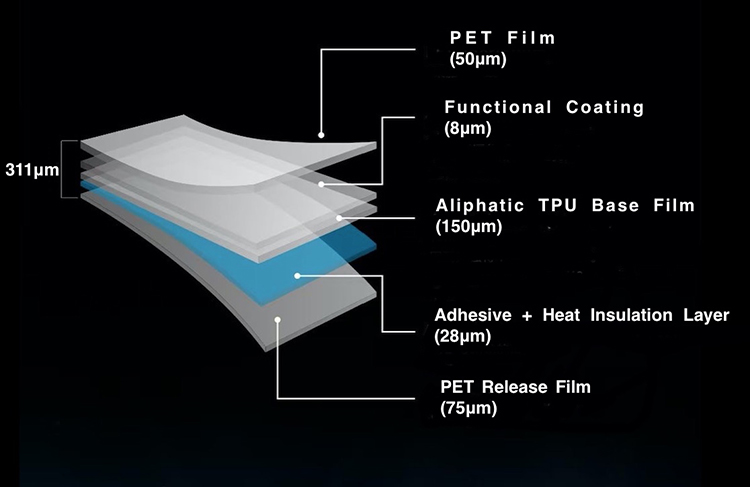
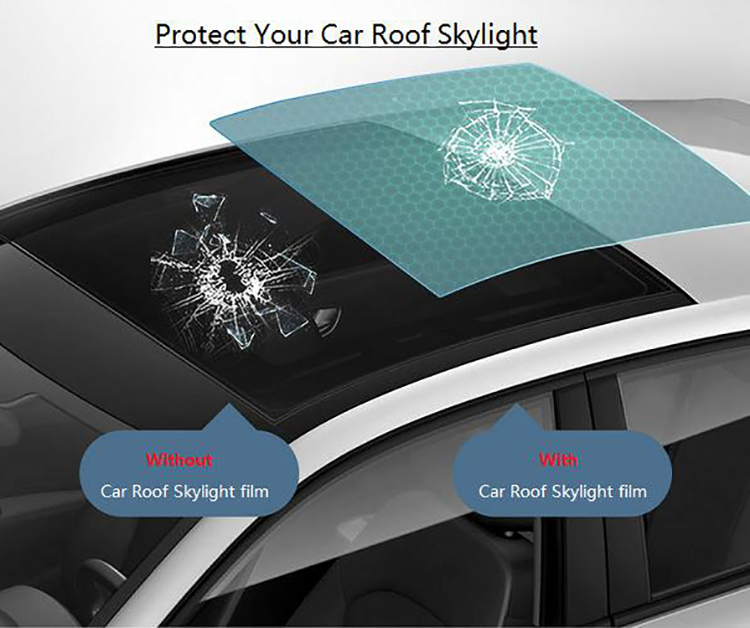
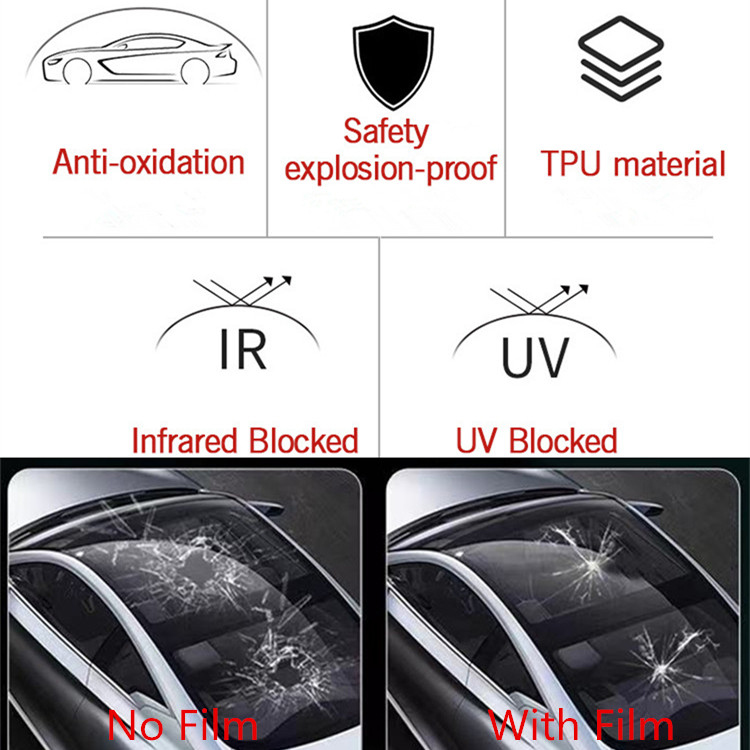
From a technical point of view, explosion-proof wrap is not automatically the same thing as certified explosion-proof equipment. Buyers should treat the wrap as a component within a larger protective system. That system may include the substrate, fasteners, seams, adhesives, overlaps, protective outer layers, grounding approach, fire pathway, and field installation method. The material therefore has to be chosen with discipline. A wrap that looks acceptable in a catalog may fail in the field if the project overlooks chemical contact, static accumulation, seam durability, UV exposure, flexibility requirements, or storage conditions before installation.
The most successful projects begin with a technical review that maps the wrap to the real use environment. That review should identify the substrate, exposure time, handling method, temperature range, required toughness, documentation needs, and whether the purchase is for a one-time project, long-term OEM line, distributor inventory, or export container program.
Industrial buyers usually evaluate wrap materials through the lens of risk control, installation efficiency, replacement cycle, and sourcing stability.
Many buyers need an industrial wrap that can be aligned with flame-retardant performance targets for equipment zones, temporary protection systems, transport covers, or process-adjacent protective layers. The goal is controlled material behavior under specified test conditions rather than vague “fireproof” marketing language. A serious supplier helps buyers match the right grade to the actual requirement.
In sensitive environments, anti-static behavior can matter just as much as abrasion or tear strength. Buyers frequently request anti-static options when the wrap is used around process equipment, powder handling zones, industrial electronics, cable systems, or surfaces where uncontrolled charge buildup is undesirable. Consistency matters more than a superficial coating claim.
A strong industrial protective wrap should help withstand splash, humidity, dirt, oil contact, cleaning cycles, and project-specific chemical exposure. Material structure, coating chemistry, reinforcement, and surface treatment all influence how the wrap behaves over time in storage, transport, installation, and service.
Tensile stability, tear resistance, puncture resistance, and abrasion performance are essential for buyers handling large rolls, manual wrapping, edge contact, or field installation. A wrap that tears too easily can increase labor, waste, downtime, and replacement frequency. A better-grade material supports cleaner fabrication and more predictable site results.
When the wrap is installed outdoors or stored in exposed conditions, UV resistance, dimensional stability, coating durability, and water resistance become major buying factors. Outdoor projects often fail because they purchase a material designed for indoor packaging rather than industrial environmental exposure.
Professional buyers often need more than standard stock rolls. They need slit widths, special roll lengths, private-label packaging, surface printing, reinforced edges, or compatibility with cutting, welding, sewing, lamination, or secondary conversion steps. A real manufacturer should support these practical OEM needs instead of forcing the buyer into an unsuitable standard format.
Share your application, required roll size, exposure condition, and target performance. We can support OEM development, distributor supply, pilot sampling, and export quotation for project-focused industrial wrapping materials.
The table below shows a manufacturer-style specification framework. Final values can be customized based on the exact wrap structure, coating system, reinforcement design, and project target.
| Product Name | Explosion-Proof Wrap / Industrial Protective Wrap / Hazardous-Area Wrapping Material |
|---|---|
| Base Structure | PVC-coated textile, reinforced composite wrap, multilayer industrial barrier structure, or customized engineered wrap depending on application |
| Available Width | Customizable according to roll program, fabrication requirement, and application geometry |
| Roll Length | Customized for sampling, pilot production, OEM conversion, distributor inventory, or container shipment planning |
| Thickness / Weight | Specified by use condition, expected durability, and installation method; light, medium, and heavy-duty constructions available |
| Surface Options | Gloss, matte, embossed, anti-slip, printable, easy-clean, or project-specific functional finishes |
| Functional Options | Flame-retardant options, anti-static options, UV-resistant options, waterproof structure, abrasion-resistant surface, chemical-resistant construction |
| Processing Compatibility | Suitable by grade for cutting, slitting, sewing, welding, lamination, wrapping, covering, or secondary fabrication programs |
| Color / Marking | Custom colors, warning color systems, identification stripes, OEM printing, and private-label packaging support |
| Documentation Support | Quality files, batch traceability, export packing support, and project-specific data discussion depending on grade and order scope |
| Supply Format | Roll goods, cut lengths, custom packed formats, OEM conversion supply, project-batch delivery, or distributor stock format |
| Lead Time | Based on material grade, customization level, order quantity, and production planning window |
Explosion-proof wrapping materials are selected across industrial settings where rugged surface protection, environmental shielding, containment support, or functional performance are needed.
Protective wrap can be used around exposed pipelines, valve zones, and associated assemblies where installers want a durable outer layer that supports environmental shielding, handling resistance, and maintenance visibility. For some buyers, this overlaps with anti-corrosion support and barrier wrapping programs.
OEMs and maintenance teams often need industrial wrap for housings, skids, fabricated units, panels, process equipment, and transport-sensitive assemblies that must be protected during storage, shipping, site staging, or service periods.
Where sensitive environments require careful material selection, buyers look for wrap solutions with options such as anti-static behavior, flame-retardant performance, or chemically robust surfaces. The wrap is typically one part of a larger system-level safety and protection strategy.
Some projects use a heavy-duty industrial wrap as part of temporary containment or separation systems around equipment, maintenance areas, exposed surfaces, or work zones where durability and controlled handling matter.
Export buyers and equipment suppliers need wrapping materials that survive multiple handling stages, variable weather, and long transit cycles. Better wrap construction can reduce surface damage, contamination, and repacking waste during logistics.
Distributors, converters, and regional industrial suppliers may purchase explosion-proof wrap in roll form for local conversion, cut-to-length supply, customer-specific packaging, and recurring inventory programs.
Many procurement problems happen because a buyer starts with a packaging mindset instead of an industrial performance mindset. Standard packaging films may be inexpensive, but they often lack the tear stability, abrasion resistance, dimensional consistency, handling confidence, and functional options required for a serious industrial environment. The result can be installation delays, early material damage, repeated replacement, or a mismatch between what the site team expected and what the purchased material can actually do.
A professional explosion-proof wrap supplier should help buyers avoid that mistake by translating the application into the right material architecture before quotation.
Industrial buyers rarely change suppliers just for a lower unit price. They change because they want fewer headaches, better consistency, and more predictable commercial outcomes.
Buyers working with a true industrial material manufacturer generally get better support on roll structure, conversion feasibility, packaging logic, and repeatability than buyers sourcing only by catalog screenshots. That matters when the order must run smoothly beyond the first sample stage.
Many projects require private-label programs, custom roll sizes, warning-color systems, identification print, export carton standards, or special packaging sequences. We structure supply around real project and customer needs instead of forcing a one-size-fits-all stock offer.
Industrial purchasing decisions are often tied to shutdown windows, shipping plans, installation schedules, distributor replenishment cycles, and container consolidation. Lead time discipline is therefore not a small detail; it is a major part of project success.
A useful industrial wrap is not judged only by one lab result or one attractive sample. It is judged by how stable the material remains from roll to roll and batch to batch. That is the difference between a sample-friendly supplier and a dependable long-term partner.
Professional buyers often require a supplier who can discuss application conditions, target properties, export packing, traceability, and project file expectations in a clear way. Better communication reduces mistakes before mass production begins.
The best supplier is not always the one making the biggest claims. It is the one that can balance technical suitability, cost logic, supply stability, and quotation speed in a way that helps the buyer move from inquiry to shipment with less friction.
Tell us the substrate, environment, roll requirement, and target function. We can help you narrow the correct grade faster and prepare a quotation path that fits your project schedule.
Not every industrial wrap solves the same problem. The right product depends on functional priorities, field handling, and lifecycle expectations.
| Material Type | Typical Strengths | Typical Limitations | Best Fit |
|---|---|---|---|
| Explosion-Proof Wrap / Industrial Protective Wrap | Can combine mechanical toughness, weather resistance, functional coating options, OEM customization, and project-level durability | Must be matched carefully to actual hazard, substrate, and installation conditions | Industrial protection, equipment wrapping, heavy-duty surface systems, export protection, hazardous-area related applications |
| Standard Packaging Film | Low initial cost, easy availability, lightweight handling | Usually limited in abrasion resistance, tear strength, outdoor durability, and functional options | Short-term packaging, basic storage protection, low-demand non-industrial use |
| General Tape-Based Wrapping | Fast local application, good for narrow zones or repairs | Not ideal for large surface coverage, broader containment, or tougher structural protection | Localized wrap, small-area maintenance, seam support |
| Rigid Shielding Components | High structural protection, durable form retention | Less flexible, often more expensive, more complex for irregular geometry | Engineered housings, structural guards, fixed protection systems |
A representative industrial supply scenario showing how a project buyer approaches explosion-proof wrap sourcing.
A regional industrial service company needed a custom wrap solution for exported equipment assemblies that would be staged outdoors, handled multiple times before installation, and used in an environment where buyers were also concerned about flame-retardant pathways, anti-static preferences, and better resistance to scuffing and weather exposure. Their previous supply used a lower-grade general wrapping material. It looked acceptable at dispatch, but it tore during rehandling, trapped dirt at the surface, and created inconsistency between batches.
The new brief was more disciplined. The buyer wanted a heavier-duty wrap structure, better roll consistency, clearer custom width planning, easier site identification through controlled color marking, and packaging that suited distributor inventory as well as direct project shipment. They also wanted a supplier that could communicate clearly about application fit rather than just sending a price list.
The project first defined the real exposure conditions: outdoor staging time, typical handling damage points, substrate geometry, desired identification system, and whether the wrap had to support further conversion at the destination. That step immediately ruled out commodity wrapping film. From there, the buyer moved toward an industrial protective wrap structure that offered better abrasion resistance, stronger handling confidence, and customization options that aligned with project operations.
Instead of buying purely on unit cost, the buyer evaluated total use value. Would the material reduce repacking? Would it survive transit better? Could the site team work faster with the custom roll width? Would repeat orders remain consistent? Could the distributor hold practical stock lengths without excessive waste? That changed the purchase conversation from “What is the cheapest wrap?” to “What is the most commercially reliable wrap for this industrial use case?”
The result was a more mature sourcing framework: define the environment clearly, specify the functional requirements honestly, match the wrap to real handling conditions, and choose a manufacturer capable of OEM support, batch stability, and repeat delivery. That same logic applies to many buyers now searching for hazardous area wrap, industrial protective wrap, or explosion-proof wrap supplier solutions.
For industrial buyers, a competitive quotation is only useful when the supplied material can be produced consistently, packed correctly, and delivered in a way that fits the project schedule.
In industrial wrap supply, the real test of quality is not whether one sample looks good on the table. It is whether the production batch remains stable across roll length, thickness profile, coating appearance, handling behavior, and downstream conversion. Buyers who run OEM programs or distributor inventory usually care deeply about repeatability because inconsistency creates waste, claims, and loss of customer confidence.
Shutdown projects, export schedules, maintenance windows, and distributor replenishment cycles all place pressure on delivery timing. That is why lead time discussion should happen early, together with quantity, customization scope, and packaging method. A more realistic production plan can often create better total value than a rushed offer that later slips in execution.
Different projects request different levels of supporting documentation. Some require only basic specification confirmation, while others ask for batch identification, test references, export packing files, declarations, or project-specific technical discussion. Serious buyers should clarify this at inquiry stage so the wrap grade and quotation pathway can be aligned with actual documentation expectations instead of assumptions.
Common pre-purchase questions from industrial buyers, project managers, OEM brands, and distributors.
It is commonly used as an industrial protective wrapping material around equipment, pipelines, valves, cable zones, fabricated assemblies, transport-sensitive units, or exposed surfaces where buyers want a tougher and more functional material than standard packaging film. Depending on the grade, buyers may look for abrasion resistance, weather resistance, anti-static behavior, flame-retardant options, and better conversion compatibility.
No. They are not the same category. The wrap is a material component, while certified explosion-proof equipment involves system-level design and code-specific compliance. Buyers should confirm the final suitability of the selected wrap against actual project standards, installation practice, and the full protection system.
Yes. OEM programs may include custom roll widths, lengths, thickness ranges, color systems, print marking, packaging, labeling, and export packing format. This is especially valuable for converters, regional distributors, industrial brands, and equipment manufacturers that need a more consistent supply identity.
The more clearly you define the application, the faster the supplier can suggest a suitable grade. Useful inputs include substrate type, environment, chemical contact, outdoor exposure duration, desired function, roll size, conversion method, annual demand, destination market, and whether flame-retardant or anti-static options are required.
Yes. Many industrial buyers need export-oriented supply with palletized rolls, protected packaging, OEM labels, project batches, and container loading support. A manufacturer-oriented supply program is often more efficient than buying mixed inventory from multiple small sources.
Do not compare only by initial price. Compare by material structure, functional fit, roll consistency, packaging logic, response quality, lead time discipline, customization support, and the supplier’s ability to discuss your actual application in practical terms. The lowest price is not the lowest cost if the material fails during conversion or field use.
Not always. Over-specifying a wrap can increase cost without adding real value. Under-specifying it can create failures, waste, and rework. The correct grade depends on the real environment, expected service life, handling conditions, and project expectations. A technical review before mass order is the best path.
If you are sourcing explosion-proof wrap, hazardous-area wrap, industrial protective wrap, or a custom wrapping material for equipment, pipeline, distributor stock, or OEM conversion, send us your application details. We can support a cleaner quotation process with customization guidance, supply-format planning, and manufacturer-level discussion.
A stronger inquiry usually gets a faster and more accurate quotation.
A good inquiry saves time on both sides. It helps the supplier propose a grade that fits the real use condition rather than sending a generic offer that may not survive actual field handling. It also makes the commercial side smoother: better sample selection, more realistic lead time planning, less waste in roll sizing, clearer packaging decisions, and a more reliable path to repeat orders.
For buyers who are serious about long-term sourcing, this is where value begins. The best industrial purchasing outcomes usually come from accurate application definition, not aggressive price pressure alone.
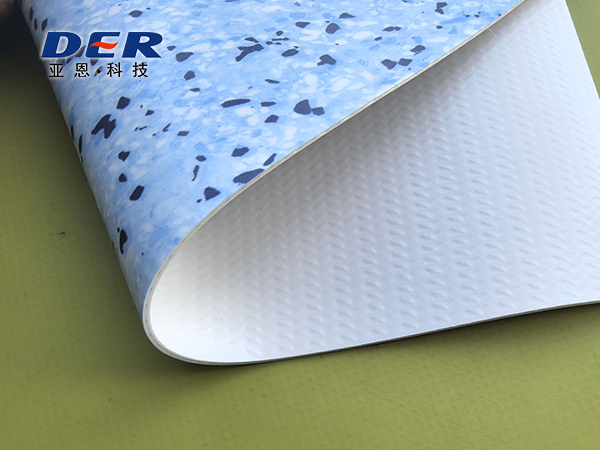
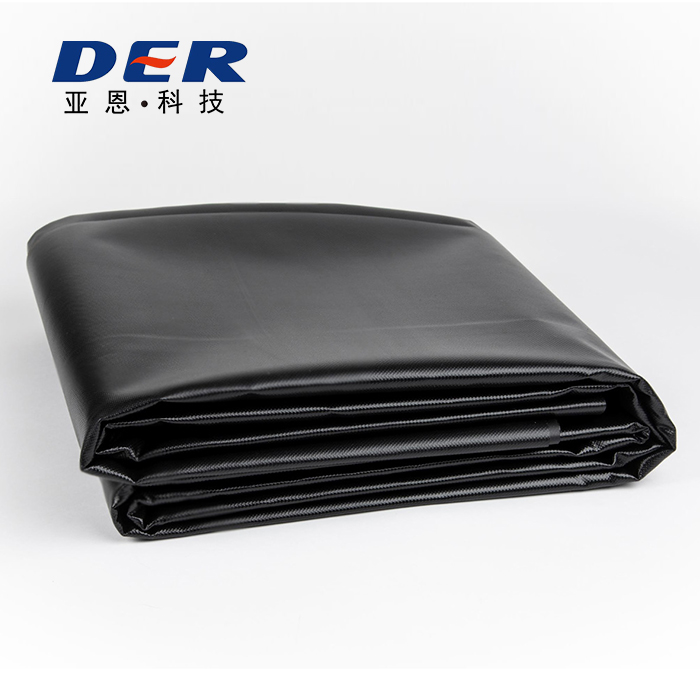
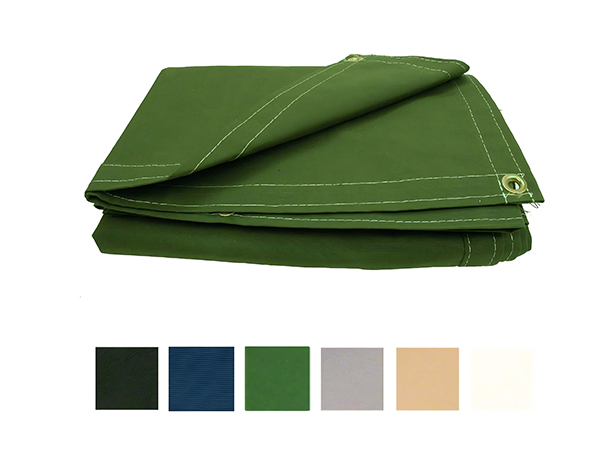
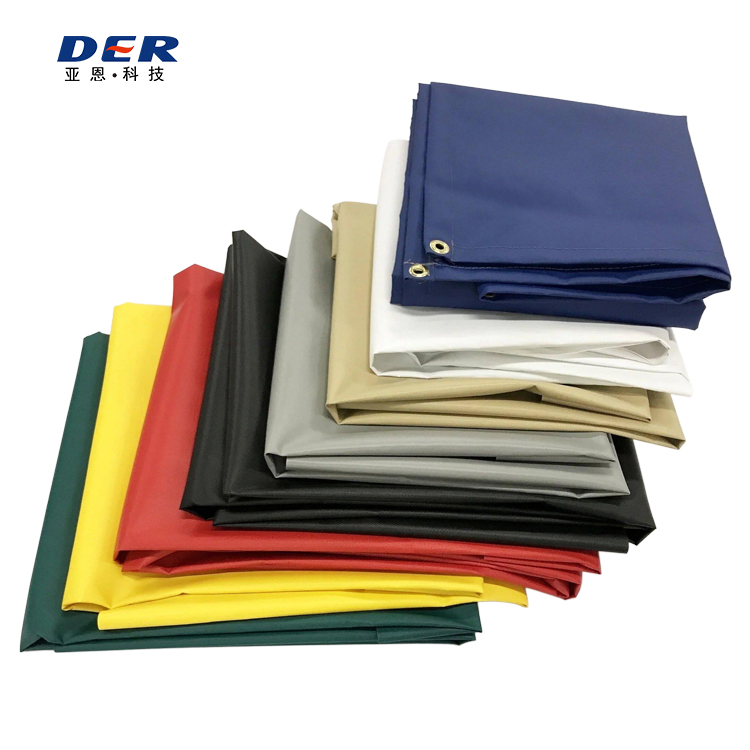
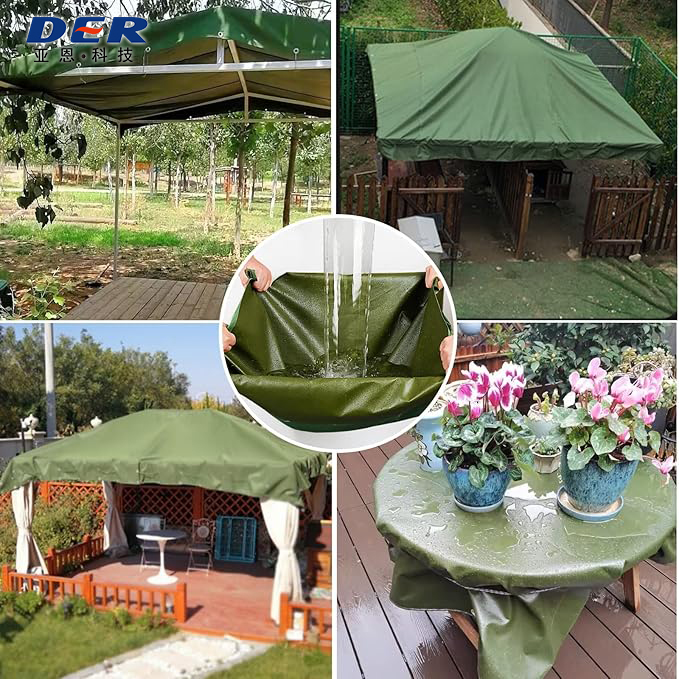
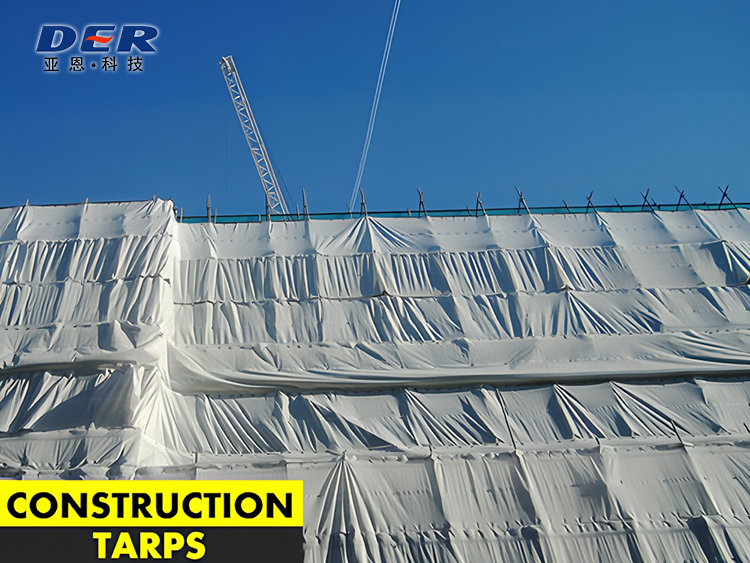
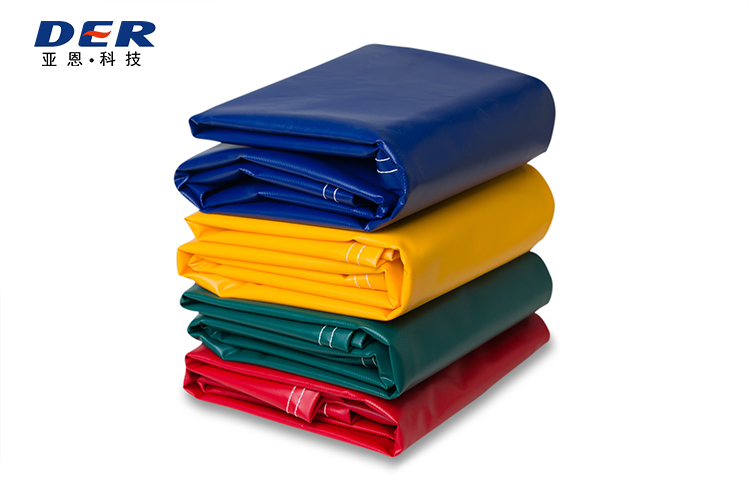
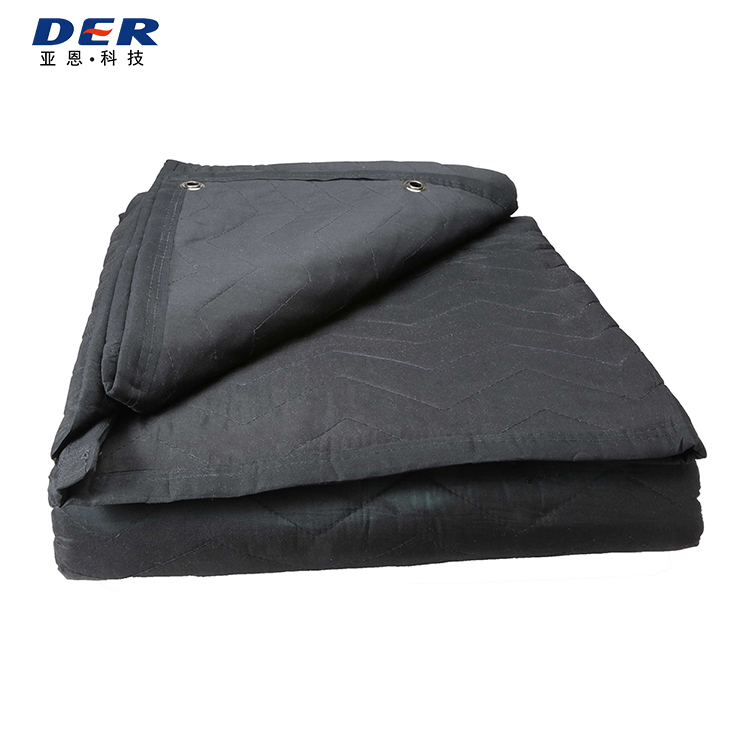
Our products are widely used in our residential and industrial area, which can be used for producing tents, outdoor covering, flexible ventilation tube, water bladders, inflatable castles, architecture membrane structures, etc. Our main products: PVC coated fabrics, PU/TPU coated fabrics, Oxford fabric, PVC ceiling film, flexible banner material. Welcome to our site and order online.