
Tear and tensile strength
High-tenacity scrim and controlled coating adhesion help the cover tolerate pulling, tensioning and repeated deployment without rapid propagation from a small cut.

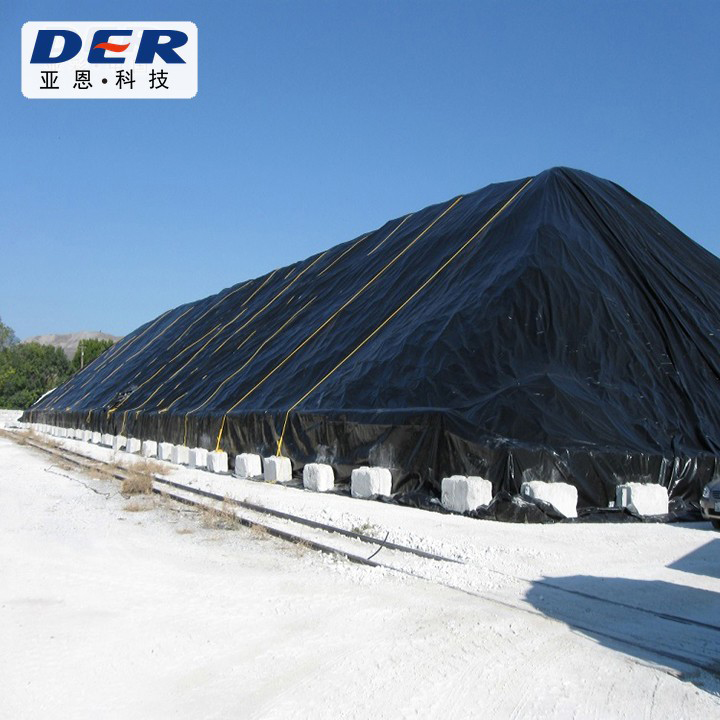
Heavy-duty PVC mining tarps for ore stockpiles, machinery, haulage loads, temporary enclosures and weather-exposed work zones—built around the real abrasion, wind, handling and safety requirements of your project.
Mining covers fail where stress is concentrated: around sharp edges, welded joints, tie-down points and areas exposed to continuous flutter. Der factory matches the base yarn, weave, PVC compound and reinforcement system to those failure modes—not to fabric weight alone.
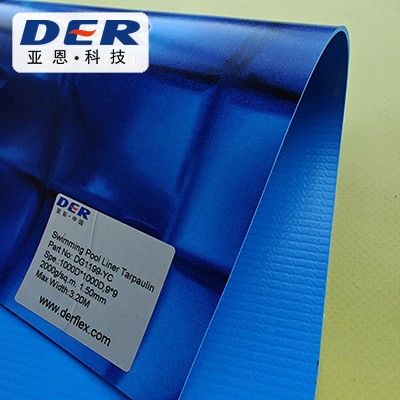
Optional lacquer or tailored surface treatment helps improve cleanability, block resistance and resistance to dirt pickup.
Selected for weathering, flexibility, color, abrasion exposure and optional flame-retardant, anti-static or low-temperature behavior.
Yarn denier and weave density are adjusted for tensile strength, tear propagation control and dimensional stability under repeated tension.
Completes the waterproof barrier and enables hot-air or high-frequency welding into large finished covers and shaped assemblies.
Webbing, extra fabric patches, rolled hems, load-spreading tabs and hardware placement are designed around the expected pull direction.
Open-pit mines, aggregate yards, coal handling areas and mineral processing sites expose covers to dust, grit, standing water, UV, temperature cycles and repeated mechanical handling. Each performance option should solve a known operating risk.
High-tenacity scrim and controlled coating adhesion help the cover tolerate pulling, tensioning and repeated deployment without rapid propagation from a small cut.
Heavy coating options and replaceable wear patches can be specified where the tarp contacts ore, truck bodies, corners, frames or machinery housings.
Heat-welded panels create large covers with fewer needle holes, supporting rain protection for stored mineral, components and out-of-service equipment.
Outdoor formulations are available for prolonged sun, rainfall and temperature cycling, with color and surface options matched to exposure and maintenance needs.
Compound selection can be adjusted for incidental contact with oils, fuels, processing residues or cleaning chemicals after the exposure type and concentration are reviewed.
Flame-retardant, anti-static and low-temperature versions can be produced against a confirmed test method. Approval is product- and application-specific.
The table below is a practical starting point for project discussion. Final construction, tolerances and test values should be confirmed on the approved technical datasheet and pre-production sample.
| Property | Typical range / option | Why it matters in mining |
|---|---|---|
| Base material | High-tenacity polyester woven scrim with PVC coating on both sides | Combines structural strength, waterproofing, flexibility and reliable heat welding. |
| Fabric weight | Approx. 610, 650, 750, 900, 1050 or 1200 g/m2; custom constructions | Selected according to handling frequency, contact abrasion, wind exposure and target service period. |
| Yarn / weave | Typical 1000D × 1000D or 1300D × 1300D; project-specific weave density | Influences tensile performance, tear resistance, flexibility and dimensional stability. |
| Roll width | Common widths from about 1.5 to 3.2 m; wider finished covers by welding | Optimized panel layout reduces seam count, fabrication time and potential leak paths. |
| Tensile strength | Project grades commonly specified from roughly 2200 to 4500 N/5 cm | Helps resist operational tension and load transfer between fastening points. |
| Tear strength | Common project range approximately 250 to 600 N, construction dependent | Important where punctures, sharp edges or repeated folding may initiate damage. |
| Temperature | Typical outdoor formulations around -30°C to +70°C; special cold grades available | Maintains usable flexibility during cold starts, transport, storage and high-sun exposure. |
| Surface | Glossy, matte, embossed or lacquered; one or two colors | Affects cleaning, friction, blocking, appearance, printing and material handling. |
| Performance options | UV stabilized, flame retardant, anti-static, anti-mildew, low-temperature, oil-resistant | Allows one construction to be tuned to a defined mine environment rather than using a generic cover. |
| Finished fabrication | Welded seams, hems, rope edge, webbing, grommets, D-rings, buckles, straps, flaps | Creates load paths and access features that match the installed cover and fastening system. |
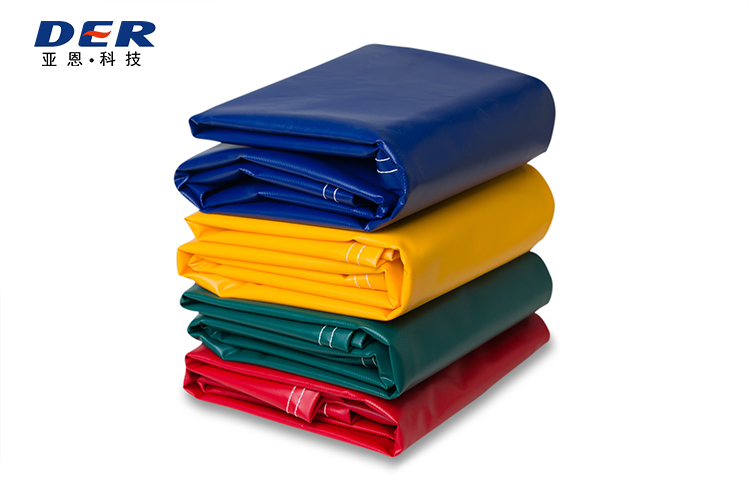
| Colors / printing | Black, grey, blue, green, yellow, orange, red, white or matched colors; warning text and logos | Supports equipment identification, site zoning, visibility, ownership and handling instructions. |
Values are representative manufacturing ranges, not a universal guaranteed specification. Final performance depends on yarn, weave, coating formula, total weight, test method and agreed tolerance.
A roll of coated fabric is only the beginning. Der factory can convert approved material into covers that arrive ready for site fastening, labeling and repeat handling.
Rectangular covers, tapered sections, shaped machinery covers, modular panels and oversized welded assemblies.
Panel joining, overlap control and seam direction selected around water shedding and applied load.
Folded hems, rope hems, polyester webbing and multi-layer corner patches for controlled load distribution.
Brass, stainless or galvanized grommets, D-rings, buckles, clips, hooks and strap assemblies.
Inspection flaps, zip or hook-and-loop access, sleeves, vents, lifting tabs and replaceable wear panels.
Project IDs, handling instructions, warning zones, orientation marks, logos and serialized labels.
Fold sequence, bundle weight, palletization, repair kits and labels planned for remote-site handling.
Private labels, repeat specifications, container planning and mixed-size finished tarp schedules.
The best construction changes with the application. A static stockpile cover needs broad-area weather protection; a truck tarp needs repeated cycling; an equipment cover needs fitted geometry and abrasion protection.
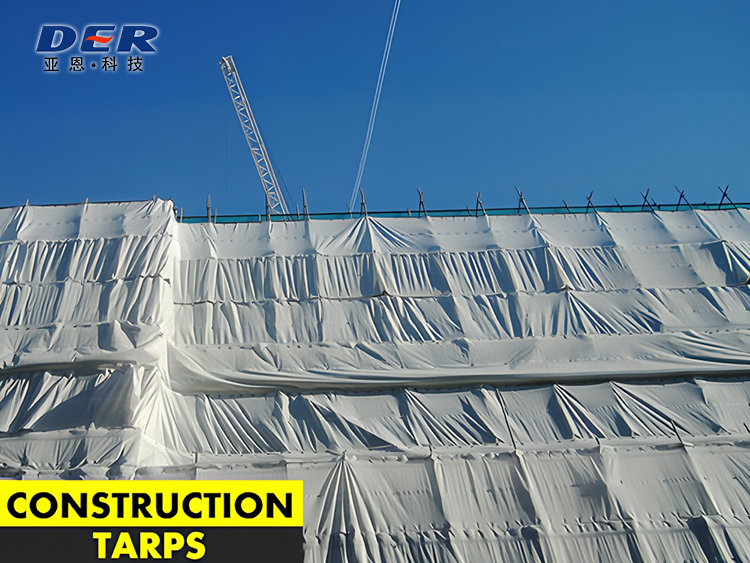
Reduce direct rain exposure, windblown dust and cross-contamination. Large panels can include perimeter webbing, weighted edges, anchor tabs and modular overlap zones.
Protect parked engines, pumps, generators, crushers, screens and service equipment from moisture, grit and UV while allowing planned access and ventilation details.
Contain loose material and help manage weather exposure during mine-site haulage. Reinforcement is positioned around repeated pull, roller or strap contact.
Create removable weather barriers, dust curtains or equipment screens around conveying and handling zones, subject to the site’s safety and ventilation requirements.
Fabricated panels support temporary work tents, service bays, welding screens, partitions and rain protection in remote operating areas.
Heavy tarp panels may support temporary splash, debris or maintenance-area protection. Chemical containment or liner duty requires a separately engineered, compatible system.
Quality control should connect the approved sample to the production batch and finished cover. Der factory can align material checks, fabrication inspection and documentation with the contract requirements.
Application, dimensions, exposure, fastening, safety tests and packaging are converted into a controlled product specification.
Base construction, coating formula, color and surface are confirmed through a sample or agreed reference.
Fabric weight, width, appearance, coating consistency and relevant mechanical properties are checked according to the agreed plan.
Finished dimensions, seam continuity, reinforcement location, hardware spacing, printing and workmanship are reviewed.
Products are identified, folded and packed to the agreed method, with batch or project information retained where required.
Practical answers for mine operators, engineering contractors, distributors and industrial cover fabricators.
For repeated outdoor handling, abrasive dust and wet conditions, PVC coated high-tenacity polyester is commonly selected because it combines waterproofing, weldability, dimensional stability and resistance to tearing. The correct weight, yarn, coating and surface treatment should be matched to the specific mine-site application.
Yes. Flame-retardant and anti-static formulations can be developed for a confirmed project specification. State the required test method, pass criteria and end-use environment before sampling. A general outdoor cover should not be treated as automatically approved for underground hazardous areas.
Medium-duty static covers often start around 610–750 g/m2. Frequently handled machinery, haulage and stockpile covers may require 900–1200 g/m2 or a specially reinforced construction. Wind load, sharp contact points, seam layout and fastening details are as important as fabric weight.
Yes. Options include shaped panels, welded seams, reinforced corners, edge webbing, lifting points, grommets, D-rings, buckles, straps, access flaps, warning printing and identification labels. Drawings, photos or a dimensioned sketch help reduce sampling time.
Provide the finished dimensions, support geometry, expected wind exposure, tie-down spacing and load direction. The cover should use a suitable reinforcement pattern, adequate fastening points and controlled tension. Pad sharp edges and minimize loose unsupported areas to reduce flutter fatigue.
Depending on the confirmed product grade and contract, documentation may include product specifications, batch inspection records, dimensional checks, color approval, packing records and available third-party test reports. Certification scope should be agreed before production.
Send Der factory your application, dimensions, quantity, exposure conditions, fastening design and required test standard. The team can recommend a material structure, finished-cover details, sampling route and production plan.
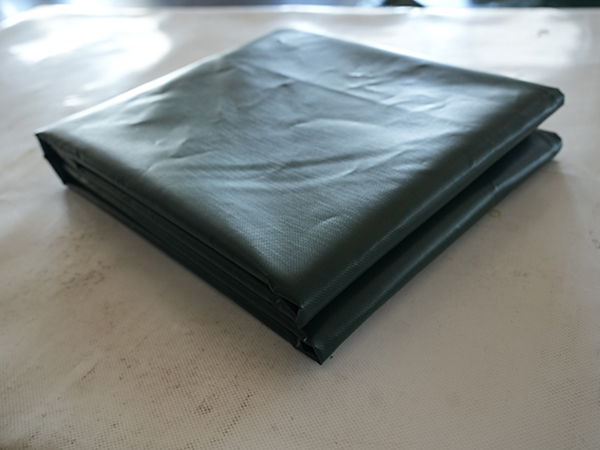
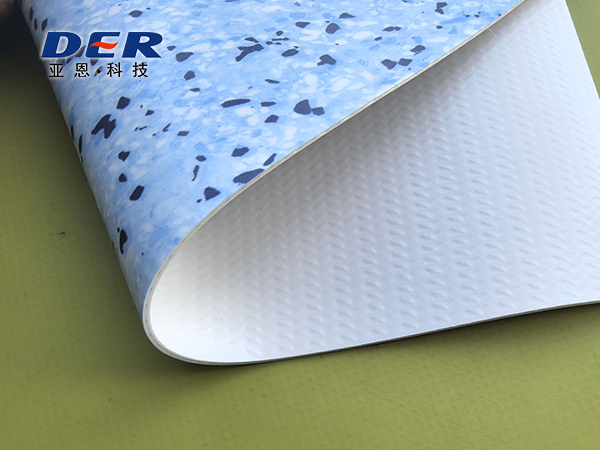
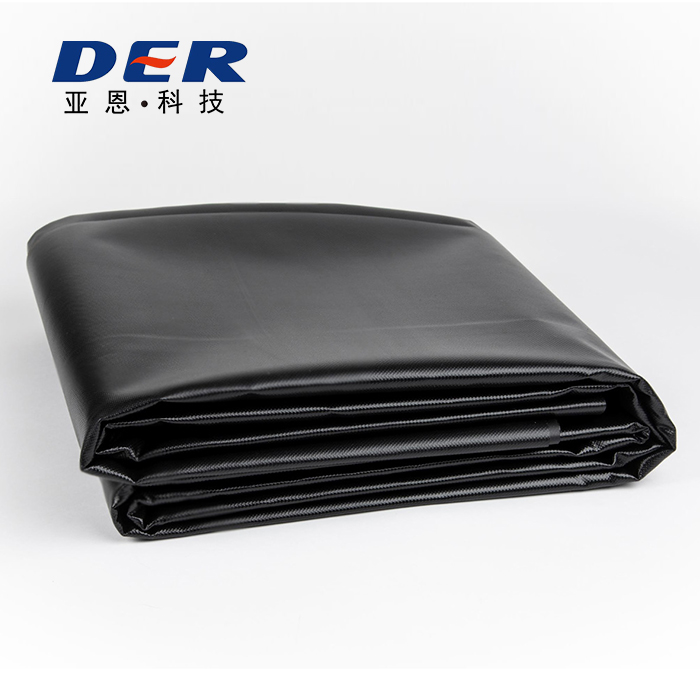
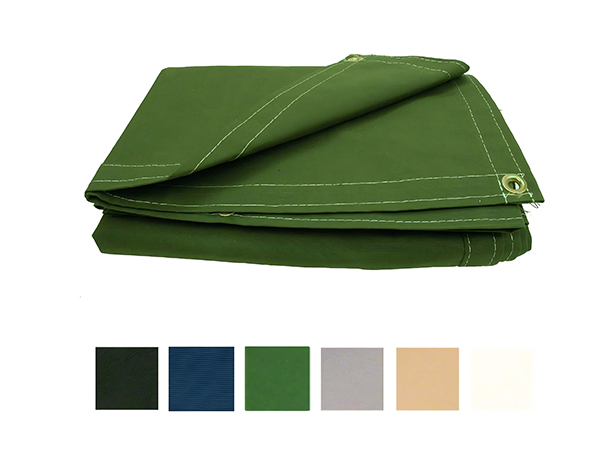
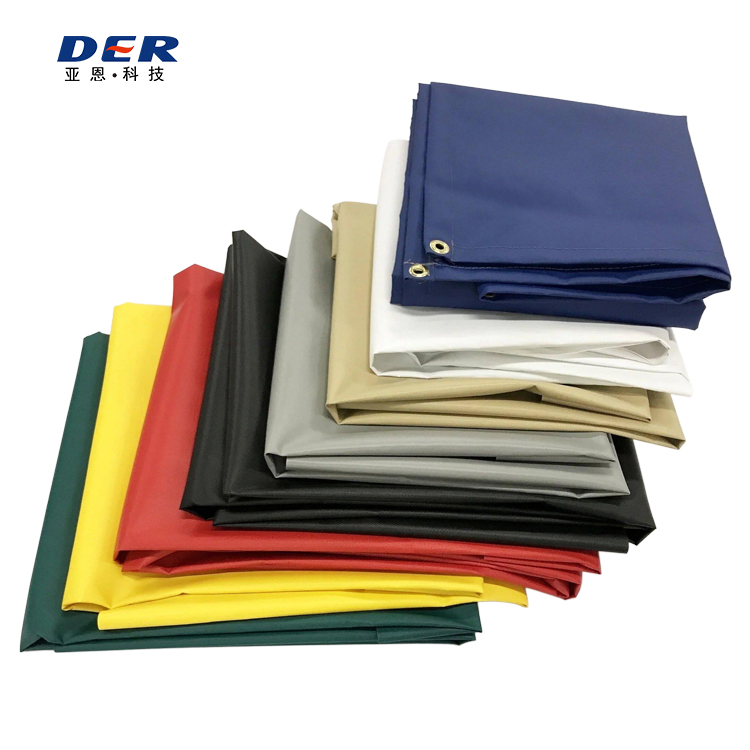
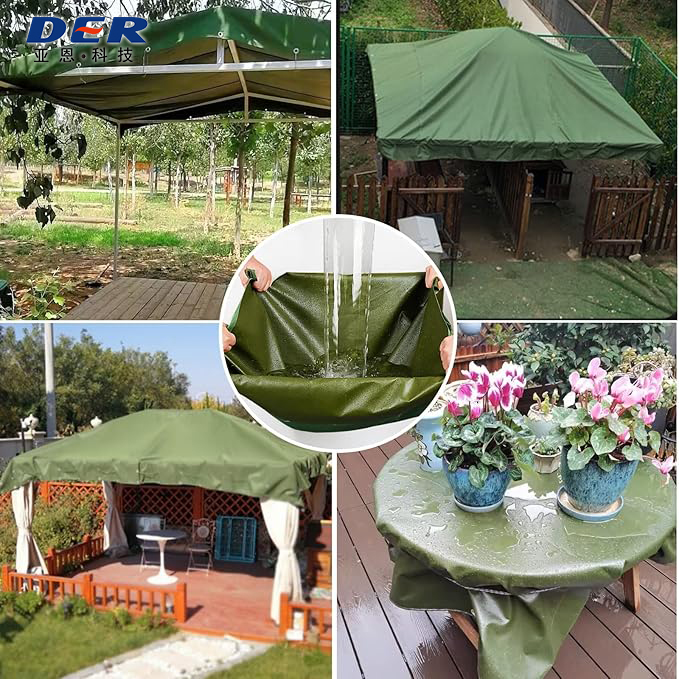
Our products are widely used in our residential and industrial area, which can be used for producing tents, outdoor covering, flexible ventilation tube, water bladders, inflatable castles, architecture membrane structures, etc. Our main products: PVC coated fabrics, PU/TPU coated fabrics, Oxford fabric, PVC ceiling film, flexible banner material. Welcome to our site and order online.