↔
Dimensional Stability
Reinforced polyester construction is selected to control elongation and support repeatable tracking under working tension.

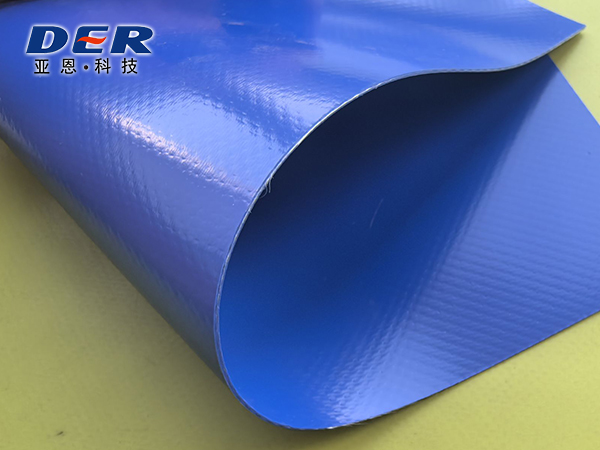
Der factory supplies reinforced PVC conveyor belt fabric and PVC coated polyester belt material for conveyor-belt converters, equipment manufacturers, maintenance suppliers and industrial distributors. Build the specification around your pulley diameter, carried product, required friction, belt tension, cleaning method and operating environment—not around a generic catalog number.

For professional belt buyers, the important question is not simply “PVC or not?” It is how the reinforcement, coating, surface friction and flex characteristics work together after the material is tensioned around pulleys.
A practical PVC conveyor belt fabric combines a textile reinforcement with a PVC surface system. The fabric layer helps carry longitudinal tension, controls elongation and contributes to lateral stability. The PVC layer becomes the working face, influencing grip, cleanability, wear behavior, chemical contact and how easily the finished belt can be processed.
Der factory positions this material for conveyor belt manufacturers, belt fabricators, conveyor OEMs, replacement-belt distributors, maintenance contractors and industrial converting companies that want a repeatable roll material instead of a one-size-fits-all finished belt.
This approach is especially useful when your downstream operation adds finger joints, mechanical fasteners, V-guides, cleats, perforations, sidewalls, edge sealing or other fabrication after the coated fabric is supplied.
Conveyor performance starts with the reinforcement. A thicker PVC cover cannot compensate for a carcass that stretches too much, tracks poorly or lacks the lateral stability required by the machine.
Controls friction, cleanability, color, surface texture and contact behavior with the conveyed product.
Provides tensile support, dimensional stability and a predictable response under belt tension.
Helps integrate textile and polymer layers so repeated flexing does not quickly separate the structure.
Can be configured for slider-bed contact, additional traction, reduced friction or downstream fabrication.
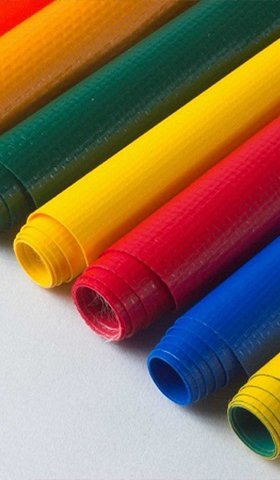
A procurement-friendly specification should connect each material property to a real conveyor problem: slipping, mistracking, edge wear, delamination, excessive stretch, contamination or premature surface damage.
Reinforced polyester construction is selected to control elongation and support repeatable tracking under working tension.
Match smooth, matte or higher-grip surfaces to boxes, bags, parts, produce, textile products or incline conveying.
The structure can be developed around pulley diameter and cycling requirements to reduce cracking and interlayer stress.
Bond integrity between PVC and textile is a core QC point for material that will be repeatedly bent, tensioned and processed.
Roll material can be planned for downstream jointing, cutting, cleats, guides, perforation or other converter operations.
Anti-static, flame-retardant, oil-resistant, abrasion-oriented or special-color compounds can be evaluated by project.
The table below is a sourcing framework, not a universal finished-belt data sheet. Final values should be confirmed after the conveyor geometry, carried material, working tension and performance tests are defined.
| Parameter | Typical Project Direction | What the Buyer Should Confirm |
|---|---|---|
| Product | PVC conveyor belt fabric / PVC coated polyester belt material | Roll material, slit roll, semi-finished or converter-ready format |
| Base reinforcement | High-tenacity polyester woven fabric; project-specific construction | Required tensile strength, elongation and lateral stability |
| Ply / reinforcement concept | Single or multi-layer design according to belt duty | Pulley diameter, load, speed and desired finished thickness |
| Total thickness | Approx. 1.0–6.0 mm development range, subject to structure | Finished belt target and minimum bending radius |
| Width | Custom roll width / slit width subject to production feasibility | Finished belt width, trimming allowance and annual volume |
| Top surface | Smooth, matte, embossed, rough/grip or custom pattern direction | Required friction, release, drainage and cleanability |
| Bottom surface | Fabric back, coated back or friction-controlled finish | Slider bed, roller bed, drive contact and joint method |
| Color | Green, white, blue, black, grey or custom color direction | Process visibility, contamination control and brand standard |
| Hardness | Custom PVC compound hardness by grip and wear requirement | Surface feel, pulley behavior and abrasion profile |
| Operating temperature | Standard PVC conveyor applications commonly center on moderate temperatures | Actual continuous/min/max temperature and cleaning temperature |
| Optional properties | Anti-static, flame-retardant, oil-resistant, cold-flex, abrasion-oriented, special compound | Exact test method, target value and regulatory market |
| Processing | Slitting, cutting, surface development and selected downstream fabrication support | Joint type, guides, cleats, holes, edge treatment and packaging |
| Supply mode | OEM roll supply, custom production and repeat-order programs | MOQ, sample plan, packaging, labeling and forecast volume |
Important: food-contact, ESD, flame-retardant or other regulated grades must be ordered against a defined standard and approved test method. Do not substitute a general-purpose grade where compliance is mandatory.
For B2B belt programs, the right raw material can reduce rework at jointing, trimming and accessory installation. Der factory can discuss the material construction before your converter commits to a finished-belt process.
Adjust fabric construction, coating build and total thickness around load, pulley geometry and desired belt stiffness.
Balance grip on the carrying side with friction requirements on the machine side, including slider-bed behavior.
Evaluate anti-static, flame-retardant, oil-resistant, abrasion-oriented, cold-flex or other formulations where required.
Plan roll width, slit width, core, roll length, labels and export packing for your converting and inventory workflow.
Discuss finger jointing, mechanical fasteners, V-guides, cleats, sidewalls, perforation or edge treatment before sampling.
Support stable specifications, batch identification and repeat-order planning for belt distributors and OEM supply chains.
The final material grade should be selected according to load, contamination risk, cleaning chemicals, temperature and whether the conveyor runs flat, troughed, inclined or through tight pulley transitions.
Cartons, poly mailers and distribution-center handling where tracking, low stretch and repeatable friction matter.
General packaging, case handling and machine integration with smooth or controlled-grip surfaces.
Small-component movement where anti-static project options and clean surfaces may be required.
Fabric, garments and soft products requiring controlled handling without unnecessarily aggressive surface texture.
Fruit, vegetables, grains, feed and sorting operations subject to the required hygiene and resistance standard.
Panel movement, paper handling, printing lines, light manufacturing and custom equipment applications.
Belt failures often come from a mismatch between machine geometry and material construction. Use these six questions to define the RFQ before comparing suppliers.
Cartons, food, parts, textile, wood, abrasive material or oily product all create different surface and compound requirements.
Incline conveying usually needs more grip or a structured surface than a flat accumulation or transfer conveyor.
Small pulley diameters increase flex demands and can rule out an unnecessarily thick or stiff construction.
Slider beds, rollers and driven pulleys need different bottom-surface friction and wear behavior.
Food contact, flame resistance or electrical behavior must be tied to an exact target standard—not a vague marketing label.
Jointing, V-guides, cleats, sidewalls, perforations and edge work should be considered before the roll material is frozen.
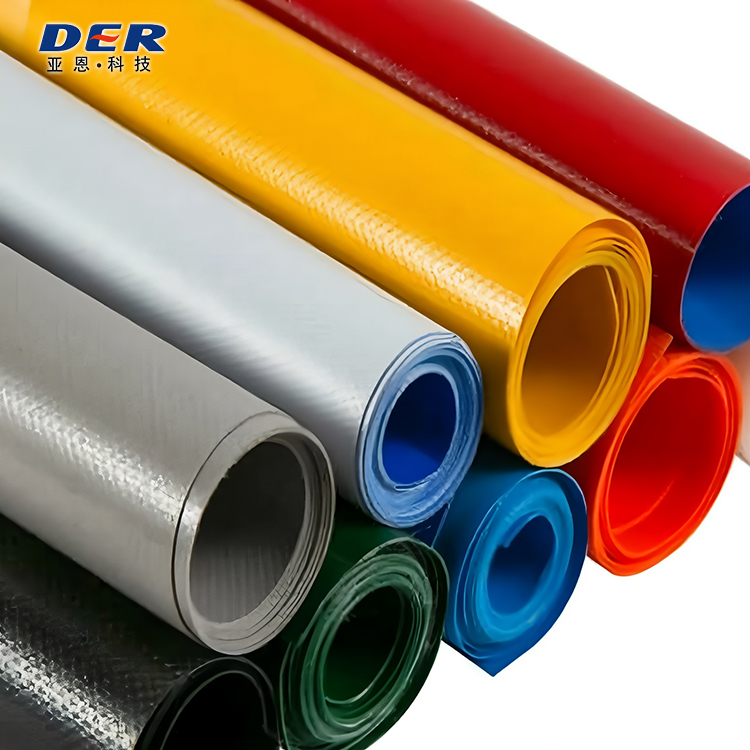
A meaningful inspection plan checks the characteristics most likely to affect belt converting and conveyor operation, instead of relying only on visual appearance or nominal thickness.
Terms such as “anti-static,” “flame retardant” and “oil resistant” can mean different things in different industries. A strong RFQ includes the test method, target value, exposure duration and whether the requirement applies to the top cover, full composite structure or finished belt.
For example, an electronics line may prioritize electrical behavior and cleanliness, while a packaging line may care more about tracking and friction. An agricultural process may need easy cleaning and moisture resistance, while a workshop conveyor may be exposed to oils or repeated abrasion.
Der factory can use these requirements to screen the PVC compound direction and decide whether a standard grade, modified PVC formulation or an alternative coated material such as TPU is more appropriate.
Discuss Your Performance Target
It is a reinforced technical textile that combines a woven synthetic fabric—commonly polyester—with a PVC working surface or impregnation system. The textile reinforcement provides tensile support and dimensional stability, while the PVC compound provides the conveying surface, grip, cleanability and application-specific resistance.
Yes. Thickness, reinforcement structure, color, hardness direction, coating build and surface finish can be discussed by project. Smooth, matte, embossed and higher-grip concepts should be matched to the carried product and conveyor design.
Anti-static performance can be developed as a project option. Specify the required electrical resistance range and test method before sampling so the formulation and verification plan can be matched to the machine and target industry.
Only after the exact food-contact market, contact condition and required regulation are defined and the selected formulation is verified accordingly. A general industrial PVC grade should not automatically be treated as direct-food-contact material.
Provide the application, carried product, belt width, target thickness, reinforcement or ply requirement, top and bottom surface, color, minimum pulley diameter if known, operating temperature, required resistance properties, joint/fabrication method, order quantity and annual demand.
There is no universal winner. PVC is commonly chosen for cost-effective light- to medium-duty conveying with broad surface customization. TPU is often considered when hygiene, flexibility or higher wear performance is more demanding. Rubber is generally favored for heavier impact and bulk-material service. The final choice should follow load, temperature, chemical exposure, cleaning method, pulley size and compliance requirements.
Whether you need a custom PVC conveyor belt fabric roll, a repeat supply program or a new coated polyester construction for your own belt converting line, Der factory can review the application before quotation.
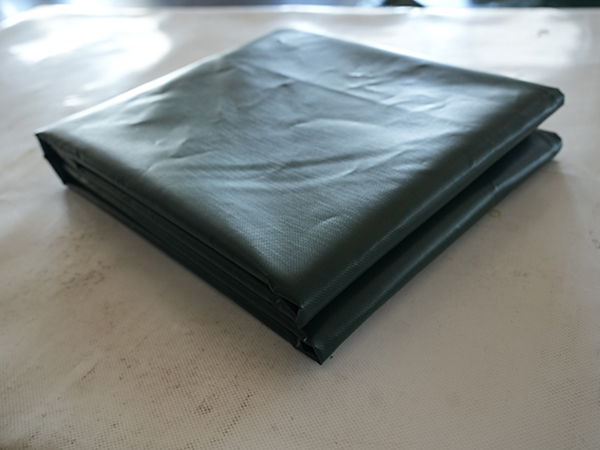
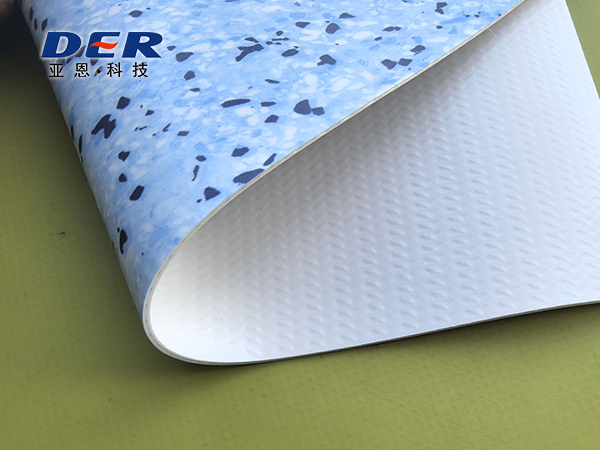
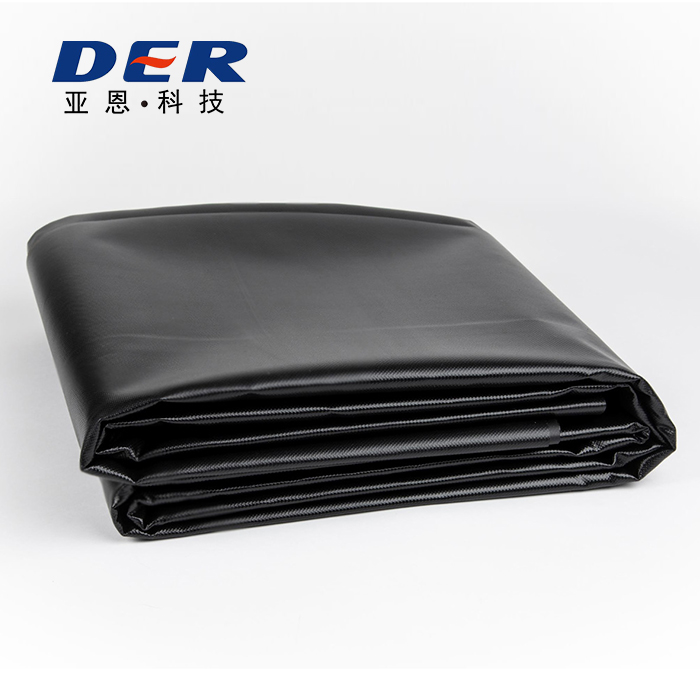
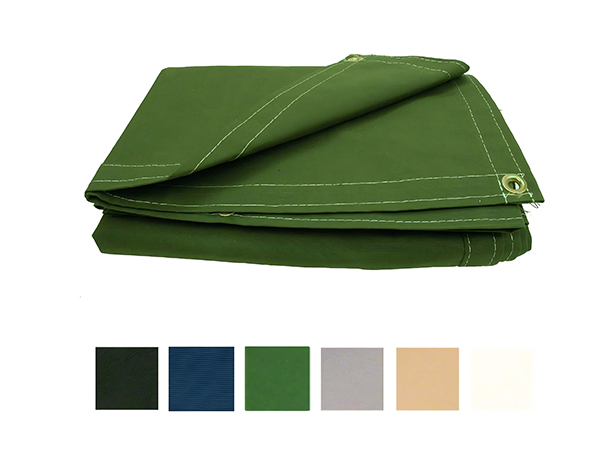
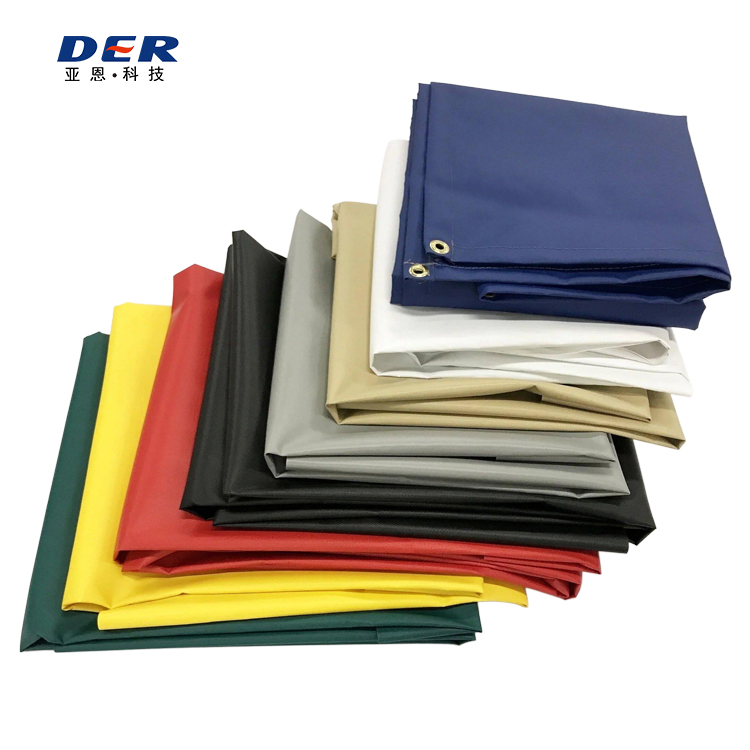
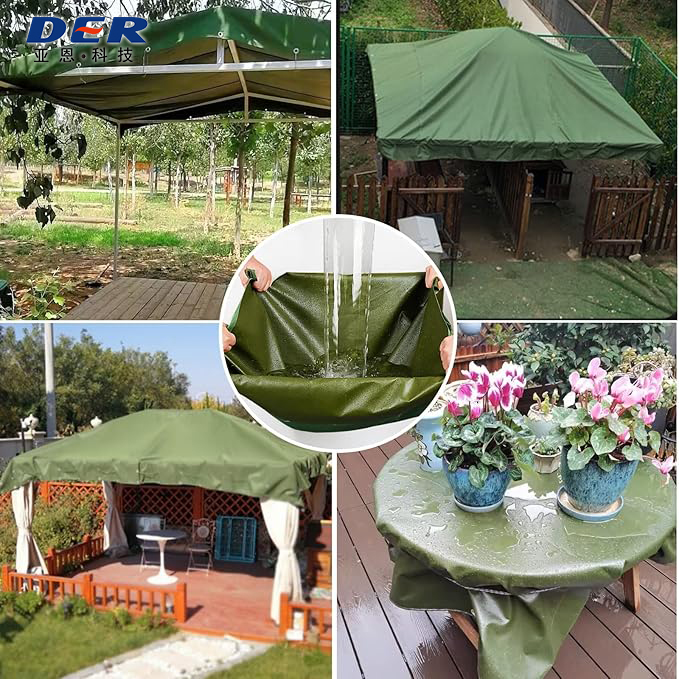
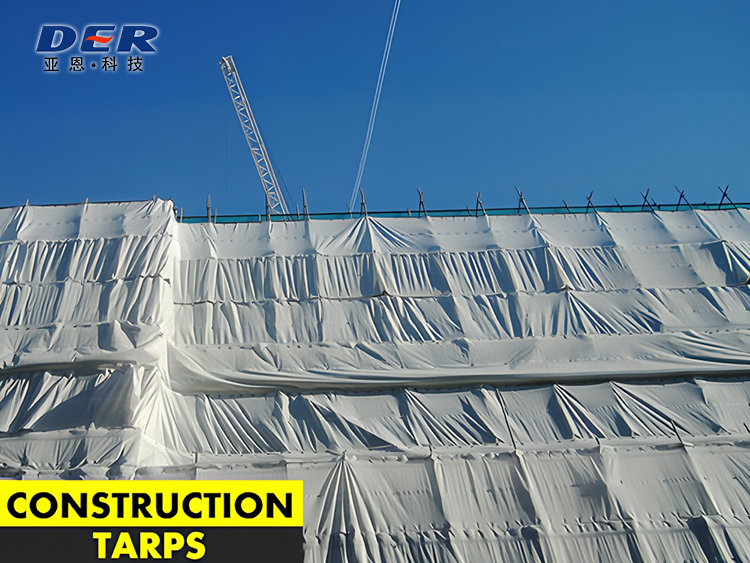
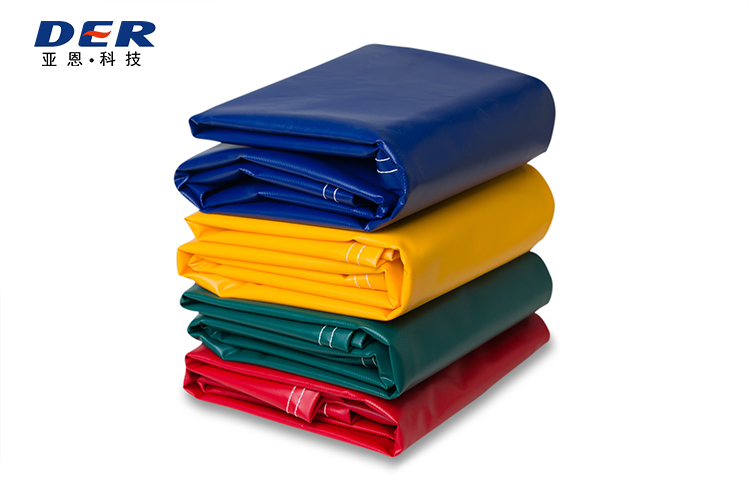
Our products are widely used in our residential and industrial area, which can be used for producing tents, outdoor covering, flexible ventilation tube, water bladders, inflatable castles, architecture membrane structures, etc. Our main products: PVC coated fabrics, PU/TPU coated fabrics, Oxford fabric, PVC ceiling film, flexible banner material. Welcome to our site and order online.