
Coated Fabrics
Reinforced polyester with PVC or other project-selected surface systems for waterproof covers, tarpaulins, curtains and structures.

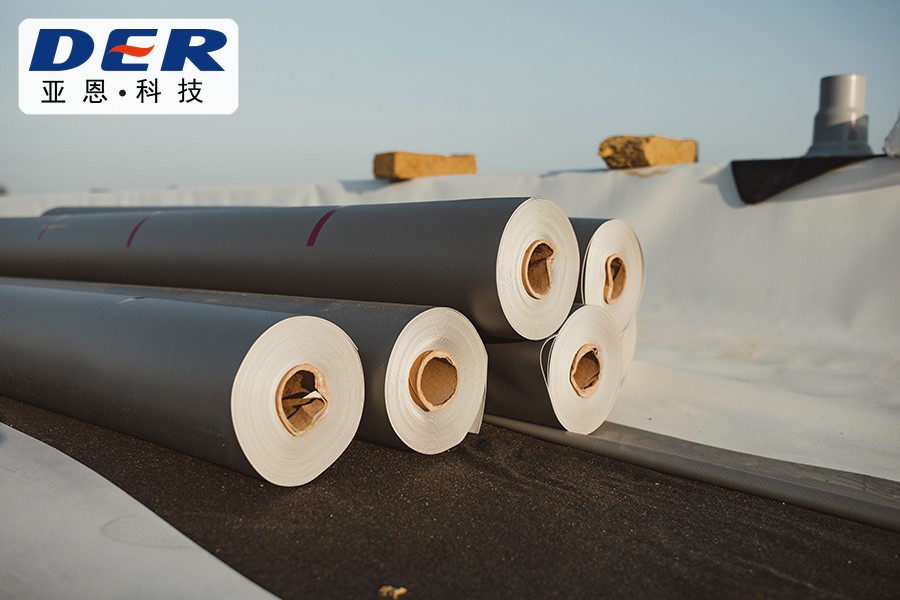
Der factory supplies industrial fabrics for applications where ordinary textile is not enough. Our material programs combine reinforced base cloth, functional coatings, surface finishes and fabrication support for waterproof covers, truck curtains, equipment protection, temporary structures, liners, roofing membranes and custom OEM products.
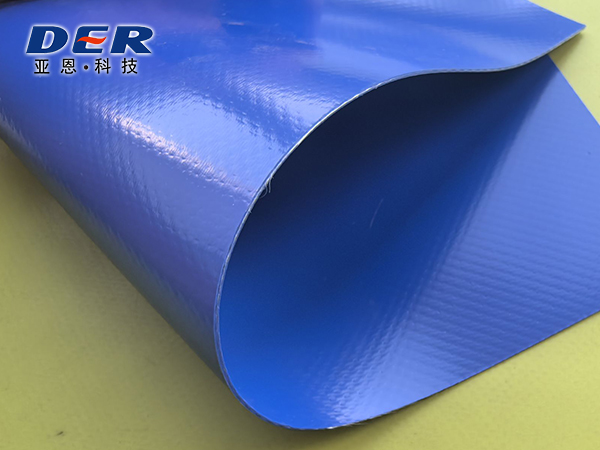
Industrial fabric is not defined by one fiber or coating. It is defined by the work the material is expected to do and the repeatability required in commercial production.
A coated industrial textile normally combines a load-bearing textile substrate with one or more functional surface layers. The substrate controls tensile strength, tear propagation, dimensional stability and handling. The coating or laminated film adds waterproofing, cleaning performance, color, weather resistance, weldability and application-specific protection.
The result must be considered as a system: yarn, weave, coating adhesion, coating formulation, surface lacquer, roll consistency and downstream fabrication all influence the finished product. A high headline weight does not automatically create a better cover if the material is difficult to weld, unstable in cold weather or poorly matched to the operating environment.
Der factory develops industrial fabrics around the buyer's real use conditions, conversion equipment and commercial target rather than offering only a fixed roll from stock.
Reinforced polyester with PVC or other project-selected surface systems for waterproof covers, tarpaulins, curtains and structures.
Film-to-textile composites for economical protection, controlled appearance and application-specific weight targets.
Ventilating structures for debris containment, shade, wind management, scaffold screening and selected transport uses.
Thermoplastic membrane and roofing solutions for waterproofing, environmental exposure and large-area installation.
Two fabrics can look similar in a product photo yet behave very differently in welding, outdoor exposure and repeated mechanical use. These are the layers buyers should define.
Polyester yarn construction, density and weave are selected to support tensile load, tear resistance, dimensional control and fold behavior.
The interface between textile and coating affects delamination resistance, flex endurance and the stability of welded or reinforced zones.
PVC, thermoplastic membrane or another specified layer provides the barrier, thickness, color, flexibility and fabrication characteristics.
Matte, gloss, embossing, lacquer, UV package, flame-retardant system, anti-mildew treatment and print surface complete the material.
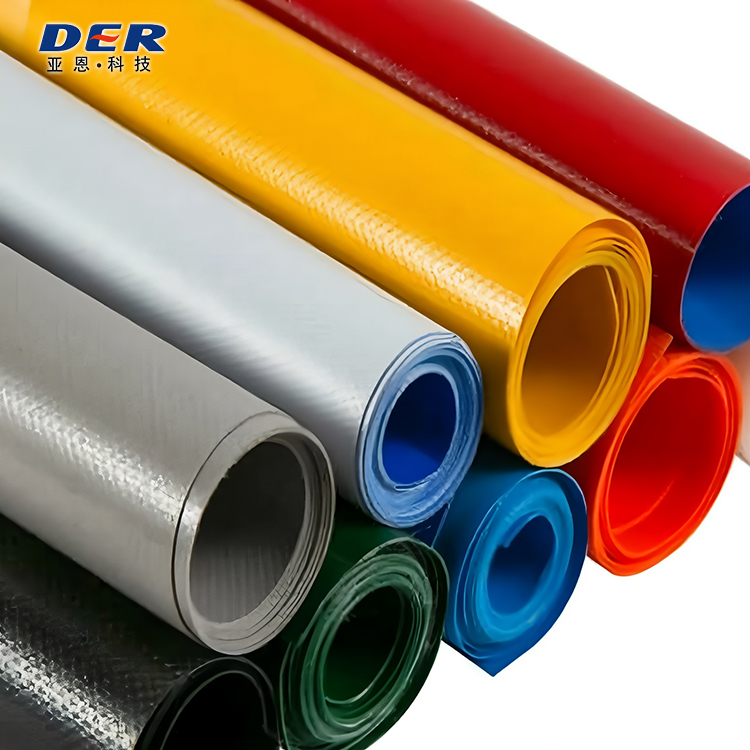
The most effective industrial fabric specification is built around what could fail in use: water ingress, tearing, surface wear, UV aging, cold cracking, seam weakness or non-compliance.
Continuous coating and suitable seam fabrication protect equipment, cargo, materials and work areas from rain and moisture.
Reinforced textile construction supports tension while limiting damage growth around corners, fixings and wind-loaded zones.
Surface formulation and material reserve matter where fabric rubs against cargo, frames, rollers, straps or the ground.
Outdoor-grade formulas and finishes help reduce premature fading, embrittlement and coating degradation.
Compatible material supports repeatable hot-air, hot-wedge or HF welding and more reliable waterproof seam construction.
Project-selected FR systems can be developed for tents, curtains, public structures and safety-sensitive applications.
Low-temperature formulations can reduce stiffness and cracking risk during folding, transport and winter operation.
Surface finish influences dirt pickup, washability, print appearance and the long-term presentation of the finished product.
Stable color, width, weight, coating and roll handling reduce waste for converters and improve repeat-order reliability.
The ranges below are selection references rather than one universal product. Final specification is confirmed against application, test standard, fabrication method, quantity and sample approval.
| Parameter | Standard / Custom Direction | Why It Matters to the Buyer |
|---|---|---|
| Material Family | PVC coated polyester, PVC laminated fabric, mesh, clear PVC, TPO membrane and project-specific composite | Material family determines barrier performance, flexibility, weldability, durability and commercial cost. |
| Nominal Weight | Approx. 300–1500+ g/m² depending on construction and application | Weight influences handling, durability, material reserve, freight, folding and fabrication efficiency. |
| Thickness | Approx. 0.25–1.50+ mm; thicker structures available by project | Thickness affects abrasion reserve, stiffness, welding setup, appearance and finished-product weight. |
| Roll Width | Common production widths and customized wide-width options subject to material route | Wider rolls can reduce seams, labor and leakage points while improving panel yield. |
| Base Textile | Application-selected high-tenacity polyester scrim; custom yarn and weave direction | The substrate controls tensile strength, tear behavior, dimensional stability and reinforcement performance. |
| Surface | Matte, gloss, lacquered, embossed, printable, anti-slip or application-specific finish | Surface choice affects cleaning, branding, friction, appearance, welding preparation and outdoor life. |
| Color | Standard shades, custom color matching and brand-oriented programs | Color consistency matters for fleets, distributors, private-label ranges and repeat production. |
| Functional Options | UV resistant, FR, anti-mildew, cold resistant, abrasion focused, anti-wicking or oil-resistant direction | Functions should be selected from actual exposure risks and the target market's test requirements. |
| Fabrication | Hot-air, hot-wedge or HF welding; sewing, cutting, hemming, eyelets, webbing and reinforcement | Material must be validated on the converter's equipment before full-scale production. |
| Supply Format | Roll goods, slit rolls, cut panels, semi-finished components or finished custom covers | Supply format can reduce local labor, simplify inventory and align with the buyer's production model. |
Important: performance values and compliance statements should be written into the approved specification or purchase contract. Request a sample and test report relevant to the exact production grade.
Custom industrial fabric development is most reliable when the buyer and manufacturer agree on performance, conversion and acceptance criteria before mass production.
Define exposure, movement, load, service life, cleaning, safety requirements and the intended finished product.
Select substrate, coating route, weight, thickness, finish and functional package around the priority risks.
Validate color, hand feel, welding, sewing, folding, printing and hardware interaction on real equipment.
Approve the reference sample, tolerances, test method, packaging and identification before bulk output.
Manage raw materials, coating, surface finishing, roll inspection, packing and shipment documentation.
The gallery uses images hosted on the Der factory website. Image fallback is included so the page continues to display a verified site image if a product filename changes.
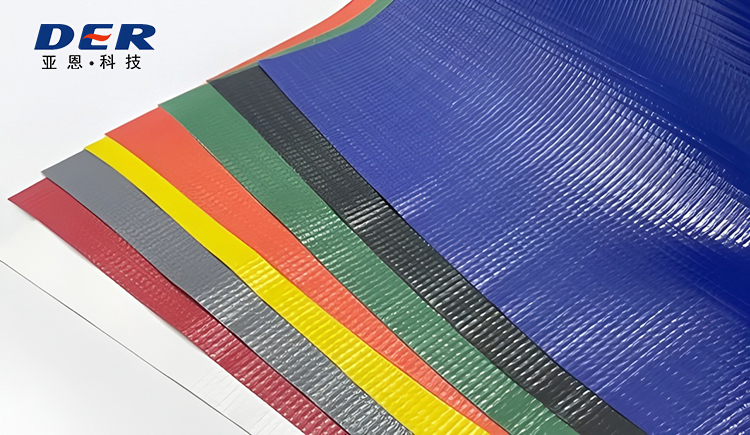


A useful product page should help buyers identify a material direction—not force every application into the same generic fabric.
Heavy-duty waterproof materials for machinery, outdoor stock, warehouse zones, construction work and temporary protection.
Explore heavy duty PVC tarpaulin →Strong, flexible and printable coated fabrics for cargo covers, curtain-side trailers and transport protection.
View truck side curtain fabric →Weldable weather-resistant material for temporary structures, event tents, emergency shelters and industrial enclosures.
View PVC tent fabric →Custom cover fabric designed around dimensions, access points, abrasion zones, tie-downs and outdoor service conditions.
Explore high-strength PVC polyester →Protective sheets, partitions, dust barriers, site covers and rugged materials for demanding work environments.
View heavy-duty fabric rolls →UV-focused coated textiles for long exposure, temporary storage, agriculture and commercial outdoor products.
View UV-resistant PVC fabric →Project-selected flame-retardant grades for curtains, tents, public spaces and controlled industrial environments.
View flame-retardant fabric →TPO and thermoplastic waterproof membrane solutions for flat roofs, low-slope roofing and large-area protection.
Explore Der factory solutions →Industrial buyers need repeatable production, usable documents and clear acceptance criteria. Testing should match the exact product grade and target market—not rely on a generic certificate from another material.
Certification wording should never be assumed. State the required test method, pass criteria, sample conditioning and report holder before placing the order.
A clear inquiry reduces unnecessary sampling, quotation revisions and production risk. The following information helps Der factory recommend a practical material direction.
These six internal links help buyers move from the broad industrial fabric category to a more application-specific product direction.
Answers to common sourcing questions from converters, project buyers, distributors and OEM product teams.
Share the finished product, operating environment, target weight or thickness, width, color, functional requirements, fabrication method and order volume. Der factory can help you compare practical material structures and prepare a project quotation.
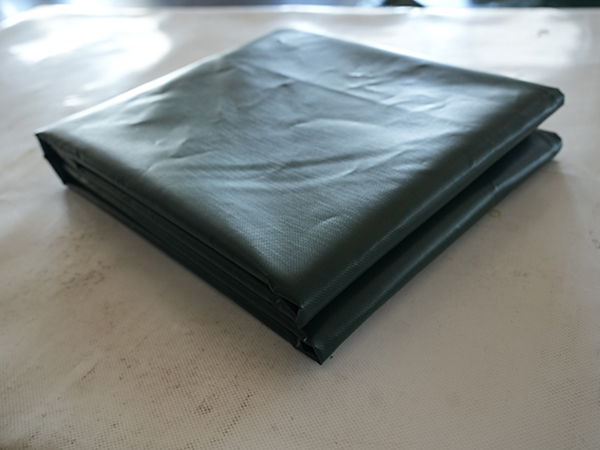
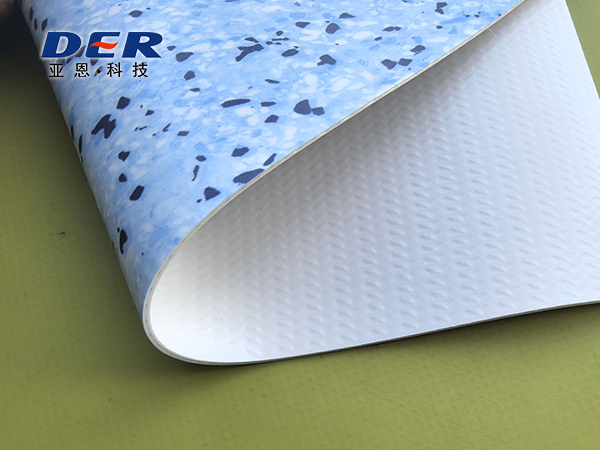
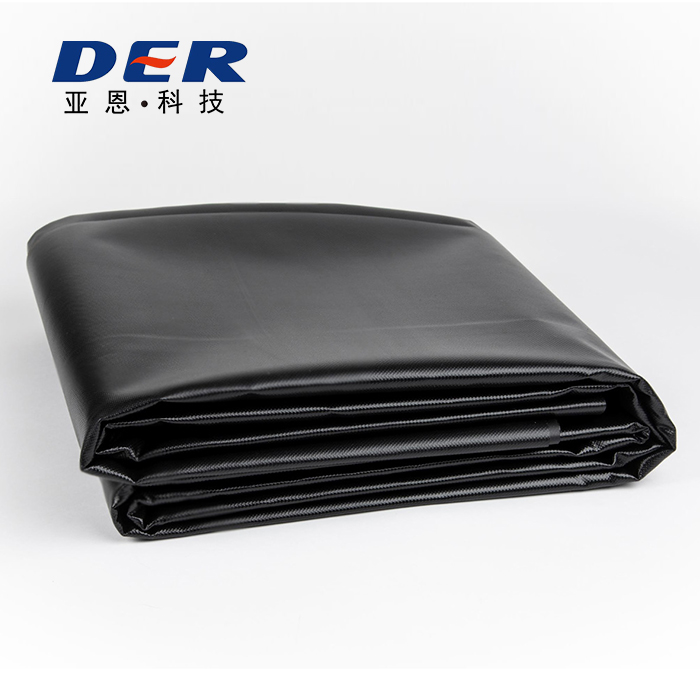
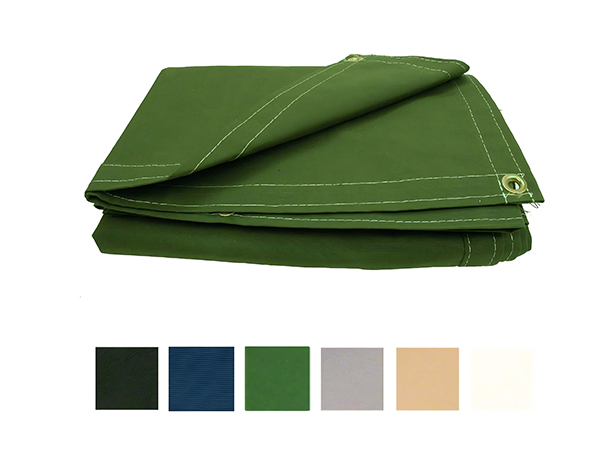
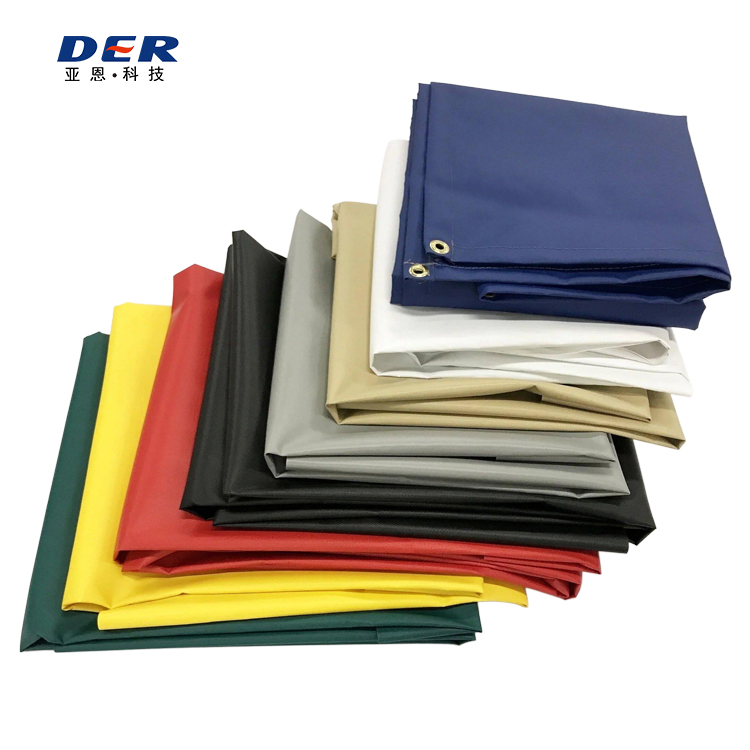
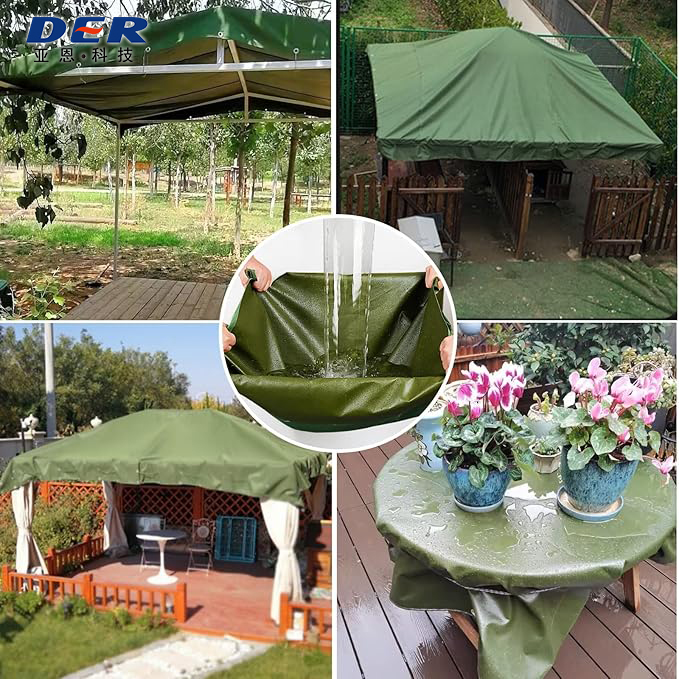
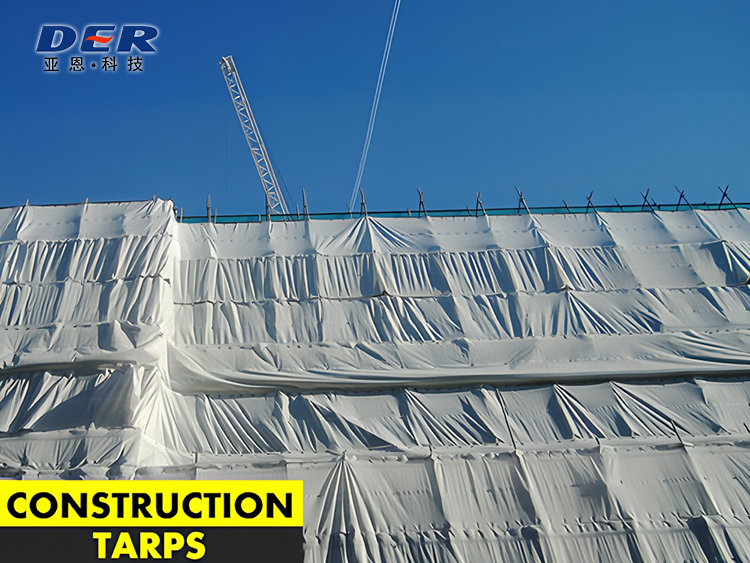
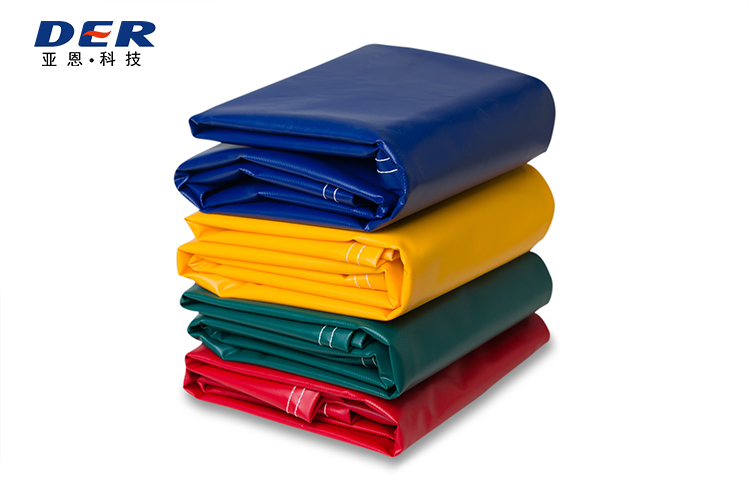
Our products are widely used in our residential and industrial area, which can be used for producing tents, outdoor covering, flexible ventilation tube, water bladders, inflatable castles, architecture membrane structures, etc. Our main products: PVC coated fabrics, PU/TPU coated fabrics, Oxford fabric, PVC ceiling film, flexible banner material. Welcome to our site and order online.