
truck tarps
- 2026-10-26


The practical difference is breathability versus waterproof barrier protection. Learn how those properties change equipment storage, truck covers, seams, maintenance, weight and the price you actually pay over a cover's useful life.

Neither material is better for every job. Choose a treated canvas tarp when the covered item needs ventilation and you can tolerate limited water repellency. Choose a vinyl tarp—normally polyester fabric coated or laminated with polyvinyl chloride (PVC)—when reliable rain protection, wipe-clean surfaces and welded fabrication are priorities. For either material, seams, edge reinforcements and installation can determine whether the finished cover works.
The decision is especially important for contractors, truck tarp fabricators, industrial distributors and OEM brands. A material that performs beautifully as a breathable machinery dust cover may fail as a rain-exposed trailer sheet; a waterproof vinyl sheet may protect against rain but trap humid air around poorly ventilated stored equipment.
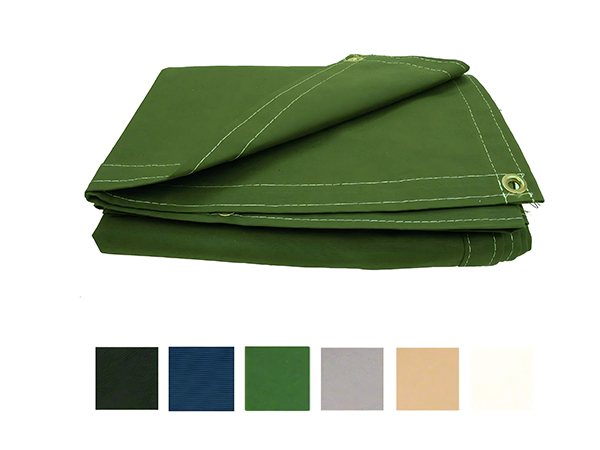
You need a woven textile surface, modest airflow around covered goods, soft handling, or absorbency for workshop and painting protection. Ask how the canvas was treated and how it should be dried and stored.
You need waterproof cover material for freight, yard storage, construction or repeated industrial use. Specify coated polyester construction, acceptable welding method, strength requirements and fixing-point design—not simply “heavy duty vinyl.”
Compare the finished application, not an untreated fabric swatch against an engineered finished tarp. Grade and fabrication can change the outcome.
| Buyer criterion | Canvas tarp | Vinyl / PVC tarp | Procurement implication |
|---|---|---|---|
| Basic construction | Woven cotton duck or blended textile; sometimes wax-, oil- or chemically treated. | Polyester scrim with continuous PVC coating or lamination. | Request actual fiber content, finish and layer construction. |
| Water protection | Usually water-resistant after treatment; seams and prolonged wetting remain concerns. | Continuous PVC surface is a waterproof material; holes and poor seams still leak. | Vinyl is the normal starting point for sustained rain and splash exposure. |
| Breathability | Air and moisture vapor can pass through many untreated or treated woven grades. | Low permeability through a continuous PVC barrier. | Provide ventilation under vinyl when condensation matters. |
| Abrasion & tearing | Can be robust; depends on weave, fiber, finish and stress direction. | Can be engineered with reinforced yarn and durable coating. | Compare measured tear and tensile results, not names. |
| Cleaning | May absorb oils, stains and water; drying takes care. | Generally easier to wipe clean with compatible agents. | Check stain resistance and approved cleaning procedure. |
| Outdoor aging | Moisture, mildew, shrinking and finish loss require attention. | UV package, coating quality, plasticizer system and cold flexibility matter. | Ask about anticipated exposure and weathering evidence. |
| Seam fabrication | Most commonly stitched; stitching makes holes in the fabric. | Compatible PVC grades can be heat or RF welded; sewing is also possible. | Test seam strength and leakage on production-style joints. |
| Surface feel | Textile-like, generally less slick; finish changes feel. | Smoother coated surface; hand feel changes with formulation. | Ask for physical samples when handling or aesthetics matter. |
| Weight | Fabric weight rises with weave and added finish. | Total GSM includes textile plus PVC layers. | Do not infer comparative strength from GSM alone. |
| Storage and repair | Dry thoroughly; sewn patching may be appropriate. | Clean and dry; compatible welding or patch repair may be available. | Confirm field repair and storage guidance. |
| Most common best fit | Breathable machinery covers, firewood top covers, painting and selected sheltered storage. | Truck and trailer sheets, outdoor equipment, reinforced warehouse covers and custom industrial tarps. | Make end-use and failure risk the first RFQ line. |
Traditional canvas is a tightly woven textile, commonly made from cotton duck or cotton-rich blends. The weave and fiber structure give it a textile feel. Water-repellent treatments can improve how rain beads on the surface; they do not automatically make every seam or long-duration exposure waterproof. Some finishes alter breathability, odor, handling and maintenance.
A particularly important distinction is untreated, waxed and coated canvas. If a supplier describes “PVC canvas,” ask whether it is a fully coated composite. A continuous polymer film can change the moisture behavior that originally made breathable canvas attractive.
Industrial vinyl tarpaulin usually starts with polyester yarn woven into a reinforcing scrim. PVC is applied by coating or lamination, and a surface finish may be added for weathering, cleanability or appearance. The yarn system carries much of the tensile load; coating and adhesion help provide the water barrier and protect the textile.
For cover makers, this structure makes manufacturing choices more controllable: PVC-compatible seams may be welded, cut panels can be joined, and edge webbing or attachment hardware can be specified to fit the load path. For a truck project, see DER factory's truck tarp material and cover category.
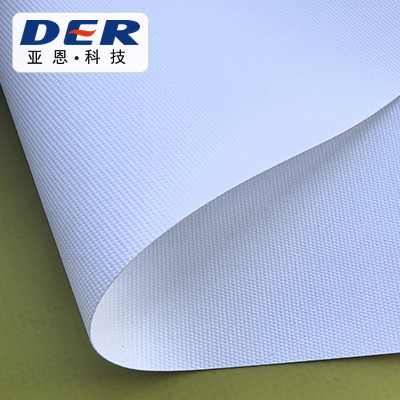
The right answer depends on what failure would cost the buyer. For example, a sheltered machine needs ventilation; a flatbed cargo load needs rain protection and reliable perimeter attachment.
| Use case | Start with | Why this direction | Specification to emphasize |
|---|---|---|---|
| Indoor machinery dust cover | Treated or untreated canvas | Textile feel and air exchange can help where trapped humidity is the problem. | Fabric treatment, linting, abrasion, ventilation and machine compatibility. |
| Flatbed and trailer rain cover | PVC-coated vinyl | Water-barrier material and reinforced fabricated seams suit exposed transport. | Tear strength, weld quality, edge webbing, D-rings and abrasion zones. |
| Firewood in outdoor stack | Canvas or ventilated cover design | Moisture must escape; fully wrapped vinyl can create humidity problems. | Top-only coverage, side ventilation and drainage slope. |
| Outdoor machinery in heavy rain | PVC vinyl plus ventilation | Controls rain ingress while design mitigates trapped condensation. | UV, cold flexibility, drainage and ventilated clearance. |
| Painting and surface protection | Canvas drop cloth | Absorbency and surface handling may be desirable for drips and foot traffic. | Weave, linting, absorbency, grip and size. |
| Yard storage or agricultural cover | PVC vinyl; reconsider if goods need airflow | Easy-clean weather barrier for many industrial storage tasks. | Sun exposure, grommet layout, sharp-edge padding and condensate control. |
| Custom welded box or equipment cover | PVC vinyl | Supports welded panels and engineered edge construction. | Weld window, panel layout, attachment loads and tolerance. |
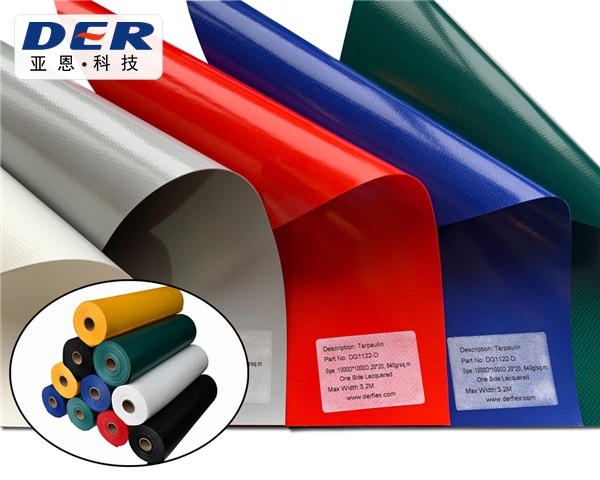
Certain niche applications call for very different constructions. For example, coated liquid bag tarpaulin is engineered around liquid containment and weld integrity, not the breathable properties of ordinary canvas. Likewise, a PVC swimming-pool liner addresses immersion and containment—requirements that should not be confused with a general weather-cover tarp.
For external rain, a sound PVC layer offers a strong barrier. But a tarp can still leak at stitched holes, grommets, split seams, damaged coating or a sagging area where water pools. Specify the finished cover as a system: slope, overlap, seam choice, attachment points and abrasion protection.
When humid air is trapped beneath a low-permeability cover, a temperature change can cause condensation on the underside. A waterproof tarp cannot remove that moisture by itself. Add side openings, spacers, circulation or a ventilated covering method if the protected item is moisture-sensitive.
For sheltered wood, breathable fabric can be useful. For a fully exposed machine, vinyl plus deliberate vent placement may protect better than leaving the whole cover water-permeable. The installation detail is as important as the material choice.
Canvas sellers may quote ounces per square yard, whereas coated-fabric suppliers may quote grams per square metre (GSM). The unit conversion is exact; the performance comparison is not. Finished treated canvas weight and total PVC-coated composite weight include different components.
| Weight quoted as | Equivalent in GSM | What it tells you | What it does not tell you |
|---|---|---|---|
| 10 oz/yd² | ≈ 339 GSM | Mass per fabric area | Waterproofing, tear strength or actual coating chemistry |
| 12 oz/yd² | ≈ 407 GSM | Mass per fabric area | Whether weight is before or after treatment |
| 18 oz/yd² | ≈ 610 GSM | Mass per fabric area | Whether a 610 GSM canvas and 610 GSM PVC composite are equally strong |
| 22 oz/yd² | ≈ 746 GSM | Mass per fabric area | Coating adhesion, UV performance or seam design |
Conversion: 1 oz per square yard ≈ 33.9057 g/m². Values rounded to whole GSM; examples are unit conversions, not specific DER factory product grades.
What fibers or polyester scrim, yarn specification, weave density, treatment and coating method are used?
Is GSM measured on the full finished product, or on base cloth before finishing?
What are the tensile and tear values and the corresponding test methods and directions?
What rain, UV, cold, folding or abrasion conditions are expected in service?
Will the cover be stitched or welded? What happens at corners and fixings?
How will approved color, weight, dimensions and finishing be controlled on repeat orders?
1. Grommet tear-out. A strong sheet can still rip around a poorly reinforced hole. Check washer/eyelet specification, spacing, perimeter hem design and tension direction.
2. Seam leaks. Stitched canvas can admit water at the needle line; welded vinyl can fail if welding parameters or overlap are unsuitable. Specify a seam test, not a blanket claim of “waterproof.”
3. Water pooling. Flat covers sag and accumulate water regardless of material. Provide a slope, supports and drainage path.
4. Abrasion and flap. Repeated rubbing against sharp cargo corners or high-frequency wind flapping can damage both canvas and PVC. Add sacrificial pads and locate reinforcements where loads occur.
5. Bad storage practice. Damp canvas may mildew; improperly stored vinyl can crease, stick or deform depending on formulation and conditions. Follow the supplier's cleaning and dry-storage advice.
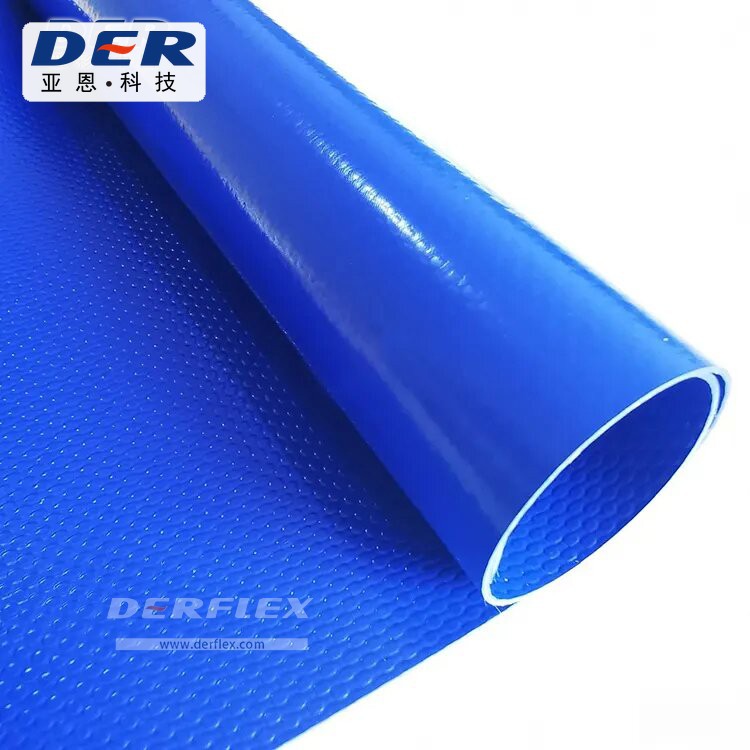
Applicable standards and thresholds must be agreed before production. Test availability, lab method and acceptance limits should be confirmed in the quotation rather than assumed.
The answer varies by fabric grade, treatment, construction, hardware and order size. A basic canvas may cost less than a heavy coated polyester in one market, while a finished, heavily treated canvas with reinforced stitching may not. More important, an inexpensive tarp is not economical if it causes cargo loss, moisture damage or frequent replacement.
Buyer formula: comparable ownership cost = material + fabrication + freight + installation + cleaning + expected repairs and replacement + failure-related risk. Compare the same finished dimensions and performance requirement before selecting the lowest price per square metre.
Yarn and weave density, treatment process, color, cutting, stitching, grommets, labor, custom panel dimensions and drying/maintenance needs.
Polyester base fabric, PVC formulation and coating weight, surface finish, UV/cold additives, roll width, welding, hardware, transport weight and inspection requirements.
Define an approved construction and performance envelope for each SKU. Keep technical wording consistent on the label, datasheet, packaging and repeat-order purchase order. If a retail line includes both breathable canvas and waterproof vinyl, distinguish their use restrictions clearly; this lowers the risk of customers buying a cover that cannot do the intended job.
DER factory works with industrial fabric and tarpaulin categories including heavy-duty covers, canvas-type tarps and PVC-coated textiles. For a custom project, the useful starting point is a specific application and drawing—not a general request for “strong tarp at best price.” Final manufacturing scope and the requested material grade should be confirmed directly for each inquiry.
| RFQ information | What to send | Why it matters |
|---|---|---|
| Application & climate | Truck, equipment, outdoor yard, painted surface; sun/rain/cold/ventilation conditions. | Chooses between canvas, vinyl or a hybrid. |
| Required performance | Water-resistance target, tear/tensile requirements, treatment, FR if applicable. | Prevents quoting mismatched grades. |
| Material preference | Cotton canvas/blend or coated polyester; target GSM/oz, color, finish. | Defines construction and appearance. |
| Finished drawing | Length, width, drops, panel shape, tolerance and expected attachment layout. | Prevents undersize covers and edge failures. |
| Fabrication | Seam method, hem width, reinforcement, webbing, grommets, D-rings, labels. | Establishes actual cover strength. |
| Commercial details | Roll goods or finished tarps, estimated quantity, market, packaging and destination. | Enables usable production and shipping quotation. |
| Approval & testing | Sample review, required standards, inspection plan and target date. | Aligns buyer and supplier acceptance criteria. |
Send DER factory the use case, target dimensions, service conditions and quantity. Ask for a canvas-versus-vinyl material recommendation plus the specific sample and fabrication details required for your purchase.
Request a Material & Cover ReviewFor further information on reinforced coated textile construction, DER factory's specialized liquid-bag material page illustrates how end-use changes the required barrier and seam performance. That application is not a substitute specification for an ordinary tarp.
Traditional canvas is not inherently a sealed waterproof membrane. Many canvas tarps are treated to resist or shed rain, but prolonged exposure, pooling and stitched seams may allow water through. Use appropriately specified vinyl/PVC coated polyester where sustained waterproof protection is essential.
Usually in industrial tarp purchasing, yes: “vinyl tarp” commonly describes a polyester fabric coated or laminated with polyvinyl chloride (PVC). Verify the exact base fabric, coating, weight and finish because product grades vary considerably.
PVC-coated vinyl is generally a better starting material for exposed truck and trailer covers because waterproof surfaces and compatible welded seams can be specified. Choose final construction by cargo, abrasion, wind, edge loads, climate and inspection requirements.
A vinyl tarp is relatively impermeable, so humid air trapped under a cover can condense when temperatures change. Prevent this through ventilation, spacing and drainage design; a waterproof material alone cannot eliminate internal condensation.
No. GSM and ounces per square yard describe weight, not tensile strength, tear resistance, coating adhesion or finished seam performance. Compare materials using construction data and standardized test results alongside weight.
Traditional uncoated canvas is normally sewn rather than heat welded. Certain PVC-coated constructions can be welded if the surface and process are compatible. Confirm weldability on the exact production-grade material before specifying welded seams.
Approve a representative material sample and a fabricated corner or seam. Check dimensions, weight, treatment or coating consistency, seam quality, eyelets, reinforcement, finish, labels and any agreed test values before authorizing bulk production.
You can send DER factory a custom inquiry covering material family, application, dimensions, weight, finish, required testing, reinforcements, hardware, quantities and packing. Technical feasibility, sample arrangements, MOQ and lead time must be confirmed for the actual project.
Share your application, expected weather exposure, finished size or roll width, fabric weight, reinforcement details, quantity and testing requirements. DER factory can review your request and confirm suitable supply options and sample requirements.
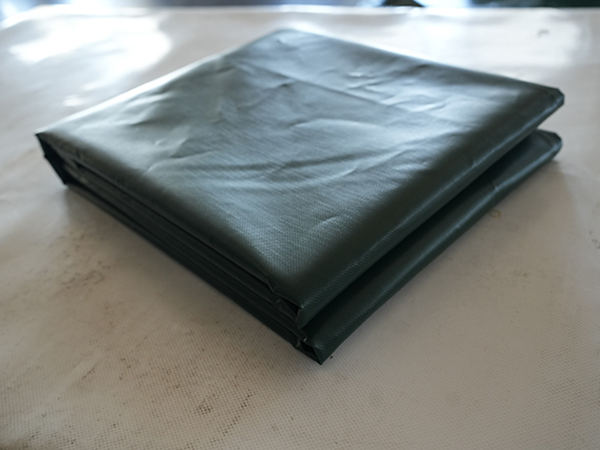
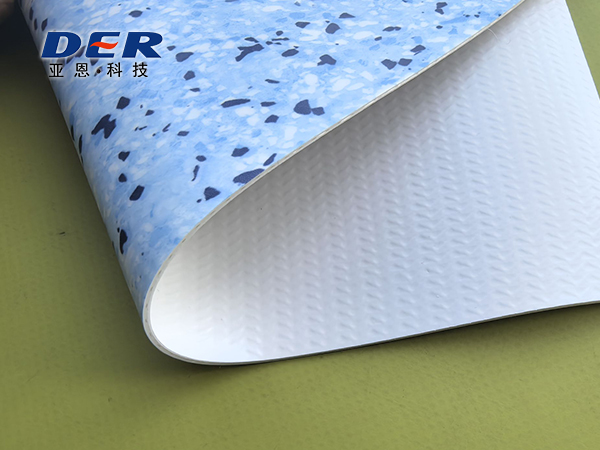
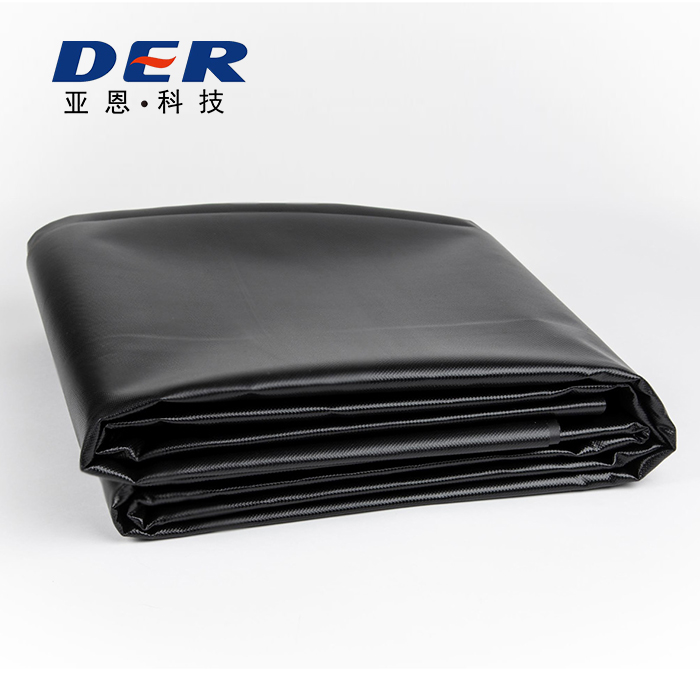
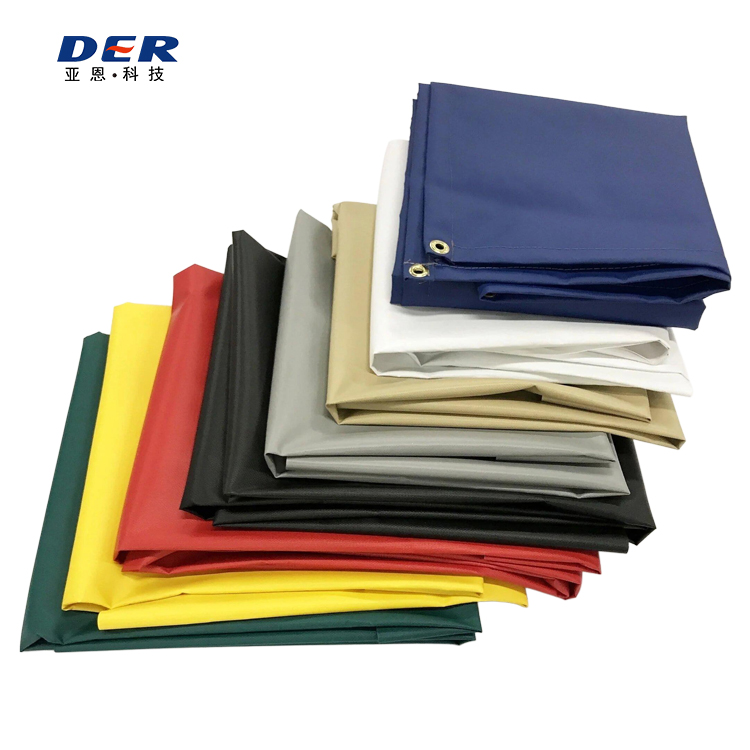
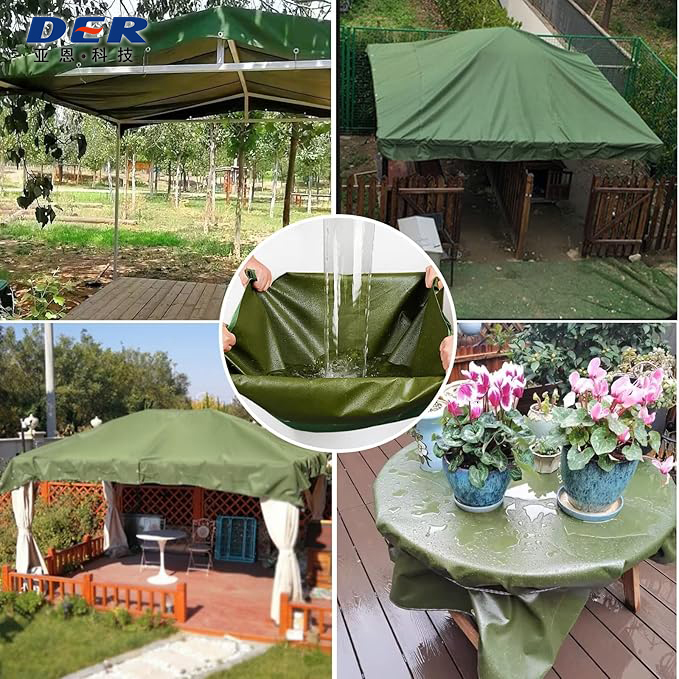
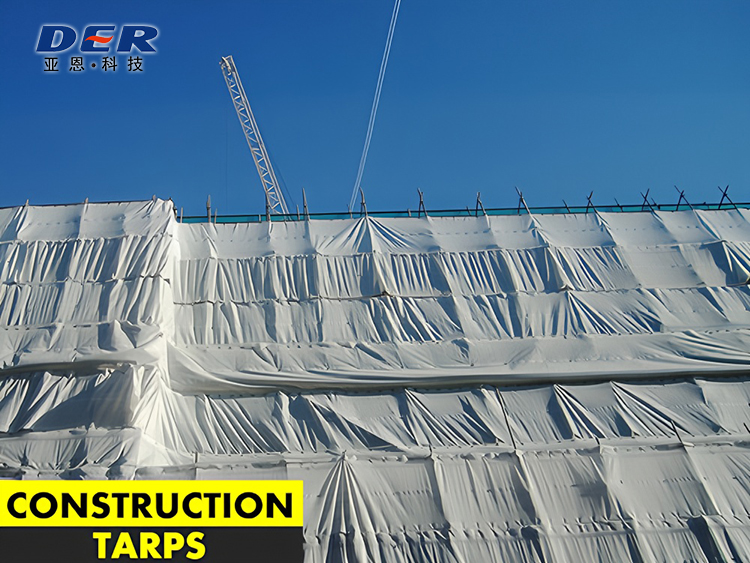
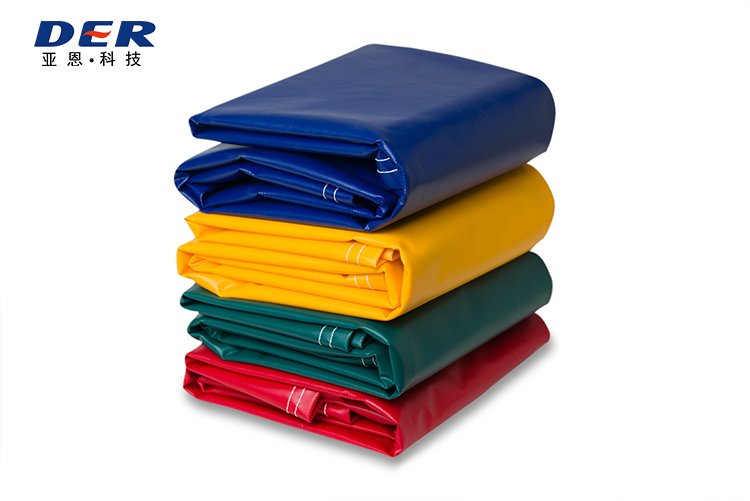
Our products are widely used in our residential and industrial area, which can be used for producing tents, outdoor covering, flexible ventilation tube, water bladders, inflatable castles, architecture membrane structures, etc. Our main products: PVC coated fabrics, PU/TPU coated fabrics, Oxford fabric, PVC ceiling film, flexible banner material. Welcome to our site and order online.