Clarity & tint
Compare samples at the same thickness against the same background and lighting. Evaluate haze, flow marks, surface scratches and distortion across a full panel. Blue tint is a color choice; it is not proof of a particular UV rating.

 DER factory
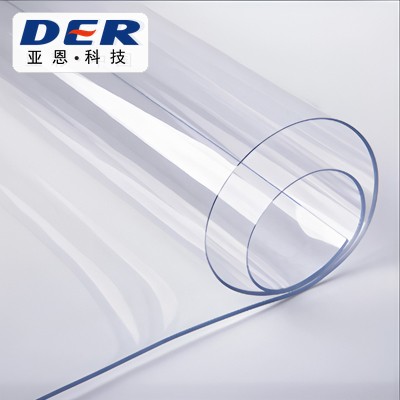
Turn a transparent film sample into a repeatable production specification. DER factory supplies flexible clear PVC film for converters, enclosure fabricators, distributors and OEM buyers.
Discuss thickness, width, softness, appearance and processing requirements before sampling.

Clear PVC film is a transparent polyvinyl chloride material supplied as flexible roll stock for windows, covers, curtains, bags and other converted products. It is also called clear vinyl film, transparent PVC film or flexible PVC sheet. This page focuses on unsupported flexible film: there is no woven base fabric inside the clear viewing area.
DER factory offers a starting point for custom film procurement through its existing super clear PVC film product range. Buyers should confirm the finished gauge, usable width, softness and appearance together. Two films of the same thickness can handle differently when their formulations or surface finishes differ.
Define the product first. Flexible clear vinyl, rigid thermoforming sheet, shrink film and adhesive window film are different buying requirements. State the finished application and whether an adhesive backing, rigid structure or shrink behavior is required.
A useful film specification defines acceptable variation as well as a nominal size. Confirm the following items before sample approval and bulk production.
| Parameter | What to specify | Why it changes the result |
|---|---|---|
| Material & construction | Flexible, unsupported clear PVC; identify any coating, liner or adhesive requirement separately. | Separates clear film from textile-reinforced tarpaulin and other transparent plastics. |
| Nominal thickness | Value in mm or mil, acceptable tolerance and measurement conditions. | Influences weight, drape, roll size, welding setup and handling. |
| Roll width & length | Usable width, length per roll, core dimensions and maximum handling weight. | Controls cutting yield, machine loading and storage compatibility. |
| Optical appearance | Approved clear or tinted sample; gloss, visible defects and any haze or transmission test requirement. | A clear color description alone does not define viewing quality. |
| Softness & surface | Reference sample, agreed softness measurement and polish, texture or anti-block requirement. | Determines drape, feeding, surface contact and how readily layers separate. |
| Processing | HF/RF welding, heat sealing, sewing, cutting or printing; list the mating materials. | Compatibility must be established on the actual production setup. |
| Service conditions | Indoor/outdoor use, lowest handling temperature, folding frequency and cleaning method. | Defines which formulation and validation questions need attention. |
| Special requirements | UV, cold-flexibility, FR, anti-static or substance restrictions; identify the required test and acceptance criterion. | Functions and compliance are grade-specific and require confirmation. |
| Packing & identification | Roll protection, interleaving if needed, labels, lot identification and pallet limits. | Protects the approved surface and helps identify material on arrival. |
No single thickness, width, MOQ or delivery schedule applies to every custom formulation. Request written confirmation for the selected grade.
Have a physical sample but no specification? Send its dimensions, a photo, end use and converting method. Ask which properties should be measured before matching it.
Discuss a Film SampleChoose optical appearance, mechanical feel and surface behavior as a group. An attractive loose sample may behave differently when unwound, folded, welded or viewed across a larger panel.
Compare samples at the same thickness against the same background and lighting. Evaluate haze, flow marks, surface scratches and distortion across a full panel. Blue tint is a color choice; it is not proof of a particular UV rating.
Gauge and formulation both affect feel. More thickness adds material but does not automatically solve cold folding, panel sag or point loads. Confirm that your approved sample can roll, hang or feed through the intended equipment.
A polished surface and an easy-release surface solve different problems. If powder or another anti-block treatment is proposed, check its effect on appearance, printing, cleaning and sealing before selecting it.


Start with how the finished product will be used. Then choose the grade, thickness and validation plan around that duty.
| Finished product | Selection direction | Check before approval |
|---|---|---|
| Tent windows & enclosure panels | Prioritize viewing quality, folding behavior, outdoor exposure and a compatible border construction. | Weld a representative panel, then inspect its appearance, seam and handling after conditioning. |
| Roll-up curtains & partitions | Match drape and roll-up effort to panel size and operating temperature. | Trial the full drop, bottom support and repeated opening cycle. |
| Bags, pouches & stationery | Balance feel, clarity, seal geometry and ink or print compatibility. | Check finished corners, seals, print adhesion and contact with the packaged product. |
| Table & equipment covers | Focus on lay-flat behavior, surface appearance and contact with the protected surface. | Check marking, sticking and cleaning on the actual surface. |
| Inflatable components | Select a grade around seam design, pressure, flexing and the product’s applicable requirements. | Validate welded assemblies and the finished product; clarity alone does not establish suitability. |
For a tent window assembly, evaluate the film together with the surrounding PVC tent fabric. For industrial borders or reinforced attachment areas, consider the role of PVC coated fabric rather than expecting unsupported clear film to carry every fastening load.
A film grade is ready for production only after it works with your process. Request a trial sample and use your production tools, mating materials and intended assembly geometry.
Confirm custom widths, lengths, finishes, labels and packing with the quotation. Finished panels or additional conversion services should be agreed separately from roll supply.
Consider it for transparent panels and converted goods where visibility and pliable handling are central. Define the formulation for the actual exposure and process.
Consider a woven backing where the design needs textile reinforcement. For a clear window inside a reinforced cover, evaluate both materials and their joint.
If your design requires a different material chemistry, elasticity or other performance balance, review transparent TPU film and test the candidate grade in the same assembly.
A broader PVC, TPO and TPU clear-film comparison can help frame material questions. Use current grade-specific data and your own acceptance criteria for the final decision.
Know before ordering: “clear” does not establish UV durability, flame performance, food-contact suitability, medical suitability or a substance-restriction claim. Specify the intended market, applicable requirement and documentation needed for the exact grade.
For a clear PVC film supplier, the useful discussion starts with your finished product and production constraints. DER factory’s published film offering includes adjustable softness, custom dimensions and printing, welding and sewing applications.
For wholesale and OEM supply, agree the grade, roll format and acceptance conditions together. Use the PVC ultra-transparent material overview as background, then request a quotation tied to your actual specification.
Film cost depends on the agreed formulation, thickness, width, finish, testing, order quantity and packing. Compare quotations against the same usable material specification.
Compare usable output. Price per kilogram, linear metre and square metre are different bases. Ask for roll dimensions, net film weight and agreed tolerances before comparing offers.
One mil is one thousandth of an inch: 1 mil = 0.0254 mm. For example, 0.50 mm is approximately 19.7 mil. This is a unit conversion, not an available-grade or inventory claim.
Keep rolls protected from surface damage and follow the selected grade’s storage guidance. Unroll a sample, allow it to condition as agreed, then inspect it before committing the full batch to cutting or printing.
Give the clear PVC film manufacturer a complete roll requirement. If you do not know a property, describe the finished product or send a reference sample instead of guessing a value.
For repeat supply: identify whether you need to match an approved sample, replace an existing grade or develop a new product. These lead to different sample and validation plans.
Practical answers for film converters, OEM procurement teams and bulk roll buyers.
In flexible film purchasing, clear vinyl film usually refers to transparent PVC film. Confirm that the supplier means unsupported flexible PVC, because rigid sheet, adhesive film and reinforced clear materials are different constructions.
Choose thickness together with softness, panel size and service conditions. Request a sample that can be tested for drape, folding, sealing and handling in your finished product. Specify the nominal value and acceptable tolerance rather than thickness alone.
Suitable grades can be processed by HF/RF welding, heat sealing, sewing or printing. Confirm the film formulation, mating material, ink and equipment through a trial. A successful test with one grade does not qualify every other grade.
It can be considered when the selected grade matches the UV exposure, lowest handling temperature, folding duty and assembly design. Request grade-specific requirements and validation; transparency alone does not establish outdoor service life.
Contact between film layers can lead to blocking, depending on formulation, surface finish, winding and storage conditions. Discuss anti-block treatment or interleaving, then check its effect on optical appearance, printing and sealing.
Custom dimensions and adjustable softness are part of the published clear-film offering. Discuss thickness, usable width, length, tint, surface, functions and packing in the enquiry. Final feasibility and tolerances must be confirmed for the selected grade.
Ask for a quotation based on the grade, roll dimensions, quantity and special requirements. MOQ, sample availability and production timing need order-specific confirmation; there is no single verified value covering every clear PVC film program.
No. Those claims depend on the exact formulation, intended use and applicable requirements. State the destination market and required test or documentation before sampling. Do not transfer a report for another material to the ordered grade.
Send DER factory your application, thickness, width, quantity and processing requirements. Add a reference sample and any special test requirement so the quotation starts from the right material.

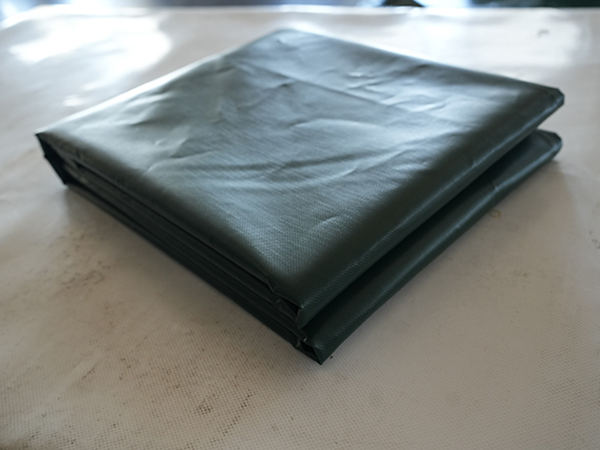
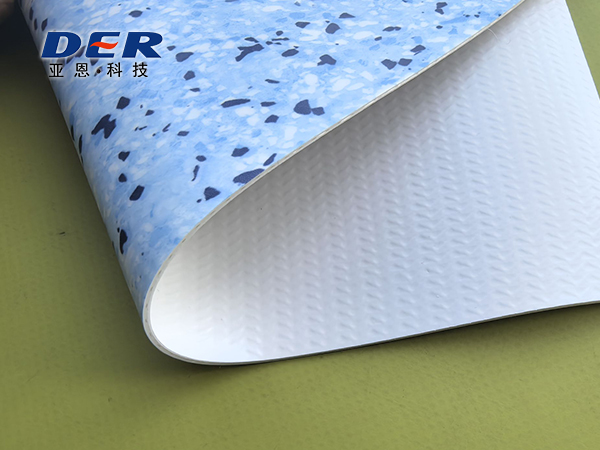
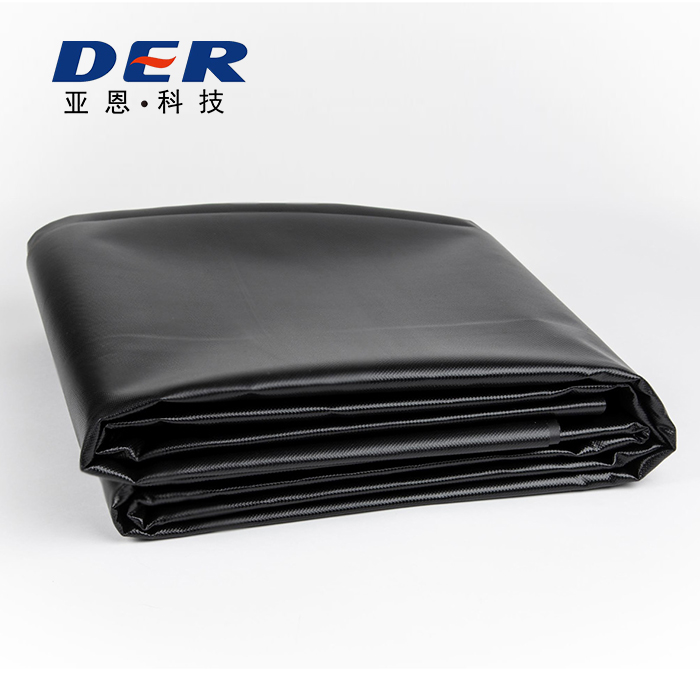
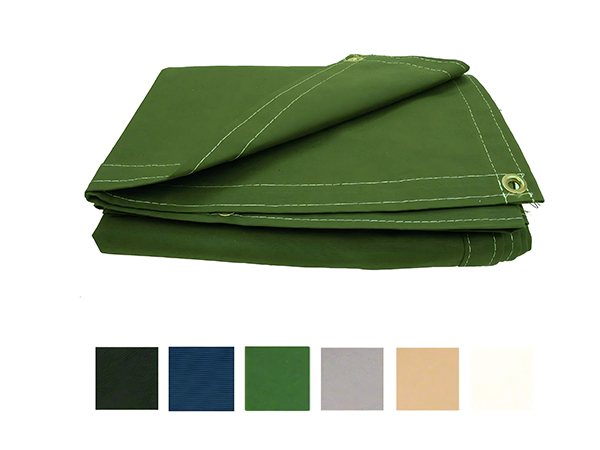
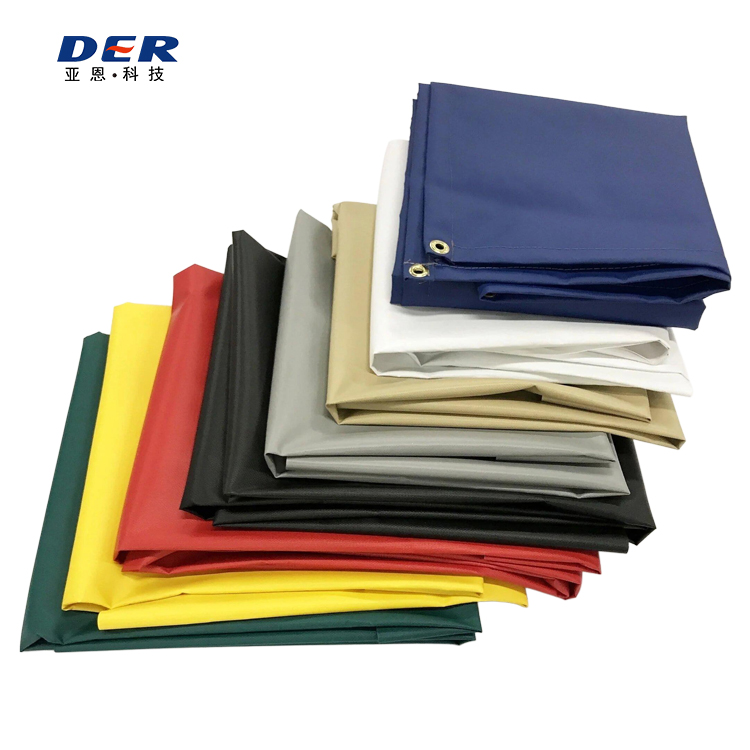
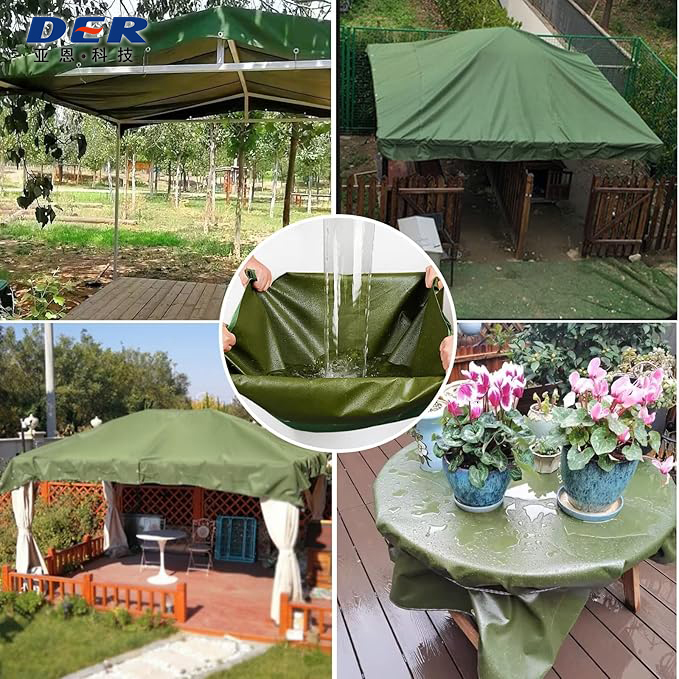
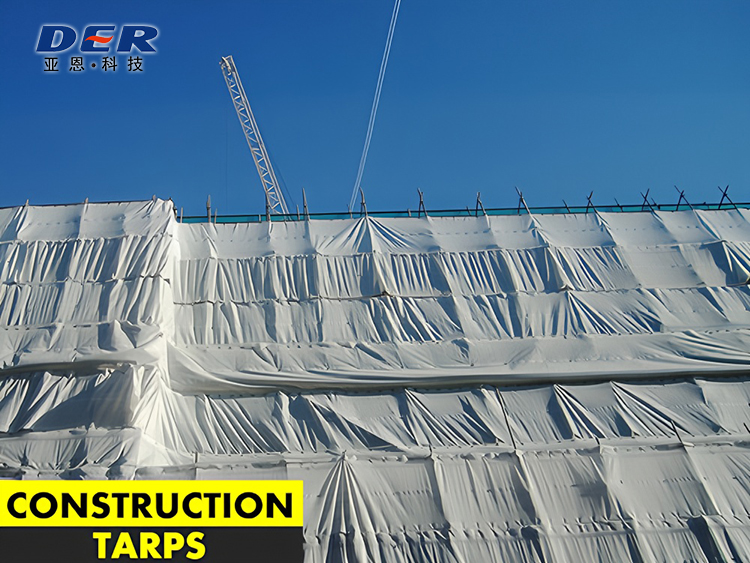
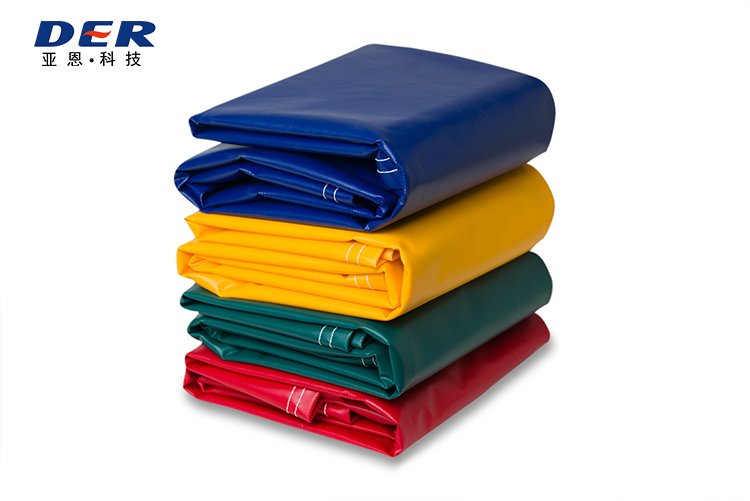
Our products are widely used in our residential and industrial area, which can be used for producing tents, outdoor covering, flexible ventilation tube, water bladders, inflatable castles, architecture membrane structures, etc. Our main products: PVC coated fabrics, PU/TPU coated fabrics, Oxford fabric, PVC ceiling film, flexible banner material. Welcome to our site and order online.