01
Finished Dimensions
Length, width, drop, overlap, opening and tolerance requirements are defined before production.

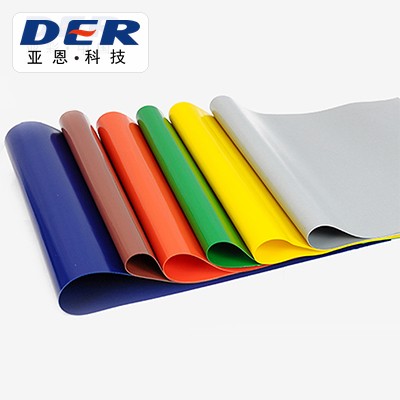
Specify the actual cover size, material, edge construction and fixing layout instead of adapting a stock tarp. DER factory supports custom size tarp programs for equipment, cargo, construction, storage, agriculture and repeat OEM requirements.

A custom size tarp is a tarpaulin made to agreed finished dimensions, with the material and fabrication details selected for the actual covering job. Unlike a stock sheet chosen only by nominal length and width, made-to-measure tarps can account for drops, overlaps, corners, access openings, seam positions, reinforced stress zones and the location of fastening points.
For industrial and commercial purchasing, size should be treated as one part of the complete specification. A large tarp can still perform poorly if the fabric is too light for the exposure, if grommets do not line up with anchors, or if seams and reinforcements are placed in high-stress areas. DER factory can coordinate finished dimensions with PVC coated polyester fabric, fabrication and accessories as one made-to-order tarpaulin brief.
Length, width, drop, overlap, opening and tolerance requirements are defined before production.
Rain, UV, wind, abrasion, repeated handling and contact edges influence material and reinforcement choices.
Grommets, D-rings, straps, webbing and rope edges should correspond to real anchor and tension points.
For OEM and distributor programs, drawings, accessory positions, colors, labels and packing can be controlled as a repeat specification.
Measure the object or coverage area first, then add only the drops, overlaps and handling allowance the installation actually requires. State clearly whether the numbers you send are finished tarp dimensions. For fitted or irregular covers, a sketch with reference points is more useful than a single length × width measurement.
Provide finished length and width. Add any required overlap beyond the protected area. Mark special edge zones and anchor locations.
Provide top length, top width and required vertical drop. Identify projections, handles, exhausts, access flaps and sharp corners.
Provide a dimensioned drawing or reference photo. Use fixed datum points so seam, corner and attachment positions can be interpreted consistently.
Finished size vs. cut size: hems, welded overlaps and seams consume material. If the required installed cover must finish at a specific dimension, label it “finished size” so fabrication allowances can be handled separately.
A good custom tarp specification connects dimensions to material performance and fabrication. Final values should be confirmed during quotation and technical review.
| Specification Item | Available Direction | Why It Matters |
|---|---|---|
| Product form | Flat tarp, fitted cover, panel, curtain, box cover or drawing-based construction | Determines measurement method and seam layout. |
| Material | PVC coated / laminated tarpaulin or other application-matched fabric after review | Controls waterproofing, handling, weldability and durability direction. |
| Fabric weight / thickness | Project dependent; select by exposure, handling and target strength | Heavier is not automatically better; weight affects flexibility, handling and cost. |
| Finished dimensions | Customizable from buyer drawing or measurement list | Defines the usable installed size after seams and hems. |
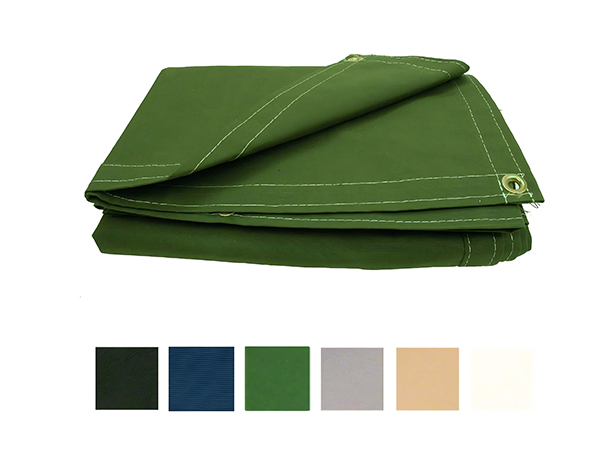
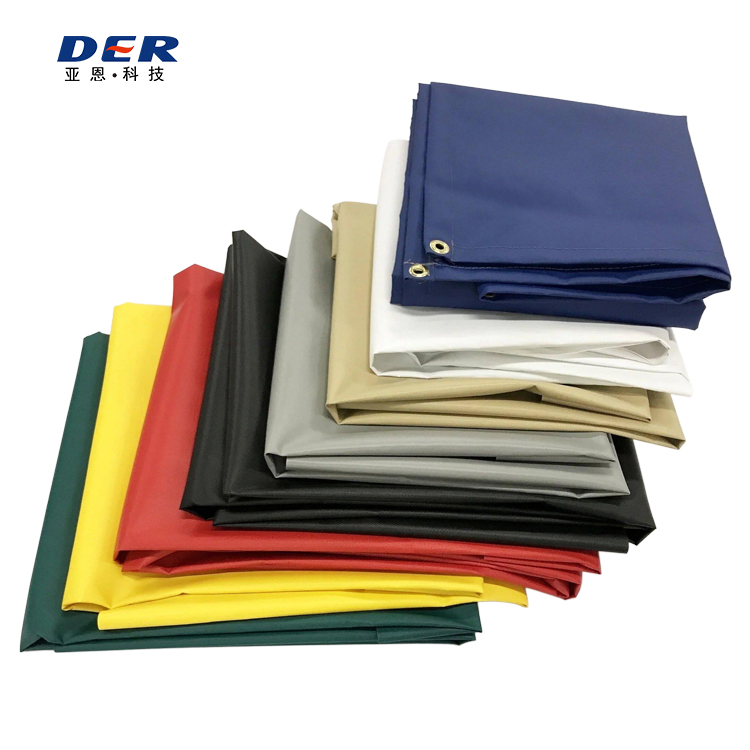
| Color / surface | Standard or custom color directions; finish subject to selected material | Can affect visibility, appearance, branding and heat absorption. |
| Seams | Heat-welded, high-frequency welded or sewn details as appropriate | Panel width, waterproofing and load path all influence seam planning. |
| Edges | Folded or reinforced hems, webbing, rope edge or reinforcement patches | Edge construction distributes load around fastening points. |
| Hardware | Grommets / eyelets, D-rings, straps or other agreed fittings | Spacing should match the actual tie-down system rather than a generic interval. |
| Performance options | UV, flame-retardant or other project requirements subject to material availability and agreed testing | Special requirements should be specified before material selection. |
| Branding / packing | Logo, labels, carton marks and project-based packaging on request | Useful for distributors, OEM programs and repeat-order identification. |
For general PVC tarp material directions, see DER factory's vinyl tarps range. Exact construction should be confirmed for the current project.
Select the tarp construction from the load and exposure pattern, not from size alone. A very large stationary cover may need different reinforcement from a smaller tarp that is tensioned, folded and handled every day.
Prioritize manageable weight and folding where the cover is installed temporarily or moved often. Increase reinforcement only where the load enters the fabric.
Discuss UV exposure, rain shedding, wind, tension and abrasion. Edge and corner reinforcement can be as important as the base fabric weight.
Use a fastening layout that spreads force. Webbing, patches or D-ring zones may reduce concentrated stress compared with relying on unsupported eyelets.
Common specification mistake: ordering a heavier tarp without describing how it will be secured. Wind damage often begins where tension is concentrated, so the grommet or D-ring layout and the reinforcement behind it should be reviewed together.
The fabrication method should follow the material, geometry and required water barrier. Not every tarp needs every accessory.
Useful when finished dimensions exceed practical roll width or when a waterproof panel assembly is required.
Folded material, webbing or rope reinforcement can strengthen edges that are repeatedly tensioned or handled.
Eyelets, grommets, D-rings and straps can be located according to the actual anchor pattern.
Flaps, pockets, sleeves, openings, zippers or hook-and-loop closures can be reviewed for suitable projects.
Very large, fitted or irregular tarps may require multiple panels and planned seams. Fabric width, welding access, corner geometry, hardware positions, packing size and installation method can all affect how the final cover is divided and assembled. Send a drawing early so the fabrication plan can be reviewed before a price is finalized.
The main value of a custom tarp is controlled fit and fastening for a defined application. Different jobs need different specification priorities.
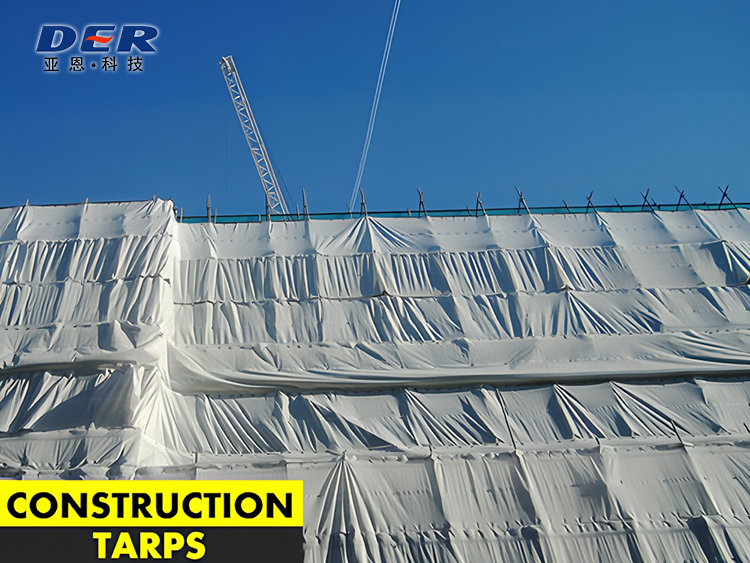
For site materials, scaffolding zones and temporary enclosures, focus on wind loading, anchor layout, edge reinforcement and exposure. See construction tarps.
Equipment covers may need fitted dimensions, shaped corners, access points and abrasion protection around projections. See construction equipment covers.
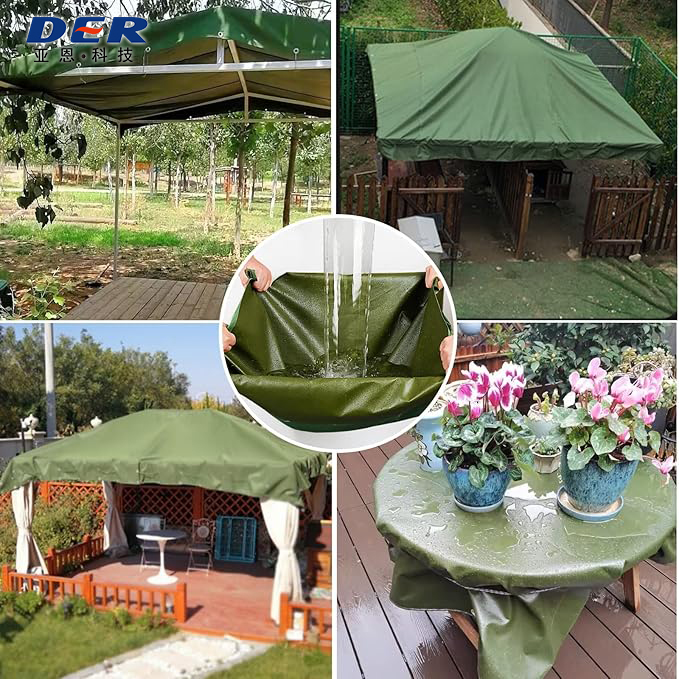
Hay, feed, machinery and farm storage covers often require UV-resistant material direction, reliable anchoring and large-area rain protection. See agriculture tarp covers.
Made-to-measure covers can reduce excess material around standardized palletized loads and simplify repeat handling. See pallet protective covers.
Truck, trailer and cargo covers should be measured around the real load envelope and tie-down method, with attention to abrasion, movement and repeated folding.
Repeat products can be standardized by finished size, material code, hardware map, printing, labels and packing instructions for easier reordering.
A dimension-first workflow reduces avoidable revisions and helps the quotation reflect the real finished product.
Application, environment, handling and protection goal.
Finished dimensions, drops, shape, openings and reference drawing.
Fabric construction, weight, surface and project performance requirements.
Seams, hems, grommets, D-rings, webbing, straps and branding.
Review critical dimensions and approved details before repeat production where applicable.
Price is driven by the total finished specification, not just square meters. Two tarps with the same length and width can have different costs when their material, number of seams, edge reinforcement and hardware layouts differ.
Total material consumption, weight / thickness direction, coating structure and special performance requirements.
Number of panels, welded or sewn seams, fitted corners, pockets, flaps and non-rectangular cutting.
Webbing, rope, reinforcement patches, grommet density, D-rings, straps and other fittings.
Printing, labeling, agreed testing, special packing and shipment destination can also affect a final quotation.
The fastest route to a useful custom size tarp quotation is a complete specification brief.
For a made-to-measure product, dimensional and fabrication checks are as important as the fabric itself.
Any specific ASTM, EN, ISO or customer test requirement should be stated during quotation so it can be reviewed and confirmed for the selected product.
Quick answers to common sourcing and measurement questions.
A custom size tarp is fabricated to agreed finished dimensions rather than chosen from a standard stock size. Material, seams, hems, grommets, D-rings, webbing and other details can be specified for the application.
Measure the actual coverage area or object, identify required drops and overlaps, and mark fixing points. For fitted or irregular covers, provide a drawing or photos with clear reference measurements.
Finished size is normally the clearest reference for a completed tarp. Hems, welded overlaps and seams use material, so the fabrication plan should distinguish finished dimensions from cut dimensions.
Yes. Reinforced hems, webbing, eyelets or grommets, D-rings, rope edges, straps and reinforcement patches can be specified according to the fastening method and stress points.
Drawing-based and fitted designs can be reviewed when the required dimensions, geometry, access points and fastening details are provided. Fabric width and fabrication method can influence the panel and seam layout.
Main cost drivers include material area, fabric construction, number of seams, reinforcement, hardware quantity, shape complexity, printing, testing requirements and packaging.
MOQ and production time depend on the selected material, dimensions, fabrication complexity, accessories, testing and order quantity. Confirm current requirements during quotation rather than relying on a generic fixed number.
Send the application, finished dimensions or drawing, material preference, color, quantity, reinforcement, fastening layout, logo requirements, special performance requirements, packaging needs and destination.
For a practical made-to-measure tarp quotation, send DER factory your application, finished dimensions or drawing, quantity, material preference, edge reinforcement, grommet / D-ring layout and any special performance requirements. The specification can then be reviewed as one complete cover rather than a collection of separate options.
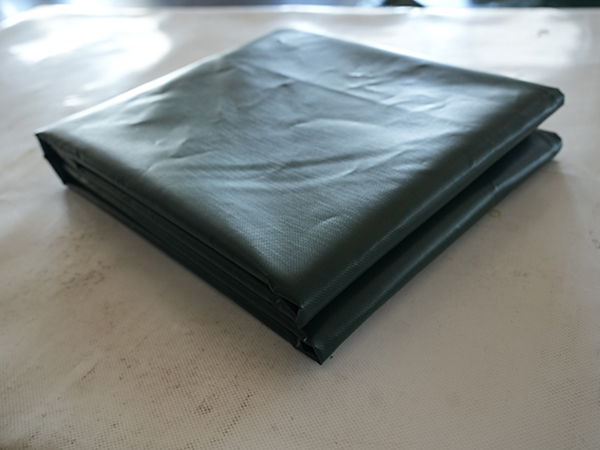
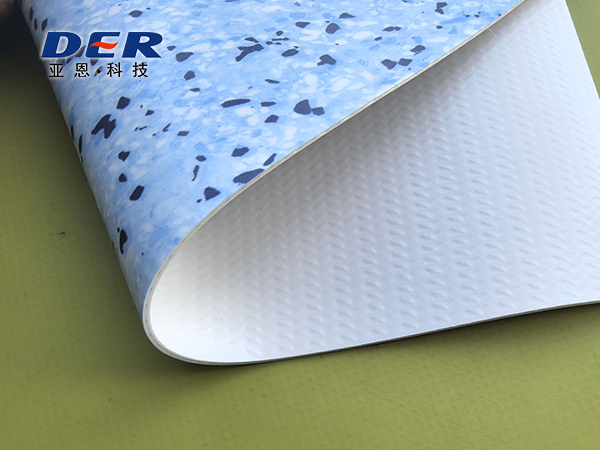
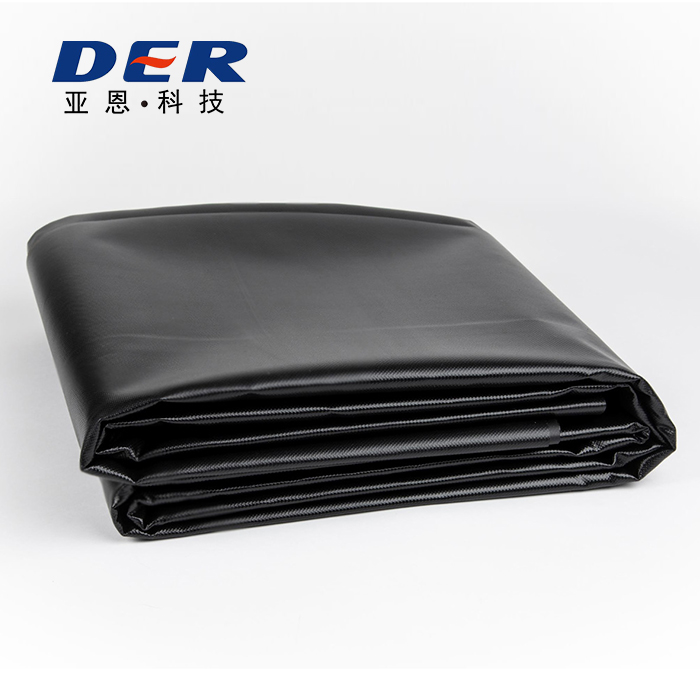
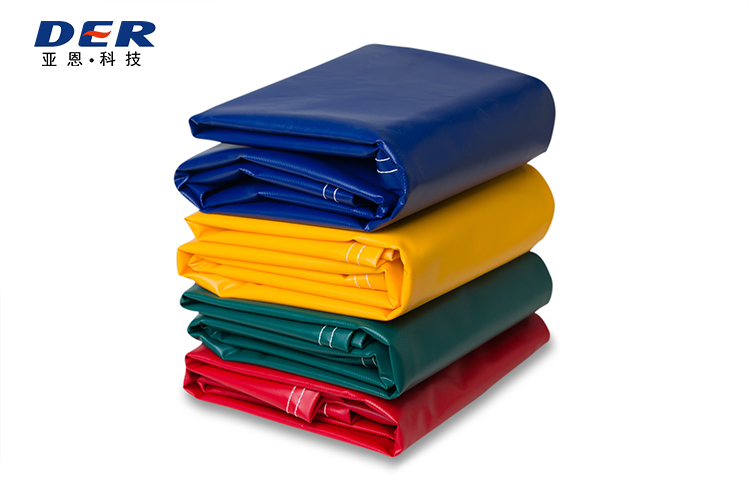
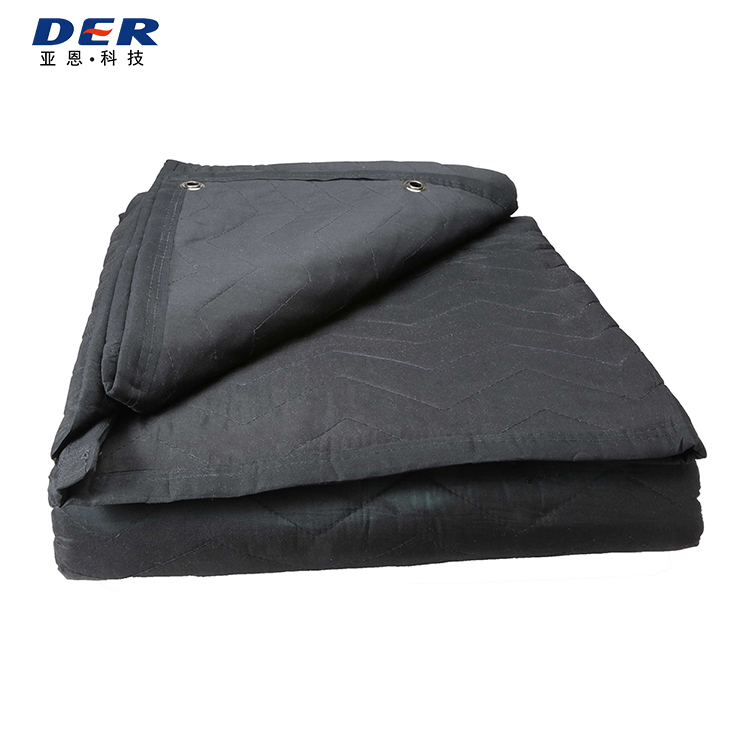
Our products are widely used in our residential and industrial area, which can be used for producing tents, outdoor covering, flexible ventilation tube, water bladders, inflatable castles, architecture membrane structures, etc. Our main products: PVC coated fabrics, PU/TPU coated fabrics, Oxford fabric, PVC ceiling film, flexible banner material. Welcome to our site and order online.