Roll Goods
For buyers who cut and convert in-house, roll stability, usable width, surface protection and packaging matter. Compare roll-handling logic with DER factory's coated fabric roll supply when planning warehouse and converting workflows.

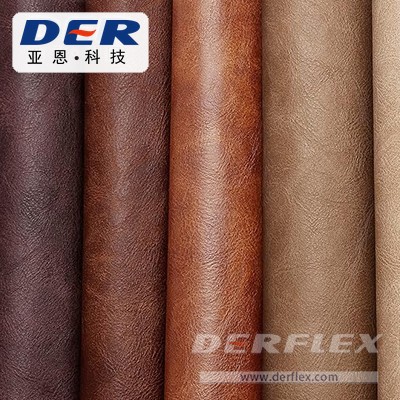
Source leather-look coated materials for furniture upholstery, contract seating, automotive interiors, bags, luggage, decorative panels and OEM products. DER factory supports application-led material review, custom color and grain development, backing selection, roll supply and project-specific performance discussion.
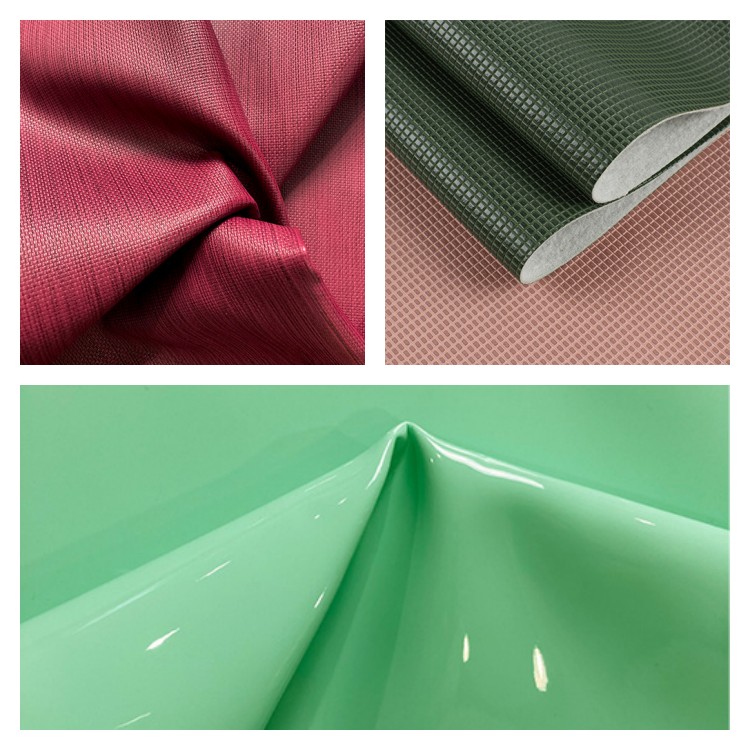
Faux leather is an engineered leather-look material, commonly made by applying a synthetic surface system such as polyurethane (PU) or polyvinyl chloride (PVC/vinyl) to a textile or nonwoven backing. In B2B sourcing, faux leather overlaps with terms such as synthetic leather, artificial leather, leatherette and vinyl leather. PU-based constructions are often considered when softness, drape and upholstery feel are important; PVC/vinyl-based constructions are often considered where wipe-clean behavior, surface stability and cost control matter. The correct grade depends on the end use, backing, surface finish, cleaning routine, climate, conversion method and required tests—not the material name alone.
Buyers get better results when they specify the complete layer system instead of asking only for “PU leather” or “PVC leather.” Each layer changes hand feel, durability, sewing behavior, stretch and repeat-order consistency.
Faux leather is part of the wider coated-material family. The same procurement logic used for PVC coated fabric also applies here: the coating cannot be evaluated separately from the base material, adhesion, surface finish and conversion process.
When the finished product needs more structural reinforcement than a decorative leather surface, compare a PVC coated polyester fabric construction instead of forcing a soft faux leather grade into a load-bearing role.
Neither polymer is universally better. Select the material system by the finished product, expected cleaning, flexing, touch, climate, conversion route and cost target.
| Decision factor | PU-based faux leather direction | PVC / vinyl faux leather direction | Buyer action |
|---|---|---|---|
| Hand feel & drape | Often selected when a softer, more flexible leather-like feel is important. | Can be specified from flexible to firmer structures depending on formulation and backing. | Send a reference swatch and describe the required softness, stretch and recovery. |
| Wipe-clean use | Suitable grades can be developed for easy-clean surfaces; cleaning chemistry should be confirmed. | Often considered for practical moisture and wipe-clean requirements. | Specify the real cleaner/disinfectant and cleaning frequency before sampling. |
| Humidity / aging | Hydrolysis resistance can be important for humid climates and long-life upholstery. | Heat, plasticizer system, flexing and surface aging should be matched to the environment. | State climate, indoor/outdoor use and target validation method. |
| Surface design | Strong fit for soft grains, fashion effects and comfort-led upholstery when the grade is designed accordingly. | Broad use for embossed vinyl grains, practical upholstery and structured decorative surfaces. | Confirm grain, gloss and color with an approved physical master. |
| Cost planning | Depends on resin, backing, topcoat, thickness, finish and special performance. | Often evaluated for cost-controlled commercial programs, but premium constructions can overlap in price. | Compare complete specifications and conversion yield—not polymer names alone. |
A useful faux leather specification describes the product and process, not just a thickness or color. The values below are intentionally project-based because the correct numbers depend on the end use.
| Specification item | What to define | Why it matters |
|---|---|---|
| Material family | PU, PVC/vinyl or project-specific synthetic coating direction | Sets the starting point for touch, aging, processing and commercial positioning. |
| Backing | Woven / knitted / nonwoven / other application-matched backing; confirm by sample | Changes stretch, dimensional support, sewing, wrapping and lamination behavior. |
| Thickness | Project dependent; define target and tolerance after technical review | Affects feel, stiffness, edge bulk, sewing and product geometry. |
| Width & roll format | Confirm required usable width, roll length, core and packing during quotation | Impacts cutting yield, handling, freight and production efficiency. |
| Color | Standard color, customer swatch, Pantone-style reference or physical master | Physical master control is important for repeat-order appearance. |
| Grain / embossing | Leather grain, pebbled, smooth, geometric, printed or custom development direction | Controls product identity and perceived quality. |
| Hand feel | Soft / medium / firm plus stretch and recovery expectation | “Soft” is subjective; a reference sample reduces interpretation risk. |
| Performance | Abrasion, flexing, hydrolysis, UV, cleaning, flame-retardant or other required tests | Required standards should be stated before production, not assumed afterward. |
| Conversion | Sewing, stitching, quilting, wrapping, gluing, laminating, embossing or die cutting | Material must work with the buyer's actual manufacturing process. |
| Packaging | Roll protection, labels, carton marks and private-label requirements | Prevents avoidable receiving and inventory problems for B2B programs. |
For buyers who cut and convert in-house, roll stability, usable width, surface protection and packaging matter. Compare roll-handling logic with DER factory's coated fabric roll supply when planning warehouse and converting workflows.
Some faux leather programs need a carefully controlled surface film or coating layer. Review how flexible PVC film behaves as a material family on the PVC transparent film page; the leather grade itself should then be specified with backing and embossing.
Hospitality, transport or contract projects may require specific flammability testing. Do not assume a generic leather grade passes a standard. DER factory also develops fire-resistant PVC material directions; state the exact test method during the faux leather quotation.
The same grain can require a different backing, coating or topcoat when it moves from a sofa to a vehicle, bag, wall panel or care environment.
Prioritize hand feel, stretch/recovery, seam appearance, abrasion direction, cleaning and color consistency across panels.
Frequent cleaning, wear, stain exposure and project-required flame testing may matter more than maximum softness.
Review heat, UV, flexing, abrasion, color stability, backing, lamination route and the customer's exact automotive test requirements.
Focus on folding, edge finishing, stitching, abrasion at corners, surface recovery and the balance between soft hand and structural body.
Confirm adhesive compatibility, dimensional behavior, grain direction, panel-to-panel color consistency and cleanability.
Specify wipe-down chemistry, cleaning frequency, flexing and any customer-required compliance tests. Final device or medical claims remain the finished-product manufacturer's responsibility.
Peeling is not caused by one factor. It can develop when the coating system is mismatched to heat, humidity, cleaning chemistry, flexing or abrasion, or when layer adhesion and aging resistance are insufficient.
Use the real finished product and service environment as the test brief.
A short material name cannot answer these questions. For critical programs, test a representative sample with the real assembly, cleaner, adhesive, stitching and environmental conditions before bulk release.
These DER factory source images provide visual context for coated surface development and performance-oriented material selection. Final faux leather color, grain and backing should be confirmed from the actual project sample.
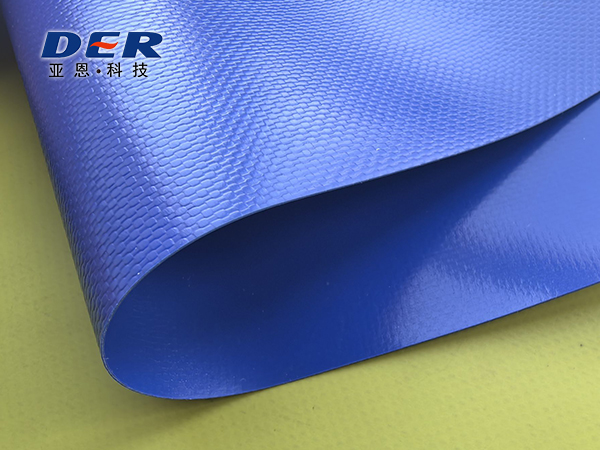
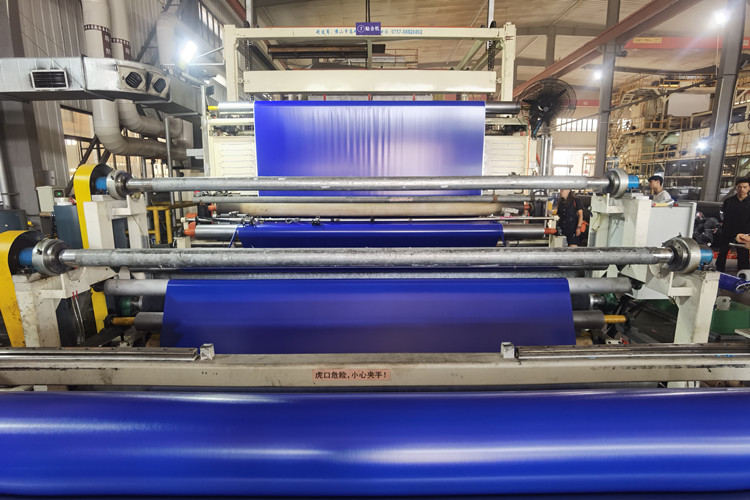
The fastest route to a usable specification is to start with the finished product, compare against a physical reference, then validate the selected construction before bulk production.
Exact test standards depend on the agreed project. A practical inspection plan can combine material, appearance, conversion and packaging checks instead of relying on surface appearance alone.
Testing can be arranged according to agreed project requirements. If your customer requires a specific ASTM, ISO, EN, automotive, marine, furniture or flame test, state the exact method and acceptance criteria during quotation.
A low unit price can become expensive if the material causes lower cutting yield, extra rejection, poor processing or early field failure. Compare the complete construction.
PU/PVC direction, formulation, surface finish and performance additives affect material cost and suitability.
Backing construction and coating build change feel, stability, weight and converting behavior.
Custom color matching, special grain, printing, embossing and small-batch development can change the commercial setup.
Abrasion, hydrolysis, UV, cleaning, flame or customer-specific validation requirements can change the material pathway.
The more clearly you describe the end product, the faster the material discussion can move from a generic catalog request to a sample that can actually be evaluated.
Short answers to common sourcing questions about synthetic leather, artificial leather, PU leather and PVC leather.
Faux leather is an engineered leather-look material. In commercial sourcing, the term commonly overlaps with synthetic leather, artificial leather and leatherette. Many grades use a polymer surface such as PU or PVC over a textile or nonwoven backing.
Not exactly. PU leather is one type of faux leather. Faux leather is the broader category and can include PU-based, PVC or vinyl-based, microfiber and other synthetic constructions.
Many faux leather surfaces are water-resistant and easy to wipe, but the level depends on the coating, backing, seams and final product construction. If the finished item must be waterproof, the complete assembly should be designed and tested for that requirement.
There is no single best grade. Upholstery buyers should match softness, recovery, backing stability, abrasion expectations, cleaning chemistry, UV exposure, hydrolysis conditions and required testing to the actual seat or furniture application.
Peeling or cracking can occur when a material is poorly matched to heat, humidity, cleaning, flexing or abrasion conditions, or when coating adhesion and aging resistance are insufficient. Specify the use environment and validate a representative sample before bulk production.
Some fully synthetic faux leather constructions can be animal-free, but the term faux leather alone does not prove this. Buyers with animal-free requirements should confirm the complete material composition, including backing and any split-leather layers.
Customization can be discussed for color, grain, gloss, backing, hand feel, thickness direction, roll format, labeling, packaging and project-specific performance requirements. Final options should be confirmed during technical review and sampling.
Cost and production planning depend on polymer system, backing, thickness, surface finish, embossing, color, special performance requirements, width, quantity, packaging and testing. DER factory should confirm MOQ and lead time against the final specification during quotation.
Send the application, reference sample or photo, polymer preference, backing, color, grain, usable width, quantity and required performance tests. DER factory can review the material direction before sampling and quotation.
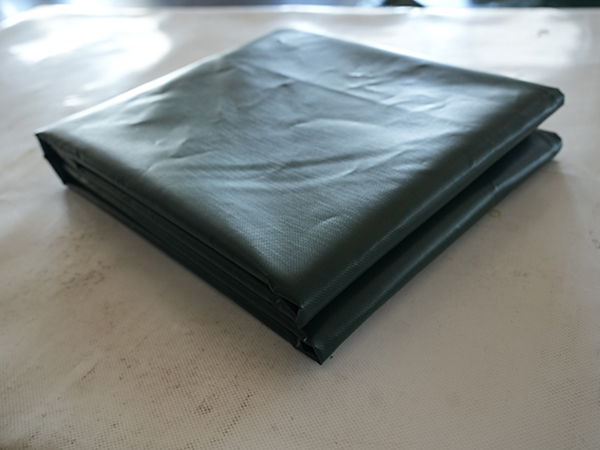
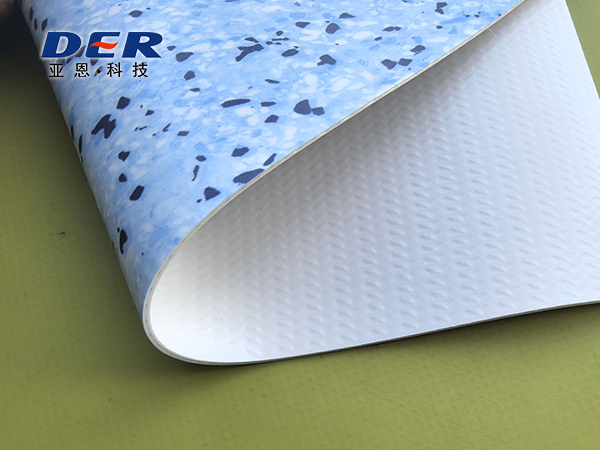
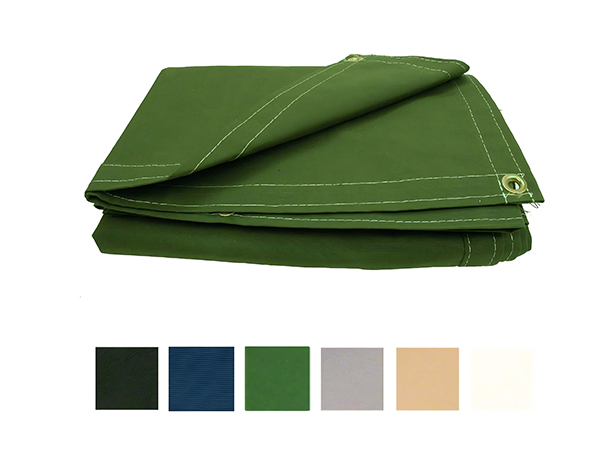
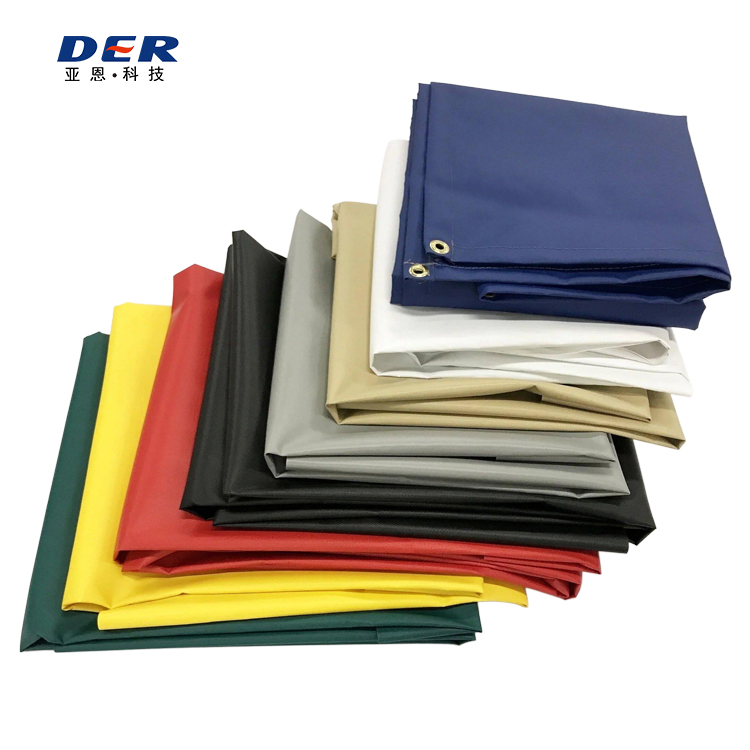
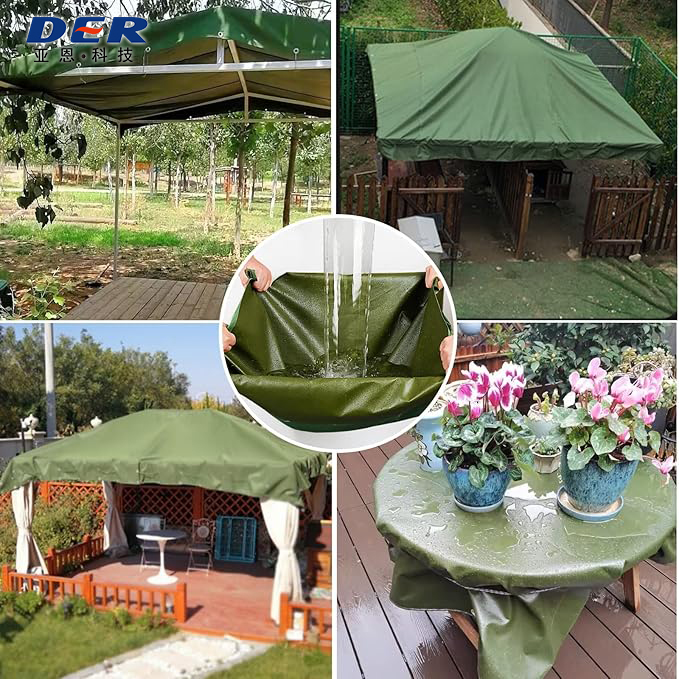
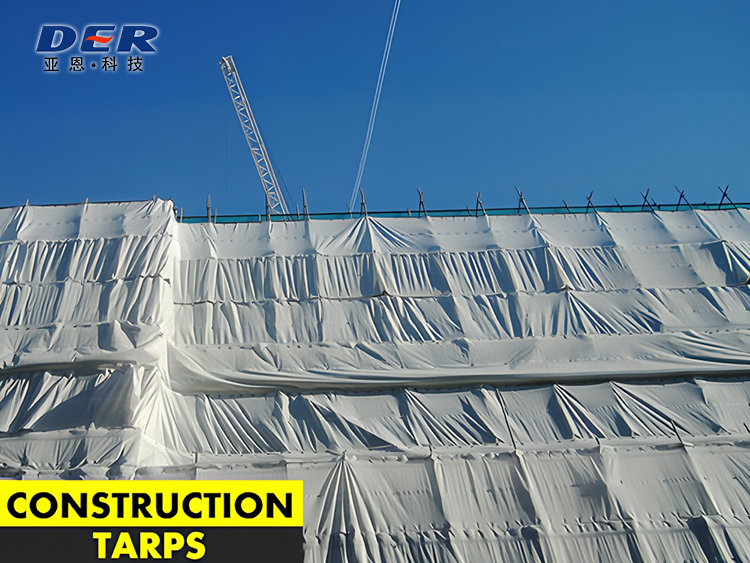
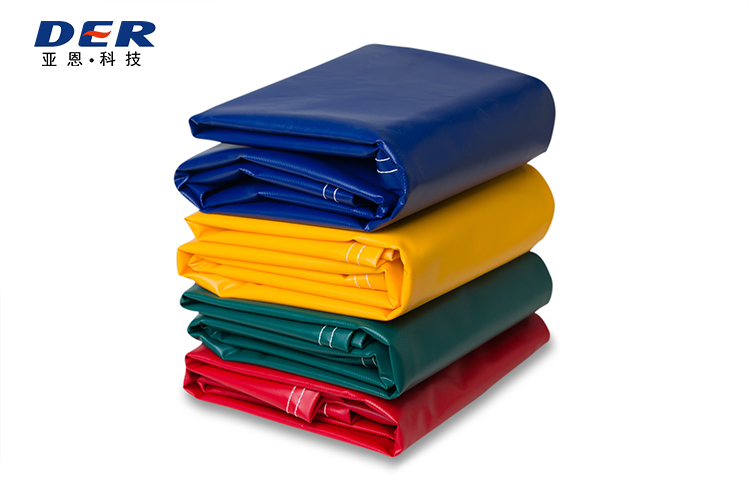
Our products are widely used in our residential and industrial area, which can be used for producing tents, outdoor covering, flexible ventilation tube, water bladders, inflatable castles, architecture membrane structures, etc. Our main products: PVC coated fabrics, PU/TPU coated fabrics, Oxford fabric, PVC ceiling film, flexible banner material. Welcome to our site and order online.