Water Barrier
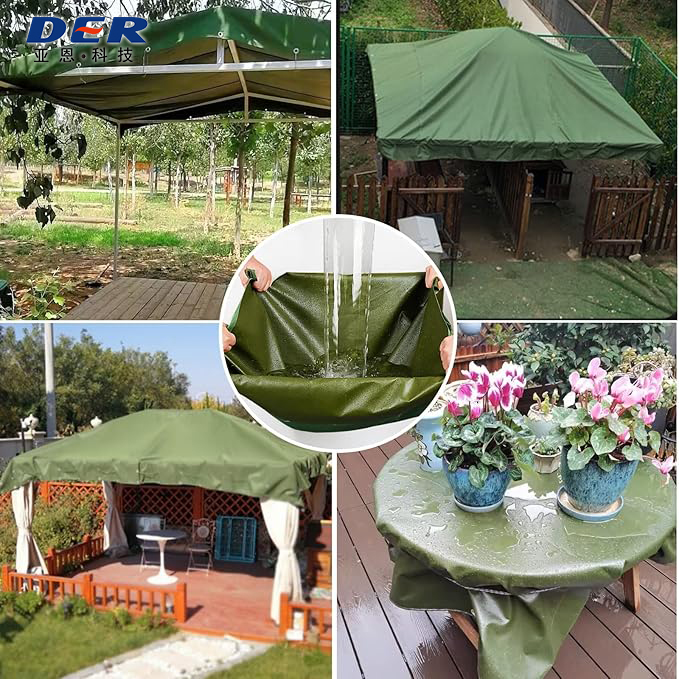
Coated fabric and welded seams create a continuous rain barrier when the cover is installed with sufficient slope, overlap and runoff clearance.

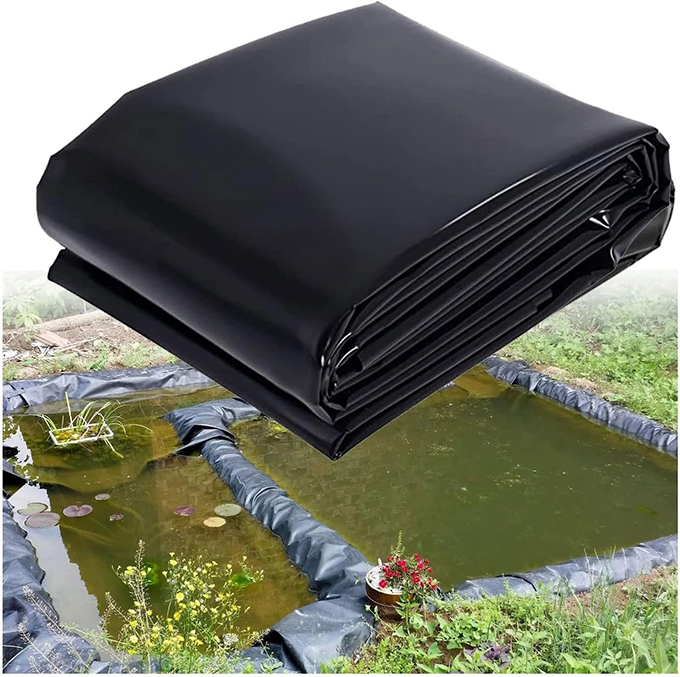
Der factory supplies custom fertilizer cover tarpaulins for bulk fertilizer piles, bagged product, pallets, FIBC big bags, warehouse staging and outdoor overflow storage. The cover can be engineered around pile geometry, water runoff, seam position, edge loading and anchoring so buyers receive a usable storage system rather than only a square meter price.
Fertilizer is often stored in conditions where one water entry point can create a much larger handling problem. Rain penetration, condensation, damaged packaging and wet pile surfaces can lead to caking, contaminated bags, difficult material flow and avoidable clean-up. For outdoor or semi-covered storage, the tarp therefore needs to work as part of a water-management and fastening system.
A heavy sheet alone is not enough. The useful specification begins with the pile or package format: its highest point, side slope, sharp corners, lifting traffic, runoff direction and the position of available anchor points. A well-designed fertilizer storage tarp should shed water away from the stored product while remaining practical for workers to deploy and remove.
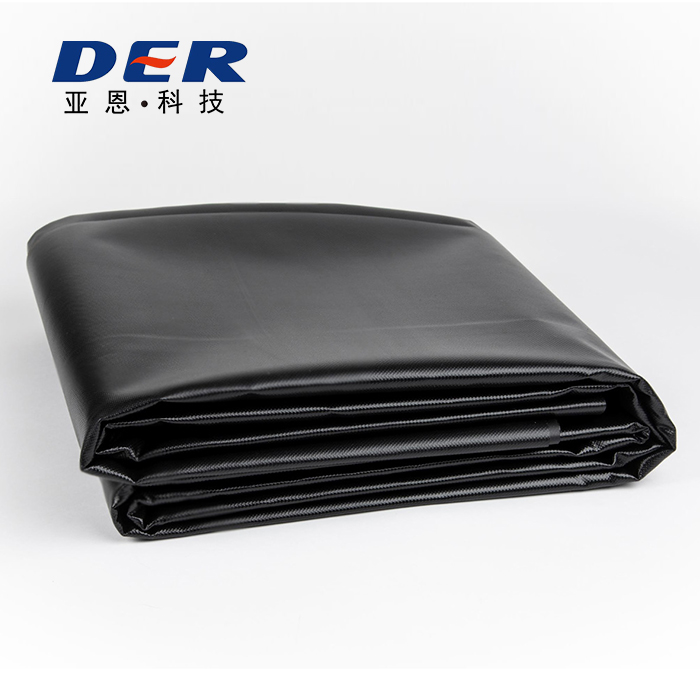
A commercial fertilizer cover can be built from reinforced PVC coated polyester so the waterproof surface, textile reinforcement and welded panel construction work together.
A tarp used once for emergency overflow does not need the same structure as a cover installed and removed every week. Fabric GSM, scrim, coating and edge reinforcement should follow the expected handling cycle.
Bulk stockpiles often exceed practical single-roll width. The finished cover can be created from a planned panel layout, with hot-air or high-frequency welded seams positioned to support drainage and handling.
The best specification is not the one with the longest feature list. It is the one that reduces the failure risks present at your storage site.
Coated fabric and welded seams create a continuous rain barrier when the cover is installed with sufficient slope, overlap and runoff clearance.
Panel orientation and weld continuity matter on very large fertilizer pile covers because seams are part of the weatherproof envelope.
Polyester reinforcement helps the tarp tolerate deployment, wind movement and tension around irregular stockpile shapes.
UV-stabilized coating options can be selected for covers exposed to strong sunlight or long seasonal storage.
Webbing, doubled hems, corner patches and planned attachment spacing spread force instead of concentrating it at isolated eyelets.
A smooth coated surface is easier to wipe or rinse after normal dirt exposure, helping repeated-use covers return to storage in cleaner condition.
Material weight should balance durability with the number of workers, lifting method and frequency of cover movement.
Grommets, D-rings, webbing loops, pockets and sleeves can be placed to match ropes, straps, ballast tubes or site-specific anchors.
Confirmed color, panel layout, hardware spacing, labels and packaging can be recorded for importer, distributor and private-label repeat orders.
The following ranges are practical quotation directions, not a universal fixed product. Final values depend on fabric construction, dimensions, exposure and order requirements and should be confirmed by the approved specification or sample.
| Primary Material | PVC coated polyester fabric for repeated-use, weldable heavy-duty covers; PE woven laminated tarpaulin can be evaluated for economical or temporary coverage. |
|---|---|
| Common PVC Weight Direction | Approximately 350–900 gsm for many cover programs. Lighter or heavier constructions may be discussed according to size, service cycle and required handling strength. |
| Base Fabric Direction | 300D, 500D, 1000D polyester and other reinforced constructions according to target tensile/tear performance and flexibility. |
| Thickness | Selected according to coating weight and base fabric; order value to be confirmed by the specific product data sheet. |
| Roll / Panel Width | Selected PVC roll widths commonly up to about 3.2 m; very large finished fertilizer covers are fabricated from welded panels. Wider material directions can be reviewed by product construction and production plan. |
| Surface | Matte or glossy; selected UV, anti-mildew, lacquered or other surface-treatment directions subject to specification. |
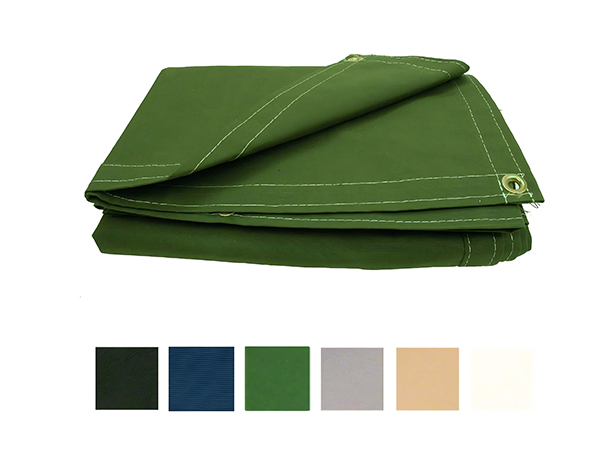
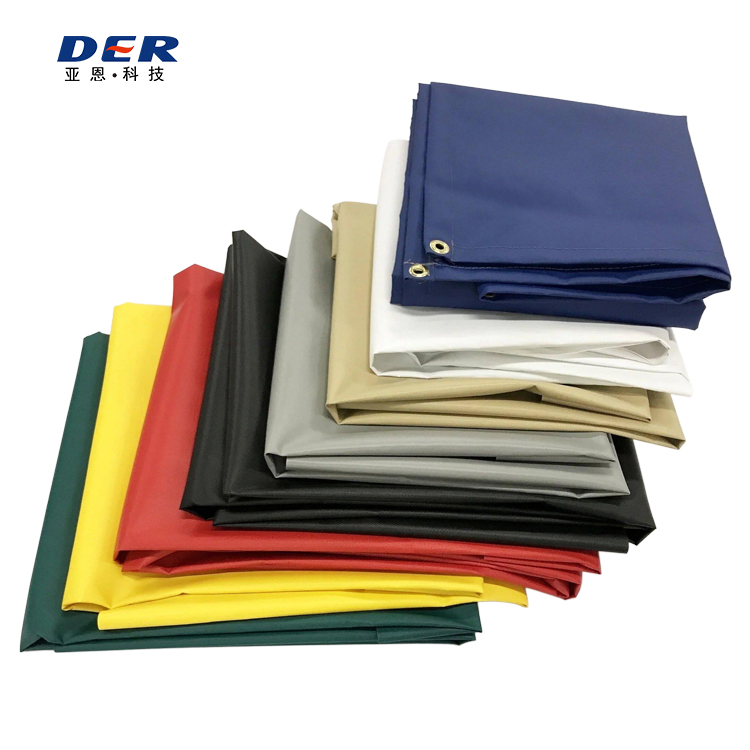
| Color | Blue, green, grey, black, white, yellow and custom project colors subject to quantity and formulation. |
| Seam Method | Hot-air welding or high-frequency welding selected by fabric construction, panel design and factory process. |
| Edge Reinforcement | Double-layer hem, webbing, rope edge, reinforcing strip, corner patch or custom combination. |
| Attachment Hardware | Grommets/eyelets, D-rings, webbing loops, sleeves, pockets and custom tie-down layouts. |
| Supply Form | Roll goods, cut sheets, welded panels, completed custom fertilizer tarps, OEM/private-label programs. |
| Recommended RFQ Inputs | Fertilizer type, storage form, pile/pallet dimensions, exposure, handling cycle, fastening system, quantity, branding and destination. |
Procurement note: Do not compare supplier quotations only by GSM. Ask what base fabric, coating, seam method, perimeter reinforcement, hardware spacing and finished dimensions are included in the quoted construction.
Best suited when the buyer prioritizes welded construction, stronger edge reinforcement, repeated handling and a durable coated surface.
Useful for economical temporary protection, seasonal overflow or applications where low handling weight matters more than heavy fabrication.
Finished-size mistakes are expensive on a large fertilizer stockpile. A nominal pile footprint does not show the fabric needed to travel over the crown and down the sloping sides. Record the maximum length, maximum width, height, slope and the required perimeter drop, then add allowance for irregularity and anchoring.
Cover length ≈ pile length + 2 × end drop + allowance
Cover width ≈ pile width + 2 × side drop + allowance
Der factory can develop the cover as a manufacturing project: material, panel map, seam direction, reinforcement and packaging are coordinated before repeat production.
Confirm fertilizer type, storage format, dimensions, climate, use cycle and site attachment method.
Select PVC/PE direction, fabric weight, reinforcement level, surface and project color.
Plan large-cover panel sizes, seam orientation, runoff direction and handling sections.
Specify webbing, hems, grommets, D-rings, loops, sleeves, pockets and reinforced corners.
Confirm sample/specification, dimensions, surface, seam appearance and order-specific requirements.
Fold, roll or pack the cover with labels, instructions, private brand and shipping plan as required.
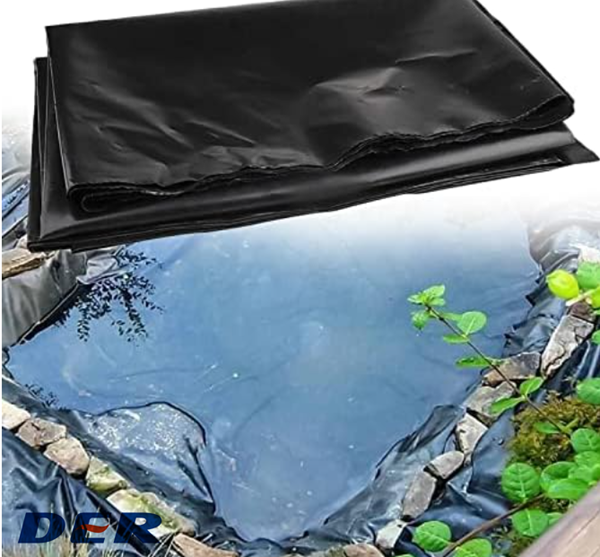
One product name can represent very different storage jobs. The cover design should follow whether the fertilizer is loose, bagged, palletized, in big bags or moving through a temporary logistics stage.
Custom waterproof pile covers for outdoor or semi-covered storage of dry fertilizer materials where rainfall, runoff and wind anchoring must be controlled.
Protective covers for stacked bags and palletized fertilizer in warehouses, yards and loading zones, with fitted or rectangular formats.
Large covers for grouped jumbo bags where a common weather barrier is more efficient than individual packaging protection.
Temporary protection for raw material, intermediate storage and staging areas around fertilizer mixing or granulation operations.
Heavy-duty temporary covers for bulk fertilizer waiting for loading, unloading or inland transport, designed around rapid deployment and secure anchoring.
Flexible storage protection for peak-season inventory when permanent indoor space is limited and additional covered capacity is required.
Commercial buyers should separate a general factory capability statement from the exact documentation required for their purchase order. Der factory can review testing and compliance requirements at the material and order level.
Depending on selected material, destination market and purchase requirement, buyers may request applicable factory quality documents, SGS third-party reports, REACH/RoHS-related material documentation, UV/weathering direction, flame-retardant testing or other agreed tests. Availability and the exact standard should be confirmed before the order is released.
Confirm fabric weight, base construction, color, surface and hardware against the agreed specification.
Check finished size, panel orientation, obvious surface defects and fabrication details against the approved drawing or order sheet.
Inspect seam continuity and appearance according to the selected welding process and agreed quality procedure.
Verify perimeter reinforcement, eyelet/D-ring positions and critical patches before packing.
Confirm requested declarations, test reports or third-party inspection arrangements before mass production.
Keep key specifications, drawing details, labeling and packing instructions consistent for distributor and OEM programs.
Installation should keep the cover supported and sloped so rain does not form large ponds over the fertilizer. Avoid dragging coated fabric repeatedly over sharp steel, broken pallets or abrasive concrete. Tie-down points should share the load; overtightening a few isolated grommets can damage even a strong cover.
After use, remove loose fertilizer and dirt using methods compatible with the selected fabric, allow the tarp to dry, inspect seams and perimeter attachments, and repair local damage before long storage. Fold or roll the cover without trapping sharp hardware against the coated surface.
These six pages help buyers compare base materials, agricultural tarp options, fitted covers and outdoor-duty constructions before confirming a fertilizer-cover specification.
For repeated outdoor or industrial handling, reinforced PVC coated polyester is often selected because it combines a waterproof surface, weldability, tear strength and strong edge-fabrication options. PE woven tarpaulin can be appropriate for lower-cost or temporary coverage. The final choice should match storage duration, wind, handling frequency and fertilizer-contact conditions.
PVC coated fabric can be used as a weather cover around many fertilizer storage operations, but chemical compatibility should not be assumed for every formulation or direct-contact condition. Buyers should identify the fertilizer type and provide an SDS or exposure details when the tarp may have prolonged direct contact with the product.
Yes. Large covers can be engineered from multiple coated-fabric panels joined by welded seams. The panel layout, seam direction, total drop, handling weight, runoff path and anchoring details should be planned from the stockpile dimensions rather than only ordering a generic rectangular sheet.
Measure the pile length, width and required drop on every side, then add working allowance for anchoring, irregular geometry and installation. For a simple pile, a starting estimate is pile length plus twice the side drop plus allowance, and pile width plus twice the end drop plus allowance. Final dimensions should be checked against actual pile geometry.
Yes. Finished fertilizer tarpaulins can be developed with reinforced hems, webbing, rope edges, grommets, D-rings, loops, sleeves, pockets and selected corner reinforcements. Attachment spacing should be chosen according to wind load, tarp size and the site's anchoring method.
Yes. Der factory can support OEM and wholesale programs including custom dimensions, color, roll or finished-cover supply, logo marking, labels, packing and repeat-order specifications for importers, agricultural distributors and tarp fabricators.
Send the fertilizer type, storage format, pile or pallet dimensions, indoor or outdoor exposure, expected use cycle, preferred material or GSM, edge and fastening method, quantity, branding requirements and destination. Photos, sketches or drawings help the factory plan panel and seam layout more accurately.
For a useful fertilizer cover tarpaulin quotation, send the actual storage geometry and operating conditions. Der factory can review a PVC or PE material direction, finished dimensions, seam layout, reinforcement, tie-down details and OEM requirements for your project or distribution program.
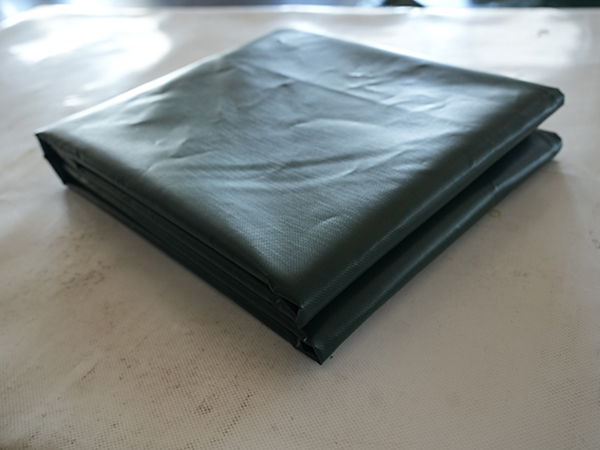
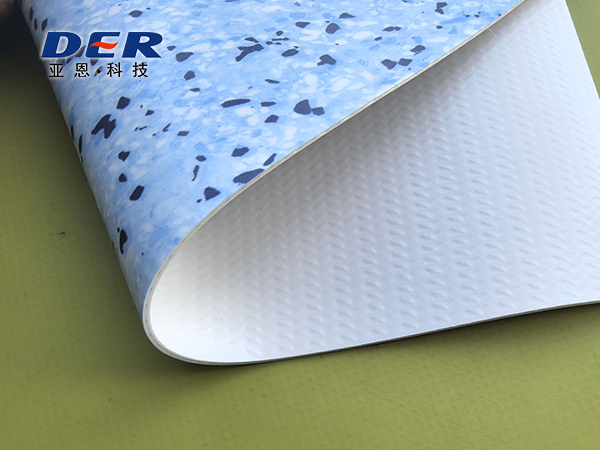
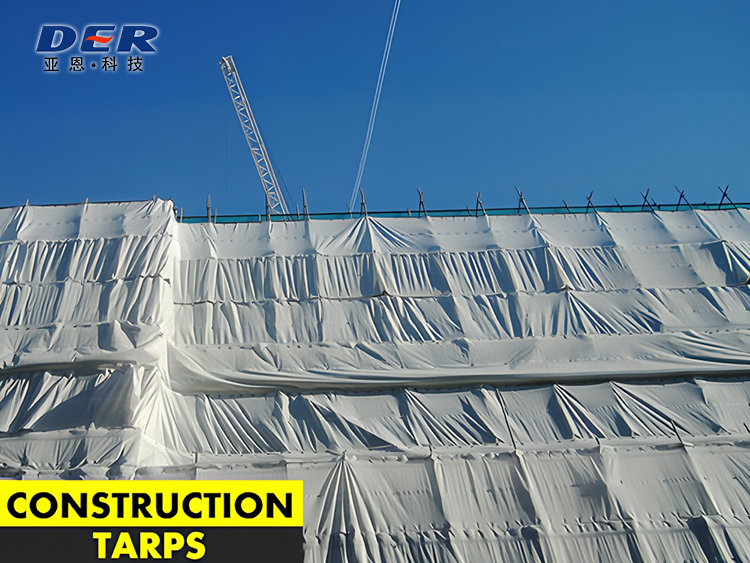
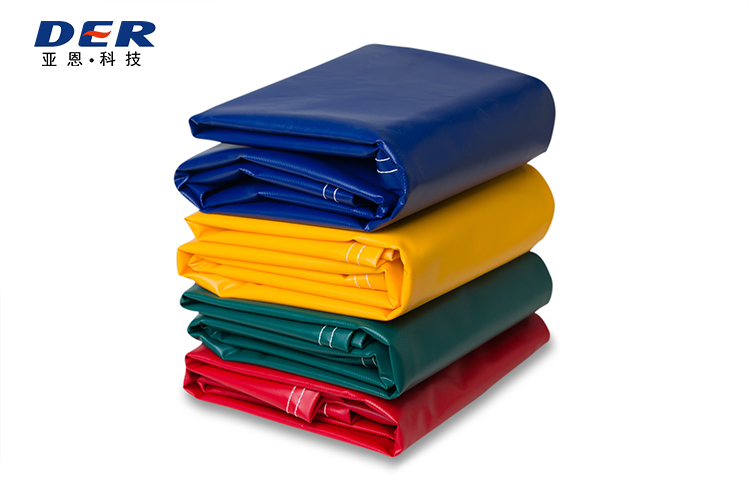
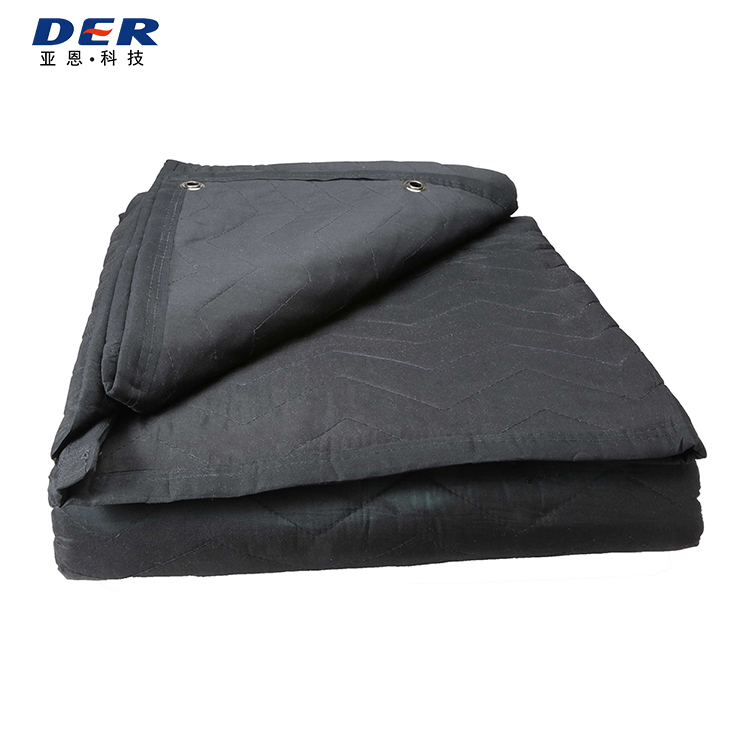
Our products are widely used in our residential and industrial area, which can be used for producing tents, outdoor covering, flexible ventilation tube, water bladders, inflatable castles, architecture membrane structures, etc. Our main products: PVC coated fabrics, PU/TPU coated fabrics, Oxford fabric, PVC ceiling film, flexible banner material. Welcome to our site and order online.