Dust, Mist & Overspray Control
Continuous curtain panels help reduce uncontrolled migration of dust, spray, debris and process contamination between adjacent work zones.

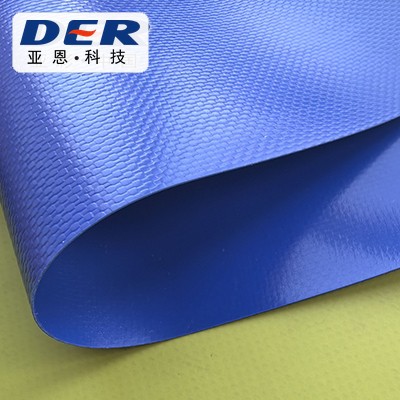
Der Factory supplies flexible industrial curtains and curtain materials for warehouse dividers, production cells, dust containment, temperature zoning, wash areas and general factory separation. Choose reinforced PVC coated polyester, clear flexible PVC or a combination curtain with a transparent vision panel—then customize the size, color, edge reinforcement and fabrication for your project.

A flexible industrial curtain is a movable or fixed soft-wall barrier used to separate work zones without constructing a permanent wall. For procurement teams, the important question is not simply “PVC or vinyl?” It is how the curtain should balance visibility, containment, cleaning, abrasion, access frequency, temperature, hanging method and fabrication strength.
A warehouse divider that only limits dust can use a different structure from a high-traffic curtain beside forklifts, a washdown enclosure, a cold-zone partition or a fire-performance-sensitive production area. Der Factory can match reinforced coated fabric and clear PVC components to the required curtain layout.
The most practical industrial curtain does not always use one uniform sheet. A combination design can place stronger opaque PVC coated polyester at the top and bottom, a clear flexible PVC window in the operator sightline, and reinforced hems around loading points.
High-tenacity polyester base cloth with PVC coating provides the mechanical backbone for opaque warehouse curtains, dust barriers and durable factory partitions.
Transparent flexible PVC can be integrated where supervisors, operators or forklift traffic require sightlines between separated areas. Thickness is selected according to handling and flexibility needs.
Top hems, webbing, eyelets, side fasteners and lower edge details can be added to distribute load, improve serviceability and match the planned track or static mounting arrangement.
Flexible curtain walls are attractive in industrial facilities because the separation can be installed, opened, relocated or reconfigured more easily than a permanent partition. Material selection should still be based on real operating conditions.
Continuous curtain panels help reduce uncontrolled migration of dust, spray, debris and process contamination between adjacent work zones.
Flexible partitions can reduce unwanted air mixing between conditioned and unconditioned spaces, helping facilities create smaller working zones.
Transparent PVC windows maintain visual communication between operators and moving equipment without leaving the entire work zone open.
Polyester-reinforced PVC grades provide better tensile and tear performance than unsupported film when large panels or repeated movement are involved.
Selected PVC materials can be processed by hot-air or high-frequency welding where suitable, then finished with reinforced hems, eyelets and compatible accessories.
Project-based options can include UV resistance, flame-retardant direction, anti-mildew treatment, low-temperature flexibility and custom surface finishes.
The ranges below are practical starting points for technical discussion. Final values should be confirmed according to panel size, installation method, traffic, temperature, compliance requirement and order quantity.
| Parameter | Typical / Custom Direction | Buyer Selection Notes |
|---|---|---|
| Curtain Configuration | Opaque PVC curtain, clear PVC curtain, opaque + clear vision-panel curtain, fixed or sliding panel | Choose full-panel separation for containment; use a vision zone where traffic and supervision require visibility. |
| Opaque Curtain Material | PVC coated polyester fabric; common industrial discussion range about 450–900 gsm, with heavier constructions available by project | Higher weight is not automatically better; review yarn, density, tear strength, flexibility and hanging load. |
| Clear PVC Material | Flexible transparent PVC film / sheet; thickness selected to balance clarity, flexibility and handling resistance | Clear film works well as a vision window; very large unsupported clear areas need suitable thickness and reinforcement planning. |
| Base Fabric Options | Polyester scrim constructions such as 500D, 840D, 1000D and customized yarn/density | Higher-strength scrim is recommended for tall panels, frequent movement, edge tension or demanding industrial use. |
| Surface | Matte, glossy, lacquered, embossed or project-specific finish | Surface choice affects cleaning, appearance, abrasion, printing and welding behavior. |
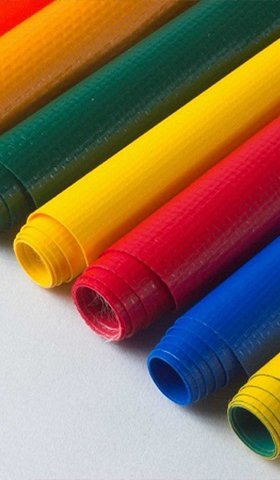
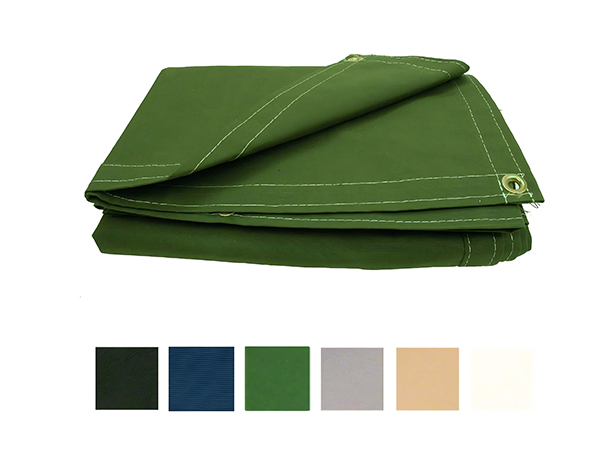
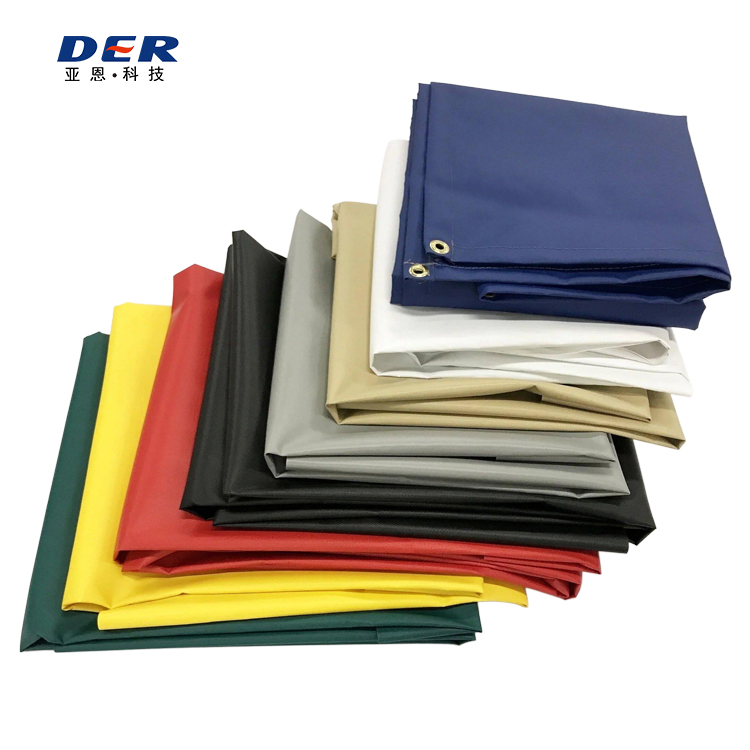
| Color | Blue, grey, white, yellow, black, red, green and custom color direction | Use color for workflow zoning, privacy or brand requirements. Request a physical sample for critical matching. |
| Functional Options | UV resistance, flame-retardant direction, anti-mildew, cold-flexible formulation, anti-static direction where technically feasible | Specify the required performance standard before sampling so the coating formula and testing plan can be aligned. |
| Fabrication | Cutting, welding where applicable, sewing, hems, eyelets, webbing, clear-window integration, edge reinforcement | Provide your track or mounting drawing if the finished curtain must fit an existing hardware system. |
| Supply Format | Roll material, cut panels, semi-finished curtains or fabricated curtain assemblies subject to project confirmation | Converters may prefer roll goods; installers and project buyers often benefit from pre-fabricated panel dimensions. |
The following gallery is arranged around the exact environments buyers typically need to separate: warehouse aisles, production areas, dust-control zones and mixed opaque/clear partitions.
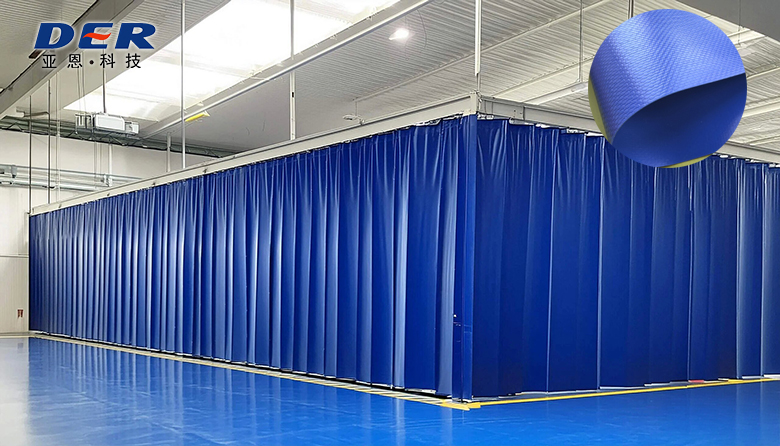
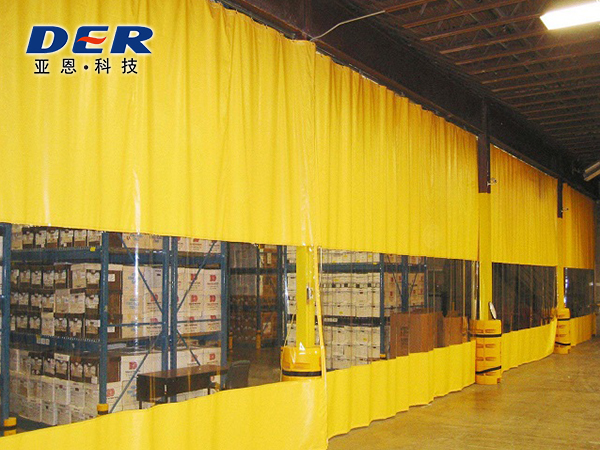
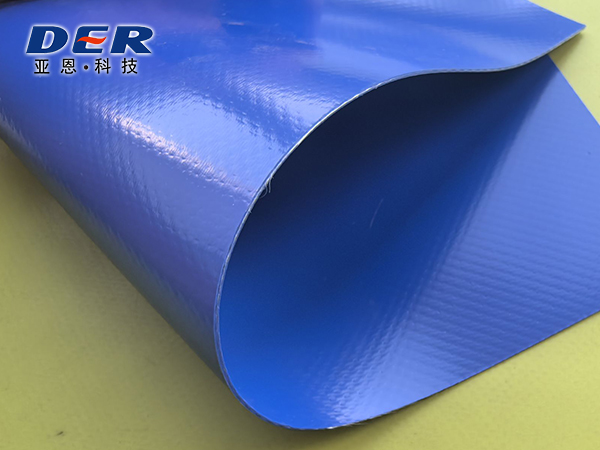

Industrial curtain projects often fail at the interface between material and installation. Der Factory can work from dimensions, drawings and downstream fabrication requirements so the curtain body, vision panel, reinforced top and edge details are planned before production.
Custom width, height, panel splits, straight runs, corner sections and enclosure layouts based on project drawings.
Clear PVC zones can be positioned at the required sightline while opaque coated fabric handles the higher-stress body sections.
Top hems, webbing, eyelets, reinforced corners, side connections and lower edge details can be matched to use conditions.
For sliding systems, provide trolley spacing, hook style, track geometry and mounting drawing so curtain fabrication can be coordinated.
Choose practical industrial colors, matte or glossy surface direction, and project-based color matching for visual zoning.
Discuss UV, flame-retardant, low-temperature or anti-mildew requirements before sample confirmation.
Buy coated fabric rolls for local conversion or discuss fabricated panels when your project needs production-ready dimensions.
Project labeling, packing marks, roll identification and repeat-order specification control can be discussed for B2B programs.
The best applications are spaces that need separation but cannot sacrifice access, visibility or future layout changes.
Divide picking, packing, storage and loading areas; reduce uncontrolled dust movement; create temporary zones without masonry.
Separate machining, assembly, inspection and maintenance areas while preserving flexible access to production equipment.
Build a soft enclosure around cutting, sanding, packaging or material-handling zones to help contain airborne particulate migration.
Use water-resistant PVC curtains to isolate splash zones and simplify cleaning around industrial wash stations or wet processes.
Reduce unwanted mixing between heated, cooled or differently ventilated areas where a fully rigid wall is not operationally convenient.
Create configurable production cells, maintenance bays and temporary project enclosures that can be opened or relocated as workflows change.
Provide flexible separation near dock approaches, internal logistics lanes and zones where weather, dust or airflow enters the building.
Clear vision-panel curtains help maintain supervision and light while separating process zones that need cleaner workflow boundaries.
Source PVC coated polyester and clear PVC components in repeatable rolls for local curtain manufacturing, welding and installation programs.
Both systems are flexible PVC barriers, but they solve different movement and containment problems. Selecting the wrong format can make day-to-day operation inconvenient even when the material itself is durable.
A repeatable curtain program starts with a defined use case and documented specification, not only a fabric sample.
Opening size, curtain use, traffic, visibility, environment and mounting details are confirmed.
PVC coated fabric and clear PVC thickness are selected around handling, strength and performance needs.
Color, hand feel, transparency, welding behavior and functional test direction are reviewed before bulk production.
Panels, hems, vision zones and reinforcement are processed and checked against the agreed drawing/specification.
Finished curtains or roll materials are identified, protected and packed for project or OEM delivery.
Industrial curtain performance depends on both the base material and the fabricated details. For regulated projects, always specify the exact standard and request current documentation for the ordered grade.
Depending on the agreed specification, checks can focus on fabric weight, thickness, width, appearance, color consistency, tensile/tear direction, coating adhesion, clear-film surface and welding compatibility.
Flame-retardant, environmental or special functional requirements should be defined before sampling. Der Factory can discuss project-oriented test and documentation support based on the selected material, target market and order requirements.
Test standards, certificate scope and report validity should be confirmed for the exact production grade rather than assumed from a generic product family.
These related pages help buyers move from curtain-system selection to the exact PVC material, visibility and performance direction required for procurement.
They are used to divide warehouses and factories, contain dust and overspray, reduce unwanted airflow, create temporary production zones, isolate wash or maintenance areas and provide a reconfigurable alternative to permanent partitions. Full curtain walls are especially useful where the facility layout changes over time.
Reinforced PVC coated polyester is commonly selected for opaque heavy-duty panels because the woven base adds tensile and tear strength. Flexible clear PVC is used when visibility is important. A combination curtain can use opaque coated fabric above and below a transparent vision panel. The final choice should consider traffic, panel size, cleaning, temperature, fire-performance direction and mounting method.
Yes. Project-based dimensions, panel layout, material weight, color, transparent windows, reinforced hems, eyelets and other fabrication details can be discussed. For the most accurate quotation, provide opening dimensions, mounting height, planned track or static fixing method, curtain layout and use environment.
Flame-retardant PVC coated fabric options can be discussed for applications that require fire-performance testing. The required standard and current test documentation should be identified before material confirmation because test scope varies by formulation, thickness, market and project.
No. A flexible curtain wall is a continuous panel designed for large-area separation and containment. PVC strip curtains use overlapping vertical strips and are normally better for doorways or traffic openings that need frequent hands-free pass-through. Some facilities use both systems in different zones.
Send the opening width and height, curtain layout, indoor or outdoor use, required visibility, expected pedestrian or vehicle traffic, target material weight or clear-PVC thickness if known, fire or temperature requirements, color, quantity and whether you need roll material, fabricated curtain panels or track-compatible components.
 Der Factory · Flexible Industrial Curtain Supply
Tell us what you need to separate, the width and height, whether visibility is required, expected traffic, temperature or fire-performance direction, preferred color and order quantity. Der Factory can recommend a practical PVC curtain structure and prepare a project quotation.
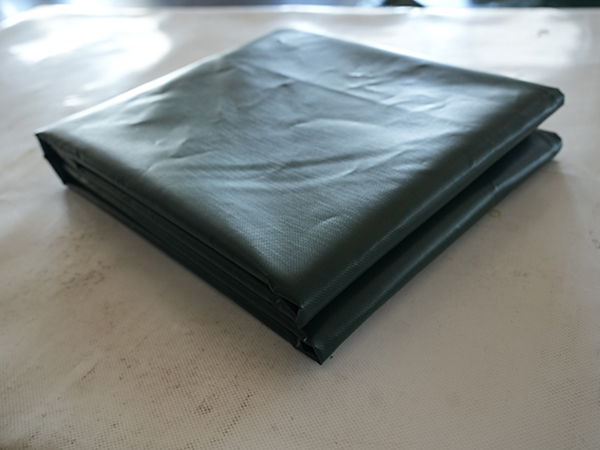
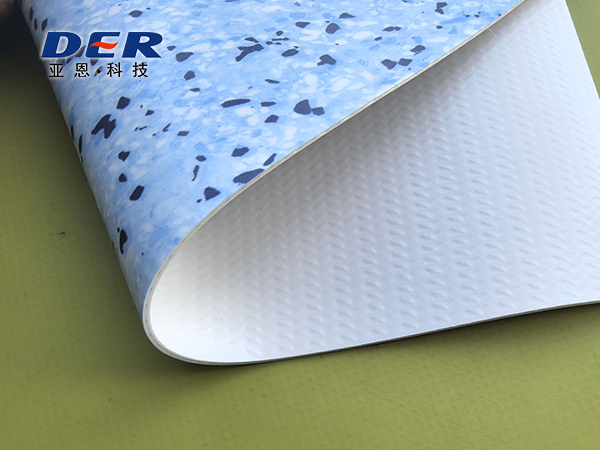
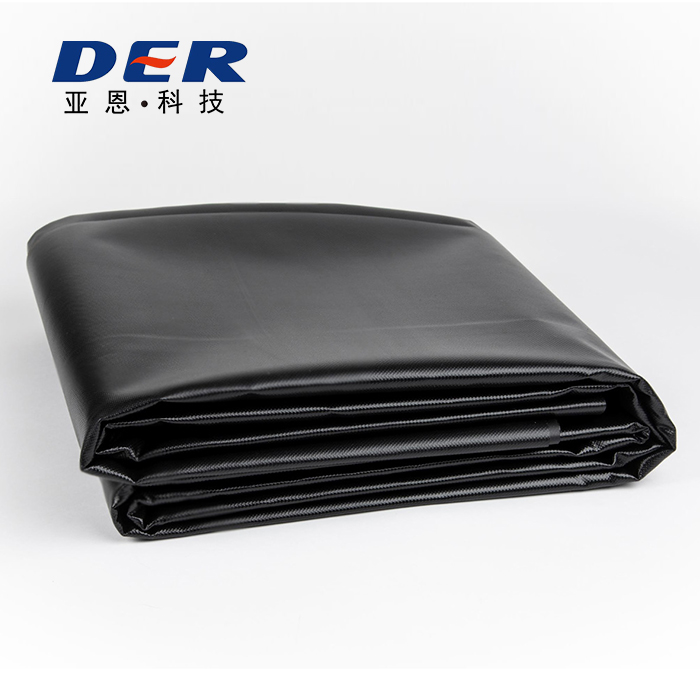
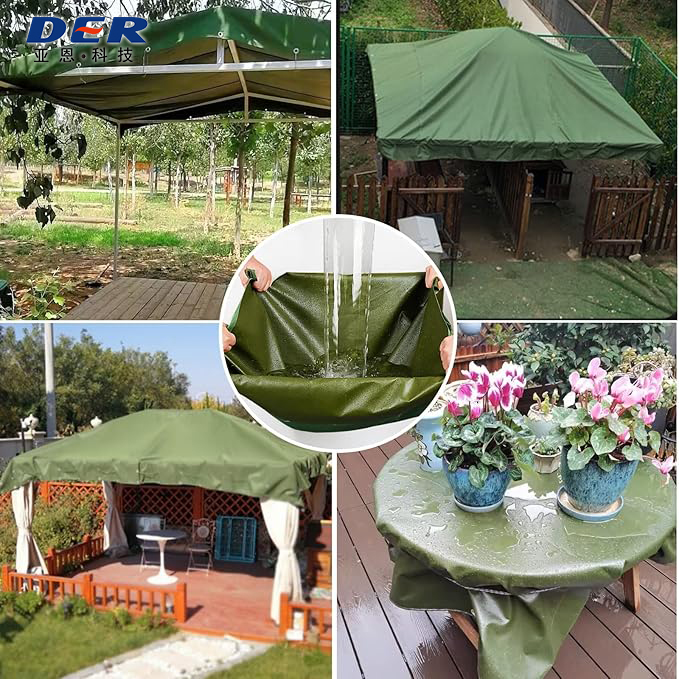
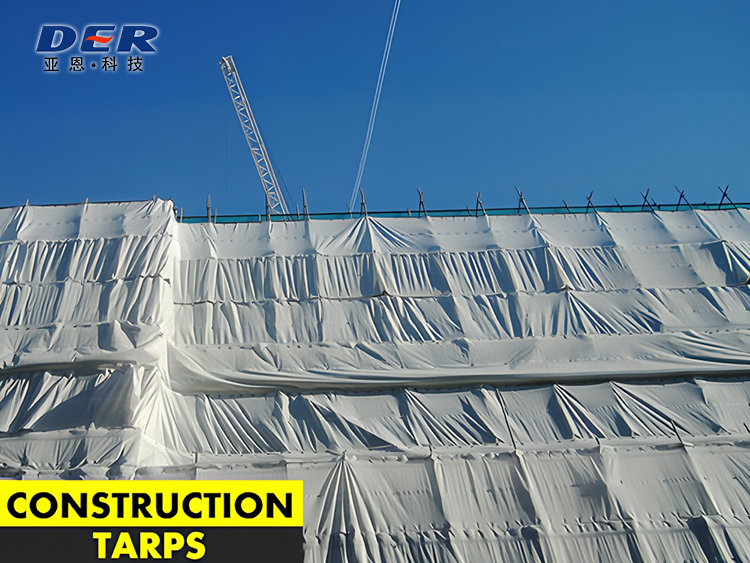
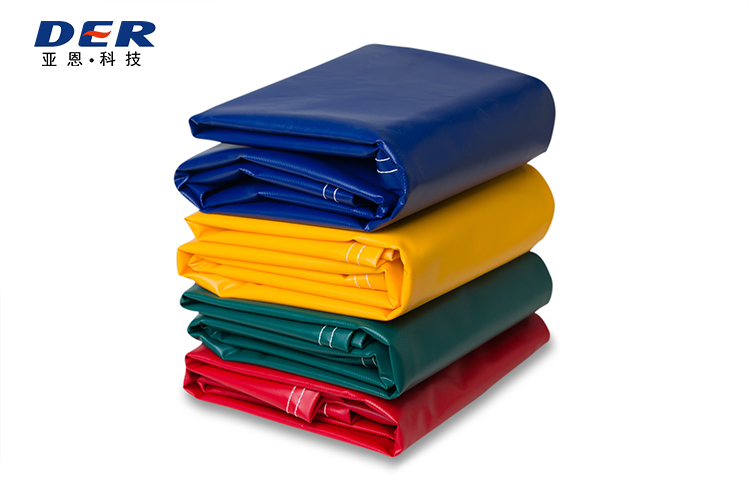
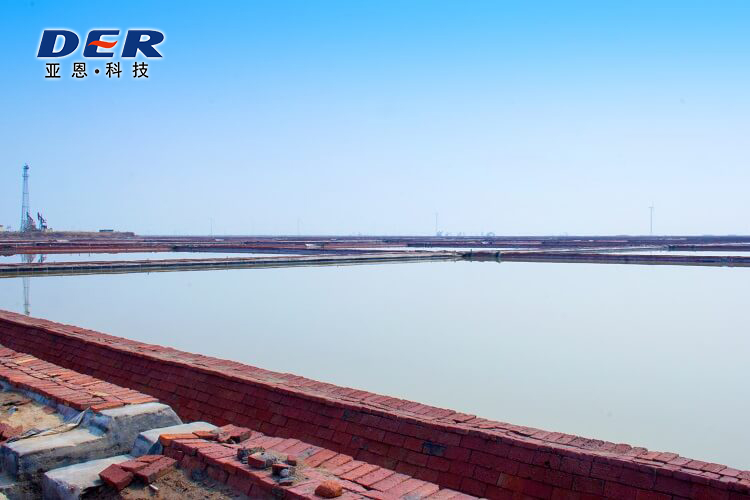
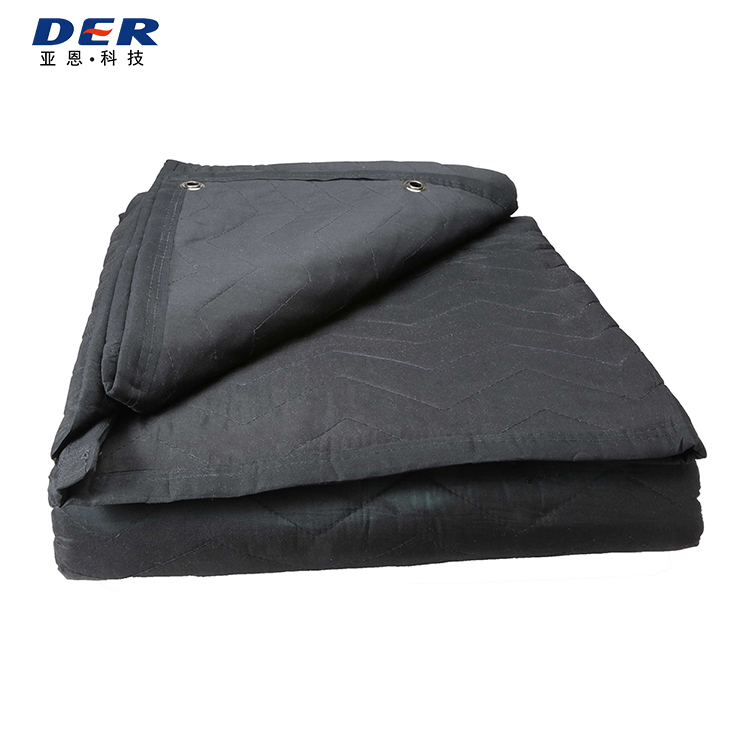
Our products are widely used in our residential and industrial area, which can be used for producing tents, outdoor covering, flexible ventilation tube, water bladders, inflatable castles, architecture membrane structures, etc. Our main products: PVC coated fabrics, PU/TPU coated fabrics, Oxford fabric, PVC ceiling film, flexible banner material. Welcome to our site and order online.