
truck tarps
- 2026-10-26

A practical B2B buyer's guide to finding a reliable tarpaulin factory, verifying PVC fabric quality, comparing quotations and building a repeatable OEM supply program.
For importers, distributors, industrial cover fabricators, truck-cover buyers and OEM sourcing teams.

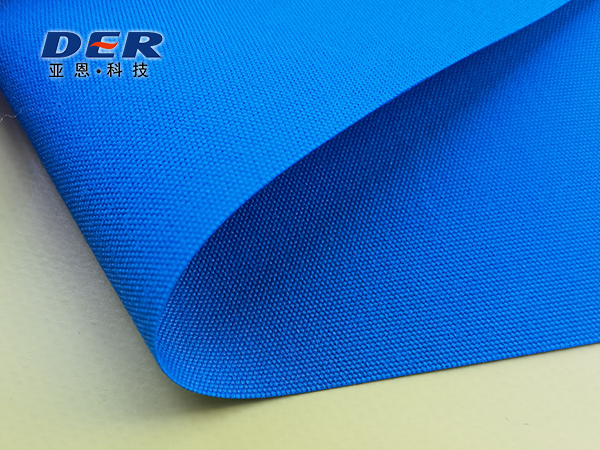
Actual DER factory website image: PVC truck-cover tarpaulin in an installed transport application. Factory capability should be confirmed through production records and a site audit.
Can the supplier make the required PVC coated fabric, laminated fabric, PE tarpaulin or finished cover—or identify who does?
Are GSM, thickness, fabric construction, tensile strength, tear resistance and relevant weathering results tied to the actual grade?
Will the production lot match the approved material, dimensions, color, seams, reinforcement and packaging?
Are MOQ, lead time, tolerances, inspection, shipment terms and responsibility for nonconforming goods clearly defined?
A reliable tarpaulin supplier does not always own every production stage. The important distinction is which processes the supplier controls and who is accountable for the delivered product.
| Supplier type | Typical strengths | Best suited to | Buyer verification |
|---|---|---|---|
| PVC fabric manufacturer | Coating or lamination, material construction and roll consistency | Converters buying tarpaulin fabric rolls | Actual production route, roll width, QC and test evidence |
| Finished tarp converter | Cutting, welding, sewing, hems, grommets and shaped covers | Custom tarpaulins and industrial covers | Fabric source, drawings, fabrication tolerances and seam testing |
| Integrated supply program | Coordination of fabric, finishing and OEM packaging | Repeat wholesale and private-label orders | Responsibilities at each stage and approved subcontractors |
| Trading company or distributor | Multiple product categories and stock access | Mixed orders or fast replenishment | Actual manufacturer, quality accountability and product consistency |
For custom industrial covers, direct production visibility is valuable; for urgent standard products, a stocking supplier may be more practical. Do not assume that a company using the word “factory” manufactures every component in-house.
Specify whether you need fabric rolls, standard rectangular tarps or custom-fitted assemblies. Describe outdoor exposure, handling frequency, load points, fastening, cleaning and service environment.
Check the contracting entity, manufacturing address, export entity and the role of any subcontractors. Request a relevant factory walkthrough or independent audit where the risk justifies it.
Ask which coating, lamination, cutting, heat-welding, sewing, eyeleting, printing and packaging operations apply to your order. Match equipment capability to the quoted width and construction.
Require a technical data sheet with units, test methods, tolerances and material identity. Generic certificates and marketing photographs are not substitutes for evidence about your chosen grade.
Record the fabric code and revision. For finished tarps, check seam configuration, hems, corners, hardware and finished dimensions, not only a small swatch.
Use one RFQ for all shortlisted suppliers. Normalize quantity, finished-size definition, packing, inspection, Incoterm, freight and any tooling or testing charges.
Agree on incoming inspection, in-process checks, final acceptance, traceability, change approval, defect handling and shipment release before placing a large recurring order.
“Heavy duty,” “waterproof” and “premium quality” are not complete specifications. A useful industrial tarpaulin datasheet links each claim to a construction, test method and agreed acceptance requirement.
| Specification | What to ask | Why it matters |
|---|---|---|
| Material family | PVC-coated polyester, PVC-laminated polyester, PE woven tarp or another construction? | Determines joining methods, handling and suitable applications. |
| Finished mass (GSM) | Is the quoted g/m² for finished coated fabric? What tolerance applies? | Helps compare weight, cost and handling—not strength by itself. |
| Thickness and width | Nominal and usable width; thickness method and tolerance? | Affects fabrication yield and fit. |
| Base textile | Fiber type, yarn construction, weave and reinforcement? | Influences tensile and tear behavior. |
| Mechanical performance | Tensile, tear and adhesion results with methods, directions and units? | Supports engineering and durability decisions. |
| Outdoor performance | UV/weathering, temperature flexibility and water resistance evidence? | Connects material selection to service conditions. |
| Fabrication | Weldability, seam design, hems, reinforcement and attachment points? | Finished assemblies can fail at joints even if fabric is adequate. |
| Compliance | Which exact grade and test report support any flame or chemical claim? | Requirements vary by destination and end use. |
For a deeper material discussion, explore PVC coated fabric and PVC laminated fabric. Confirm the target pages exist before publishing these links.
Prioritize repeated flexing, tear resistance, welding compatibility, attachment layout, weather exposure and repairability. Clarify whether the order is for rolls or finished truck covers.
Check dimensions, sharp-edge contact, abrasion, access openings, reinforcement and installation drawings. Approve a fitted prototype when the shape is complex.
Review panel dimensions, joining methods, exposure conditions and any project-specific flame performance requirements supported by valid documentation.
Balance handling weight, weather exposure, fastening strength, cleaning, replacement cycle and packaging requirements.
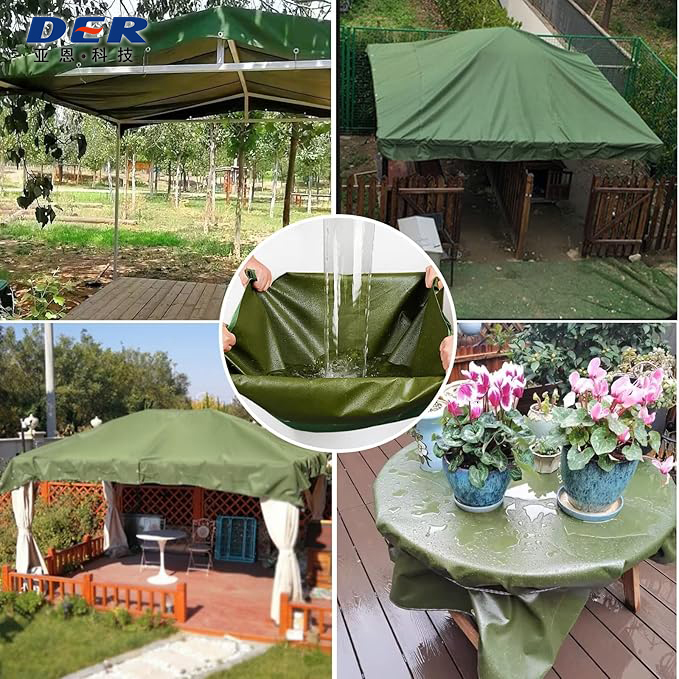
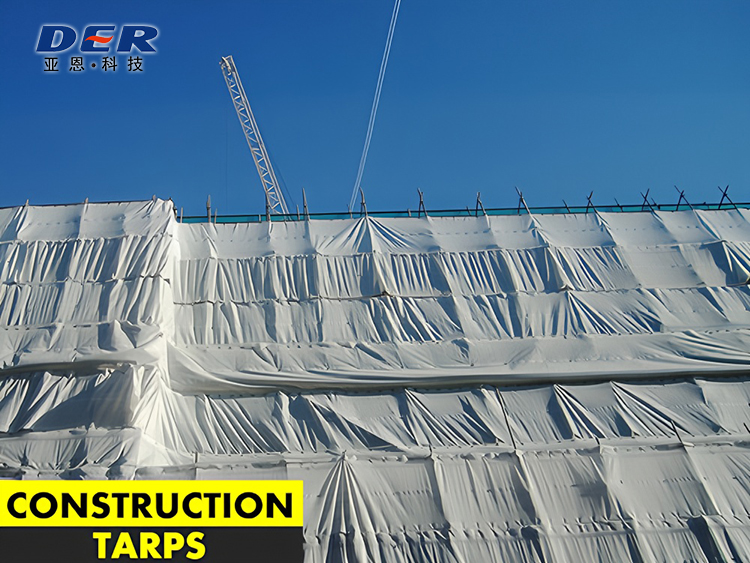
These photographs are from the existing DER factory website and show real material appearance, rolls, edges and application examples. Photographs alone cannot establish coating-line capacity, laboratory results or batch traceability. Request production-site evidence, inspection records and approved samples separately.

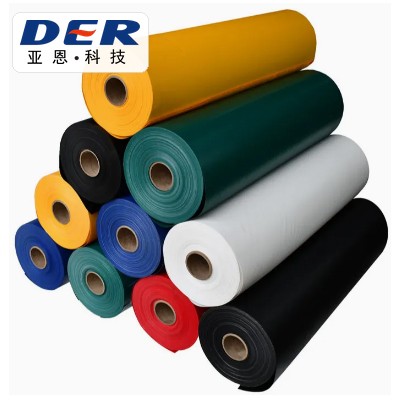
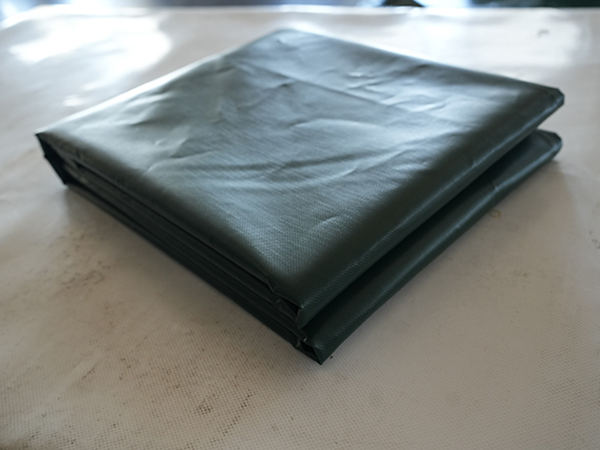
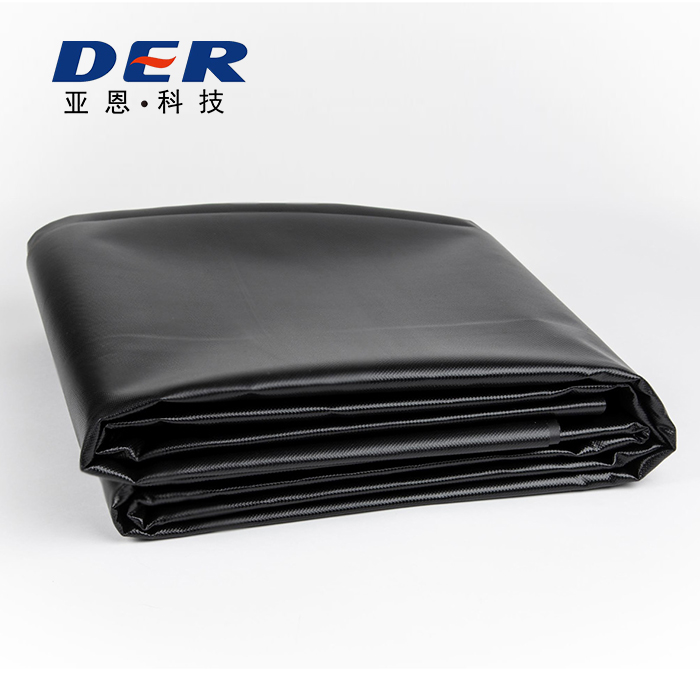
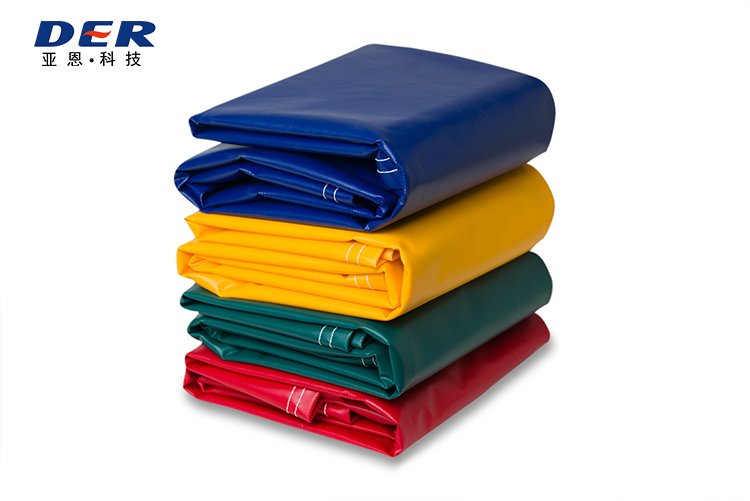
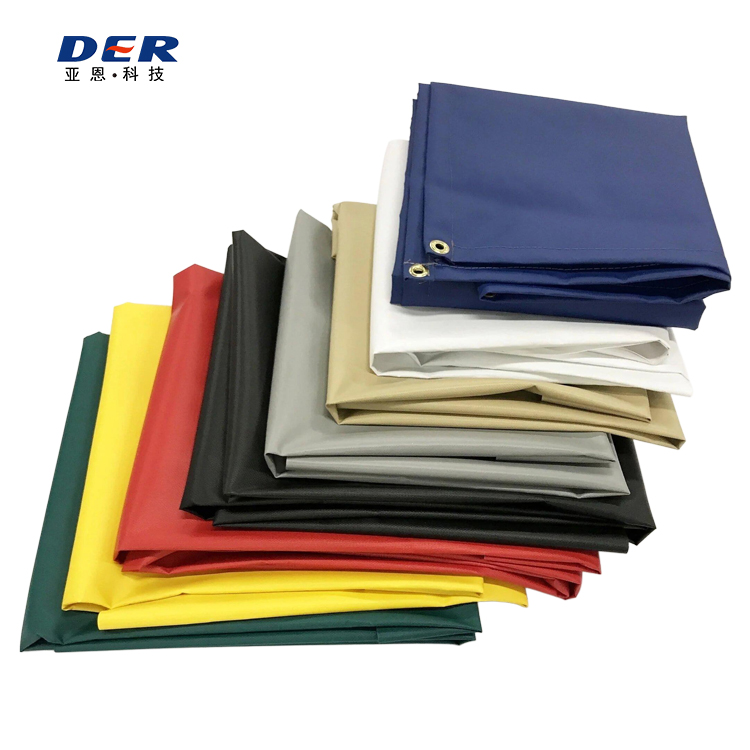
All gallery images reuse published DER factory assets under up/pic/. Captions describe only what is visible; no testing or production claim should be inferred from a product photograph.
Use this practical pre-order checklist during supplier interviews. Unchecked items should become follow-up actions rather than being treated as verified.
A checklist is a screening aid, not a certification or substitute for risk-based factory auditing.
Wholesale tarpaulin prices depend on more than GSM. Base textile, coating route, usable width, fabrication, order volume, testing, packaging and shipping basis can materially change the quotation.
| Quote item | Supplier A | Supplier B | What must match? |
|---|---|---|---|
| Product and material code | To confirm | To confirm | Same construction and grade |
| Weight, width and tolerances | To confirm | To confirm | Comparable finished material |
| Supply form | To confirm | To confirm | Rolls vs finished tarps |
| Finishing and packaging | To confirm | To confirm | Same included operations |
| MOQ and unit price | To confirm | To confirm | Same quantity and currency |
| Inspection and tests | To confirm | To confirm | Same acceptance scope |
| Incoterm and lead time | To confirm | To confirm | Same delivery responsibility |
Ask suppliers to quote in clearly stated units such as per square meter, per linear meter, per roll or per finished piece. If comparing roll prices, calculate usable area using the confirmed effective width rather than nominal width alone.
Send the same brief to each shortlisted manufacturer. Complete as many fields as possible before requesting pricing.
The quote states “650 GSM heavy duty” but omits base fabric, width tolerance and test methods.
Reports lack a grade identifier, applicable test scope or connection to the offered construction.
The approved swatch is not assigned a controlled material code or purchase-order revision.
The headline price excludes welding, reinforced corners, eyelets, packaging or testing required for the finished product.
Other warning signs include undocumented substitutions, vague delivery promises, refusal to clarify production responsibility and missing processes for defective or mixed batches. Resolve material issues before placing a high-value order.
Define the application and product specification, verify the actual production route, request product-specific test evidence, approve a representative sample, compare equivalent quotations and agree on inspection and change control before bulk production.
Confirm the legal entity and production address, identify which operations are in-house or subcontracted, review relevant equipment and recent production records, and request traceable inspection evidence.
Request a technical data sheet, construction and tolerance details, applicable test reports, sample identification, inspection plan, packaging specification and lot traceability information.
Only compare prices after aligning material construction, finished size, tolerances, hardware, testing, packaging, order quantity and Incoterms. The lowest quotation may exclude essential work.
Some manufacturers supply custom sizes, colors, reinforcements, printing, labels and packaging, but buyers should verify the actual fabrication scope, minimum order quantities and sample approval process.
Both use PVC and a reinforcing textile, but coating and lamination involve different manufacturing routes. Selection depends on construction, bond strength, required properties, processing and cost, not the label alone.
Check the company and manufacturing site, clarify export and payment entities, request samples and test data, agree on Incoterms, confirm packing and labeling requirements, and establish inspection and shipment-release responsibilities.
There is no universal MOQ. It varies by material construction, color, width, production scheduling, customization and whether the order is for rolls or finished tarps. Ask for separate sample, trial and repeat-order quantities.
Compare material and application options before finalizing a manufacturer shortlist.
Transport cover applications and purchasing considerations.
Fabric construction and technical material selection.
Laminated material considerations for converters.
Technical details and quality acceptance criteria.
Material, size and end-use selection.
How to evaluate samples before production approval.
Editorial note: verify the destination URLs in this related-reading section against the site's live sitemap before deployment; unverified targets should be replaced with actual published URLs.
Share your application, material specification, order quantity and required tests with DER factory. Ask about available manufacturing scope, sample options and quotation details before committing to a production program.
Production capabilities, certificates, MOQ and lead times must be confirmed for the requested product and order.
Previous:period
Next:How Are PVC Tarps Made? Manufacturing Process & Quality Guide | DER factory
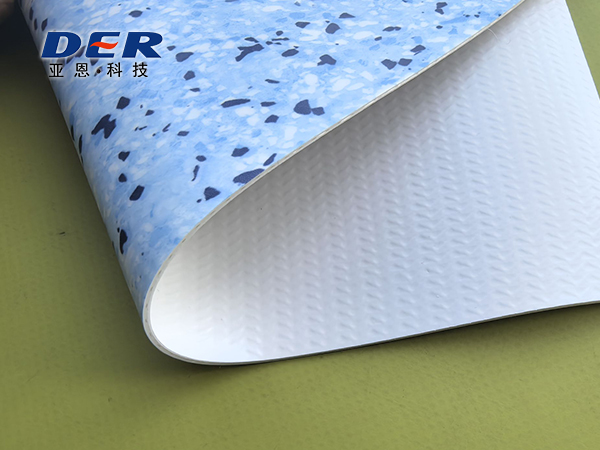
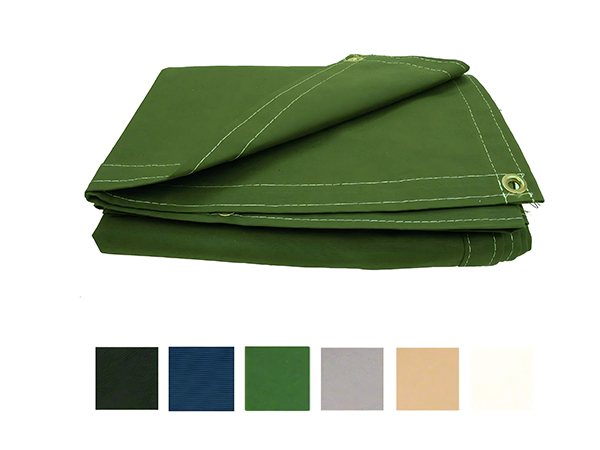
Our products are widely used in our residential and industrial area, which can be used for producing tents, outdoor covering, flexible ventilation tube, water bladders, inflatable castles, architecture membrane structures, etc. Our main products: PVC coated fabrics, PU/TPU coated fabrics, Oxford fabric, PVC ceiling film, flexible banner material. Welcome to our site and order online.