
Premium Tarps & Tarpaulin Manufacturer

+86 15601786499 (steven)

info@der-factory.com

中

Update time:2026/11/19 15:52:03 Views:0

PVC tarpaulin / care & maintenance

How to Clean PVC Tarpaulin Without Damaging the Coating

A practical cleaning protocol for truck tarps, industrial covers and PVC-coated polyester fabric — from everyday dirt to difficult stains, seam inspections and dry storage.

Soft toolsMild cleanerThorough rinseDry before storage
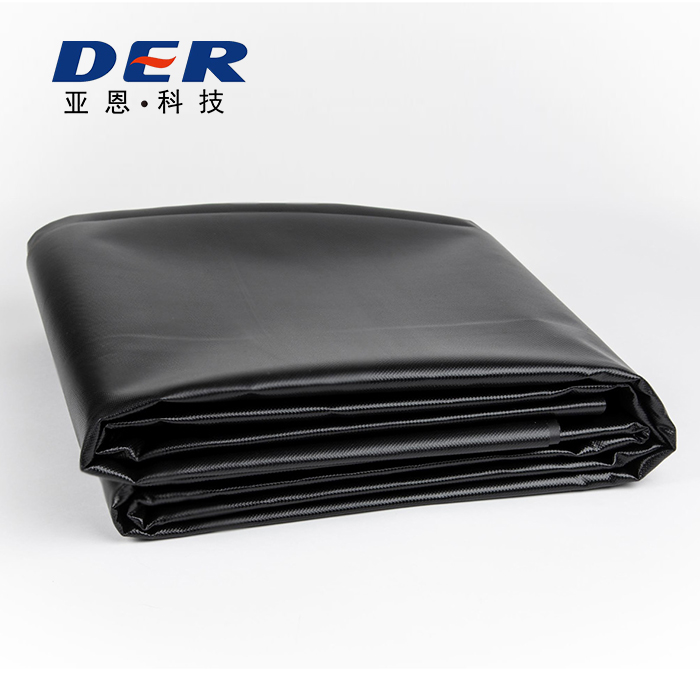
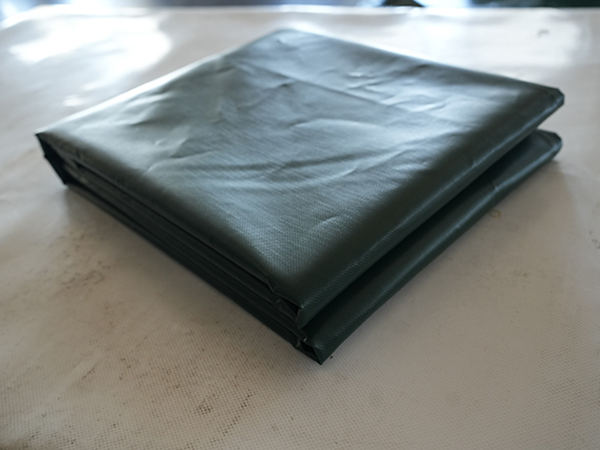
PVC truck tarpaulin material for cargo-cover use
Industrial PVC tarp material: safe care begins with its actual coating and surface finish.
The short answer

What is the safest way to clean PVC tarpaulin?

To clean PVC tarpaulin, remove loose dirt first. Rinse the material with clean, cool or lukewarm water, then gently wash the PVC surface using a soft sponge or soft-bristle brush and a mild, compatible detergent. Do not let the cleaning solution dry on the surface. Rinse thoroughly, inspect seams and fittings, and allow the tarp to dry completely on both sides before folding or storing it. Always follow the cleaning instructions for the actual coating grade, print and lacquer.

This general procedure applies to many PVC-coated or PVC-laminated polyester tarps; special finishes may require different care.

Why gentle cleaning matters

A tarp is not just a plastic sheet

Many heavy-duty PVC tarpaulins combine a polyester scrim with a flexible polyvinyl chloride (PVC) surface. The coating provides the water barrier, while the textile carries much of the tensile load. Decorative print, lacquer, anti-soiling finish and welded hems may be more sensitive to cleaning than the base PVC.

For construction differences, review PVC coated fabric and PVC laminated fabric. Cleaning compatibility should be confirmed for the selected grade, not assumed from the word “PVC” alone.

Site safety: Remove covers from service where practical. Never climb on an unsupported membrane or clean near live machinery without appropriate isolation and access controls.

01 / Practical procedure

How to wash PVC tarpaulin in six steps

Work from dry debris removal to a final inspection. Cleaning a tarp in the right order reduces the chance of grinding sand into the coating or trapping detergent inside seams and hems.

  1. 01Prepare a safe, clean area

    Spread the tarp on a smooth, debris-free surface, or secure it so both sides can be accessed. Protect eyelets and sharp fittings from dragging. If the cover is installed, establish safe access and water runoff controls first.

  2. 02Brush off loose grit

    Remove dry leaves, sand and dust with a soft brush before wet rubbing. Pay attention to folds, reinforced corners, webbing and the reverse face. These areas often trap abrasive particles.

  3. 03Pre-rinse gently

    Use clean, cool or lukewarm water with a hose or light spray. Start at the upper edge so loosened soil flows away. Do not drive a concentrated water jet into a seam, edge binding or printed logo.

  4. 04Wash with a mild cleaner

    Dilute a neutral or non-ionic detergent according to its instructions and confirm PVC compatibility. Test on an inconspicuous patch. Wipe with a soft sponge or brush; let the solution work only as directed and never allow it to dry on the tarp.

  5. 05Rinse all cleaner away

    Rinse until suds and slippery residues are gone. Give special attention to stitched pockets, hems, rings and textured surfaces. A second gentle wash is preferable to aggressive scrubbing on stubborn soil.

  6. 06Air-dry and inspect

    Allow the face, reverse, seams and folded edges to become completely dry before rolling or folding. Inspect the coating, welds, corners, webbing and hardware while the surface is clean enough to reveal damage.

Temperature and dwell time: Do not impose a universal hot-water temperature or soak period on every tarp. The approved cleaner, finish and project warranty determine those limits.

02 / Problem-solving guide

How to remove dirt, mildew and common tarp stains

Different contamination calls for different decisions. The first priority is to avoid converting a removable mark into a permanent coating defect.

Soiling typeFirst actionImportant caution
Dust, mud and road filmDry brush grit, water rinse, mild detergent and soft sponge; repeat if needed.Never scrub sand into the face finish.
Bird droppings and organic depositsRemove promptly; soften with water, then clean gently and rinse well.Do not use a scraper or leave deposits in hot sunlight.
Mildew on surface dirtRemove loose growth and organic residue with a compatible cleaner; rinse and dry thoroughly.Bleach suitability varies by product; request a grade-specific approved method.
Grease, oil and road tarBlot excess without spreading; ask the fabric supplier for an approved degreasing system.Do not improvise with gasoline, acetone or aggressive solvent cleaners.
Mineral deposits / water marksTry clean-water rinsing and a soft damp cloth; review local water quality.Avoid acidic descalers unless explicitly approved for the finish.
Ink, paint or transfer stainsIdentify the contaminant and coating before treatment; test a hidden area under supplier guidance.Solvent removal can also strip print or lacquer; some stains cannot be safely removed.

Cleaning effectiveness depends on time since staining, surface texture, lacquer chemistry and whether the contaminant has penetrated or chemically affected the coating.

03 / Coating protection

What should you never use on PVC tarpaulin?

Avoid abrasive pads, wire brushes, scouring powders, industrial solvents and unapproved aggressive cleaners. They can scratch the surface, affect gloss, remove a finish or accelerate coating deterioration. Do not iron a PVC tarp or use intense heat as a drying shortcut.

Important: Do not routinely mix bleach, ammonia, acid cleaners or other chemicals. Never mix bleach with ammonia or acids. If disinfecting or mildew treatment is necessary, use only the specific approved procedure supplied for that grade.

Can you use a pressure washer?

A gentle hose is the default. Pressure washing is only an option where the fabric supplier explicitly permits it and specifies a suitable process. High-impact spray can lift already-damaged coatings, mark finishes or force water into seams and reinforcements. Test the lowest effective setting on an inconspicuous area and never aim directly at edges, eyelets or repaired zones.

Truck operators maintaining PVC truck tarps should also inspect road-facing corners and hardware contact points, because abrasion damage cannot be washed away.

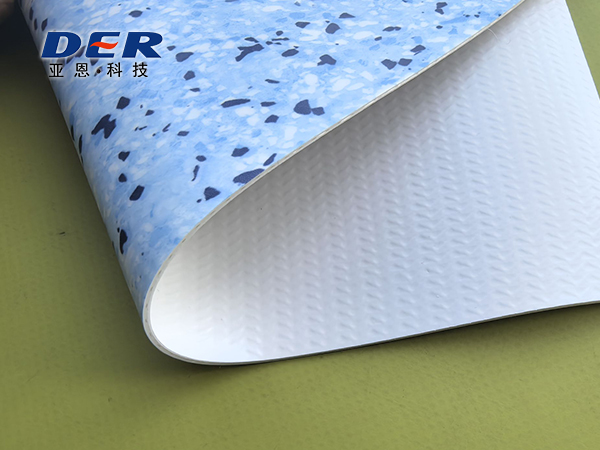
PVC coated polyester fabric surface used for industrial tarpaulins
Surface texture and finishing influence stain retention, cleanability and care instructions.
04 / Use-case differences

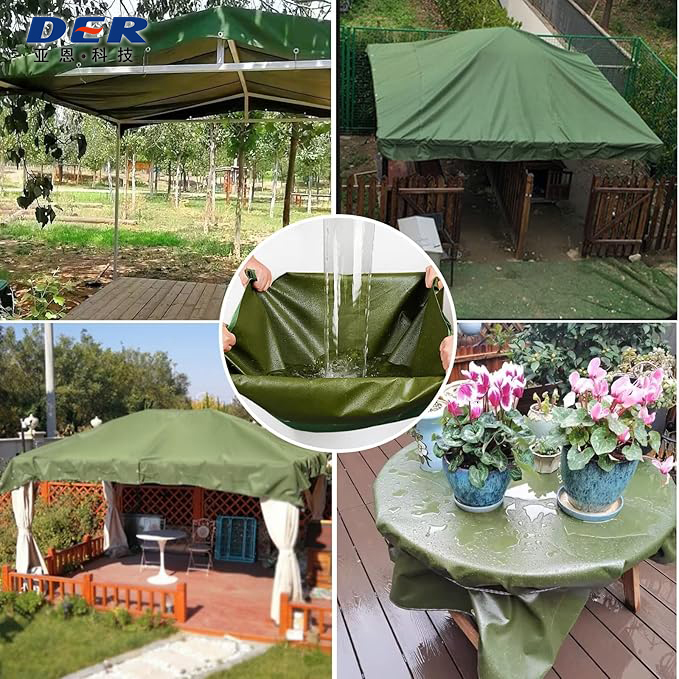
Cleaning a truck tarp is not the same as cleaning a tent roof

The base PVC may be similar, but the surrounding construction changes the practical cleaning method, access risks and inspection points.

Transport / Fleet

Truck tarpaulins & side curtains

Remove road grit before washing. Pay special attention to hems, buckle areas, tension straps, welded repairs and printed graphics. For a fleet cleaning program, test the actual wash chemistry and equipment before approving repeated use.
Architecture / Shelter

Tent roofs & canopies

Plan safe access and water drainage. Use a finish-compatible method, inspect welded panels and valleys, and avoid trapped wet folds during seasonal removal. Large membranes may need specialist cleaning.

Industrial / Storage

Machinery & outdoor covers

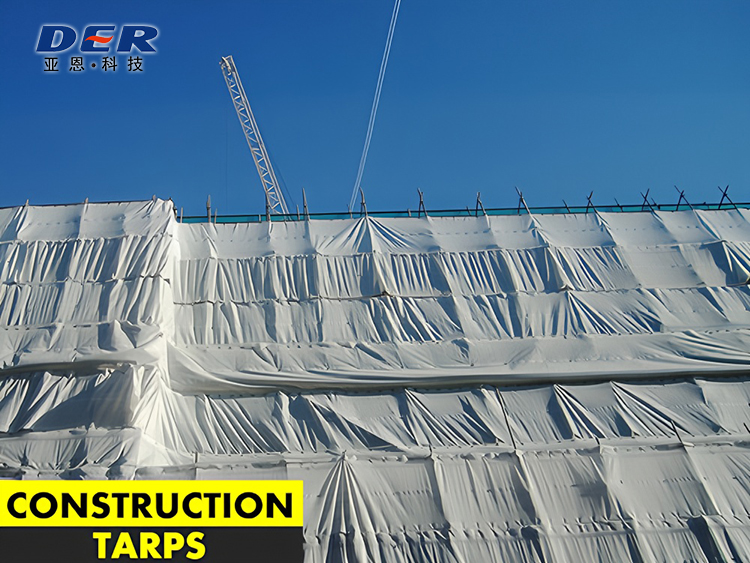
Remove metal particles or coarse dust before wiping. Investigate any exposure to oils, chemicals, hot surfaces or sharp edges. Quarantine covers with coating breaks or damaged reinforcement until fit-for-use is assessed.

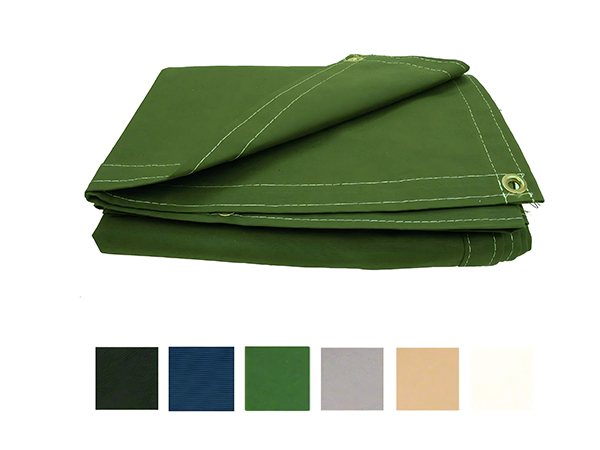
Heavy-duty tarpaulin for industrial cover applications
Industrial tarpaulins: check abrasion zones and repeated fold lines during cleaning.
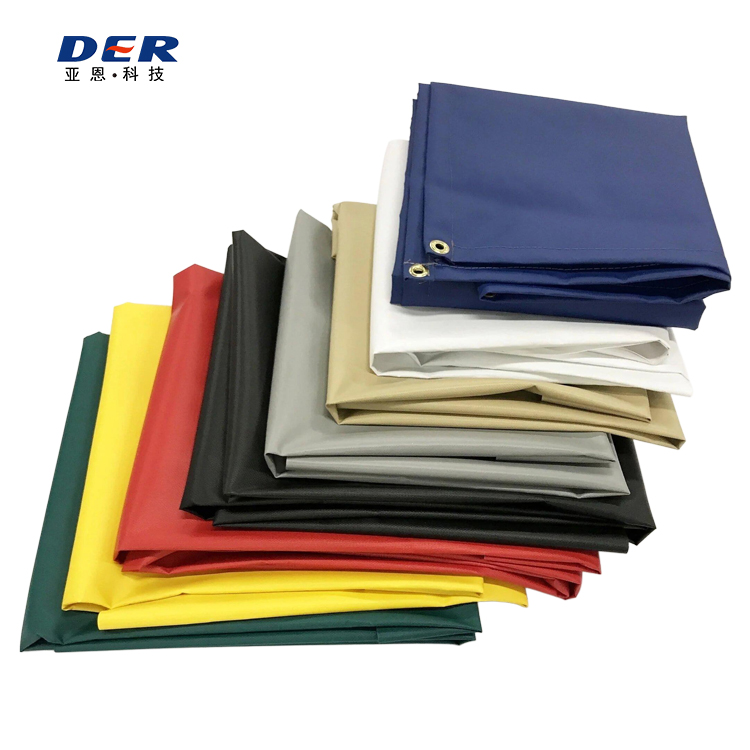
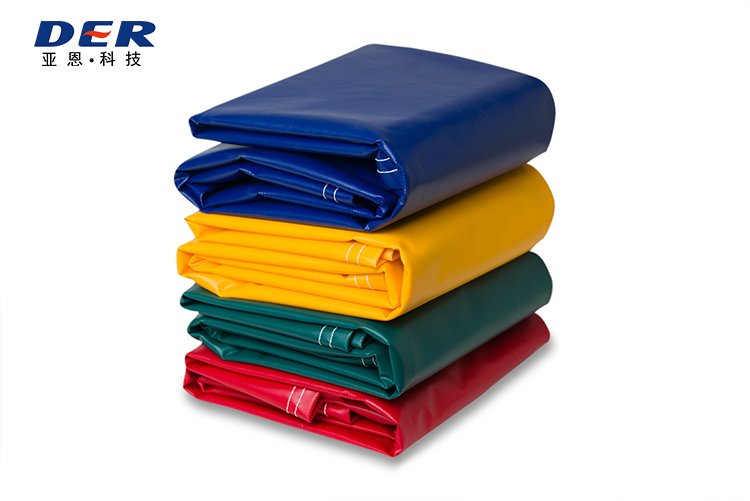
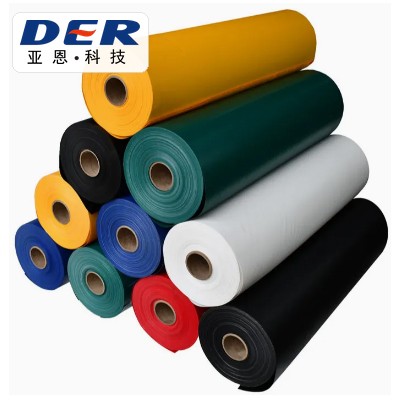
PVC tarpaulin roll material for cutting and cover fabrication
PVC roll goods: finish and coating selection affect future cleaning instructions.
05 / After cleaning

How to dry and store a PVC tarp properly

Surface cleaning is incomplete until moisture has escaped from the reverse face, hem cavities, reinforcements and folds. A tarp rolled while damp can trap contamination and moisture. Choose a clean, dry storage area protected from sharp objects, excessive heat and incompatible chemicals.

  1. Hang or spread the tarp so both faces receive airflow; never rely on a dry-looking top surface alone.
  2. Check pockets, hems, corners and fabric around grommets by touch before packing.
  3. Roll larger heavy PVC tarps around a suitable core where practical to reduce tight permanent creases.
  4. Do not compress the cover under pointed hardware, greasy tools or heavy uneven loads.
  5. Label and separate cleaned, damaged and awaiting-inspection covers for fleet or rental inventory.

For material purchasing and finishing decisions, consult tarpaulin specifications; coating, surface finish and finished construction should be agreed before a bulk order.

Post-cleaning acceptance check

Five things that cleaning cannot fix

  • Exposed or broken polyester yarns
  • Peeling, cracking or missing PVC coating
  • Leaking or separated welded seams
  • Torn grommet reinforcement and broken webbing
  • Advanced UV aging, brittleness or permanent chemical damage

Document the defect location, size, appearance and service conditions. Determine whether an approved PVC repair patch, welding trial or full replacement is appropriate.

06 / For OEM and B2B buyers

Choose PVC tarpaulin that your team can realistically maintain

For a distributor or converter, easy cleaning is a product-specification issue as well as a maintenance issue. A short trial on the exact material sample can reveal more than an unqualified “easy-clean” claim.

What to request in a material brief

  • Construction: PVC coated or laminated polyester; intended face and reverse.
  • Finish: gloss, matte, lacquer, print protection or other surface treatment.
  • Exposure: road grime, agricultural residue, marine spray, oils or seasonal storage.
  • Cleaner compatibility: approved detergent, restrictions, water temperature and mechanical cleaning limits.
  • Fabrication: welds, hems, grommets, webbing, logos and field repair provisions.
  • Verification: representative swatch, trial wash, visual standard and agreed acceptance criteria.

Compare materials based on their end use

Two materials at the same GSM can differ in lacquer, textile reinforcement, coating thickness and fabrication behavior. A smoother finished surface may release dirt differently from a textured one; a printable topcoat may require different cleaning chemistry from an unprinted tarp.

Do not assume heavier means easier to clean, or that a solvent tolerated by one sample will suit every roll. Establish a documented care procedure for each approved grade and retain a control sample. If the buyer needs bulk roll material or finished covers, state that distinction in the RFQ.

See the tarp buying guide for additional material-selection factors and the tarpaulin sample guide for approval planning.

Manufacturer discussion: DER factory can review the target application, selected PVC construction and care requirements during material selection; cleaning compatibility and special treatments should be confirmed grade by grade.

07 / Frequently asked questions

People also ask about PVC tarpaulin care

Concise answers for operators, fabricators, transport fleets and industrial fabric buyers.

What is the best way to clean PVC tarpaulin?

Remove loose grit, rinse with clean water, apply a mild PVC-compatible soap with a soft sponge or brush, clean gently, rinse away all residue and air-dry completely before folding or storage. Follow the specific fabric manufacturer's instructions first.

Can you pressure wash a PVC tarp?

Only if the material supplier permits it. A concentrated jet can damage lacquer, seams, print and hardware edges. Gentle hose rinsing is the safer default.

Can I use bleach on PVC tarpaulin?

Do not use bleach as a routine cleaner. Some specific PVC finishes have approved dilute bleach procedures, but others prohibit it. Obtain grade-specific guidance and test a hidden area before any special treatment.

How do I remove mildew from a PVC tarp?

Brush or rinse away loose contamination, wash surface dirt with a mild compatible cleaner and dry the material thoroughly. If staining remains, ask the fabric supplier about an approved treatment rather than applying concentrated bleach or solvent.

Can PVC tarpaulin go in a washing machine?

Machine washing is generally unsuitable for large reinforced PVC tarpaulins with seams, grommets and coated faces. Hand wash or use an approved professional cleaning process.

How do you dry a PVC tarp before storing it?

Open the tarp so both sides, seams and hems can dry in moving air. Do not fold or roll it while moisture remains trapped; avoid excessive direct heat.

Does cleaning restore a damaged PVC coating?

No. Cleaning removes surface contamination but does not repair worn coating, broken reinforcement, failed welds or leaks. Inspect damaged zones and arrange an appropriate repair or replacement.

What information should an OEM buyer request about tarp cleaning?

Ask for the approved cleaner family, coating and lacquer identification, limits on mechanical washing or pressure, print-care instructions, repair method, and a sample that can be trial-cleaned before bulk production.

Discuss material + maintenance

Need PVC tarpaulin for a repeat-use project?

Tell DER factory how the cover will be used and cleaned. The right material discussion starts with exposure, fabrication and maintenance expectations — not weight alone.

Include these details in your request

  • Application and exposure
  • Target GSM, thickness or reference sample
  • Roll width or finished dimensions
  • Color, surface and any print
  • Cleaning process and chemicals
  • Quantity, destination and tests

DER factory · Technical guidance for PVC tarpaulin users and buyers. Product-specific manufacturer's care documents take precedence over general advice. Return to DER factory.

Contact Us (You are welcome to consult at any time!)

Zhangbaling Plastic Polymer Industrial Park, Zhangbaling Town, Mingguang City, Chuzhou, Anhui Provin

info@der-factory.com

+86 15601786499 (steven)

Product recommendation

#
truck tarps
  • 2026-10-26
#
#
#
vinyl tarps
  • 2026-09-13
#
Waterproof Tarps
  • 2026-08-27
#
#
#
#
Vinyl Coated Tarps
  • 2026-05-24
#

Application Fields Of Our Products

Our products are widely used in our residential and industrial area, which can be used for producing tents, outdoor covering, flexible ventilation tube, water bladders, inflatable castles, architecture membrane structures, etc. Our main products: PVC coated fabrics, PU/TPU coated fabrics, Oxford fabric, PVC ceiling film, flexible banner material. Welcome to our site and order online.