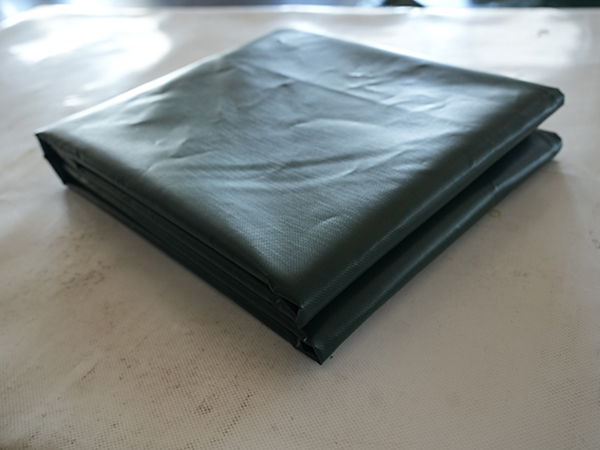
Heavy Duty Tarps Manufacturer | Industri..
- 2026-09-13

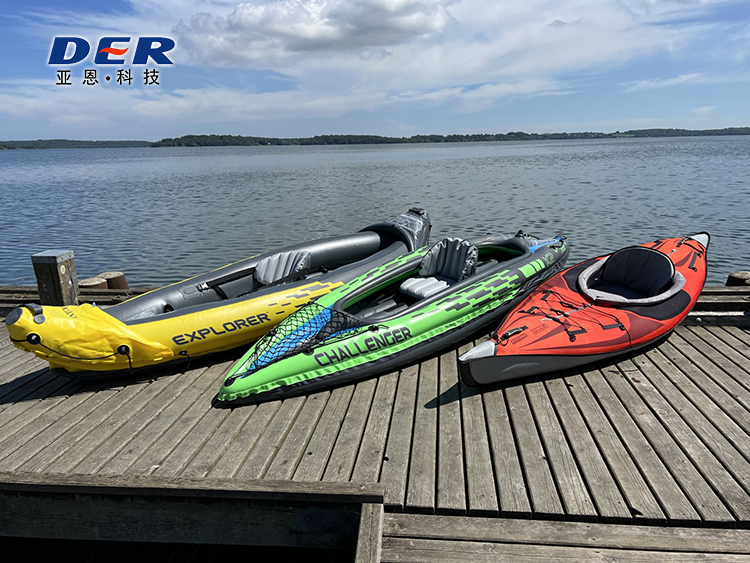
An hui Der factory supplies inflatable kayak fabric and custom airtight coated fabric solutions for kayak brands, inflatable boat factories, OEM converters, water-sport equipment distributors, outdoor gear developers, rescue-product manufacturers, and private-label sourcing teams. This page is built for buyers who need more than a generic roll of coated cloth. It focuses on what actually matters in inflatable kayak production: stable airtight performance, welding compatibility, fold resistance, abrasion behavior, practical weight control, color consistency, documentation support, and dependable commercial supply.
Whether you are developing a compact recreational inflatable kayak, a touring air kayak, a fishing kayak, a rescue-support inflatable craft, or an OEM product line for export distribution, the material decision will strongly influence product reliability, user perception, assembly efficiency, and warranty risk. Many buyers start by searching terms such as inflatable kayak fabric, inflatable kayak material, airtight kayak fabric, PVC kayak fabric supplier, TPU kayak fabric manufacturer, or inflatable boat fabric. In practice, those searches are all pointing to the same commercial objective: finding a material partner that can match performance targets to real manufacturing needs.
A strong inflatable kayak material program is not only about choosing between PVC and TPU. It is also about understanding how the finished kayak will be used, how the seams will be made, what kind of pressure retention is expected, how often the boat will be folded, how the surface should feel and look in the final product, and how the sourcing model should support custom development. That is why this standalone page is written in a direct B2B style. It is meant to help procurement teams, product managers, and OEM buyers evaluate fabric structure, fabrication logic, customization scope, lead time planning, and quality-control considerations before the first production order is placed.
Inflatable kayak fabric is a technical coated or laminated textile material used to manufacture air-filled kayak bodies, buoyancy chambers, side tubes, floors, seats, splash elements, and supporting inflatable components. Unlike general-purpose plastic sheeting or decorative vinyl, a proper inflatable kayak fabric must combine several functions at the same time. It needs to help retain air, resist water penetration, tolerate repeated folding and handling, remain workable for welding or bonding, support color and appearance standards, and provide enough mechanical strength for the intended category of kayak.
In commercial sourcing, the term can refer to several related material families. Buyers may use airtight fabric for inflatables, inflatable boat fabric, PVC kayak material, TPU kayak fabric, weldable kayak fabric, or marine inflatable fabric almost interchangeably during the early inquiry stage. However, those phrases often reflect different performance priorities. A price-sensitive recreational boat line may lean toward PVC coated polyester fabric. A premium lightweight packable line may evaluate TPU-coated options. A rugged river or fishing platform may focus more on abrasion resistance, chamber integrity, and practical repairability. A rescue or utility application may emphasize weather behavior, seam reliability, and consistent repeat production.
For that reason, a buyer searching for the best inflatable kayak fabric is usually not asking for a single universal answer. They are asking which structure is most appropriate for the final product concept. The right material choice depends on how many chambers the boat will have, whether the floor is air deck, drop stitch, or non-drop-stitch, whether assembly will use hot-air welding, high-frequency welding, or adhesive systems, what storage and transport conditions the boat will encounter, and how the finished kayak is expected to look in the retail or project market.
At a practical level, inflatable kayak material can be built around a woven base fabric plus a coating layer, or it can use other composite pathways based on the target application. The woven reinforcement provides structural support and tear control. The coating or laminated layer contributes airtightness, waterproof behavior, surface protection, and fabrication compatibility. Thickness, weight, yarn construction, density, coating chemistry, embossing, color, and finishing details all influence how the fabric behaves during conversion and how the finished kayak performs in the field. That is why responsible sourcing goes beyond comparing only price per square meter.
For buyers working in export, private label, or OEM production, the best inflatable kayak fabric supplier is usually the one that understands the full path from roll goods to finished boat. That includes material selection, sample development, process compatibility, color consistency, test reference support, packaging format, and batch repeatability. An hui Der factory approaches inflatable kayak fabric as a manufacturing solution, not as a commodity line item. The goal is to help customers build kayaks that are commercially realistic, visually consistent, and easier to produce with confidence.
Share your target application, thickness preference, seam process, color plan, and order volume. We can recommend a more suitable PVC or TPU kayak material structure for development samples and commercial supply.
When a kayak brand chooses the wrong material, the problem rarely appears in the first sample alone. It appears later in seam inconsistency, unexpected stiffness during folding, visible surface fatigue, unstable color appearance between batches, or weak alignment between the brand promise and the end-user experience. That is why material selection should be discussed together with manufacturing method, boat geometry, use case, and target retail price.
For example, a foldable entry-level kayak sold mainly through e-commerce may need a different material logic than a premium touring kayak, a fishing platform, or a rafting-support inflatable. Each category places a different emphasis on tactile feel, packability, exterior finish, puncture resistance, chamber structure, and after-sales expectations. A fabric supplier that understands these distinctions can help reduce development detours.
Below is a practical commercial reference for inflatable kayak fabric inquiries. Final construction depends on boat category, chamber design, seam process, target weight, market positioning, and testing requirements. If your product uses special pressure standards, low-temperature conditions, or unusual assembly methods, the structure should be confirmed during development before bulk production.
| Item | Typical Range / Option | Commercial Note |
|---|---|---|
| Product Name | Inflatable Kayak Fabric / Inflatable Boat Fabric | Custom OEM and application-oriented coated textile for kayak manufacturing |
| Material Type | PVC coated polyester fabric, TPU coated fabric, or project-specific composite | Selected according to cost target, flexibility, finish, and process preference |
| Weight | Approx. 650-1500 gsm | Reference range for different kayak categories and structure positions |
| Thickness | Approx. 0.45-1.20 mm | Customizable according to durability target, foldability, and chamber design |
| Base Fabric | High-tenacity polyester or other selected reinforcement base | Chosen for strength, dimensional stability, and conversion requirements |
| Width | Custom roll width | Matched to cutting efficiency, panel layout, and factory workflow |
| Surface Finish | Glossy, matte, embossed, semi-matte, smooth | Influences brand appearance, touch, cleanability, and scratch visibility |
| Color | Black, gray, blue, red, yellow, army green, custom tone | Supports OEM branding, rescue visibility, or consumer product styling |
| Airtight Behavior | Designed for inflatable applications | Final pressure retention depends on full structure and seam quality |
| Waterproofing | Excellent surface water barrier performance | Suitable for marine and outdoor inflatable use when properly specified |
| Fabrication Compatibility | Heat welding, hot-air process, adhesive pathway, or selected conversion method | Must be matched to actual factory equipment and process control |
| Optional Features | UV pathway, FR pathway, anti-mildew concept, custom embossing, OEM label | Scope depends on project requirements and order volume |
| Supply Format | Roll goods, development yardage, OEM packing | Suitable for brands, converters, and finished boat manufacturers |
Specification values above are commercial reference ranges for inquiry preparation. They are not a universal fixed grade for every inflatable kayak program. Final material selection should be confirmed against your actual boat design, pressure target, test method, and production process.
We can support inquiries for recreational kayak fabric, fishing kayak material, river kayak fabric, rescue inflatable boat fabric, and custom OEM coated textile development.
One reason buyers search so many different long-tail terms around inflatable kayak material is that the end-use landscape is broad. A fabric that works for a casual lake-use kayak may not be the best choice for a fishing platform, a compact travel kayak, or a utility inflatable. Material evaluation should always start with the actual use scenario and the buyer's channel strategy.
Entry-level and mid-range recreational kayaks usually need a balanced structure that supports stable air retention, good appearance, practical portability, and commercially realistic pricing. This segment often prioritizes user-friendly handling and acceptable durability for occasional outdoor use.
Touring products may place greater emphasis on weight control, packing efficiency, longer-hour comfort, and stronger confidence in repeated use. Material consistency becomes more important because users expect the product to perform well across multiple trips and varying environments.
Fishing and utility-focused kayaks are often exposed to gear friction, hooks, equipment loading, shoreline abrasion, and more frequent launch cycles. Buyers in this segment usually care about heavier-duty surface behavior, chamber toughness, and the right visual message for a durable outdoor product.
Fleet operators need materials that look professional, tolerate repeated handling, and support a supply model suitable for repeat replenishment. Standardized colors, easy-clean surfaces, and more predictable batch consistency can make fleet maintenance easier over time.
Some inflatable kayak-style craft are used in public safety, training, or utility-support settings. These applications may require visible colors, process documentation, predictable material supply, and project-oriented customization aligned with more formal procurement expectations.
Brands launching private-label inflatable boats often need custom colorways, packaging support, matching accessory material, and a material partner that can support both development samples and repeat bulk production. This is where a stronger inflatable kayak fabric supplier relationship can create real commercial value.
Most international buyers divide the decision into three practical layers. The first layer is product positioning: recreational, performance, premium, rescue, or fleet. The second is fabrication path: welded, bonded, or mixed construction. The third is supply logic: standard roll material, custom developed fabric, or a long-term private-label program. When all three layers are discussed together, material selection becomes much more efficient.
For example, an importer may first request a general inflatable boat fabric, but after discussing the intended SKU mix, the project may require one structure for entry models, another for high-end kayaks, and another for accessories or reinforcement zones. Planning those layers early can improve both costing and final product alignment.
When a distributor, boat brand, or factory qualifies a new supplier, the checklist is usually broader than it first appears. The buyer wants to know whether the factory can communicate clearly, whether custom requests are understood, whether the sample matches the later bulk order, whether lead times are discussed realistically, and whether the supplier has enough process awareness to support manufacturing instead of simply sending material and stepping away.
That is where a more serious inflatable kayak fabric manufacturer adds value. The goal is not only to sell material, but to help the buyer reduce trial-and-error cost. That includes more structured discussions around weight class, chamber usage, surface finish, seam process, and export packing.
We support OEM brands, converters, importers, outdoor equipment factories, and water-sport distributors with custom coated fabric development and repeat supply planning.
PVC coated polyester remains one of the most widely discussed material directions for inflatable kayaks because it offers a commercially attractive balance of cost, strength, fabrication practicality, and outdoor durability. It is often chosen for mainstream recreational boats, rental products, and OEM programs that need dependable performance with manageable manufacturing cost.
Its advantages usually include robust structure, established conversion pathways, broad availability of finishes and colors, and a familiar supply chain for many factories. The trade-off is that it may be heavier or have a different hand feel than premium TPU-focused programs. For many B2B buyers, however, this remains the most commercially scalable starting point.
TPU kayak fabric is often evaluated for premium lines, lightweight products, and brand programs that emphasize softness, handling feel, and upgraded performance perception. Depending on the structure, TPU may offer attractive flexibility and a more refined product story for specific market segments.
TPU development is usually more application-specific, and it can influence cost, process setup, and positioning strategy. It is often selected when the buyer wants to move beyond a standard PVC story and build a more differentiated inflatable kayak collection.
These materials may look acceptable in very early concept discussion, but they are not a proper substitute for engineered inflatable boat fabric. They may lack the right reinforcement structure, seam behavior, or long-term durability for real inflatable kayak production. Using an unsuitable sheet material can create avoidable risk in assembly and field performance.
Low-cost cover materials may work for tarps, temporary covers, or protective packaging, but they are generally not a responsible choice for kayak chambers or marine inflatable construction. The issue is not only air retention, but also process compatibility, fold behavior, toughness, and product perception.
The better material is the one that fits your product category, brand story, process equipment, and cost target. A premium portable kayak collection may benefit from a different construction than a price-driven recreational line. A fishing kayak may prioritize durability and handling resistance, while a travel kayak may prioritize weight and folding feel. A supplier should help you align those realities instead of pushing a one-size-fits-all answer.
A developing outdoor brand approached with a request for custom inflatable kayak fabric for a two-model launch program. The first model was an entry-level recreational kayak meant for online retail. The second was a more premium touring-style air kayak aimed at specialty dealers. At first, the customer described the project only as “inflatable boat material,” but after a more detailed discussion, it became clear that one material could not optimally serve both SKUs.
For the entry product, the commercial priorities were stable cost control, strong visual presentation, practical welding behavior, and a structure that felt dependable in the hands of first-time buyers. For the premium line, the brand wanted a more refined appearance, improved portability, and a material story that could justify a higher market position. The development phase therefore focused on dividing the project into two material directions rather than forcing a compromise that would leave both products under-positioned.
During the sampling discussion, the buyer also raised concerns about color consistency, fold marks after packing, and the need for spare material to support repair kits and future after-sales service. These are not unusual questions, but they are important because they show how inflatable kayak material affects the whole brand experience, not only the factory floor. A kayak that looks inconsistent between production runs can create merchandising problems. A repair kit made from a visibly different fabric can weaken confidence in the product. A boat that is hard to fold back into its bag can reduce user satisfaction even when the seams are technically sound.
The solution was to structure the project around clearer commercial priorities. One material package was recommended for the entry-level model, emphasizing scalable cost and practical assembly. A second package was discussed for the premium model, emphasizing feel, finish, and product story. Packaging format, roll supply, and repeat-order planning were reviewed at the same time so the buyer could launch the collection with a more stable sourcing framework. The result was not only a better material match for the two products, but also a smoother internal decision process for the customer's team.
This kind of project is typical in the inflatable market. Buyers often begin with a broad search for inflatable kayak fabric supplier or inflatable kayak manufacturer material, but the most useful outcome usually comes from a deeper application discussion. The right supplier relationship helps the buyer define which details actually matter, reduce unnecessary sampling detours, and move from “some kind of boat fabric” to a much clearer product-development path.
Not every kayak needs the same material structure. Recreational, premium touring, rescue, rental, fishing, and utility products all put pressure on the fabric in different ways. Start with the product category and the customer expectation behind it.
Even a strong fabric can become a poor choice if it does not match the actual assembly method used by the factory. Discuss welding, bonding, or hybrid construction early instead of after the first sample is already made.
There is no universal “best” weight. A lighter structure may improve portability. A heavier structure may improve rugged perception. The right answer depends on the balance between carrying comfort, durability expectations, and target selling price.
Surface finish, color, gloss level, and tactile impression influence how the final product is perceived. Some brands want a clean matte technical look. Others want bold color impact. These decisions affect both the market presentation and the manufacturing path.
The best material is not only the one that performs in a test sample. It is also the one that can be supplied consistently for future production, spare parts, service material, and next-season collections.
For commercial orders, buyers should ask about appearance review, packaging consistency, batch handling, sample confirmation, and documentation support relevant to their market. These details help reduce risk after purchase.
A strong sourcing decision balances engineering, manufacturing, logistics, and market positioning. That is why the phrase best inflatable kayak fabric should always be understood in context. The best choice is the one that supports the final product most effectively and most repeatably for your real business model.
Send us your target GSM, thickness, chamber use, seam method, color request, annual volume, and destination market. We can help narrow the material direction before bulk commitment.
The best fabric depends on the kayak category, seam process, weight target, durability expectation, and market position. Many mainstream products use PVC coated polyester, while premium or specialized lines may evaluate TPU-coated structures. The right answer should be based on your actual product design rather than a generic claim.
Neither is automatically better in every case. PVC is often selected for commercially scalable, durable, and cost-effective production. TPU may be chosen for specific premium, lightweight, or differentiated product programs. The better choice depends on your priorities, process, and target customer.
Yes. Customization may include weight, thickness, width, color, surface finish, embossing, packaging, and project-specific supply format. In some cases, customers also discuss special documentation or performance pathways for particular markets.
Yes. We can discuss OEM and custom manufacturing support for kayak brands, distributors, converters, and factories. Typical topics include custom color, packing method, repeat-order planning, and matching material logic for broader product lines.
It helps to provide the intended application, preferred material type, approximate GSM or thickness, seam process, color request, width, quantity, and any special market or documentation requirements. If you already have a drawing or sample reference, that can make the discussion faster.
Yes. Depending on the selected structure, similar material families may also be considered for rafts, rescue inflatables, utility boats, air seats, accessories, and other inflatable water-sport or outdoor products. Final suitability depends on the specific design and performance requirement.
Lead time depends on whether the order uses a standard structure or a new custom development, the quantity, current production schedule, and packing requirement. It is best to confirm sample timing and bulk timing separately during the quotation stage.
Project requirements vary by market and application. Buyers can discuss quality-control expectations, document needs, sample confirmation, and any relevant certification pathway during inquiry. The most useful approach is to define these requirements before bulk production.
Yes. If you can share the intended boat category, target market, expected use conditions, and preferred assembly method, we can help suggest a more suitable material direction even if you do not yet know the exact fabric specification.
This block is intentionally left with clear internal-link positions so the page can be expanded later without changing the overall structure. You can replace the placeholder links below with real category, product, case-study, or knowledge-base URLs inside your own website.
Recommended anchor text: PVC coated fabric
Recommended anchor text: TPU coated fabric
Recommended anchor text: airtight fabrics for inflatables
Recommended anchor text: inflatable boat material
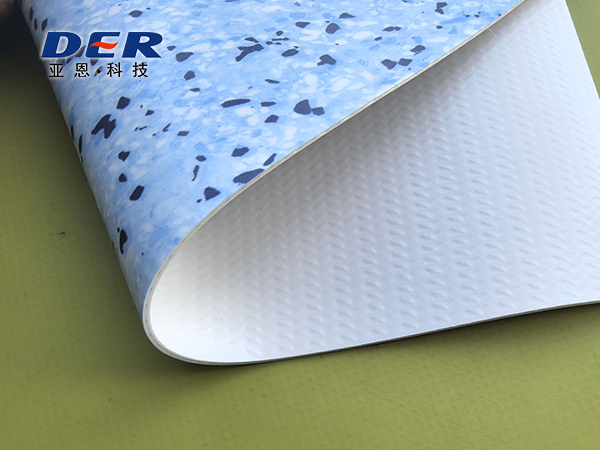
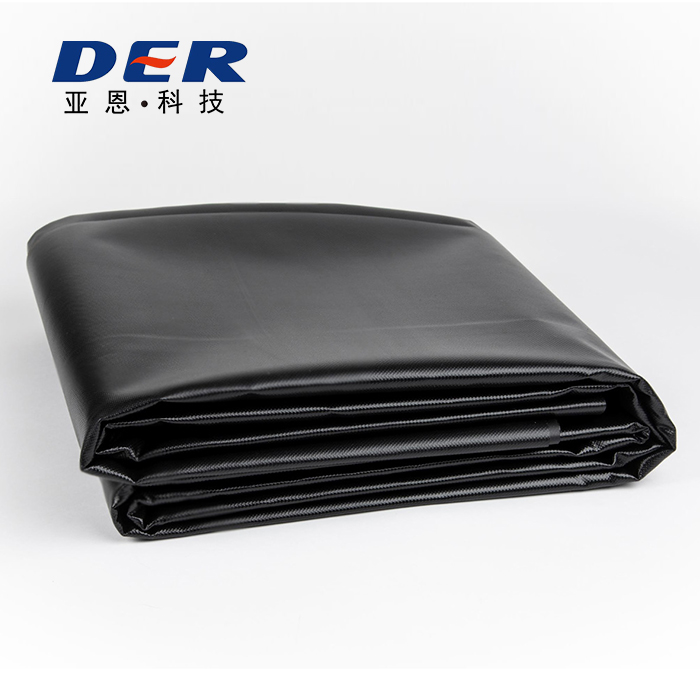
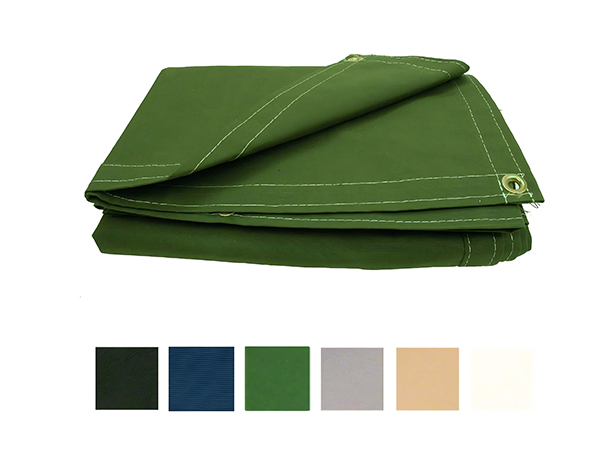
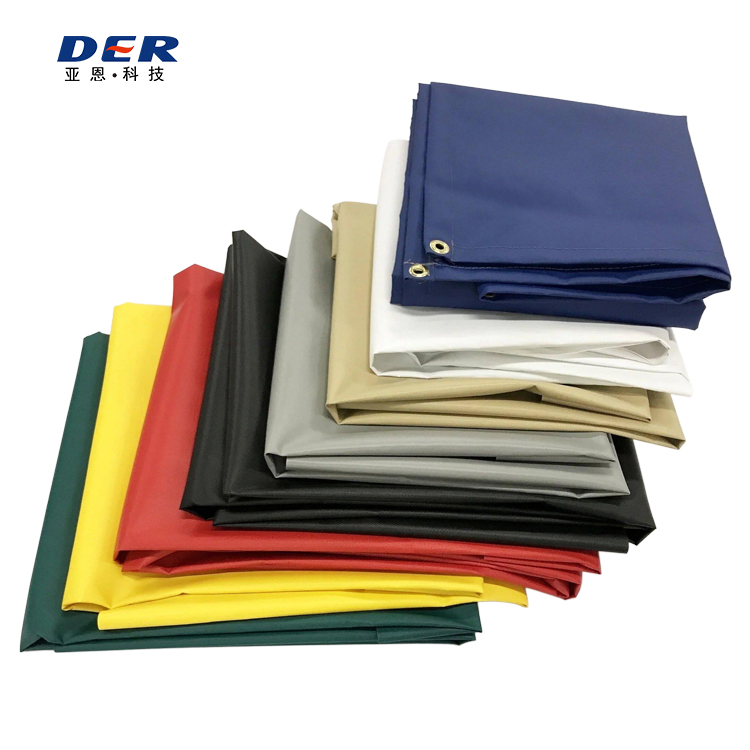
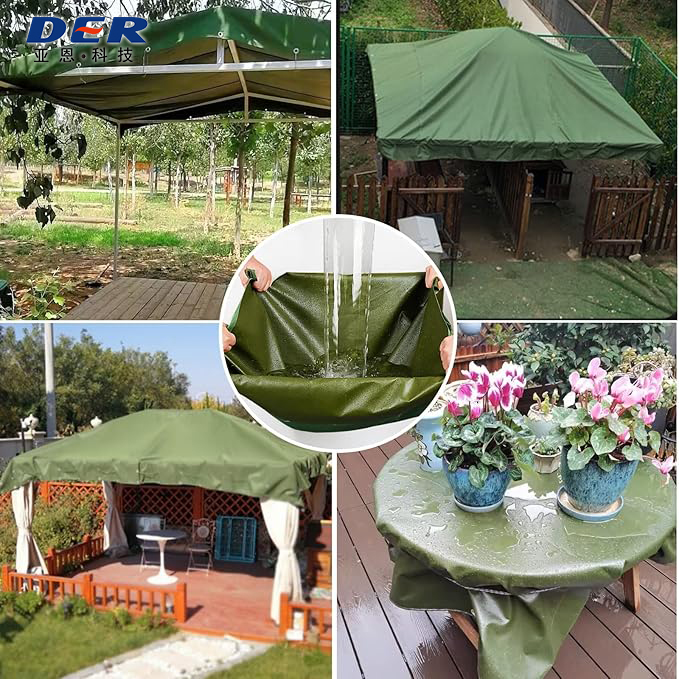
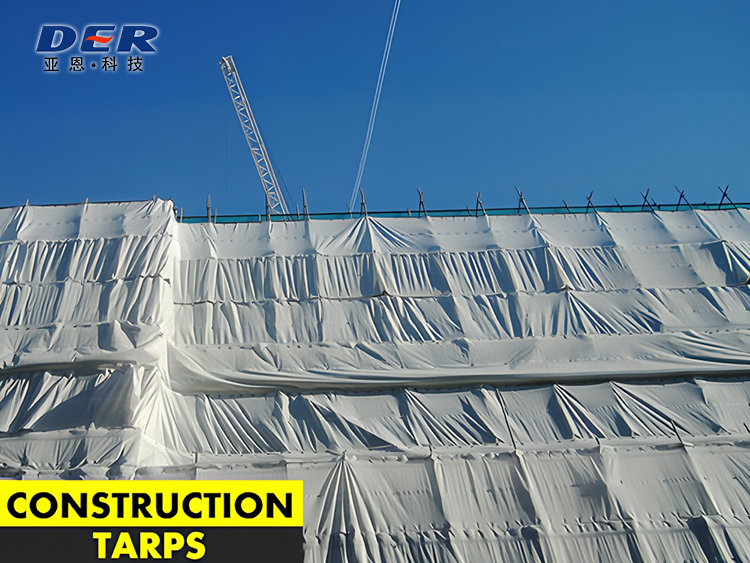
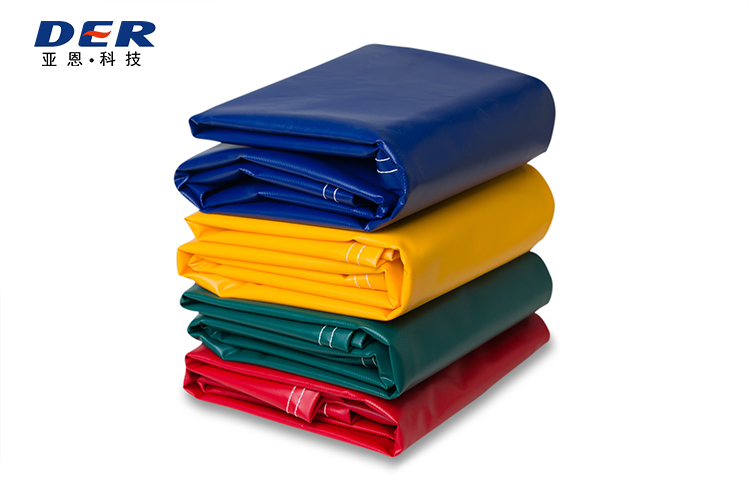
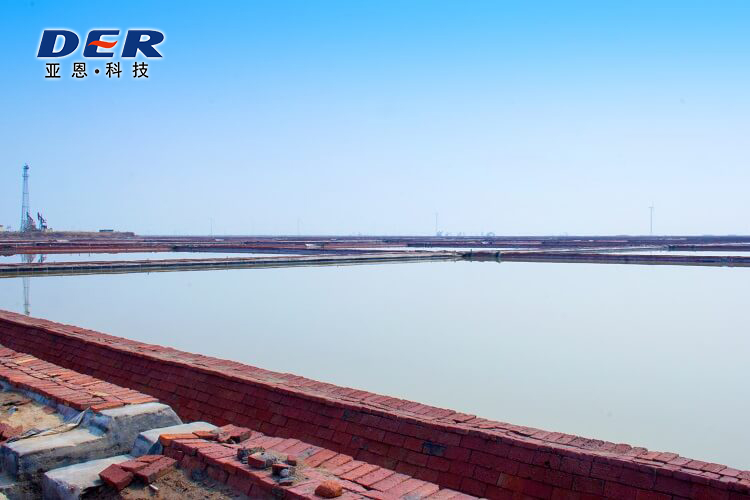
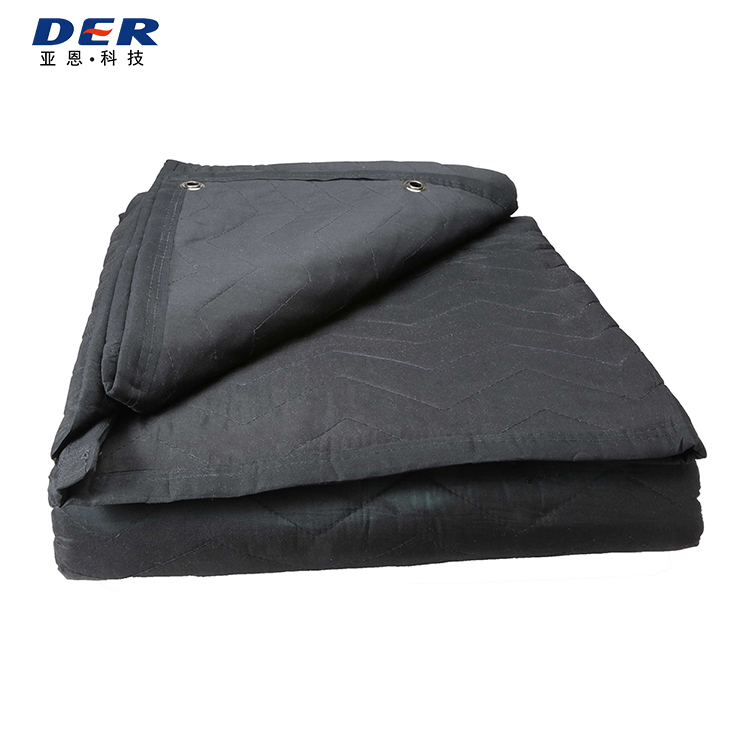
Our products are widely used in our residential and industrial area, which can be used for producing tents, outdoor covering, flexible ventilation tube, water bladders, inflatable castles, architecture membrane structures, etc. Our main products: PVC coated fabrics, PU/TPU coated fabrics, Oxford fabric, PVC ceiling film, flexible banner material. Welcome to our site and order online.