Reserve a clean joining zone
Define the intended weld width and seam geometry on the drawing. Keep coatings, print, contamination and release treatments under review where surfaces must fuse.

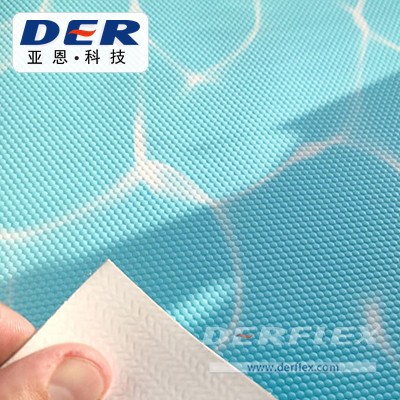

Start with the pool design. Match the coating, reinforcement and welding process to the air chambers, water-retaining base and everyday handling.
DER factory supplies coated technical textiles for manufacturers, fabricators and private-label pool programs, with project-specific material review.

Inflatable pool material is a flexible polymer film or coated textile used to fabricate pool air chambers and water-retaining components. Common routes include flexible polyvinyl chloride (PVC) film, PVC coated polyester fabric and thermoplastic polyurethane (TPU) coated fabric.
A reinforced textile combines a woven support with a polymer barrier: the reinforcement supports mechanical loads, while the coating and finished seams control leakage. For OEM buyers sourcing inflatable swimming pool fabric, the useful specification covers the material, weld, valve interface and intended service conditions together. DER factory can review PVC and TPU coated material requirements for roll supply; availability and performance must be confirmed for the proposed grade.
PVC film, reinforced coated fabric and drop-stitch structures solve different design problems. Choose a material route before comparing thickness, GSM or price.
| Material route | When to evaluate it | What to verify |
|---|---|---|
| Flexible PVC film | Compact, flexible air-ring designs where folding volume and handling weight matter. | Film formulation, puncture response, seam strength and pressure retention in the finished geometry. |
| PVC coated polyester | Reinforced pool walls or components requiring a textile support and controlled dimensional behavior. | Yarn and weave, coating adhesion, flex behavior, weld compatibility and air retention. |
| TPU coated fabric | Projects with a specific handling, abrasion or formulation requirement that justifies a separate material review. | TPU chemistry, water-exposure aging, coating adhesion, compatible components and processing window. |
| Dedicated drop-stitch fabric | Flat-sided inflatable designs requiring a connected double-wall textile structure. | Structural design, pressure specification, edge construction and dedicated supply availability. Ordinary coated fabric is a different construction. |
Explore the TPU coated fabric route when the design calls for it. A polymer name alone does not establish suitability for warm water, sanitizers or repeated folding.


One pool can need several material specifications. Identify the load and sealing requirement at each component before choosing a single fabric for the entire product.
| Pool component | Material direction to review | Buyer’s approval focus |
|---|---|---|
| Inflated wall or top ring | Film or reinforced coated construction matched to the chamber geometry. | Air retention, seam stress, valve compatibility and deformation at the specified working pressure. |
| Water-retaining floor or liner | Flexible, water-compatible barrier material; reinforcement where the design requires it. | Leak resistance, fold recovery, water-contact surface and weld continuity at floor-to-wall junctions. |
| Underside and wear zones | Base construction with a reviewed protective or sacrificial layer where appropriate. | Ground contact, abrasion, added weight and whether extra layers restrict folding or hide leakage. |
| Valve flange, drain and handle areas | Compatible flanges and localized reinforcement selected with the main material. | Weldability at thickness transitions, local load transfer and inspectable joints. |
A related PVC inflatable sports material can be a useful comparison sample, but its original application does not establish an approved pool grade.
There is no universal “best” thickness for inflatable pool fabric. Compare reinforcement, coating and assembly requirements alongside weight, then agree the grade and tolerances in writing.
| Material parameter | What to define |
|---|---|
| Construction | PVC coated polyester or TPU coated fabric; identify each pool component. |
| Base textile | Fiber, yarn, weave and orientation; confirm proposed construction. |
| Weight / GSM | Target total mass per unit area and agreed tolerance. |
| Thickness | Total thickness, measurement method and tolerance; do not infer it from GSM. |
| Roll dimensions | Usable width, roll length, winding direction and splice policy. |
| Color and surface | Reference color, finish, texture, print and unprinted weld margins. |
| Performance parameter | What to agree |
|---|---|
| Mechanical behavior | Tensile, tear, elongation and coating-adhesion requirements with test methods. |
| Air retention | Working pressure, hold duration, temperature conditions and acceptance limit. |
| Water exposure | Water temperature, sanitizing treatment, cleaning method and contact duration. |
| Outdoor use | Exposure pattern and any required weathering or colorfastness evaluation. |
| Weld and folding | Equipment, seam geometry, valve material and repeated folding conditions. |
| Supply terms | Sample plan, MOQ, testing, packing and lead time confirmed by quotation. |
This table defines purchasing requirements, not guaranteed product values. Ask DER factory to propose a grade from its PVC coated fabric range or a reviewed TPU construction, with a corresponding sample and data sheet.
Already have an approved sample? Send the sample, component drawing and current welding process so material comparison starts from the same requirements.
Request a material review ↗A suitable coating needs a compatible production process. Evaluate high-frequency welding or hot-air welding on the actual material combination; equipment settings are not transferable across every grade.
Define the intended weld width and seam geometry on the drawing. Keep coatings, print, contamination and release treatments under review where surfaces must fuse.
Trial the main sheet, reinforcement, valve flange and drain component together. Thickness transitions and curved joints may behave differently from a flat seam coupon.
Inspect weld continuity and evaluate seam strength before testing the assembled chamber. Sewing alone leaves penetrations and does not seal an air barrier.
For the water-retaining portion, liquid containment fabric illustrates a different barrier application. Pool approval must still address the actual water chemistry, contact conditions and finished construction.
Agree a qualification plan before bulk production. A useful sample program follows the main failure paths: coating separation, seam leakage, valve leakage, folding damage and exposure changes.
Record construction, thickness, GSM, color and surface finish. Keep a signed reference so later batches are compared with the approved material.
Review pinholes, surface defects, coating adhesion and the required tensile and tear properties using agreed methods and acceptance limits.
Use the intended machine, material stack and joint layout. Check seams after cooling and after the agreed flex or aging exposure.
Test chambers, valves and water-retaining joints. Record pressure, water level, time and temperature so an apparent loss can be investigated correctly.
Define water treatment, cleaning, sunlight, storage and folding conditions. Assess changes in handling, color, adhesion and seam behavior.
Agree roll identification, dimensional checks, visual inspection, sampling frequency, packaging and the procedure for material or formulation changes.
DER factory / Anhui DER New Material Technology Co., Ltd supplies PVC coated fabrics, TPU coated fabrics and swimming pool liners. Use that material breadth to review options against one component specification.
Coating type and mass, reinforcement, usable roll width, custom color or printing, testing and order volume all affect the quotation. Compare cost per usable area at the same approved construction, including cutting yield and trial-weld results.
Clear answers for OEM buyers comparing materials, production methods and purchasing terms.
Many inflatable pools use flexible PVC film or PVC coated polyester fabric. Some designs use TPU coated fabric or a dedicated drop-stitch structure. The air chamber, water-retaining base and external wear layer may require different materials; select each against the finished pool design.
Reinforced PVC coated polyester is a useful direction when tear resistance and dimensional stability are priorities. Plain PVC film can suit flexible, compact designs. Neither is automatically the right choice: confirm handling weight, seam geometry, pressure retention and the intended market before approval.
There is no universal inflatable pool thickness or GSM. State the wall geometry, working pressure, water depth, folding routine and service environment, then compare both thickness and weight alongside reinforcement and coating adhesion. DER factory should confirm the proposed grade and tolerances in the quotation.
Suitable thermoplastic coated materials can be joined by high-frequency or hot-air welding, depending on the formulation, equipment and seam design. Approve a trial weld using the actual coating, print, valve flange and production process. A sewn seam alone does not seal an air chamber.
A liner intended to retain water against a supported pool wall is not automatically suitable for a pressurized air chamber. Ask for air-retention, coating-adhesion and welded-seam validation for the proposed inflatable design. Keep liner approval and air-chamber approval separate.
Ask DER factory to review the required color, artwork, roll width, roll length, coating finish and material construction. Availability depends on the selected formulation and production program. Approve a sample and confirm that printing or surface treatment will not interfere with the weld area.
These depend on material construction, color or print, roll dimensions, order quantity, testing and destination. Send a component drawing and your target specification for a project quotation. Confirm sample charges, sample timing, bulk MOQ and production lead time together before ordering.
Share component drawings, quantity, material preferences and test requirements. Request a proposed construction, sample plan and quotation for your inflatable pool material program.

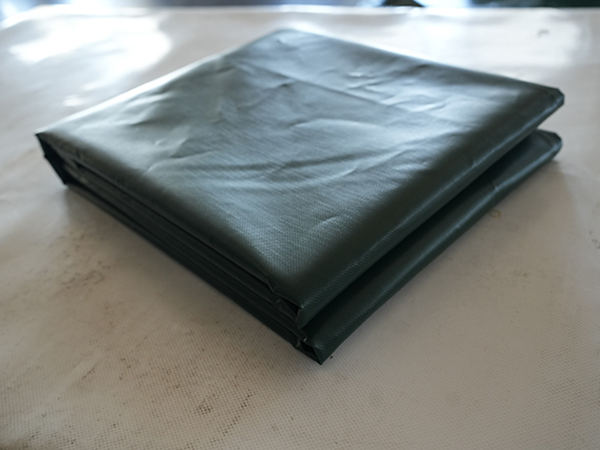
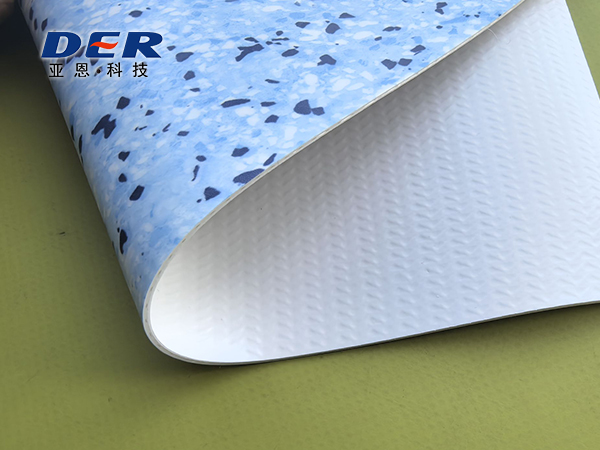
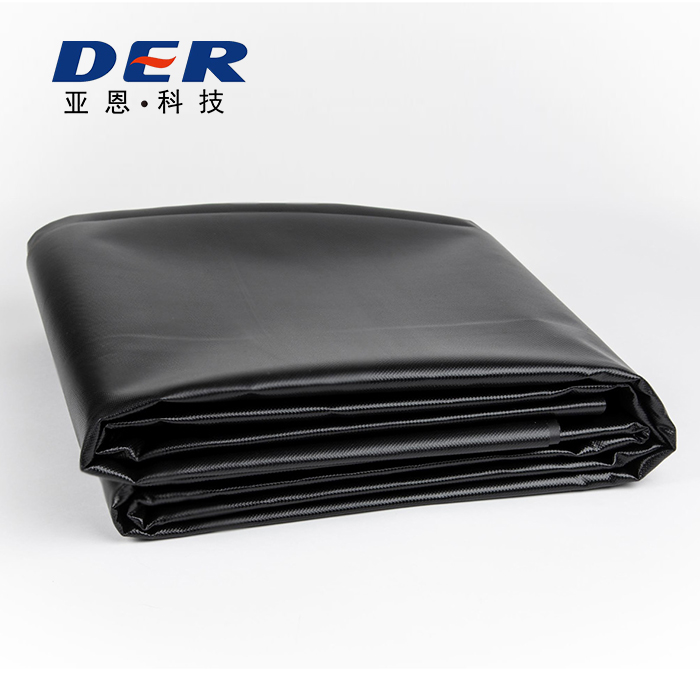
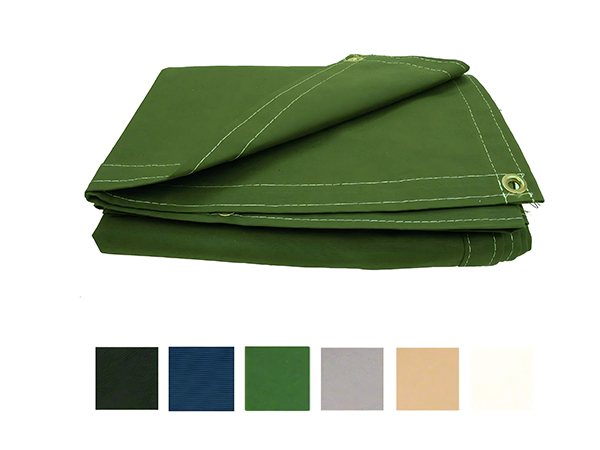
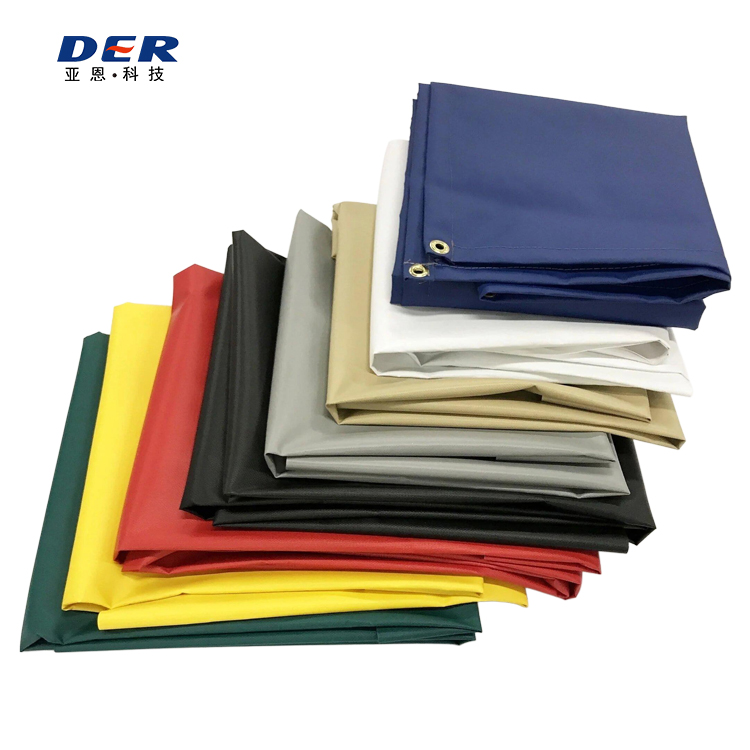
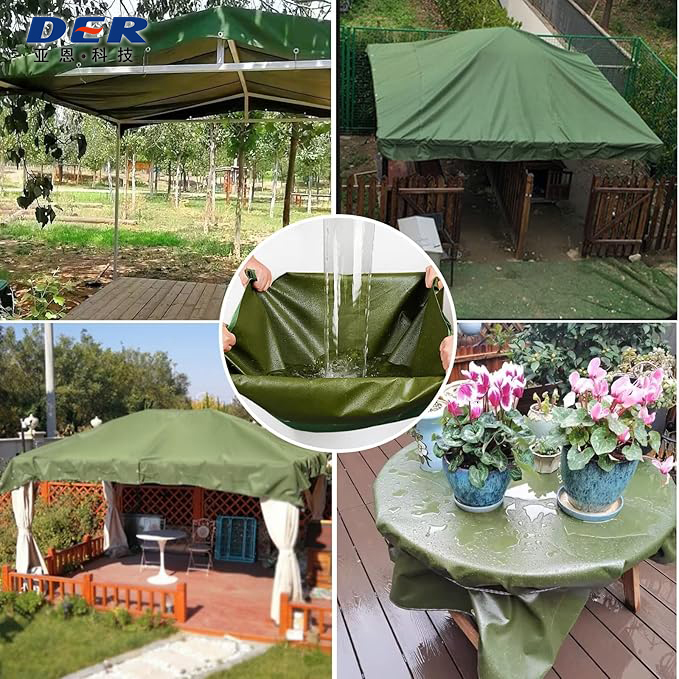
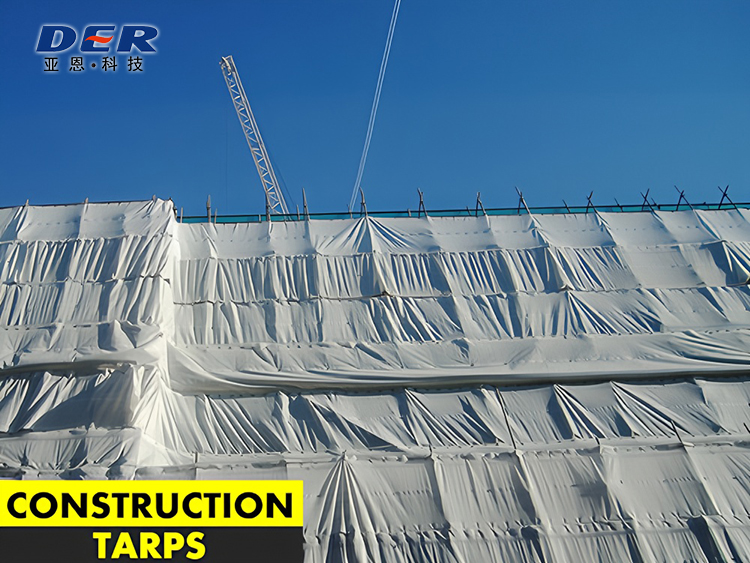
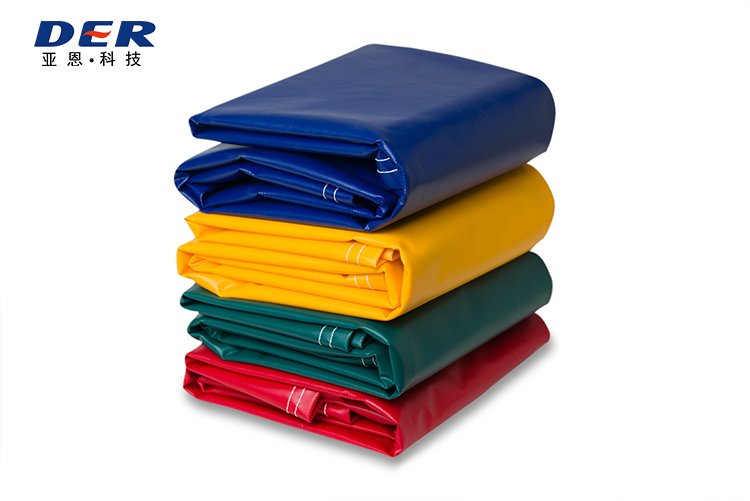
Our products are widely used in our residential and industrial area, which can be used for producing tents, outdoor covering, flexible ventilation tube, water bladders, inflatable castles, architecture membrane structures, etc. Our main products: PVC coated fabrics, PU/TPU coated fabrics, Oxford fabric, PVC ceiling film, flexible banner material. Welcome to our site and order online.