Heavy Duty Tarps Manufacturer | Industri..
- 2026-09-13

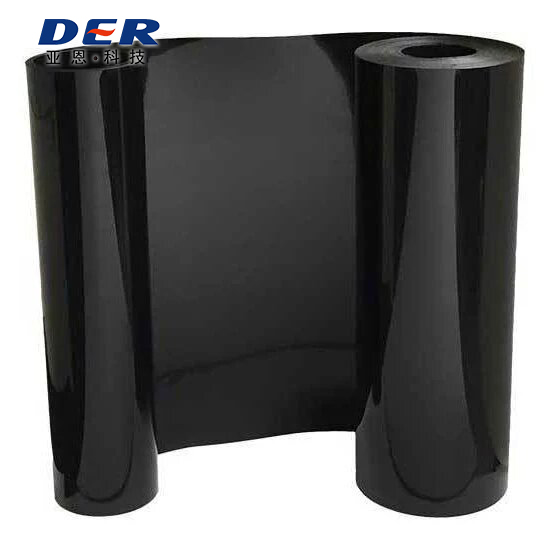
An hui Der factory manufactures irrigation channel liner materials for buyers who need a more controlled, more durable, and more commercially practical way to reduce water loss in agricultural conveyance systems. Whether the project involves an irrigation canal liner upgrade, a new water distribution ditch, a reservoir connection channel, or a rehabilitation program for older farm water infrastructure, buyers usually need more than a generic sheet material. They need a canal lining solution that balances waterproof performance, flexibility, installation practicality, stable quality, and dependable supply.
This page is built for agricultural contractors, irrigation authorities, distributors, farm infrastructure developers, engineering procurement teams, and OEM buyers looking for a reliable irrigation ditch liner supplier or irrigation channel liner manufacturer. From anti seepage canal liner programs for water-saving agriculture to custom PVC irrigation liner sheets for export distribution and project fabrication, we support specification review, application matching, and production planning with a direct business focus.
An irrigation channel liner is a waterproof barrier material installed along the base and sidewalls of open channels, farm canals, irrigation ditches, branch conveyance lines, and related water transfer routes to reduce seepage, improve flow efficiency, and help operators use water more effectively. In practical procurement terms, an irrigation channel liner is not just a sheet. It is a project component that affects how much water reaches the field, how frequently repairs are needed, how installation crews work on site, and how well the whole irrigation system performs over time.
In many agricultural regions, unlined or poorly lined channels lose water continuously through seepage into the soil. That loss may seem acceptable when water is abundant, but it becomes expensive when farms face limited water availability, long delivery distances, rising pumping costs, unstable rainfall patterns, or stricter resource management requirements. This is why canal lining material has become a more important purchasing category for irrigation boards, agricultural contractors, and water infrastructure developers. A properly selected irrigation canal liner can help reduce avoidable loss, stabilize channel conditions, and support more predictable water distribution.
There are different ways to line an irrigation canal, including concrete systems, masonry, compacted earth treatments, geomembrane approaches, and reinforced flexible membrane solutions. For many buyers, flexible liners are attractive because they offer a strong balance of waterproof performance, adaptable installation, manageable logistics, and project-level customization. A PVC canal liner or reinforced waterproof irrigation membrane can often be delivered in rolls or prefabricated formats that are easier to transport, stage, and install than heavier rigid systems. That matters when the project includes remote farmland, variable terrain, seasonal construction windows, or multiple channel sections that need a consistent lining method.
At An hui Der factory, we position irrigation channel liner supply around real use conditions rather than only lab descriptions. Buyers usually ask practical questions: What thickness range is appropriate? What base fabric or reinforcement is needed? How will the liner behave on uneven subgrade? What welding or joining method is expected? How should the material be packed for long transport? Can the supplier support repeat orders if the pilot phase expands into a larger regional program? Those are the questions that define whether a supplier is commercially useful.
That is also why the term irrigation channel liner includes more than one procurement phrase in real search behavior. Buyers may search for canal liner, irrigation ditch liner, agricultural canal waterproof liner, anti seepage canal liner, flexible canal membrane, water channel lining sheet, or irrigation liner manufacturer. In practice, these terms point to the same commercial goal: buying a liner system that can reduce water loss and support efficient water conveyance in agriculture and related land management work.
Send your channel dimensions, target thickness, application photos, and destination market. Our team can help match a suitable irrigation channel liner structure for quotation, OEM planning, or repeat supply discussion.
The first reason buyers choose an irrigation channel liner is to reduce water seepage. A well-selected liner helps limit direct soil loss and supports more effective use of stored or pumped water across main canals, branch channels, and field distribution routes.
Many agricultural channels are not perfectly uniform. Buyers need a flexible canal liner sheet that can adapt to geometry changes, curves, slope variation, and local site realities without becoming impossible to install.
A reinforced irrigation liner structure is important when the project involves handling, dragging, panel movement, site welding, or ongoing exposure to routine maintenance traffic and channel edge contact.
Canal lining materials may be exposed to sun, moisture cycling, mud, sediment, and seasonal temperature changes. Buyers usually want a waterproof irrigation membrane with stable outdoor behavior suitable for the intended operating environment.
Procurement teams do not want a theoretically strong product that is difficult to deploy. Practical roll dimensions, joinability, and manageable handling characteristics are part of the real value of an irrigation ditch liner supplier.
For projects that may expand from pilot sections to district-level rollout, repeatable material quality, consistent production, and supplier responsiveness are just as important as the initial order itself.
When sourcing an irrigation channel liner manufacturer, experienced buyers do not only compare price by square meter. They compare total delivered value. That includes roll yield, weldability, packing quality, documentation readiness, lead-time reliability, defect control, field practicality, and how easily the material can be specified across future projects. A lower initial material price can become more expensive if the product is harder to install, less consistent across batches, or poorly packed for export transport.
Another key feature is project communication. Agricultural liner procurement is often done by engineers or purchasing managers who are working with contractors, local authorities, or farm developers. They need clear answers, not vague marketing claims. They need to know what the product is, what the likely structure is, what options exist for custom orders, and what commercial information is required to move from inquiry to quotation. That is where a serious water channel liner manufacturer adds value.
Specifications vary by project type, channel depth, width, slope, site preparation method, environmental exposure, and installation logic. For that reason, an irrigation channel liner should be specified against the actual use case rather than purchased as a one-size-fits-all product. Below is a commercial reference framework that buyers can use during inquiry and evaluation.
| Specification Item | Typical Project Consideration | Commercial Value |
|---|---|---|
| Material Structure | PVC-based waterproof liner, reinforced membrane, laminated or coated construction depending on project demand | Allows matching of cost, flexibility, and handling strength to the channel environment |
| Thickness Range | Selected according to service requirement, subgrade condition, handling frequency, and project budget | Improves fitness for purpose instead of overbuying or under-specifying |
| Fabric Reinforcement | Optional internal reinforcement for improved tear behavior and dimensional stability | Useful for larger panels, longer channels, and more demanding site handling |
| Roll Width and Length | Customizable according to transport constraints and installation efficiency goals | Helps reduce waste, joins, and field labor complexity |
| Surface Finish | Smooth or project-oriented finish based on joining, handling, and application preference | Supports site workability and application suitability |
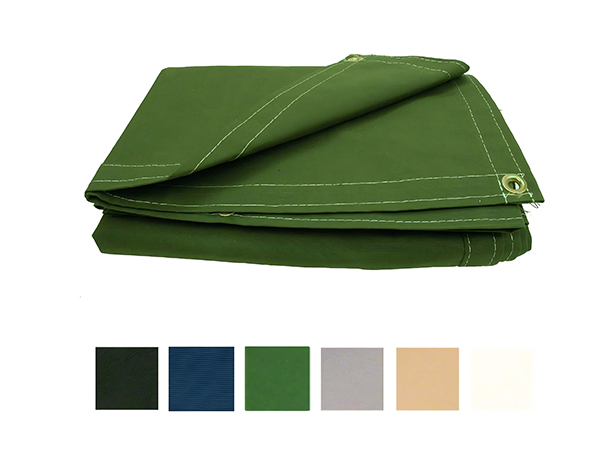
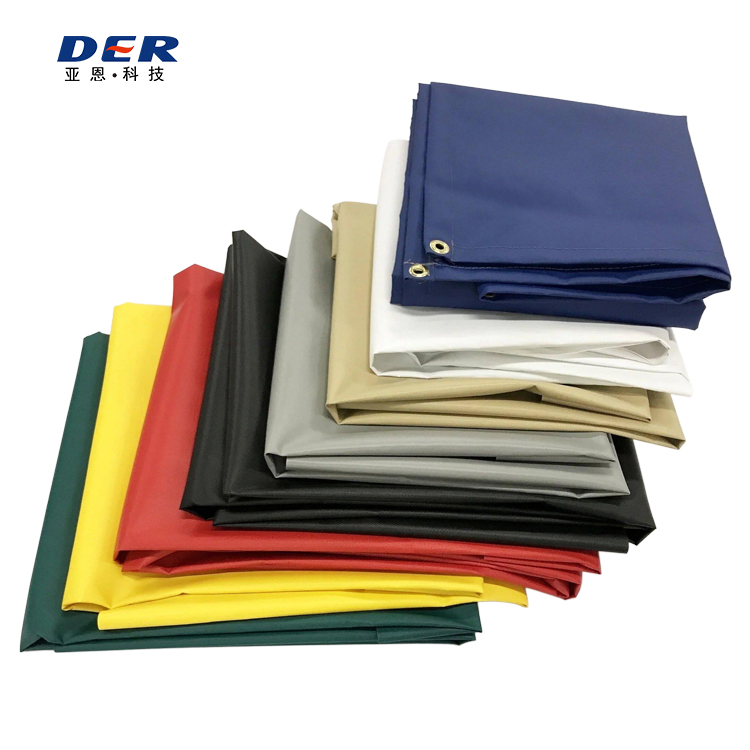
| Color Options | Common industrial colors or custom tones for project identification | Supports OEM and visual management requirements |
| Joining Method | Designed for project-level seam planning and practical installation method selection | Reduces uncertainty during field deployment |
| Weather Resistance | Material selection adjusted for outdoor exposure and agricultural service conditions | Improves suitability for open-channel environments |
| Packaging | Roll packing, labeling, pallet strategy, and export packing can be customized | Protects product integrity during storage and shipment |
| Documentation | Commercial invoices, packing lists, product data references, and project communication support | Helps procurement teams move faster and manage import requirements |
The final specification should be confirmed based on channel geometry, service target, installation method, destination market, and quantity requirements.
Many irrigation channel liner projects start with the wrong question: “What is your lowest price?” A more useful starting point is to ask how the liner will actually be used. For example, is the channel temporary or long-term? Is the base prepared smooth, or will it remain relatively rough? Is the installation manual or mechanized? Will the liner be installed in long uninterrupted runs, or in many shorter sections with transitions and junctions? Does the project require only a waterproof barrier, or does it also need better handling strength for transport and field placement? These questions change the material logic.
Buyers also need to distinguish between a simple water barrier sheet and a commercially practical canal lining material. In real project work, the liner may be moved multiple times, unrolled over long distances, seam-matched on site, exposed before final anchoring, or installed by crews with mixed experience levels. That is why reinforcement, fabrication behavior, and packaging are not secondary details. They are part of the product itself. A credible irrigation ditch liner manufacturer should help buyers think through those details before the order is placed.
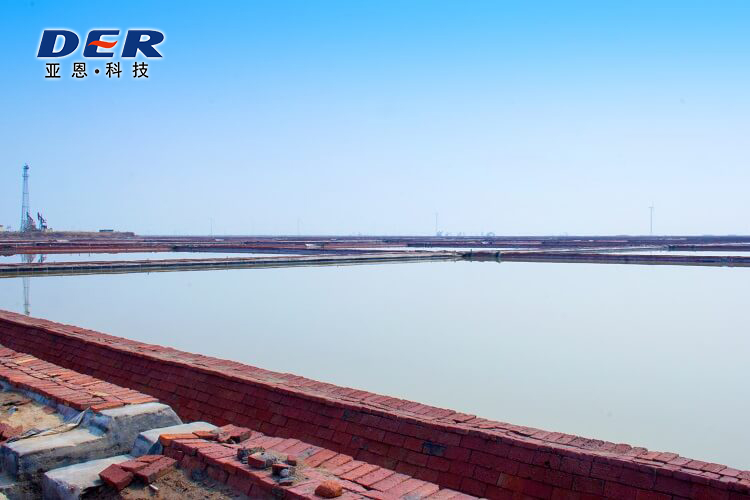
The application range for an irrigation channel liner is broader than many buyers expect. While the most obvious use is lining open agricultural canals, real demand also comes from farm modernization programs, reservoir-to-field link channels, orchard irrigation infrastructure, aquaculture support routes, temporary water transfer works, erosion-sensitive terrain, and sites where reducing seepage is more important than building a rigid concrete section.
For larger distribution routes, a canal liner can help reduce water loss over long distances and support more efficient transport from pumping stations or storage structures to farm-use zones.
Smaller branch channels and field ditches also lose water through seepage. An agricultural canal waterproof liner can be useful where water delivery consistency matters across multiple farm plots.
Where water moves between ponds, balancing basins, and feeder channels, a flexible irrigation liner can help create a more controlled transfer path with less infiltration into surrounding soil.
Regional irrigation upgrades often prioritize anti seepage canal liner materials because improving delivery efficiency can complement broader water conservation strategies.
Flexible canal lining material can be attractive where the route may change, where installation speed matters, or where permanent rigid construction is not justified economically.
Older canals with cracked, eroded, or inconsistent surfaces may be candidates for liner-based rehabilitation when operators want a practical waterproofing upgrade without rebuilding every section.
Not all channels behave the same way. Some carry water year-round; others operate seasonally. Some are exposed to full sunlight and sediment abrasion; others are partially sheltered. Some projects are managed by government water bodies; others by commercial agriculture groups, orchard owners, or integrated farm developers. That is why the same product name can lead to different specification decisions. A useful supplier is one that understands application context and can discuss whether the channel liner needs more emphasis on flexibility, reinforcement, installation speed, handling practicality, or broader cost control.
For export buyers and project traders, this matters even more. A distributor may need an irrigation channel liner product that is broad enough for multiple customers, while a contractor may need a more precisely specified canal liner sheet for one exact job. An hui Der factory supports both approaches by working from the intended application rather than forcing every buyer into one standard configuration.
We support inquiries from distributors, agricultural contractors, engineering buyers, and OEM programs. Share your application, quantity, thickness target, and delivery market for a practical quotation.
Buyers searching for an irrigation channel liner supplier often want more than access to a product. They want a manufacturer that understands repeat production, structure options, and project communication. A manufacturing mindset matters because it improves how custom orders are interpreted, how quality is controlled, and how future orders are kept consistent.
Not every market needs the same width, thickness, roll length, finish, labeling format, or pallet logic. We support OEM and custom supply for distributors, brands, contractors, and project-based procurement teams who need a canal liner product that fits a real commercial program.
In liner supply, consistency matters. Buyers need confidence that the next shipment will be commercially aligned with the first. Stable quality is especially important when the initial order is a test lot that may be followed by larger project volumes or repeated seasonal purchasing.
Agricultural projects are often seasonal. Missing the installation window can create real cost for buyers. This is why lead time, production planning, and shipment coordination are part of the value proposition, not an afterthought.
Professional supply is about more than making material. It includes helping buyers navigate packing logic, specification communication, quotation accuracy, and routine documentation needed for export or project review.
Many buyers sourcing an irrigation canal liner also need related materials for pond liners, anti-seepage control, agricultural covers, or general waterproof containment. A broader industrial materials background can make a supplier more useful over time.
If you are a distributor, this means you can build a more coherent product line around canal waterproofing and agricultural liner demand. If you are a contractor, it means fewer surprises when the material arrives on site. If you are a procurement manager, it means more practical communication and lower risk when comparing offers. If you are building a private label or OEM supply channel, it means the supplier relationship can extend beyond one inquiry into a repeatable business model.
In short, choosing the right irrigation channel liner manufacturer is not just about finding a sheet material. It is about choosing a supply partner that can support product fit, commercial fit, and project execution fit at the same time.
| Option | Typical Strength | Potential Limitation | Best Fit Logic |
|---|---|---|---|
| Flexible Reinforced Irrigation Channel Liner | Good waterproofing, adaptable installation, manageable transport, project customization | Must be matched correctly to subgrade and installation method | Suitable where seepage reduction, flexibility, and efficient deployment are important |
| Concrete Lining | Rigid channel structure and familiar engineering method | Higher construction complexity, cracking risk, less adaptable in some rehabilitation situations | Used where rigid civil structure is preferred and installation conditions justify it |
| Compacted Earth / Untreated Channel | Low initial intervention cost | Higher seepage loss, lower long-term water efficiency, more maintenance variability | Typically a low-control baseline rather than a performance-oriented solution |
| Masonry or Block Lining | Localized hard-surface channel treatment | Labor intensive and less flexible for varying terrain | Selected for certain civil contexts but not always ideal for broad agricultural rollout |
| Non-Reinforced Generic Sheet | May appear low-cost initially | Often less practical for handling, joining, or repeat project use | Suitable only when project conditions are simple and performance demand is limited |
The most useful comparison is not always material price versus material price. Buyers should compare total project economics: transport, installation speed, labor demand, expected water loss reduction, repair practicality, and long-run operational value. A flexible irrigation ditch liner may be attractive because it can reduce seepage while also limiting civil construction intensity, especially where the project scope is long, distributed, remote, or time-sensitive.
This is particularly relevant in agricultural regions where water efficiency is linked directly to crop planning, pump energy use, storage management, and irrigation scheduling. When buyers compare canal lining material options from a business standpoint, they often find that a well-matched liner system has value beyond its purchase price because it changes how the channel performs operationally.
A regional agricultural buyer needed to improve water delivery performance across a mixed network of main and branch channels serving multiple planting zones. The existing system had sections of unlined earth and aging channel surfaces with visible seepage loss, inconsistent water reach, and rising concern about dry-season distribution efficiency. The buyer was not looking for a heavily overengineered civil rebuild in every section. Instead, the goal was to identify a liner-based approach that could be rolled out progressively and scaled over time.
The procurement team initially compared several options, including local civil lining work, generic waterproof sheets, and reinforced irrigation canal liner materials. What changed the direction of the project was the realization that the material needed to work not just in theory, but in field logistics. Several channel sections were distant from easy-access roads. Some were narrow and required manageable roll handling. Others needed material that could be aligned over prepared subgrade with practical seam planning rather than heavy rigid construction.
After technical and commercial review, the buyer focused on a reinforced flexible liner route. The requested supply framework included consistent roll dimensions, practical packaging for site deployment, and product communication detailed enough for the contractor team to coordinate staging and installation section by section. Quality consistency mattered because the project was scheduled in phases, with an initial rollout followed by additional segments once the operator confirmed performance and workflow.
From a purchasing perspective, the value of the selected irrigation channel liner was not limited to the waterproof barrier. The material supported a more organized installation process, made shipping more manageable, and allowed the buyer to replicate the same approach across multiple channel segments. That repeatability mattered because regional canal programs rarely stop at one pilot section. Once the first area performs well, expansion becomes far easier when the material logic remains stable.
The buyer also appreciated having a supplier able to discuss OEM and project-level details instead of offering only a catalog product. Packaging labels, quantity planning, and communication around specifications all played a role in smoothing the procurement process. For water infrastructure buyers, this kind of supplier coordination often determines whether a product is merely available or actually usable.
While every project differs in climate, channel geometry, and local installation capability, this case reflects a pattern seen across many agricultural liner inquiries: the winning solution is usually the one that combines seepage control, installation practicality, supply stability, and clear commercial communication. That is exactly the reason buyers search for a serious irrigation channel liner manufacturer rather than a generic sheet vendor.
We can support custom dimensions, practical specification review, export packing, and repeat-order planning for irrigation channel liner programs and related anti-seepage applications.
The main purpose is to reduce seepage loss and improve water conveyance efficiency in open irrigation systems. In many projects, a canal liner also supports better channel stability, more predictable water reach, and lower long-term waste of pumped or stored water.
Yes, that is one of the reasons buyers choose it. A flexible irrigation canal liner can be practical for channels with changing widths, slopes, curves, or rehabilitation constraints, provided the material structure is matched correctly to the site conditions and installation method.
Yes. We support custom width, length, thickness direction, surface logic, packaging, and labeling according to commercial or project demand. This is useful for distributors, project buyers, and private-label customers.
Please send the application type, channel dimensions, expected thickness or performance preference, estimated quantity, destination country, and any special requirements for packaging, documentation, or repeat supply. Photos or drawings are also helpful.
They usually compare seepage reduction goals, installation speed, terrain conditions, labor availability, transport practicality, maintenance approach, and total project economics. Flexible liners are often attractive when rapid deployment and water-saving efficiency are important.
Depending on the final structure and project requirements, similar liner logic may also apply to related agricultural or water management uses such as pond connections, channel transitions, containment areas, and anti-seepage control work.
Because they are usually looking for a supplier that can do more than resell stock material. They want a manufacturer-oriented partner that can discuss specification, quality stability, OEM requests, lead time, and future order continuity.
The fastest way to move an inquiry forward is to provide the project basics clearly. Start with the application: irrigation channel, canal rehabilitation, reservoir connection, water conveyance ditch, or another anti-seepage use. Then share dimensions, expected order quantity, and any performance preferences you already know, such as thickness direction, reinforcement priority, or export packing needs. If the project is still in evaluation, that is fine as well. A supplier should still be able to guide the early quotation process with practical questions.
For OEM buyers, it helps to specify whether the liner is being sold under your own brand, integrated into a project package, or included in a broader agricultural materials line. That affects packaging, labels, and repeat-order planning. For contractors, the most useful information usually includes channel length, section profile, installation schedule, and site photos. For distributors, the key issue is often whether one structure can serve multiple customer types or whether the market needs separate grades for economy, standard, and project-focused supply.
At An hui Der factory, we aim to keep the process commercially practical. The purpose of a quotation is not just to produce a price. It is to make sure the offered irrigation channel liner is aligned with the application, the delivery expectation, and the buyer’s real use case. That approach helps reduce misunderstandings, speeds up confirmation, and makes repeat cooperation more likely.
If you are sourcing canal liner material for agriculture, water conveyance, rehabilitation work, OEM distribution, or anti-seepage projects, send your requirements to An hui Der factory. We can discuss custom size, specification direction, order quantity, lead time, and packing options based on your market and application.
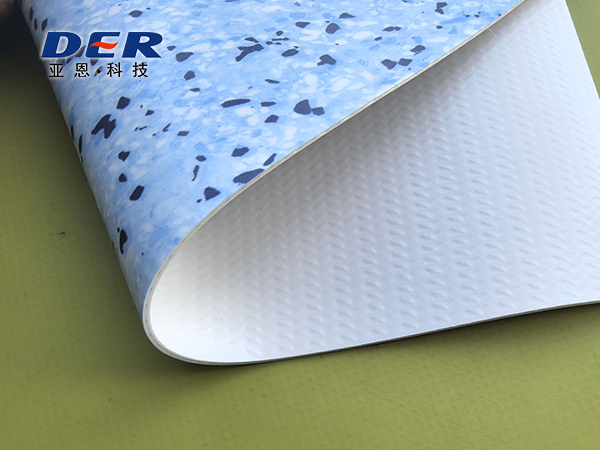
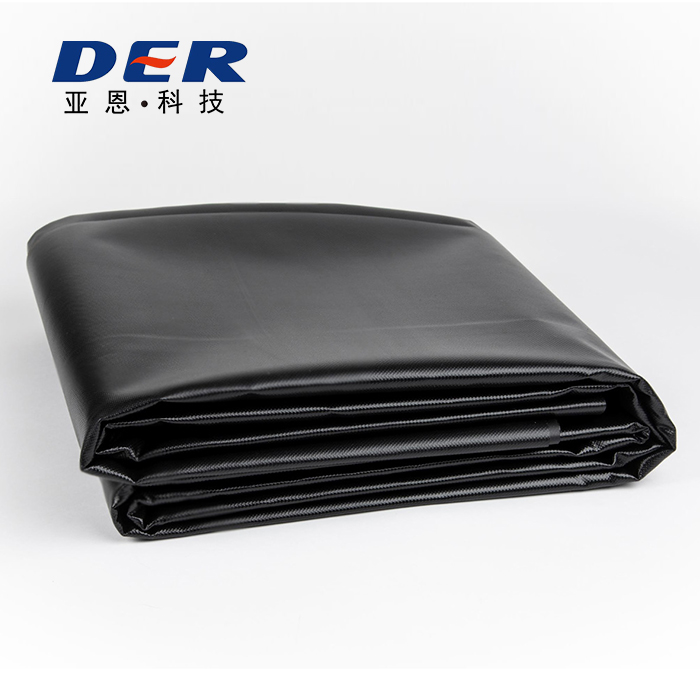
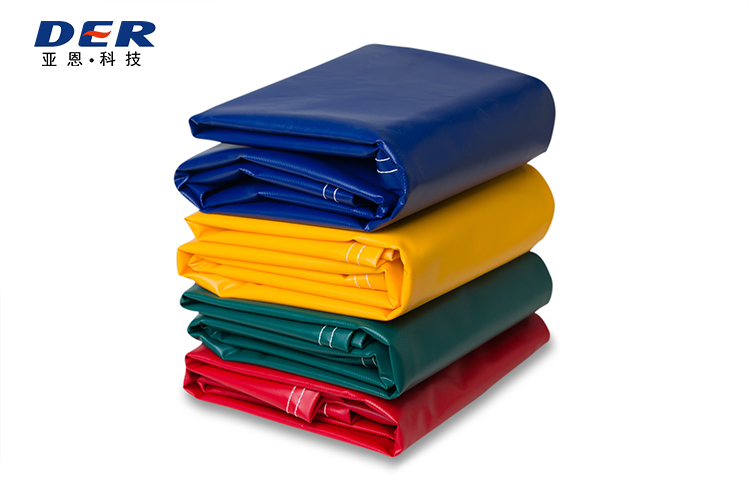
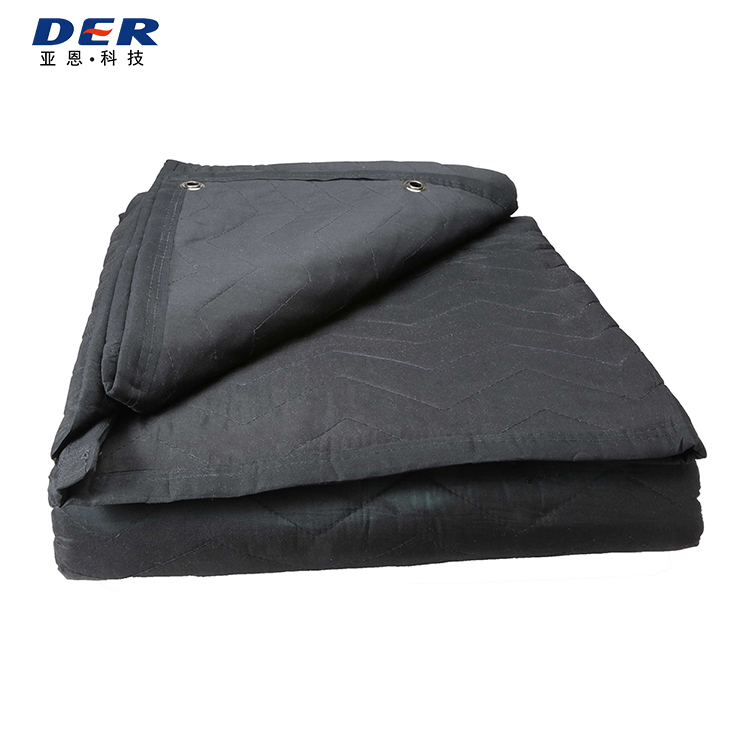
Our products are widely used in our residential and industrial area, which can be used for producing tents, outdoor covering, flexible ventilation tube, water bladders, inflatable castles, architecture membrane structures, etc. Our main products: PVC coated fabrics, PU/TPU coated fabrics, Oxford fabric, PVC ceiling film, flexible banner material. Welcome to our site and order online.