01
End Use
Truck cover, construction cover, machinery protection, agriculture, pallet cover, tent, reseller line or another defined use.

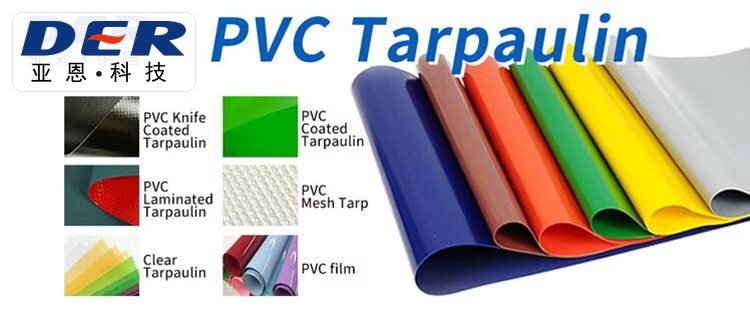
DER factory develops OEM tarpaulin programs for distributors, importers, industrial suppliers and brands that need a repeatable product specification—not just a one-time custom cover. Material, dimensions, reinforcement, hardware, logo, labels and packaging can be reviewed together before bulk production.
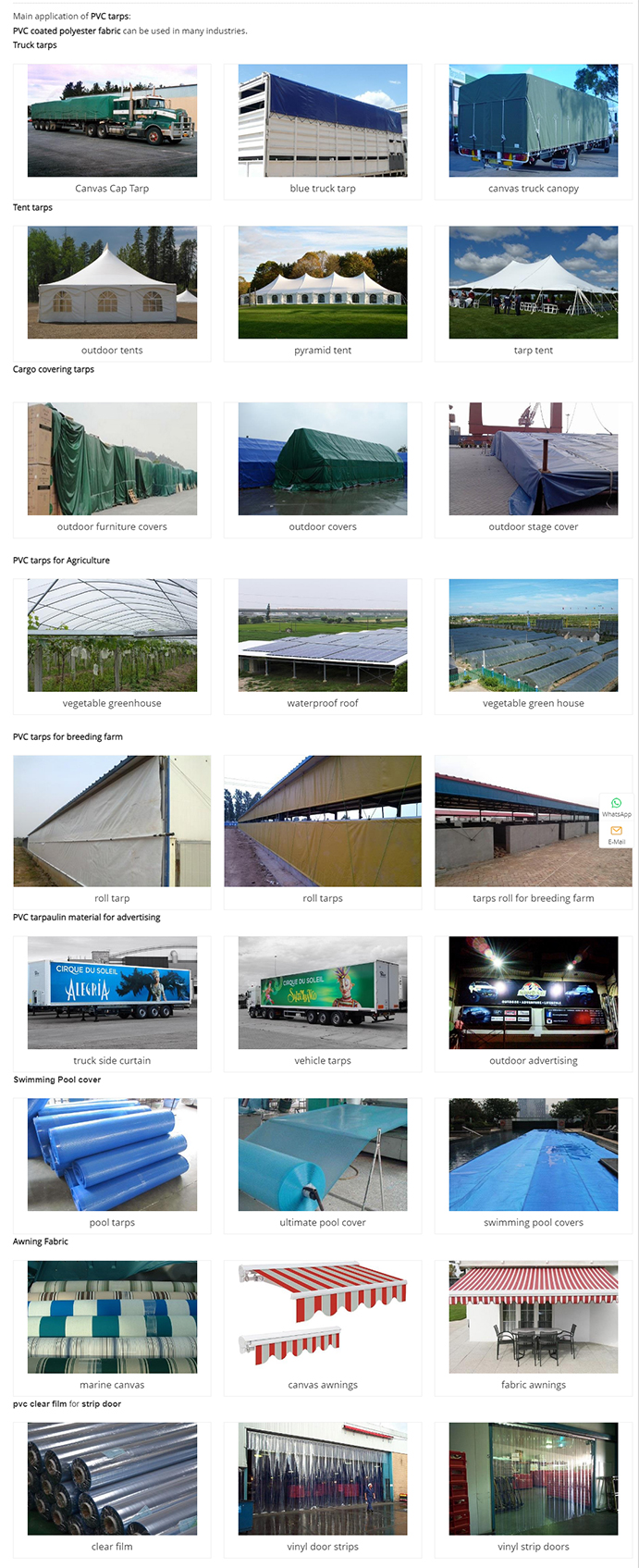
An OEM tarpaulin is a tarp material or finished cover manufactured to a buyer-approved product specification for resale, integration into another product, or repeated industrial use. Unlike a standard stock tarp, an OEM program can define the material structure, finished dimensions, color, hems, webbing, grommets, D-rings, logo, product label and packaging as one controlled product record. For private label tarp buyers, the goal is not only customization; it is repeatability. DER factory can review roll goods, cut panels or finished tarpaulins according to the application and approved production specification.
A good OEM tarp manufacturer should first understand what the product must do, how it will be sold and how it will be reordered. That prevents the common mistake of choosing a fabric first and trying to force every application into the same construction.
Truck cover, construction cover, machinery protection, agriculture, pallet cover, tent, reseller line or another defined use.
Economical, reusable, heavy-duty, specialty or application-specific. Product level affects material, reinforcement and packaging decisions.
Abrasion zones, corners, tie-downs, water pooling, repeated folding and seam locations should be reviewed before finalizing the cover.
The approved material, print, hardware, dimensions and packaging should be tied to a revision-controlled reference for future orders.
Confirm application, market, size series, quantity, performance needs and commercial packaging direction.
Select coated, laminated or woven tarp construction according to handling, weather exposure and target use.
Define hems, seams, webbing, corners, grommets, D-rings, pockets, openings and logo position.
Evaluate material appearance, hand feel, fabrication details, print placement and packaging where sampling is applicable.
Produce against the approved specification and inspect order-specific material, dimensions, finishing and packaging.
Reference the approved product record and clearly identify any requested revision before the next production run.
OEM tarpaulin selection should balance durability, handling weight, flexibility, weldability, weather exposure and price position. Buyers developing a reusable industrial line will usually make different choices from a buyer developing a temporary or cost-sensitive line.
Often selected for reusable waterproof covers, truck tarps, equipment covers and industrial applications where a reinforced textile core, coated surface and heat-weldable construction are useful.
Reusable directionWeldableReinforcement friendlyReview DER factory PVC coated polyester fabric when the OEM program begins with roll material selection.
Suitable where waterproof protection, surface cleanability, color choice and fabricated cover construction are important. The complete base fabric and coating structure matters more than a single headline number.
Waterproof coverCustom colorFor the broader finished-product direction, see DER factory vinyl tarps.
PE woven tarpaulin or other structures can be considered where lighter handling, temporary coverage, cost position or a specific conversion method matters. They should not automatically be treated as equivalent to a reusable heavy PVC cover.
Project dependentEconomical options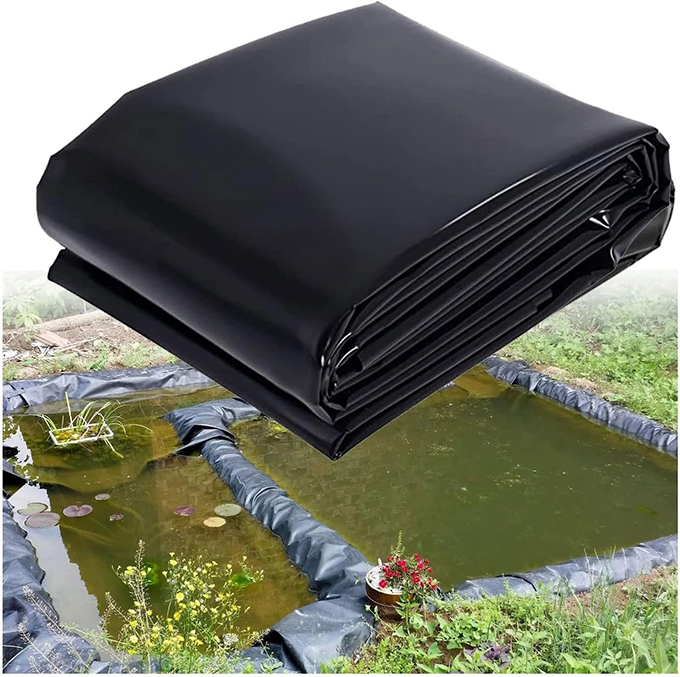
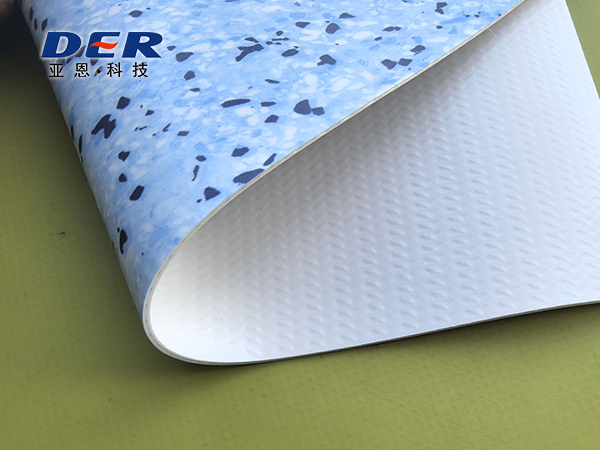
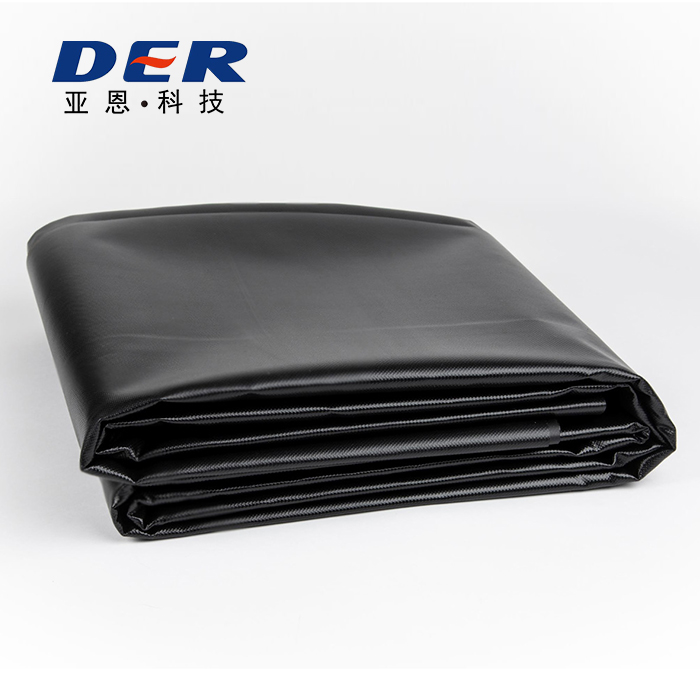
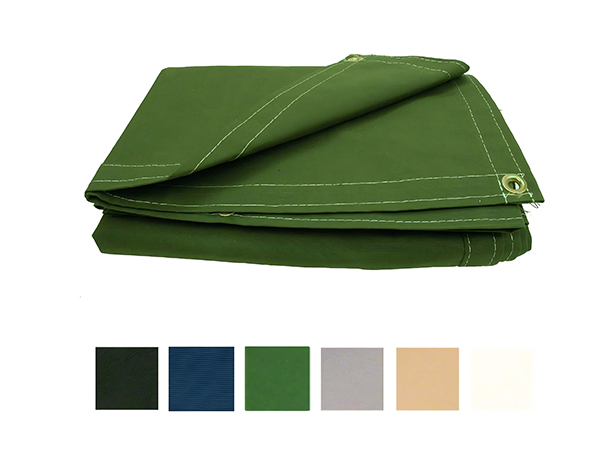
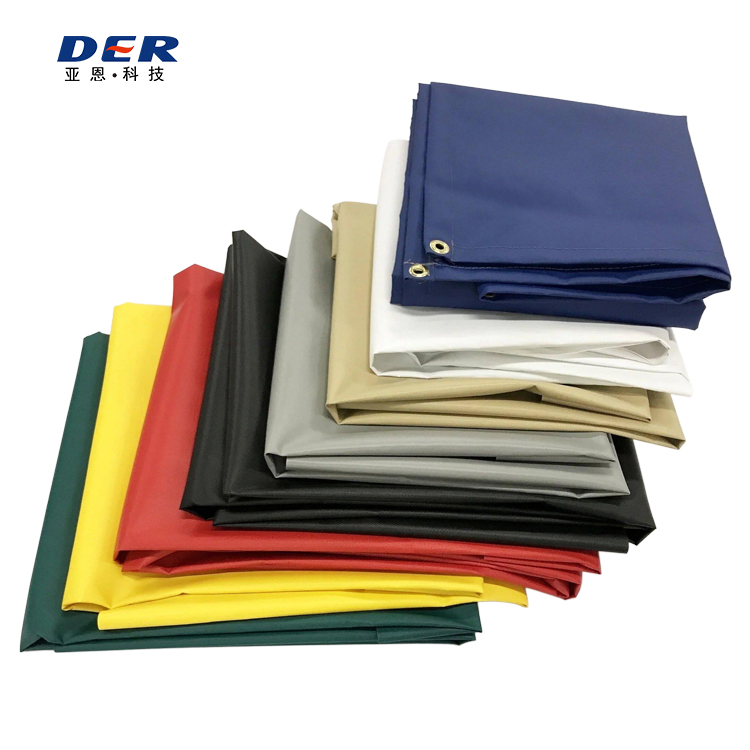
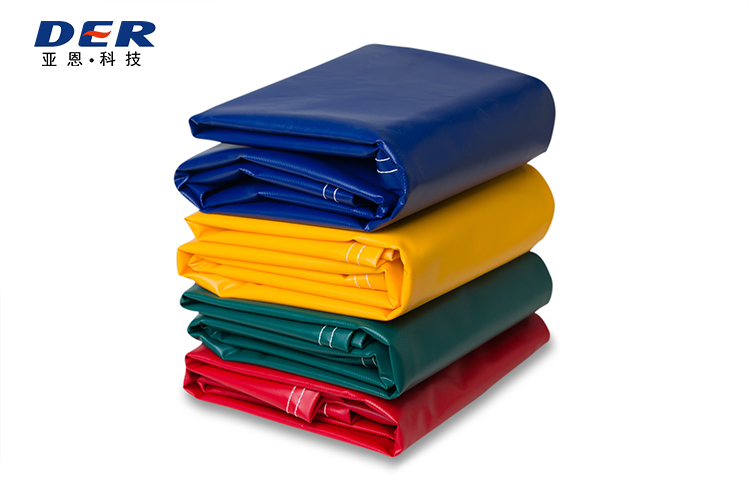
A material image can show surface and flexibility, but the OEM specification should also identify the reinforcement structure, coating route, approved color and fabrication method.
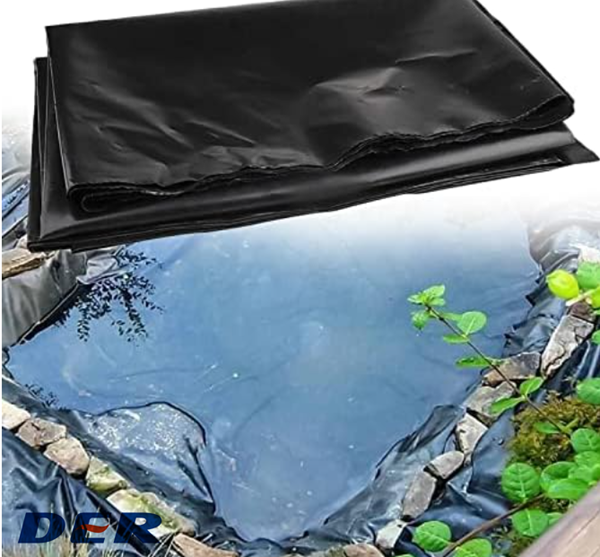
OEM value is created during conversion as well as material production. Panel layout, welding or sewing, reinforcement and fittings can determine whether the final tarp performs as intended.
For distributors and brands, the real product is the complete repeatable combination of material, finished construction, identification and packing. A logo on an inconsistent tarp is not a controlled private-label program.
Review product color, logo size and position, print direction, visible labels and carton or package identification. Artwork should be approved before bulk production.
Use a buyer product code, size code or revision reference that clearly connects the physical tarp to the approved specification and reorder record.
Packaging should match the sales channel and handling method. Individual bag, folded pack, carton, bale or other packing direction should be confirmed with the quotation.
Send the target market, size range, material direction, branding concept and packaging requirement so the quotation can be built around one repeatable OEM specification.
The following items are the fields buyers should align before sampling or production. Exact values depend on the application and should be confirmed during technical review.
| Specification Field | OEM Options / Direction | Why It Matters |
|---|---|---|
| Material | PVC-coated polyester, vinyl/PVC tarpaulin, PE woven tarpaulin or other project-reviewed structure | Controls waterproofing direction, flexibility, weldability, handling and service environment. |
| Weight / Thickness | Selected after application review; project dependent | Higher weight may increase material mass, but does not replace strength, coating, seam and reinforcement design. |
| Width / Roll Format | Roll width and roll length confirmed against material and conversion plan | Influences panel layout, seam count, waste and fabrication efficiency. |
| Finished Dimensions | Standard size series, made-to-measure dimensions or drawing-based shape | Defines fit, packaging and installation behavior. |
| Color / Surface | Project color, surface finish and printability reviewed before approval | Important for branding, visibility, cleanability and market positioning. |
| Seams & Edges | Heat welding, hot-air/HF direction where applicable, sewing, folded hems, webbing reinforcement | Seam and edge design often determines long-term failure resistance. |
| Hardware | Grommets, eyelets, D-rings, straps, rope, pockets or selected fittings | Must match tie-down method, load path and user handling. |
| Performance Options | UV, flame-retardant, cold-flexible or other requirements available after technical review | Testing requirement should be stated before quotation and production. |
| Branding | Logo, labels, product identification and print position | Turns the tarp into a controlled private-label product rather than an anonymous commodity. |
| Packaging | Project-specific packing, labels, carton marks or handling instructions | Supports the buyer's distribution workflow and reduces repacking. |
Repeatability is one of the biggest differences between professional OEM sourcing and buying whichever stock tarp is available. The safest approach is to create an approved product record that can be referenced by both buyer and manufacturer.
The same brand can require several tarp constructions. Treat each application family as its own specification rather than using one heavy fabric for everything.
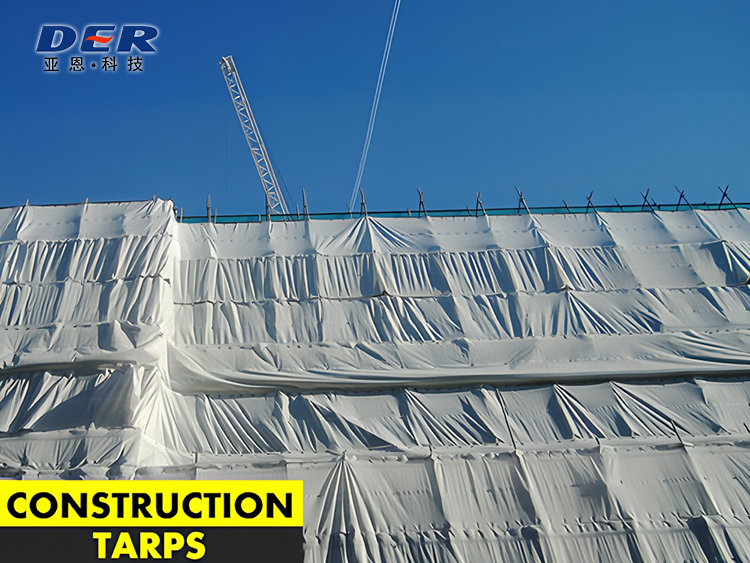
Prioritize rain protection, abrasion zones, handling frequency, tie-down pattern and site safety requirements. DER factory also supplies dedicated construction tarps for this use direction.
Fit, access openings, sharp edges, abrasion points and wind exposure often matter more than simple tarp weight. Review construction equipment covers as an application reference.
Outdoor exposure, seasonal handling, storage shape and moisture protection should drive material and fastening choices. See DER factory agriculture tarp covers.
Repeated fitting, removal, cleanability and attachment style are key when a tarp is used as a reusable logistics product. Review the pallet protective cover application.
Define several product levels by target use instead of only by color. A useful range may separate temporary, reusable and demanding industrial directions with clear product codes.
Converters may prefer controlled roll material, while distributors may need finished covers. The purchase format should follow the buyer's actual fabrication and inventory model.
These terms overlap, but they describe different procurement models. Understanding the difference helps buyers choose the right sourcing path.
| Buying Model | Best For | Typical Control Level | Main Trade-Off |
|---|---|---|---|
| Stock Tarp | Immediate standard-size needs | Low: buyer selects from existing size, color and material | Fast selection but limited differentiation and fit control |
| One-Off Custom Tarp | A unique equipment or project fit | High on dimensions and finishing | May not include the branding, SKU and reorder controls needed for a product line |
| OEM Tarpaulin | Brands, distributors and repeat industrial programs | High: material, fabrication, branding, packaging and revision record | Requires clearer specification work before production |
| Private Label Tarp | Resale under the buyer's brand | Brand-focused plus product specification control | Branding without technical control can still create inconsistent products |
The inspection plan should follow the approved specification. Testing requirements and acceptance criteria should be agreed before production when the buyer needs a defined standard or project-specific report.
Review material identification, appearance, color, weight/thickness direction and surface condition according to the approved order record.
Inspect finished dimensions, seam continuity, hems, reinforcement locations, hardware placement and obvious fabrication defects.
Confirm logo position, label content, product code, package marks and packing method against the approved brand specification.
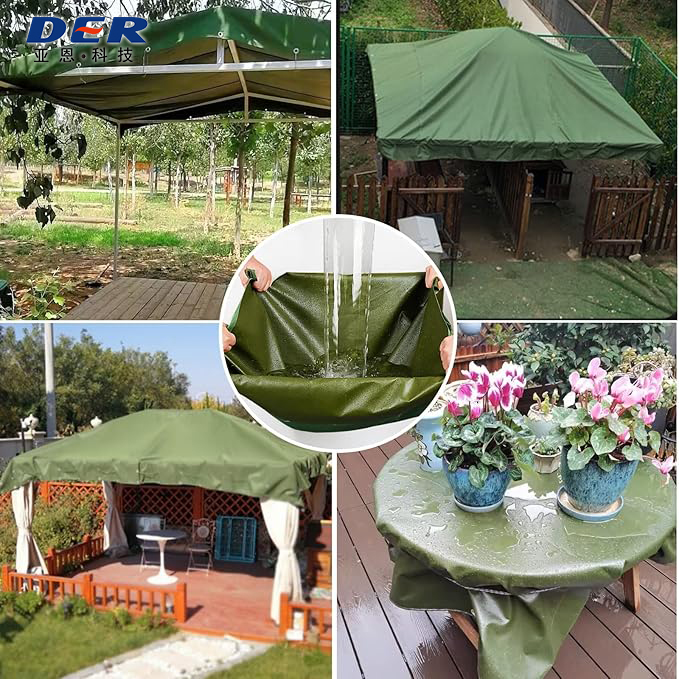
These are DER factory website images selected to illustrate material choice, fabricated waterproof products and application diversity. Final OEM construction should always be confirmed from the approved specification rather than appearance alone.
A complete RFQ reduces assumptions and makes quotations easier to compare. If some fields are unknown, describe the application and target market first so the technical direction can be reviewed.
Concise answers to common sourcing questions from distributors, importers, private-label brands and industrial procurement teams.
OEM tarpaulin manufacturing means producing tarp material or finished tarps to a buyer-approved specification. The specification can include material construction, dimensions, color, reinforcement, hardware, logo, labels and packaging.
DER factory can review private label tarp requirements including color, logo, product labels, packaging format and repeat-order specification control. Final branding and packing details should be confirmed before production.
Depending on the project, OEM supply can be discussed as roll goods for local conversion, cut panels or finished covers with seams, hems, reinforcement and selected fastening hardware.
Send the application, preferred material or target performance, dimensions, quantity, color, reinforcement, hardware, branding, packaging, required testing and destination. A drawing, reference sample or current specification is useful when available.
Use an approved product record that links material construction, color reference, finished dimensions, fabrication details, hardware locations, print files, packaging and approved sample references to the same buyer product code or revision.
MOQ and lead time depend on material, color, fabrication, printing, packaging, quantity and testing requirements. They should be confirmed against the final approved specification during quotation rather than assumed from a generic tarp order.
There is no single best tarp material. PVC-coated polyester is often selected for reusable waterproof industrial covers, while other structures may suit lighter or more economical applications. Match the material to the target market, use environment and product position.
Not necessarily. A more useful product line often groups tarps by application and duty level. Large outdoor covers, frequent-use industrial covers and light temporary covers can justify different materials or reinforcement plans even when the branding is consistent.
Send DER factory your application, dimensions, material or performance target, quantity, reinforcement details, logo, packaging and required testing. The goal is to define a production-ready specification that can be sampled, approved, manufactured and reordered with fewer assumptions.
Request A Quote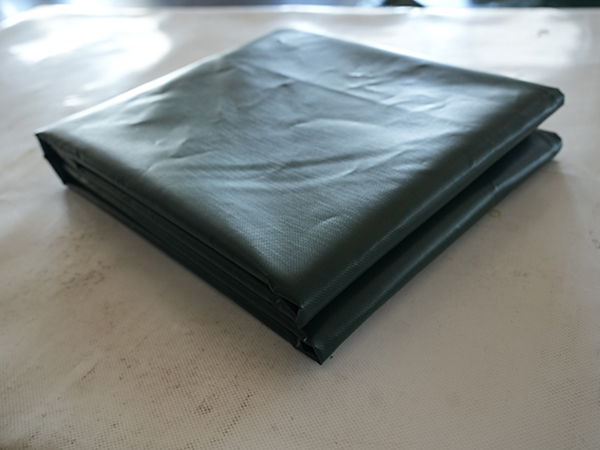
Our products are widely used in our residential and industrial area, which can be used for producing tents, outdoor covering, flexible ventilation tube, water bladders, inflatable castles, architecture membrane structures, etc. Our main products: PVC coated fabrics, PU/TPU coated fabrics, Oxford fabric, PVC ceiling film, flexible banner material. Welcome to our site and order online.