Furniture & Upholstery
Sofas, chairs, headboards, office seating and hospitality furniture often prioritize hand feel, grain quality, cleanability, backing stability and repeat color.

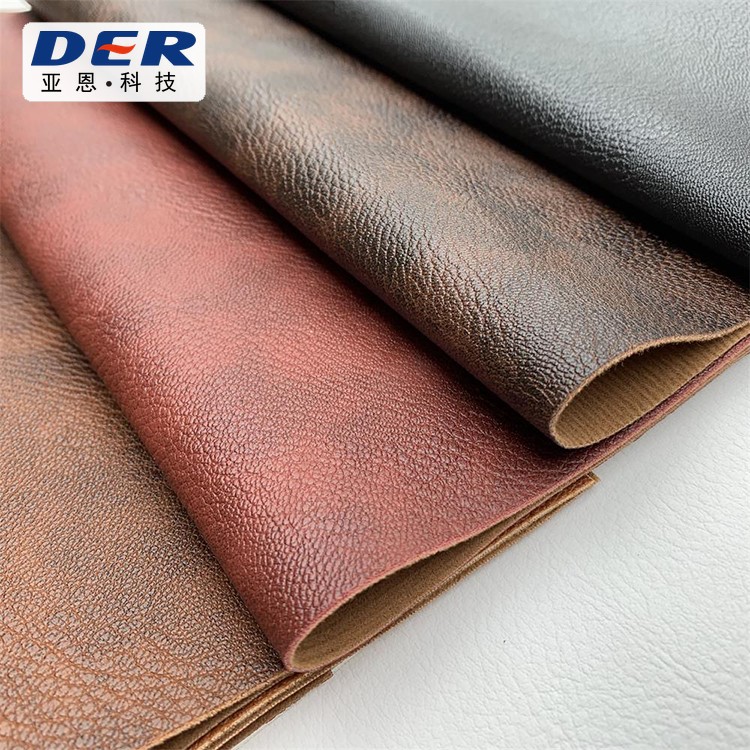
 Factory-direct coated material sourcing for global B2B programs
DER factory supplies custom PU leather for furniture, seating, bags, automotive interiors, decorative products and other manufacturing programs. For buyers comparing a PU leather manufacturer, supplier, factory or wholesale source, the key question is not simply price per roll—it is whether the material structure, backing, hand feel, grain, color and performance direction match the finished product.
We support B2B sourcing around application-based specifications, OEM development, bulk roll supply and repeat-order consistency, so buyers can move from a visual sample to a clearer production specification before mass ordering.
PU leather is a synthetic leather material made with a polyurethane-based surface system over a supporting substrate such as knitted fabric, woven fabric, nonwoven or microfiber. The surface can be embossed and finished to create different grain, gloss, touch and color effects. For B2B buyers, PU leather should be selected by its complete construction and end-use requirement—not by the name “PU leather” alone.
Choose the PU leather grade by application → backing → hand feel → surface finish → durability direction → processing method → repeat-order requirement.
Two PU leather rolls can look almost identical while behaving differently during cutting, sewing, stretching, folding or long-term use. The difference often comes from the coating system, top finish and backing construction.
A quotation that only says “PU leather, black” is not enough for a production program. A furniture upholsterer may prioritize softness and recovery. A bag factory may need folding behavior and edge finishing. A decorative-panel producer may care more about wrapping, bonding and visual grain consistency.
The sourcing conversation should therefore define the whole material structure. This is the difference between buying a generic leather-look roll and working with a PU leather factory for a repeatable OEM specification.
Buyers often search several leather categories at once. The correct choice depends on product positioning, touch, manufacturing process, cleaning environment, durability target and budget—not on a universal “best” material.
| Material | Typical Buyer Priority | Common Strength Direction | Important Procurement Question |
|---|---|---|---|
| PU Leather | Soft feel, refined visual appearance, flexible product design | Custom grain, color, hand feel and backing options | Which PU system and backing fit the actual end use? |
| PVC Leather | Easy-clean utility, moisture resistance, firmer body, commercial cost control | Durable coated surface and broad decorative options | Will the surface, plasticizer system and backing fit the environment? |
| Microfiber PU | Premium synthetic-leather feel and structure | Dense backing, refined hand, premium positioning | Does the higher material level add value to the finished product? |
| Genuine Leather | Natural hide character and traditional premium material positioning | Natural grain variation and hide-specific aging behavior | Can the product accept natural variation, hide utilization and different care requirements? |
A strong PU leather supplier does not recommend the same construction for every market. The final material should reflect how the customer will cut it, sew it, wrap it, clean it, flex it and use it.
Sofas, chairs, headboards, office seating and hospitality furniture often prioritize hand feel, grain quality, cleanability, backing stability and repeat color.
Seat covers, panels, armrests and trim programs need project-specific review of surface durability, flexibility, visual consistency and required test direction.
Bag manufacturers often care about folding, sewing, edge behavior, body, color consistency, embossing quality and compatibility with the product pattern.
Upper and decorative applications may need a different balance of softness, stretch control, folding behavior, backing support and surface appearance.
Wall panels, wrapped surfaces and interior decoration can prioritize flatness, bonding behavior, grain direction, color matching and easy maintenance.
Brands and product developers can define a specific visual identity through color, embossing, finish, backing and packaging instead of relying on a generic stock article.
Exact ranges and test values should be confirmed for the selected grade. DER factory does not need to invent one universal specification for every PU leather project; the better approach is to build the material around the end use.
The exact production route varies by PU system and product grade, but a professional sourcing workflow should connect material formulation, backing selection, surface creation, finishing, inspection and roll preparation.
Buyers using the terms PU leather wholesale, PU leather factory, PU leather supplier and PU leather manufacturer often want the same commercial outcome: a stable material specification that can be quoted, sampled, repeated and scaled.
Discuss collection planning, repeat colors, roll packing, assortment logic, market positioning and replenishment needs.
Define the material around the finished product, sewing or wrapping process, assembly conditions, target appearance and technical requirements.
Develop custom grain, color, backing, surface effect and packaging direction for a more differentiated product identity.
Clarify specification, sample approval, documentation, packaging and order details before bulk purchasing.
The most useful quality check is application-specific. A surface that looks excellent on a swatch can still create problems if the backing, flexibility or finishing is wrong for the buyer’s process.
Compare color, grain, gloss, texture uniformity and visual consistency under agreed lighting.
Check support layer, stiffness/softness, recovery, cutting behavior and the feel of the complete structure.
Trial cutting, sewing, wrapping, folding, bonding or other actual processing steps before scaling.
Define only the tests that matter to the target market and application, then evaluate the exact selected grade.
Supplier selection should go beyond a sample card. Compare how clearly each supplier can translate your end-use requirement into a controllable material specification.
| Question | Why It Matters | Strong Buying Practice |
|---|---|---|
| Can the supplier explain the backing and full construction? | Surface appearance alone does not describe process behavior or structure. | Approve a complete specification, not only a color code. |
| Can custom color and grain be controlled from sample to bulk? | Repeat programs need collection consistency. | Keep an approved reference and define acceptance expectations. |
| Does the factory ask about your application? | The correct structure depends on the final product. | Prefer application-specific material discussion over generic claims. |
| Are test claims tied to the exact grade? | Performance varies by formulation and construction. | Request relevant reports only for the chosen material when needed. |
| Is wholesale / OEM packing defined? | Roll format, labeling and protection affect receiving and production. | Confirm packing before bulk order approval. |
| Can the supplier support repeat-order identification? | Long-term programs need traceable references. | Use a stable product/specification reference for reorders. |
The more clearly you describe the finished product, the easier it is to recommend a workable PU leather direction without wasting time on irrelevant samples.
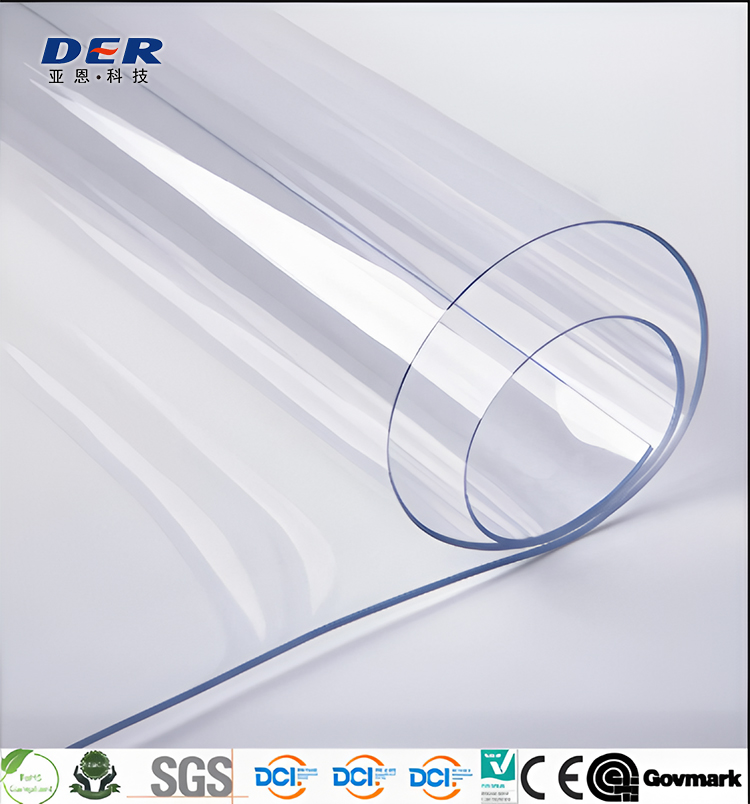
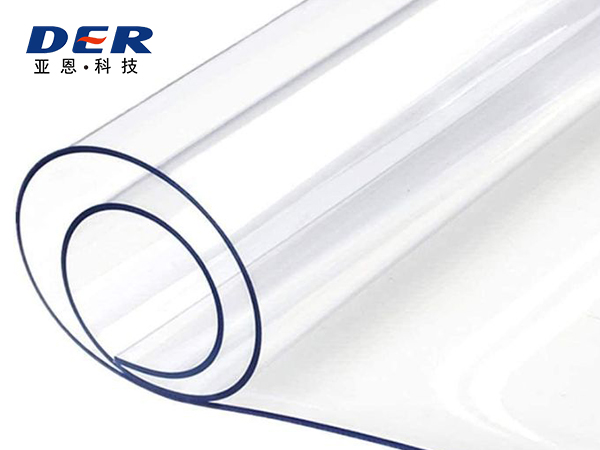
If your product involves other flexible coated structures, you can also review DER factory’s fire-resistant super clear PVC sheet, reinforced PVC liner and coated fabric product example to understand adjacent coating and flexible-material applications.
The publicly indexed DER factory image set currently exposes clear coated-film images more reliably than verified PU-leather photographs. The images below are therefore labeled as adjacent coated-material references—not as PU leather product photos. This avoids misleading image use while keeping all external image URLs on the DER factory domain.

Concise answers structured for buyers and search engines, with detailed context where the purchasing decision needs more than a one-line definition.
PU leather is a synthetic leather material made with a polyurethane-based surface system over a supporting substrate such as knitted fabric, woven fabric, nonwoven or microfiber. The surface can be colored, embossed and finished to create different looks and hand feels for upholstery, bags, interiors and other manufactured products.
DER factory supplies custom PU leather for B2B and OEM sourcing programs. The purchasing process can be built around application, color, grain, backing, thickness direction, finish, roll format, quantity and required performance or testing needs before sampling and quotation.
Wholesale and bulk roll programs can be discussed for distributors, importers, furniture factories, bag manufacturers, converters and private-label buyers. Final order conditions should be confirmed during quotation because they depend on material construction, customization, color, backing, packing and project requirements.
PU leather and PVC leather use different polymer surface systems. PU is often considered when softer hand feel, drape and refined appearance are important. PVC can suit programs that emphasize easy cleaning, moisture resistance, firmer body or a different cost structure. The exact selected grade matters more than the category name alone.
Yes, suitable PU leather grades are widely used for sofas, chairs, headboards, office seating and hospitality furniture. Buyers should match softness, backing, surface finish, cleanability and required durability to the actual seating environment before bulk ordering.
Custom development can include color direction, embossed grain, gloss level, hand feel, backing selection, thickness direction, roll format, labels and packaging, subject to the selected construction and project review.
Surface failure can occur in unsuitable or low-quality constructions, but “PU leather” alone does not determine service life. Resin system, coating quality, top finish, backing, humidity, heat, flexing, abrasion, cleaning chemicals and storage all influence aging. For critical programs, validate the exact grade under relevant conditions.
Compare how well each supplier explains the full structure, understands your application, controls color and grain references, supports sampling, defines test requirements, manages bulk roll packing and maintains repeat-order identification. A useful supplier discussion should become more specific as the project progresses.
Send the end application, target appearance or reference sample, color, grain, backing, thickness direction, roll format, quantity, destination market, required tests or performance concerns and packaging needs. A physical sample can be especially useful when matching touch and surface character.
Send DER factory your application, dimensions or roll format, preferred material structure, reference color/grain, quantity and special performance requirements. The goal is to create a clearer specification for sampling and quotation before you commit to bulk production.
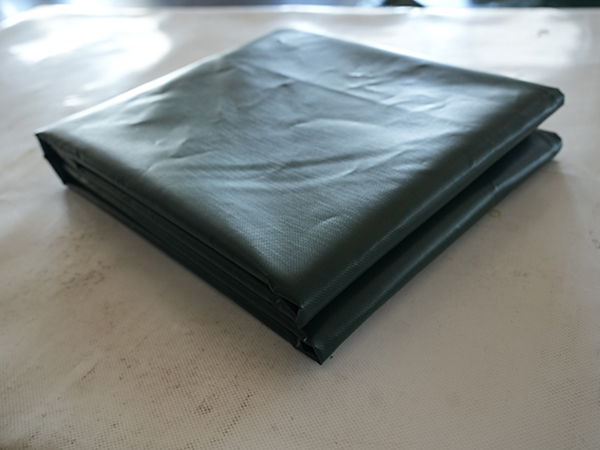
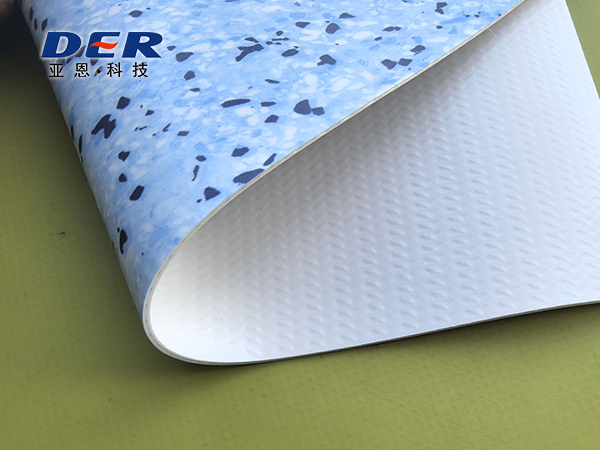
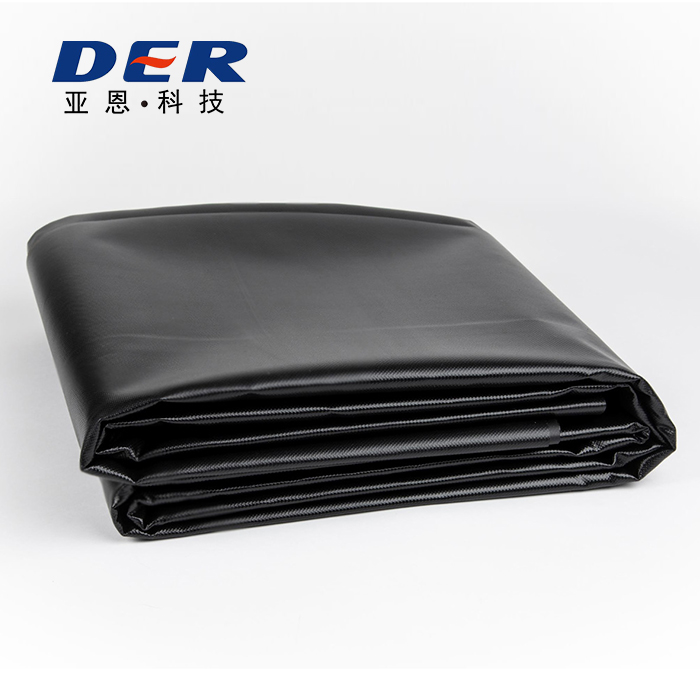
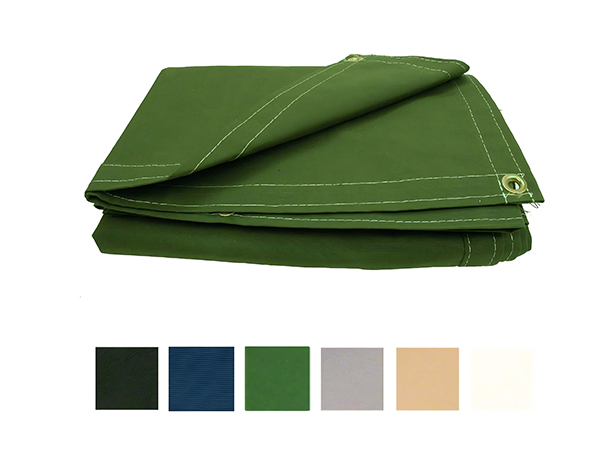
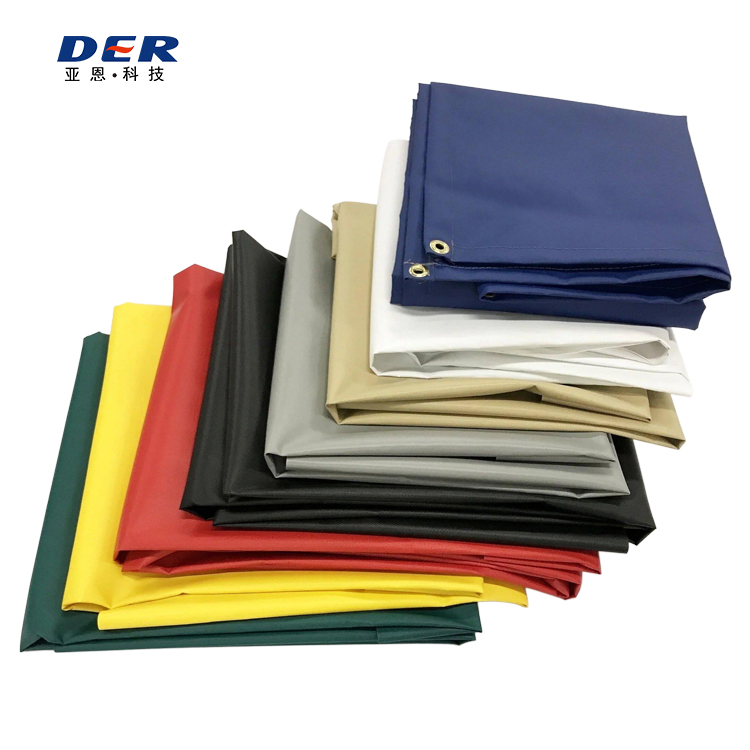
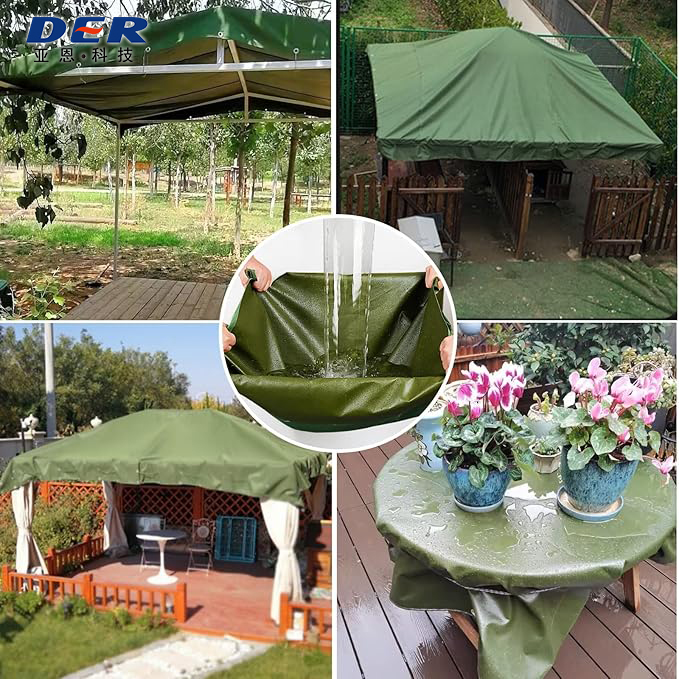
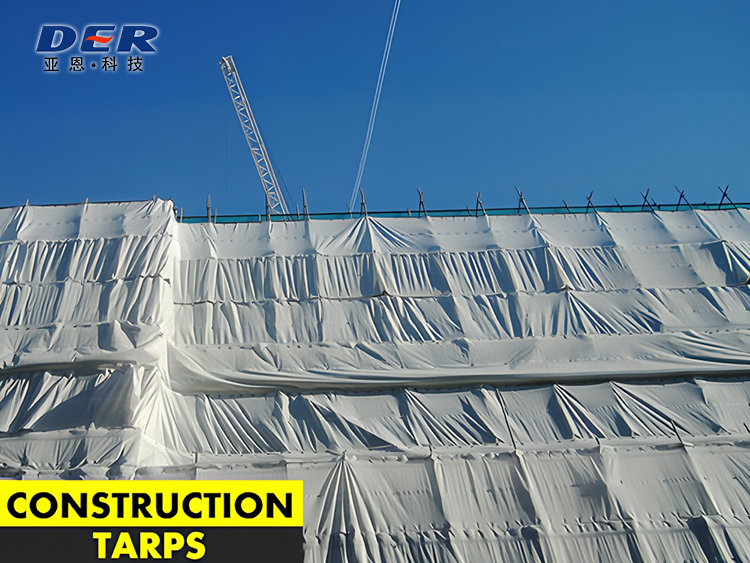
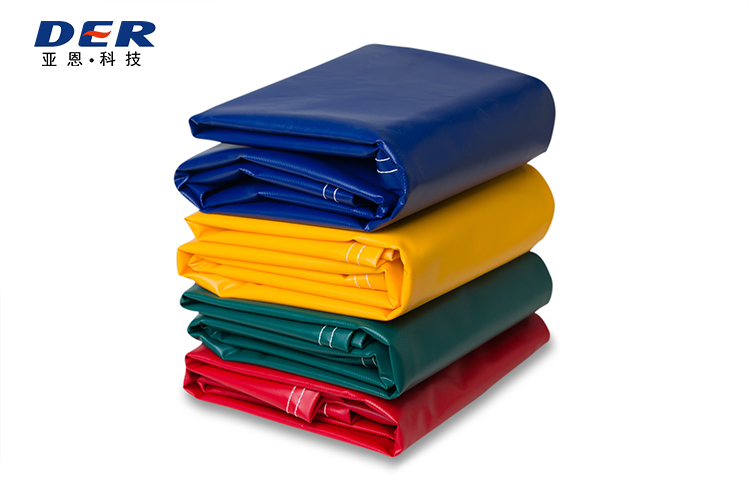
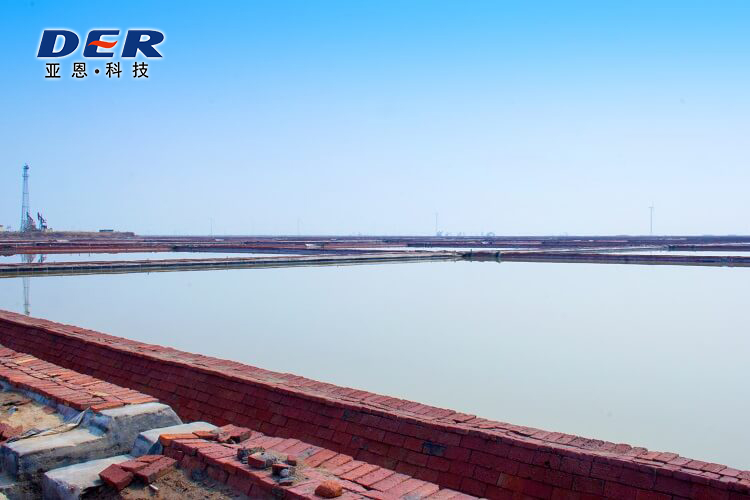
Our products are widely used in our residential and industrial area, which can be used for producing tents, outdoor covering, flexible ventilation tube, water bladders, inflatable castles, architecture membrane structures, etc. Our main products: PVC coated fabrics, PU/TPU coated fabrics, Oxford fabric, PVC ceiling film, flexible banner material. Welcome to our site and order online.