01
Sun & Glare Reduction
The open mesh filters direct solar exposure without creating a completely enclosed space. Darker colors can improve glare control and outward view, while lighter colors can create a brighter appearance.

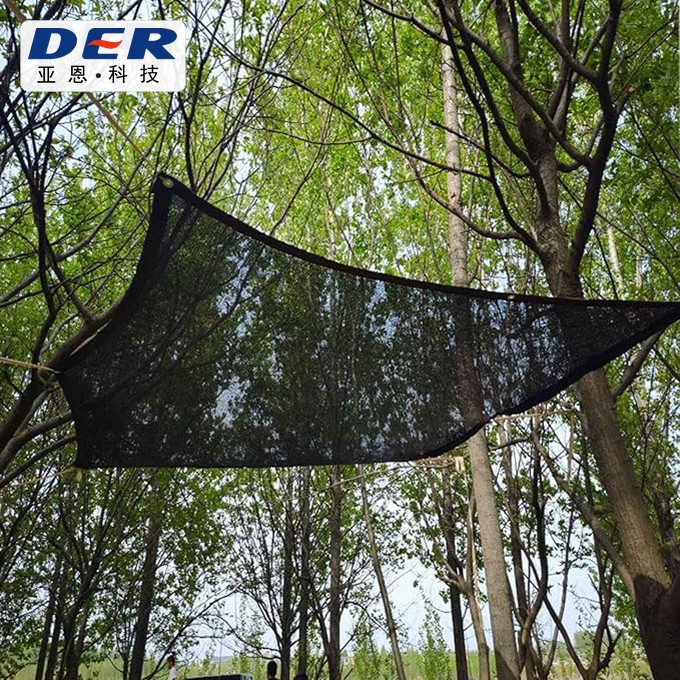

Der factory supplies PVC coated polyester shade mesh for fabricators, shade-system manufacturers, contractors, distributors and OEM buyers who need a practical balance of solar reduction, ventilation, visibility, wind-pressure relief and long outdoor durability.
Suitable for pergolas, carports, façade screens, privacy fencing, greenhouse shading, sports facilities, outdoor dining, construction screening and custom mesh tarp programs.
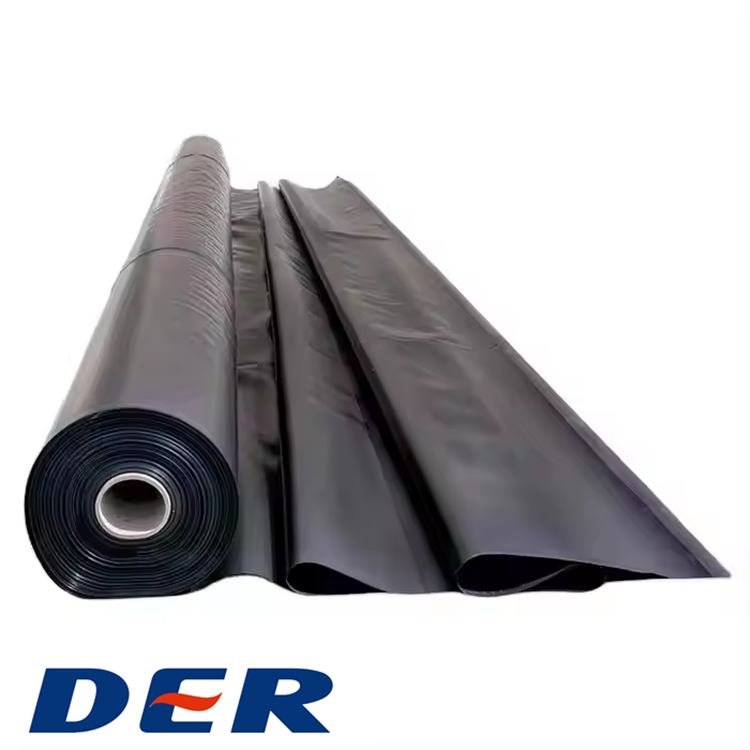
For commercial shade projects, the mesh opening is a performance parameter. It controls how much sunlight, air and view can pass through — and it also influences wind pressure on the finished screen.
PVC shade mesh fabric is intentionally breathable and therefore not fully waterproof. If the project needs rain blocking, use a solid PVC coated shade or awning fabric. If the project prioritizes shade + airflow + lower wind load, open PVC mesh is usually the better direction.
Many buyers begin with a GSM number. For shade mesh, that is rarely enough. Two fabrics with similar weight can perform very differently because of yarn size, weave or knit density, PVC pick-up, opening geometry, color, surface treatment and finished tension.
A better specification starts with the end use: Is the material becoming a patio screen, a carport roof shade, a fence privacy panel, a greenhouse curtain, a construction wind screen, a roller shade, or a tensioned architectural panel? Once the application is clear, Der factory can match the shade effect, ventilation requirement, strength and fabrication method more efficiently.
This approach also helps importers and OEM brands avoid a common sourcing problem: buying a “high shade rate” fabric that creates too much wind pressure, or buying an “open breathable” fabric that does not provide enough privacy or glare control for the customer.
The most practical structure combines a high-strength polyester textile skeleton with protective PVC around the yarns or mesh surface. The open geometry keeps the fabric breathable while the polymer layer improves outdoor durability and handling.
Depending on the product family, PVC may be applied to yarn before weaving or added by coating / dipping / related finishing after textile formation. The target is the same: a stable open mesh that can resist outdoor exposure while remaining flexible enough for roll production and fabrication.
For projects exposed to stronger sunlight, Der factory can review UV-stabilized formulations. For humid environments, anti-mildew direction can be considered. For public or regulated installations, flame-retardant requirements should be specified before sampling because the requested standard and test method affect material development.
Openness is one of the fastest ways to communicate the visual and airflow behavior you want. The numbers below are practical sourcing directions, not fixed stock promises; final shade performance must be confirmed with sample and test method.
Smaller openings for stronger visual screening, higher glare reduction and more controlled daylight. Often evaluated for roller screens, privacy panels and façade shading.
A practical middle range for commercial shade screens where the user still wants airflow and partial outward visibility.
More open structures allow more air passage and typically reduce pressure on large panels, fencing and shade installations.
Shade rate, yarn density, color, weight and width can be coordinated for OEM programs where a standard commodity mesh is not enough.
The open mesh filters direct solar exposure without creating a completely enclosed space. Darker colors can improve glare control and outward view, while lighter colors can create a brighter appearance.
Unlike solid tarpaulin, air can move through the fabric. This helps reduce heat buildup and can make covered patios, livestock areas, fences and work zones more comfortable.
Permeability allows pressure relief across larger screens. This is especially important for fence mesh, construction screening and elevated shade installations where a solid sheet would catch more wind.
PVC protection plus UV-stabilizer direction can improve outdoor durability, color retention and resistance to aging. Required outdoor life should be discussed together with climate and color.
Polyester reinforcement supports mechanical strength during rolling, tensioning, sewing, hemming and repeated installation. Heavier or denser structures can be selected for more demanding service.
Roll goods can be converted into cut panels, screens or mesh tarps with reinforced edges, webbing, eyelets, pockets, labels and custom packaging for local distribution or project installation.
The range below is a practical quotation framework compiled around common PVC coated shade-mesh constructions and Der factory’s coated-fabric capabilities. Final values should be confirmed by the selected sample, application and agreed test method.
| Specification Item | Typical / Custom Direction | Why Buyers Should Specify It |
|---|---|---|
| Product type | PVC shade mesh fabric / PVC coated polyester mesh / outdoor sunscreen mesh | Defines that the product is breathable shade mesh rather than solid waterproof tarpaulin. |
| Base textile | High-tenacity polyester mesh | Provides tensile and tear support while keeping an open structure. |
| Coating / protection | PVC-coated or PVC-protected mesh construction | Improves outdoor durability, handling and surface protection. |
| Weight | Approx. 200–500 gsm; custom outside this direction by project | Higher weight can increase robustness but does not directly equal higher shade rate. |
| Mesh density | 4×4, 6×6, 9×9, 12×12 or project-specific textile construction | Density influences openness, strength, appearance and airflow. |
| Openness factor | Approx. 3%, 5%, 10%, 15%, 20% or custom direction | Core control for privacy, glare, view-through and ventilation. |
| Shade / solar reduction | Project-dependent; confirm by color, openness and test method | Do not assume shade percentage from openness alone. |
| Roll width | Common widths plus wide-roll direction up to about 3.2 m depending on structure | Wide rolls reduce seams and conversion labor for large screens. |
| Roll length | 50 m / 100 m or custom packing direction | Should match converter equipment, warehouse handling and shipment plan. |
| Color | Black, grey, beige, green, white, blue and project / Pantone direction | Color affects visual appearance, glare, privacy and thermal perception. |
| Temperature direction | Typical PVC outdoor direction around -20°C to +70°C; special formulations on request | Cold or hot climates should be stated before material selection. |
| UV resistance | UV-stabilized option for long-term outdoor use | Critical for tropical, desert, high-altitude and high-solar installations. |
| Flame-retardant option | B1 / M1 / NFPA 701 direction or other requested standard, subject to grade and testing | Needed for selected public, commercial or regulated installations. |
| Other treatments | Anti-mildew, anti-aging, anti-static or project-specific finish | Useful for humid, dusty, industrial or special-use environments. |
| Supply form | Roll material, cut panels, reinforced finished mesh tarp / screen | Allows sourcing either as converter material or installation-ready product. |
For contractors and distributors, material performance is only half of the purchase. Finished edge design, attachment spacing and repeatable panel dimensions often determine whether installation is easy or problematic.
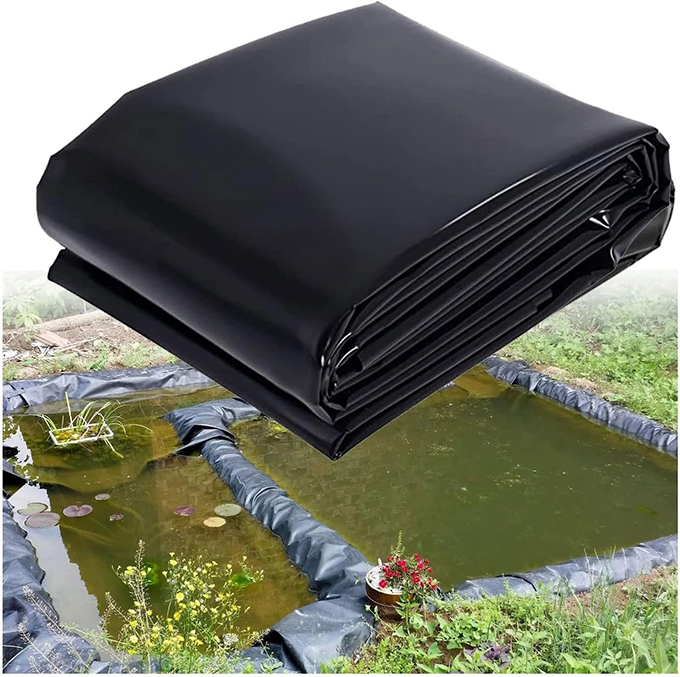
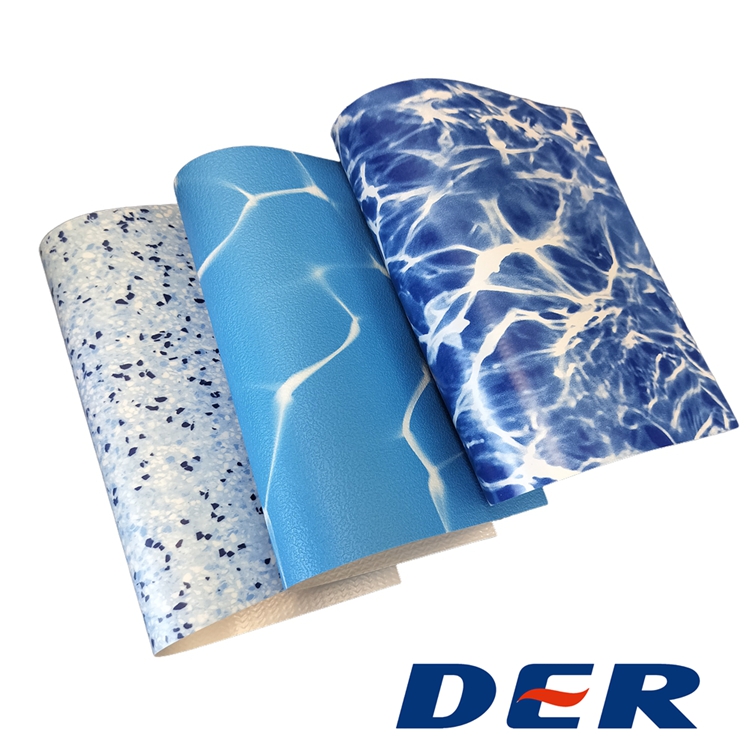
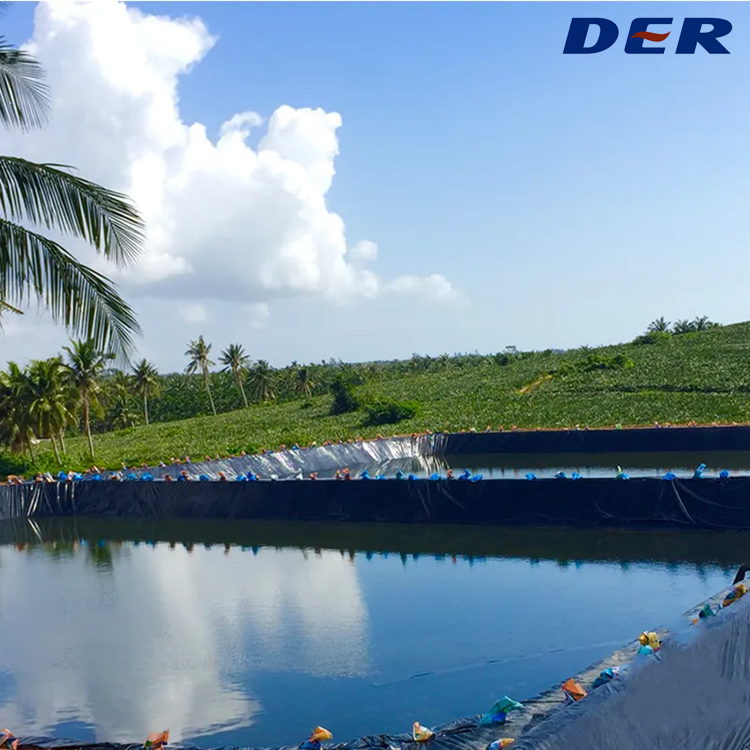
Product images reference existing Der factory shade, awning and coated-material content. Final color, mesh opening, hand feel and surface appearance should be confirmed by physical sample before bulk production.
Breathable overhead or side-screen material for terraces, cafés and outdoor seating where users want solar reduction without sealing the space.
Open mesh reduces direct sun on vehicles while relieving wind pressure compared with a solid roof sheet. Structural design must still be engineered for local loads.
Used to control solar exposure around nursery areas, greenhouse side zones and crop-working spaces where airflow remains important.
PVC mesh can improve privacy and visual control around gardens, sports courts, industrial sites and commercial boundaries while letting wind pass through.
Mesh panels help control sightlines, sun and debris exposure around job sites. Printed or branded directions can also be evaluated for project fencing.
Distributors can build finished shade tarps, privacy screens and custom panels with reinforced hems, grommets, labels and private-label packaging.
For a repeat B2B program, consistency matters more than a single attractive sample. Der factory can align incoming material checks, in-process inspection and final roll / finished-panel review around the agreed specification.
Depending on the product and contract, quality checks can cover weight, width, mesh uniformity, visual defects, coating adhesion, tensile / tear direction, color, roll length, finished dimensions and reinforcement details.
For UV, flame-retardant, environmental or other compliance claims, request the exact standard and report scope you need. Certification requirements should be built into the purchasing specification rather than assumed from a generic product name.
If the inquiry only says “PVC shade mesh, please quote,” the supplier has to guess too many variables. A more complete request usually produces a more useful sample and a more comparable price.
These six internal links connect this page to closely related shade, coated-fabric, agriculture and custom-fabrication content.
It is an open technical textile made from polyester reinforcement protected with PVC. Unlike solid PVC tarpaulin, shade mesh intentionally allows air and part of the light to pass through. This makes it useful for sun reduction, privacy, glare control and wind-pressure relief.
No. Water can pass through the mesh openings. PVC shade mesh should be specified when breathability is desirable. For rain-proof canopies, roofs or equipment covers, choose solid PVC coated tarpaulin or awning fabric instead.
There is no single best value. Lower openness usually gives stronger privacy and glare reduction, while higher openness gives better visibility, airflow and wind relief. The final selection should consider color, climate, screen size, installation angle and the desired user experience.
Yes. Custom development can include color, weight, opening pattern, width, roll length, UV formulation, surface treatment, packaging and finished-panel details. For color-sensitive projects, a physical color reference or Pantone direction is recommended.
Yes. Depending on the mesh construction, finished conversion can include cutting, reinforced hems, webbing, rope edges, eyelets, pockets, labels and custom export packing. Welding compatibility should be verified for the chosen PVC mesh before the finished construction is locked.
Flame-retardant directions are available for selected PVC technical textiles. State the required standard and market — for example B1, M1, NFPA 701 or another project-specific method — before sampling so formulation, construction and report requirements can be matched properly.
Send Der factory your application, desired openness / shade level, color, width, weight direction, finished size and quantity. We can help turn a broad “shade mesh” request into a clearer material specification for sampling and bulk production.
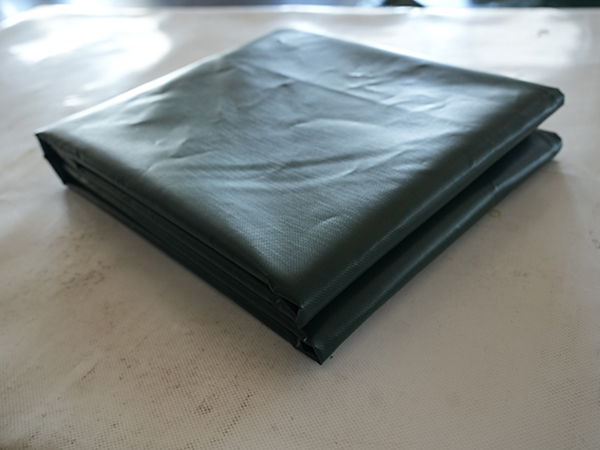
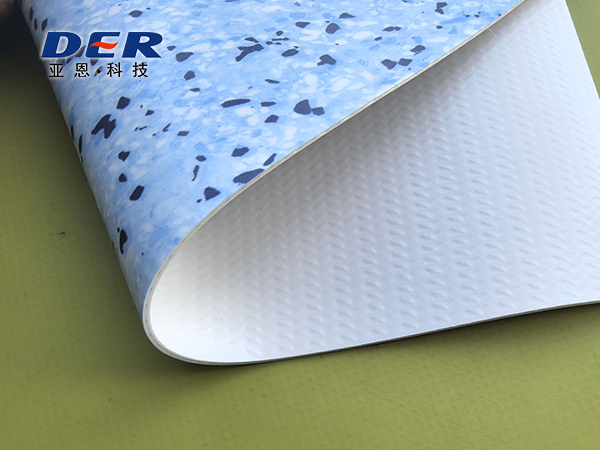
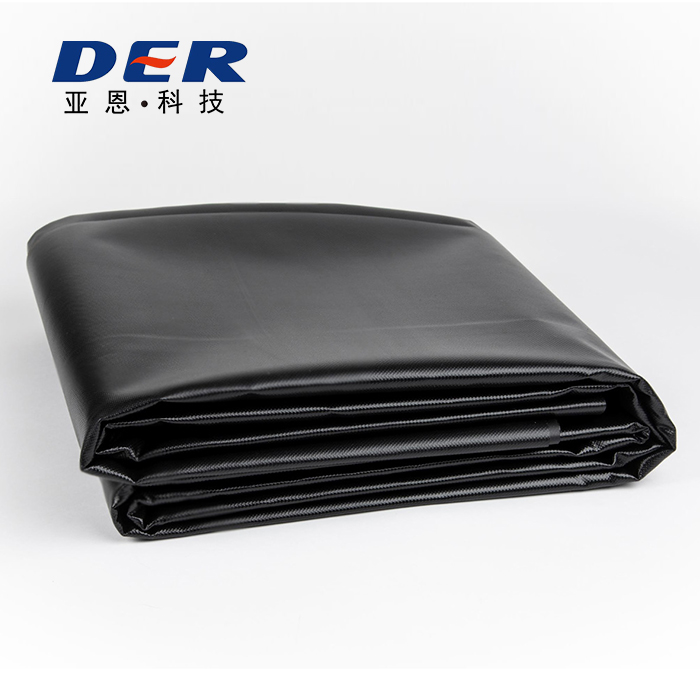
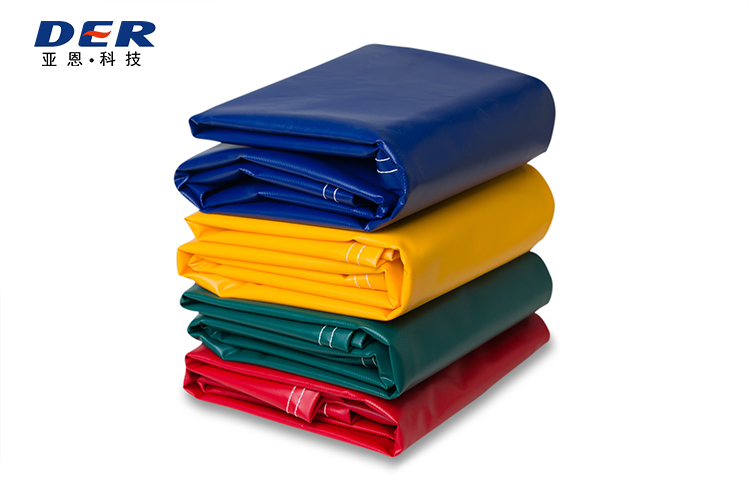
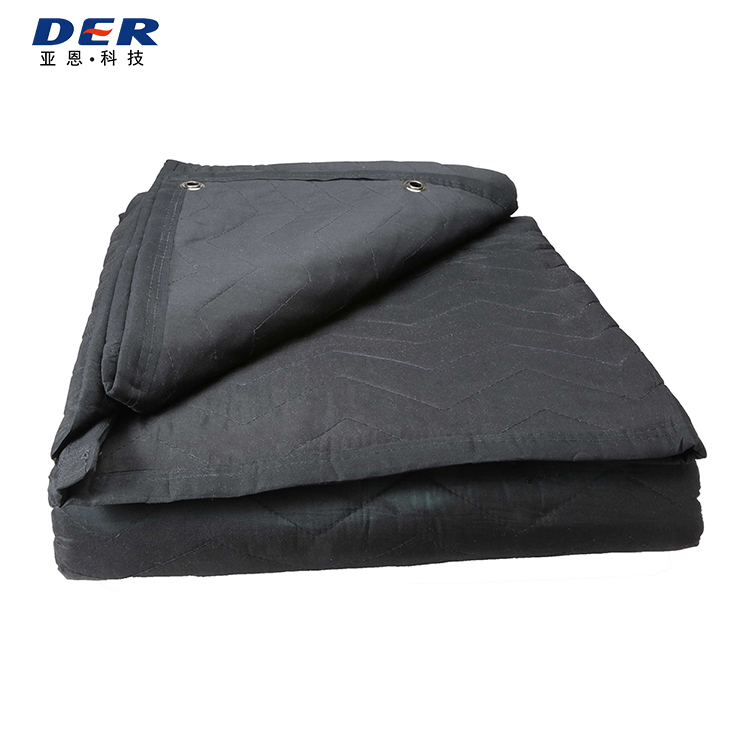
Our products are widely used in our residential and industrial area, which can be used for producing tents, outdoor covering, flexible ventilation tube, water bladders, inflatable castles, architecture membrane structures, etc. Our main products: PVC coated fabrics, PU/TPU coated fabrics, Oxford fabric, PVC ceiling film, flexible banner material. Welcome to our site and order online.