Roll Goods
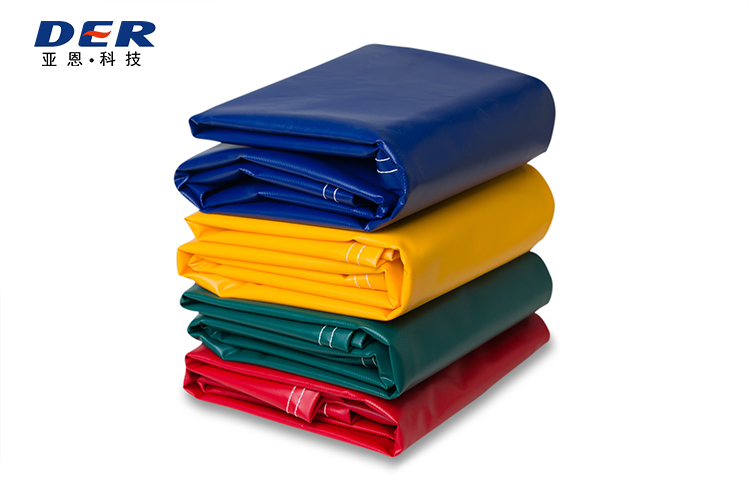
For converters that cut, weld, sew or fit hardware locally. See the related heavy duty PVC coated fabric roll page for roll-material sourcing direction.

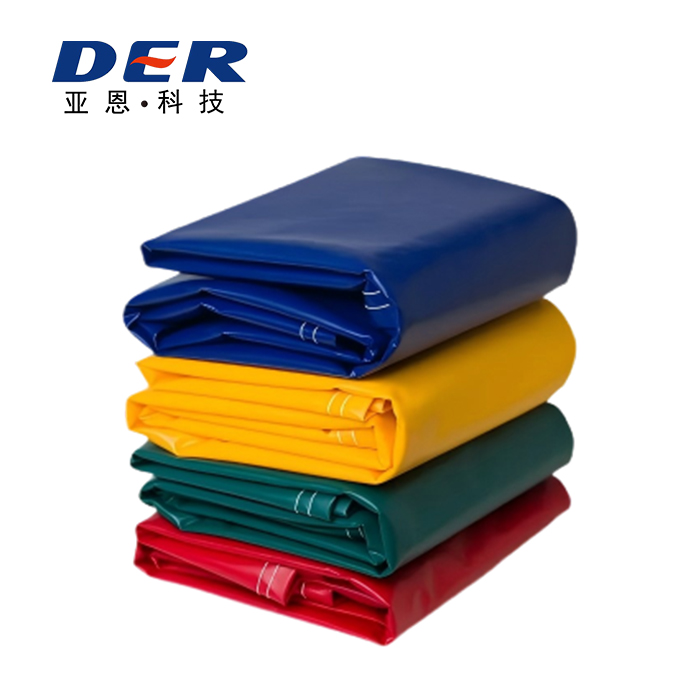
DER factory supports B2B buyers sourcing PVC coated or laminated polyester tarpaulin for truck covers, construction, agriculture, equipment protection, storage, curtains, tents and OEM tarp programs. Instead of choosing by GSM alone, define the application, material structure, fabrication method and reinforcement plan first.
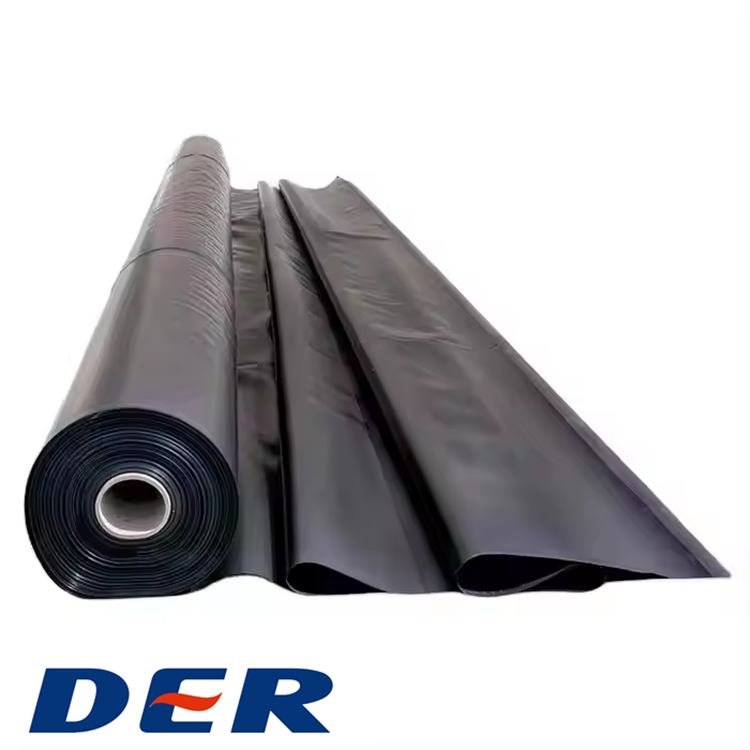
A PVC tarpaulin manufacturer supplies reinforced PVC fabric as roll goods, cut panels or fabricated covers for industrial and commercial protection. PVC tarpaulin normally combines woven polyester reinforcement with polyvinyl chloride (PVC) surface layers to create a waterproof and weldable composite. For B2B purchasing, the real specification includes more than weight: coating or lamination route, reinforcement, thickness direction, color, surface finish, UV or flame-retardant requirements, roll format, seams, hems, webbing, grommets, D-rings, logo, testing and packaging may all affect the final product.
DER factory positions this page around manufacturer and supplier intent: help importers, distributors, tarp fabricators, project contractors and OEM buyers turn an application into a repeatable PVC tarp specification before requesting bulk production.
For converters that cut, weld, sew or fit hardware locally. See the related heavy duty PVC coated fabric roll page for roll-material sourcing direction.
Useful when a buyer wants material cut to working dimensions but will complete seams, hems and installation locally.
Custom fabricated covers can combine welding or sewing with reinforced edges, grommets and selected hardware. Browse vinyl tarps and PVC tarpaulin for finished-cover context.
For repeat orders, define a controlled specification including material, dimensions, reinforcement, branding, packing and agreed inspection points.
PVC tarp performance comes from the interaction of the textile reinforcement, bonding/coating system and exposed PVC surfaces. Buyers should specify the complete construction rather than only a finished GSM number.
Coated constructions apply PVC compound to the textile through a coating process. They are commonly considered when the program places higher emphasis on coating integrity, outdoor duty, repeated handling or demanding fabrication.
For buyers sourcing the textile itself, the PVC coated polyester fabric page provides additional material context.
Laminated constructions bond prepared PVC layers to the polyester substrate. They can suit projects where handling, appearance, economical production or a particular surface route matters. “Laminated” should not automatically be treated as inferior; compare the actual construction and agreed performance targets.
Two tarpaulins with similar finished weight can use different yarn density, textile architecture, PVC proportion, surface treatment and reinforcement. A heavier sheet can still be poorly matched to the job if the seams, tie-down points or coating structure do not match the real stress pattern.
The table below deliberately avoids invented universal values. The final numbers should be confirmed against the selected construction, application and required test method before production.
| Specification Item | Available Direction | Why It Matters to the Buyer |
|---|---|---|
| Material | PVC coated or laminated polyester fabric | Defines the basic composite and production route. |
| Finished Weight / GSM | Project dependent; confirm by application | Affects handling, material consumption and the strength/flexibility balance. |
| Thickness | Project dependent; confirm during quotation | Works together with textile reinforcement and coating structure; should not be selected alone. |
| Polyester Reinforcement | Selected according to tensile / tear targets | Important for tie-down stress, repeated tension, large spans and handling. |
| Width / Roll Length | Customizable after production review | Influences cutting yield, seam count, handling and freight efficiency. |
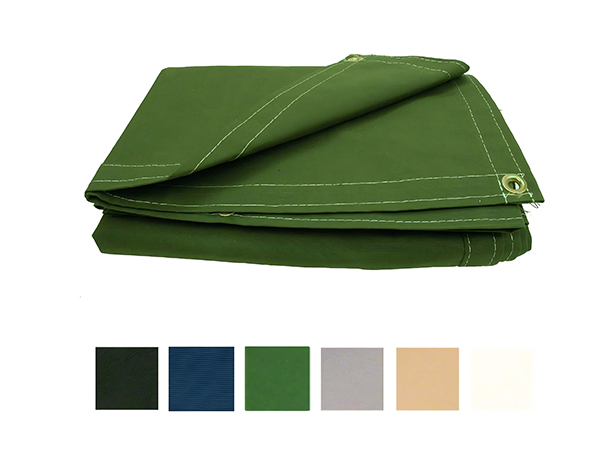
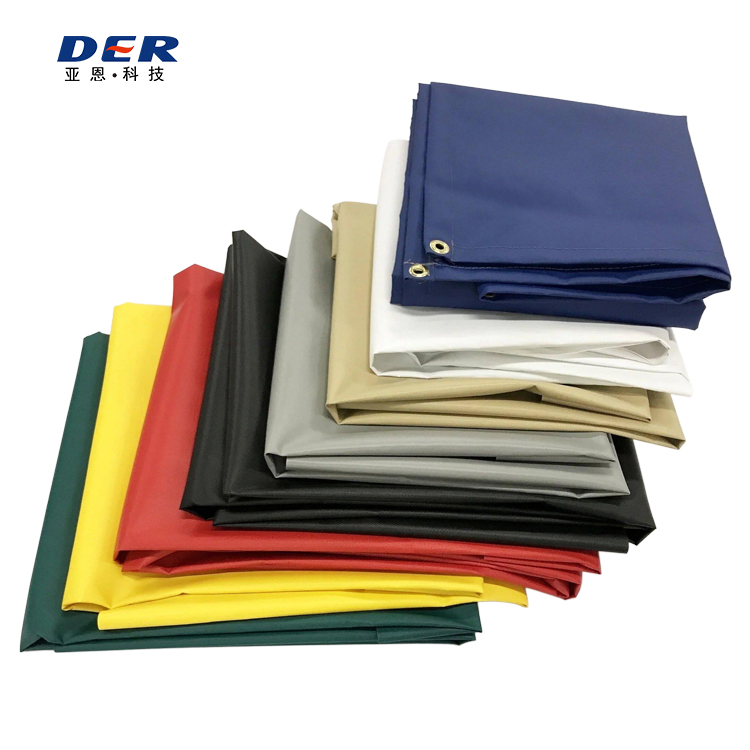
| Color | Standard or project color subject to review | Can affect branding, visibility, heat absorption and repeat-order appearance. |
| Surface Finish | Gloss / matte / lacquer or other application-specific finish subject to review | Influences appearance, cleanability, friction and printing/fabrication behavior. |
| UV Requirement | Specify outdoor exposure and target requirement | Outdoor climate, altitude and expected service cycle affect formulation needs. |
| Flame-Retardant Requirement | Optional direction; required standard must be stated before production | Different projects and markets use different fire tests; the target method must be defined. |
| Tensile / Tear Targets | Available on request; test method must be defined | Allows meaningful comparison between constructions instead of relying only on GSM. |
| Fabrication | Roll, cut panel, welded or sewn finished tarp | Changes the seam design, allowances, reinforcement plan and packing method. |
| Accessories | Reinforced hems, webbing, eyelets/grommets, selected D-rings, rope pockets or other agreed fittings | Hardware layout determines how loads enter the tarp and often controls failure risk. |
| Branding & Packaging | Logo, labels and project packaging subject to review | Useful for OEM, distributor and repeat-order programs. |
Start with the job, then select structure, reinforcement and fabrication. This sequence is more reliable than asking a PVC tarp manufacturer for “the strongest GSM” without describing the application.
| Application | Recommended Direction | Selection Reason |
|---|---|---|
| Truck / Trailer Covers | Prioritize repeat flexing, edge reinforcement, clean welding and hardware load distribution. | Road vibration, wind and repeated opening create concentrated cyclic stress. For side-curtain systems, review truck side curtain tarpaulin requirements separately. |
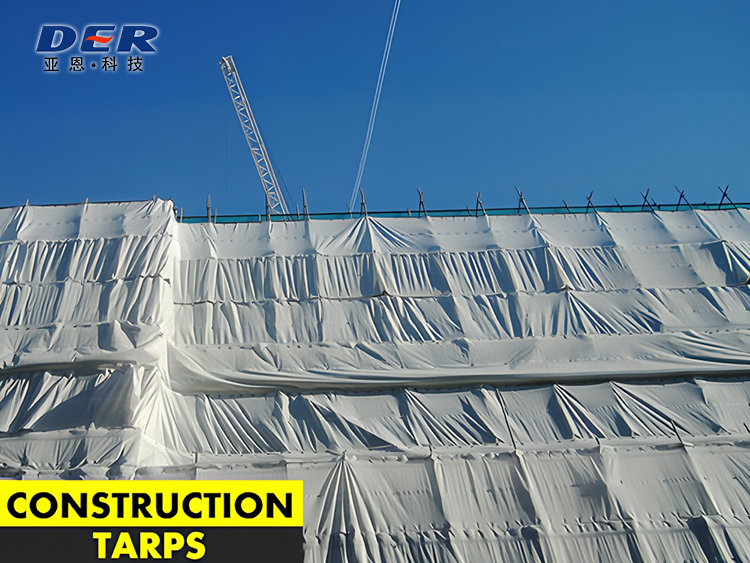
| Construction Protection | Prioritize tear control, tie-down layout, weather exposure and site abrasion. | Sharp edges, wind and debris can damage an otherwise waterproof sheet. See construction tarps for application-specific planning. |
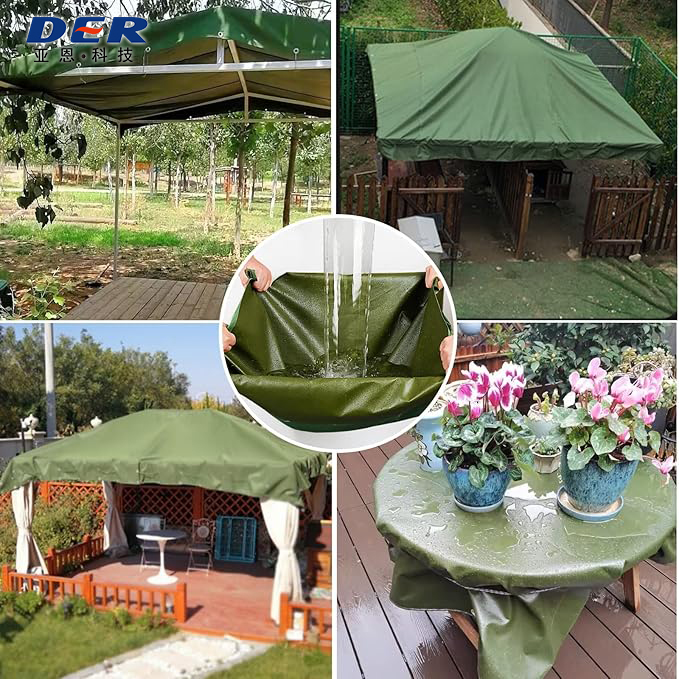
| Agricultural Covers | Prioritize outdoor UV exposure, foldability, moisture control and practical anchoring. | Farm applications can be seasonal, mobile or long-term, so material and fastening need to match the use cycle. See agriculture tarps cover. |
| Equipment / Storage Covers | Prioritize fit, abrasion points, venting strategy, opening access and fastening. | A cover that rubs on sharp machinery corners can fail locally even when the base fabric is strong. |
| Tents / Temporary Enclosures | Prioritize seam layout, repeated installation, appearance, dimensional stability and any required fire test. | Large panels must be manageable during erection while meeting project-specific safety requirements. |
| OEM / Distributor Programs | Prioritize repeatable specification, color control, packing, labels and incoming inspection criteria. | Consistency between orders matters as much as one-time sample appearance. |
Wind, abrasion, puncture, pulling, folding, liquid pressure and tie-down load are different stresses. Identify which ones dominate.
Indoor, outdoor, high UV, cold handling, heat exposure and humid storage can change the formulation and finish priorities.
High-frequency welding, hot-air welding, sewing, hemming and hardware installation each influence material selection and seam design.
A PVC tarpaulin supplier can provide only material, or a larger conversion scope. The right choice depends on whether you already have local cutting, welding, sewing and hardware installation capability.
For a made-to-size tarp, the drawing should show more than overall length and width.
Send the application, working dimensions, reference material if available, handling cycle and fastening method. DER factory can review which specification direction should be quoted before the finished tarp details are frozen.
Quality should be tied to agreed order requirements. When a specific ASTM, EN, ISO or fire test is required, state the exact method during quotation so the material and inspection plan can be reviewed before production.
Confirm drawing, material, color, fabrication, test and packaging scope.
Review base textile and PVC construction against the agreed order direction.
Inspect coating / lamination appearance, defects and consistency.
Evaluate welding or sewing conditions and representative seam quality where required.
Check dimensions, hems, reinforcement, fittings and visible workmanship.
Confirm packing, labels and order identification for repeat supply.
These are trade-offs, not universal rankings. Choose the route that matches the duty cycle, local fabrication capability and total cost of using the tarp.
PVC: typically chosen for reusable industrial covers, welding, higher mechanical demand and custom fabrication.
PE: often chosen when lightweight handling and economical temporary protection are more important.
Coated: strong direction for demanding exterior / fabrication programs.
Laminated: useful for selected lighter, appearance-led or cost-sensitive programs. Compare actual test targets rather than the process name alone.
Roll: more control for local converters and potentially better freight density.
Finished: less local fabrication, but requires accurate drawings, seam design and hardware specification before production.
The same base material family can serve very different applications, but the specification should change with the stress, environment and fabrication route.
Truck tarps, trailer covers, cargo protection and selected side-curtain systems where repeated motion, wind and tie-down loads matter.
Weather barriers, material covers, scaffolding protection, temporary enclosure and equipment protection where abrasion and wind restraint matter.
Hay, grain, equipment and farm storage protection where seasonal outdoor exposure, folding and anchoring should guide the material.
Reusable covers for machinery, pallets and materials where custom fit, access points and local wear zones are important.
Temporary shelters and partitions where seam planning, dimensional stability, appearance and any safety standard must be defined.
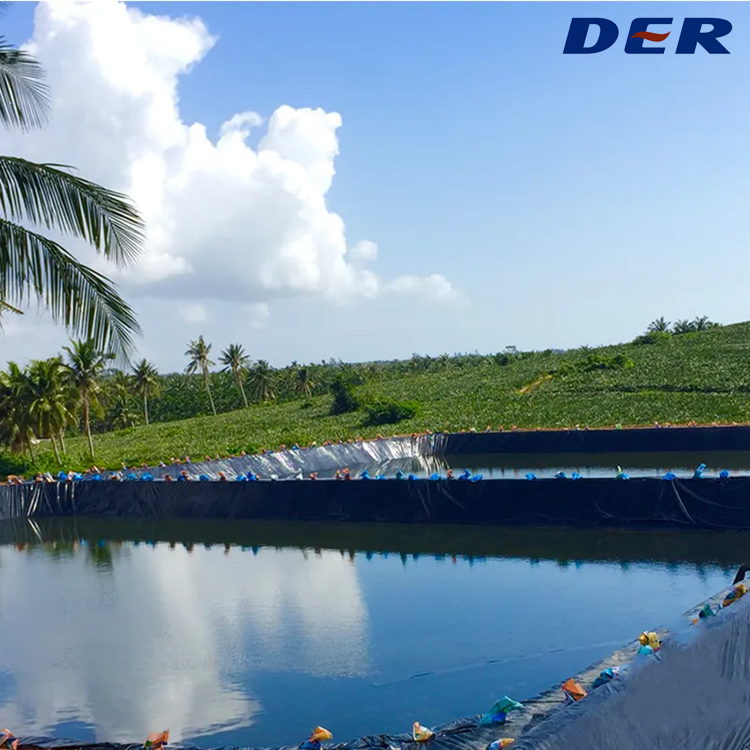
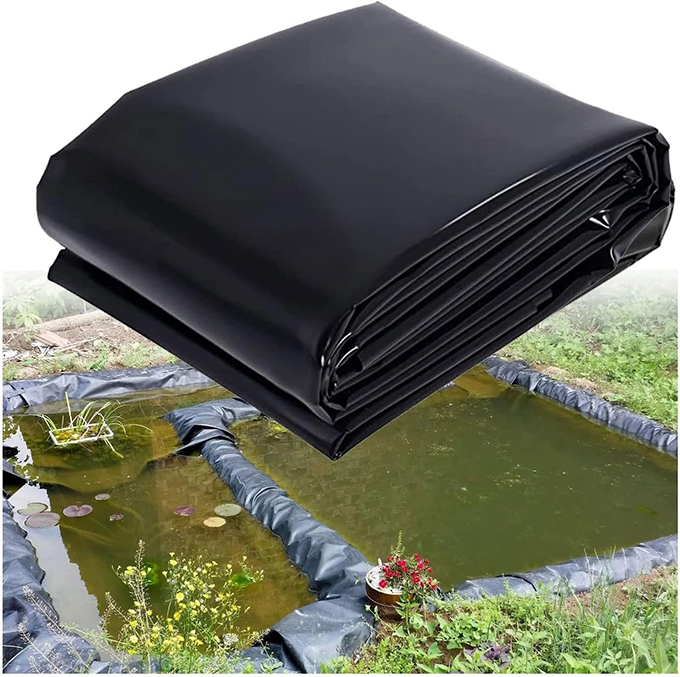
Selected reinforced PVC constructions can be engineered for liners and containment, but hydrostatic load, substrate and seam details differ from a normal cover.
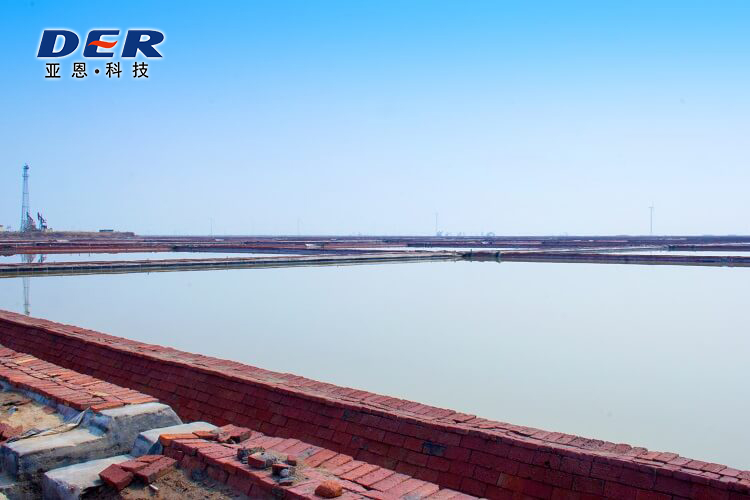
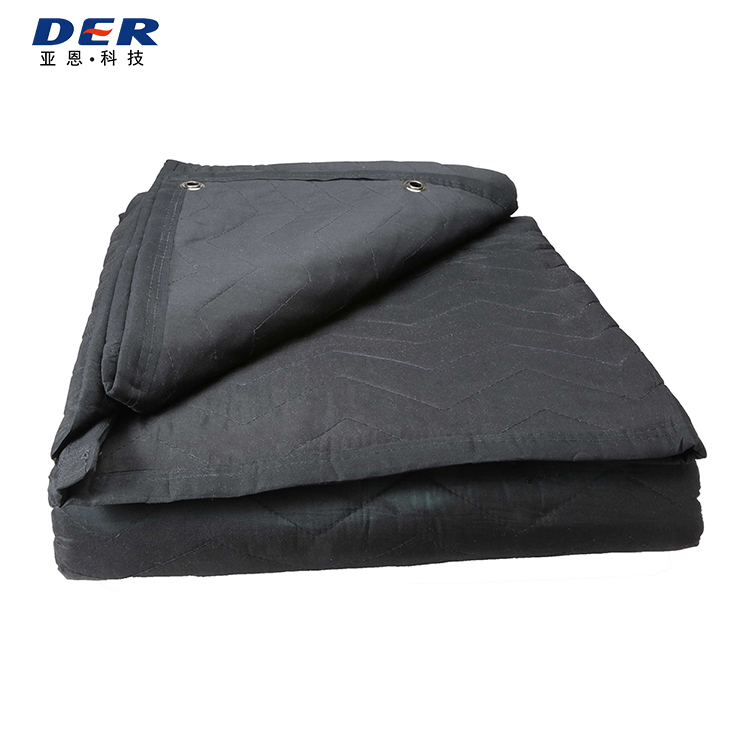
The images below are existing DER factory website files. They are used as material and application references rather than as claims that every photographed construction shares the same specification.
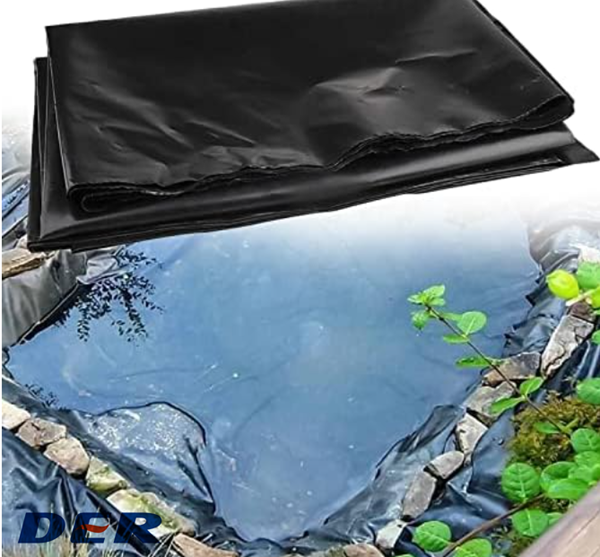
The fastest route to a useful quote is to send the information that changes material or fabrication cost. A photo, drawing or reference sample is especially helpful for non-standard covers.
Short answers to the specification and sourcing questions buyers most often need resolved before comparing suppliers.
PVC tarpaulin is commonly made from woven polyester reinforcement combined with polyvinyl chloride surface layers. The PVC may be applied through coating or lamination. The textile provides structural support while the PVC surfaces provide the waterproof barrier and a fabricatable exterior.
Choose a manufacturer that can translate your application into a controlled material and fabrication specification. Compare structure options, quality-control points, welding or sewing support, sample evaluation, reinforcement design and repeat-order documentation rather than price alone.
There is no single GSM that is best for every tarp. Select weight together with polyester reinforcement, coating construction, wind and abrasion exposure, handling frequency, seam design and service environment. Use GSM as one parameter, not the full specification.
Both use a reinforced textile with PVC layers, but the production and bonding route differs. Coated constructions are often considered for demanding exterior or fabrication programs, while laminated constructions can suit selected lighter or cost-sensitive programs. Compare the actual construction and agreed test targets.
Many PVC tarpaulin constructions can be joined using high-frequency or hot-air welding. The exact settings, seam width and compatibility should be validated with the chosen material and fabrication equipment before bulk production.
These items can be discussed for custom production. Finished dimensions, color, reinforced hems, webbing, grommets or eyelets, selected D-rings, logo position and packaging should be defined on the drawing or RFQ so they can be reviewed together.
Application-specific UV or flame-retardant directions can be discussed. If compliance to a particular test is required, specify the exact standard, target level and destination market before production so feasibility and testing can be confirmed.
MOQ and lead time depend on material structure, color, width, finishing, fabrication complexity and order quantity. They should be confirmed during quotation after the technical specification is defined; this page does not use a fabricated fixed value.
Send DER factory your application, material or reference sample, dimensions, quantity, outdoor / UV requirement, any required fire or technical test, reinforcement and fittings, logo and packaging. If you are not sure which GSM or construction to use, describe the working conditions first so the specification direction can be reviewed before quotation.
Final values, testing, MOQ and lead time are project dependent and should be confirmed during quotation.
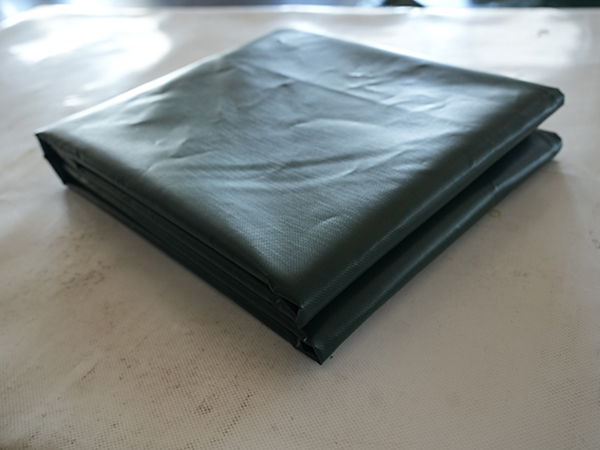
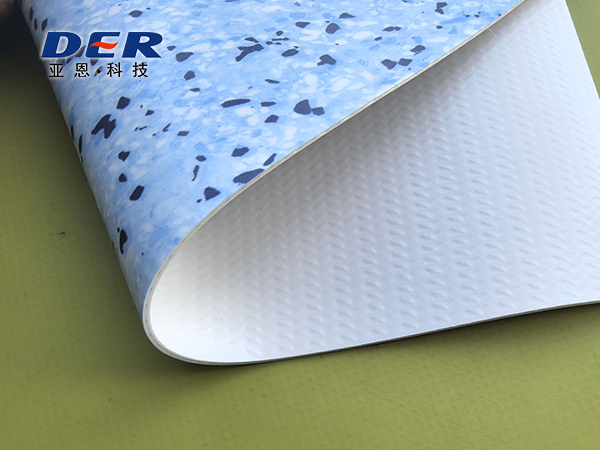
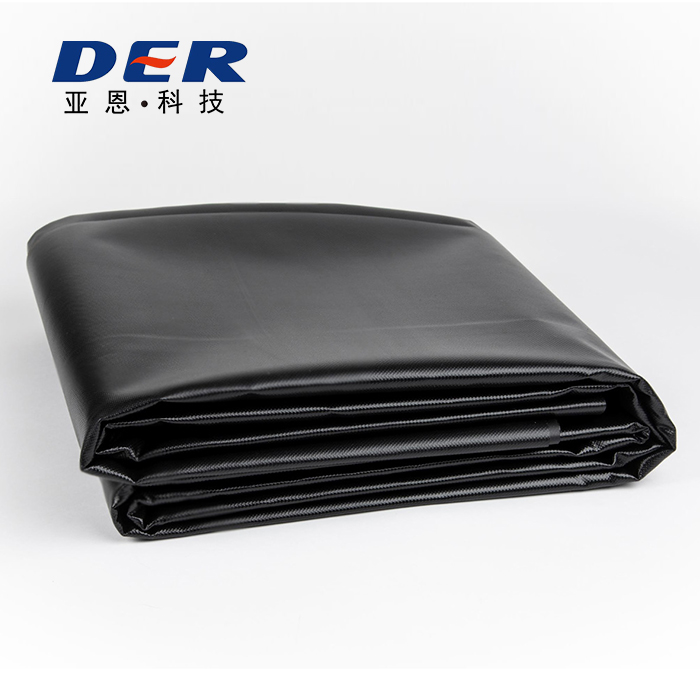
Our products are widely used in our residential and industrial area, which can be used for producing tents, outdoor covering, flexible ventilation tube, water bladders, inflatable castles, architecture membrane structures, etc. Our main products: PVC coated fabrics, PU/TPU coated fabrics, Oxford fabric, PVC ceiling film, flexible banner material. Welcome to our site and order online.