Flexible PVC Matrix
Polyvinyl chloride is formulated for a flexible hand rather than a rigid board-like structure. The required softness should be discussed as an application target or matched to a physical reference sample.

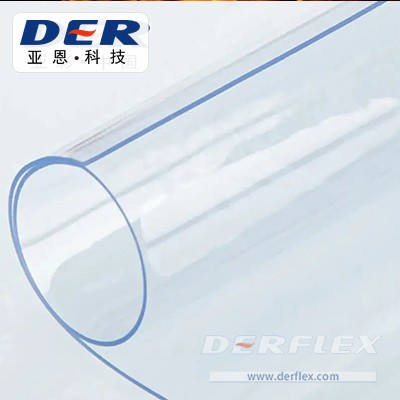
 Flexible Clear PVC Material · B2B Supply
Soft clear PVC sheet is selected when buyers need transparent visibility without the rigidity of acrylic or hard PVC board. DER factory supports project-based sourcing for flexible curtains, clear windows, protective panels, table protection, covers and converted products, with specification review around softness, thickness, surface, clarity, dimensions and downstream processing.
Soft clear PVC sheet is a flexible transparent polyvinyl chloride material supplied for applications that need visibility plus bendability. In buyer language it may also be called flexible clear PVC sheet, soft transparent PVC sheet, clear vinyl sheet, clear PVC film or clear plastic sheet, depending on thickness and end use.
Compared with a rigid transparent panel, the key benefit is not simply that the material is clear—it is that it can hang, flex, roll, fold or be converted into a soft finished component. Buyers evaluating transparent PVC film should therefore define how the sheet will behave in use, how it will be processed, and what level of visual clarity is actually required.
For importers, converters, industrial curtain fabricators, table-cover distributors, enclosure manufacturers and OEM buyers, the most reliable way to source this material is to freeze a complete specification: application, thickness direction, softness, width, surface, color tone, operating temperature, indoor/outdoor exposure, processing method and packing.
A typical soft clear PVC sheet is an unreinforced flexible PVC material. Its finished behavior is controlled by the polymer formulation, plasticization system, stabilizers, optional functional additives, thickness and surface finishing route.
Polyvinyl chloride is formulated for a flexible hand rather than a rigid board-like structure. The required softness should be discussed as an application target or matched to a physical reference sample.
“Clear” is not a single visual grade. Buyers should define whether they need ordinary transparent visibility, a more presentation-focused clear appearance, a slight tint, or a particular surface character. DER factory also has a dedicated transparent PVC sheet product direction for related clear-sheet sourcing.
Surface behavior matters when sheets are wound in rolls, laid flat, stacked or used in high-contact applications. UV, flame-retardant, cold-flexibility or other requirements should be stated before production and tied to an agreed test or sample when relevant.
A softer formulation can improve drape and folding, but the finished sheet may show more movement, stretch or memory under load. A thicker sheet can feel more stable, yet it becomes heavier and may be harder to roll or hang. Instead of choosing one variable in isolation, define the finished product first and then balance softness, thickness and support conditions.
For windows, partitions and display-facing products, inspect transparency, haze direction, surface scratches, waviness, roll marks and color tone against an approved sample—not only a generic “clear” label.
Softness affects hanging behavior, fold recovery, hand feel and how easily the sheet follows a curved surface. Curtain and cover applications often value controlled flexibility more than maximum stiffness.
Roll goods can respond to tension, temperature and storage. If a finished part must remain visually flat or dimensionally precise, tell the supplier how it is fixed, tensioned and used.
Standard flexible PVC may become firmer as temperature falls. Cold-room and winter applications should include the expected operating temperature and a realistic flex test during sample approval.
Sunlight can affect clarity, color and flexibility over time. Outdoor buyers should state exposure duration, orientation and visual expectations. When high clarity is the priority, compare the requirement with DER factory's super clear PVC film direction before freezing the grade.
Seam strength and appearance depend on formulation, thickness, overlap, equipment and settings. A trial on the actual production machine is more useful than assuming every clear PVC grade will behave identically.
The table below is intentionally specification-based rather than filled with unsupported fixed numbers. Exact values should be confirmed after DER factory reviews the target application and sample requirements.
| Specification Item | Available Direction | What the Buyer Should Confirm |
|---|---|---|
| Material | Flexible polyvinyl chloride (PVC) | End use, contact environment and any restricted-substance or compliance requirement. |
| Supply Form | Roll or cut-sheet format can be reviewed | Converter equipment, storage, handling and finished component dimensions. |
| Thickness | Project dependent | Required drape, weight, handling, support, impact/contact level and processing method. |
| Width / Length | Project dependent | Finished size, seam plan, cutting yield, roll handling and packaging limitations. |
| Softness / Hardness | Selected to application or reference sample | Desired hand feel, hanging behavior, folding, rolling and temperature environment. |
| Transparency | Clear to higher-clarity direction, subject to review | Visibility, haze expectation, color tone and approved appearance standard. |
| Surface | Project-defined finish direction | Gloss, slip/blocking behavior, scratch sensitivity, cleaning and downstream contact. |
| Temperature | Application-specific | Normal operating range, cold-room or winter exposure, and storage conditions. |
| Outdoor / UV | Requirement to be specified before production | Sun exposure, expected appearance retention and agreed validation method. |
| Flame-Retardant Requirement | Review according to project and required standard | Exact standard, test method, destination market and sample/test documentation needs. |
| Processing | Grade to be matched to the converter route | HF welding, thermal sealing, sewing, cutting, punching, printing or other actual equipment. |
| Packaging | Project dependent | Roll protection, interleaf/release needs, core, labels, export handling and storage. |
For most B2B projects, four decisions control the result: how flexible the sheet should feel, how much body it needs, what visual surface is expected, and how the converter will process it.
Will it hang, fold, roll, wrap, lie flat or stay tensioned? Movement sets the first softness direction.
A hanging curtain, tabletop layer and window insert place very different demands on sheet body and dimensional stability.
Decide whether general visibility is enough or the finished product needs premium clarity and surface presentation.
Give the supplier the actual welding, heat-sealing, sewing, cutting or punching route before sample development.
| Application | Recommended Specification Direction | Why It Matters |
|---|---|---|
| Industrial curtain / partition | Controlled softness, suitable body, clear visibility, temperature fit, process-compatible edges or seams | The sheet must hang cleanly, move without excessive stiffness and still provide visual separation. |
| Table protector / soft glass | Flatter appearance, suitable thickness, surface feel, controlled blocking, cleaning compatibility | A tabletop product is judged heavily on flatness, touch, appearance and contact behavior. |
| Tent or enclosure window | Higher clarity direction, weathering requirement, cold-flexibility review and reliable seam processing | Outdoor windows need both visibility and stable integration into the surrounding structure. |
| Machine viewing panel | Clarity, adequate body, scratch/contact review and cleaning/chemical compatibility | The panel should preserve visibility while tolerating the actual workshop environment. |
| Packaging / pouch window | Thinner flexible direction, sealing/printing compatibility and packaging-specific compliance review | Conversion speed, seal quality and end-market requirements may matter more than heavy sheet body. |
| Protective cover window | Balance softness, body, foldability and seam integration with the cover construction | The transparent panel must move with the cover without becoming the weak point at the seam. |
Flexible PVC is widely used because it can be converted into many soft products, but processability is not automatic. A formulation that looks excellent in a roll may behave differently during welding, sealing, sewing or high-speed cutting. DER factory recommends approving the actual material on the buyer's production route when seam quality or appearance is critical.
Define movement, support, environment, dimensions and visual target.
Balance softness, thickness, clarity, surface and functional requirements.
Check hand feel, surface, transparency, cold behavior and roll condition.
Validate the real seam, sealing, sewing, cutting or punching process.
Record the approved construction, appearance, packing and inspection points.
If the finished product needs fabric reinforcement rather than an unreinforced transparent sheet, compare the project with PVC coated polyester fabric. Reinforcement can improve structural strength and tear resistance, but it changes transparency, drape and the visual appearance of the panel.
Used to separate work areas while maintaining visibility. Prioritize drape, movement, temperature condition, repeated flexing and attachment/seam design.
Transparent protection for tables and work surfaces. Prioritize flatness, surface feel, visual cleanliness, contact behavior and ease of cleaning.
Flexible clear window sections for enclosures. Prioritize clarity, UV/weathering requirements, cold flexibility, seam integration and fold/storage behavior.
Clear zones integrated into soft covers for inspection or visibility. The transparent panel and surrounding cover must be selected as one seam system.
Flexible transparent barriers where users need to see equipment or work zones. Review scratch, cleaning and any oil/chemical exposure before selection.
Clear windows, flexible inserts and converted parts where sealing, printing or cutting requirements may control the material specification.
If the project has a flame-retardant requirement, provide the exact standard and end-use condition during quotation. Do not treat “FR” as a universal label. DER factory's flame-retardant fabric page can help buyers compare safety-oriented material directions, but the required test standard for a soft clear PVC sheet must still be confirmed for the specific project.
| Decision | Choose Soft Clear PVC Sheet When... | Consider the Alternative When... |
|---|---|---|
| Soft PVC vs rigid acrylic / rigid PVC | You need bending, hanging, rolling, folding or soft-product converting. | You need a self-supporting rigid panel, higher stiffness or hard glazing behavior. |
| Standard clear vs super clear direction | General visibility and protection are the main functions. | Presentation, premium window appearance or lower visible haze is a stronger buying priority. |
| Unreinforced sheet vs reinforced PVC fabric | Clear visibility, smooth appearance and soft drape are priorities. | The panel must carry higher tear/load demands and a reinforcing scrim is acceptable. |
| Roll goods vs finished fabricated cover | Your factory already converts the material and wants yield/control over cutting and assembly. | You prefer a supplier to review finished dimensions, seams, reinforcements and accessories. For finished flexible protection, compare DER factory's custom tarp fabrication route. |
Two transparent PVC sheets can look similar on a website and behave very differently in a curtain, tabletop, welded seam or cold room. For repeat B2B orders, keep an approved physical sample and record thickness, softness reference, appearance, width, surface, process settings and packaging requirements as part of the purchasing specification.
A practical quality plan should follow the approved sample and the buyer's actual application. The exact inspection method can be agreed during quotation.
Confirm the correct formulation direction, color/clarity reference and order specification before converting or packing.
Check agreed dimensional points so the converter can plan cutting yield, seam placement and finished dimensions consistently.
Inspect for contamination, obvious scratches, marks, unacceptable haze variation, color inconsistency and surface defects against the approved standard.
Review winding, edges, roll flatness, blocking/release behavior and packaging protection that can affect downstream handling.
When seams or sealing are important, evaluate the material using the buyer's intended process and compare seam appearance and integrity after cooling.
If UV, FR, cold or other performance is specified, agree the required standard, test method, sample condition and documentation before bulk production.
The fastest way to avoid a vague quotation is to send the finished-product requirements, not only a keyword. If you already have a reference sample, include it in the specification discussion.
Soft clear PVC sheet is a flexible transparent polyvinyl chloride material used when a product needs visibility together with bending, hanging, rolling or converting capability. It is different from rigid PVC board because the intended behavior is flexible rather than self-supporting.
In many markets, yes. “Clear vinyl sheet,” “soft transparent PVC sheet,” “flexible clear PVC” and “clear PVC film” can describe the same material family. The correct commercial specification still needs thickness, softness, surface, clarity and end-use information.
Choose thickness according to drape, weight, dimensional stability, contact or impact level, support structure and converting route. Curtains, tabletop protection, packaging windows and machine screens do not need the same sheet body, so application should come before a fixed thickness number.
Outdoor use should be stated during quotation. Sunlight, temperature cycling, rain, cleaning, folding and the required clarity over time all affect material selection. Define the exposure condition and required validation method rather than assuming a generic indoor grade is suitable.
Low-temperature projects require a grade selected for cold flexibility. Give the expected operating temperature and test the sample under realistic conditions, especially if the sheet must bend or move repeatedly.
Flexible PVC can be compatible with several converting methods, but the result depends on the exact formulation, thickness, seam design and equipment settings. Validate the selected grade on the actual production equipment before bulk production.
DER factory can review custom dimensions, roll or cut-sheet format, softness, appearance, surface, packaging and project-specific performance requirements during quotation. Final feasibility should be confirmed after technical review.
MOQ and lead time depend on the required construction, customization, dimensions, quantity and current production plan. They should be confirmed in the project quotation rather than stated as an unverified fixed number.
Send DER factory your application, dimensions, target thickness or reference sample, softness, clarity, surface, processing method, quantity, operating environment and special performance requirements. The quotation can then be based on a practical material direction rather than a generic “clear PVC” description.
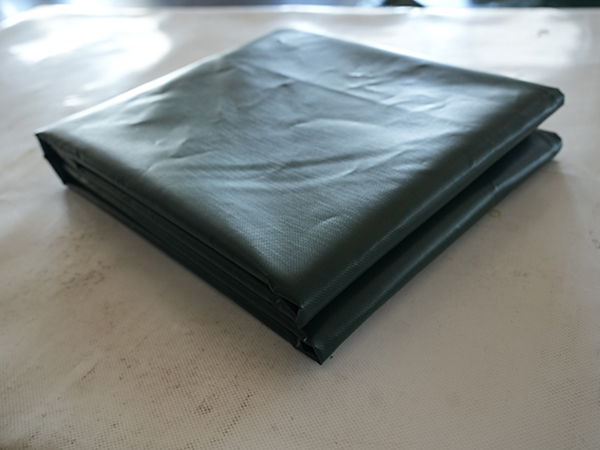
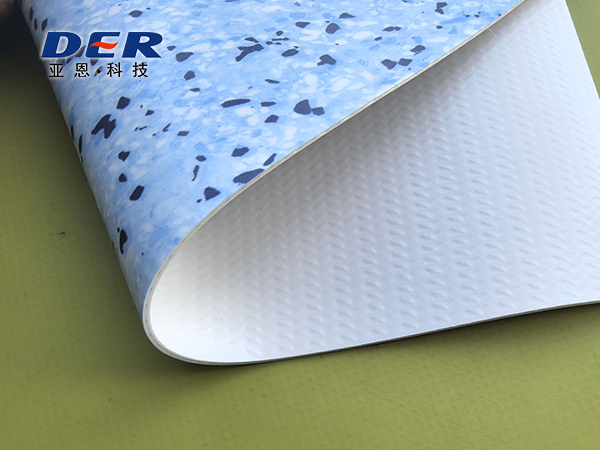
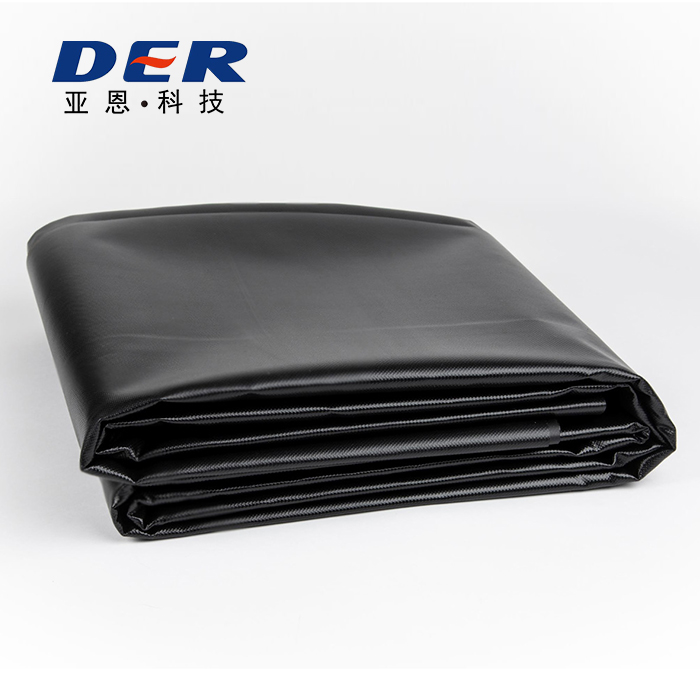
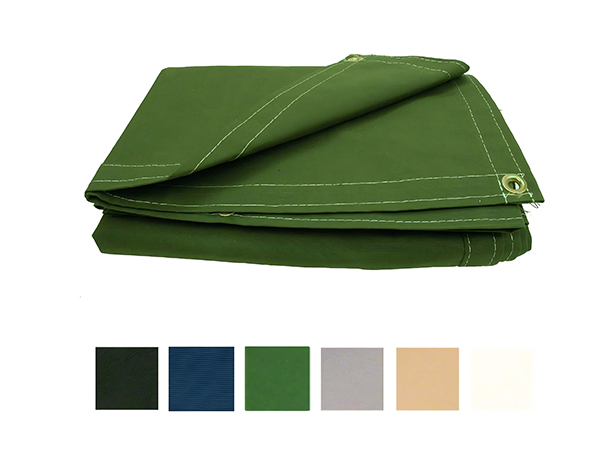
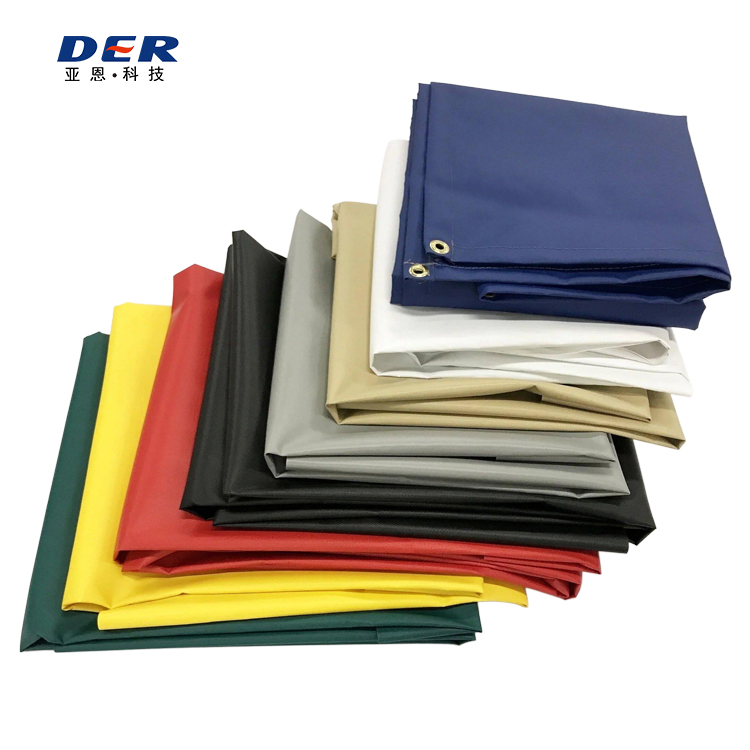
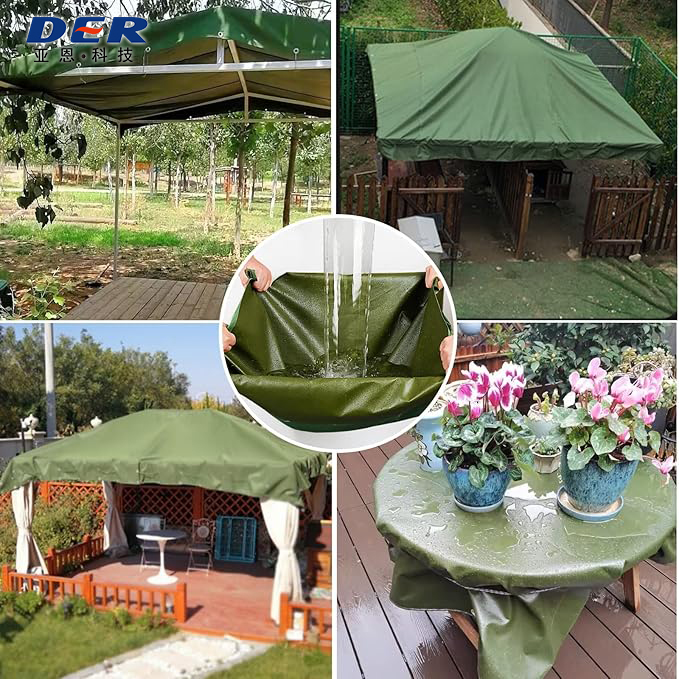
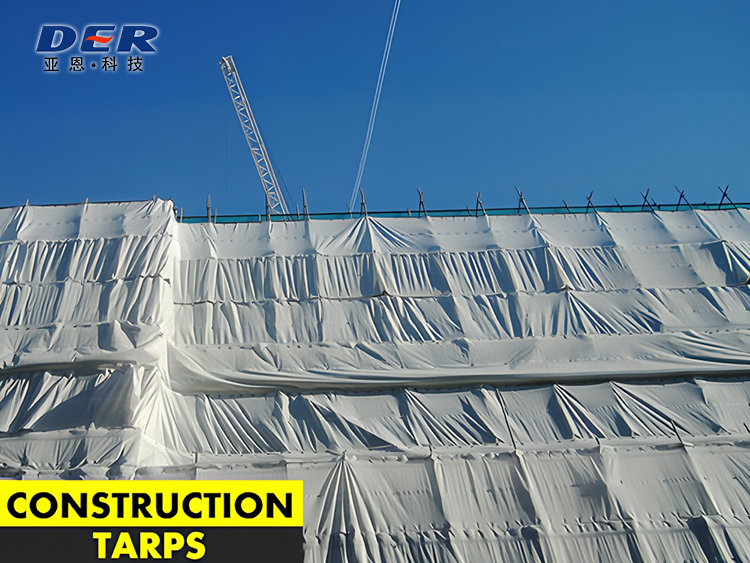
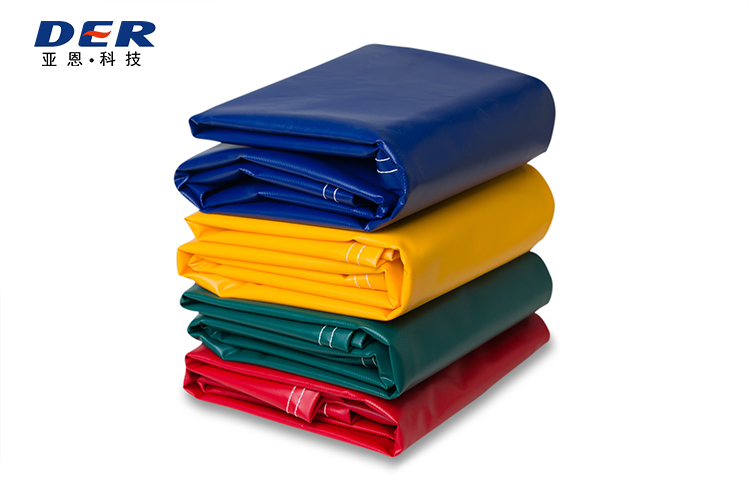
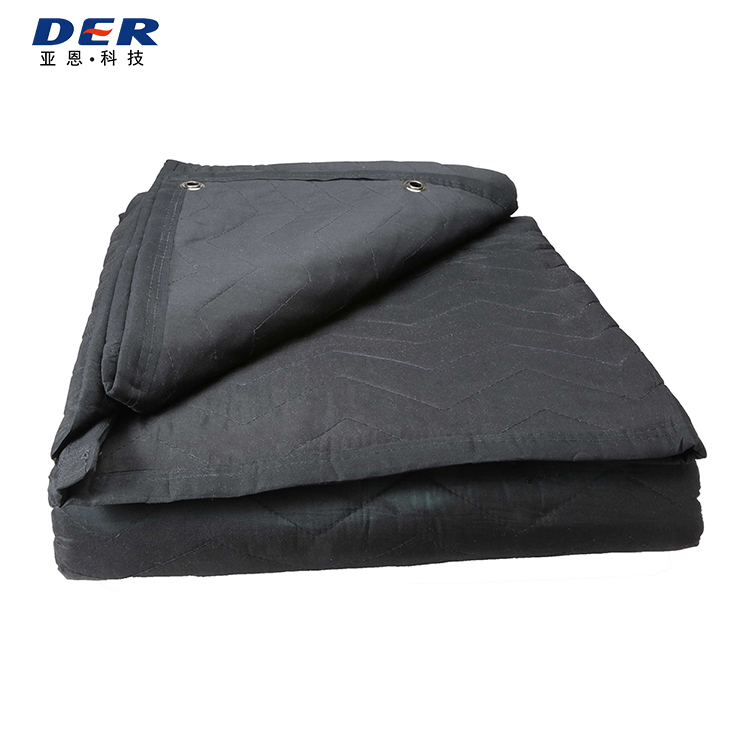
Our products are widely used in our residential and industrial area, which can be used for producing tents, outdoor covering, flexible ventilation tube, water bladders, inflatable castles, architecture membrane structures, etc. Our main products: PVC coated fabrics, PU/TPU coated fabrics, Oxford fabric, PVC ceiling film, flexible banner material. Welcome to our site and order online.