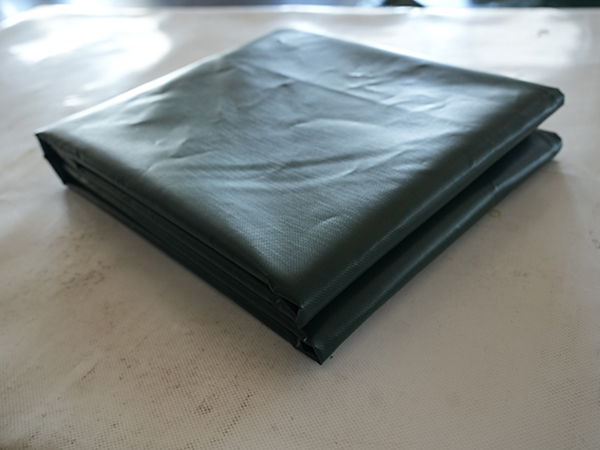
Heavy Duty Tarps Manufacturer | Industri..
- 2026-09-13

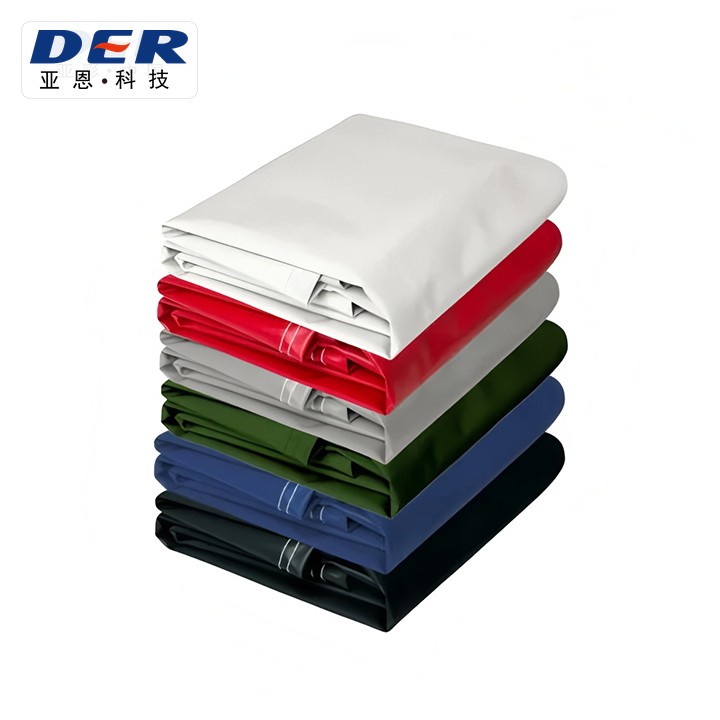
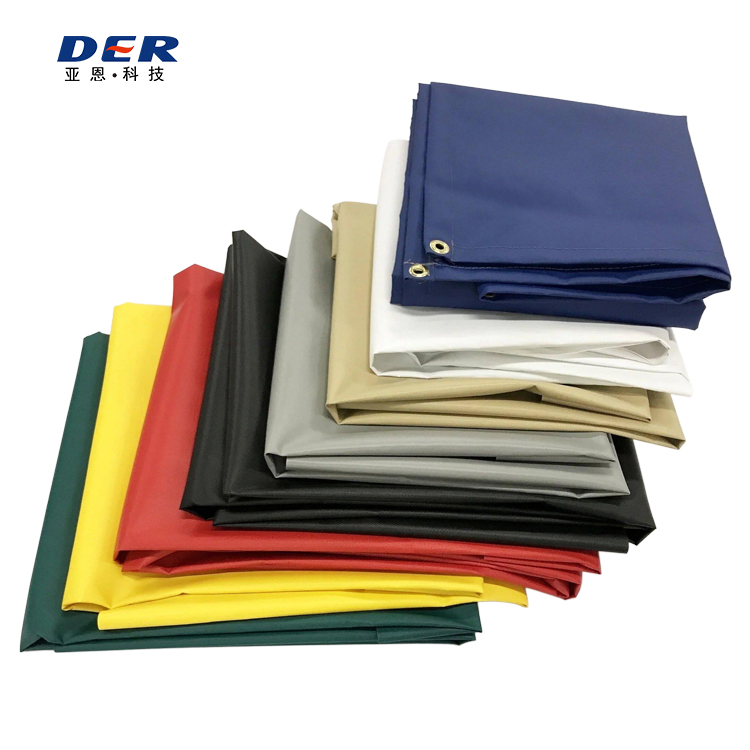
Source roll goods or finished tarps from DER factory with project-specific material selection, dimensions, reinforcement, welding, accessories and OEM packaging. Built for importers, distributors, tarp fabricators, transport operators and industrial buyers who need a specification—not just a generic tarp.
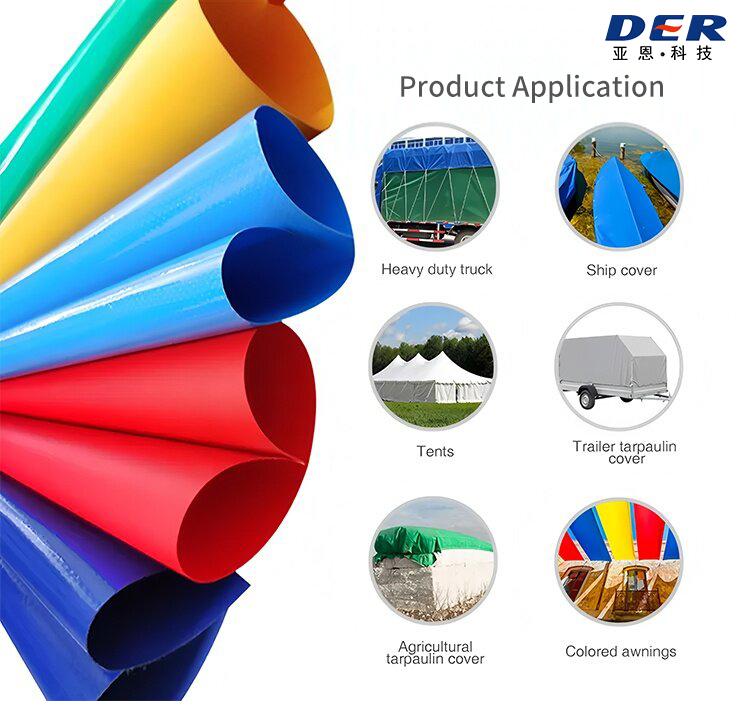
Custom PVC tarp manufacturing for industrial, transport, construction and outdoor protection projects.
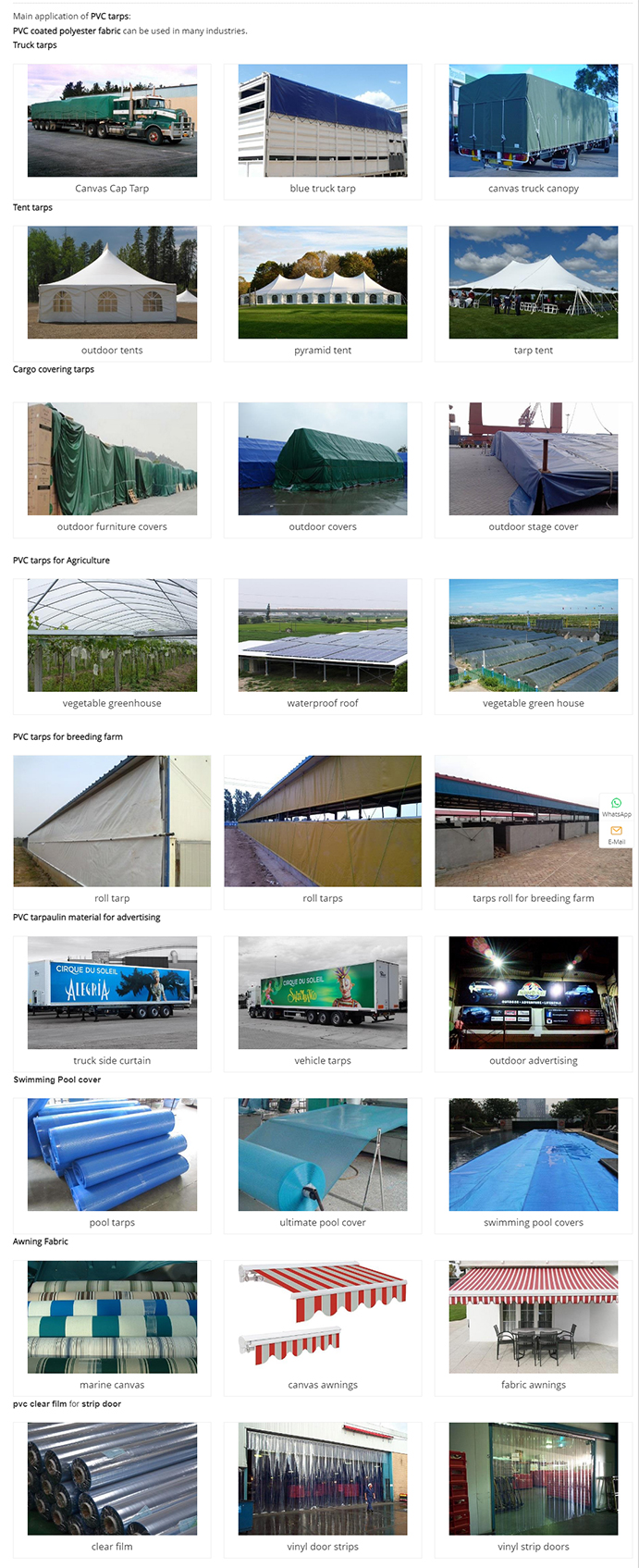
For buyers, the key question is not simply “Which China tarp factory is cheapest?” It is whether the supplier can repeatedly produce the construction you approved. The buying decision should therefore connect application → fabric construction → finishing → reinforcement → QC → packaging. DER factory supplies related vinyl tarps and PVC tarpaulins and PVC coated polyester fabric for industrial fabrication.
A finished tarp is only as suitable as the fabric underneath it. For many industrial covers, PVC coated polyester combines a woven polyester base with a PVC surface layer. Different constructions change flexibility, tear behavior, abrasion resistance, welding response, weight and long-term outdoor performance.
Often selected where coating adhesion, surface durability and demanding repeated use are important. Confirm exact construction based on the application.
Can be efficient for general-purpose covering and cost-sensitive applications. Compare duty cycle and fabrication needs before selecting.
For industrial protection examples, see DER factory's construction equipment cover applications.
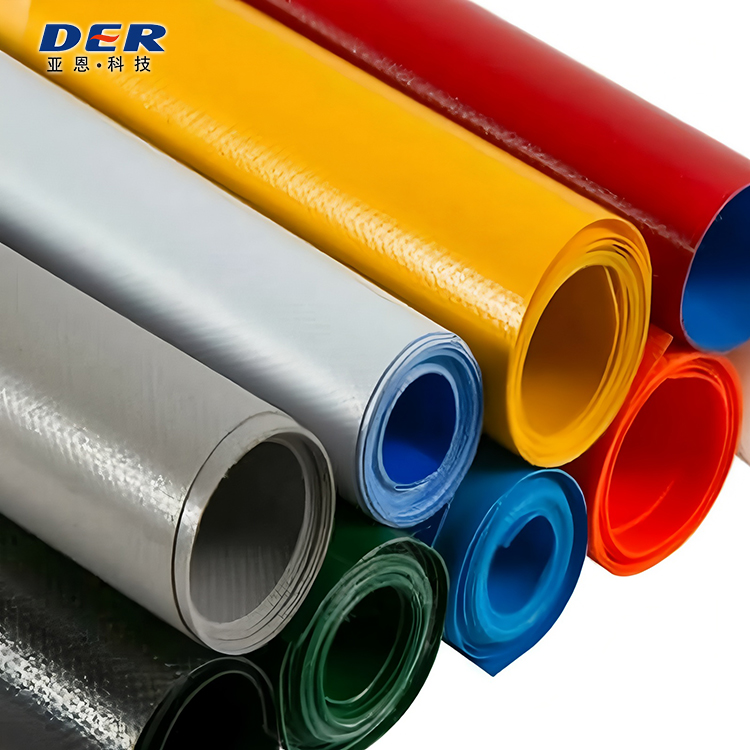
A sourcing project becomes more predictable when the buyer knows which production stage controls each risk. The practical workflow below separates material decisions from finished fabrication instead of treating “tarp” as one generic product.
Exposure, loading, fastening and expected use pattern.
Base textile, coating/lamination, weight, finish and color.
Hand feel, color, surface, weld behavior and hardware.
Heat/HF/hot-air welding or sewing according to design.
Hems, webbing, corner patches, eyelets and D-rings.
Dimensions, appearance, seams, reinforcements and packaging.
Customization should be written as a measurable specification. Avoid vague RFQs such as “need heavy-duty waterproof tarp.” State the application and define each variable that affects production.
PVC coated or laminated polyester, project-dependent weight/thickness, surface finish and color.
Roll goods, cut panels or finished tarp sizes after confirmation of tolerance and seam layout.
Folded hems, webbing, ropes, corner patches and localized reinforcement at load points.
Eyelets/grommets, D-rings, Velcro, zipper or other fastening features where suitable.
Heat welding, HF welding, hot-air welding or sewn construction depending on material and use.
UV or flame-retardant requirements can be specified for technical review before production.
Logo and identification marking can be discussed for OEM/private-label programs.
Fold, roll, labels and export packaging should be agreed before bulk production.
The table below is intentionally project-based. Exact numeric values should be confirmed for the chosen material rather than copied from another tarp application.
| RFQ Item | What to Specify | Why It Matters |
|---|---|---|
| Material | PVC coated polyester / PVC laminated polyester / other project-approved construction | Controls strength, flexibility, finish and fabrication route. |
| Weight / thickness | Project dependent; confirm after application review | Affects handling, durability, transport weight and cost. |
| Roll or finished tarp | Roll goods, cut panel or completed cover | Determines where cutting, joining and hardware are added. |
| Dimensions | Roll width/length or final finished size | Controls layout, seams, waste and packaging. |
| Surface | Gloss/matte or other available finish | Can affect appearance, cleaning and printing. |
| Outdoor performance | State expected exposure and UV requirement | Outdoor duration changes material selection. |
| FR requirement | Name the required standard/test if applicable | “Fire retardant” is not a complete specification by itself. |
| Reinforcement | Hem type, webbing, corner patches, load zones | Fastening points often fail before the main tarp body. |
| Accessories | Eyelets, D-rings, rope, Velcro, zipper, straps | Accessory geometry must match the actual tie-down system. |
| Testing | List required test method/report before quotation | Prevents late-stage disagreement about acceptance criteria. |
| Packaging | Fold/roll, labeling, carton/pallet preference | Important for warehouse handling and resale programs. |
A factory audit should connect paperwork to the actual product. Use the checklist below to compare suppliers on repeatability and technical fit, not on unit price alone.
Many tarp failures begin around attachment points rather than in the middle of the fabric. Wind flap, repeated tension and sharp changes in load can concentrate force around grommets, D-rings, straps and corners.
For heavy-duty use, the RFQ should describe how the tarp will be tied down, how often it will be installed and removed, and where the highest loads occur. That information helps determine whether the design should use folded hems, webbing, localized reinforcement or alternate hardware spacing.
For reusable protection systems, DER factory also supplies tarp-based products such as pallet protective covers, where custom dimensions and fastening details are part of the finished product design.
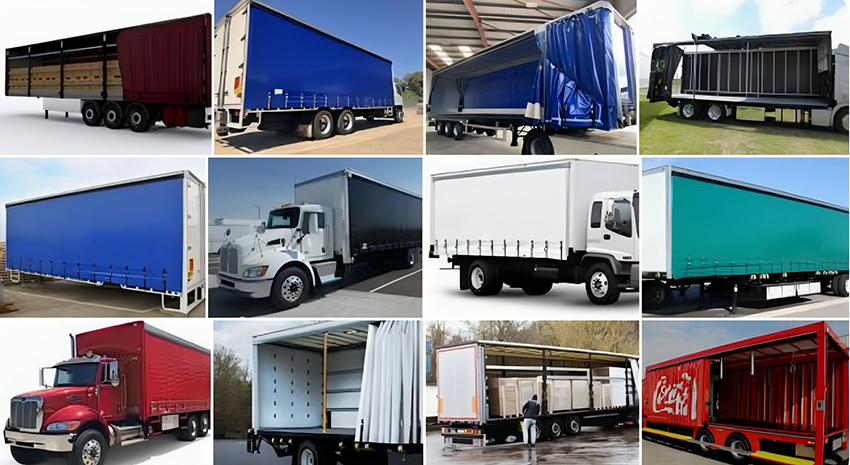
Focus on repeated flexing, wind load, abrasion, strong seams and reinforced fastening zones. Hardware layout matters as much as the fabric body.
Prioritize outdoor weather exposure, abrasion, easy handling and dimensions that protect the equipment without excessive loose fabric.
Evaluate repeated handling, forklift/warehouse contact, identification, fastening and whether covers must be reusable.
Define outdoor duration, sun exposure, wind, surface contact and how the cover will be tied down over stored material.
Material compatibility and seam integrity may be more important than ordinary cover specifications. Treat the liquid or chemical environment as a separate engineering requirement.
Where solar reflection or thermal management matters, use an application-specific material rather than assuming a standard colored tarp will perform the same. See solar reflective tarpaulin.
| Buying route | Best fit | Buyer controls | Factory controls |
|---|---|---|---|
| Tarpaulin roll goods | Local converters, tarp workshops, distributors with fabrication capability | Final cutting, welding/sewing, hardware and finished inventory | Fabric construction, coating/lamination, finish, roll quality and packing |
| Finished custom tarps | Importers, equipment makers, logistics operators, project contractors | Drawing/specification, approval sample, installation method | Cutting, seam fabrication, reinforcement, hardware, finished dimensions and packing |
For applications where barrier performance is central, a general-purpose tarp specification may not be enough. DER factory's liquid bag tarpaulin page illustrates how application-specific coated fabrics can require different material and seam priorities.
Confirm material identity, color, surface, weight/thickness target where applicable, visible defects and any project-specific testing requirement.
Check cut dimensions, seam/weld consistency, reinforcement placement, hardware position and workmanship against the approved layout.
Verify finished dimensions, appearance, accessories, labeling and packing method. Testing can be arranged according to agreed project requirements.
Do not assume a certification, test standard, MOQ or lead time applies to every tarp. State required standards during quotation and confirm them for the selected construction before production.
The largest cost changes usually come from material construction, fabric weight/thickness, coating/finish, finished dimensions, seam length, reinforcement, hardware quantity, printing, packaging and order complexity. Comparing only “price per tarp” can be misleading when two suppliers quote different materials or reinforcement designs.
Heavier or more specialized constructions use more material and can change fabrication requirements.
Complex shapes, many seams, corner patches and dense hardware layouts require more fabrication work.
UV, FR or other requirements should be defined early because they may change the material system and testing.
Retail-ready labels, custom cartons, logos and special packing add separate production steps.
Look for clear material identification, coating/lamination knowledge, fabrication capability, reinforcement design, sample approval, QC checkpoints and the ability to repeat the same approved specification in bulk production.
Yes, depending on technical review. A custom project can define dimensions, color, material construction, hems, webbing, grommets/eyelets, D-rings, welding, sewing, printing and packaging.
Buy roll goods if you already have converting capability. Buy finished tarps if you want the supplier to complete cutting, seams, reinforcement and hardware before shipment.
No. The correct choice depends on use frequency, outdoor exposure, abrasion, welding, flexibility and target cost. Compare the construction against your application rather than choosing by name alone.
These performance requirements can be discussed, but the exact standard and test method should be stated during quotation and confirmed before production.
Sample evaluation is recommended for custom orders. Use it to confirm color, material feel, surface, seams, reinforcement, accessory layout and any critical fit requirements.
MOQ and lead time depend on the chosen fabric, color, customization, quantity, fabrication complexity, testing and production schedule. Confirm both with the quotation instead of assuming a fixed figure.
Normalize the quotes first: material construction, weight/thickness, finished dimensions, reinforcement, hardware, printing, packaging, test requirements and trade terms should match before comparing price.
For a useful quotation, send your application, dimensions, quantity, preferred material/weight, outdoor or FR requirements, reinforcement, accessories, logo/label needs, testing requirements, packaging and destination.
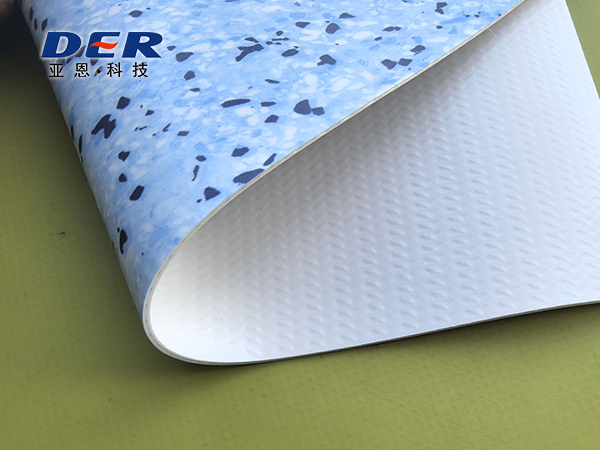
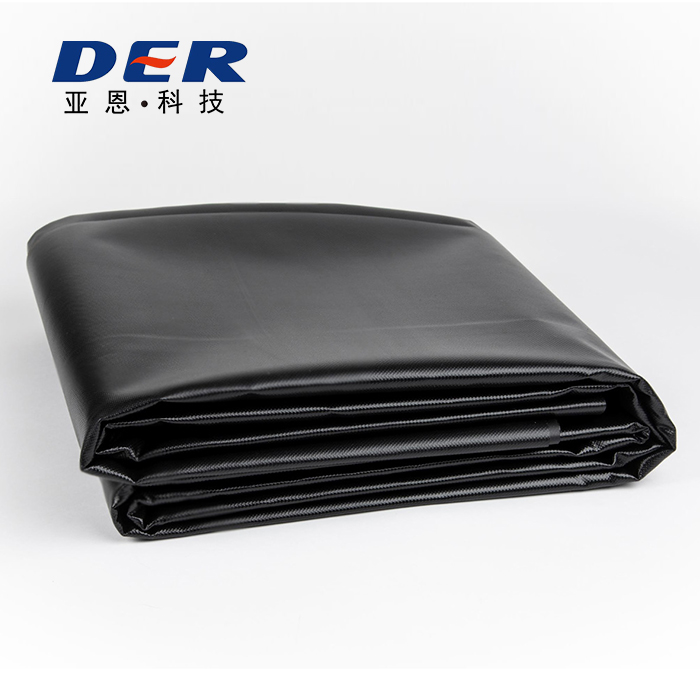
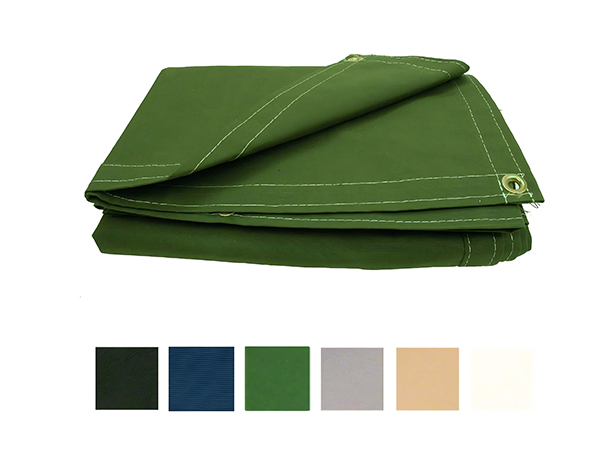

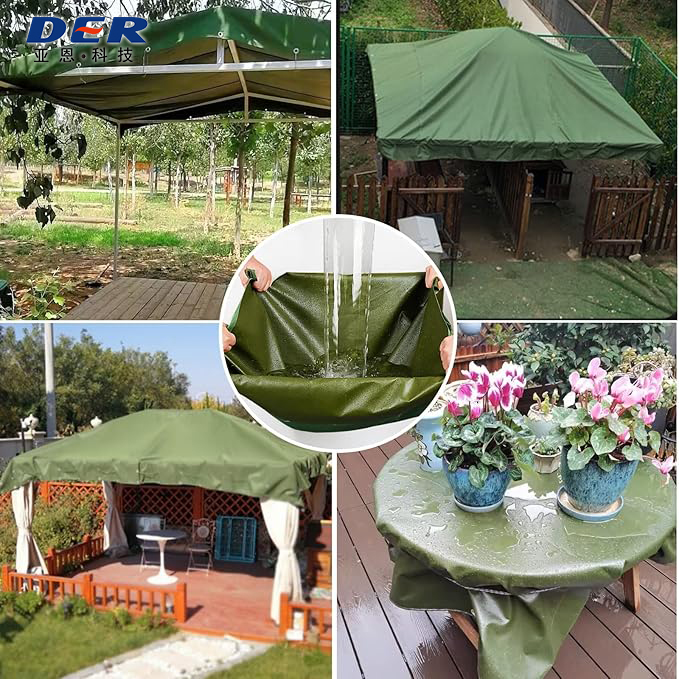
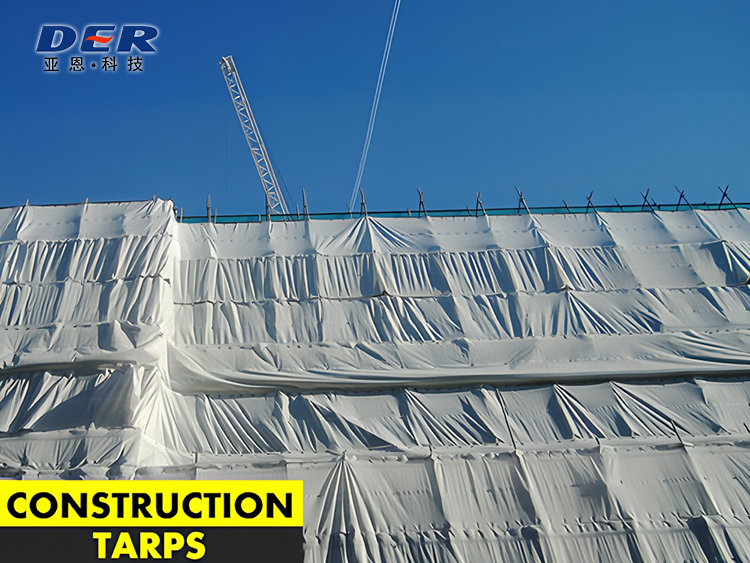
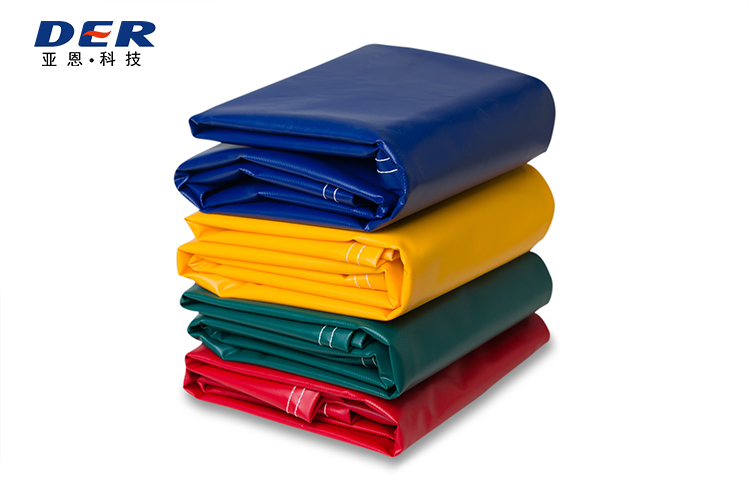
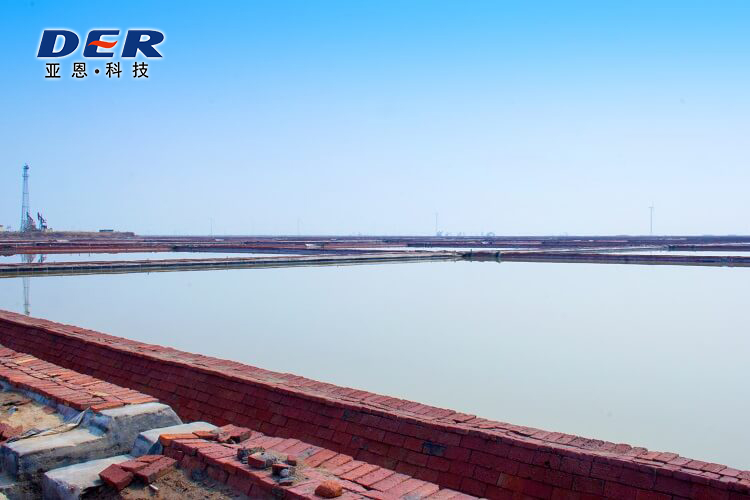
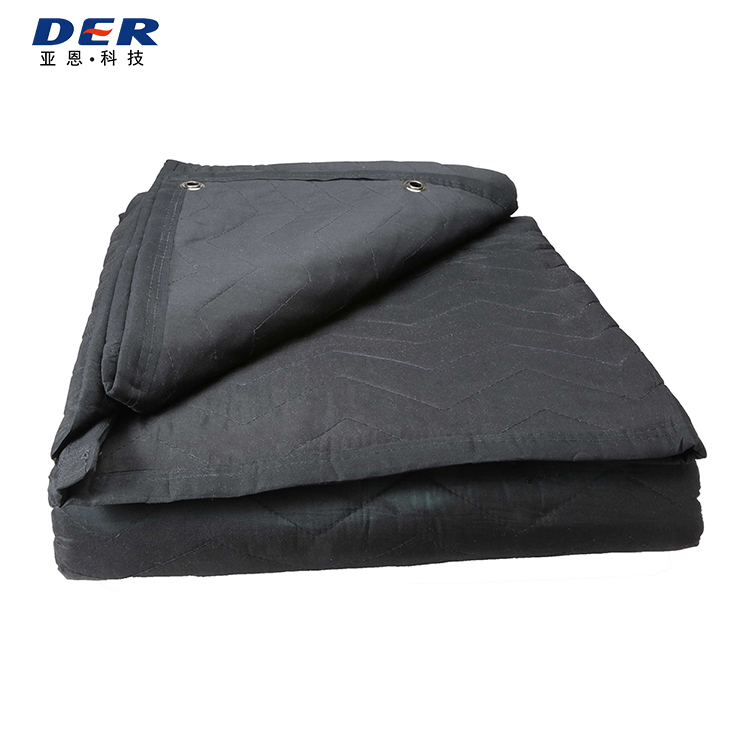
Our products are widely used in our residential and industrial area, which can be used for producing tents, outdoor covering, flexible ventilation tube, water bladders, inflatable castles, architecture membrane structures, etc. Our main products: PVC coated fabrics, PU/TPU coated fabrics, Oxford fabric, PVC ceiling film, flexible banner material. Welcome to our site and order online.