01
How Will Water Be Stopped?
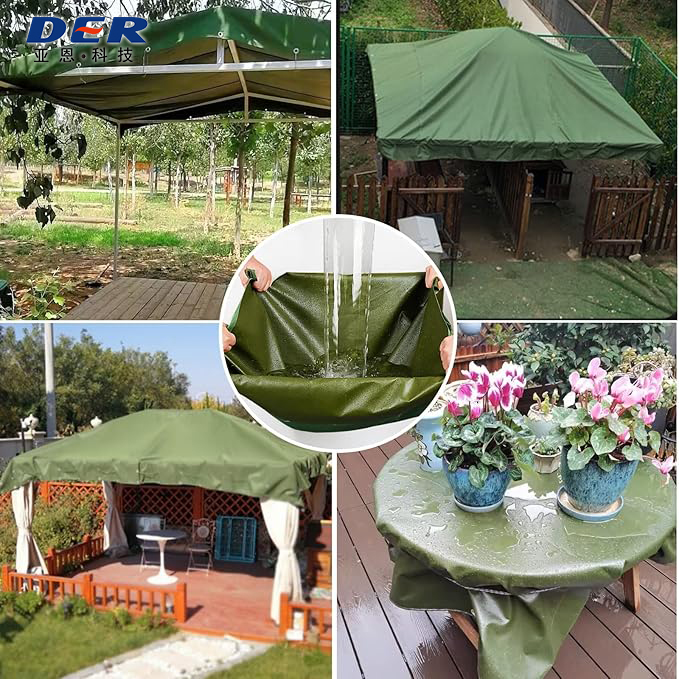
Waterproof performance depends on the PVC surface and the finished seams. Roll selection and welding method should therefore be reviewed together.

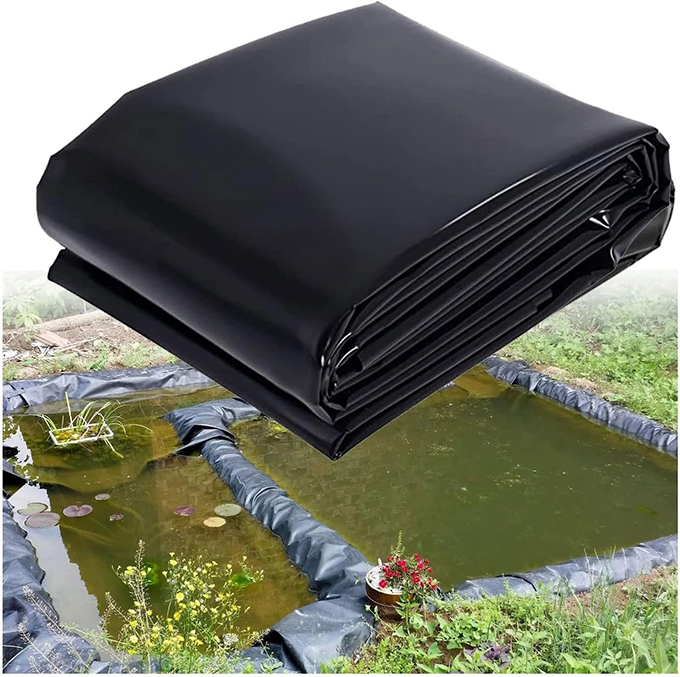
Buy the tarp roll as an input to your own production—not as a generic finished cover. DER factory supports PVC tarpaulin roll sourcing around the end product, including material structure, fabric weight, roll format, surface, color, weldability and project-specific performance requirements.
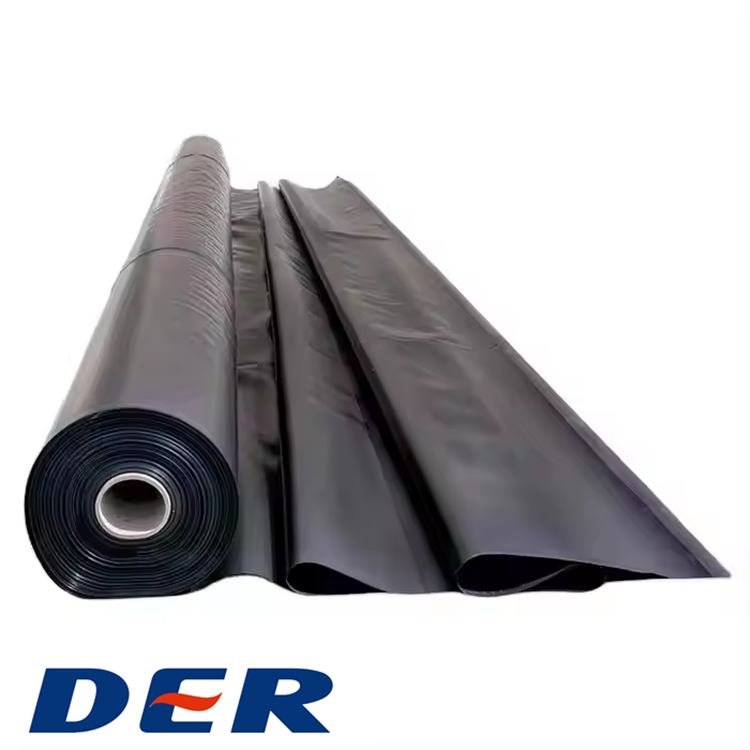
A tarp roll is continuous tarpaulin material supplied before cutting and fabrication. Converters use it to make truck covers, equipment covers, construction sheets, farm protection, liners and other custom products. A PVC tarp roll commonly combines a woven polyester reinforcement with polyvinyl chloride on the surface, creating a waterproof, flexible and weldable sheet that can be cut to the required pattern.
For a roll buyer, the key purchase decision is not simply “light” or “heavy duty.” The correct tarpaulin roll should be defined by the finished product, usable width, seam method, handling cycle, outdoor exposure and required surface performance. DER factory can review the material direction and roll supply scope against those requirements.
A PVC tarp roll is a textile composite. The reinforcement carries mechanical load, while the PVC layers provide the waterproof surface and the interface used for welding, cleaning and outdoor exposure.
The right construction depends on how the roll will be converted and used. A repeated-use truck or machinery cover can prioritize coating adhesion, abrasion and weld reliability; a cost-sensitive cover may use a different material architecture. The important point is to specify the performance requirement instead of assuming one construction is automatically suitable for every tarp.
For a deeper material-level reference, see DER factory PVC coated polyester fabric.
Do not copy a previous GSM blindly. Define what the finished tarp must survive, then work backward to the roll structure.
Waterproof performance depends on the PVC surface and the finished seams. Roll selection and welding method should therefore be reviewed together.
Large covers, tensioned curtains and moving tarps place different loads on the textile reinforcement. Size and anchoring method change the material demand.
Edges, grommets, corners, hardware and sharp contact points often govern tear risk. A heavier sheet does not replace proper reinforcement design.
Repeated rolling, folding and opening can make flexibility and coating adhesion more important than simply choosing maximum thickness.
Sunlight, heat, cold, rain and storage conditions determine whether UV, cold-flex or other formulation requirements should be specified.
Hot-air welding, high-frequency welding, sewing and printing create different process interfaces. State the conversion route before sampling.
Exact numeric values should be confirmed for the individual project. The table below shows which variables should be locked before bulk production without inventing a one-size-fits-all specification.
| Parameter | DER factory Supply Direction | Why the Buyer Should Specify It |
|---|---|---|
| Primary Material | PVC coated / laminated reinforced tarpaulin direction; alternative structures subject to technical review | Changes durability, flexibility, welding behavior and cost structure. |
| Base Fabric | Polyester reinforcement selected according to project demand | Influences tensile support, dimensional stability and tear propagation. |
| Weight / Thickness | Project dependent; confirm before production | Must balance strength, handling weight, foldability, abrasion and cost. |
| Usable Roll Width | Customizable after technical review | Controls cutting yield, seam count, workstation fit and waste. |
| Roll Length | Project dependent | Affects roll handling, storage, machine feeding, core load and inventory planning. |
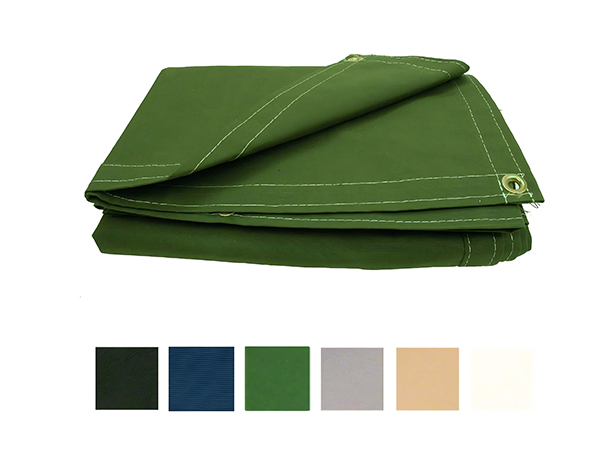
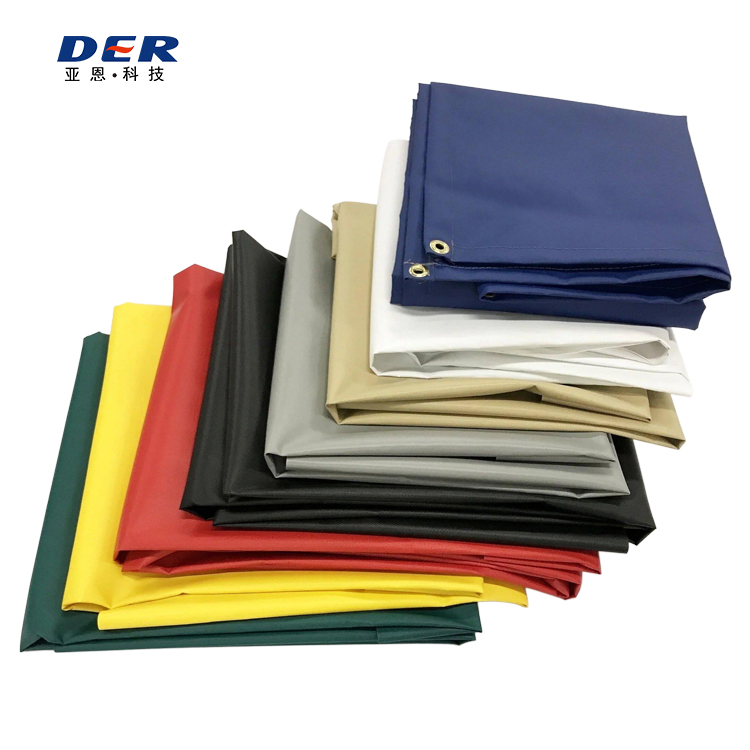
| Color | Project colors can be discussed | May affect branding, light absorption, visibility and repeat-order consistency. |
| Surface Finish | Gloss / matte / project-specific finish direction | Changes appearance, cleanability, friction, print behavior and handling. |
| UV Requirement | Available depending on project requirements | Outdoor exposure should be stated rather than assumed. |
| Flame-Retardant Requirement | Specify required standard before production | FR performance is application- and standard-specific and must not be inferred from generic tarp material. |
| Fabrication Method | Hot-air / HF welding, sewing or mixed route to be confirmed | Material and seam-process compatibility should be evaluated together. |
| Printing / Branding | Available for discussion according to process | Ink system, surface and final flexibility can influence print adhesion. |
| Packaging | Roll packaging and labeling reviewed per order | Protects roll edges and supports warehouse identification and repeat-order control. |
Prioritize UV exposure, water barrier, abrasion, anchoring and edge reinforcement.
Prioritize stable usable width, consistent surface, seam process compatibility and roll handling.
Prioritize flexibility, fold/roll behavior, coating adhesion and contact-point abrasion.
Compare usable square meters, cutting waste and seam labor—not price per kilogram alone.
Choose roll goods when you create value through local cutting and fabrication. Choose finished tarps when you need ready-to-install pieces. Choose a lighter construction only when the application actually allows the strength and lifecycle trade-off.
You have cutting, welding or sewing capability and want control over nesting, seam layout, local stock and finished-size variety.
Buyer focus: usable width, roll length, batch consistency, converting method and warehouse handling.
You want the material converted before shipment with defined finished dimensions, hems, grommets, webbing or other accessories.
Buyer focus: finished drawing, seam map, reinforcement, hardware and packing.
“Heavy duty” is not a complete specification. A roll can be thicker yet still poorly matched to the actual seam, edge or flexing requirement.
Buyer focus: load path, abrasion, folding cycle, exposure and acceptable handling weight.
The same roll material should not be specified identically for every application. The final environment determines which property deserves priority.
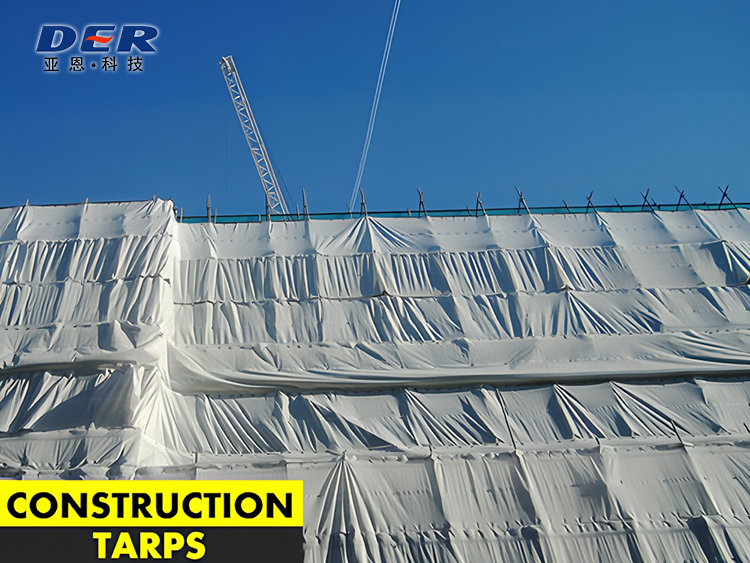
Roll goods can be converted into material covers, temporary enclosures, weather barriers and site protection sheets.
Specify first: outdoor exposure, wind loading, anchoring, debris contact and any project fire requirement.Application reference: construction tarps.
Converters use tarpaulin rolls for hay, feed, machinery, seasonal storage and other farm protection products.
Specify first: UV exposure, rain, folding frequency, contact surface and seasonal storage method.Application reference: agriculture tarp covers.
Custom patterns can be cut from roll material for excavators, generators and other equipment that needs weather and dust protection.
Specify first: abrasion points, ventilation, sharp edges, fastening method and repeated removal.Application reference: construction equipment covers.
Roll material can be fabricated into reusable covers for palletized goods, warehouse stock and temporary outdoor storage.
Specify first: cover geometry, forklift handling, repeated use, fastening and cleanability.Application reference: pallet protective covers.
Vehicle-cover fabricators need stable roll conversion, seam compatibility and a surface suitable for repeated tensioning, folding and road exposure.
Specify first: tarp system, movement cycle, wind exposure, hardware contact, weld layout and branding.Selected reinforced PVC roll structures can be fabricated into liners and containment products where continuous seams are critical.
Specify first: liquid or water contact requirement, seam method, substrate, puncture risk and project-specific compliance.A roll specification is successful when it runs predictably through the buyer’s real process. Material properties and factory conversion should therefore be discussed as one workflow.
Identify the final product, exposure, handling cycle and critical failure points.
Agree reinforcement, coating / lamination direction, weight, thickness and surface requirements.
Set usable width and roll length around machine limits, cutting yield and storage.
Check welding, sewing, printing or other relevant fabrication on a representative material.
Confirm approved reference, color, packaging, tests and other requirements before bulk production.
Roll-goods quality control should focus on repeatability across the width and length because small inconsistencies can become large conversion losses when material is cut into many finished pieces.
Check coating appearance, contamination, obvious defects, color direction and surface consistency against the agreed reference.
Confirm the agreed material basis and monitor consistency according to the order specification.
Review usable width, roll edges, winding, core condition and handling suitability for the buyer’s line.
Where required, evaluate representative weld, seam, print or other conversion behavior according to agreed project requirements.
These visuals use actual DER factory website files. They show reinforced PVC roll goods, material structure and a downstream waterproof-liner use case without using external stock or competitor images.
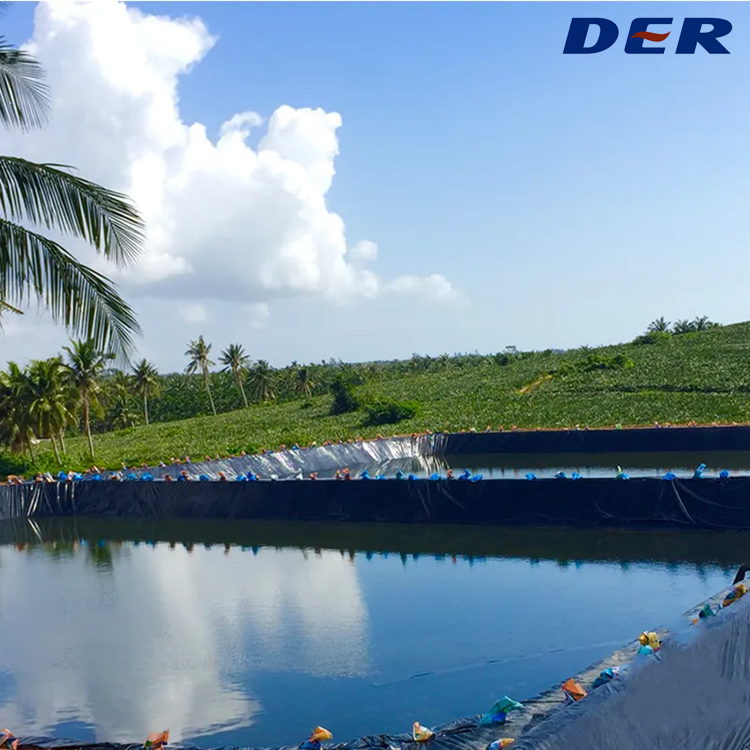
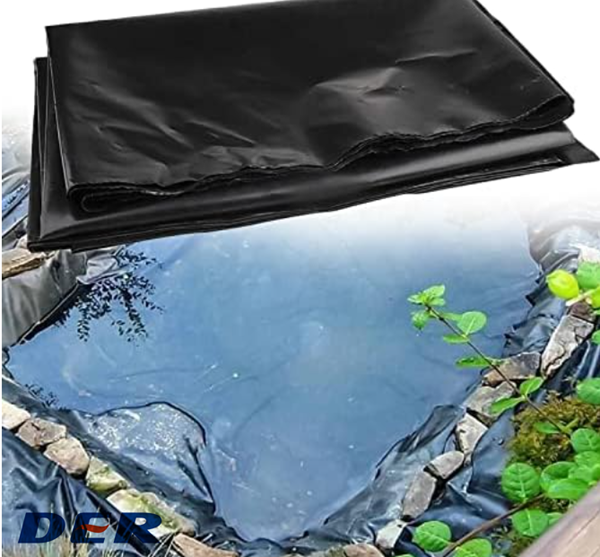
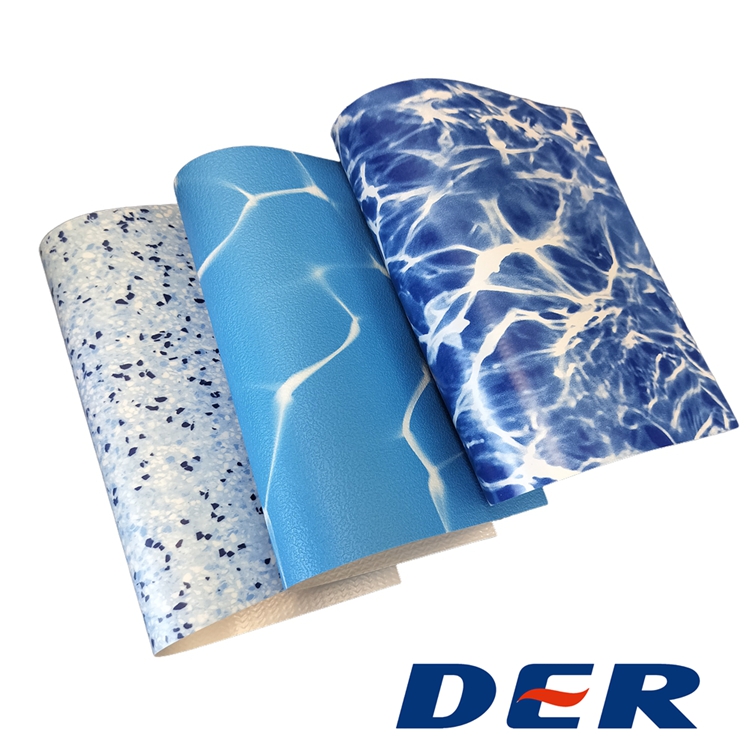
“PVC tarp roll, blue, heavy duty” is not enough for an accurate material match. A useful RFQ describes the finished application and how the roll will be converted.
Short answers below are written so each question can stand alone for procurement research, featured snippets and AI-generated search summaries.
A tarp roll is continuous tarpaulin material supplied before it is converted into finished covers. Buyers cut, weld, sew, hem, reinforce or print the roll according to the final product. PVC tarp rolls commonly use a polyester textile reinforcement with PVC on the surface.
A tarpaulin roll is raw roll material intended for further conversion; a finished tarp is already cut and fabricated with seams, hems, eyelets or accessories. Roll goods give converters more control over cutting yield, seam layout and local finishing.
A common structure is woven polyester fabric combined with polyvinyl chloride coating or lamination. The textile reinforcement provides dimensional and mechanical support, while the PVC surface provides the waterproof and weldable face. The exact construction should match the application.
Choose weight and thickness from the finished product requirements rather than by a single “heavy-duty” label. Consider unsupported span, abrasion, folding frequency, wind loading, seam construction, handling weight and outdoor exposure, then confirm the specification before production.
PVC coated and laminated tarpaulin materials are commonly selected for thermal or high-frequency welding, but the exact coating structure should be evaluated with the buyer’s welding equipment, seam width and process settings before bulk production.
Roll format, color and surface requirements can be discussed according to the project and production route. State the target finished product, usable width, roll-handling limits, color reference and finish expectations during quotation.
The choice depends on required durability, surface, flexibility, price target and fabrication method. Coated constructions are often considered for demanding repeated-use applications, while laminated structures can suit different cost and handling targets. Confirm the exact construction against the finished product.
Send the end application, preferred material, target weight or reference sample, roll width and length, color, quantity, welding or sewing method, UV or flame-retardant requirement, printing needs, required testing and destination. This reduces specification ambiguity.
Send DER factory your application, finished dimensions or drawing, preferred material, target weight or thickness, usable roll width, quantity and any UV, flame-retardant, welding, printing or test requirements. The roll specification can then be reviewed against the real conversion process instead of a generic material name.
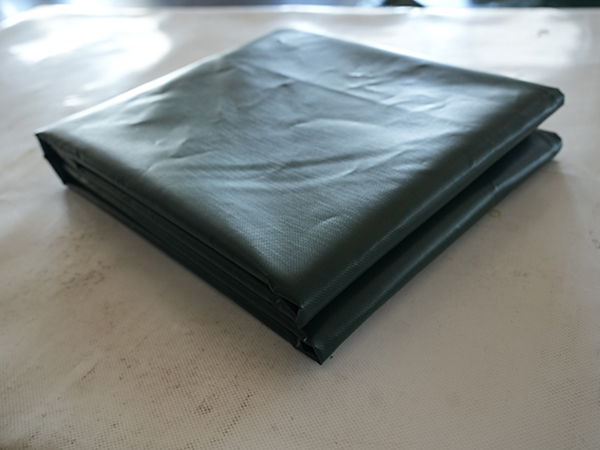
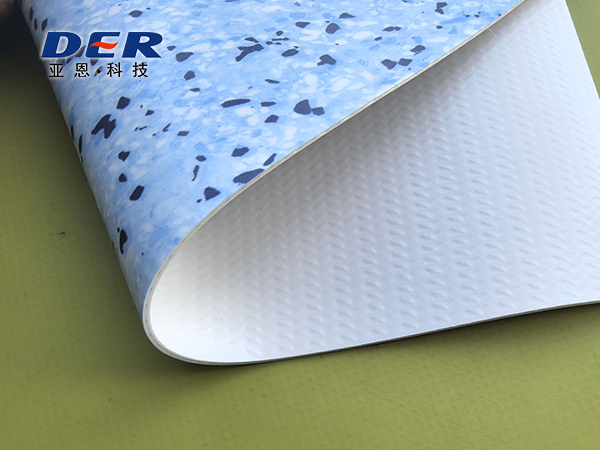
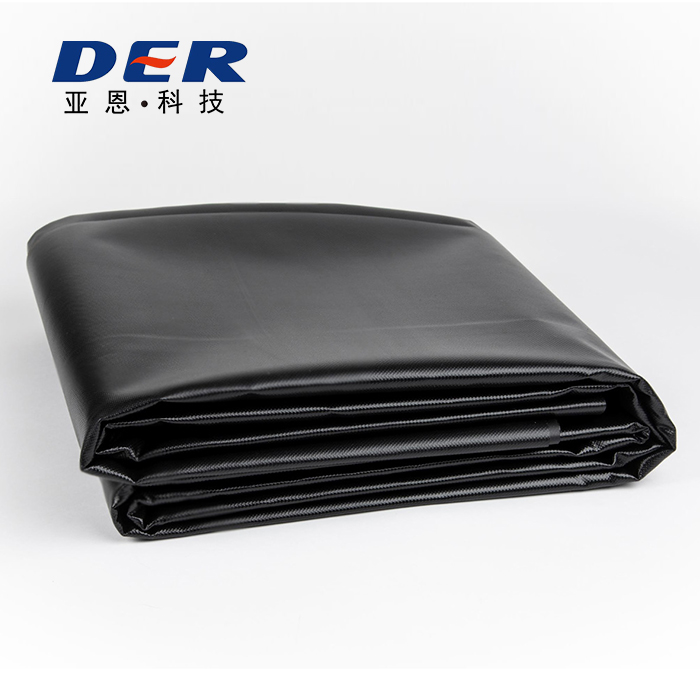
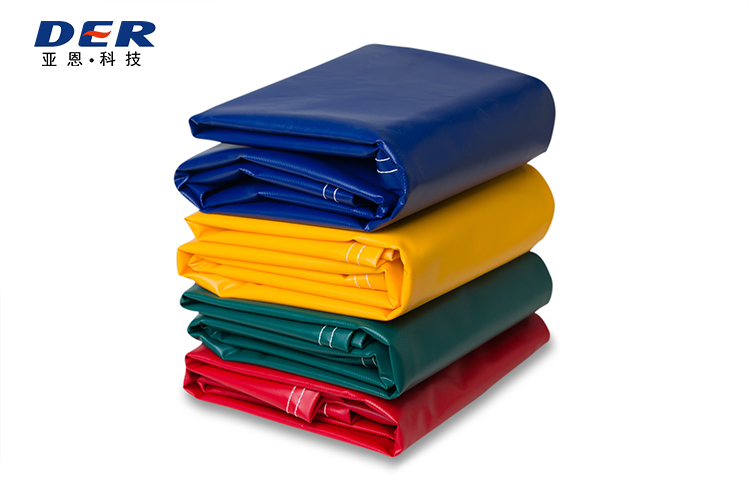
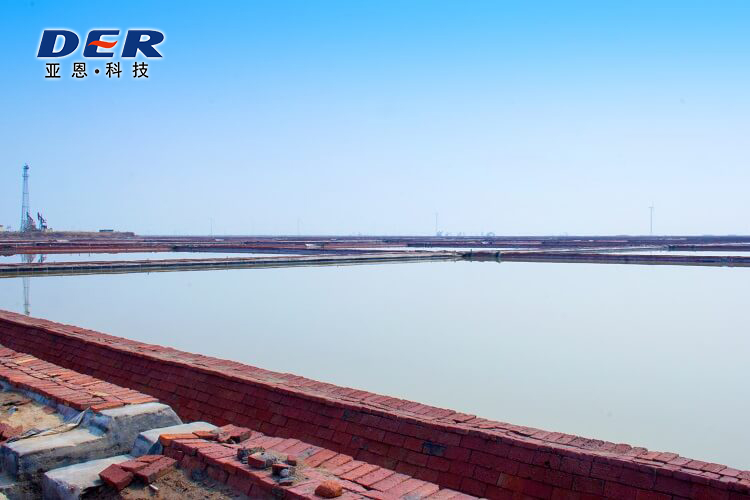
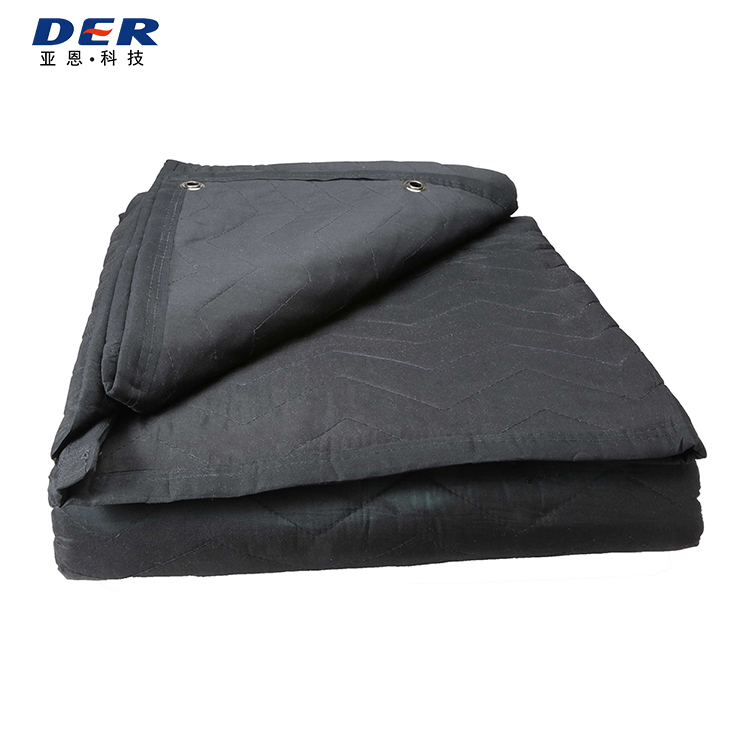
Our products are widely used in our residential and industrial area, which can be used for producing tents, outdoor covering, flexible ventilation tube, water bladders, inflatable castles, architecture membrane structures, etc. Our main products: PVC coated fabrics, PU/TPU coated fabrics, Oxford fabric, PVC ceiling film, flexible banner material. Welcome to our site and order online.