Premium Tarps & Tarpaulin Manufacturer

+86 15601786499 (steven)

info@der-factory.com

Update time:2026/9/3 18:10:43 Views:0

Tarpaulin GSM Guide | 500gsm vs 650gsm vs 900gsm Tarp | DER factory

PVC Tarp Weight Selection · B2B Sourcing Guide

Tarpaulin GSM: How to Choose 500gsm, 650gsm or 900gsm Tarp

Tarp GSM tells you how many grams one square meter of material weighs. It is a useful buying specification—but it is not a complete durability grade. DER factory helps buyers compare 500gsm tarp, 650gsm tarp and 900gsm tarp directions together with base fabric, PVC coating, tensile and tear requirements, reinforcement, fabrication and finished handling weight.

500gsmLower finished weight; practical for easier handling and selected general covers.
650gsmBalanced heavy-duty direction for many transport, industrial and outdoor cover programs.
900gsmHigher-mass direction for demanding use where extra construction is justified.
Not GSM aloneYarn, weave, coating, seams, hems and hardware can decide real-world failure.
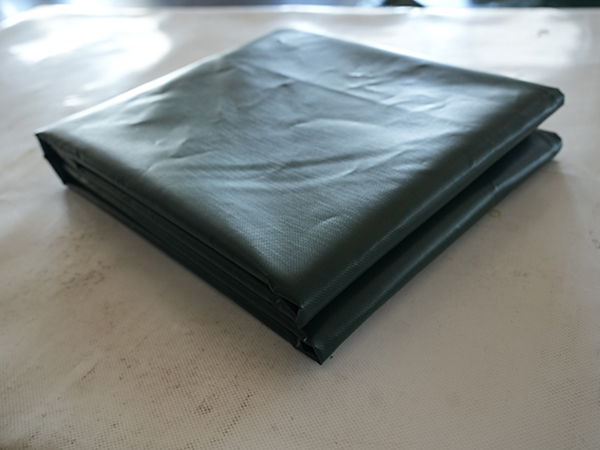
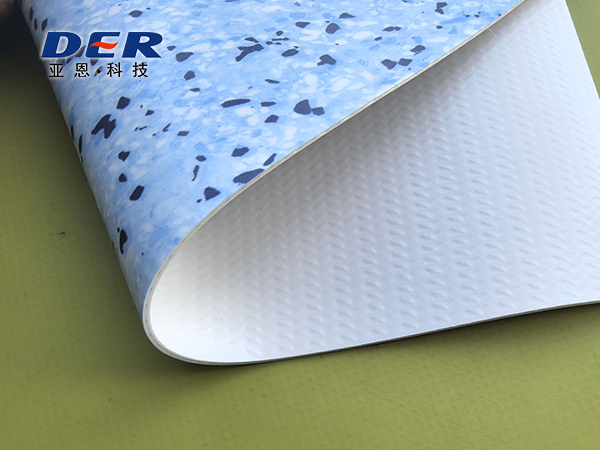
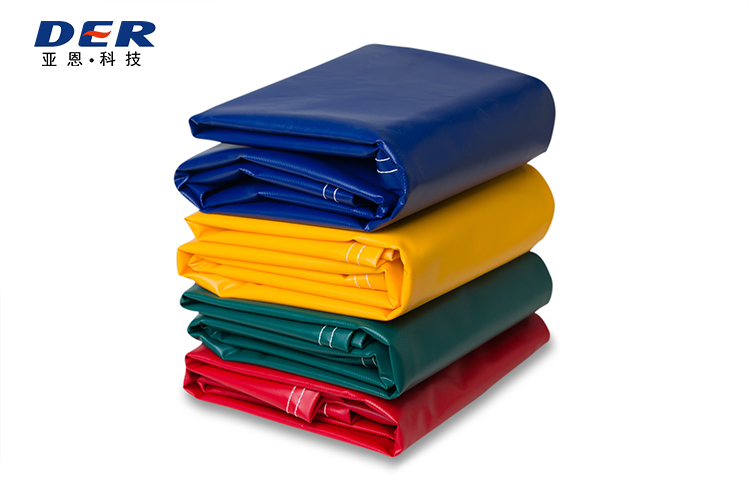
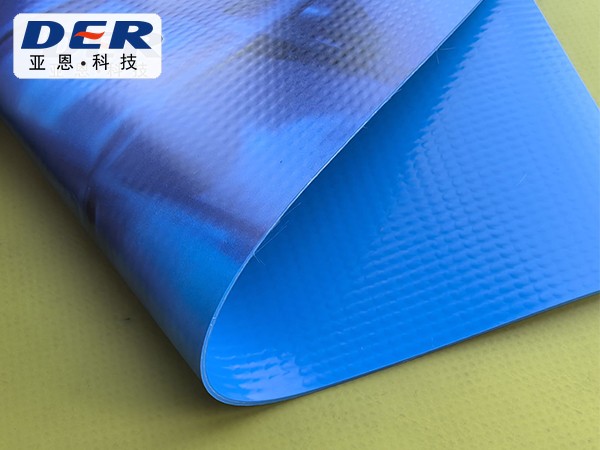
DER factory PVC coated tarpaulin roll material for GSM selection
Reinforced PVC material selection Actual DER factory website image. Exact GSM is not inferred from the photograph; confirm the production specification.
GSM = mass / areaGrams per square meter of material.
500gsm ≈ 14.75 oz/yd²Mass-per-area conversion only.
650gsm ≈ 19.17 oz/yd²Common heavy PVC tarp weight class.
900gsm ≈ 26.54 oz/yd²Higher-mass industrial direction.
Direct Answer

What Does GSM Mean in Tarpaulin?

Tarpaulin GSM means grams per square meter. A 650gsm tarpaulin has a nominal material mass of 650 grams for each square meter. GSM helps buyers compare material weight and estimate how heavy a finished tarp may be, but it should not be treated as a stand-alone measure of quality, thickness, waterproofing or service life.

The useful way to read a GSM number

Use GSM as the starting point for material mass, then verify the construction that creates that mass.

  • Is the number for the finished coated fabric or only the base cloth?
  • What polyester yarn and weave support the coating?
  • Is the material coated, laminated, or built with another process?
  • What tensile, tear, adhesion and weld requirements matter for the project?
  • How will the finished tarp be reinforced at hems, grommets, D-rings and high-load points?
Why this matters for purchasing

Two tarpaulins with the same GSM can behave differently if the base textile, coating distribution, surface treatment, seam design or reinforcement differs. That is why a serious RFQ should state both the desired GSM and the real operating requirement.

For a broader finished-cover view, DER factory's vinyl tarps and PVC tarpaulin page shows how coated fabric becomes a waterproof industrial cover.

Quick Comparison

500gsm vs 650gsm vs 900gsm Tarpaulin

There is no universal rule that makes one GSM “best.” The table below is a sourcing direction for PVC coated polyester tarp programs; the final grade should be confirmed against the actual application and required test values.

Weight grade Approx. oz/yd² Handling direction Where buyers may start What must still be checked
500gsm tarp ≈ 14.75 Easier handling General covers, pallet protection, selected temporary or repeat-use outdoor covers, lighter fabricated tarp programs. Base yarn, tear margin, UV exposure, reinforcement and how often the cover is moved.
650gsm tarp ≈ 19.17 Balanced heavy-duty Transport covers, equipment protection, construction covers, industrial curtains and many OEM PVC tarp programs. Daily duty cycle, abrasion zones, cold flexibility, weld design, hardware loads and surface finish.
900gsm tarp ≈ 26.54 High-mass construction Demanding industrial covers, selected containment, heavy fabrication or applications where higher material mass supports the engineering target. Total handling weight, foldability, required strength values, seam method and whether extra GSM solves the actual failure mode.

Selection rule: do not upgrade from 650gsm to 900gsm only because “heavier sounds safer.” If failure is happening at a grommet, edge, weld, corner or sharp contact point, local reinforcement may create more value than simply increasing total fabric mass.

Three Buying Directions

When to Consider 500gsm, 650gsm and 900gsm Tarp

The most useful question is not “Which GSM is strongest?” It is “Which construction gives the required performance without creating unnecessary weight, stiffness or cost?”

500gsm

Lower-mass PVC tarpaulin direction

  • Useful when frequent manual handling matters.
  • Can suit general protection where extreme abrasion or tension is not the main risk.
  • Finished reinforcement still determines corner and attachment-point performance.
  • Ask whether 500gsm applies to the complete coated material.

A practical DER factory example is pallet protective covers, where 500gsm is listed as one of the available PVC knife-coated tarp directions.

650gsm

Balanced heavy-duty tarp direction

  • Often attractive when durability and workability both matter.
  • Suitable for many welded, reinforced and repeatedly handled covers.
  • Can be a useful starting point for transport, outdoor and industrial protection.
  • Do not assume every 650gsm fabric has the same yarn, weave or coating quality.

DER factory's construction equipment cover page identifies 650gsm–1050gsm as a fabric-weight range for heavy-duty machinery protection.

900gsm

Higher-mass industrial direction

  • Consider when the design needs a heavier construction for demanding service.
  • Useful where abrasion, repeated tension or containment requirements justify extra mass.
  • Large finished sheets become significantly heavier and may need more operators or mechanical handling.
  • Confirm flexibility and fabrication method before bulk production.

For high-mass coated material, the product specification should define more than GSM—especially base textile and coating. See DER factory's PVC coated polyester fabric material overview.

Material Structure

GSM Is Not the Same as Thickness, Strength or Waterproofing

GSM measures mass per area. Thickness measures the distance between the two material surfaces. Strength depends on the reinforcing textile, weave, coating adhesion and test method. Waterproof performance depends on the coating barrier and, for finished tarps, the seam and fabrication system.

This distinction is important because procurement teams sometimes compare 500gsm, 650gsm and 900gsm quotes as if the number alone predicts performance. A better comparison asks how the mass is distributed between reinforcing yarn and coating, and whether the finished tarp design matches the dominant load.

Buyer check: if a supplier gives only GSM and color, the specification is incomplete for a demanding B2B tarp program.

Outer PVC surface / top treatmentWeather barrier, cleanability, optional finish and project-specific surface function.
Coating adhesion interfaceHelps the PVC layer and textile reinforcement behave as a composite during folding and loading.
Woven polyester reinforcementYarn and weave contribute to tensile, tear and dimensional behavior.
Inner PVC surfaceCompletes the coated structure and supports suitable thermal fabrication when specified.
Handling & Logistics

How to Calculate Approximate Tarp Weight from GSM

GSM becomes especially useful when the tarp gets large. Multiply the area in square meters by the GSM value and divide by 1,000 to estimate the base material weight before hems, seams, webbing, grommets, D-rings, patches and other hardware.

Base material weight formula

Area (m²) × GSM ÷ 1000 = kg

Example size: 4 m × 6 m = 24 m². This calculation is useful for manual handling, packing, shipping and deciding whether extra GSM is practical.

12.0 kg24 m² × 500gsm, before finishing hardware
15.6 kg24 m² × 650gsm, before finishing hardware
21.6 kg24 m² × 900gsm, before finishing hardware

Important: this is a material-weight estimate, not the guaranteed shipping weight of a finished tarp. Reinforced hems, overlap seams, webbing, rope, metal fittings, labels, packaging and moisture can increase the final mass.

Application Mapping

Which Tarp GSM Should You Choose by Application?

Use the application to set a starting direction, then confirm the actual performance specification. Wind, abrasion, handling frequency and attachment design often matter more than moving one step higher in GSM.

Application Possible starting direction Why Buyer should specify
Pallet / warehouse protection 500–650gsm direction Balance reusable protection with reasonable handling weight. Indoor/outdoor exposure, stacking contact, fastening method, cleaning and repeat cycles.
Construction cover 500–900gsm direction Job-site use ranges from temporary dust/weather coverage to heavily reinforced outdoor enclosures. Wind, sharp edges, tie-down spacing, UV exposure, flame-retardant requirement and relocation frequency.
Equipment cover 650–900gsm direction Repeated outdoor exposure and abrasion may justify a stronger coated construction. Machine geometry, hot surfaces, rub points, access openings, fastening and storage method.
Truck / trailer tarp 650–900gsm direction Road wind, cargo movement, repeated rolling/folding and tie-down loads create combined stress. Cargo type, abrasion zones, operating climate, hardware pattern, roll-up system and required test values.
Agricultural cover Application dependent Hay, feed, equipment, silage and pond use create very different moisture, UV and handling needs. Crop or equipment type, contact requirement, UV exposure, anchoring, color and seasonal handling.
Heavy containment / liner use 900gsm+ may be evaluated Higher mass can support demanding coated structures, but seam design and puncture control remain critical. Liquid/contact compatibility, substrate, pressure, welding, puncture risk and required testing.

For application-specific context, see DER factory's construction tarps and agriculture tarps cover pages. These are separate use cases because the same GSM can face very different loads in construction and farming.

Failure-Mode Selection

Choose the Specification Around the Tarp's Weakest Point

A good GSM decision starts with the most likely failure mechanism. If the tarp fails at a specific location, adding mass everywhere may not be the most efficient correction.

Wind & flapping

Reinforcement may matter first

Check hem structure, tie-down spacing, webbing and how load transfers into the coated fabric.

Sharp cargo

Control abrasion and puncture zones

Specify local patches, protective interfaces, coating durability and handling rules instead of relying on GSM alone.

Long UV exposure

Ask for the correct outdoor formulation

Material mass does not substitute for a UV package appropriate to the climate and exposure cycle.

Daily folding

Balance strength with workability

A very heavy tarp can become slower to roll, fold and deploy, especially in large finished sizes.

Cold conditions

Flexibility can outrank extra mass

Confirm cold-flex requirements if the cover is repeatedly folded or rolled in low temperatures.

Grommet pull-out

Strengthen the attachment system

Hardware, webbing, patch layout and load distribution can matter more than an across-the-board GSM increase.

Specification Checklist

What to Specify Besides Tarpaulin GSM

  • Material family: PVC coated polyester, laminated PVC, PE or another construction
  • Target GSM and acceptable tolerance
  • Base yarn and weave construction when mechanically important
  • Thickness if the project controls mil or millimeter values
  • Tensile, tear, adhesion or other project-specific test targets
  • Outdoor UV, cold-flex, mildew, flame-retardant or special-function requirements
  • Color, gloss/matte direction and surface treatment
  • Roll width / roll length or finished dimensions
  • Seam and welding method
  • Hem, webbing, rope, grommet, D-ring and patch design
  • Logo printing, labeling and packaging
Fabrication Logic

Roll Goods vs Finished Tarps

Roll material buyers should focus on coating consistency, width, surface, weldability, winding and conversion behavior. Finished-tarp buyers must add seam layout, hem construction, hardware spacing, corner reinforcement and dimensional tolerances.

A 650gsm roll and a 650gsm finished tarp are therefore not the same purchasing question. The finished tarp includes load paths and fabrication details that the raw GSM figure cannot describe.

For custom projects, send DER factory a sketch or reference sample with the application, dimensions, target weight and high-stress locations. Request a technical quotation.

Quality Control

How Buyers Can Verify a Tarpaulin GSM Program

For repeat B2B supply, the goal is not only hitting a nominal GSM number. The production and inspection plan should keep the complete material and fabricated cover consistent from sample to bulk order.

Material-side checks

  • Confirm whether measured GSM applies to finished coated fabric.
  • Record acceptable weight tolerance in the approved specification.
  • Check visible coating consistency and surface defects.
  • Confirm agreed width, color and finish.
  • Verify agreed tensile, tear, adhesion or other testing where required.
  • Retain an approved sample/reference for repeat orders when practical.

Finished-tarp checks

  • Inspect finished dimensions and seam layout.
  • Review weld continuity or sewn construction according to the agreed design.
  • Check reinforced hems, webbing and corner patches.
  • Check grommet, D-ring or accessory position and spacing.
  • Inspect for sharp hardware contact or local stress concentration.
  • Confirm folding, rolling and packing method for the finished size.

Testing requirements should be specified during quotation. Do not assume that a standard, certification or test result applies to every GSM grade unless it is explicitly confirmed for the selected product and order.

DER factory Image Package

Reinforced PVC Material & Application References

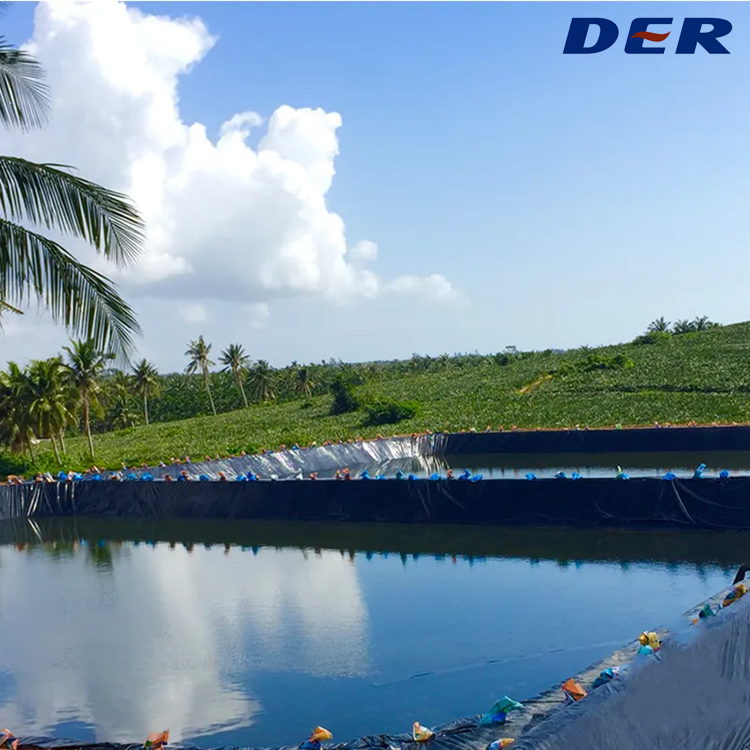
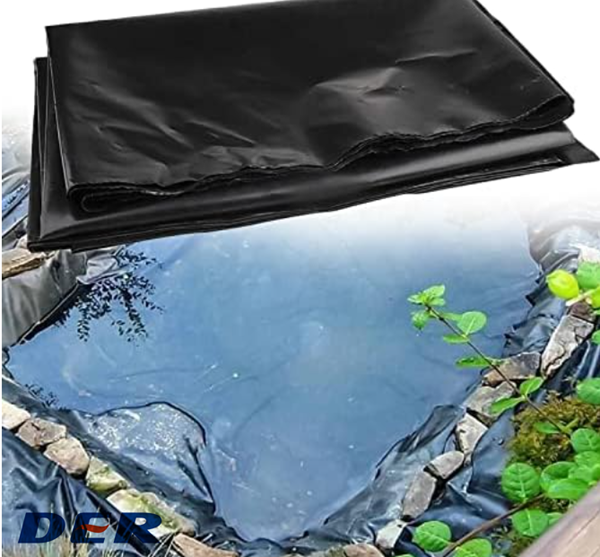
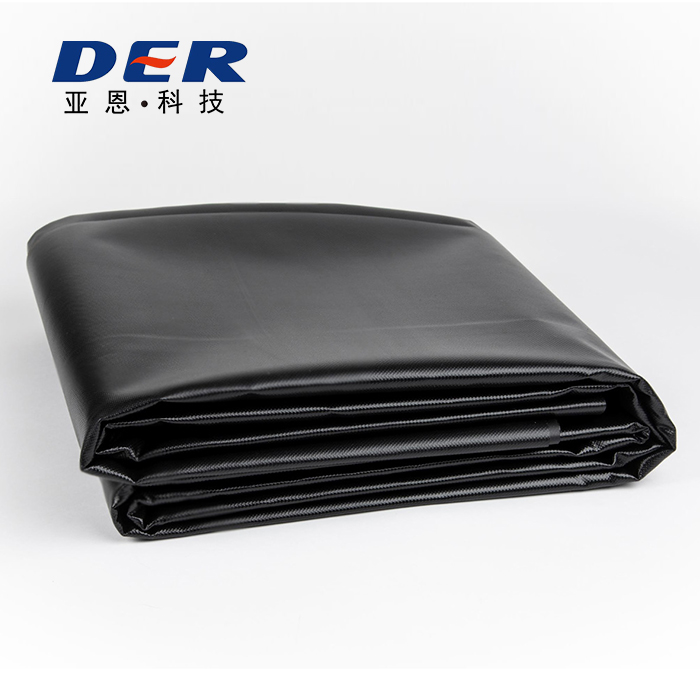
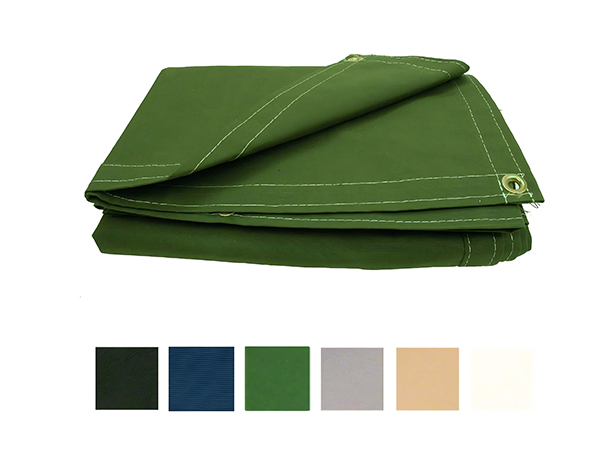
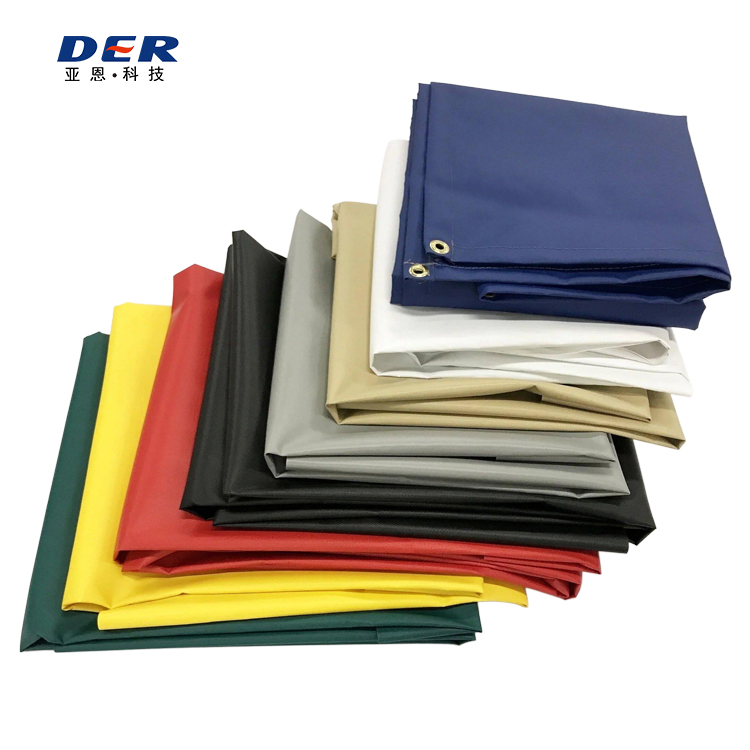
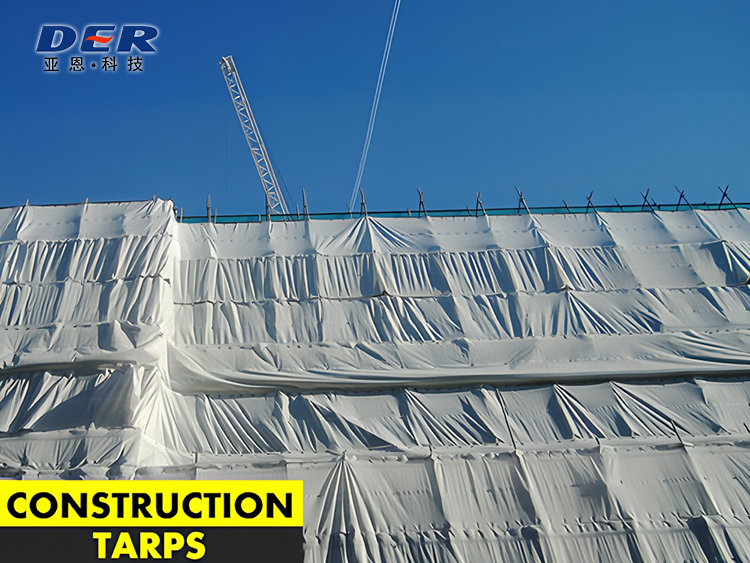
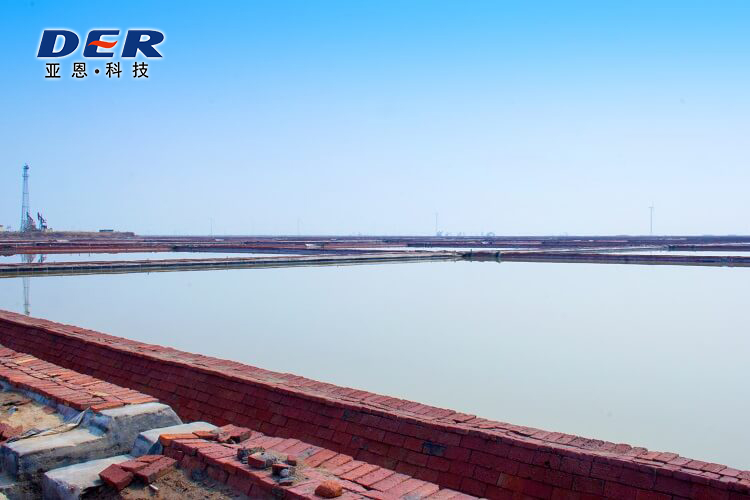
These are actual DER factory website images selected to illustrate reinforced PVC material, coated surfaces and heavy waterproof applications. The photographs do not claim a specific 500gsm, 650gsm or 900gsm grade unless the order specification confirms it.

Related Questions

Tarpaulin GSM Questions Buyers Ask

Short, direct answers to common tarp GSM questions can help purchasing teams narrow the specification before sample approval.

What does GSM mean for a tarpaulin?

GSM means grams per square meter. It measures material mass per unit area. It is useful for comparing fabric weight and estimating finished handling weight, but it does not by itself define thickness, tensile strength, tear strength, waterproofing or UV life.

Is 500gsm tarp heavy duty?

A 500gsm PVC tarp can be a practical medium-duty to heavier general-purpose construction depending on the base fabric, coating, reinforcement and application. It is often considered when a buyer wants reusable PVC protection while keeping finished weight manageable.

What is a 650gsm tarp used for?

A 650gsm tarp is commonly considered for repeated outdoor covers, transport protection, construction covers, industrial curtains, equipment protection and OEM fabricated tarps. Its appeal is usually the balance between material mass, durability and workability.

When should I consider a 900gsm tarp?

Consider 900gsm when the application justifies a heavier coated construction—for example higher abrasion exposure, repeated tension, demanding industrial fabrication or selected containment uses. Verify total handling weight, required strength values and reinforcement before specifying it.

Is higher GSM always better for a tarp?

No. Higher GSM normally increases material mass and may support a heavier construction, but it does not automatically fix weak seams, poor coating adhesion, insufficient UV stabilization, inadequate reinforcement or overloaded attachment points.

Is GSM the same as mil thickness?

No. GSM measures mass per square meter, while mil and millimeter values measure physical thickness. Two tarpaulins can have similar GSM but different thickness, density, yarn construction and coating distribution.

How do I calculate tarp weight from GSM?

Multiply area in square meters by GSM and divide by 1,000. A 4 × 6 m tarp is 24 m², so the base material is about 12 kg at 500gsm, 15.6 kg at 650gsm and 21.6 kg at 900gsm before finishing and hardware.

What information should I send for a tarpaulin GSM quote?

Send the application, material family, target GSM or reference sample, roll or finished dimensions, quantity, color, reinforcement, grommet or D-ring details, UV or flame-retardant requirement, printing, packaging, required testing and destination.

Build a Comparable RFQ

Do Not Send Only “I Need a 650gsm Tarp.”

For a more accurate DER factory quotation, describe the job the tarpaulin must survive. We can review the requested GSM together with material construction, dimensions, reinforcement and fabrication requirements before bulk production.

Include these RFQ fields

  • Application
  • Target GSM
  • Material type
  • Roll or finished size
  • Quantity
  • Color / finish
  • UV / cold / FR need
  • Seam method
  • Hem / webbing
  • Grommets / D-rings
  • Logo / labeling
  • Required testing
  • Packaging
  • Destination

Contact Us (You are welcome to consult at any time!)

Zhangbaling Plastic Polymer Industrial Park, Zhangbaling Town, Mingguang City, Chuzhou, Anhui Provin

info@der-factory.com

+86 15601786499 (steven)

Product recommendation

#
#
#
vinyl tarps
  • 2026-09-13
#
Waterproof Tarps
  • 2026-08-27
#
#
#
#
Vinyl Coated Tarps
  • 2026-05-24
#
#
Cargo Dust Cover
  • 2026-05-19

Application Fields Of Our Products

Our products are widely used in our residential and industrial area, which can be used for producing tents, outdoor covering, flexible ventilation tube, water bladders, inflatable castles, architecture membrane structures, etc. Our main products: PVC coated fabrics, PU/TPU coated fabrics, Oxford fabric, PVC ceiling film, flexible banner material. Welcome to our site and order online.