Heavy Duty Tarps Manufacturer | Industri..
- 2026-09-13

Choose tarp thickness by application—not by mil alone. Compare mil, millimeters, GSM, base fabric, coating, reinforcement and handling conditions before you specify a PVC tarpaulin or finished tarp.
Useful for comparing sheet and tarp thickness. 1 mil = 0.001 inch.
Common in technical specifications. Convert mil × 0.0254 to get mm.
Grams per square meter describes mass, not thickness. It cannot be universally converted to mil.
Base fabric, coating or lamination, yarn, reinforcement and finishing determine how the tarp behaves.
| Mil | Approx. mm | Duty Direction | Typical Use | Buyer Check |
|---|---|---|---|---|
| 3–6 mil | 0.08–0.15 mm | Very light / temporary | Dust control, painting, short indoor protection | Low stress, short duration, minimal abrasion |
| 6–8 mil | 0.15–0.20 mm | Light duty | Temporary covers, seasonal household or light outdoor use | UV duration, grommet strength, wind exposure |
| 9–12 mil | 0.23–0.30 mm | General outdoor | Equipment storage, temporary shelter, moderate weather cover | Seams, water pooling, tear strength, fastening |
| 14–16 mil | 0.36–0.41 mm | Heavy duty | Construction materials, repeat-use machinery covers, commercial storage | Abrasion zones, edge reinforcement, fabric strength |
| 18–22 mil | 0.46–0.56 mm | Heavy industrial direction | Vinyl tarps, truck/trailer covers, frequent handling | GSM, yarn structure, weld quality, cold flexibility |
| 22+ mil | 0.56 mm+ | Special heavy / long-term | Large OEM covers, high-abrasion environments, specialty tarp systems | Handling weight, foldability, hardware loads, lifecycle cost |
Exact conversion: 1 mil = 0.0254 mm. Duty descriptions are practical selection directions, not a universal industry grading standard.
For a closer look at coated-fabric construction, see DER factory's PVC coated polyester fabric page. Buyers comparing a finished vinyl tarp can also review the vinyl tarps / PVC tarpaulin range.
A thicker sheet will not compensate for poor tensioning. Large covers need suitable attachment spacing, reinforced edges and a fastening plan that limits flutter.
Machinery corners, cargo edges and rough surfaces create localized wear. Specify abrasion resistance and reinforcement at contact points, not just more mils everywhere.
High tie-down load concentrates stress at hems and hardware. Webbing, patches, D-rings or suitable grommet spacing may matter more than adding a small amount of thickness.
Waterproof performance depends on both the sheet and the fabrication. Heat-welded or otherwise sealed seams must be compatible with the material and application.
Long outdoor exposure is a formulation and material-selection issue. Ask for the required UV performance instead of assuming a thick tarp will automatically last outdoors.
Truck, equipment and reusable covers need flexibility as well as strength. Over-specifying thickness can create unnecessary weight and harder handling.
| Application | Starting Thickness Direction | Why | What Matters Beyond Mil |
|---|---|---|---|
| Painting / dust protection | 3–6 mil | Short duration and low mechanical stress favor easy handling. | Puncture risk, slip risk, disposal or reuse plan |
| Seasonal outdoor cover | 6–10 mil | Balances portability with moderate weather protection. | UV exposure, grommets, water shedding |
| Outdoor equipment storage | 10–16 mil | Repeated exposure and handling require stronger construction. | Condensation, abrasion, reinforced stress points |
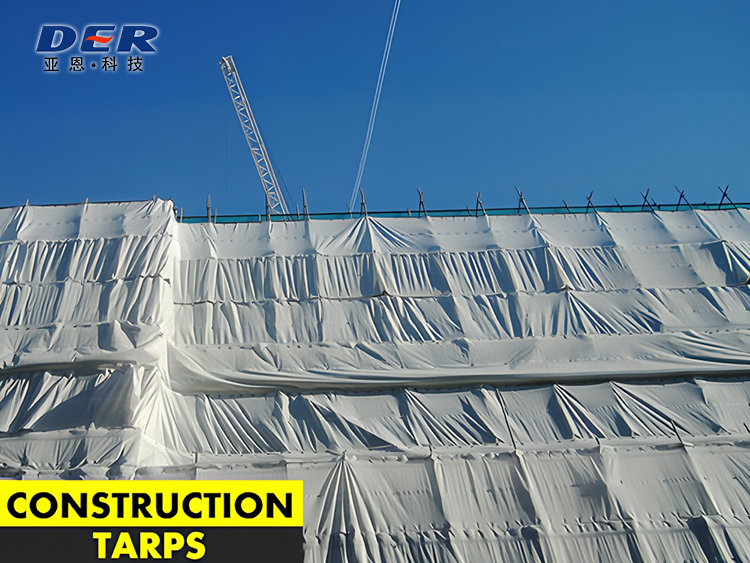
| Construction cover | 12–20 mil | Jobsite use may include rough surfaces, wind and repeated repositioning. | Base fabric, hems, corners, anchoring |
| Truck / trailer tarp | 18–22+ mil direction | Road wind, cargo friction and frequent folding create severe service conditions. | GSM, yarn, welds, webbing, D-rings and hardware layout |
| Long-term industrial cover | 20+ mil or engineered coated textile | Replacement cost and exposure justify a purpose-built construction. | UV package, abrasion, access, maintenance and lifecycle cost |
For construction-specific cover requirements, review construction tarps. For machinery protection, see construction equipment covers.
Polyethylene tarps and PVC/vinyl tarps use different material systems. A PE tarp is typically a woven poly substrate with laminated surfaces, while a PVC coated polyester tarpaulin uses a textile base with PVC coating or lamination. Even at the same nominal mil thickness, the products can differ in tear behavior, abrasion resistance, welding, flexibility, weight and long-term handling.
For B2B sourcing, compare like-for-like: material family, base fabric, coating structure, thickness, GSM, tensile and tear targets, surface finish, UV requirements, seam method and reinforcement. Agricultural buyers may also want to compare these variables against the use-specific options shown on DER factory's agriculture tarps cover page.
PVC coated or laminated constructions, target thickness, GSM and base fabric can be discussed according to application requirements.
Custom dimensions, cut panels, welded seams, reinforced hems and application-specific fabrication can be reviewed before production.
Grommets, webbing, D-rings, corner reinforcement, straps or other attachment details can be specified to match tie-down loads.
Color and surface requirements can be discussed depending on the product construction and project needs.
State any required outdoor, flame-retardant or test criteria during quotation so the technical team can confirm feasibility before production.
Converters may source material in roll form, while end users may require fabricated covers. Packaging and shipment format can be reviewed with the RFQ.
For storage and logistics covers where repeat use matters, see the pallet protective cover application.
/en/up/pic/ filenames, this HTML uses only the verified DER factory logo as a direct image URL. The two verified DER factory image-source pages below are the recommended product-image sources for final CMS insertion.Open verified DER factory source page
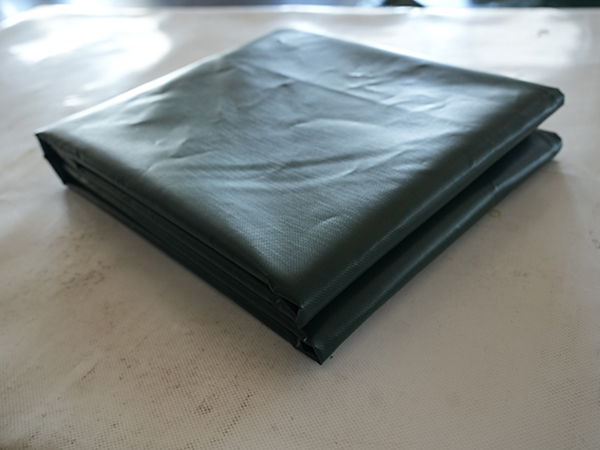
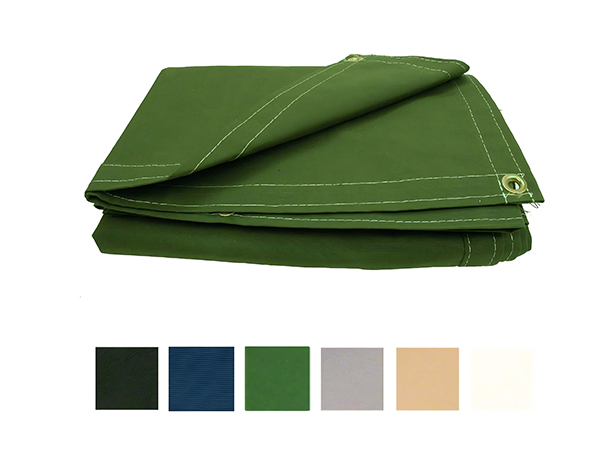
Recommended use: coated material close-up or tarp surface image; alt direction: “PVC tarpaulin material showing coated flexible surface.”
Open verified DER factory source page
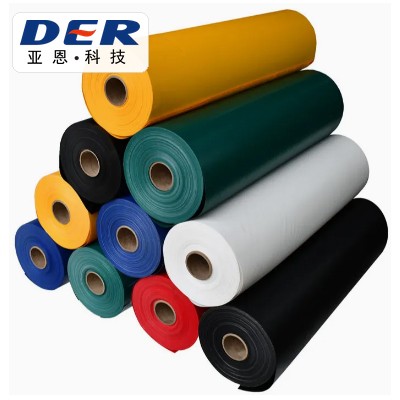
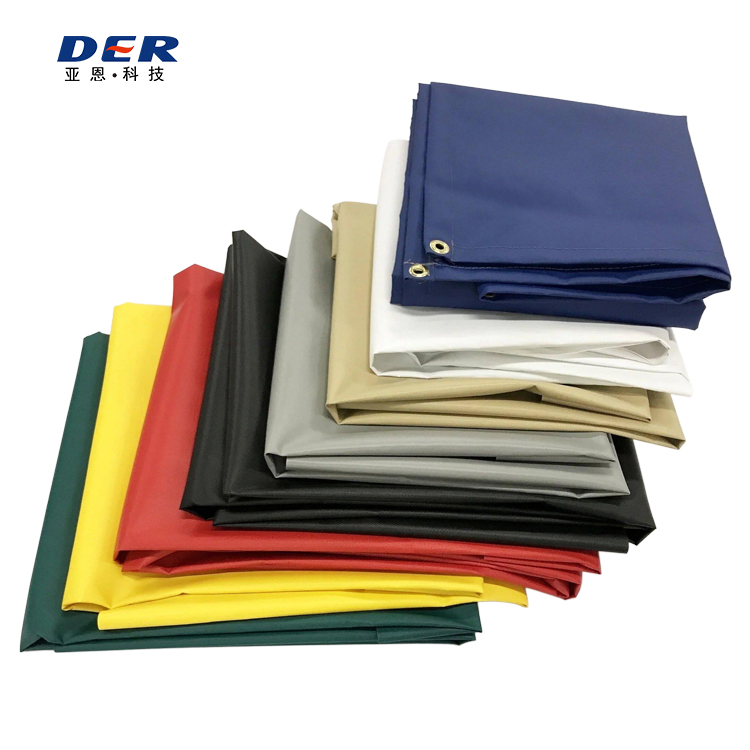
Recommended use: PVC coated fabric roll or structure image; alt direction: “PVC coated fabric roll for tarpaulin thickness and material selection.”
Send DER factory your application, dimensions, material preference, target mil/mm or GSM if known, weather and abrasion conditions, reinforcement layout, hardware needs, quantity and required testing. The team can review a practical material and fabrication direction before quotation.
Request a QuoteMil is a unit of physical thickness. One mil equals 0.001 inch, or 0.0254 mm. A 10 mil tarp is about 0.010 inch or 0.254 mm thick.
It can be suitable for general or seasonal outdoor protection when abrasion, strong wind and repeated handling are moderate. For construction, transport or long-term commercial exposure, evaluate a heavier construction and stronger reinforcement.
Some sellers describe 12 mil as medium or entry heavy duty, but the label varies. For professional sourcing, compare material family, weave or base fabric, GSM, UV treatment, hems and hardware before relying on the “heavy duty” description.
20 mil is a useful starting point for many heavier vinyl and industrial tarp applications. It may suit repeated outdoor use, equipment protection or transport covers, but the final decision should still account for GSM, base fabric, coating, flexibility and reinforcement.
No. Mil is thickness; GSM is mass per square meter. Because material density and construction differ, there is no single universal conversion between them.
No. Extra thickness can add cost, weight and stiffness without solving the main failure risk. The better specification matches thickness, material, UV exposure, abrasion, seams, reinforcement and fastening to the application.
Heavy vinyl and PVC tarp programs are often discussed around the 18–22+ mil direction, but professional truck-cover specifications normally include GSM, yarn structure, coating, welding, webbing, D-rings or grommets and service conditions as well.
Custom material and finished-cover requirements can be reviewed according to the project. Send your target thickness or GSM, application, dimensions, quantity, reinforcement and required performance so feasibility can be confirmed before production.
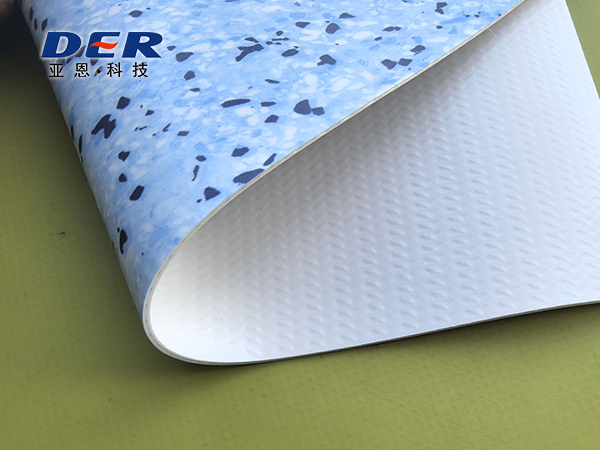
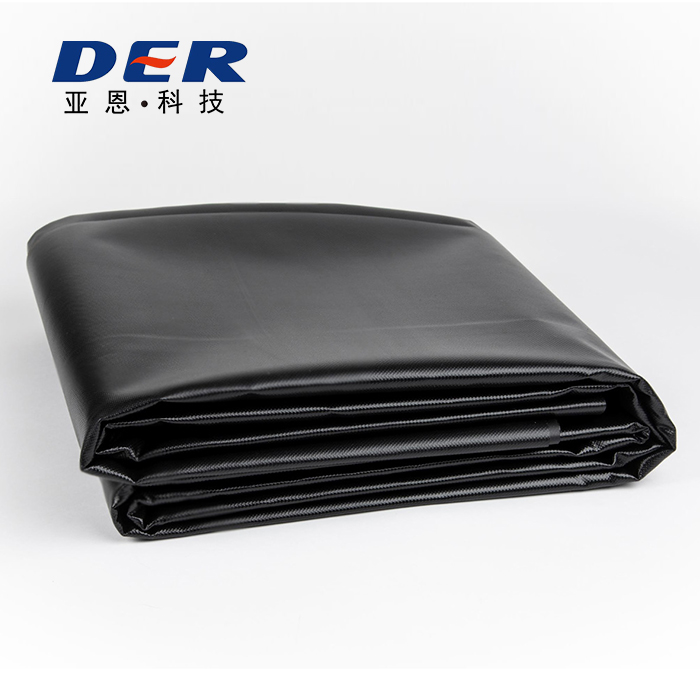
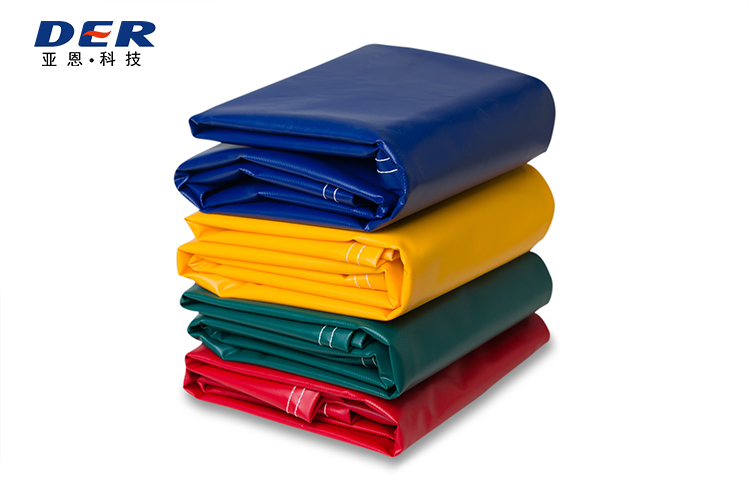
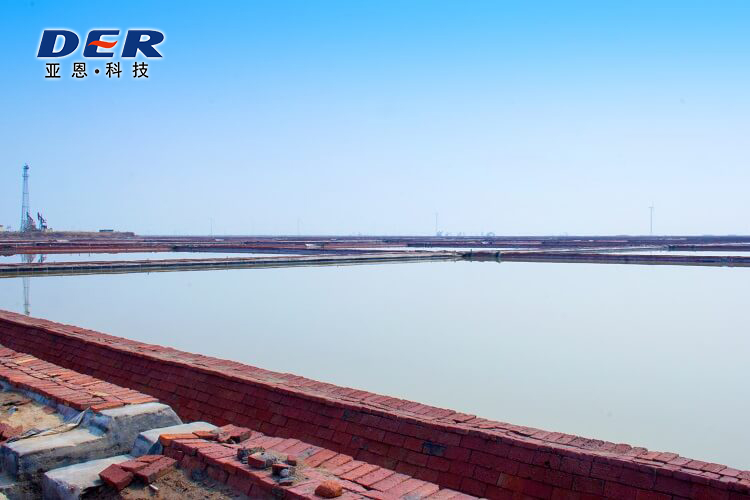
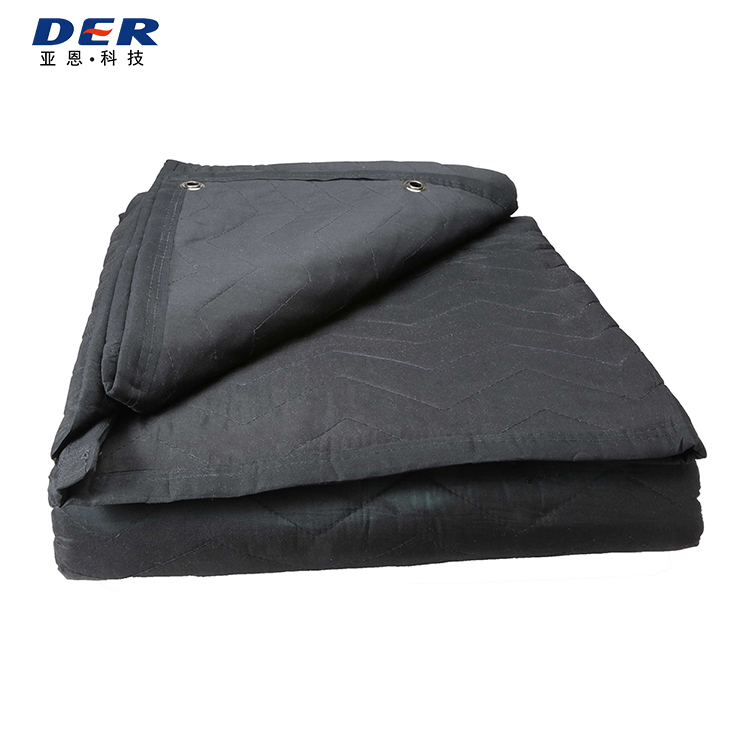
Our products are widely used in our residential and industrial area, which can be used for producing tents, outdoor covering, flexible ventilation tube, water bladders, inflatable castles, architecture membrane structures, etc. Our main products: PVC coated fabrics, PU/TPU coated fabrics, Oxford fabric, PVC ceiling film, flexible banner material. Welcome to our site and order online.