Define the Buyer Model
A distributor needs SKU consistency and packing discipline. A fabricator may prefer roll goods. A contractor may need finished project covers. The sourcing model changes the correct product format.

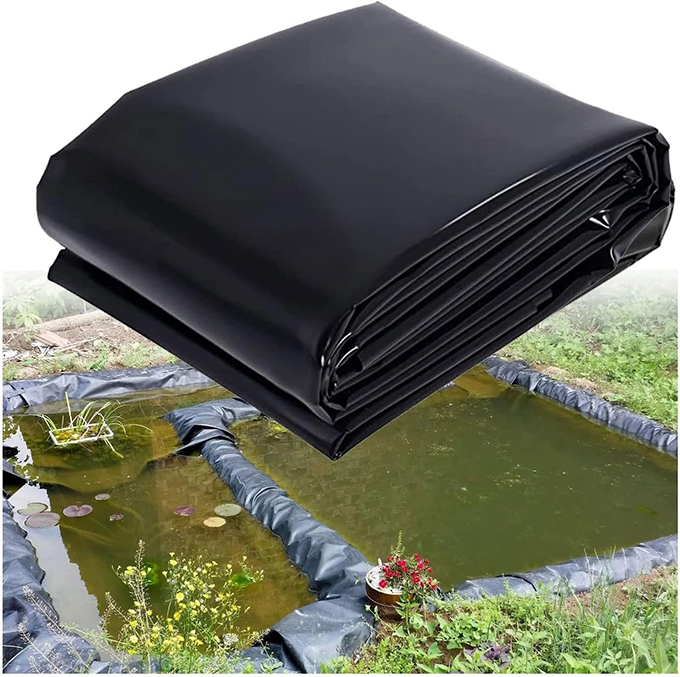
DER factory supports distributors, importers, contractors, fabricators and industrial buyers sourcing wholesale tarps, tarp materials and project-specific covers. Instead of choosing by size and price alone, buyers can define the material, duty level, fabrication, reinforcement, hardware, branding and packing around the actual sales channel or application.
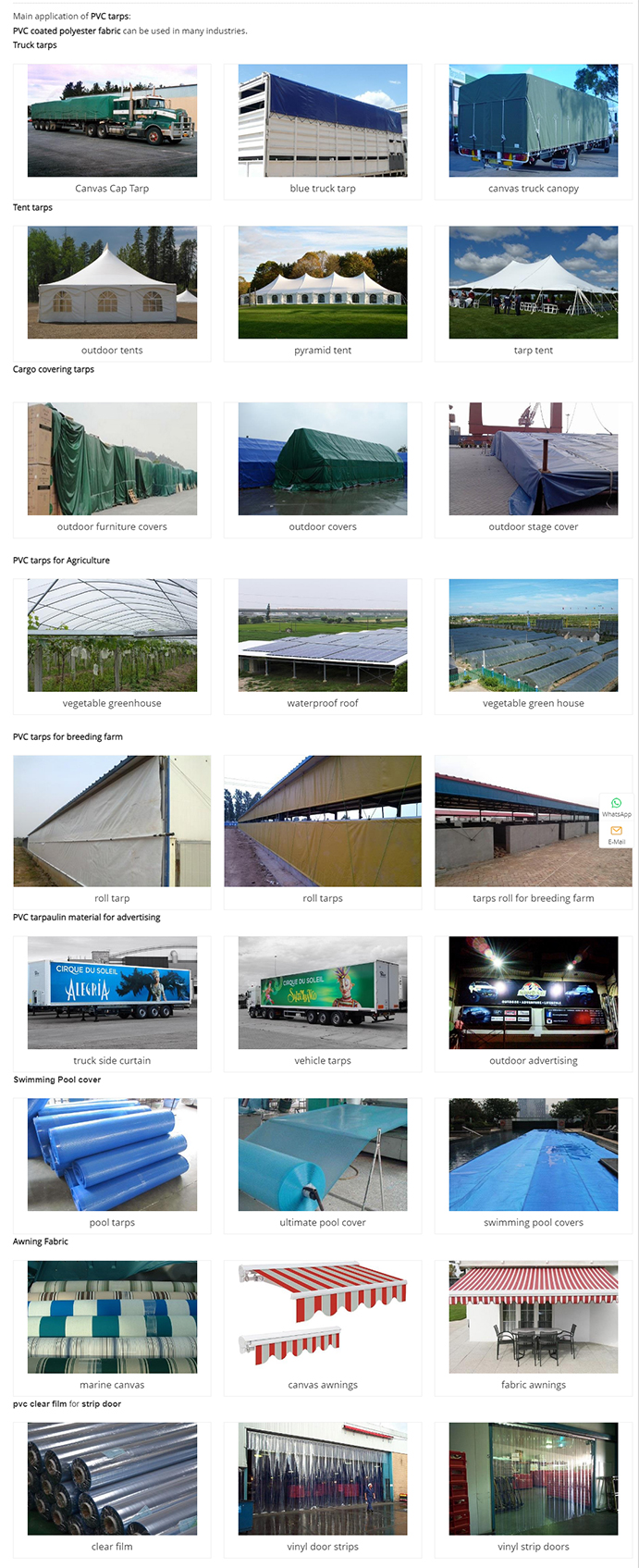
A professional tarps supplier should provide more than stock covers: it should help a commercial buyer match tarp material, finished size, duty level, reinforcement, fabrication and packaging to the end use and purchasing model. For wholesale tarps, repeatability matters because the same SKU or project specification may need to be reordered. DER factory can review supply as coated tarp rolls, cut material or finished tarpaulin products, with custom details confirmed during quotation. Buyers comparing PVC options can also review DER factory's vinyl tarps and PVC tarpaulin page for a product-level material overview.
Two suppliers may quote the same nominal size yet be offering different products. A useful comparison controls the material, construction, finishing and packing basis before price is compared.
A distributor needs SKU consistency and packing discipline. A fabricator may prefer roll goods. A contractor may need finished project covers. The sourcing model changes the correct product format.
Compare the same material family and construction. PVC-coated polyester, laminated structures, PE woven covers and mesh products solve different problems and should not be compared only by GSM or headline price.
Roll fabric, cut sheets and finished tarps have different cost structures. Welding, sewing, hems, webbing, grommets, D-rings, printing and packaging must be included consistently.
For wholesale programs, the approved color, finished size, hardware layout, label, carton and reference sample can be as important as the first order. Record these details before scaling.
The right tarps supplier should not force every buyer into the same finished product. The most efficient format depends on who will perform conversion, how many SKUs are required and how the goods will be sold or installed.
Roll goods let local fabricators cut, weld or sew the material into their own tarp systems. This format can reduce unnecessary finished-product conversion when the buyer already has production capability.
For the underlying material platform, see PVC coated polyester fabric.
Finished tarps combine material with the conversion scope needed for immediate use or resale, such as hems, reinforced corners, hardware and selected seam construction.
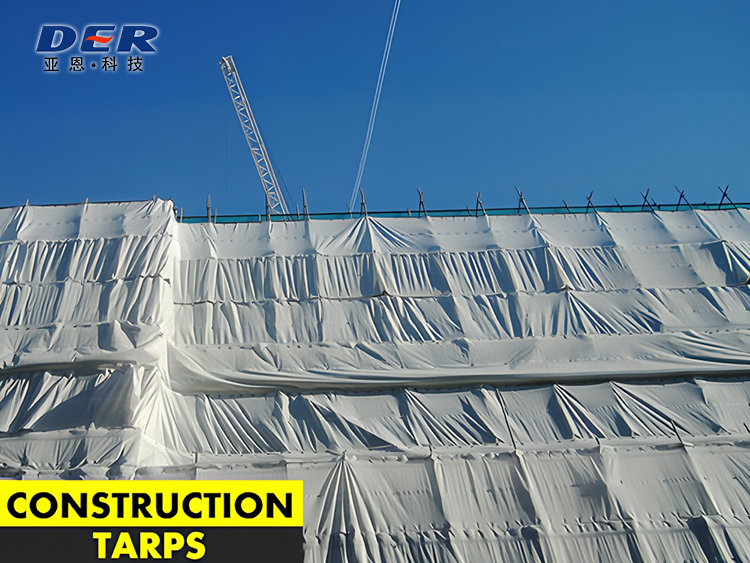
Construction buyers can compare the use case with DER factory construction tarps.
OEM programs add repeatable commercial details around the tarp itself. The product should be defined as a stable SKU, not as a one-time verbal description.
For storage protection, DER factory's pallet protective cover page shows how a finished cover scope differs from generic sheet material.
A broad supplier page should help buyers move from the end use to the right product family. The purpose is not to treat every tarp as interchangeable.
Often selected for reusable waterproof covers where coated textile strength, weldability, cleanability and custom reinforcement are important.
IndustrialWaterproofFabrication-readyUsed for material protection, equipment covers, temporary enclosure and project weather protection. Wind exposure, fastening load and fire requirements should be defined before selection.
Site protectionReinforcementUsed for hay, feed, equipment and farm storage. UV exposure, seasonal handling, water shedding and the covered product's ventilation needs influence material choice.
Farm supplyOutdoor exposureProtective covers for machinery and construction equipment often require shape, access points, fastening zones and abrasion control beyond a simple rectangular tarp.
MachineryMade to fitReinforced coated fabrics can also be fabricated for liners and containment applications where seam planning, support conditions and liquid-contact requirements must be reviewed separately.
LinerWelded panelsSpecial dimensions, edges, webbing, D-rings, pockets, openings and labels can be reviewed from drawings, reference samples or application details before production.
CustomOEMUse a controlled specification sheet so multiple tarp suppliers are quoting the same product. Numeric values should be confirmed for the actual material rather than assumed from a generic tarp category.
| Specification field | What to define | Why it matters |
|---|---|---|
| Material | PVC-coated polyester, PVC-laminated fabric, PE woven tarpaulin, mesh or project-reviewed structure | Material family changes weight, flexibility, durability, welding and cost behavior. |
| Duty level | Light, medium, heavy or application-specific; confirm actual weight/thickness on quotation | “Heavy duty” is not a universal technical grade. |
| Base fabric | Yarn / weave construction and strength requirement, where relevant | The textile reinforcement contributes to tensile and tear behavior. |
| Surface / treatment | Gloss, matte, lacquer, UV, FR, anti-mildew or other requested treatment | Surface and formulation affect weathering, cleaning, appearance and compliance scope. |
| Dimensions | Roll width/length or exact finished dimensions and allowable tolerance | Finished-size and roll-goods orders have different conversion and packing requirements. |
| Reinforcement | Hems, webbing, patches, corners and stress zones | Tarp failure often starts where tension is transferred into the edge or hardware. |
| Hardware | Grommets / eyelets, D-rings, rope, straps, hook-and-loop or other attachments | Hardware layout must match how the tarp will actually be fixed and tensioned. |
| Seams | Heat welding, HF welding, hot-air welding, sewing or project-reviewed method | Material compatibility and waterproofing expectations determine the appropriate seam route. |
| Branding | Logo, safety marks, labels, product code and packaging identification | Wholesale and private-label programs need repeatable SKU identification. |
| Testing | Required standard or buyer test plan; confirm before production | Do not assume a generic certificate applies to every material construction or finished product. |
| Packing | Roll, fold, bale, carton, pallet or project-specific packing | Packing affects warehouse handling, container utilization, resale presentation and damage risk. |
Wholesale buyers often purchase one category for several industries. Build the product matrix around different stress conditions instead of assuming one construction fits all markets.
| Application | Specification direction | What to prioritize |
|---|---|---|
| Truck / transport covers | Reusable coated tarp with application-matched reinforcement and fastening layout | Wind flapping, abrasion, edge loads, seam strength, tie-down geometry |
| Construction & temporary protection | Weather-resistant cover selected for project duration and site safety requirements | Water shedding, UV, wind load, attachment spacing, FR requirement where applicable |
| Agriculture & farm storage | Outdoor tarp selected for seasonal exposure, handling and covered material | UV, water management, handling weight, abrasion, storage method |
| Machinery / equipment | Finished cover or shaped tarp with controlled stress zones | Fit, sharp-edge protection, access openings, straps, rubbing points |
| Warehouse / pallet cover | Reusable hood or cover designed for handling frequency and storage environment | Fit, cleanliness, repeated folding, identification, fastening |
| Distributor retail program | Repeatable SKU matrix with defined construction and packaging | Color consistency, size tolerance, labeling, carton/bundle plan, reorder documentation |
For farm-focused selection, see DER factory agriculture tarps cover. For shaped machinery protection, compare the details on the construction equipment cover page.
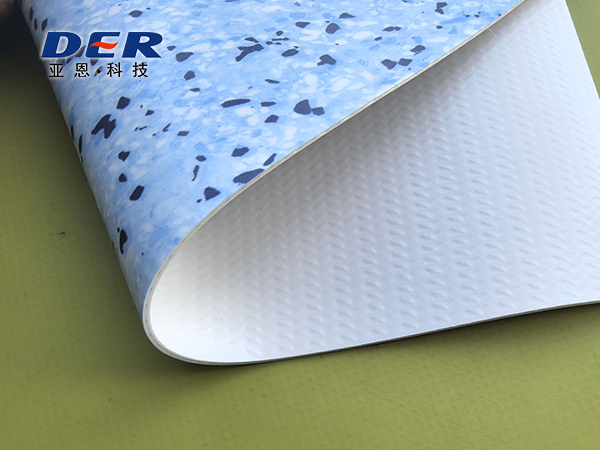
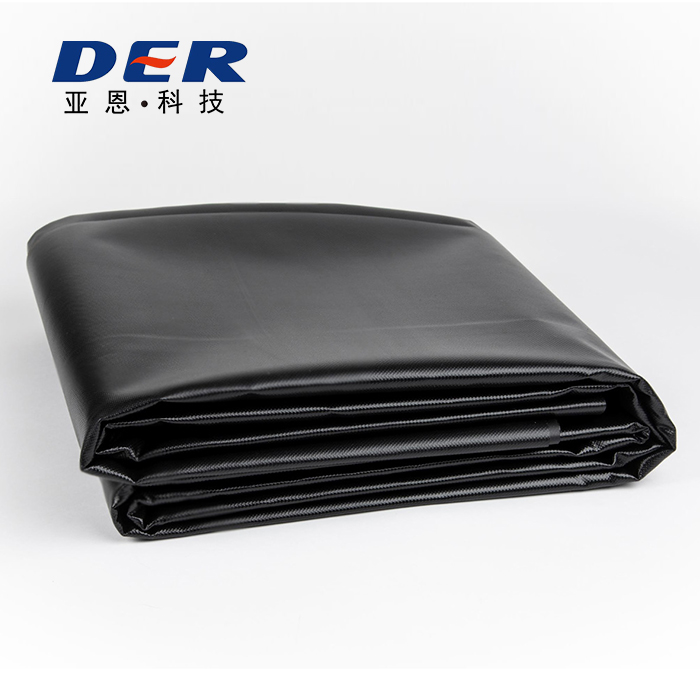
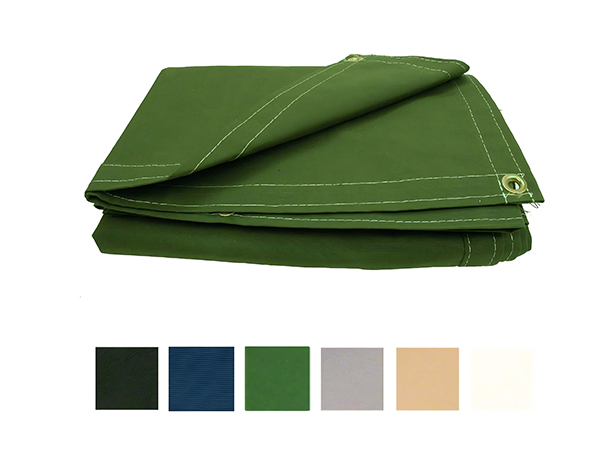
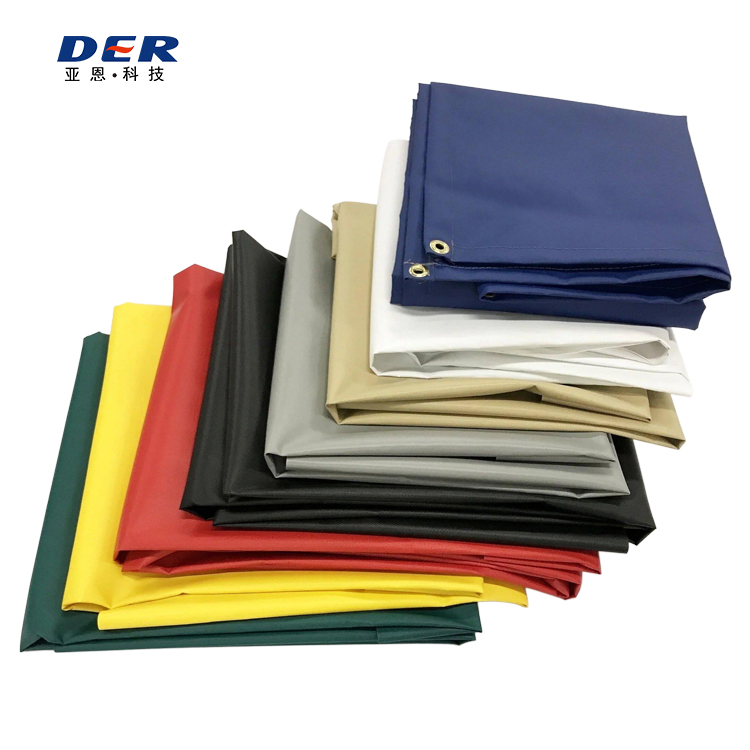
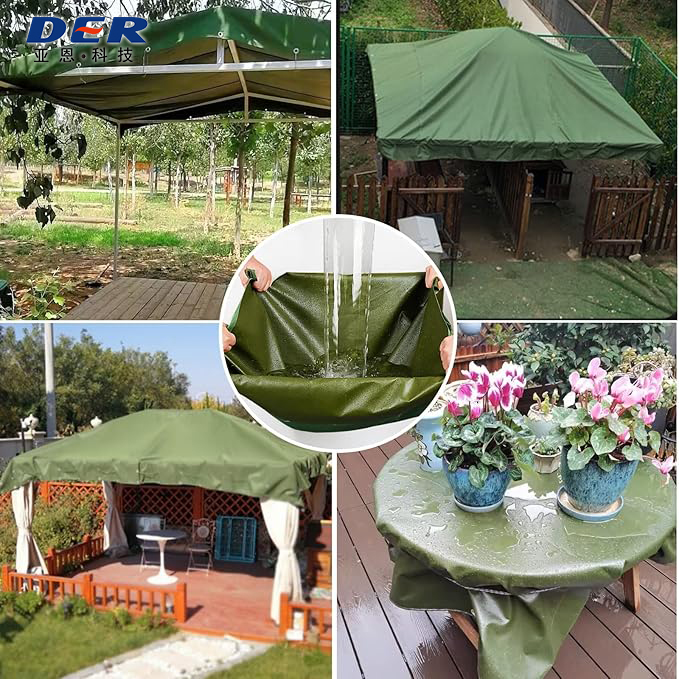
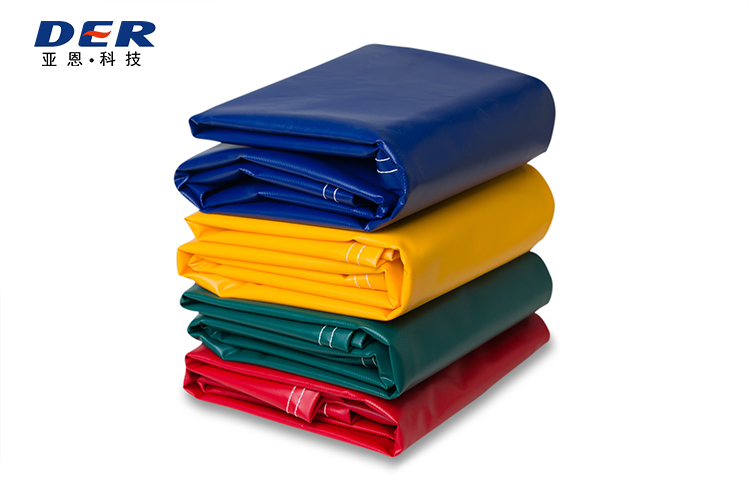
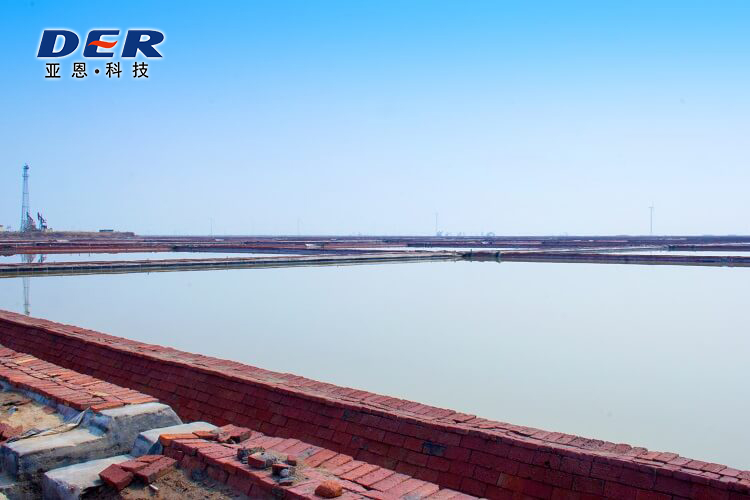
These DER factory images illustrate why buyers should specify both material structure and final use. A surface photo alone cannot confirm strength, coating, seam method or reinforcement.
Transport, shelter, agriculture and industrial coverage place different stress on the same basic tarp concept. Wholesale programs should separate grades where the end-use requirement changes.

Textile reinforcement, coating and surface finish should be confirmed as part of the material specification.
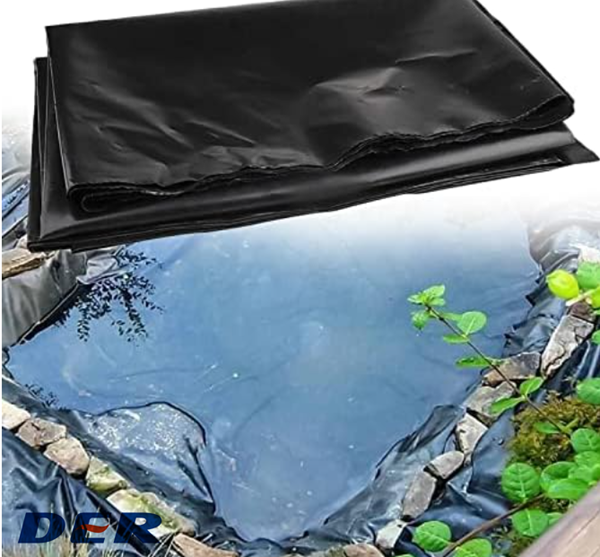
Large panels highlight the importance of roll width, joining method, handling and installation planning.
Useful QC is not a generic “passed” statement. Inspection points should reflect what the buyer actually ordered and what can affect repeat use or resale.
Confirm the approved material reference, color, construction and order-specific documentation before conversion.
Check visible coating consistency, surface condition and obvious defects against the agreed appearance criteria.
Verify roll dimensions or finished tarp dimensions according to the approved tolerance and measurement method.
Review weld or sewn construction, seam continuity and the correct conversion method for the selected material.
Inspect hems, webbing, corner patches, grommets and D-rings for position, quantity and attachment quality.
Check product code, label, quantity, bundle/carton method and order-specific marks before shipment.
State the required test method, acceptance criteria and documentation during quotation so the scope can be reviewed before production.
The fastest way to reduce quotation ambiguity is to convert the buying request into a controlled specification before bulk production.
Choose a stock seller when the priority is a small quantity of standard-size tarps available quickly. Choose a manufacturing-oriented tarps supplier when the order depends on custom materials, repeatable specifications, OEM packaging, finished fabrication or larger B2B procurement.
Neither model is universally better; the right choice depends on whether the buyer needs convenience or control. For serious wholesale programs, control over the specification usually matters more than a broad catalog alone.
Send enough information to remove assumptions. If a field is unknown, explain the application and let the supplier recommend a direction instead of guessing a number.
Send the application, photos or drawings, approximate size, expected quantity and service conditions. DER factory can review what information still needs to be defined.
Concise answers to the sourcing questions that usually appear before a buyer compares materials, suppliers and quotations.
A professional tarp supplier can provide roll goods, finished tarps or custom OEM programs while helping buyers define material, dimensions, reinforcement, hardware, packing and repeat-order specifications. The required scope depends on whether the buyer is a distributor, fabricator, contractor or industrial end user.
Retail tarps are usually selected by stock size and immediate availability. Wholesale tarps are normally purchased for resale, fabrication, projects or repeat industrial use, so specification consistency, packaging, customization and repeat supply become more important.
Yes, customization can be reviewed for material construction, weight, color, finished dimensions, hems, webbing, grommets, D-rings, seams, logo and packaging. Feasibility depends on the tarp type, fabrication route and order requirements.
DER factory can review both roll-material and finished-tarp supply requirements. Roll goods are appropriate for buyers doing local conversion; finished tarps are appropriate when cutting, seams, reinforcement and hardware need to be supplied as part of the order.
Material structure, fabric weight or thickness, coating, dimensions, conversion work, reinforcement, hardware, printing, packing, quantity, testing requirements and commercial terms can all affect price. A meaningful comparison should use the same specification basis.
No. Extra weight may improve some durability factors but also increases handling mass and cost. The better specification matches tensile and tear needs, abrasion, wind exposure, fastening load, flexibility, folding frequency and expected service conditions.
MOQ and lead time depend on the selected material, color, size range, finishing complexity, packaging, quantity and required testing. Confirm them against the final approved specification during quotation rather than assuming one fixed number for every tarp.
Send the application, material preference, finished size or roll dimensions, quantity, color, exposure conditions, reinforcement and hardware details, printing or private-label requirements, packing, testing needs and destination.
Send your application, material direction, sizes, quantity, reinforcement, hardware, branding, packing and special performance requirements. DER factory can review the scope as roll goods, finished tarps or a repeat OEM program and confirm the details that need to be fixed before production.
Request A Quote
Our products are widely used in our residential and industrial area, which can be used for producing tents, outdoor covering, flexible ventilation tube, water bladders, inflatable castles, architecture membrane structures, etc. Our main products: PVC coated fabrics, PU/TPU coated fabrics, Oxford fabric, PVC ceiling film, flexible banner material. Welcome to our site and order online.