Exposure Profile
Start with hours in sunlight, seasonality, climate, heat, humidity, altitude and whether the cover remains outdoors continuously or only during use.

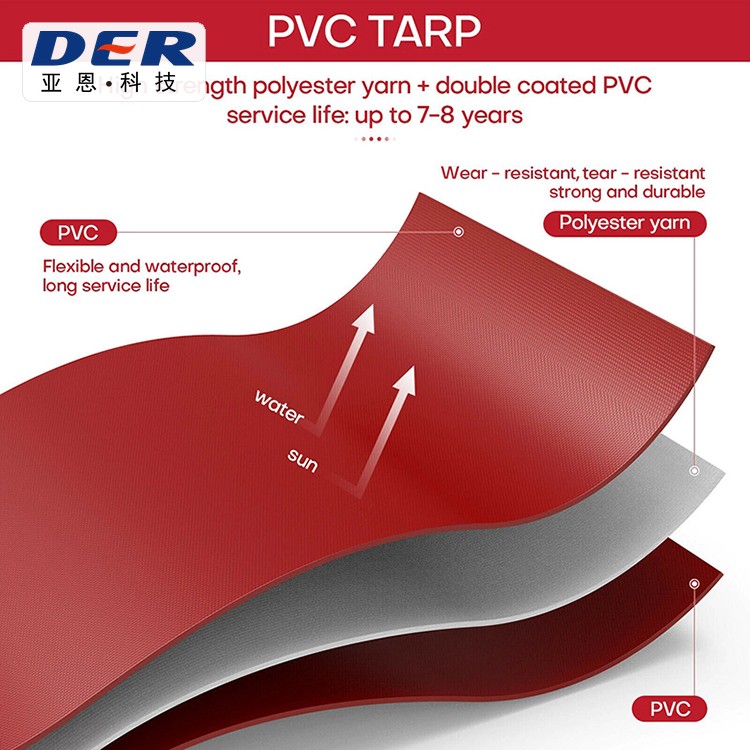
DER factory supplies UV resistant tarp and UV resistant tarpaulin solutions for buyers who need outdoor covers engineered around sunlight exposure, rain, wind, handling and fastening stress. The specification can be reviewed from material structure through reinforcement, seams, fittings, color and OEM packing instead of treating “UV resistant” as a single marketing label.

A UV resistant tarp is an outdoor protective cover made from UV-stabilized polymer or coated fabric that is designed to slow sunlight-driven fading, surface embrittlement, cracking and loss of useful mechanical properties. For reusable industrial covers, PVC-coated polyester is commonly selected because the reinforced textile can provide a strong base while the PVC surface provides weather protection and supports welded fabrication. UV resistance does not make a tarp “sun-proof forever,” and it does not automatically define waterproofing, UV blocking or service life. Buyers should specify the exposure profile, material, finished size, reinforcement, fastening, required test method and acceptance criteria when those requirements are critical.
A heavier tarp can be useful for mechanical durability, but sunlight resistance depends on more than mass. A practical outdoor specification should connect the polymer formulation, coated textile, surface, color and finished fabrication to the expected exposure.
Start with hours in sunlight, seasonality, climate, heat, humidity, altitude and whether the cover remains outdoors continuously or only during use.
The woven substrate carries tension and helps resist tearing. Yarn, density and fabric construction should be matched to wind, tie-down and handling loads.
The polymer and UV-stabilization package influence how the surface responds to long exposure, heat cycling and weathering.
Lacquer, texture, color and cleanliness can affect appearance, heat absorption, maintenance and the way aging becomes visible.
Hems, seams, grommets, webbing, D-rings and installation control load concentration. A strong UV-resistant fabric can still fail early if it flaps or is over-tensioned.
These are related but not interchangeable. If the covered product is UV-sensitive, specify shielding or opacity separately instead of assuming every UV-resistant tarp blocks the same amount of radiation.
PVC-coated polyester combines a reinforcing textile with a continuous polymer surface, so the outdoor-performance package can be designed together with waterproofing, weldability, color, surface finish and mechanical strength. That makes it a practical direction for reusable industrial tarps, truck and construction covers, equipment protection and fabricated outdoor panels.
The polyester substrate supports tension and tear resistance while the coating protects the textile and provides the functional surface.
Suitable PVC-coated constructions can be fabricated into larger panels using welding methods, reducing dependence on only stitched seams for waterproof areas.
UV stabilization can be specified alongside color, finish, anti-mildew direction, flame-retardant requirements or other project-defined performance needs.
For the broader product category, review DER factory vinyl tarps and PVC tarpaulin. For the underlying coated textile, see PVC coated polyester fabric.
The right specification starts with exposure and load, then works backward to material, thickness or weight, reinforcement and fabrication. Avoid treating one GSM value or one “anti-UV” label as proof of a particular service life.
| Product Direction | UV resistant tarp / UV resistant tarpaulin for outdoor protective cover use. |
|---|---|
| Material | PVC-coated polyester, PVC-laminated textile or another project-reviewed construction depending on use, budget and fabrication. |
| Weight / Thickness | Project dependent. Select for mechanical duty, handling, flexibility and fabrication — not as a stand-alone UV rating. |
| Width / Roll Length | Confirm against panel layout, seam count, converter equipment, finished dimensions and export packing requirements. |
| UV Requirement | Define intermittent, seasonal or continuous outdoor exposure. If compliance or qualification matters, state the required weathering method and acceptance criteria before production. |
| Waterproofing | Material and seam construction should be selected together. Welded seams may be preferred for areas where a continuous water barrier is required. |
| Color / Opacity | Project color or brand color can be reviewed. If contents need light or UV shielding, specify opacity or transmission requirements separately. |
| Surface Finish | Gloss, matte, lacquered, textured or other project-specific finishes can be discussed according to cleaning, appearance and outdoor use. |
| Reinforcement | Reinforced hems, webbing, corner patches, stress-zone reinforcement and rope pockets can be reviewed based on the load path. |
| Hardware | Eyelets / grommets, D-rings, straps, ropes or other fittings should be specified by spacing, location and expected tension. |
| Fabrication | Roll goods, cut panels or finished covers; welded or sewn construction selected after material and application review. |
| Special Performance | Flame-retardant, anti-mildew, cold-weather, printing or other requirements should be stated during quotation and confirmed against the chosen material. |
| Testing | Buyer-specified test methods, sample approval and acceptance criteria should be agreed when required. Do not infer performance from marketing terminology alone. |
Important: Final numeric specifications, test requirements, MOQ and lead time should be confirmed for the selected construction rather than assumed from a generic tarp description.
Define the exposure class in plain operational language before choosing the material. This creates a more useful RFQ than simply asking for “the strongest anti-UV tarp.”
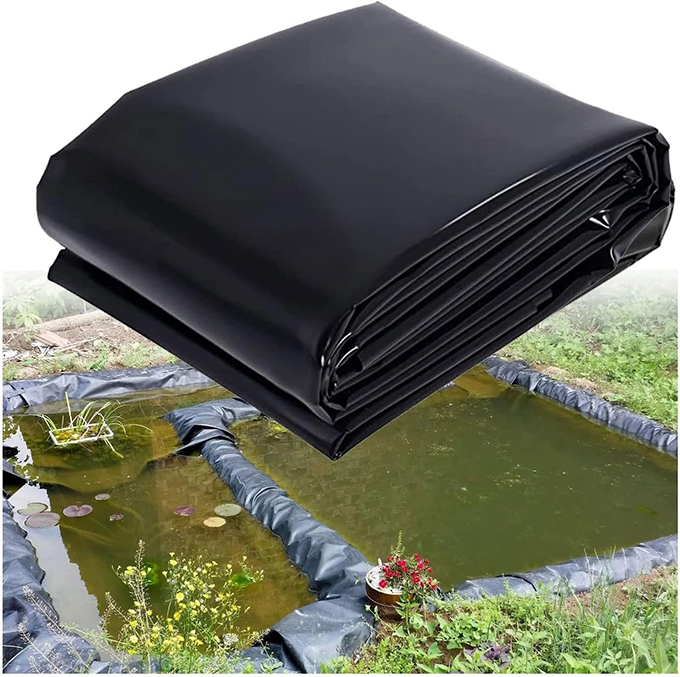
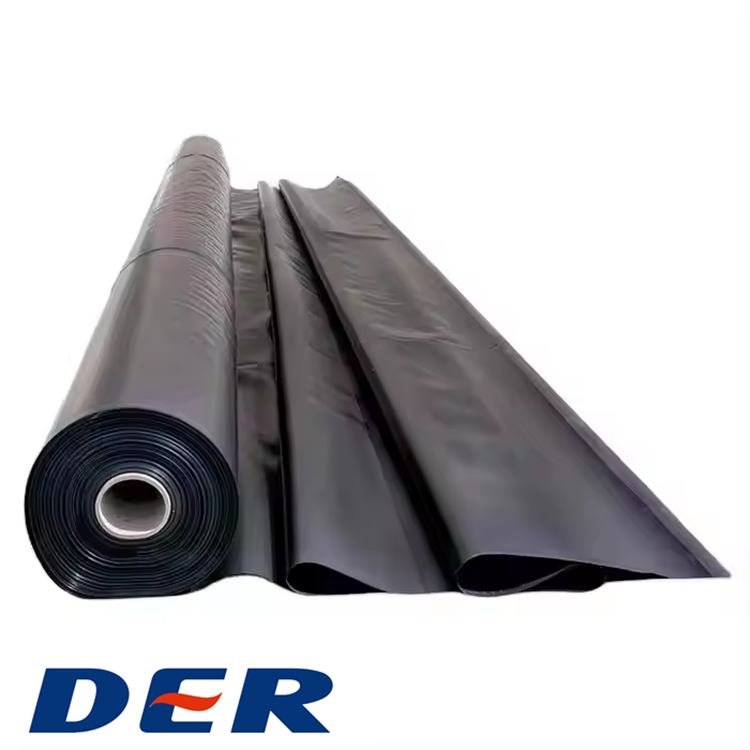
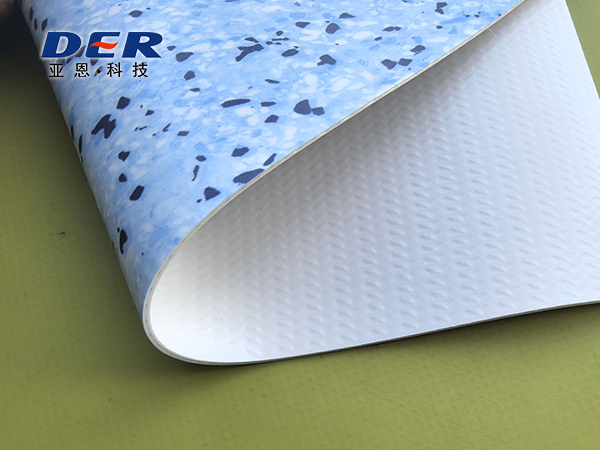
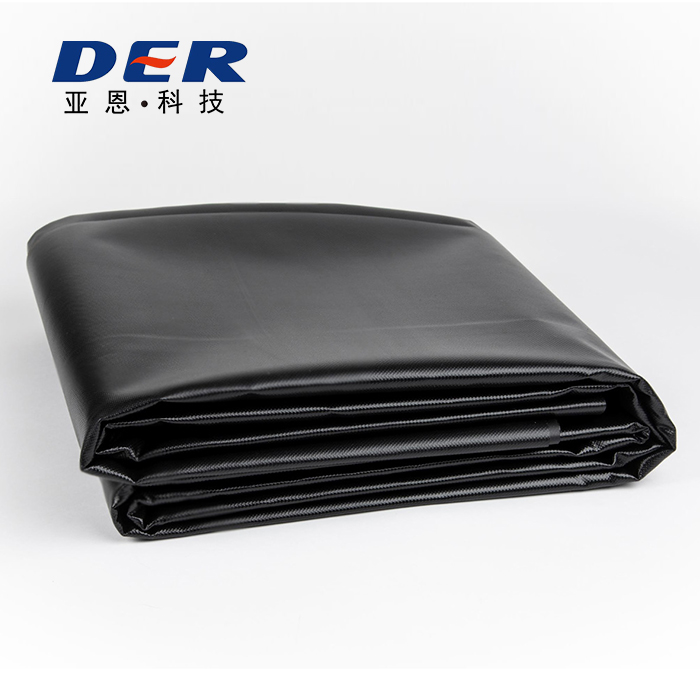
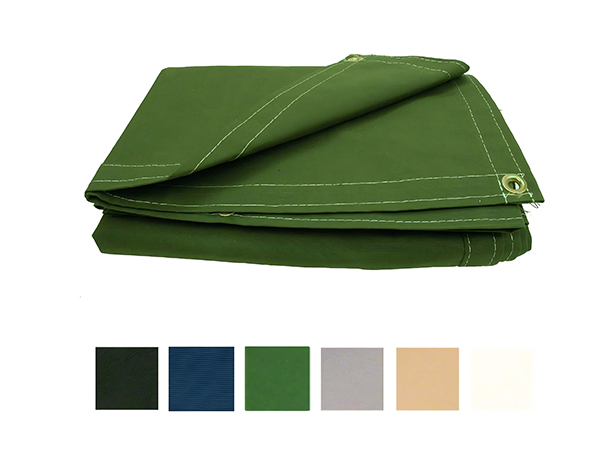
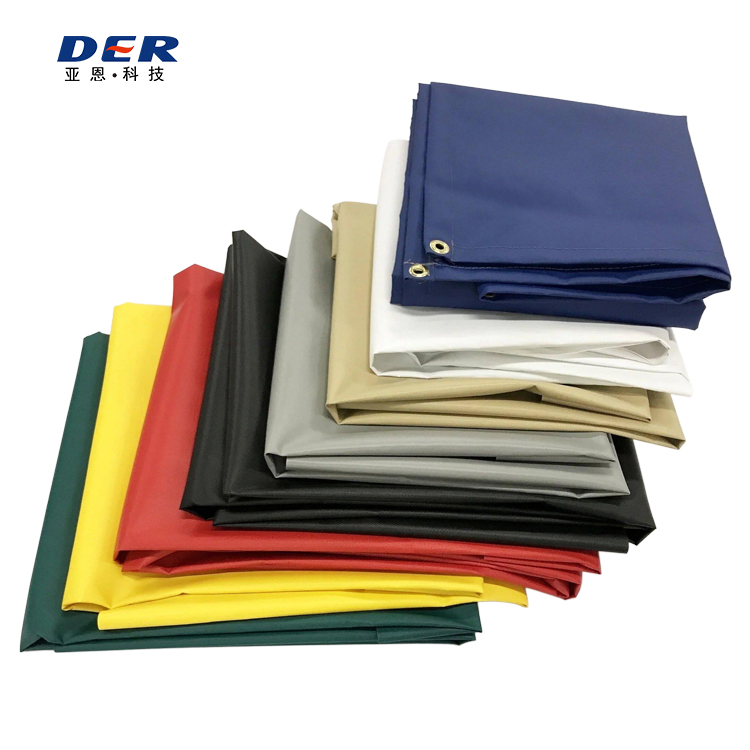
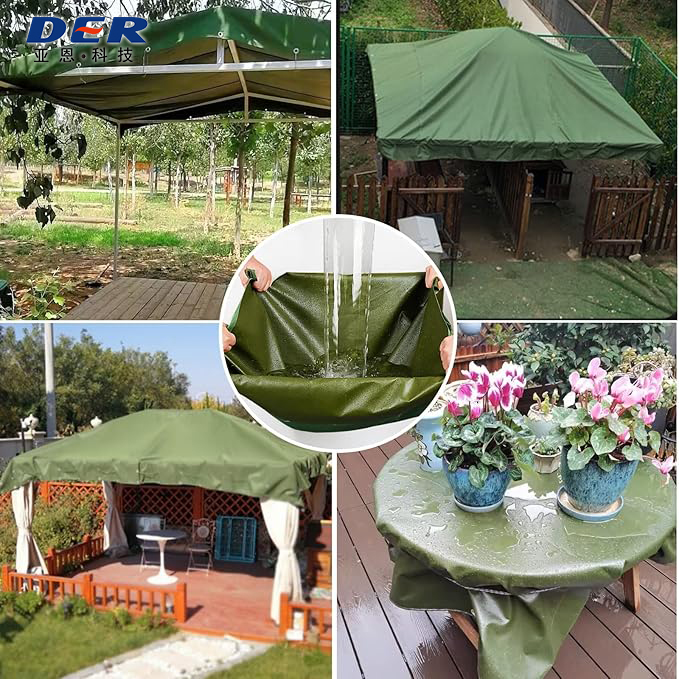
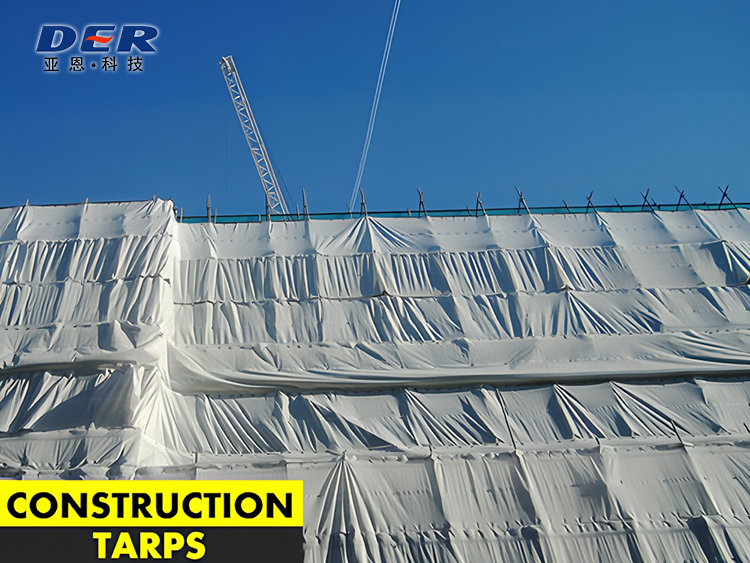
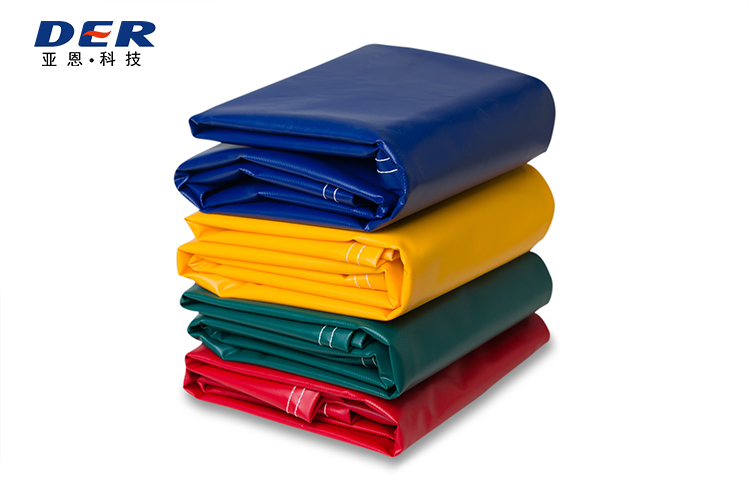
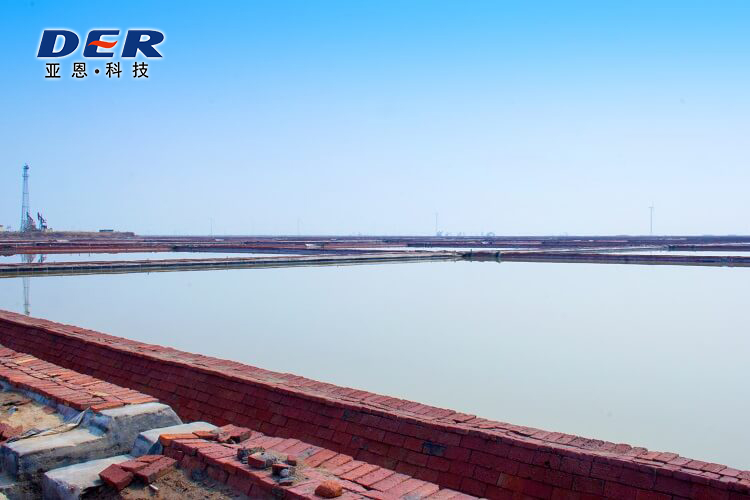
The images below use actual DER factory website assets. They illustrate tarpaulin applications, reinforced PVC material and roll-goods context; final UV resistance must be confirmed by the selected specification, not by appearance alone.
UV-stabilized material can still fail early when the cover flaps, rubs on sharp edges or concentrates tension at a few grommets. For long-term outdoor use, fabric choice and load-path design should be reviewed together.
Choose roll width and panel direction to reduce unnecessary seams. Depending on the material, welding or sewing can be reviewed for the required water barrier, strength and fabrication process.
Panel planningWeldingSewingReinforced hems, webbing, corner patches and local reinforcement spread tension around attachment points. This is especially important in wind-loaded or frequently handled covers.
WebbingHemsCornersGrommet or D-ring spacing should follow the expected load rather than a cosmetic pattern. Installation should prevent severe flutter, sharp-edge contact and localized over-tension.
GrommetsD-ringsLoad pathSend photos of the installation and damage location together with dimensions and exposure conditions. That information can be more useful than specifying GSM alone.
UV-resistant covers are most useful where sunlight is only one part of a combined exposure problem. Each application below adds different mechanical, moisture and fastening requirements to the UV requirement.
Scaffolding, building material covers, temporary roof protection and site enclosures may face sun, wind, rain, abrasion and frequent repositioning.
Explore construction tarps →Seasonal outdoor storage can combine solar exposure with condensation, moisture, dirt and repeated handling. Material choice should match the expected season and reuse cycle.
See agriculture tarp cover options →Machinery covers need UV resistance together with abrasion management, edge protection and a fastening pattern that does not rub through coating at corners.
View construction equipment covers →Pallet and warehouse covers may move between indoor and outdoor zones. Buyers should balance UV exposure, handling frequency, reusable construction and access openings.
Review pallet protective covers →Choose the construction that fits the duty cycle instead of assuming one material is always superior. Temporary covers can be economical for short projects; reinforced PVC-coated material is usually considered when reuse, welding, stronger reinforcement and repeat outdoor exposure are more important.
| Decision Factor | UV-Resistant PVC-Coated Polyester | Basic Lightweight Temporary Cover |
|---|---|---|
| Typical Intent | Reusable commercial / industrial cover, fabricated tarp, roll-goods conversion. | Short-term or economical general coverage. |
| Mechanical Structure | Reinforced textile with coated surface; can be specified around tear, tension and fabrication needs. | Often lighter construction; suitability depends on the specific material and weave. |
| Fabrication | Suitable grades can support welded panels, reinforced hems, webbing and hardware. | May use heat-sealed, stitched or simple reinforced edges depending on the product. |
| Outdoor Requirement | UV package can be specified for repeated exposure and project-defined testing. | UV treatment varies widely; confirm rather than assuming long-term outdoor performance. |
| When to Choose | When failure, replacement labor, cargo exposure or OEM consistency justify a more engineered cover. | When coverage is temporary, low-load and replacement cost is acceptable. |
The inspection plan should match the agreed specification. Not every order needs the same tests, but the key material, dimensional, fabrication and packaging points should be clear before mass production.
A useful UV-resistant tarp RFQ describes the environment before asking for the price. This helps compare like-for-like constructions and avoids buying unnecessary weight while missing the real failure mode.
Also provide quantity and destination. MOQ and lead time should be confirmed after DER factory reviews the final material, dimensions, accessories, printing and test requirements.
Concise answers to the most important buyer questions about UV resistant tarpaulin, outdoor durability, material choice and custom fabrication.
A UV resistant tarp is an outdoor protective cover made from UV-stabilized polymer or coated fabric designed to slow sunlight-driven fading, brittleness, cracking and loss of useful properties. The final grade should be matched to exposure, climate, load, fabrication and the buyer’s required weathering criteria.
It can be. UV resistance describes resistance to sunlight-related degradation, while waterproofing depends on the material structure, coating and seam construction. A PVC-coated polyester tarp can combine UV stabilization with a waterproof surface, subject to the final specification and fabrication.
No. UV resistant describes how well the tarp itself resists degradation from ultraviolet exposure. UV blocking or opacity describes how much radiation or light passes through the cover. If the contents require light or UV shielding, specify that as a separate performance requirement.
There is no universal service-life number. Outdoor life depends on UV intensity, heat, weather, formulation, thickness, mechanical stress, abrasion, installation, cleaning and maintenance. State the expected exposure and, when important, a required weathering test method and acceptance criterion.
No. GSM indicates mass per unit area, not UV stability by itself. UV performance also depends on polymer formulation, stabilizers, coating structure, color, surface finish, climate and mechanical condition. Select GSM together with the required outdoor-performance package.
Color can affect surface temperature, opacity, visibility and appearance, but color alone does not define UV resistance. The material formulation and stabilization package are more important. Choose color for the project while separately defining the required outdoor exposure performance.
Custom dimensions, reinforced hems, webbing, eyelets or grommets, D-rings, welded or sewn construction and project-specific packing can be reviewed according to the selected material and application.
Send the application, outdoor exposure, climate, dimensions or roll width, preferred material or target performance, weight or thickness if known, color, quantity, seam method, reinforcement, fittings, printing, packaging, required testing and destination. MOQ and lead time should be confirmed after the specification is defined.
Send the application, finished dimensions or roll width, outdoor exposure, climate, preferred material, color, quantity, reinforcement, fittings and any required weathering or flame-retardant test criteria. DER factory can review the project and align the tarp construction with the actual service conditions.
Request A Quote
Our products are widely used in our residential and industrial area, which can be used for producing tents, outdoor covering, flexible ventilation tube, water bladders, inflatable castles, architecture membrane structures, etc. Our main products: PVC coated fabrics, PU/TPU coated fabrics, Oxford fabric, PVC ceiling film, flexible banner material. Welcome to our site and order online.