
01
Exposure Intensity
Direct sun in a marine enclosure, a shaded warehouse opening and a seasonal tent window do not age at the same rate. Tell us where and how the sheet will be used.

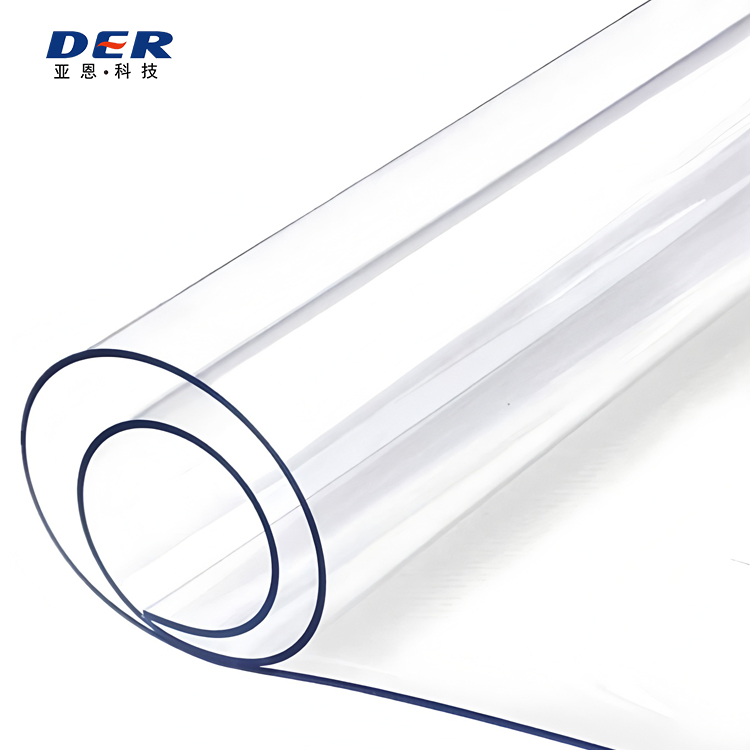
When a clear flexible panel stays outside, transparency alone is not enough. Sunlight, heat, cold, repeated rolling and welding can turn an ordinary clear film into a yellowed, hardened or cracked component. Der factory supplies UV resistant transparent PVC sheet for buyers who need clear visibility together with a formulation selected for outdoor exposure and real fabrication.

A buyer searching for UV resistant clear PVC sheet is usually trying to solve one of four problems: yellowing, loss of flexibility, surface deterioration or premature cracking after outdoor exposure. The right purchasing decision starts by connecting those risks to the actual service environment.
Direct sun in a marine enclosure, a shaded warehouse opening and a seasonal tent window do not age at the same rate. Tell us where and how the sheet will be used.
A fixed clear panel can prioritize optical stability, while a roll-up curtain also needs softness and repeated flexing performance after exposure.
Outdoor PVC should be selected around both sunlight and temperature. Cold-weather projects may need a UV package plus a lower-temperature flexible formulation.
Welding, sewing, eyeleting and bonding put different stress on clear PVC. The selected grade should be tested using the converter’s real process.
Flexible transparent PVC is not simply “clear plastic.” Its behavior comes from the balance between PVC resin, plasticizer system, stabilizers and optional functional additives. For an outdoor grade, the formulation is adjusted so the sheet can remain useful under sunlight while still meeting the required softness and processing behavior.
This matters to tent makers, marine enclosure fabricators, industrial curtain converters and OEM buyers because changing the formulation can influence clarity, hand feel, weld settings, cold flexibility and aging behavior at the same time.
Outdoor clear-sheet sourcing becomes more reliable when performance is separated into measurable purchasing questions. The goal is not to make every grade “maximum performance”; it is to define the right balance for your product and budget.
Specify whether the panel will face continuous direct sun, intermittent sun or mostly shaded exposure, and agree on a test direction for the finished grade.
For windows and display panels, define the acceptable appearance of scratches, flow marks, bubbles, gels, black specks and color tone before mass production.
A clear sheet can look excellent when new and still age poorly. Outdoor projects benefit from comparing retained appearance after an agreed exposure test.
Patio curtains, tent windows and truck or marine panels may be handled in cold conditions. Ask for a cold-resistant direction when the application requires it.
HF welding, heat sealing and hot-air processing can react differently to thickness and formulation. Production-equipment sample trials reduce converter risk.
Outdoor sheets are regularly wiped, rolled and touched. Use mild cleaners and design the installation to avoid sharp edges, excessive tension and unnecessary rubbing.
The difference should be treated as a formulation and validation decision, not merely a marketing phrase.
Der factory’s indexed clear-PVC product information shows broad customization capability. The table below is designed as a sourcing reference; the final production specification should be confirmed according to thickness, formulation, processing method and order quantity.
| Parameter | Reference / Custom Direction | Why It Matters Outdoors |
|---|---|---|
| Product | UV resistant transparent PVC sheet / clear flexible PVC roll | Defines the outdoor formulation direction instead of a general indoor clear film. |
| Material | Flexible PVC with plasticizer, stabilizer and optional functional additives | Formulation balance influences clarity, softness, weathering and processing. |
| Thickness | Custom; Der factory clear-film listings reference a broad 0.07–5.0 mm range depending on grade | Thickness changes stiffness, panel handling, wind response, roll weight and weld settings. |
| Width | Custom; related listings reference widths up to about 2.0 m depending on product and process | Wider usable rolls can reduce seams and fabrication time on large clear windows. |
| Softness | Adjustable; related Der factory listings reference roughly 28–55 PHR directions | Fixed panels, roll-up curtains and soft covers require different hand feel and flexibility. |
| Color tone | Clear / super clear / light tint / custom direction | Color tone can influence perceived clarity, appearance and repeat-order consistency. |
| UV resistance | Optional outdoor stabilized formulation; test requirement to be agreed | Helps manage sunlight-driven yellowing, hardening and surface degradation risk. |
| Cold resistance | Optional according to target climate | Important for flexible panels handled, folded or rolled in winter conditions. |
| Flame-retardant direction | Available for suitable projects subject to required standard and formulation | Some tents, hospitality enclosures and industrial applications have project-specific FR needs. |
| Processing | Cutting, sewing, heat sealing, HF welding or other methods subject to selected grade | Sample approval should include the buyer’s real machine and seam construction. |
| Roll length & packing | Custom according to thickness, roll weight, handling and export plan | Correct roll weight and protective packing reduce crease and handling damage. |
Specification ranges are not a promise that every combination can be produced simultaneously. Confirm your final TDS, sample and purchase specification before placing a bulk order.
Converters often lose time when they quote only thickness and width. A more complete RFQ describes the finished panel, the environment and the fabrication method so the clear PVC grade can be selected with fewer trial-and-error cycles.
Tell us whether the material will become a tent window, patio screen, marine enclosure, greenhouse panel, industrial curtain, door window, protective cover or another transparent component.
Direct sunlight hours, seasonality, approximate climate, lowest working temperature, wind exposure and cleaning conditions all help distinguish a basic clear grade from an outdoor UV-stabilized grade.
Share your HF welding, hot-air, heat-sealing, sewing or cutting method. If possible, test the approved sample on the same machine settings used in production.
Record thickness, usable width, softness, color tone, surface quality and processing result. Add the agreed UV/weathering or cold-resistance requirement when relevant.
For recurring business, use the approved sample or agreed specification as the repeat-order reference to reduce visual and processing variation.
A complete request helps Der factory recommend a closer starting grade and prepare a more useful sample.
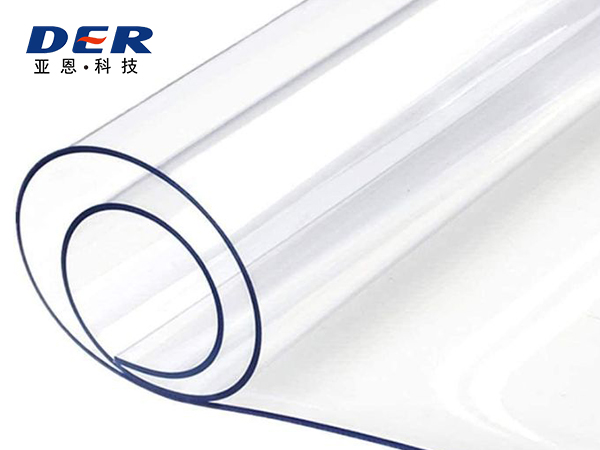

The product is most useful where a flexible transparent barrier must protect against weather while keeping visibility, daylight or visual access. These applications also explain why UV resistance, cold flexibility and processing cannot be evaluated separately.
Transparent wind and rain screens for restaurants, cafés, pergolas and seasonal outdoor rooms where customers still need an open visual environment.
Clear sidewall windows, roll-up panels and entrance inserts that need weldability, visibility and better resistance to repeated outdoor sunlight exposure.
Flexible windows and canopy inserts exposed to sunlight, moisture, salt-air environments and repeated folding or rolling during use and storage.
Clear flexible barriers for partially open industrial areas where workers need visibility while reducing direct exposure to wind, rain and dust.
Transparent protective sections, end panels and doors where daylight is important and the material must tolerate a more exposed environment.
Transparent site screens and work-area panels that improve visual control while protecting occupied or active zones from weather.
Flexible clear panels for seasonal kiosks, service areas and mobile structures where glass or rigid glazing is not convenient.
Clear observation sections in flexible equipment covers, machine enclosures and weather covers where inspection is needed without removing protection.
Cut, welded, sewn or reinforced clear PVC components supplied to converters that integrate transparent windows into larger coated-fabric products.
A clear outdoor sheet can fail visually before it fails mechanically. That is why a useful inspection plan should combine appearance, dimensional control, processing checks and the functional tests required by the project.
Der factory can discuss documentation and test requirements according to the destination market and final specification. Requirements such as REACH, RoHS, flame-retardant direction or other chemical restrictions should be stated in the RFQ and confirmed for the selected grade rather than assumed for every PVC formulation.
These questions move the conversation from a commodity clear sheet to a project specification that a factory can actually reproduce.
Full-day direct sun, seasonal sun, shaded outdoor use and indoor use behind glazing are different exposure profiles. Describe the real installation instead of only writing “UV resistant”.
A fixed window can use a different softness target from a roll-up side curtain. Repeated handling raises the importance of cold flexibility, crease behavior and edge construction.
For OEM buyers, record thickness, width, visual tone, softness, weld settings and agreed functional performance. Repeatability is often more valuable than buying the cheapest roll.
These six related pages help buyers move from a general transparent-PVC requirement to the right grade, format and application.
Practical answers for distributors, tent manufacturers, marine fabricators, industrial curtain converters and OEM buyers.
Tell Der factory where the clear PVC will be installed, how often it will be rolled or folded, your usable width, target thickness, climate, processing method and required tests. We can discuss a UV-resistant transparent PVC sheet grade for sampling and bulk production.
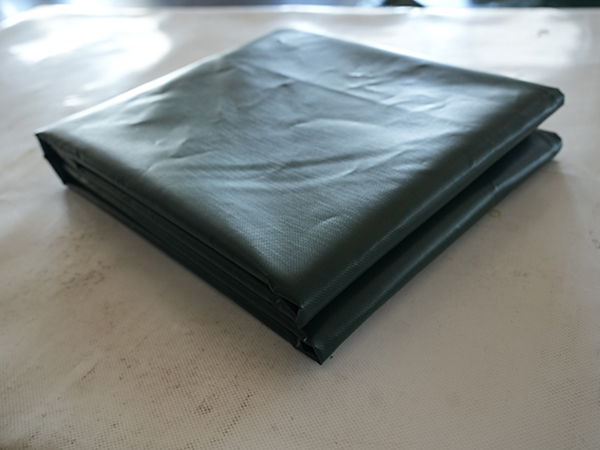
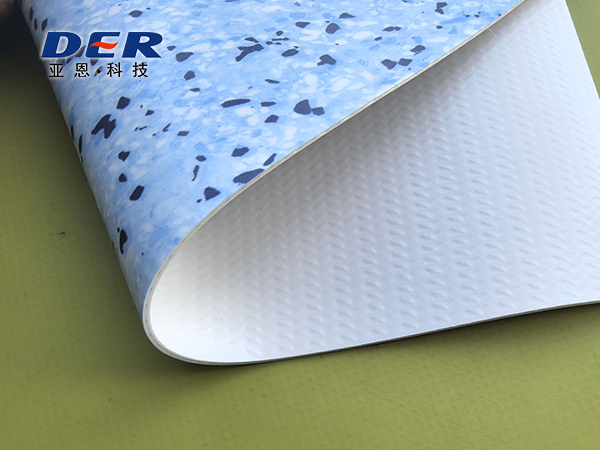
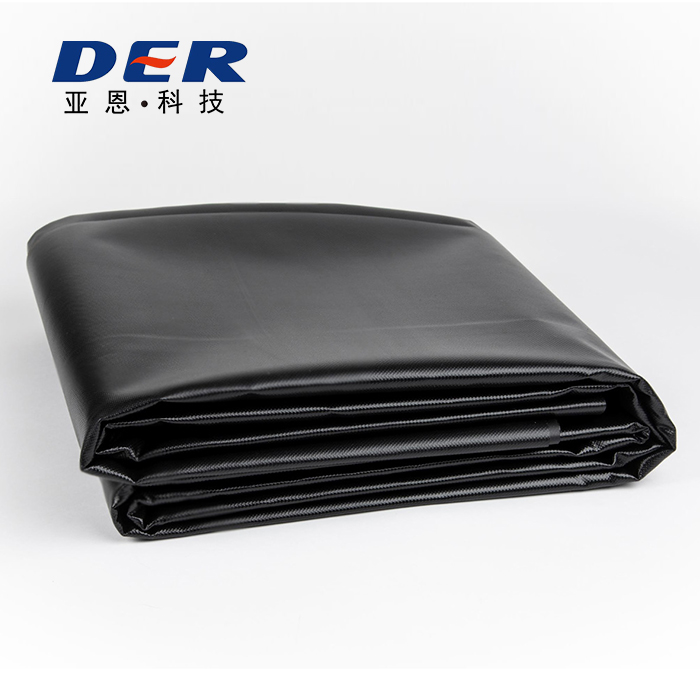
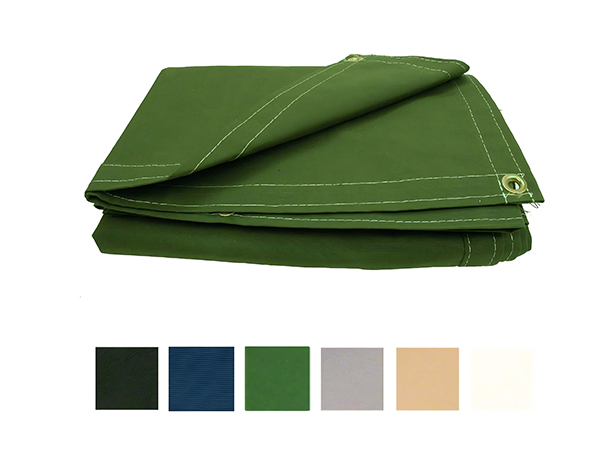
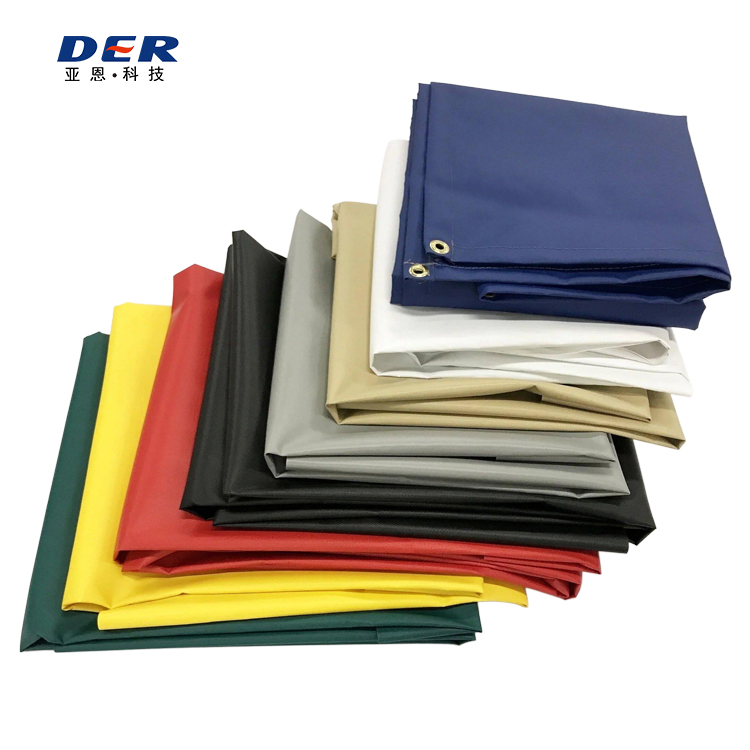
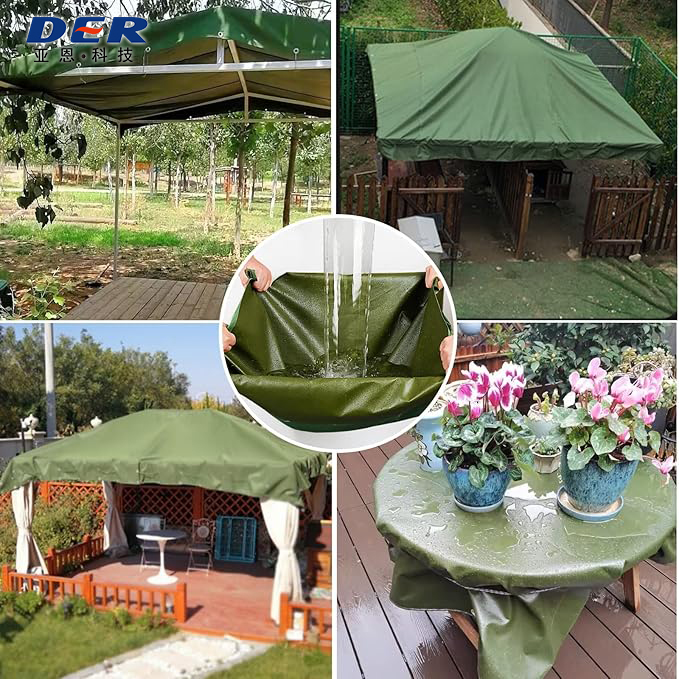
Our products are widely used in our residential and industrial area, which can be used for producing tents, outdoor covering, flexible ventilation tube, water bladders, inflatable castles, architecture membrane structures, etc. Our main products: PVC coated fabrics, PU/TPU coated fabrics, Oxford fabric, PVC ceiling film, flexible banner material. Welcome to our site and order online.