Truck tarpaulin
The full B2B term for the flexible transport cover itself. It can mean a finished cover or the material used to fabricate one.
Product term
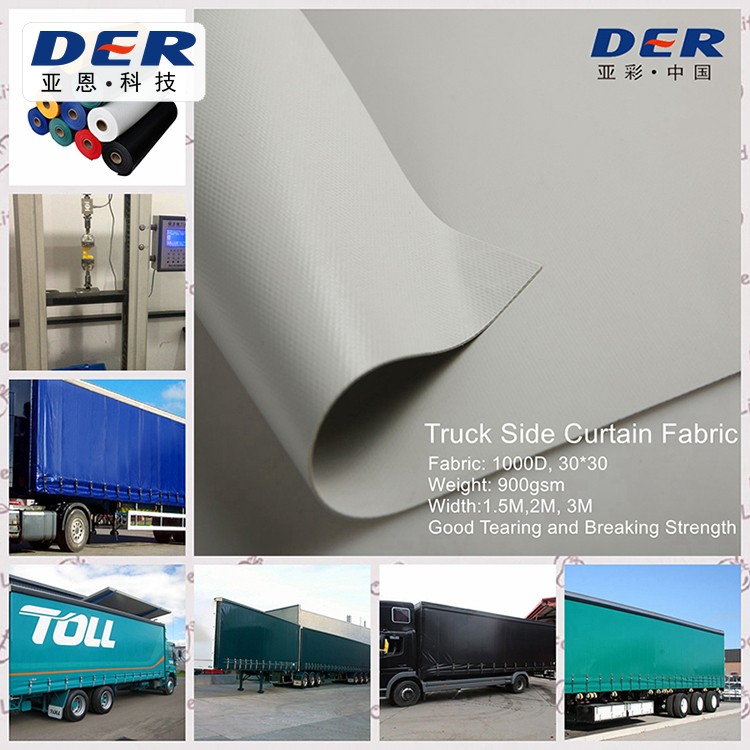
A truck tarpaulin is a flexible protective cover engineered for cargo transport. The correct tarp is selected around the truck body, loaded cargo profile, weather exposure, handling cycle, fastening system and required reinforcement—not by size or fabric weight alone.
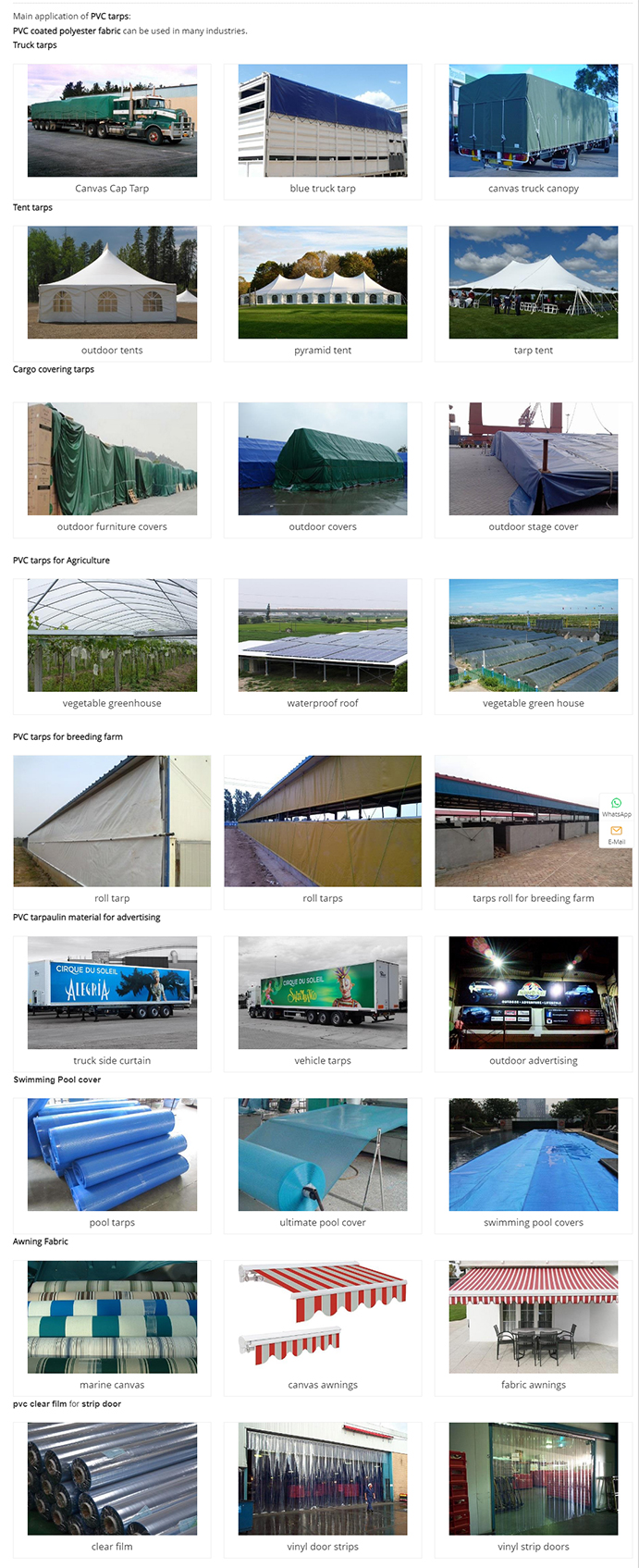
A truck tarpaulin—also called a truck tarp or truck cover—is a flexible sheet or fabricated cover used on trucks and trailers to protect exposed cargo from rain, road spray, sunlight, dust and wind-driven debris, or to help contain selected bulk loads. Truck tarps can be removable covers for flatbeds, roll-up tarps for dump bodies, fixed-frame covers, trailer tarps or movable side curtains. Heavy-duty versions commonly use reinforced coated fabrics because road transport adds repeated folding, abrasion, wind pressure and concentrated pull loads at hems, grommets, D-rings, pockets and straps. The best specification depends on the vehicle, cargo, loaded dimensions, environment and fastening system.
The terms overlap, but they do not always describe the same thing. Understanding the distinction helps buyers search, specify and quote the right product.
The full B2B term for the flexible transport cover itself. It can mean a finished cover or the material used to fabricate one.
Product termA shorter term commonly used for the same cover, especially in North American trucking and tarp-system markets.
Common synonymCan mean a cargo cover, but it can also refer to a full-vehicle storage cover. In commercial transport, always clarify what is being covered.
Needs contextUsually describes a truck or trailer equipped with a tarpaulin-covered body, frame or curtain system rather than the fabric alone.
Vehicle/system termPVC-coated polyester fabric is a common direction for reusable waterproof truck tarpaulins because the woven polyester reinforcement carries mechanical loads while the polyvinyl chloride coating provides a protective surface that can be welded and fabricated.
For a broader material explanation, review DER factory PVC-coated polyester fabric. Buyers who source reusable vinyl-style covers can also compare vinyl tarps and PVC tarpaulin.
Provides the structural reinforcement that influences tensile strength, tear behavior, dimensional stability and resistance to repeated pull loads.
Creates the weather barrier and surface needed for cleanability, color, welding and outdoor protection. Construction method should be matched to the project.
UV, cold-weather, flame-retardant or other requirements should be specified during quotation when relevant. Do not assume every grade has every treatment.
Webbing, doubled fabric, rope hems, wear patches, reinforced corners and hardware zones can be added where real service loads are concentrated.
Two fabrics with similar weight can behave differently if the base yarn, weave, coating structure, flexibility and surface finish are different. For moving vehicles, finished-cover design can matter as much as raw fabric weight.
Specify the truck, cargo and operating method first. Then select the material and reinforcement around the real duty cycle instead of requesting “the heaviest tarp available.”
A flatbed steel load, an aggregate dump body and a curtain-side trailer create different wind, abrasion, access and attachment conditions. The tarp type should follow the system.
Removable covers fitted over lumber, steel, machinery or mixed freight. Important details include drop length, flap design, D-ring rows, corner wear zones and manageable handling weight.
Weather protectionManual handlingUsed with front-to-rear or side-roll systems to cover bulk loads. The tarp must match the roller, pocket, body width, arm geometry and desired balance between airflow and protection.
System fitBulk haulingMovable side panels combine cargo enclosure with fast side access. They require attention to panel dimensions, tension, sliding hardware, buckles, bottom attachments and abrasion zones. See DER factory truck side-curtain fabric.
Trailer accessRepeated cyclingA fabricated cover can be tensioned over a frame or trailer body to create an enclosed cargo space. Seam position, roof drainage and side attachment affect real weather protection.
EnclosureCustom fitSmaller bodies and utility transport may use fitted vinyl or PVC tarp systems. See DER factory truck-bed tarps vinyl for a related product direction.
Fitted coverUtility useMesh can be useful when airflow is desirable and full rain protection is not required, such as selected waste, landscape or bulk-hauling systems. It should not be specified as a waterproof tarp.
AirflowContainmentThere is no single best material for every truck. The correct choice depends on whether the priority is waterproofing, repeated reuse, airflow, low handling weight, abrasion resistance or cost.
| Material direction | Main advantage | Main trade-off | Typical truck-tarp fit | What buyer should specify |
|---|---|---|---|---|
| PVC-coated polyester | Reusable waterproof surface, reinforcement, welding and custom fabrication | Heavier than lightweight temporary covers; grade must match handling needs | Flatbeds, trailers, fixed covers, curtain sides, heavy-duty custom covers | Construction, weight/thickness direction, UV/cold/FR needs, finish, color and fabrication method |
| PVC-laminated fabric | Flexible specification and broad cover use | Performance depends strongly on the complete laminate and base fabric | Selected truck and trailer covers where the laminate meets duty requirements | Base fabric, laminate structure, handling cycle, seam method and expected service conditions |
| PE woven tarpaulin | Lightweight and economical | Often chosen for lighter-duty or temporary coverage rather than repeated heavy fabrication | Temporary or budget-sensitive covering | Reinforcement, eyelet layout, expected reuse, UV exposure and load profile |
| Mesh tarp | Airflow and lower wind resistance | Does not provide full waterproof coverage | Dump bodies, selected waste and bulk containment systems | Mesh openness, body dimensions, system pocket/roller details and containment objective |
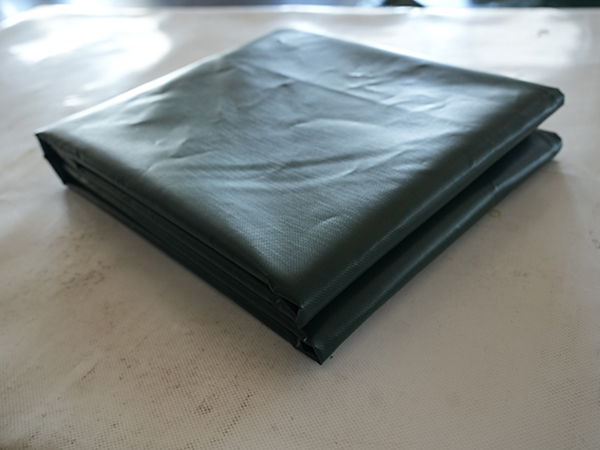
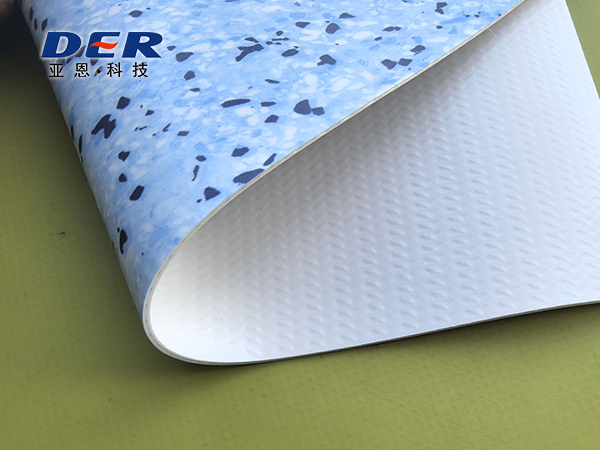
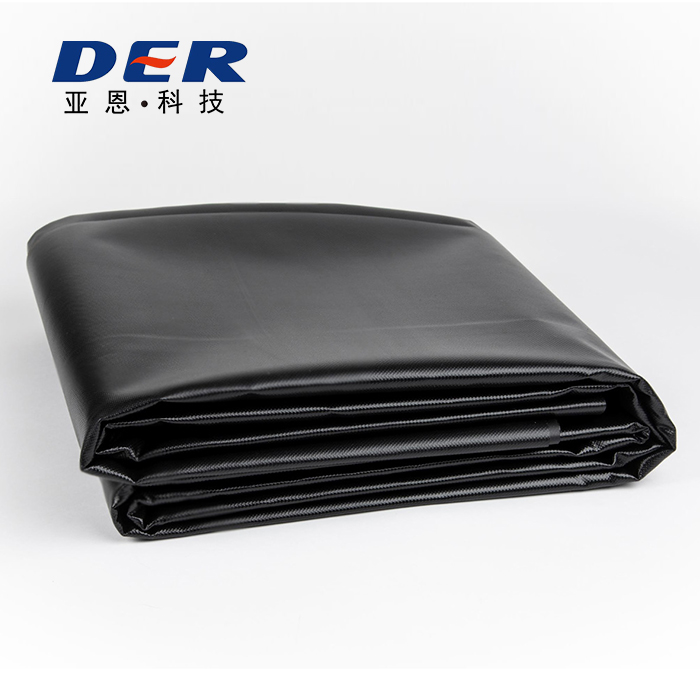
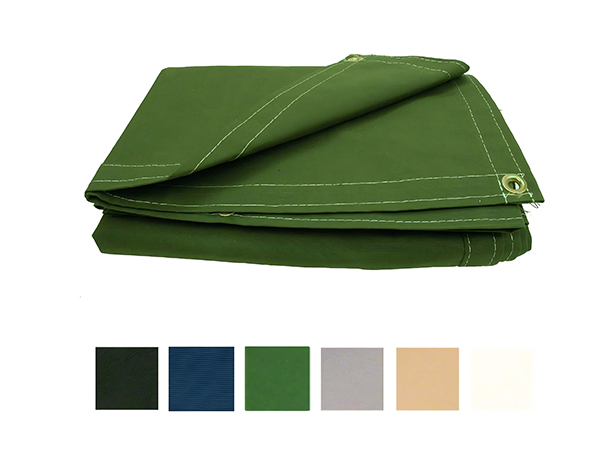
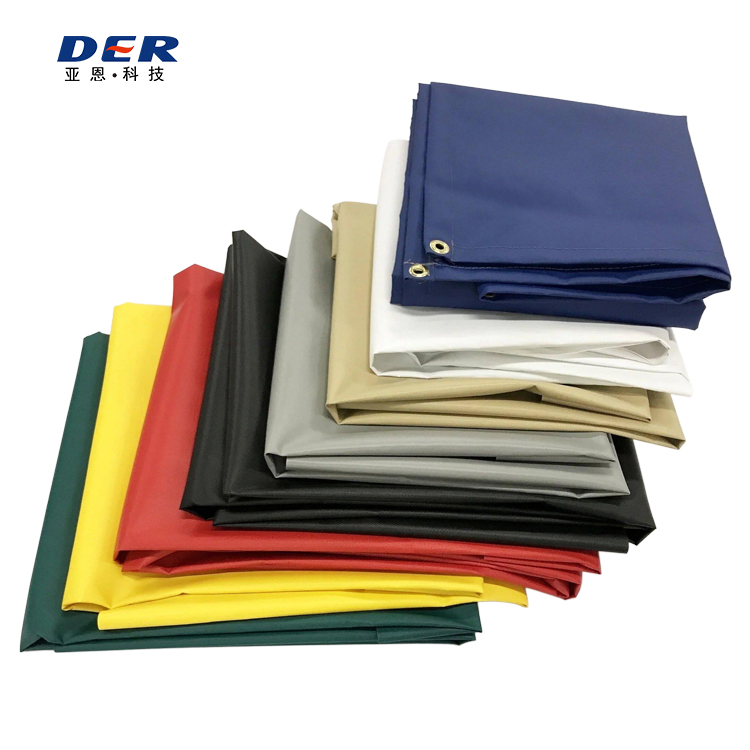
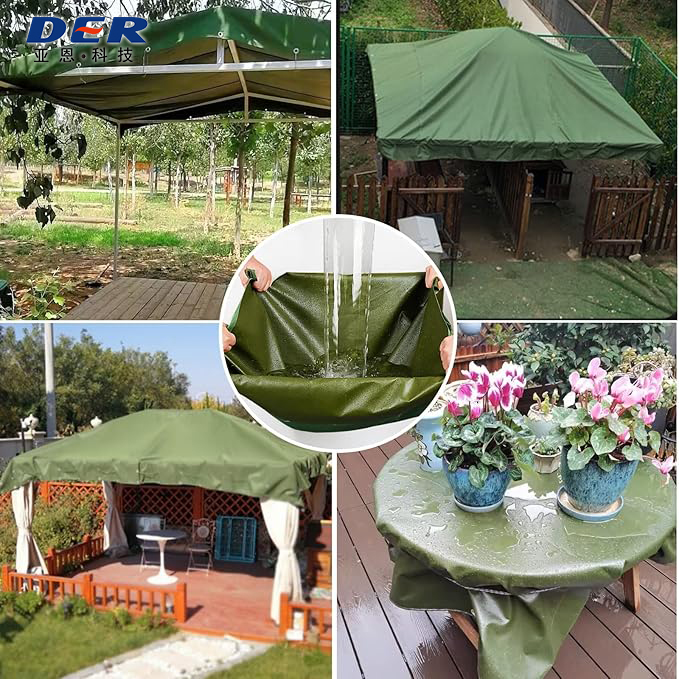
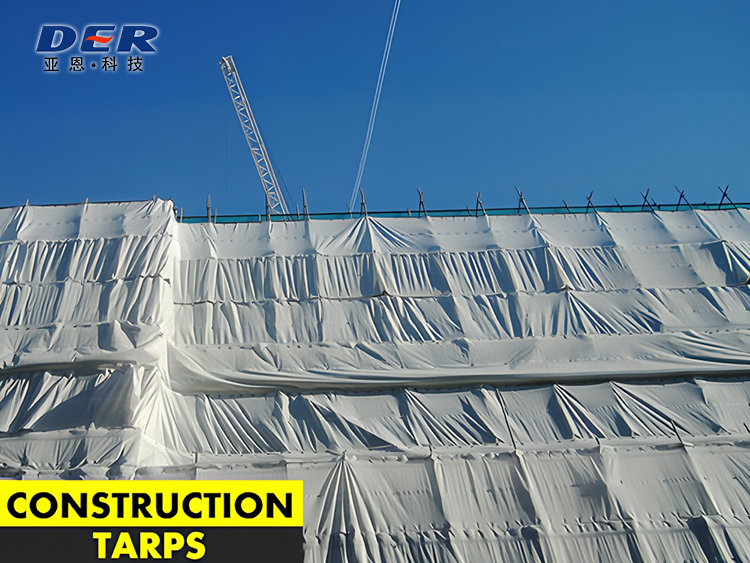
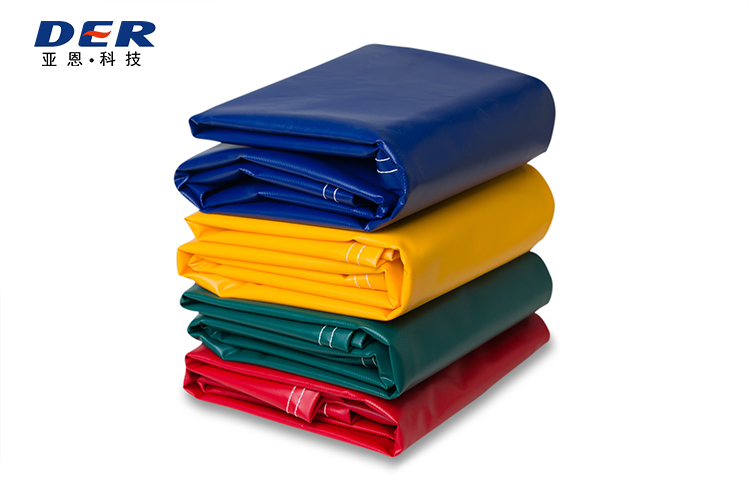
These are existing DER factory website images used to show the broader tarpaulin application, reinforced coated material and roll-goods stage before finished-cover conversion.
Transport covers are one part of a broader technical-tarpaulin family. Truck use adds dynamic wind, vibration, abrasion and repeated fastening loads.
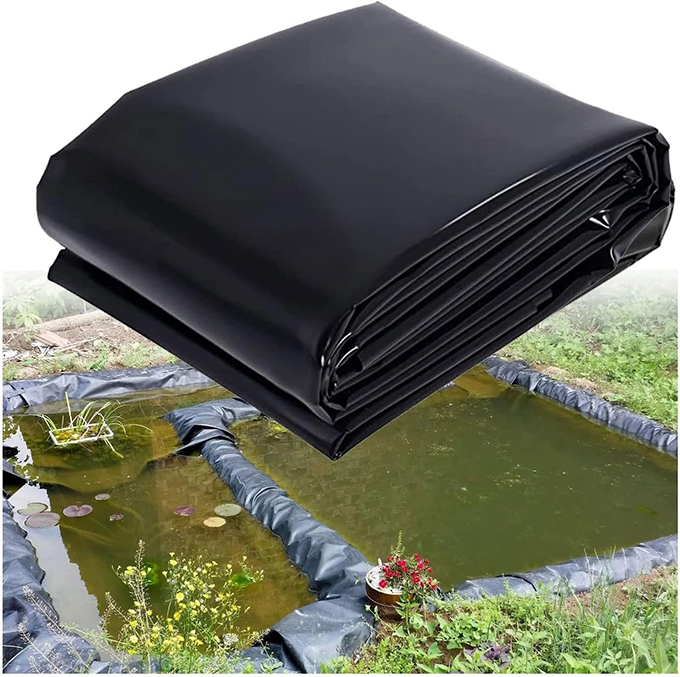
This coated-textile reference illustrates the reinforced material concept. Truck grades must be selected separately for transport loads and fabrication.
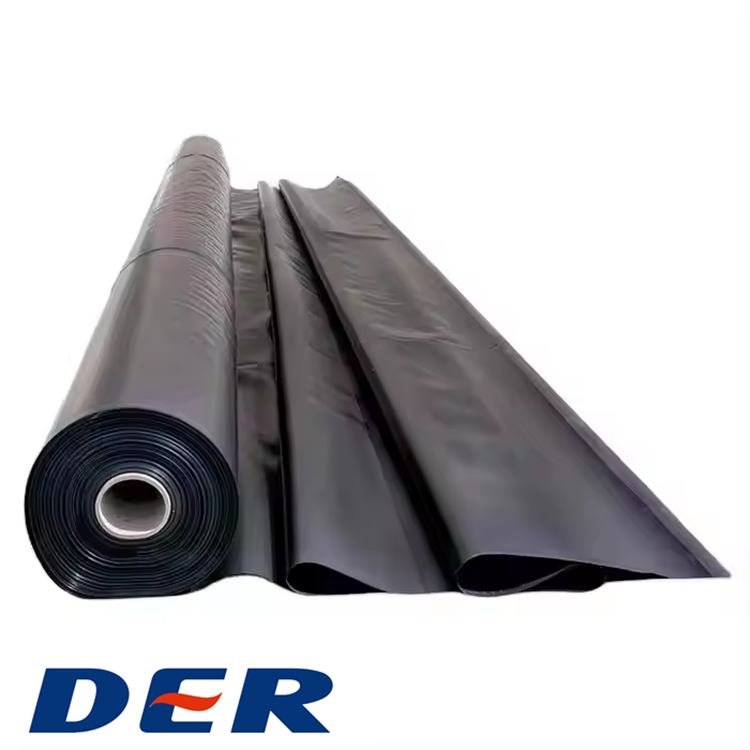
Roll width, panel direction and seam planning influence manufacturing efficiency and the number of joins in a finished custom truck tarp.
Start with the operating system and failure risks, then work backward into fabric, finished dimensions, reinforcement and hardware.
Flatbed, dump body, trailer, curtain side, truck bed, roll-off or another body system.
Use real covered length, width, height, side drop, end overlap and attachment position—not only nominal bed size.
Rain, UV, road spray, cold weather, abrasion, sharp cargo edges, handling frequency and route conditions.
Map grommets, D-rings, webbing, pockets, corners, roller connections and locations that rub against the load or body.
Confirm material, size, seam map, hardware spacing, color, logo, packaging and test requirements before bulk production.
| Application | Recommended direction | Why it matters | Buyer should send |
|---|---|---|---|
| Flatbed steel / machinery | Durable waterproof fabric, reinforced edges, wear patches and correctly located D-rings or grommets | Sharp edges, highway wind and repeated tie-down cycles concentrate stress at specific points | Loaded profile, drop, cargo edge condition, tie-down layout and handling method |
| Dump truck / bulk load | Solid or mesh tarp matched to the roller/arm system | System fit and airflow can matter as much as raw fabric strength | Body width/length, roller diameter, pocket size, arm type and containment objective |
| Curtain-side trailer | Coated polyester panel engineered for repeated tensioning and sliding | Large movable panels cycle constantly and interact with buckles, rails and trailer hardware | Panel drawing, hardware layout, tensioning system, print area and route environment |
| Fixed-frame trailer cover | Weatherproof welded or sewn cover with planned roof drainage and side tension | Water paths, frame rubbing and seam locations determine finished-cover performance | Frame drawing, roof geometry, access openings, overlaps and fastening spacing |
DER factory has an existing PVC truck cover tarp fabric page and a truck cover tarpaulin product page that can help frame a project discussion.
A truck tarp works while the vehicle is moving. That changes the design problem from simple coverage to dynamic transport exposure.
Poor tension or loose fabric can create repeated movement. Reinforcement and fit should reduce uncontrolled flap and concentrated fatigue.
Material choice, seams, overlaps and drainage all influence how effectively the finished cover protects moisture-sensitive cargo.
Wear often starts where the tarp touches corners, sharp edges, rails or hardware. Local wear strips and patches can be more useful than adding weight everywhere.
Drivers and operators may deploy and fold the tarp frequently, so flexibility and manageable mass matter alongside strength.
Grommets, D-rings, straps and pockets transfer force into a small area. The reinforcement structure around those points is critical.
Rollers, tarp arms, sliding curtains, pockets and rails require dimensions and fabrication details that match the hardware—not a generic rectangle.
A finished truck tarp can be treated as an engineered pattern rather than a commodity sheet. Customization should follow the truck geometry, fastening method and stress map.
Neither method is automatically better. Welding can create continuous joins in compatible coated thermoplastic fabrics, while sewing can be useful for selected shapes, reinforcements or hardware details. Some finished tarps combine methods.
The correct decision depends on:
For B2B repeat orders, approve the seam and reinforcement map together with the material specification rather than treating fabrication as a later detail.
A tarp covers a three-dimensional loaded envelope. Side drop, front/rear overlap and fastening position can change the finished dimensions substantially.
Fabric weight does not reveal the complete yarn, weave, coating, flexibility, seam and reinforcement performance.
Local abrasion at corners, rails and cargo edges can cause early failure even when the main fabric is strong.
A grommet or D-ring transfers tension into a small area. Hardware spacing and the surrounding reinforcement need to be designed together.
Seams, openings, overlap, drainage and installation determine whether the finished assembly keeps water away from cargo.
An unnecessarily heavy tarp may be more difficult to deploy and fold. Strength, durability and operator handling should be balanced.
A cover and a cargo securement system serve different functions. Cargo must still be restrained using the methods required for the load and jurisdiction.
A truck tarpaulin should not be treated as a substitute for required cargo securement. Its primary role is coverage or selected containment. The load itself may require chains, straps, tiedowns, blocking, bracing or another approved method depending on the cargo and jurisdiction.
For U.S. interstate commercial transport, the Federal Motor Carrier Safety Administration states that cargo must be firmly immobilized or secured by appropriate structures, dunnage, shoring bars, tiedowns or a combination of methods. Regulations vary by location and cargo type, so buyers and operators should verify the applicable rules.
A tarp may still experience wind and tension loads, but its grommets, D-rings and straps should not automatically be assumed to be rated cargo restraints. If a cover component is intended to perform a structural securement function, that requirement must be explicitly engineered, documented and verified for the applicable use.
Quality control should follow the approved specification. The goal is not a generic “pass,” but confirmation that the material and finished cover match the intended design.
Confirm agreed material construction, visual surface, color and project-required weight or thickness controls.
Check finished size, drops, flap geometry, pockets, seam positions and other critical pattern dimensions.
Inspect webbing, hems, corners, patches, grommet/D-ring spacing and stress-zone workmanship.
Review weld or sewn seam quality, visual defects, folding method, labels and packaging against the approved order.
If a project requires a specific ASTM, EN, ISO, flame-retardant or other test standard, state it during quotation so feasibility and testing can be confirmed before production.
A complete RFQ reduces guesswork and helps the factory quote the correct material, pattern, finishing and packaging.
Short answers to the questions buyers, fleets and tarp fabricators commonly ask before choosing a truck cover.
A truck tarpaulin is a flexible cover used on trucks and trailers to protect exposed cargo or help contain selected loads during transport. It can be a removable flatbed tarp, dump-truck roll tarp, trailer cover or curtain-side panel.
Common directions include PVC-coated polyester for reusable waterproof covers, PE woven tarpaulin for lighter economical coverage, and mesh for applications where airflow or containment is more important than rain protection. Final selection depends on the truck, cargo and service conditions.
A solid PVC-coated truck tarp can provide a waterproof material barrier. However, finished-cover protection also depends on seam construction, overlaps, attachment, drainage and installation. Mesh tarps are not designed for waterproof coverage.
They usually mean the same flexible transport cover. “Tarp” is the shorter term often used in North America; “tarpaulin” is common in international product and sourcing language.
Measure the actual covered envelope rather than only the bed. Include loaded length, width, height, required side drop, front/rear overlap, flap geometry, fastening points, roller or pocket allowances and any irregular cargo features. A drawing or annotated photo is useful.
DER factory can review custom dimensions, material direction, color, welded or sewn fabrication, reinforced hems, webbing, grommets, D-rings, pockets, logo requirements and OEM packaging. Final feasibility and details should be confirmed during technical review.
MOQ and lead time depend on material, color, finished size, fabrication complexity, accessories, printing, quantity and test requirements. They should be confirmed against the final approved specification during quotation rather than assumed from a generic standard.
Send the truck type, loaded dimensions, cargo, material direction, quantity and special performance requirements. DER factory can review the project as roll goods, cut panels or a finished custom truck tarp and confirm the practical fabrication details before quotation.
Our products are widely used in our residential and industrial area, which can be used for producing tents, outdoor covering, flexible ventilation tube, water bladders, inflatable castles, architecture membrane structures, etc. Our main products: PVC coated fabrics, PU/TPU coated fabrics, Oxford fabric, PVC ceiling film, flexible banner material. Welcome to our site and order online.