Heavy Duty Tarps Manufacturer | Industri..
- 2026-09-13

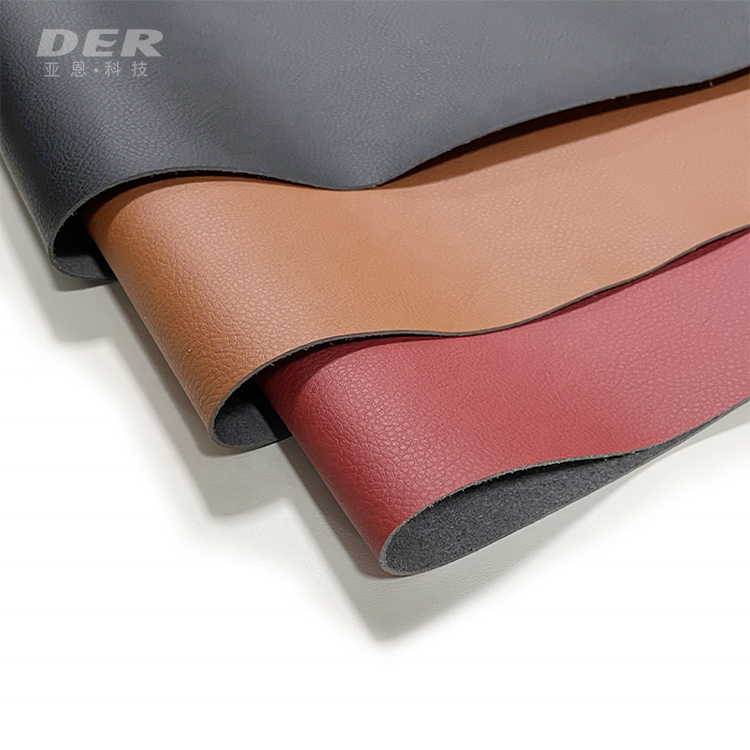
PVC leather and PU leather are both synthetic leather materials, but they are not the same in structure, hand feel, durability, waterproofing, breathability or cost. This guide helps upholstery brands, mat manufacturers, cover fabricators, bag factories and OEM buyers select the right coated fabric before ordering.
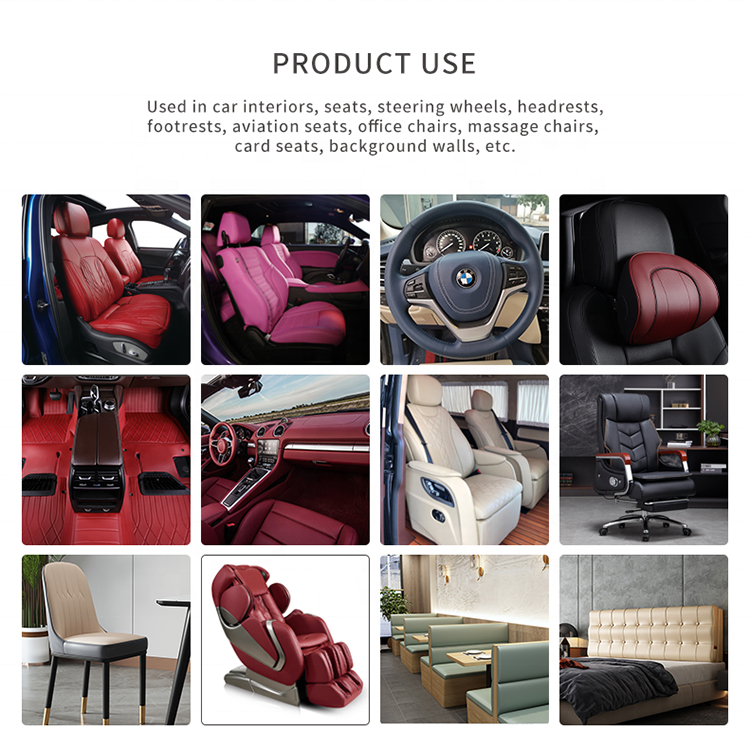
PVC leather, also called vinyl leather or PVC artificial leather, is a man-made leather-like material produced by applying polyvinyl chloride coating to a fabric backing. The base fabric gives the material dimensional support, while the PVC layer provides surface protection, color, texture, water resistance and easy-clean performance.
For B2B buyers, PVC leather should not be evaluated only by appearance. A reliable PVC leather type material must match the end product: seat upholstery needs abrasion resistance and cleanability; medical table covers need hygienic surface performance; gym mats need tear strength and weldability; bags and protective covers need a stable coating, color consistency and repeatable roll quality.
If your product needs waterproofing, low maintenance, color stability and a tougher surface at controlled cost, PVC leather can be a practical choice. If your product needs a softer, more breathable and flexible hand feel, PU leather may be more suitable. Der factory can help compare both directions according to your product structure and target market.
The most important difference between PU leather and PVC leather is the coating system. PU leather uses polyurethane as the main surface layer. PVC leather uses polyvinyl chloride as the main surface layer. This change affects softness, flexibility, cleaning, water resistance, surface toughness, aging behavior and price.
| Comparison Item | PU Leather | PVC Leather | How to Choose |
|---|---|---|---|
| Material structure | Polyurethane coating on a textile or split-leather backing, depending on grade. | PVC coating, often with fabric backing and embossed or finished surface. | Ask for layer structure, backing fabric and coating thickness, not only surface color. |
| Hand feel | Usually softer, more elastic and closer to natural leather touch. | Can feel firmer, smoother or glossier, though modern PVC formulas can be made softer. | Choose PU for premium soft-touch goods; choose PVC when durability and cleanability are priorities. |
| Water resistance | Good, but depends on surface finish and backing structure. | Typically strong because PVC forms a dense protective barrier. | Choose PVC for moisture-prone, washable and easy-clean applications. |
| Breathability | Generally better than PVC leather. | Generally lower because the PVC surface is less porous. | For long sitting comfort, evaluate softness, backing and embossing design carefully. |
| Durability | Good flexibility, but performance varies greatly by formulation. | Often selected for tougher surface protection, abrasion resistance and easy maintenance. | For commercial, mat, cover and industrial use, test abrasion, tear and coating adhesion. |
| Cost control | Can be higher depending on grade and finish. | Often cost-effective for bulk production and wide-color programs. | For large OEM orders, compare total cost, roll yield, defect rate and service life. |
| Common applications | Fashion accessories, furniture, soft upholstery, consumer goods. | Commercial seating, gym mats, medical covers, protective covers, bags, marine/outdoor seating, industrial surfaces. | Match the material to the use environment instead of choosing by name only. |
PVC leather is a strong candidate when the product needs a coated surface that is easy to wipe, resistant to water, stable in color and suitable for high-volume production. It is especially useful for products where the surface faces repeated contact, dirt, moisture or cleaning.
Examination tables, treatment beds, wheelchair pads and protective cushions often need surfaces that can be cleaned frequently and supplied in consistent color.
Mat covers require tear strength, coating adhesion, easy wiping and optional welding or sewing compatibility for finished products.
Restaurants, public seating, office furniture and transport interiors often require durable, stain-resistant, cost-controlled upholstery materials.
PVC leather can offer a strong decorative surface, stable color and better surface protection for luggage, tool cases, covers and storage products.
For moisture-prone products, PVC leather type materials can be engineered with UV resistance, anti-mildew options and waterproof surface treatment.
Factories may need special textures, flame-retardant performance, thicker backing, reinforced base cloth or customized roll width for conversion.
PU leather is commonly selected when softness, flexibility and a more natural leather-like touch are the main purchasing factors. It can be suitable for fashion accessories, soft furniture, indoor decorative panels and products where the customer handles the surface frequently.
However, PU leather quality can vary widely. A low-grade PU surface may peel or age quickly, while a well-designed PU coated fabric can perform much better. Buyers should always confirm coating formulation, backing fabric, thickness, surface finish, hydrolysis resistance, abrasion resistance and storage conditions.
Choose PU leather when the selling point is soft hand feel, flexible drape and indoor comfort. Choose PVC leather when the selling point is waterproofing, easy cleaning, surface toughness and cost-effective bulk supply. For mixed requirements, Der factory can discuss a coated fabric structure that balances feel and performance.
Der factory focuses on PVC coated fabrics, PU/TPU coated fabrics, Oxford fabric, PVC ceiling film and flexible industrial coated materials. This coated-fabric background is valuable for buyers who need more than a simple catalog item. We help customers think from the finished product backward: use environment, cleaning frequency, surface touch, backing strength, roll width, color control, cutting yield, packaging and export logistics.
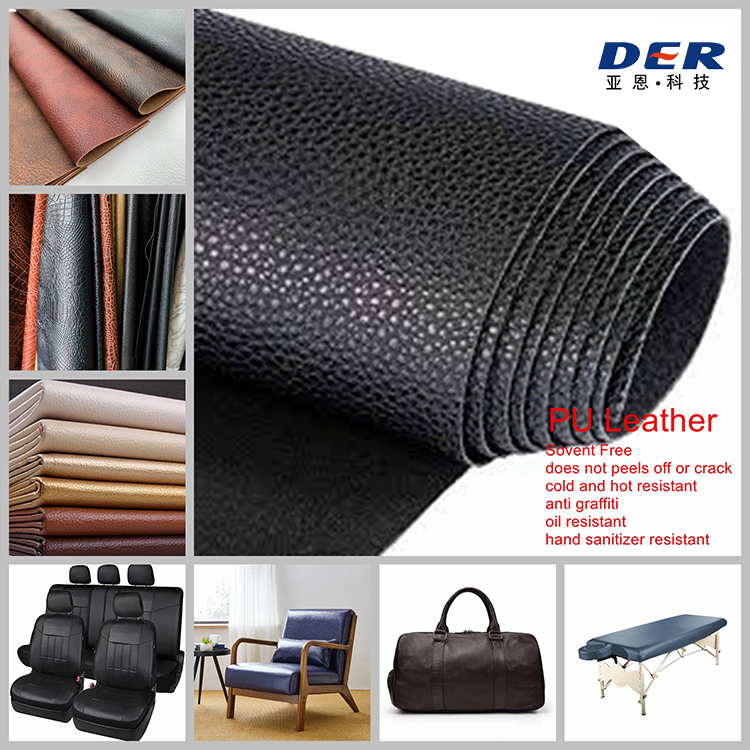

To avoid buying the wrong synthetic leather material, buyers should define the performance target before asking for price. The same color PVC leather can behave differently if the backing, coating thickness, plasticizer system, surface finish or roll tolerance changes.
Use the following related pages to compare coated fabrics, application materials and factory capability before requesting a customized quotation.
PVC leather is usually made from a fabric backing with a PVC coating layer. The surface can be embossed, colored and finished to create a leather-like appearance. The exact structure depends on the target use, thickness, flexibility, backing strength and surface performance required.
In many markets, PVC leather is also called vinyl leather because the leather-like surface is based on polyvinyl chloride. Buyers should still check the actual backing fabric, thickness, coating adhesion and finish because product quality can vary between suppliers.
PU leather is usually better when soft hand feel, flexibility and indoor comfort are the main requirements. PVC leather is usually better when the product needs stronger water resistance, easier cleaning, surface toughness and cost-effective bulk supply.
Any synthetic leather can fail if the coating structure is poor or if the material is used outside its intended conditions. To reduce peeling risk, buyers should request suitable coating adhesion, correct base fabric, proper surface finish and application-specific testing.
PVC leather can be used in some outdoor or moisture-prone applications when it is designed with suitable UV resistance, anti-mildew treatment and backing strength. For long outdoor exposure, the specification should be confirmed carefully before bulk production.
PVC leather is used for commercial upholstery, medical table covers, gym mats, protective pads, luggage, bags, cases, outdoor seating, marine seating, decorative panels and various industrial products that need a durable leather-like surface.
Yes. Der factory can discuss custom color, grain, matte or glossy finish, roll width, weight, thickness, backing fabric, performance requirements and packing options for OEM and industrial buyers.
Send your application, preferred material, target thickness or weight, roll width, color, texture, performance requirements, quantity and destination. Der factory will help evaluate the material direction and quotation details.
Der factory can help you compare PVC leather, PU leather and custom coated fabric structures for your finished product. Share your application, color, texture, thickness, performance target and order quantity to receive a practical material recommendation.
Suggested URL: http://www.der-factory.com/en/what-is-pvc-leather-pu-vs-pvc-leather.html
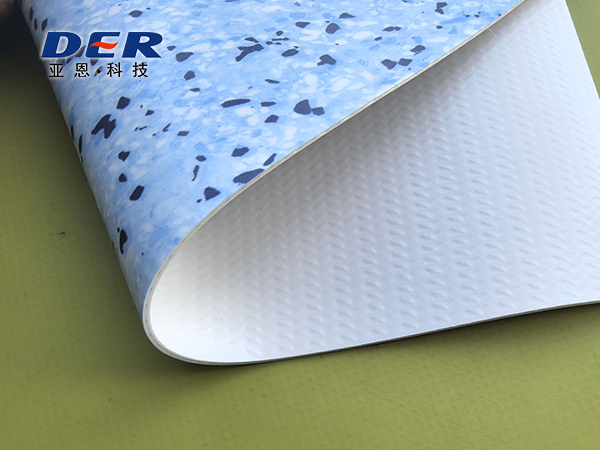
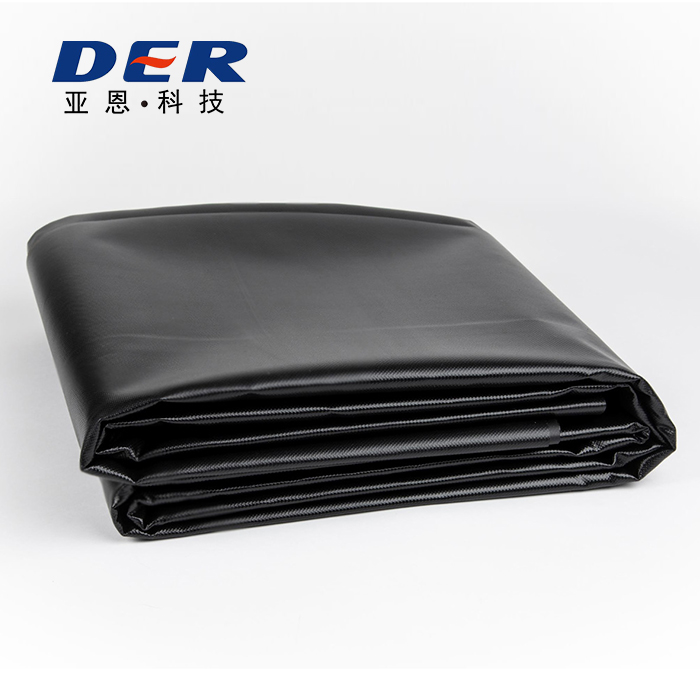
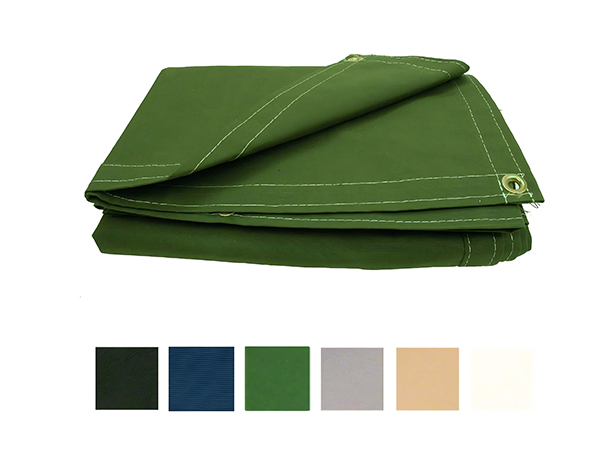
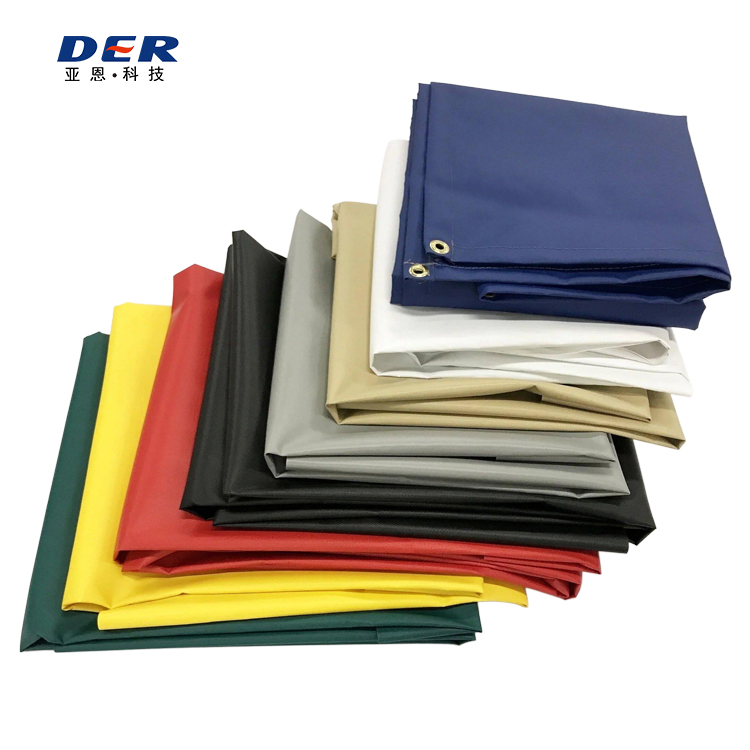
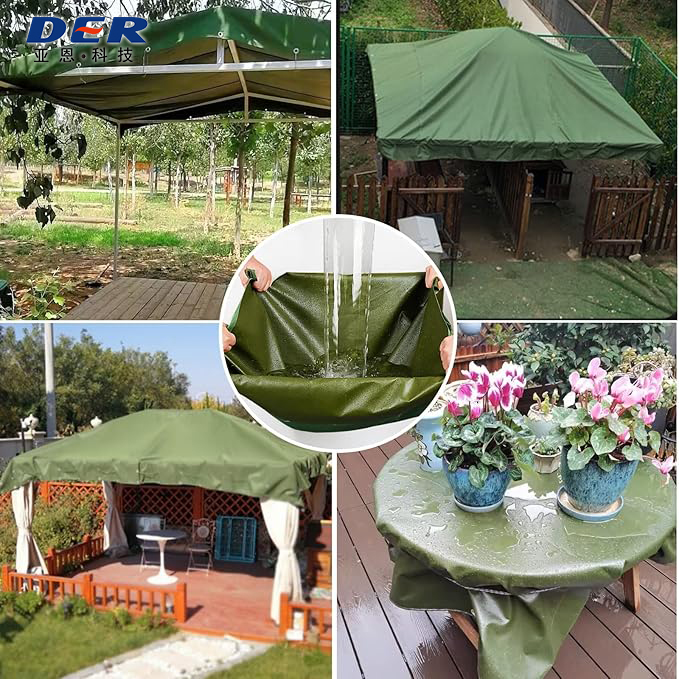
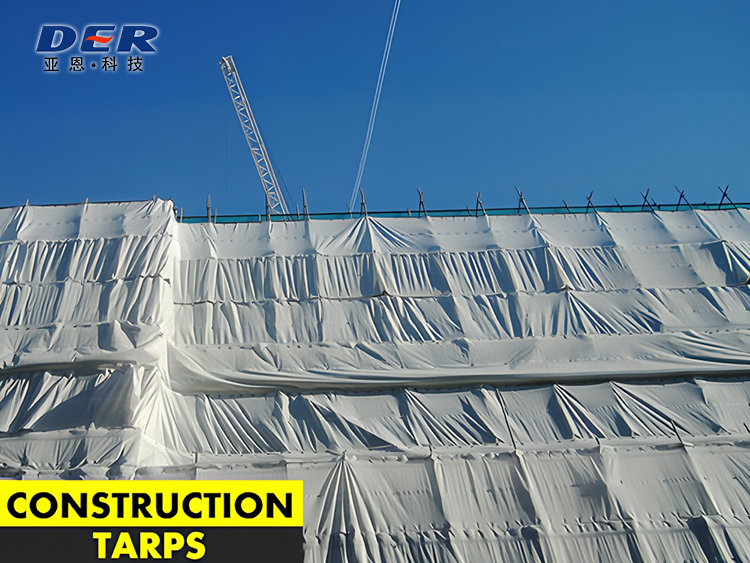
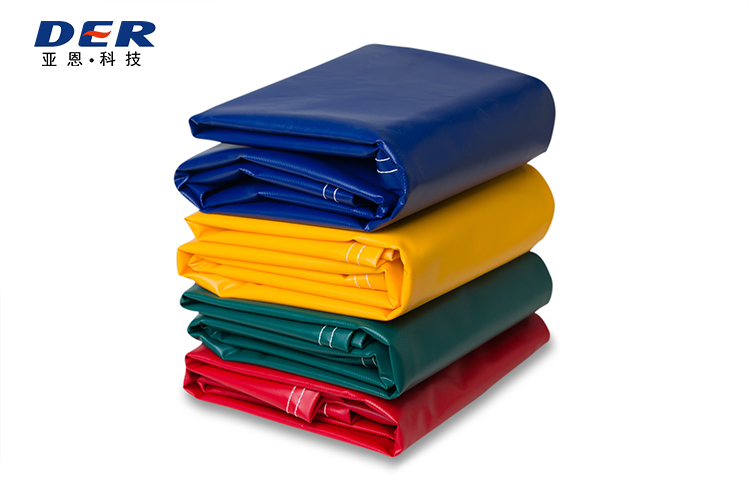
Our products are widely used in our residential and industrial area, which can be used for producing tents, outdoor covering, flexible ventilation tube, water bladders, inflatable castles, architecture membrane structures, etc. Our main products: PVC coated fabrics, PU/TPU coated fabrics, Oxford fabric, PVC ceiling film, flexible banner material. Welcome to our site and order online.