PE / Poly Tarp
Woven polyethylene with a protective film or coating. Common for general-purpose, temporary and economy coverage.
Best direction: lightweight, short-term, broad-area protection.

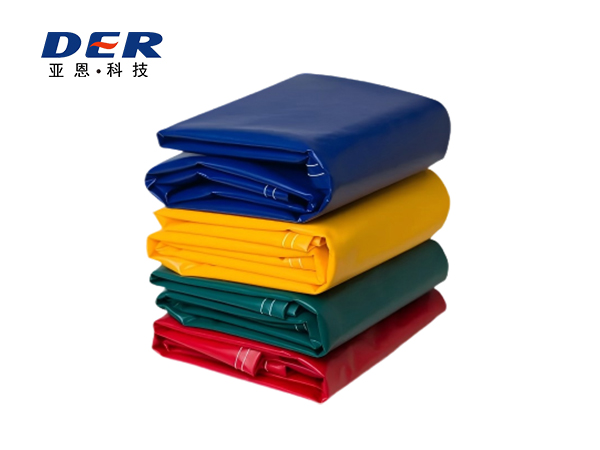
A tarp is a large, flexible protective sheet used to cover, shield, shelter, contain or separate objects and working areas. “Tarp” is the everyday shortened form of “tarpaulin.” Tarps can be made from polyethylene (PE), PVC-coated polyester, canvas, mesh, clear PVC and other flexible materials, so the right specification depends on the job—not only the size.
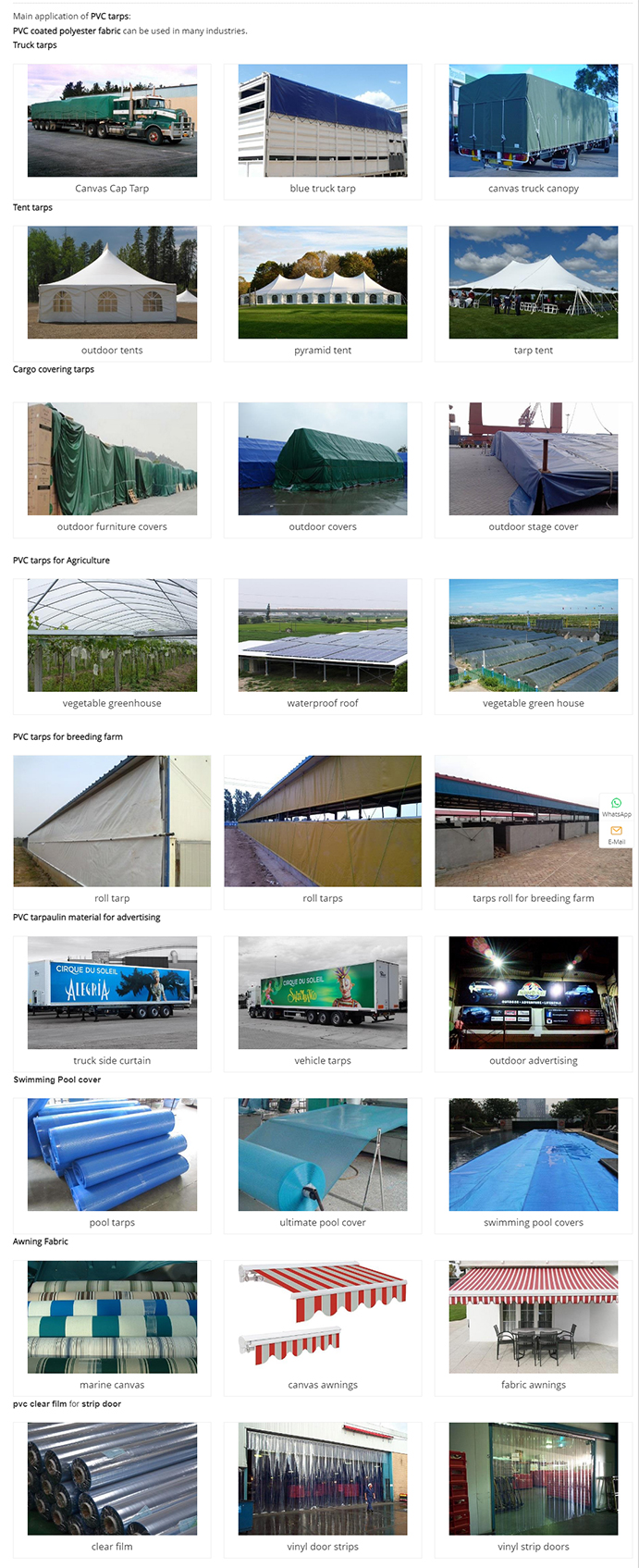
A tarp is a durable, flexible sheet used as a temporary or reusable barrier against weather, dirt, spray, abrasion, sunlight, debris or unwanted exposure. It may be laid flat, wrapped around cargo, tensioned over a frame, tied over equipment, hung as a divider or fabricated into a fitted cover. “Tarp” and “tarpaulin” usually describe the same product family; the meaningful differences come from material, base fabric, coating, weight, thickness, seam method, reinforcement and fastening points. For a broader product overview, see the DER factory tarps and tarpaulin range.
In normal product use, no major material difference is implied by the two words. “Tarp” is simply shorter and more conversational; “tarpaulin” is more common in formal specifications, export documents and technical purchasing.
Everyday wording used in construction, trucking, retail, field work and online search. It can refer to anything from a light poly sheet to a heavy industrial cover.
The full term, often used in product specifications and B2B sourcing. It is useful when a buyer needs to define material, GSM, coating, width, reinforcement, finishing and testing requirements.
“I need a tarp” is a starting point. “I need a reusable truck cover exposed to highway wind, rain and repeated folding” is a usable specification brief.
There is no single tarp material. The main material families solve different problems: low weight, repeated outdoor use, breathability, visibility, abrasion resistance, fabrication or cost control.
Woven polyethylene with a protective film or coating. Common for general-purpose, temporary and economy coverage.
Best direction: lightweight, short-term, broad-area protection.
Usually a reinforced polyester textile coated or laminated with polyvinyl chloride. Often chosen for reusable industrial and transport covers.
Best direction: waterproofing, weldability, abrasion resistance, repeated handling.
Woven textile cover valued where breathability and a fabric feel matter. Water performance depends on treatment and construction.
Best direction: breathable protection and applications where condensation control matters.
Open construction that intentionally allows air and some water to pass through while providing shade, screening or debris control.
Best direction: wind reduction, shade, hauling and screening.
Transparent or translucent flexible material used where visibility, light transmission or visual inspection is part of the job.
Best direction: partitions, weather walls and transparent protection.
For reusable waterproof industrial covers, buyers commonly evaluate vinyl tarps / PVC tarpaulin and the underlying PVC-coated polyester fabric separately. The finished tarp and the roll material are related, but they are not the same procurement item.
The right choice is the material that meets the exposure and handling requirement without unnecessary weight, complexity or cost.
| Material family | Typical strength | Water behavior | Handling / fabrication | Common use direction |
|---|---|---|---|---|
| PE / poly | Light to medium duty depending on construction | Many solid grades are waterproof when intact | Lightweight; generally selected for simple coverage | Temporary cover, DIY, storage, short-duration jobsite use |
| PVC / vinyl | Medium to heavy duty depending on base fabric and coating | Solid coated grades can be designed for waterproof protection | Suitable for welding, reinforced hems and industrial fabrication | Truck, equipment, industrial, construction, reusable outdoor covers |
| Canvas | Varies with fabric and treatment | Often water-resistant rather than a sealed waterproof barrier | Flexible textile handling; often sewn | Breathable equipment or material protection |
| Mesh | Varies with weave and reinforcement | Not intended as a waterproof sheet | Lower wind pressure than solid sheet; edge reinforcement still matters | Shade, debris, dump truck, fencing and privacy applications |
| Clear PVC | Depends on film or reinforced construction | Can provide a solid weather barrier | Requires suitable seam and edge design | Industrial curtains, clear walls, visibility-sensitive covers |
Two tarps can look similar and still behave very differently. Industrial performance comes from the whole material-and-fabrication system, not only the visible color or thickness.
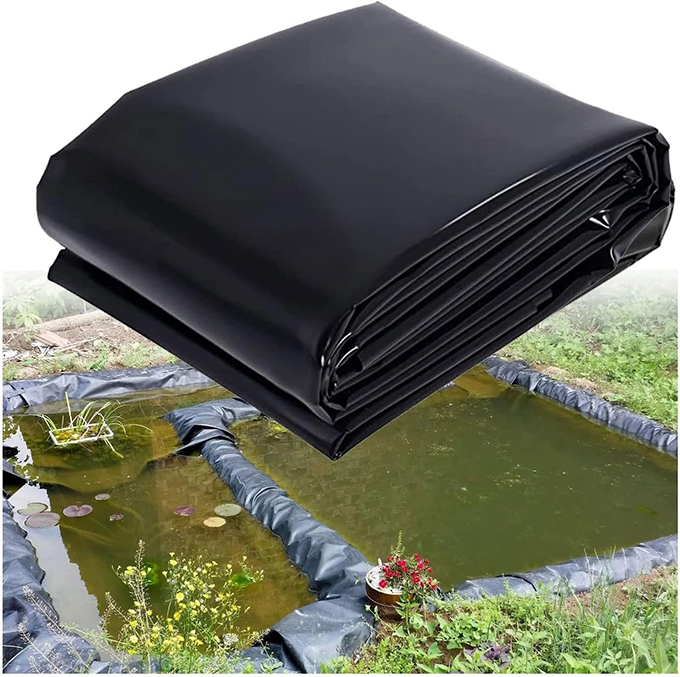
The reinforcement, coating and surface finish influence strength, waterproofing, weldability and handling. Final tarp performance also depends on seams, edges and attachment points.
No. “Tarp” describes the product category, not a guaranteed water-performance level. The material, seam construction, holes, wear and installation determine whether the finished cover can act as a waterproof barrier.
A solid barrier intended to prevent water penetration through the main sheet. For a finished cover, seams and penetrations must also be designed appropriately.
PVC / vinyl directionSolid PE directionRepels or slows water but should not automatically be treated as a fully sealed barrier under pressure, pooling water or long exposure.
Treatment-dependentUse-condition dependentAllows intentional airflow and often water passage. This can be beneficial for shade, debris control, reduced wind loading or condensation management.
MeshSome canvas constructions“Heavy duty” is a use description, not one universal tarp specification. A serious comparison should look at how the complete tarp handles weather, pulling, abrasion, folding and repeated installation.
Start from service conditions and work backward to material. This avoids the common mistake of choosing by color, thickness or price alone.
What is being covered, protected, separated or contained? Is the tarp temporary, reusable or part of a permanent operating system?
Consider rain, sun, wind, dust, abrasion, road spray, chemicals, temperature, snow or repeated outdoor storage.
Will the tarp be folded every day, dragged, tensioned, rolled, tied to a moving vehicle or left mostly stationary?
Specify grommets, rope, webbing, D-rings, straps, zippers, pockets or other attachment points and where the load is transferred.
Choose PE, PVC/vinyl, canvas, mesh or clear material based on the required barrier, strength, flexibility and fabrication behavior.
Confirm weight or thickness direction, coating/lamination, seams, reinforced hems, corner reinforcement and panel layout.
State UV, flame-retardant, cold-flex, color, printing, visibility or testing requirements before quotation and production.
For B2B orders, keep a controlled specification for material, dimensions, hardware, logo, labels and packing so reorders stay consistent.
Tarps are used anywhere a flexible cover can protect a surface or object, create temporary enclosure, control debris or support transport and storage. The application determines which properties matter most.
| Application | What the tarp must do | Material direction | What the buyer should specify |
|---|---|---|---|
| Truck & transport | Protect cargo from rain, road spray and repeated handling while staying securely fastened. | Often PVC/vinyl or mesh depending on cargo and airflow. | Finished dimensions, wind exposure, handling cycles, tie-down points, edge reinforcement and visibility needs. |
| Construction | Cover materials, equipment, scaffolding or temporary work areas. | PE for temporary work; PVC for reusable/heavier-duty systems; mesh for screening. | Duration, wind, abrasion, anchoring, fire requirement if applicable, transparency or airflow. |
| Equipment protection | Keep machinery and components protected from rain, dust, sunlight and site debris. | Reusable PVC/vinyl covers are common for demanding outdoor use. | Equipment shape, openings, access points, ventilation, abrasion zones and fastening. |
| Agriculture | Cover equipment, feed, materials or storage zones. | PE, PVC or specialty cover depending on exposure and expected life. | UV exposure, moisture behavior, cover size, anchoring and handling frequency. |
| Warehouse & pallet storage | Protect goods from dust, splash and handling contamination. | Light or reusable coated covers depending on environment. | Pallet footprint, height, access, closure method, indoor/outdoor conditions and reuse cycles. |
| Temporary roof / shelter | Shed weather safely for a limited period. | Solid waterproof material selected for the installation and expected loading. | Roof geometry, drainage, tensioning, attachment, wind, overlap and safe installation method. |
For application-specific examples, review DER factory construction tarpaulin, construction equipment covers and pallet protective covers.
A professional tarp specification uses several dimensions together. No single number explains durability on its own.
GSM means grams per square meter. It describes material mass per area, but it does not reveal how that mass is distributed between base fabric, coating and other layers.
Thickness may be stated in millimeters or mils. It can be useful for comparison, but two tarps with similar thickness can still differ in reinforcement, coating quality and tear behavior.
Finished fabrication can change final dimensions through hems, seams and panel layout. B2B buyers should state whether a dimension is finished size, cut size or required coverage area.
Tensile strength relates to pulling force across the material; tear performance reflects resistance to tear propagation. The required level depends on loading and attachment design.
Roll width influences how many seams are needed in a finished cover. Large covers should be planned around usable material width, seam placement and handling.
Grommet or D-ring spacing should follow the expected tension pattern rather than a generic interval. High-stress corners and edges may need additional reinforcement.
For industrial buyers, the finished cover should be engineered around the load path. A strong fabric can still fail early if seam location, corner reinforcement or tie-down geometry concentrates stress in the wrong place.
Choose the base material and surface construction for weather exposure, reuse, abrasion, flexibility and welding or sewing requirements.
Confirm panel layout, welded or sewn seams, hems, reinforced corners, webbing and openings before cutting starts.
Place grommets, D-rings, straps or other fasteners where the cover can distribute load instead of creating isolated tear points.
Send the application, dimensions, material direction, quantity, reinforcement, hardware and any special performance requirement for technical review.
Most specification problems happen before production—when buyers compare products that are not actually equivalent.
Blue, green, silver or black does not define material quality. Color is visible; construction is what determines performance.
GSM is useful, but base fabric, coating, thickness, reinforcement and fabrication must be reviewed together.
A large solid tarp can experience substantial loading when wind gets underneath it. Anchoring and tensioning matter.
Unless specifically designed for lifting, tarp attachment hardware should not be assumed to be rated lifting equipment.
Flat installation can create water pooling and high localized loads. A cover should shed water where the application allows.
Clarify coverage, overlap, hems, shrink/fit allowance and attachment position before confirming finished dimensions.
A complete brief reduces back-and-forth and makes supplier quotations more comparable.
Send a drawing, dimensions, photo or reference sample together with the service conditions. Feasibility and final construction can then be reviewed before production.
Short, self-contained answers to the questions people most often ask when defining or sourcing a tarp.
A tarp is a large flexible sheet used to cover, protect or shelter something. It can protect cargo, equipment, materials, roofs, floors, vehicles, storage areas and outdoor workspaces.
Yes. “Tarp” is the common shortened form of “tarpaulin.” The two terms normally refer to the same broad product family, although “tarpaulin” is more common in formal specifications and B2B purchasing.
No. Many solid PE and PVC tarps are designed as waterproof barriers, while some canvas covers are water-resistant and mesh tarps intentionally allow air and water through. Seam design and wear also affect finished waterproof performance.
Common tarp materials include polyethylene, PVC-coated polyester (vinyl), canvas, mesh and clear PVC. Each material has different trade-offs in weight, durability, waterproofing, breathability, visibility and fabrication.
Heavy duty means the tarp is intended for demanding service, but the phrase is not one universal specification. Compare the actual material construction, weight or thickness, tensile and tear performance, UV resistance, abrasion, seams, reinforced edges and fastening design.
Poly tarps are typically woven polyethylene covers used where low weight and economy matter. Vinyl tarps are commonly made from PVC-coated polyester and are often selected for reusable industrial, truck and outdoor covers that need welding, stronger edge fabrication and better abrasion resistance.
Measure the actual object or coverage area, then account for side drops, overlap, fastening, hems, clearances and the way water should drain. For fitted or fabricated covers, send a drawing or dimensional sketch rather than only a nominal length × width.
Yes. Depending on the material and project, custom tarps can be reviewed for dimensions, panel layout, color, welded or sewn seams, hems, webbing, grommets, D-rings, openings, logo marking and packaging. Final feasibility should be confirmed during technical review.
For a useful quotation, send the application, finished size or drawing, environment, material preference, quantity, reinforcement and fastening details, plus any UV, flame-retardant, cold-flex, color, printing or testing requirement.
Request a Tarp Quote
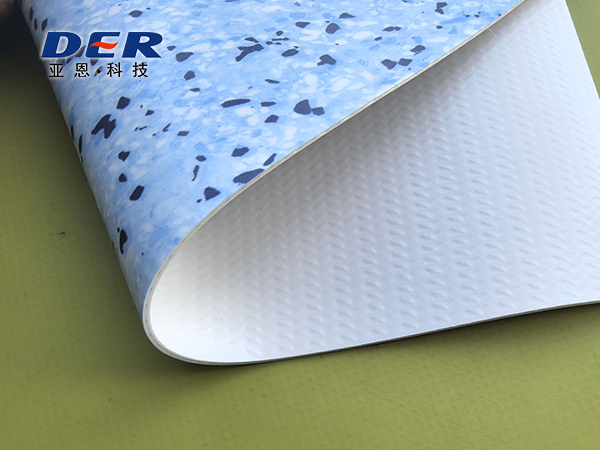
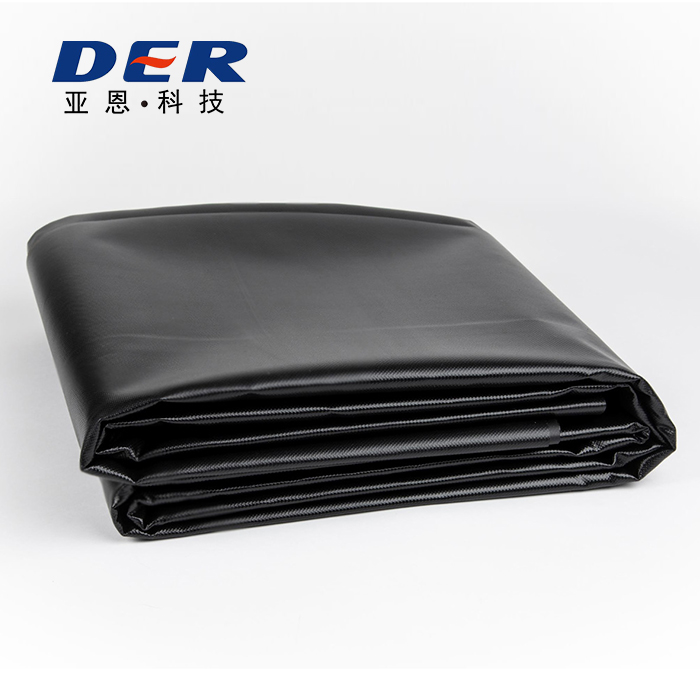
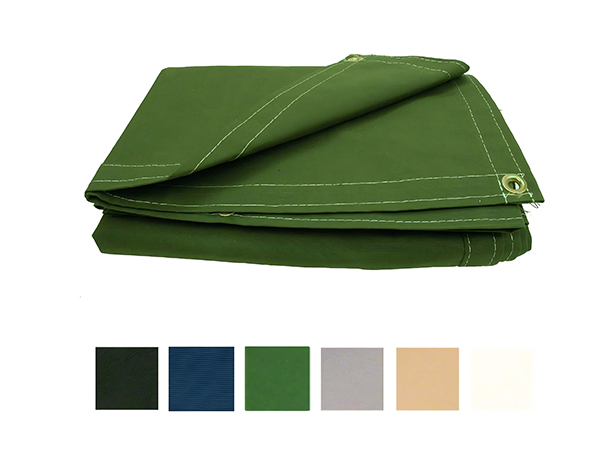
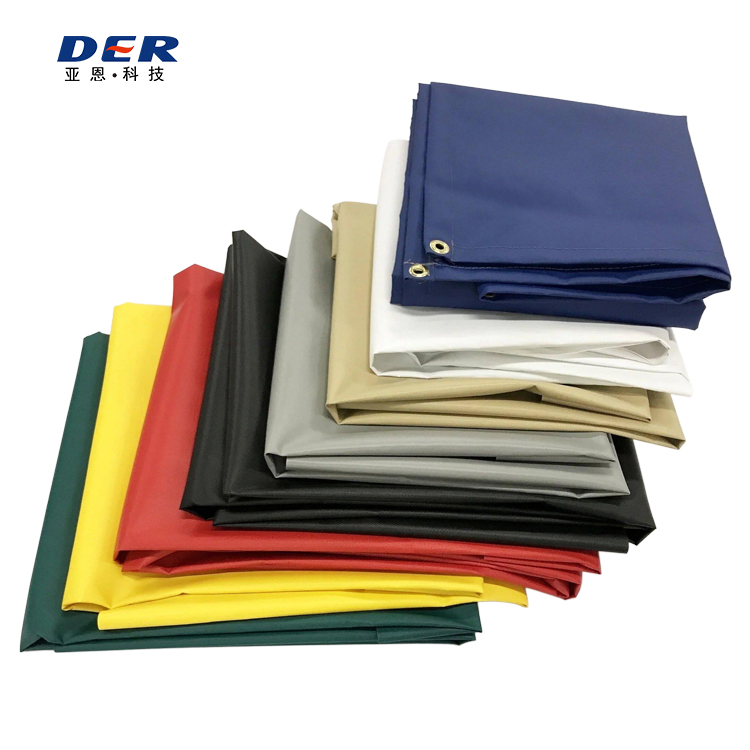
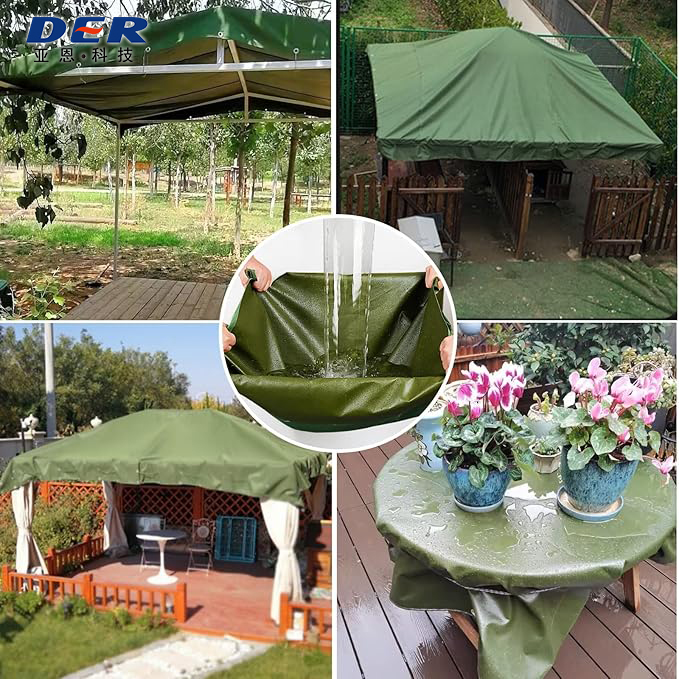
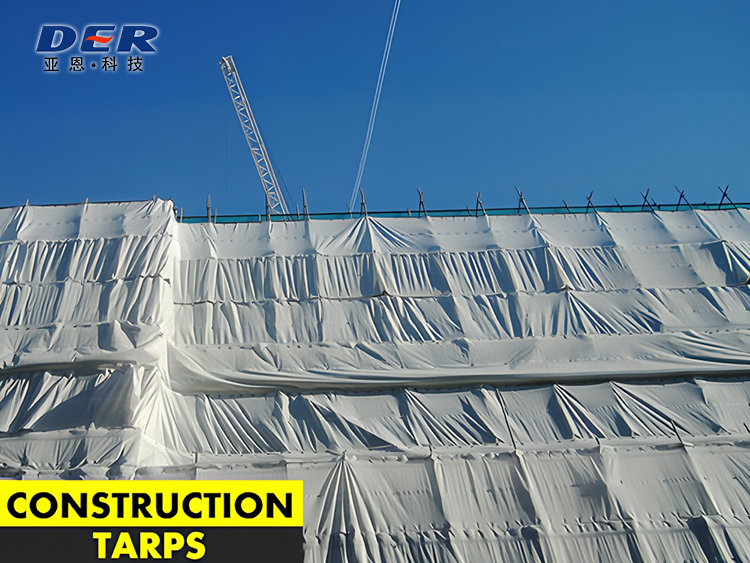
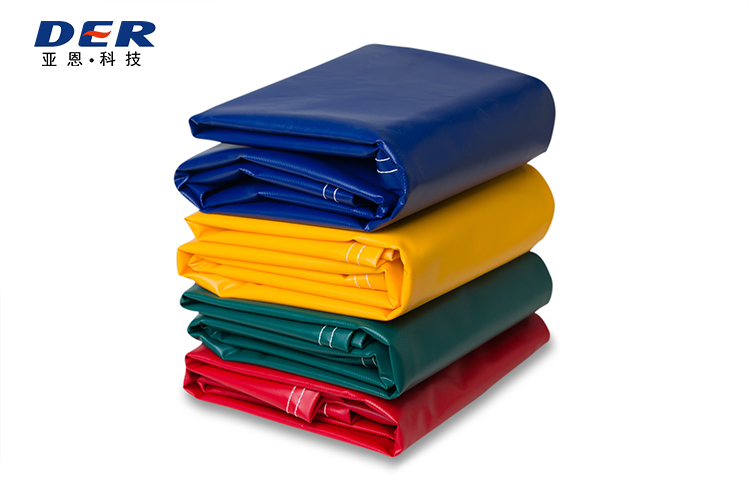
Our products are widely used in our residential and industrial area, which can be used for producing tents, outdoor covering, flexible ventilation tube, water bladders, inflatable castles, architecture membrane structures, etc. Our main products: PVC coated fabrics, PU/TPU coated fabrics, Oxford fabric, PVC ceiling film, flexible banner material. Welcome to our site and order online.