Premium Tarps & Tarpaulin Manufacturer

+86 15601786499 (steven)

info@der-factory.com

中

Update time:2026/9/26 22:47:03 Views:0

What Is TPU Coated Fabric? Structure, Properties, Uses & Selection | DER factory

Technical Textile Guide · TPU Coated Fabric

What Is TPU Coated Fabric?

TPU coated fabric is a reinforced technical textile that combines a woven or knitted base cloth with thermoplastic polyurethane. The textile supplies strength and dimensional control; the TPU layer supplies a flexible barrier and a heat-weldable surface for waterproof, airtight and demanding industrial products.

TPU + Nylon / Polyester Single- or Double-Side Structures Polyether / Polyester TPU Selection Welding & OEM Specification Support

Typical TPU Coated Fabric Architecture

The construction is a system: TPU chemistry, substrate, coating side and joining method must be selected together.

TPU Functional Layer Barrier surface · abrasion protection · heat-weldable interface
Textile Reinforcement Nylon or polyester fabric carries tensile, tear and dimensional loads
Optional TPU Layer Double-sided construction when both faces require TPU coverage or sealing

Buyer note: “TPU coated fabric” is not one fixed specification. Two rolls with the same GSM can behave differently if the TPU chemistry, coating thickness, substrate denier, weave or welding route changes.

TPU Coated Fabric: Direct Answer

TPU coated fabric (thermoplastic polyurethane coated fabric) is a composite material made by applying or bonding TPU to a textile substrate, commonly nylon or polyester. The base fabric provides mechanical reinforcement, while the TPU layer can provide water resistance, air or liquid barrier performance, abrasion protection, flexibility and a thermoplastic surface that can be welded by compatible heat- or energy-based processes.

It is widely considered for inflatable products, dry bags, air bladders, flexible tanks, marine equipment, medical air systems and industrial containment. The final performance depends on the TPU grade, base textile, coating or lamination structure, layer thickness, surface, seam method and the finished product’s service environment.

For a commercial roll-goods option, see DER factory’s TPU coated fabric product page.
Material Architecture

What Is TPU Coated Fabric Made Of?

A useful specification separates the product into three decisions: the textile reinforcement, the TPU chemistry and the layer arrangement. Buying only by “TPU” or only by GSM leaves critical production variables undefined.

01

Base Fabric

Nylon or polyester is commonly used as the reinforcement. Yarn denier, weave, density and finishing influence tensile strength, tear behavior, stretch, stiffness, dimensional stability and how the roll behaves during welding.

02

TPU Layer

Thermoplastic polyurethane forms the functional surface. Depending on grade and build, it may be selected for barrier performance, abrasion resistance, flexibility, chemical exposure, low-temperature use and thermoplastic welding.

03

Bonding / Coating Structure

TPU may be applied as a coating or bonded as a film laminate. One-side and double-side constructions serve different sealing, weight, cleanability, hand-feel and fabrication requirements.

TPU Coated Nylon Fabric

Nylon is frequently evaluated when the finished product needs a tough, flexible textile reinforcement that can tolerate deformation and repeated handling. It is common in inflatable and outdoor products, but the exact nylon type, denier and weave still matter.

For an application-specific example, DER factory also discusses TPU coated nylon fabric.

TPU Coated Polyester Fabric

Polyester is frequently evaluated where dimensional stability, lower moisture uptake and controlled stretch are priorities. It can be a practical reinforcement for bags, containment, covers and industrial assemblies when matched with the correct TPU and welding process.

For buyers comparing thermoplastic coatings, DER factory’s PVC coated polyester fabric page is a useful adjacent material reference.

Polymer Selection

Polyether TPU vs Polyester TPU: Why the Chemistry Matters

The TPU family contains different chemistries. The service environment—not a generic “TPU is better” claim—should determine which grade direction is sampled.

Decision Factor Polyether TPU Direction Polyester TPU Direction Buyer Action
Prolonged water / humidity Commonly evaluated when hydrolysis resistance is a major requirement. Can be suitable in many uses, but long-term hot/wet exposure requires grade-specific review. State immersion, humidity, temperature and service duration.
Oil / solvent / chemical contact Performance varies by formulation and chemical. Often evaluated where a strong balance of mechanical and chemical performance is required. Provide the actual fluid or cleaning agent; request compatibility data or testing.
Abrasion / mechanical wear Both families can be engineered for strong abrasion performance; the final result depends on grade, hardness, thickness and textile support. Define wear mode and acceptance test instead of asking only for “high abrasion resistance.”
Welding Many TPU constructions can be developed for RF/HF, hot-air, heat-seal, hot-wedge or selected ultrasonic processes. Send machine type, seam overlap, product geometry and process constraints before sampling.
Important:

Polyether vs polyester is only one layer of the decision. Hardness, film/coating thickness, additives, pigment, bonding system and substrate also change final performance. Approve the real composite and welded assembly—not a resin family name alone.

Performance Logic

What Properties Does TPU Coating Add to Fabric?

TPU contributes the functional surface, but performance is created by the complete composite. The most useful question is not “Is TPU good?” but “Which TPU/textile build meets the finished-product test?”

Water Barrier

A continuous TPU layer can create a strong moisture barrier. Buyers should specify the intended waterproof test and whether the requirement applies to the roll only or to welded seams and finished assemblies.

Airtightness Potential

TPU coated fabrics are widely used for air-holding products because the barrier layer can be welded into sealed seams. Airtightness should be confirmed by finished-product leakage or pressure-retention testing.

Abrasion Resistance

TPU is valued for toughness and abrasion resistance. Actual wear life still depends on surface formulation, layer thickness, contact pressure, grit, flexing and the textile beneath it.

Flexibility

The material can remain flexible while providing a protective surface, which is useful for foldable tanks, bags and inflatable products. Cold-flex requirements should be specified when service temperatures are low.

Heat-Weldable Surface

Because TPU is thermoplastic, compatible surfaces can be fused using controlled heat, pressure or high-frequency energy. This enables sealed seams without relying only on needle stitching.

Chemical Resistance

Resistance is application-specific. Oils, fuels, disinfectants, saltwater, acids, alkalis and cleaners should be named during material selection; a generic “chemical resistant” statement is not sufficient.

Process Overview

How Is TPU Coated Fabric Made?

Manufacturing routes vary, but the core logic is consistent: build a reliable textile reinforcement, add the TPU layer, control bonding and surface quality, then verify conversion behavior before bulk use.

STEP 1Substrate SelectionChoose nylon or polyester, denier, weave and strength direction for the application.
STEP 2Fabric PreparationControl cleanliness, surface and dimensional stability before applying the polymer layer.
STEP 3TPU SelectionChoose polyether or polyester TPU direction, hardness, color and functional formulation.
STEP 4Coating / LaminationApply TPU directly or bond a TPU film to one or both textile faces.
STEP 5Inspection & WindingCheck appearance, thickness/weight consistency, bonding and roll quality.
STEP 6Welding ValidationTrial the intended seam method and confirm leakage, strength and repeatability.

Coated vs Laminated TPU Fabric

Coating generally refers to applying TPU directly to the textile surface as part of the coating process. Lamination generally refers to bonding a pre-formed TPU film to the textile. The visible result can look similar, but film thickness control, hand feel, adhesion behavior and conversion window may differ.

Single-Side vs Double-Side TPU

A one-side structure can reduce weight or retain a textile face. A double-side structure can be considered when both surfaces need TPU coverage, cleaning, barrier performance or compatible welding interfaces. The correct choice follows the seam and end-use design.

See DER factory’s related TPU coated tarpaulin fabric information for another coated-textile product direction.

Material Comparison

TPU Coated Fabric vs PU Coated Fabric vs PVC Coated Fabric

These materials overlap in waterproof and protective textile uses, but they are not identical. The best choice depends on barrier needs, welding process, flexibility, service environment, compliance requirements and project economics.

Factor TPU Coated Fabric PU Coated Fabric PVC Coated Fabric
Polymer behavior Thermoplastic polyurethane; can be selected for heat/energy welding. “PU coating” covers several polyurethane coating systems; not all behave like thermoplastic TPU. Thermoplastic PVC system widely used in tarpaulins and industrial coated textiles.
Typical selection driver Flexible barrier, sealed construction, abrasion, low-temperature or premium technical applications. Lightweight waterproofing, apparel/outdoor textiles or specific coating hand-feel and breathability targets. Heavy-duty covers, truck tarps, tents, curtains and large-area industrial protection where cost/performance balance is important.
Water / airtight products Strong candidate when material and seams are designed and tested together. Depends heavily on coating type, thickness and seam construction. Also widely used in welded waterproof/airtight structures; formulation and seam design still matter.
Key buyer question Which TPU chemistry, substrate and welding process match the end product? Which PU coating system and performance standard are being supplied? Which PVC construction, weight, reinforcement and weathering package are required?
Do not compare materials by polymer name alone.

A lighter TPU construction can outperform a heavier roll in one application and fail in another. Compare the finished-product requirement, test method, seam process and expected service conditions.

Application Mapping

What Is TPU Coated Fabric Used For?

TPU coated textiles are selected where the product needs a reinforced flexible structure plus a barrier or weldable surface. The application should drive the specification.

Inflatable Products

Packrafts, air mattresses, rescue equipment and inflatable chambers require attention to fabric stretch, puncture/abrasion exposure, seam strength and pressure retention.

Dry Bags & Waterproof Gear

Bag manufacturers balance weight, hand feel, abrasion, foldability, color, surface finish and hot-air/RF/heat-seal processing.

Air & Liquid Bladders

Barrier continuity, double-side structure, hydrolysis/chemical exposure and welded seam reliability can be critical. DER factory also publishes a water bladder fabric vs water tank fabric comparison.

Flexible Tanks & Containment

Large panels may prioritize wide roll formats, low seam count, strong reinforcement, chemical compatibility and long continuous welds. See the related liquid bag tarpaulin application page.

Marine & Safety Equipment

Saltwater, repeated folding, sun exposure, pressure cycling and emergency-use reliability should be translated into material and finished-product tests.

Medical / Technical Air Systems

Air cells, cushions and specialty technical assemblies may require clean surfaces, controlled welding and project-specific regulatory or biocompatibility requirements. Compliance must be confirmed for the actual product and market.

DER Factory Image Context

Related Coated-Textile Production & Containment References

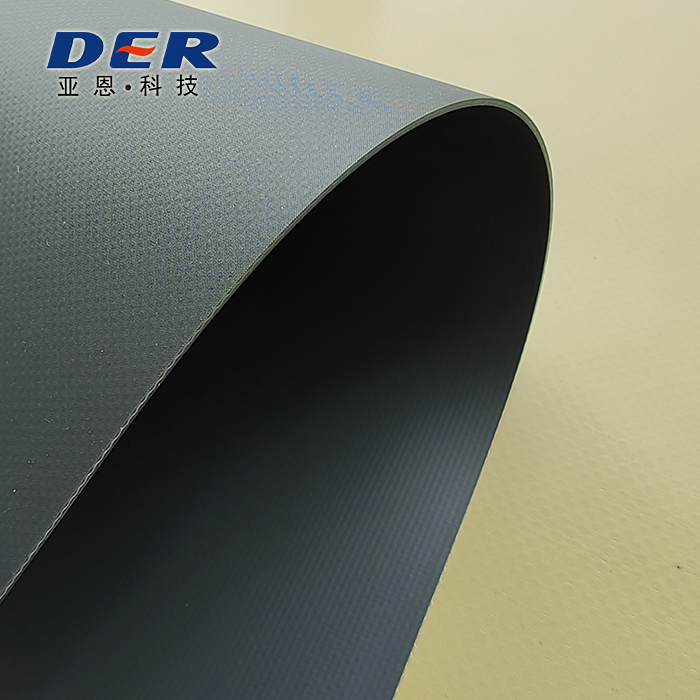
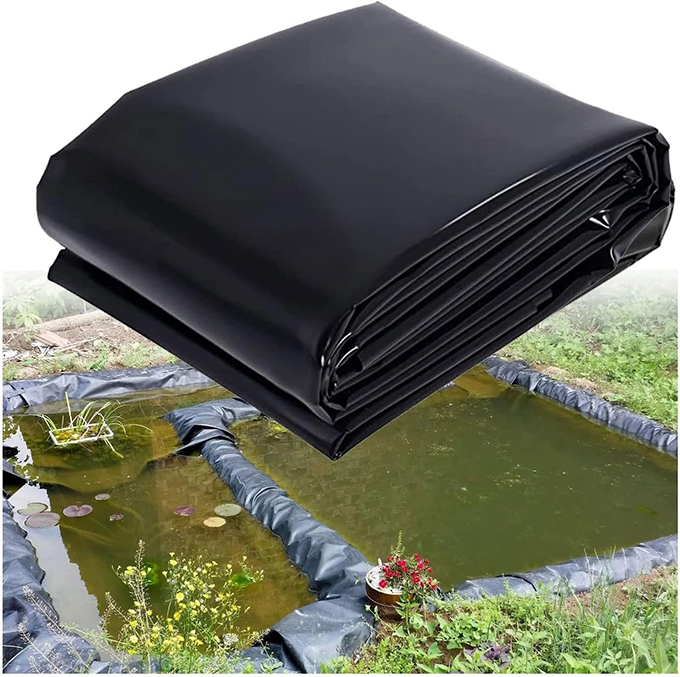
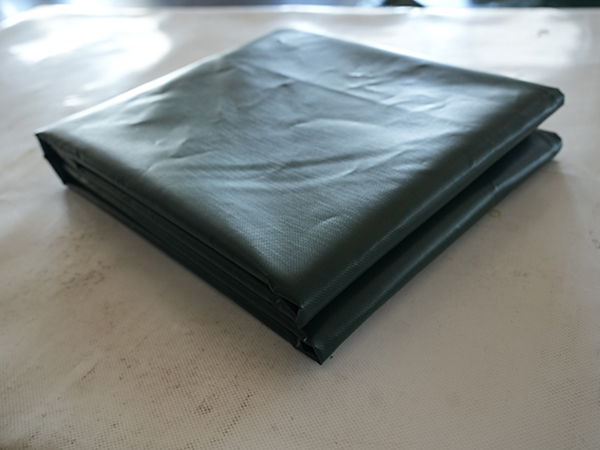
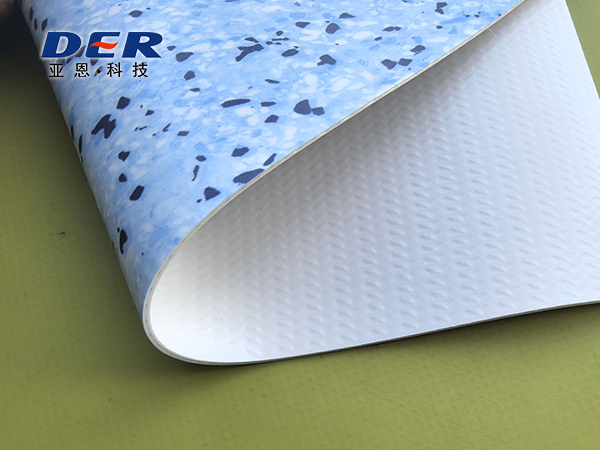
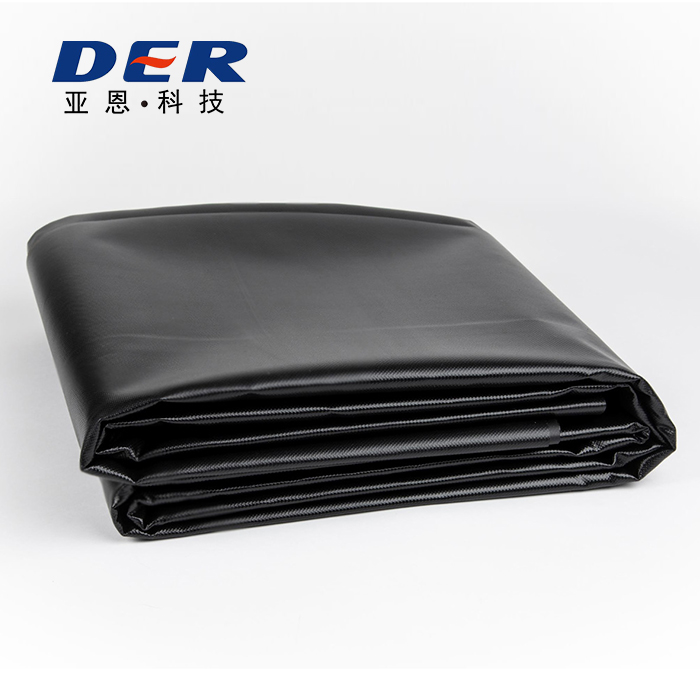
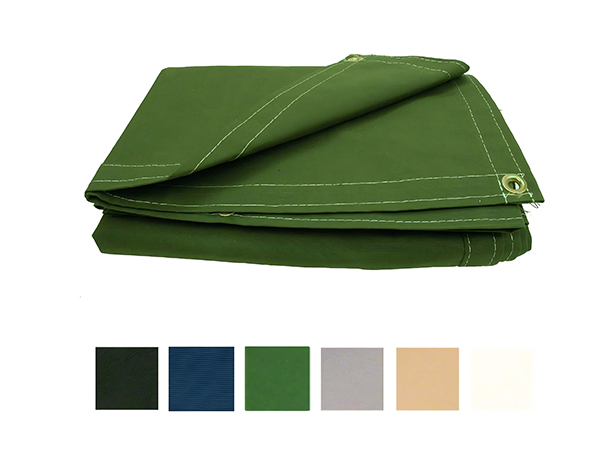
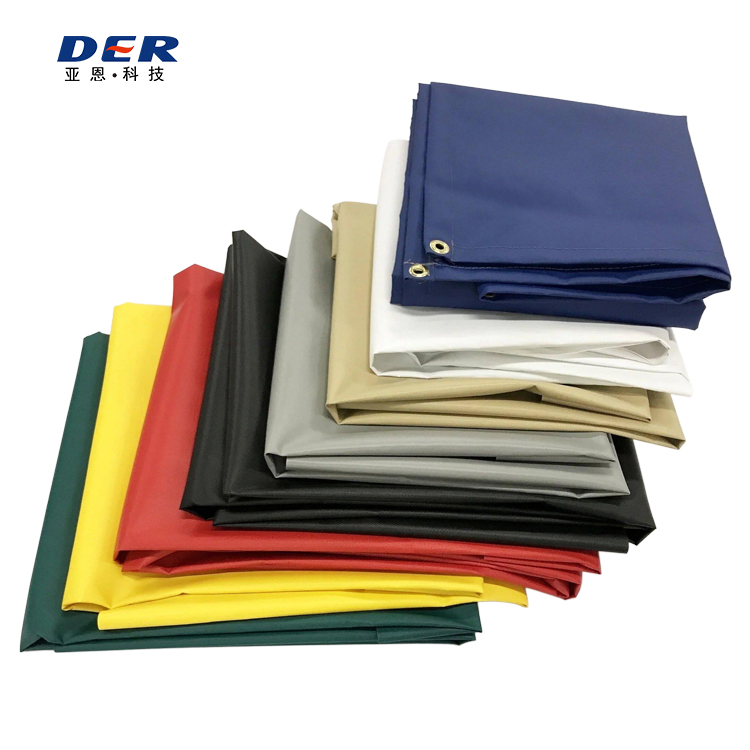
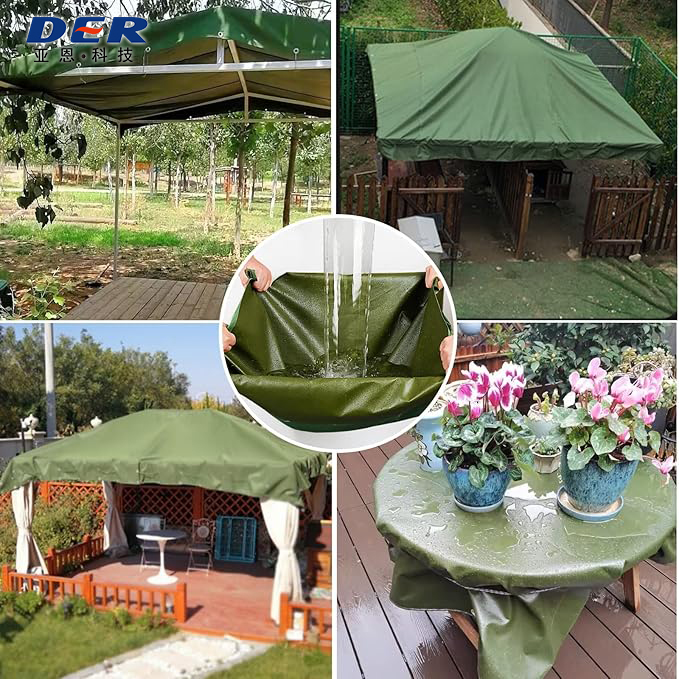
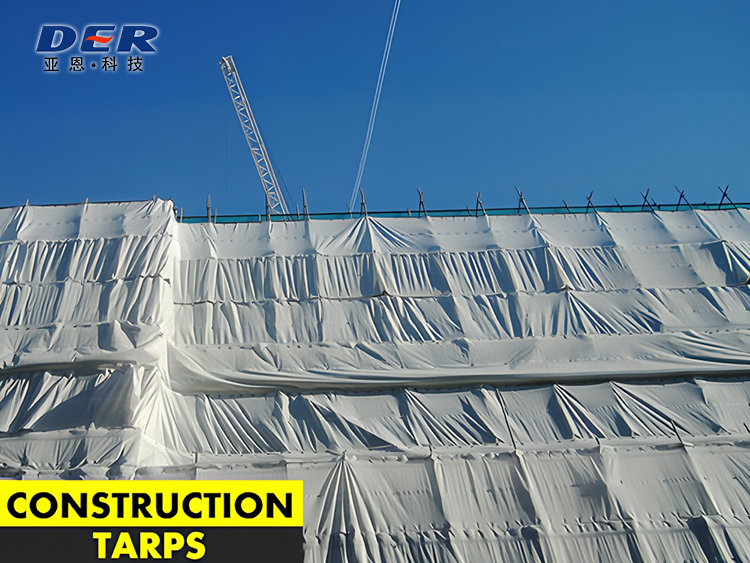
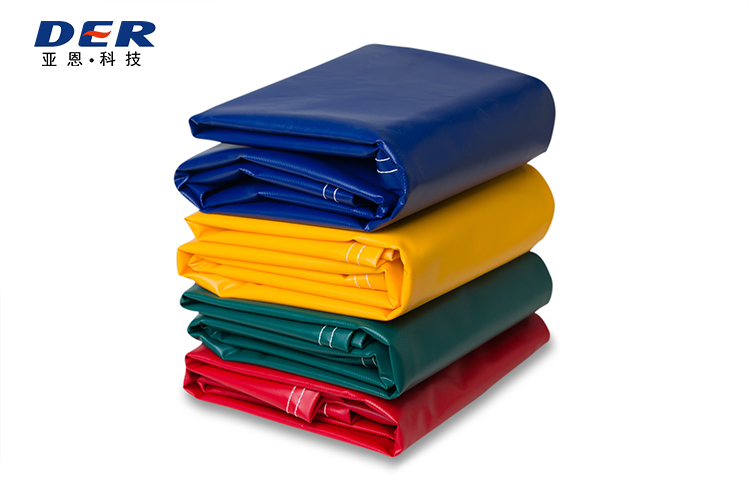
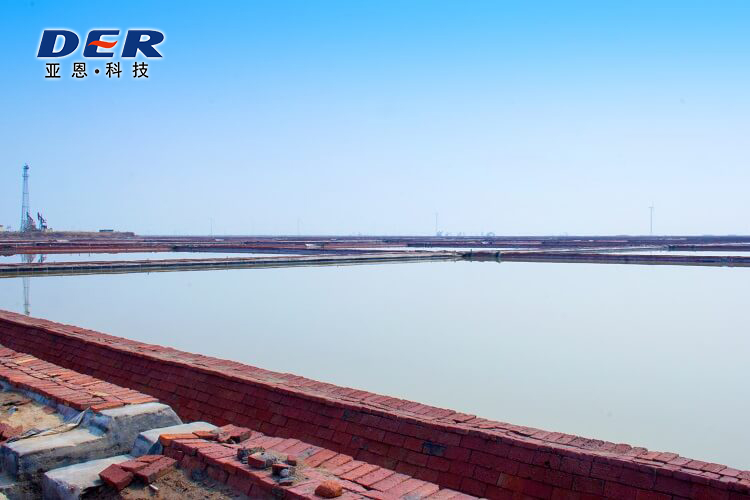
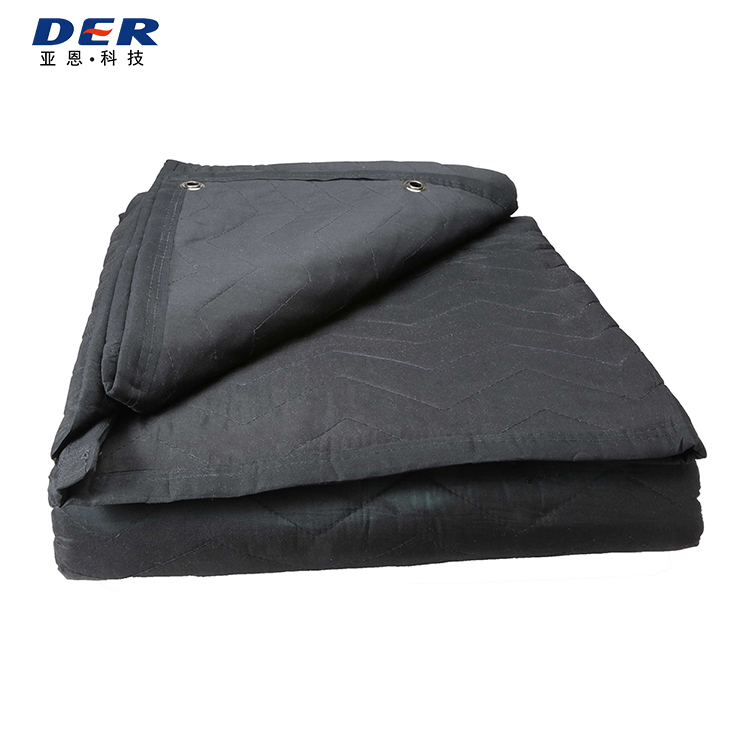
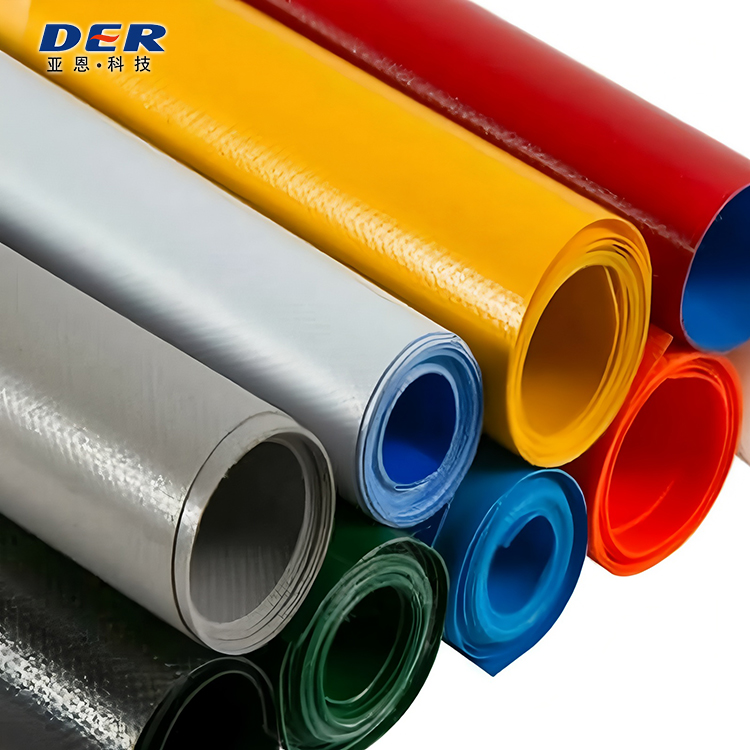
The following are verified DER factory site images illustrating coated-fabric roll goods and flexible containment applications. They are shown as application context; the exact TPU construction for a project must be confirmed separately.

Specification Guide

How to Choose the Right TPU Coated Fabric

Start with the finished product and its failure modes, then work backward to the fabric. The table below avoids fabricated “standard values” and focuses on what needs to be defined before sampling.

Specification Item Available Direction Why It Matters What the Buyer Should Specify
Base textileNylon / polyester / project-specific reinforcementControls load carrying, tear behavior, stretch and handling.End-product load, target flexibility, denier/weave if known, or reference sample.
TPU chemistryPolyether / polyester TPU directionChanges hydrolysis, environmental and chemical performance.Water/humidity exposure, chemicals, temperature, cleaning process and service duration.
ConstructionCoated or film-laminated; one side or double sideAffects barrier, weight, hand feel, cleanability and welding interface.Which side needs TPU, which faces must weld, and whether both faces are exposed.
Total weight / thicknessProject dependentAffects flexibility, stiffness, barrier margin, weld window and cost.Target GSM/thickness only if validated; otherwise provide finished-product performance targets.
Width / roll formatConfirm by selected constructionWider rolls can reduce seams and scrap but depend on production capability.Panel width, cutting layout, roll length preference and winding requirements.
Color / surfaceProject dependentChanges appearance, friction, cleanability, blocking and branding.Pantone/physical color standard, matte/gloss/textured surface, printing needs.
Welding methodRF/HF, hot-air, heat-seal, hot-wedge, ultrasonic evaluationSeam reliability depends on material + machine + geometry.Machine type, electrode/nozzle, seam overlap, speed/pressure constraints and acceptance test.
Functional testingAccording to agreed project requirements“Waterproof,” “airtight” and “chemical resistant” need measurable definitions.Required test method, target result, sample conditioning and finished-product validation plan.
Best sourcing shortcut:

If you already use a TPU fabric that works, send a physical reference sample plus your current weld settings and failure points. This gives the supplier more useful information than a GSM number alone.

Buyer Decision Guide

Six Common TPU Fabric Specification Mistakes

Many purchasing problems begin before production—when an RFQ describes the material too loosely. These six checks reduce mismatched samples and welding surprises.

1. Buying by GSM alone

GSM does not reveal base denier, TPU layer distribution, chemistry, hardness or coating side. Compare construction, not only total mass.

2. Assuming waterproof = airtight

Waterproof roll goods can still fail pressure retention through pinholes, fittings or seams. Define finished-product leak testing.

3. Treating all TPU as one material

Polyether/polyester chemistry, hardness and additives change behavior. State the service environment before selecting the grade.

4. Approving appearance before welding

A roll can look perfect but scorch, stick, shrink or produce weak seams on the real machine. Weld trials belong in sample approval.

5. Ignoring one-side vs two-side layout

The coating side determines which faces can be welded directly and how the finished part behaves during assembly and cleaning.

6. Using generic “chemical resistant” language

Name the liquid, concentration, temperature and contact time. Compatibility should be checked against the actual TPU construction.

Quality Control

What Should Be Checked Before Bulk TPU Fabric Approval?

A useful quality plan connects incoming roll checks with the converter’s real seam and product tests.

Surface & visual inspectionCheck coating continuity, contamination, wrinkles, marks, shade consistency and defects relevant to the end use.
Weight / thickness consistencyConfirm agreed construction and tolerances across the roll and between batches.
Coating adhesionEvaluate layer-to-textile bonding with the agreed method, especially after conditioning when required.
Tensile & tear propertiesConfirm the reinforced textile is suitable for panel loads, stress concentrations and repeated handling.
Barrier performanceTest waterproofing or air/liquid retention to the buyer’s actual acceptance requirement.
Weld sample evaluationCheck seam strength, leakage, appearance, surface sticking, shrinkage and repeatability on production equipment.
Environmental exposureWhere relevant, evaluate hydrolysis, cold flex, UV, abrasion or chemical exposure based on service conditions.
Finished-product validationPressure, cycling, drop, leak, fitting and field-use tests remain essential for safety-critical or containment products.

RFQ Preparation

What Information Should You Send a TPU Coated Fabric Manufacturer?

A complete RFQ lets the supplier recommend a construction instead of guessing from a product name.

Finished Product

Dry bag, raft, mattress cell, rescue chamber, water bladder, industrial tank, protective cover or another technical component.

Material Direction

Nylon or polyester preference, denier if known, polyether/polyester TPU direction, one-side/double-side and target weight/thickness.

Conversion Process

RF/HF, hot-air, heat sealing, hot wedge, ultrasonic, sewing plus sealing, or another joining route.

Service Environment

Temperature, sun exposure, immersion/humidity, saltwater, oil/chemical contact, folding frequency, cleaning method and expected duty cycle.

Commercial Format

Required width, roll length, color, surface, printing/branding, packaging, quantity and destination.

Acceptance Requirements

Required tests, target values, documentation, sample approval process and any market-specific compliance that must be reviewed before production.

Frequently Asked Questions

TPU Coated Fabric FAQ

Short answers to the material and sourcing questions buyers most often need to resolve before sampling.

What is TPU coated fabric?

TPU coated fabric is a reinforced technical textile made by applying or bonding thermoplastic polyurethane to a base fabric such as nylon or polyester. The textile carries mechanical loads while the TPU layer provides a flexible barrier and a thermoplastic surface that can be engineered for waterproof, airtight and weldable applications.

Is TPU coated fabric waterproof?

It can be engineered as a waterproof barrier, but the result depends on coating continuity, thickness, base construction and the seams. For procurement, define the required test method and acceptance level instead of relying on a simple “waterproof” description.

Is TPU coated fabric airtight?

It can be suitable for airtight products such as inflatable chambers and air bladders when the material build, pinhole control and welded seams are designed for air retention. Finished-product pressure or leakage testing should confirm performance.

What is the difference between polyether TPU and polyester TPU?

Polyether TPU is commonly considered where prolonged water, humidity and hydrolysis resistance are important. Polyester TPU may be selected for a different balance of mechanical, abrasion, oil or chemical performance. Grade-specific data and service conditions should decide the final choice.

Can TPU coated fabric be RF or hot-air welded?

Many TPU constructions can be developed for RF/HF welding, hot-air welding, heat sealing, hot-wedge welding or selected ultrasonic processes. The correct process window depends on the TPU, coating thickness, textile, seam geometry and machine settings, so production trials are important.

Is nylon or polyester better for TPU coated fabric?

Neither is universally better. Nylon is often evaluated where toughness, flexibility and deformation tolerance matter; polyester is often evaluated where dimensional stability and lower moisture uptake are priorities. Yarn size, weave, coating and finished-product loading must also be considered.

What is the difference between TPU coated fabric and TPU laminated fabric?

“Coated” generally describes TPU applied directly as part of a coating process, while “laminated” generally describes a pre-formed TPU film bonded to the textile. Both can produce high-performance composites, but layer control, hand feel, adhesion and fabrication behavior may differ.

What information should I send for a TPU coated fabric quotation?

Send the application, base fabric preference, coating/lamination structure, one- or double-side requirement, target weight or thickness, width, color, joining method, service environment, required testing, quantity and any reference sample, drawing or current problem.

Need a TPU Fabric Specification for Your Product?

Send DER factory your application, dimensions or roll width, base-fabric preference, TPU structure, welding method, service environment, quantity and required tests. A more complete RFQ makes material selection and sample evaluation faster and more accurate.

Material properties, test requirements and compliance depend on the final grade and finished-product design. Confirm the selected construction and agreed test plan before bulk production.

Contact Us (You are welcome to consult at any time!)

Zhangbaling Plastic Polymer Industrial Park, Zhangbaling Town, Mingguang City, Chuzhou, Anhui Provin

info@der-factory.com

+86 15601786499 (steven)

Product recommendation

#
#
#
vinyl tarps
  • 2026-09-13
#
Waterproof Tarps
  • 2026-08-27
#
#
#
#
Vinyl Coated Tarps
  • 2026-05-24
#
#
Cargo Dust Cover
  • 2026-05-19

Application Fields Of Our Products

Our products are widely used in our residential and industrial area, which can be used for producing tents, outdoor covering, flexible ventilation tube, water bladders, inflatable castles, architecture membrane structures, etc. Our main products: PVC coated fabrics, PU/TPU coated fabrics, Oxford fabric, PVC ceiling film, flexible banner material. Welcome to our site and order online.