Waterproof Barrier
The PVC surface acts as the primary water barrier. Finished waterproofing still depends on welded seams, fittings, penetrations and edge design.


DER factory supplies PVC coated polyester fabric for B2B buyers who need waterproof roll material, tarpaulin conversion, fabricated covers, liners, tents and other coated-textile products. The specification can be reviewed around polyester reinforcement, PVC construction, weight, thickness, color, surface finish, outdoor exposure, welding method and finished-product requirements.
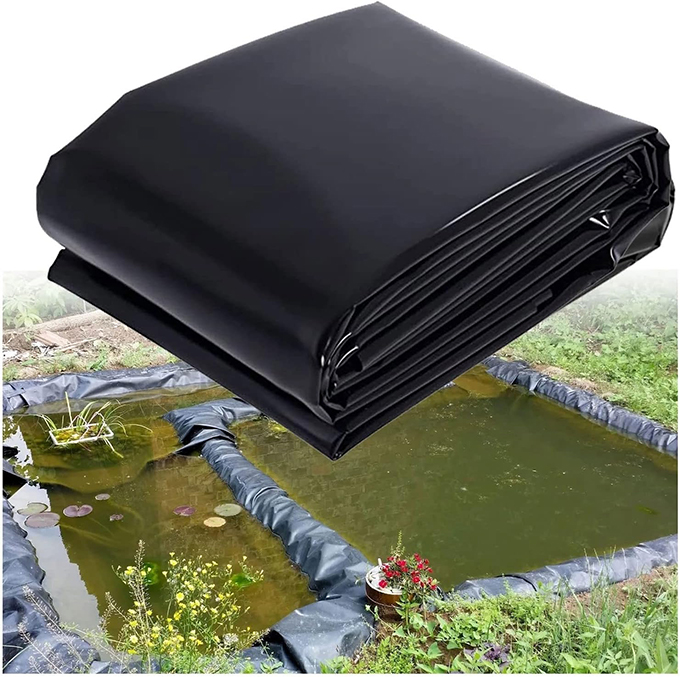
PVC coated polyester fabric is a reinforced composite textile made from woven polyester yarn and a polyvinyl chloride (PVC) surface system. The polyester base cloth carries tensile and tear loads, while the PVC layer provides waterproofing, a cleanable surface, color, weather protection and compatibility with industrial fabrication. It is commonly converted into truck tarps, protective covers, tents, curtains, liners, awnings and other flexible products. For procurement, the important specification is not only GSM: buyers should compare base-fabric construction, coating method, coating adhesion, finished thickness, tensile and tear targets, UV exposure, surface finish and seam process. DER factory can review these variables for roll supply or fabricated OEM projects. See the broader PVC coated fabric range for related material directions.
A useful PVC coated polyester specification separates the load-bearing textile from the functional surface. Changing one layer can change the behavior of the whole material, even when two products have a similar finished weight.
Buyer insight: Two fabrics with the same GSM can perform differently because the weight may be distributed differently between polyester reinforcement and PVC coating. Compare the full construction, not the headline mass alone.
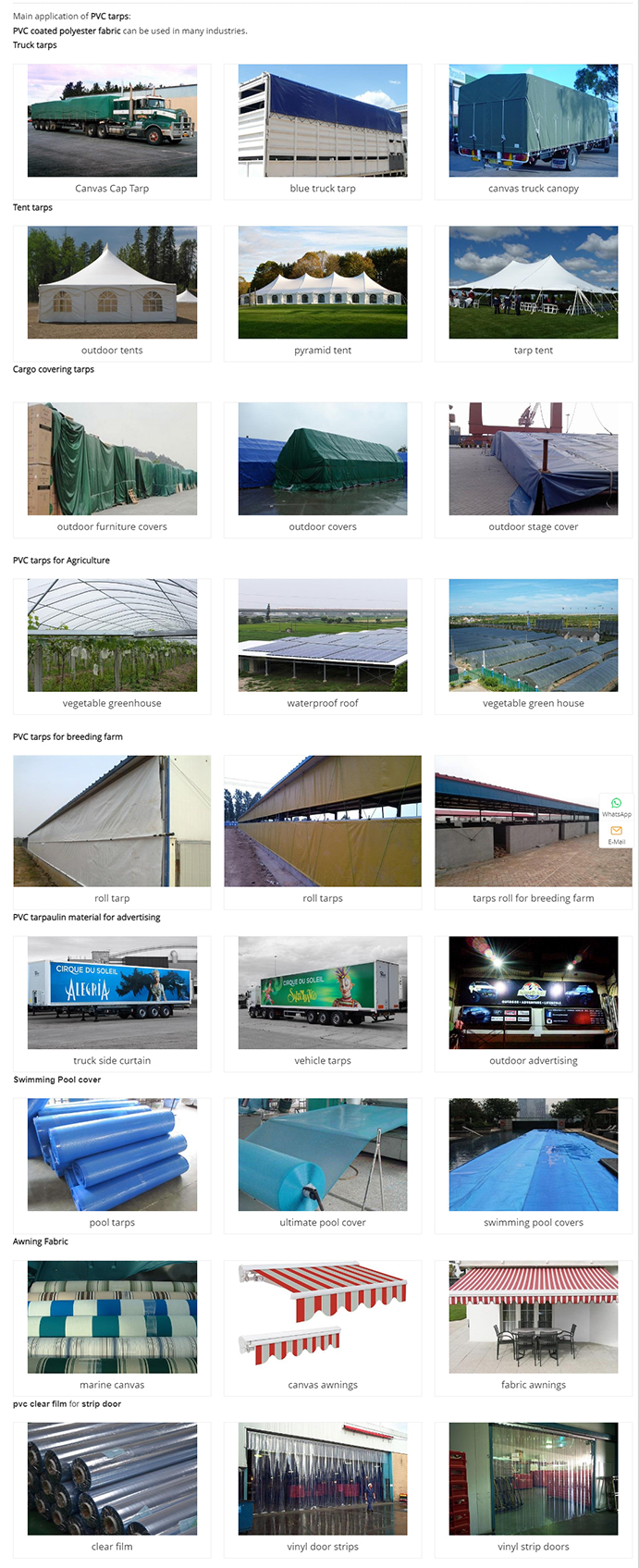
The right property set depends on how the material will be loaded, exposed and converted. A truck-side material and a fully supported liner can both be PVC coated polyester, but they should not automatically use the same construction.
The PVC surface acts as the primary water barrier. Finished waterproofing still depends on welded seams, fittings, penetrations and edge design.
Polyester reinforcement carries load. Yarn system and weave density should be matched to wind load, tie-down stress, span and handling cycles.
Hot-air or high-frequency welding can create larger panels and sealed seams, but settings should be validated on the selected coating and surface finish.
Outdoor use should specify sunlight exposure, temperature cycling and expected service conditions. A dedicated UV-resistant PVC coated polyester direction can be reviewed where exposure is important.
Rubbing at corners, edges, truck bows, frames and ground contact can damage the surface before the base fabric reaches its tensile limit.
Repeated folding and cold-weather handling require a different balance from a material that stays fixed on a structure.
Stable base fabric and controlled coating help panels keep shape during welding, tensioning and repeated production.
Flame-retardant, anti-mildew, color, opacity, surface and testing needs should be stated in the RFQ and confirmed before production.
The table below is designed as a sourcing framework rather than a fixed data sheet. Exact values should be confirmed against the application, target performance and approved production specification.
| Specification Item | Available Direction | Why It Matters |
|---|---|---|
| Base Material | Woven polyester reinforcement | Provides the tensile framework and supports tear resistance and dimensional stability. |
| PVC Construction | Coated, laminated or project-reviewed composite construction | Influences adhesion, flexibility, surface durability, cost and fabrication behavior. |
| Fabric Weight / GSM | Project dependent; confirm before production | Useful for controlling mass and build, but should be compared with yarn, weave and coating distribution. |
| Thickness | Project dependent; confirm before production | Affects stiffness, abrasion margin, handling and some welding settings. |
| Roll Width / Length | Customizable after production review | Wider usable material can reduce seams and cutting waste, but handling and equipment limits also matter. |
| Color | Standard or project color direction | Color can influence branding, visibility, solar heat gain and repeat-order matching. |
| Surface Finish | Gloss, matte, lacquer or application-specific finish | Changes cleanability, visual appearance, friction, print behavior and surface protection. |
| Tensile Strength | Specify target by warp and weft direction | Important where the fabric carries continuous tension, wind load or structural pull. |
| Tear Strength | Specify target or reference requirement | Helps assess resistance to propagation after a cut, puncture or local edge damage. |
| Coating Adhesion | Confirm test requirement if critical | Poor adhesion can cause peeling or unstable seam performance even when tensile strength is high. |
| Outdoor / UV Requirement | Specify exposure and target requirement | Necessary for truck, tent, awning and outdoor cover applications with prolonged sunlight. |
| Flame-Retardant Requirement | Specify the required market or project standard | The required standard should be agreed before production; do not assume one FR grade suits every market. |
| Fabrication | Roll goods, cut panels, thermal welding, sewing, hems and accessories | The material should be selected together with the intended conversion method. |
| Packaging | Roll or finished-product packaging by order requirement | Protects the surface and supports handling during storage and international transport. |
For unusually high load, tension or reinforcement requirements, compare the application with DER factory's high-strength PVC coated polyester fabric direction instead of specifying by GSM alone.
Production quality depends on controlling the textile base, PVC preparation, coating or lamination, heat finishing and inspection as one linked process. DER factory's related PVC coated fabric production process page gives additional process context.
Base-cloth consistency matters because coating cannot fully compensate for unstable yarn, uneven density or dimensional variation in the reinforcement.
Uniform surface build and adhesion help support repeatable appearance, welding behavior, waterproofing and abrasion performance across the roll.
Heat setting, cooling, surface treatment and winding influence flatness, blocking, roll handling and downstream conversion.
Start from the service condition, then work backward to the material. This prevents a common buying mistake: increasing GSM without identifying the failure mode that actually needs to be solved.
Is the material loosely covering an object, held under constant tension, tied to a moving vehicle, supporting hydrostatic pressure or repeatedly folded? The load path determines the base-fabric priority.
State whether use is indoor, seasonal outdoor, permanent outdoor, exposed to road spray, chemicals, abrasion, cold folding or intense sunlight.
Tell the supplier whether you will hot-air weld, HF weld, sew, print, cut on an automated table or combine the material with webbing and hardware.
A roll buyer may prioritize flatness and repeatability; a finished-cover buyer should also specify seams, hems, stress zones, eyelets, D-rings, straps and packaging.
Send the reference sample together with the end use and the problem you want to improve. A physical benchmark can be more useful than requesting “650 GSM waterproof fabric” without construction or performance details.
“PVC coated” and “PVC laminated” are often used broadly in the market, but the manufacturing route and layer integration can be different. Buyers should compare actual construction and test targets instead of assuming one label always means one performance level.
DER factory can review the supply scope around the buyer's converting capability. Some customers need stable roll goods; others need cut panels or completed covers with reinforcement and attachment details.
Specify roll width, roll length, winding, surface direction, color, finish, tolerance and packaging for downstream conversion.
Panel width and seam planning can reduce field work. Hot-air or HF welding can be reviewed according to the selected material and product design.
Finished fabrication can include reinforced hems, webbing, corner patches, grommets, D-rings, rope, straps and project-specific fastening.
Branding, labels and repeat-order identification can be incorporated after artwork, method and durability requirements are reviewed.
Color and surface finish should be approved against application, appearance and processing requirements rather than chosen only from a screen sample.
A repeat program should control the approved construction, test requirements, color reference, roll/fabrication details and packaging specification.
The same material family serves many applications, but the correct specification changes with load, exposure, seam design and service cycle.
Road movement creates wind pressure, edge loading, repeated folding and abrasion. Prioritize tear strength, reinforcement, weldability and tie-down design.
See PVC truck cover tarp fabricSpecify: vehicle type, tarp dimensions, drops, tie-down layout, color, road exposure and expected handling cycle.Warehouse and workshop curtains need a balance of flexibility, cleanability, edge reinforcement, attachment design and repeated movement.
Specify: indoor/outdoor use, opening method, panel size, mounting points and required visibility or opacity.Outdoor shelter materials should be selected around UV exposure, tension, wind, seam layout, surface finish and any required flame-retardant standard.
Specify: structure type, span, exposure, color, light transmission and required compliance documentation.Supported liners prioritize waterproofing, coating continuity, weld seam quality and compatibility with the contained medium and installation surface.
Specify: liquid type, substrate, depth or pressure, welded panel size, fittings and outdoor exposure.Reusable covers often fail first at corners, sharp edges or fastening zones. Reinforcement design can be more important than simply increasing total fabric weight.
Specify: equipment geometry, sharp points, lifting/handling method, storage environment and fastening layout.Distributors and converters may require one controlled material platform across several finished sizes, colors or hardware combinations.
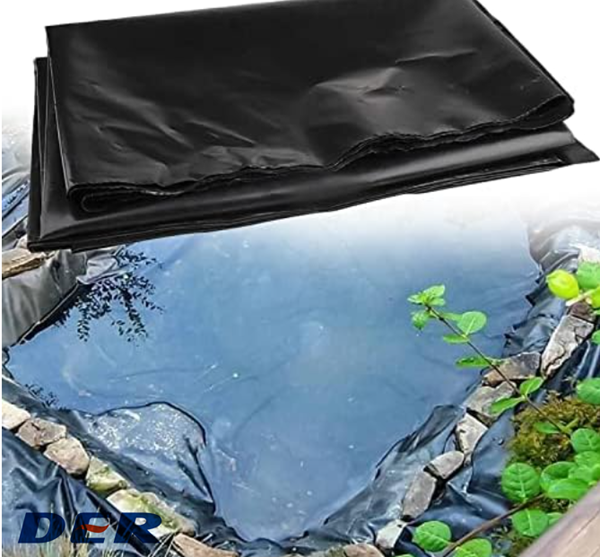
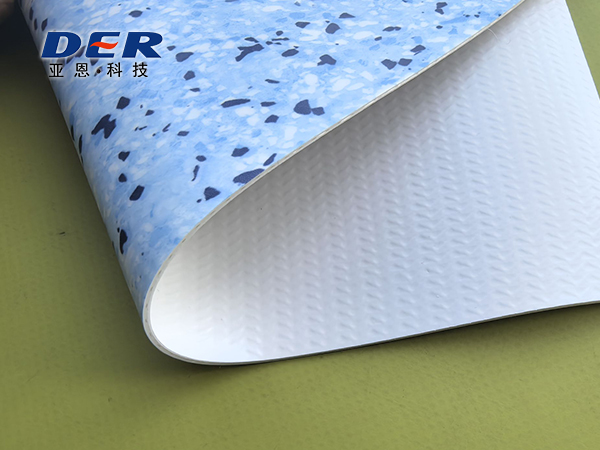
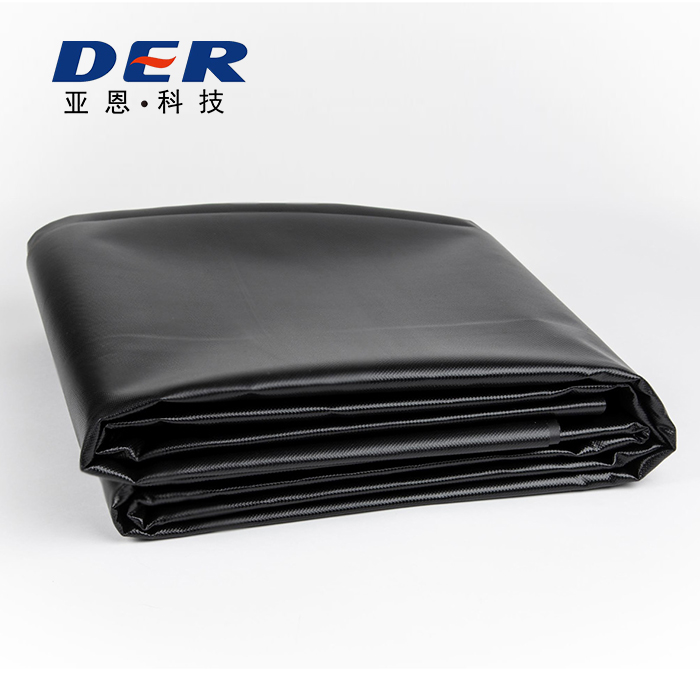
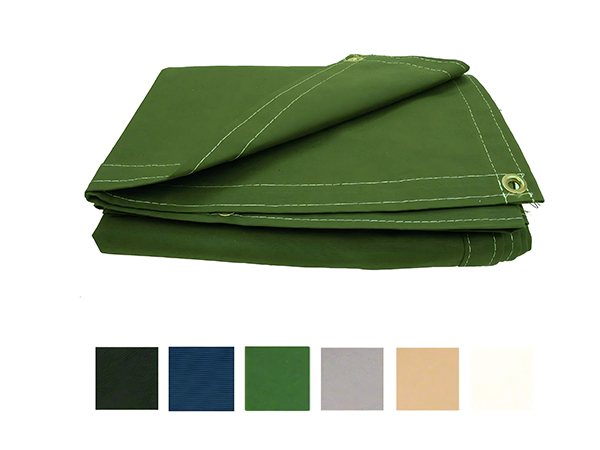
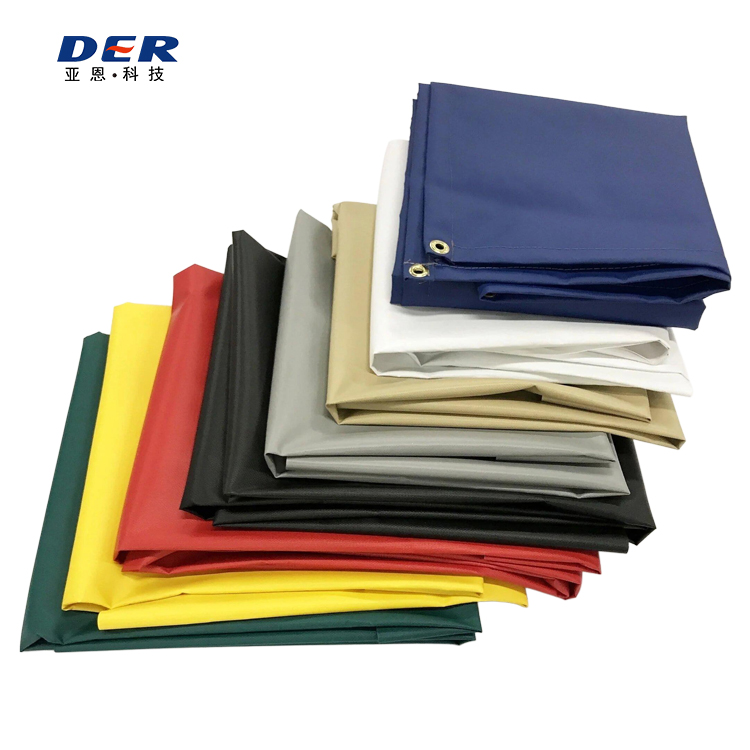
Compare vinyl tarp material directionsSpecify: core material spec, SKU variations, conversion details, labeling, packaging and repeat-order controls.The images below use actual DER factory website assets from the approved product-image directory. They illustrate coated material construction and representative applications rather than fixed specifications for every grade.
Quality control should follow the approved order specification. When a buyer needs a particular ASTM, EN, ISO or other test, the requirement should be stated during quotation and agreed before production rather than assumed afterward.
Confirm textile construction, visible defects, width and order-specific requirements before coating.
Check agreed material build and consistency at appropriate points across production.
Inspect finish, contamination, coating marks, color direction and other visible defects against the approved reference.
Where critical, evaluate coating adhesion or bond behavior according to the agreed test requirement.
Tensile and tear testing can be specified when performance values are part of the purchase requirement.
For conversion programs, verify seam behavior on the actual material rather than relying only on resin type.
Confirm roll or finished-panel dimensions, seam positions and fabricated details against the production specification.
Inspect winding or folding, protection, labeling and package condition before shipment.
Most sourcing problems are not caused by one missing buzzword. They come from incomplete specifications that allow two suppliers to quote materially different constructions under the same product name.
GSM does not reveal yarn denier, weave density, coating distribution, adhesion, tensile strength or tear strength. Ask for the full construction.
A strong roll can still produce a weak finished product if the coating or surface finish is poorly matched to the welding process and seam geometry.
Outdoor exposure varies by climate, color, orientation and service period. State the actual environment and any required test method.
Corners, grommets, tie-down points and frame contacts may need local reinforcement even when the base fabric is already heavy duty.
Cutting, welding, hems, webbing, fittings, printing, packaging and material yield can change total cost. Compare equivalent supply scopes.
If flame performance is required, define the applicable standard before sampling because formulation and construction may need to change.
A useful RFQ gives enough detail for suppliers to quote the same product construction. If a value is unknown, describe the application and provide a reference sample or current specification.
Short answers to common sourcing questions from converters, tarp manufacturers, distributors and industrial project buyers.
PVC coated polyester fabric is a composite textile made from woven polyester reinforcement combined with a polyvinyl chloride surface system. The polyester carries tensile loads while the PVC creates a waterproof, cleanable and fabricatable surface for industrial covers, tarpaulins, tents, liners and related products.
A properly specified PVC coated polyester construction is used as a waterproof barrier material. The final product's water-tightness also depends on seams, welds, penetrations, fittings and edge details, so roll-material waterproofing should not be confused with complete-system waterproofing.
Both combine polyester reinforcement with PVC, but the bonding and layer construction differ. Coated constructions are often selected where coating integration, abrasion, repeated flexing or demanding conversion matter; laminated constructions can be practical for selected general-purpose and cost-sensitive uses. Compare the full structure and target performance.
Choose GSM and thickness together with yarn, weave density, tensile and tear targets, coating build, flexibility, abrasion, exposure and fabrication method. A heavier GSM is not automatically better if it adds mass without solving the application's real failure mode.
Many PVC coated polyester fabrics are compatible with thermal welding, including hot-air and high-frequency methods. Actual machine settings and seam performance depend on coating formulation, thickness and surface finish, so a welding trial should be made on the approved material.
Project-specific color, surface direction, roll format, fabricated size, reinforcement, accessories, logo and packaging can be reviewed. Feasibility should be confirmed from the final application, quantity and technical requirements before production.
MOQ and lead time depend on the selected material construction, color, finish, roll dimensions, fabrication complexity, required testing, quantity and production schedule. They should be confirmed during quotation against the final approved specification rather than assumed from a generic product page.
Send the application, supply form, target weight or thickness if known, dimensions, color, quantity, exposure conditions, UV or flame-retardant requirement, fabrication method, required testing, packaging and destination. Include a reference sample or existing specification when available.
Send DER factory your application, roll or finished dimensions, target material construction, quantity, color, outdoor/UV conditions, flame-retardant requirement, conversion method, testing needs and packaging. If you only know the end use, send a photo, drawing or reference sample and describe the problem the new material needs to solve.
DER factory · Industrial coated textiles and custom tarpaulin fabrication · http://www.der-factory.com/en/

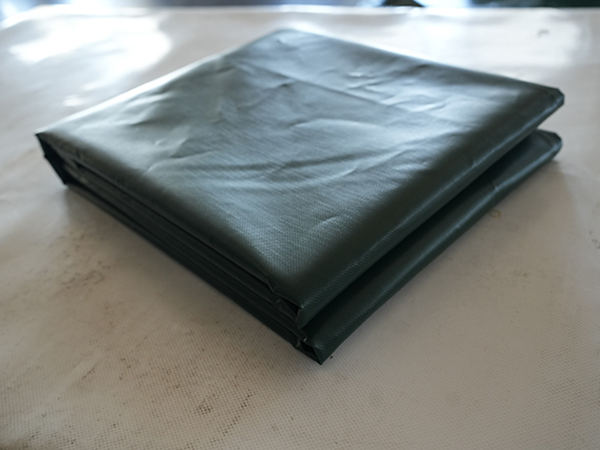
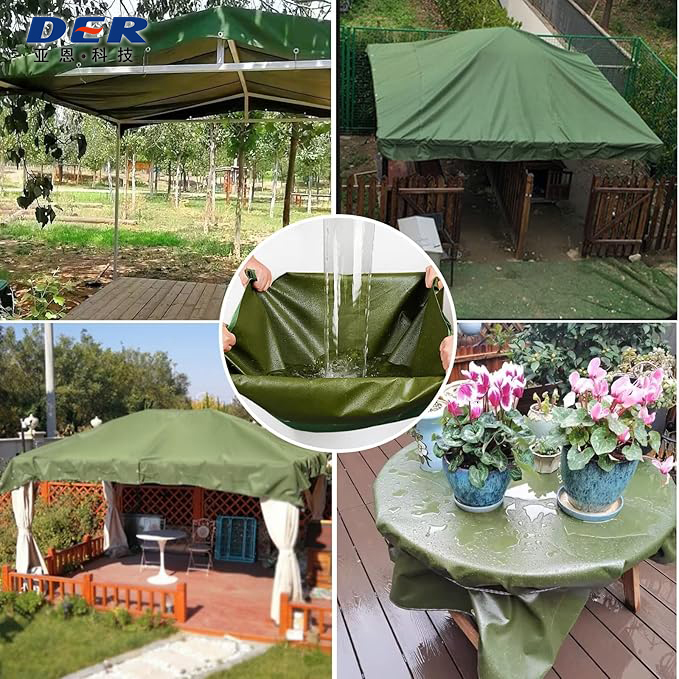
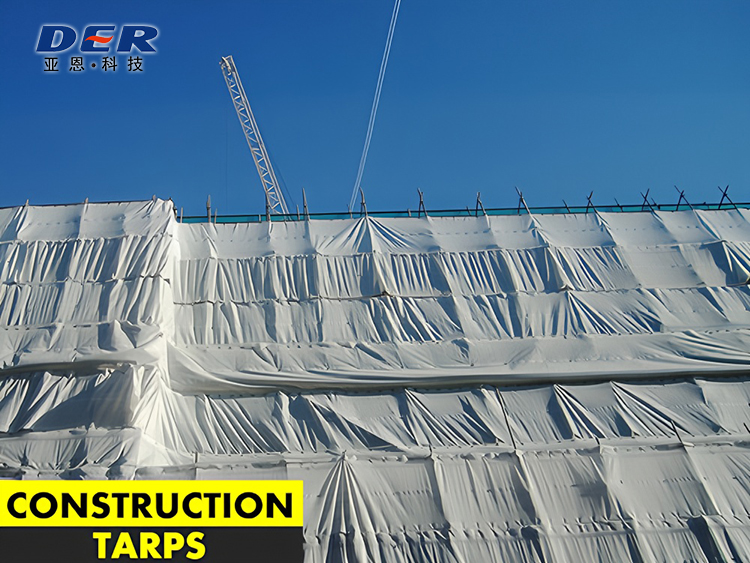
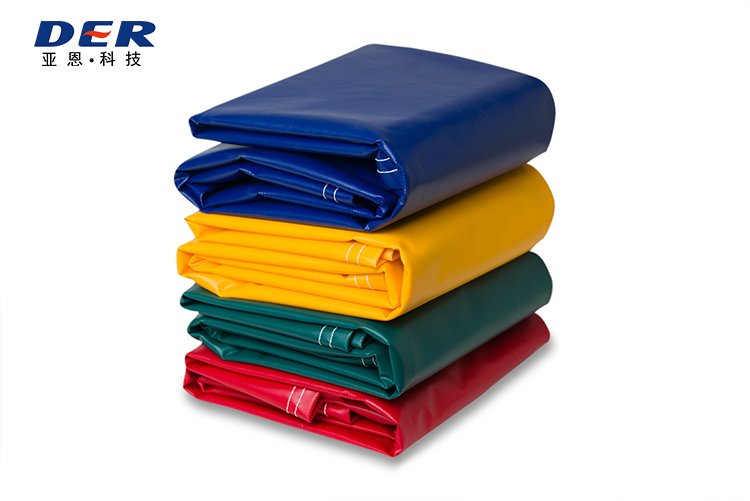
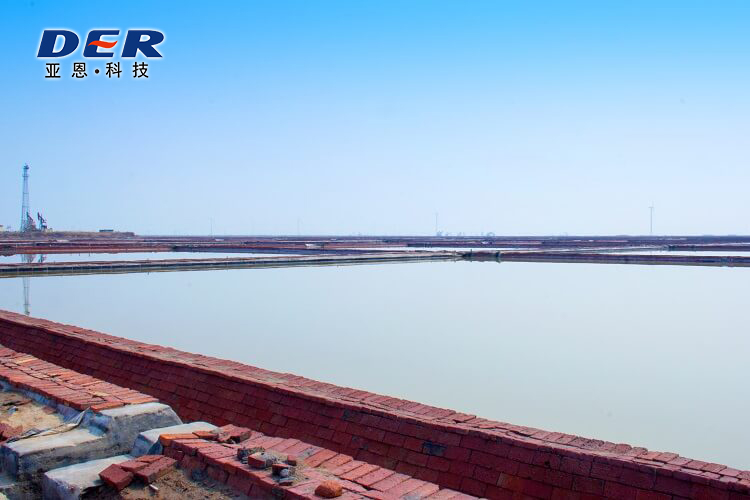
Our products are widely used in our residential and industrial area, which can be used for producing tents, outdoor covering, flexible ventilation tube, water bladders, inflatable castles, architecture membrane structures, etc. Our main products: PVC coated fabrics, PU/TPU coated fabrics, Oxford fabric, PVC ceiling film, flexible banner material. Welcome to our site and order online.