
Premium Tarps & Tarpaulin Manufacturer

+86 15601786499 (steven)

info@der-factory.com

中

Update time:2026/9/18 22:18:47 Views:0

Clear visibility · Weather barrier · Custom finished panels

Clear Tarp & Transparent Vinyl Tarp for Custom Weather Enclosures

A clear tarp protects against rain, wind and dust without turning the covered area into an opaque enclosure. DER factory supports B2B buyers with clear PVC material selection, transparent tarp construction, custom finished sizes, reinforced edges, attachment hardware and project-specific fabrication review.

  • Clear flexible PVC and reinforced transparent constructions
  • Custom dimensions, panel layout and perimeter reinforcement
  • Grommets, D-rings, webbing and fastening details by project
  • UV, cold-flex and flame-retardant requirements reviewed before production
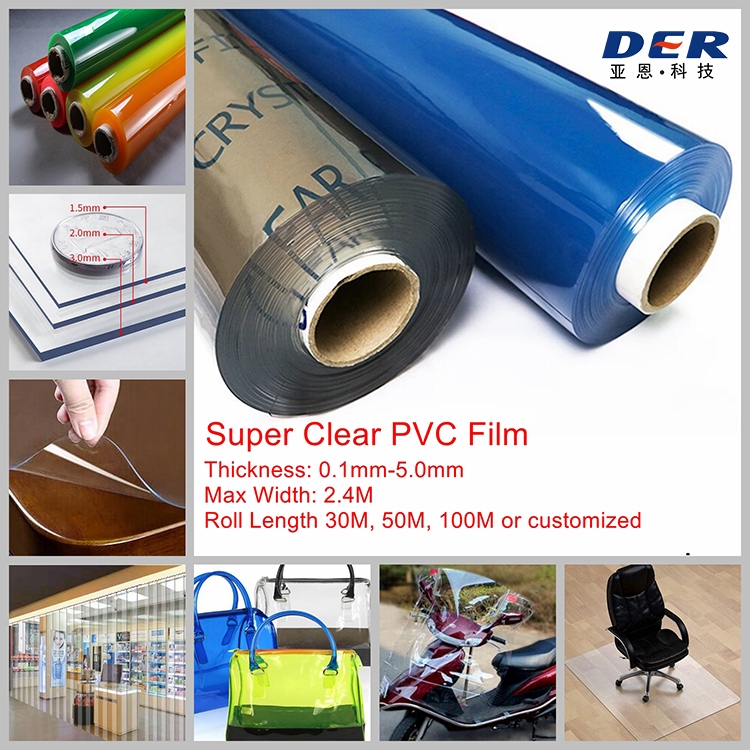
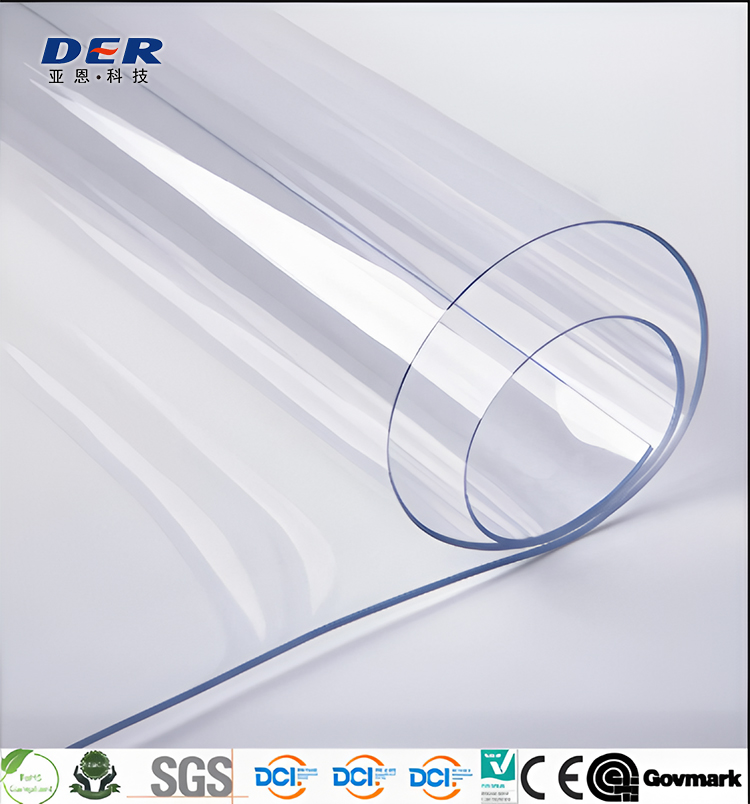
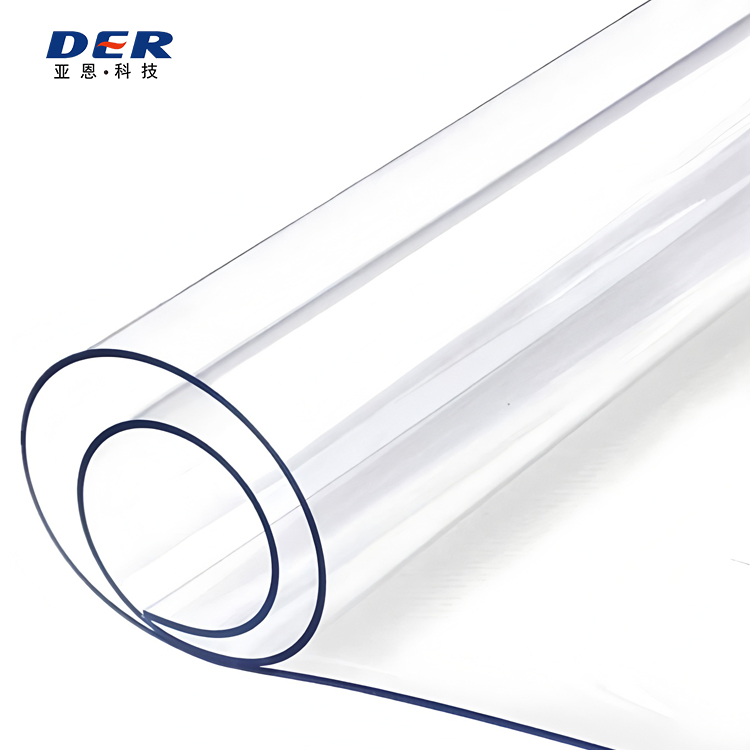
DER factory clear transparent PVC vinyl material for custom clear tarp fabrication
Clear PVC / Transparent Vinyl Material Real DER factory product image from the /en/up/pic/ image library.
Visibility FirstChoose optical clarity according to the viewing and daylight requirement.
Edge Load MattersPanel strength depends on hems, reinforcement and fastening—not only film thickness.
Outdoor ConditionsUV, temperature, wind and drainage should be stated during specification.
OEM FabricationRoll goods, cut panels or finished tarp construction can be reviewed by project.
Direct answer

What Is a Clear Tarp?

A clear tarp is a transparent protective sheet or finished tarpaulin designed to preserve visibility and daylight while creating a barrier against rain, wind, dust and general outdoor exposure. The material is commonly clear flexible polyvinyl chloride (PVC), also called clear vinyl, while some projects use a reinforced transparent construction when dimensional stability and edge loading matter more than perfectly unobstructed visibility.

For procurement, “clear tarp,” “transparent tarp” and “clear vinyl tarp” should not be treated as a complete specification. Buyers should define the required viewing clarity, material structure, thickness direction, finished panel dimensions, edge reinforcement, attachment method, outdoor temperature, UV exposure and any fire-performance requirement before sampling.

Material structure

Clear Does Not Mean One Material: Choose the Structure Around the Job

The most useful distinction is not simply “heavy duty versus standard.” It is whether the project needs maximum optical clarity, a reinforced transparent barrier, or a finished panel with a clear center and a stronger load-bearing perimeter.

01

Crystal-Clear Flexible PVC

Use this direction when people need to see through the panel clearly, such as patio walls, viewing windows, equipment inspection covers or transparent door panels. The buyer should balance clarity against thickness, flexibility, surface appearance and outdoor temperature.
02

Reinforced Transparent Tarp

A transparent PVC construction with visible reinforcement can improve dimensional control and tear behavior, but the reinforcement reduces the uninterrupted “window” effect. For larger exposed panels, this trade-off can be more valuable than maximum clarity.

03

Clear Center + Reinforced Perimeter

For finished tarps, the center panel and the load-bearing edge do different jobs. Webbing, reinforced hems, rope, corner patches or hardware can be concentrated around the perimeter so the clear area remains visually useful.

Clear vinyl tarp vs. conventional vinyl tarp

Opaque vinyl tarps prioritize coverage, color and general protective performance. A clear vinyl tarp adds an optical requirement: surface appearance, haze, scratches, reinforcement visibility and long-term clarity become part of the buying decision.

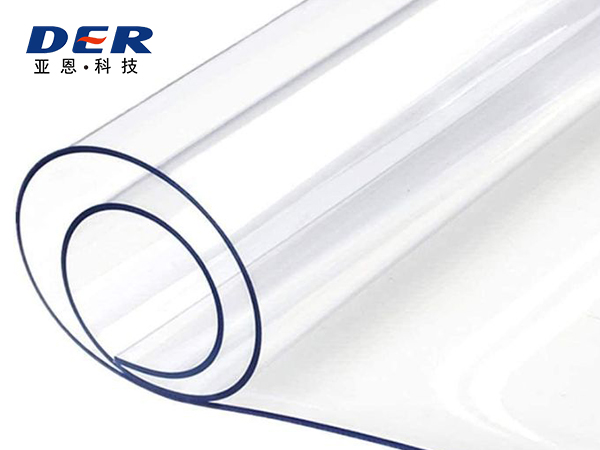
transparent PVC sheet surface used to evaluate clarity for clear tarp panels
Transparent PVC sheet image from DER factory — useful for evaluating clear surface appearance and panel visibility.
Selection logic

How to Select a Clear Tarp Without Over-Specifying Thickness

Thickness matters, but it is only one variable. A thicker transparent tarp normally has more body and weight, while a thinner sheet is easier to fold and conform around a frame. Neither direction automatically means “better.”

Start with the panel size and installation. A small patio curtain, a large construction enclosure and a clear equipment inspection cover create very different loads. Then define visibility, handling frequency, wind exposure, temperature, fastening points and whether the panel will be rolled, folded or left installed.

If the project needs a stronger textile-backed construction rather than an optically clear sheet, compare the clear option with PVC coated polyester fabric. The textile scrim changes strength, appearance and fabrication behavior.

Specification framework

Clear Tarp Specification Table for RFQ and Sample Approval

Where a final numeric value depends on application, the requirement should be confirmed during technical review rather than copied from an unrelated retail tarp.

Specification Item Available Direction Buyer Decision
Product structureClear flexible PVC / reinforced transparent PVC / finished clear tarpChoose according to visibility, panel size and load path.
ThicknessProject-dependent; confirm before productionBalance body, weight, foldability, abrasion exposure and handling.
TransparencyCrystal clear or reinforced transparentDefine whether visual inspection, daylight or only partial visibility is required.
Finished sizeCustomizable after technical reviewProvide actual frame opening, overlap allowance and fastening position.
PerimeterReinforced hem, webbing, rope or project-specific reinforcementEdge design should match anchor loads, not just center-film thickness.
HardwareGrommets, D-rings or other attachment details by projectProvide the intended fastening system and exact frame/anchor spacing.
FabricationHeat welding, HF welding, sewing or combined construction as suitableMethod depends on material structure, seam location and end-use requirement.
UV requirementProject-specific optionState outdoor exposure duration and location during quotation.
Cold flexibilityProject-specific optionProvide expected minimum service temperature and whether the tarp is moved in cold weather.
Flame-retardant directionAvailable for technical review where requiredSpecify the exact test method or project standard before production.
Supply formatRoll goods, cut sheets/panels or fabricated tarpsSelect according to whether final conversion happens at buyer site or DER factory.
Testing / documentsAccording to agreed project requirementsList required test items before quotation and sample approval.
MOQ / lead timeConfirmed during quotationDepends on construction, size, quantity, accessories and packaging.
Performance that changes the outcome

Six Questions Matter More Than a Generic “Heavy Duty” Label

1. How Clear Must the View Be?

A patio viewing panel and a construction dust barrier may both be “transparent,” but their optical expectations are different. Define whether people must see fine detail through the tarp or only need daylight and general visibility.

2. Where Does Wind Load Go?

Wind pressure is transferred to hems, grommets, frame connections and seams. A thicker center sheet cannot compensate for a weak perimeter or a fastening layout that concentrates load at a few points.

3. Will the Tarp Be Folded or Rolled?

Frequent opening, rolling or folding favors a different balance of softness, thickness and edge construction than a panel installed seasonally and left tensioned on a frame.

4. What Happens in Cold Weather?

Low temperature can change flexible PVC handling. Provide the expected minimum temperature and whether the tarp must be rolled, tensioned or folded while cold so a suitable formulation can be discussed.

5. Is Fire Performance Required?

Do not simply request “FR.” Projects can use different test methods and acceptance criteria. State the required standard during RFQ and compare it with relevant flame-retardant fabric options.

6. How Will Water Drain?

Transparent material makes ponded water easy to see, but visibility does not remove the load. Horizontal or shallow-slope installations need a drainage strategy so water does not collect and stretch the panel.

Engineering the finished panel

Most Outdoor Failures Begin at an Edge, Corner or Attachment Point

For a custom transparent tarp, specify the way force enters and leaves the panel. Grommet count alone is not a complete design rule.

  • Provide the frame opening and finished tarp size separately.
  • Show where ropes, hooks, tracks or fixed anchors will connect.
  • Identify corners and door/opening zones that receive repeated handling.
  • State whether the panel will be tensioned continuously or installed loosely.
  • Flag exposed sites where wind-induced flapping is likely.
  • For large panels, review seam position and reinforced zones before final sizing.

Buyer mistake: “Just add more grommets.”

Closer fastener spacing can distribute load, but the surrounding material, hem reinforcement, corner design and frame geometry still determine whether those fasteners can carry the load. A strong clear tarp is a system: transparent panel + seam + edge + hardware + installation.

Buyer mistake: copying a retail size

Finished tarp dimensions can differ from raw material dimensions because hems, seams, overlaps and reinforcement consume material. For OEM work, send the required finished dimension and installation drawing rather than only a nominal sheet size.

Applications

Match the Transparent Tarp Specification to the Application

Each use case has a different dominant risk. The table below turns the application into a specification question instead of assuming one clear vinyl tarp works everywhere.

Patio & Outdoor Dining

Prioritize: clear view, flexible handling, neat perimeter, cold-weather behavior and repeat opening/closing. Include ventilation and drainage so the enclosure does not trap excessive moisture.

Greenhouse & Garden Panels

Prioritize: daylight, outdoor formulation, fastening, condensation management and ventilation. A clear tarp can function as a weather barrier, but specialized greenhouse films may be preferable where crop-specific light performance is critical.

Industrial Partitions

Prioritize: visibility, cleanable surface, panel movement, welding/seaming and any safety standard. For partition projects, compare with dedicated PVC industrial curtains.

Construction Enclosures

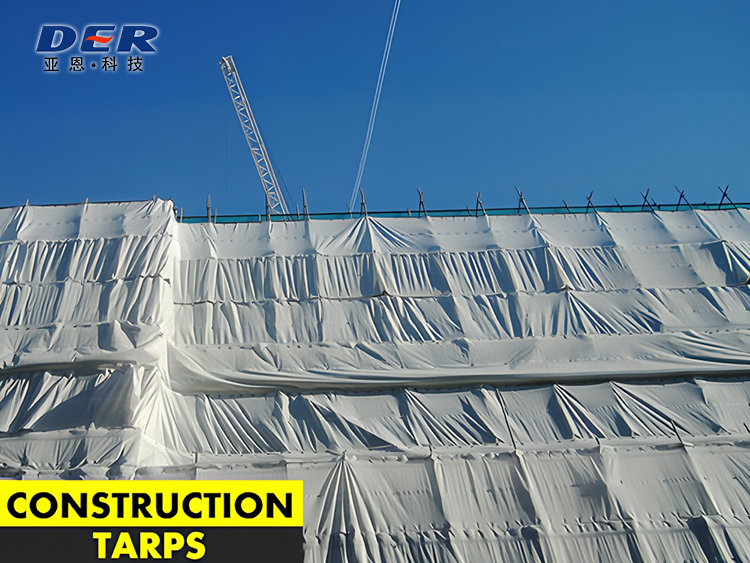
Prioritize: reinforcement, edge load, wind exposure, large-panel handling and site safety. Related construction tarp systems may be better when visibility is secondary to structural durability.

Clear inspection covers for equipment

Transparent covers can let operators see equipment condition without fully removing the cover. Specify abrasion points, sharp edges, heat sources and access openings first. For heavier machinery-cover requirements, review the related construction equipment cover application.

Real DER factory images

Clear PVC Material Gallery

These images are loaded from DER factory's own /en/up/pic/ directory to reinforce image-search relevance without using stock or competitor photography.

Fabrication & customization

Turn Clear PVC Material Into a Finished Tarp That Fits the Installation

For B2B procurement, the finished geometry is as important as the raw sheet. DER factory can review a project around material format, cut panels, welded construction, reinforced hems, webbing, rope reinforcement, grommets, D-rings and packaging requirements, subject to the exact product specification.

Roll Goods

Suitable for converters that cut and fabricate locally. Specify thickness direction, width, roll length, surface requirement and packaging. If optical quality is critical, define how the roll will be inspected after unwinding.

Cut Transparent Panels

Useful when the buyer needs repeatable dimensions but will install or reinforce locally. Provide a dimensional tolerance requirement, panel orientation and whether protective interleaving or special packaging is needed.

Finished Clear Tarps

Best when edges, attachment points and seams should arrive ready for installation. Send an annotated drawing showing finished size, overlap, reinforcement width, grommet or D-ring positions and any opening, zipper or access requirement.

Quality-control focus

What Should Be Checked Before a Clear Vinyl Tarp Ships?

A transparent product reveals surface and fabrication defects more easily than an opaque tarp. Quality review should therefore include optical appearance as well as construction details.

Material & Surface

Confirm material identity, thickness or agreed gauge direction, clear appearance, surface contamination, obvious marks and visual consistency against the approved sample.

Dimensions & Seams

Check finished dimensions, panel orientation, seam position, weld appearance and whether the construction matches the approved drawing.

Edges & Hardware

Inspect hem continuity, webbing or rope reinforcement, corner build-up, hardware placement and attachment spacing against the order specification.

Use the approved sample as the visual standard

Words such as “clear,” “super clear” and “heavy duty” are subjective unless the buyer and supplier agree on a physical or documented reference. For repeat programs, approve the material appearance and the finished edge construction before bulk production.

RFQ checklist

Send These Details for a More Accurate Clear Tarp Quote

A drawing, photo of the installation and reference sample usually communicate more than the phrase “clear tarp, heavy duty.”

  • Application and installation environment
  • Finished panel dimensions
  • Crystal clear or reinforced transparent structure
  • Target thickness or reference sample
  • Frame and anchor spacing
  • Hem / webbing / rope reinforcement
  • Grommet, D-ring or track layout
  • Expected wind exposure
  • UV and outdoor exposure requirement
  • Minimum service temperature
  • Required fire test or other testing
  • Quantity and repeat-order plan
  • Logo / marking requirement if applicable
  • Packaging and destination
Buyer questions

Clear Tarp FAQ

Concise answers to common sourcing questions about transparent tarp and clear vinyl tarp construction.

What is a clear tarp made of?

A clear tarp is typically made from flexible transparent PVC or a reinforced transparent PVC construction. The correct structure depends on whether the project prioritizes optical clarity, tear control, dimensional stability, outdoor exposure or finished-panel strength.

Is a clear tarp the same as a clear vinyl tarp?

“Clear tarp” is a broad product description. “Clear vinyl tarp” usually refers more specifically to a transparent flexible PVC vinyl tarp. Buyers should define the actual material construction, thickness, reinforcement and end use rather than relying on the product name alone.

What thickness should I choose for a transparent tarp?

There is no universal best thickness. A lighter construction is easier to fold and handle, while a thicker clear vinyl panel generally has more body but also more weight and stiffness. Panel size, frame spacing, wind exposure, handling frequency and temperature should be reviewed together.

What is the difference between crystal-clear PVC and reinforced transparent tarp?

Crystal-clear flexible PVC prioritizes visibility and a window-like appearance. Reinforced transparent construction introduces a reinforcement structure that can improve dimensional control and tear behavior but reduces optical clarity. The application determines which trade-off is preferable.

Can clear tarps be used outdoors year-round?

They can be specified for outdoor use, but service life and flexibility depend on PVC formulation, UV exposure, temperature, installation tension, wind movement and maintenance. Outdoor, UV and cold-flex requirements should be stated before production.

Can DER factory make custom clear tarps with custom grommet spacing?

Custom dimensions, reinforcement and attachment layouts can be reviewed for finished clear tarp projects. For a useful quotation, provide finished size, frame or anchor spacing, installation method and expected outdoor exposure.

Is a clear tarp suitable for greenhouse or patio enclosure use?

Clear PVC can be useful where daylight and visibility must be retained while reducing rain, wind or dust exposure. Greenhouse and patio projects should also consider ventilation, condensation, drainage slope, temperature and fastening method.

What are the MOQ and lead time for custom clear tarps?

MOQ and lead time depend on material construction, thickness, finished dimensions, reinforcement, hardware, quantity and packaging. They should be confirmed for the exact specification during quotation.

Custom sourcing

Build the Clear Tarp Around Your Frame, Not Around a Generic Retail Size

Send DER factory your application, finished dimensions, transparency requirement, material/thickness direction, reinforcement layout, attachment spacing, outdoor conditions, quantity and testing requirements. The specification can then be reviewed before sampling and bulk production.

Contact Us (You are welcome to consult at any time!)

Zhangbaling Plastic Polymer Industrial Park, Zhangbaling Town, Mingguang City, Chuzhou, Anhui Provin

info@der-factory.com

+86 15601786499 (steven)

Product recommendation

#
#
#
vinyl tarps
  • 2026-09-13
#
Waterproof Tarps
  • 2026-08-27
#
#
#
#
Vinyl Coated Tarps
  • 2026-05-24
#
#
Cargo Dust Cover
  • 2026-05-19

Application Fields Of Our Products

Our products are widely used in our residential and industrial area, which can be used for producing tents, outdoor covering, flexible ventilation tube, water bladders, inflatable castles, architecture membrane structures, etc. Our main products: PVC coated fabrics, PU/TPU coated fabrics, Oxford fabric, PVC ceiling film, flexible banner material. Welcome to our site and order online.