01
Waterproof Barrier
PVC coating blocks rain and ground moisture, while welded seams help maintain continuous protection across large roof and wall panels.

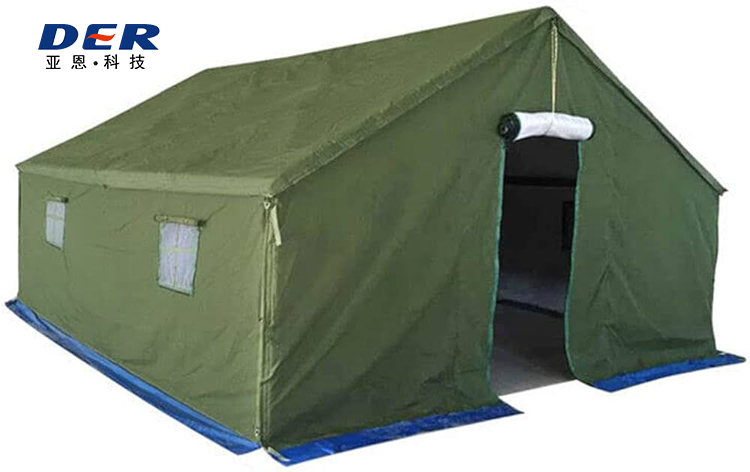
DER Factory manufactures heavy-duty PVC coated polyester fabric for army tents, mobile camps, equipment shelters, emergency response structures and industrial field accommodation. Choose the weight, color, camouflage pattern, blackout layer, flame-retardant formulation and finished-panel details around your actual climate and deployment cycle.
Reliable army tent PVC tarpaulin starts with a high-tenacity woven polyester core. The yarn denier, weave density and pretreatment determine how well the material carries tension around roof ridges, guy points, doors and panel joints. PVC layers are then bonded to both sides to provide a weldable, washable and weather-resistant barrier.
For longer deployments, a knife-coated construction normally provides more uniform coating penetration and stronger layer adhesion than an economy laminated construction. A project can also add a dark middle layer for blackout, anti-wicking treatment for exposed yarns, and a top lacquer for easier cleaning and improved surface durability.
UV stabilizers, pigment, optional flame retardant and easy-clean surface finish.
Reduces light transmission for sleeping, medical, storage and command-support shelters.
500D or 1000D base fabric selected around panel size, handling weight and wind exposure.
Provides a cleanable interior surface and supports hot-air or high-frequency welding.
A useful specification balances mechanical strength, field handling, climate resistance, seam performance and documentation. Increasing GSM alone does not correct a weak base cloth, poor coating adhesion or an unsuitable finished-tent design.
PVC coating blocks rain and ground moisture, while welded seams help maintain continuous protection across large roof and wall panels.
Dense polyester reinforcement helps the fabric carry installation tension and repeated loading without excessive dimensional movement.
Correct yarn, weave and reinforcement layout limit tear propagation around eyelets, webbing, doors, corners and frame-contact points.
Outdoor formulations can be adjusted for intense sun, rain, humidity and temperature cycling in tropical, desert or cold-weather deployments.
Project-specific formulations can be discussed against the buyer’s required test method, market and acceptance criteria.
A smooth or matte lacquered face supports routine removal of mud, dust and biological contamination before storage or redeployment.
The ranges below are intended for project planning. DER Factory prepares the final technical data sheet after confirming the selected construction, test method, color, finish and finished-product design.
| Parameter | Typical / Custom Range | Buyer Consideration |
|---|---|---|
| Material | PVC coated high-tenacity polyester | Knife-coated for premium projects; laminated structures available for selected cost targets. |
| Fabric Weight | 550 / 650 / 700 / 750 / 850 / 900 GSM | Higher weight can improve durability but also increases packed volume and handling load. |
| Base Cloth | 500D×500D or 1000D×1000D; custom weave density | Match yarn and weave to roof span, panel size, reinforcement design and reuse frequency. |
| Thickness | Approximately 0.45–0.85 mm | Final thickness depends on base cloth and PVC add-on, not GSM alone. |
| Width | Common widths to 3.2 m; project widths up to 5.1 m | Wider rolls may reduce seams, potential leak paths and panel-production time. |
| Roll Length | Usually 50 m; custom packing discussed by order | Coordinate with cutting tables, container loading and panel nesting. |
| Color | Olive green, khaki, desert tan, grey, white, black or custom | Approve a lab dip or physical color standard before bulk production. |
| Camouflage | Custom printed patterns from approved artwork | Pattern scale, repeat, orientation, color tolerance and rights to artwork must be confirmed. |
| Waterproofing | Continuous PVC barrier; hydrostatic target by construction | Finished shelter waterproofing also depends on weld quality and penetration details. |
| Temperature Package | Common project range around -30°C to +70°C | Specify storage, folding and deployment temperature—not only operating air temperature. |
| Optional Treatments | FR, blackout, UV, anti-mildew, anti-wicking, low-temperature, anti-static | Select only functions supported by the exact use environment and required test method. |
| Supply Format | Rolls, cut sheets, welded panels or finished covers | Provide drawings, seam allowance, reinforcement map and fitting specifications. |
Important: “Army tent” describes an application category. It does not automatically mean that a fabric complies with a particular MIL-SPEC, national defense standard or tender. Compliance can only be evaluated after the exact standard number, revision, test method and acceptance criteria are supplied.
For weight-sensitive components, internal partitions, temporary shelters and projects with controlled reuse.
A balanced range for mobile camps, emergency shelters, work tents and regular assembly cycles.
For larger panels, prolonged exposure, equipment shelters and projects prioritizing abrasion and strength.
Buyers can source coated fabric only or discuss a finished-panel program. For repeat orders, the most reliable workflow starts with a controlled drawing package and an approved pre-production sample.
Confirm shelter type, climate, deployment cycle, target weight, test methods and supply format.
Approve color, camouflage artwork, hand feel, thickness, weld response and functional formulation.
Review dimensions, seam direction, reinforcement layout, fittings, openings and identification marks.
Control coating, cutting, welding, fittings, packing labels and agreed test documentation.
Olive, khaki, tan, grey, custom RAL/Pantone references, matte or smoother lacquer.
Pattern repeat, scale, orientation and colors controlled from approved production artwork.
Light-blocking middle layer for sleeping quarters, storage, medical or operational support spaces.
UV, anti-mildew, low-temperature flexibility and anti-wicking options selected by environment.
Hot-air or high-frequency welding according to material, seam geometry and production plan.
Folded hems, webbing, rope edges, double layers and patch reinforcements at load points.
Eyelets, loops, Velcro, keder, buckles, straps, zippers and frame-compatible connection details.
Doors, clear windows, insect-screen areas, ventilation sleeves and equipment access points.

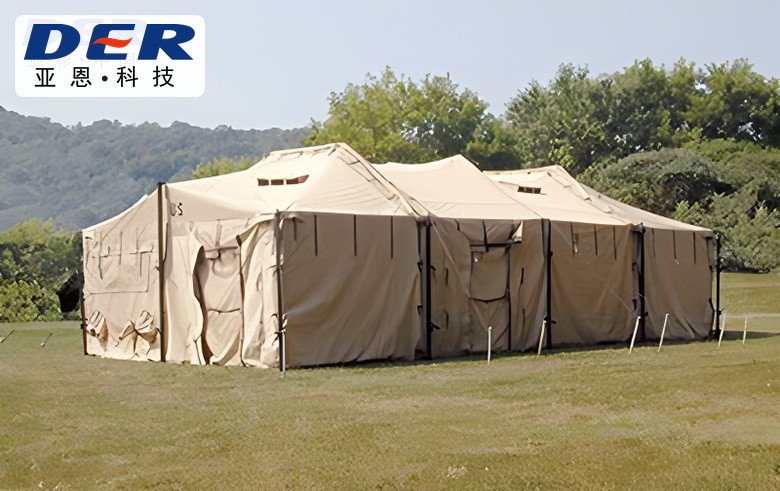
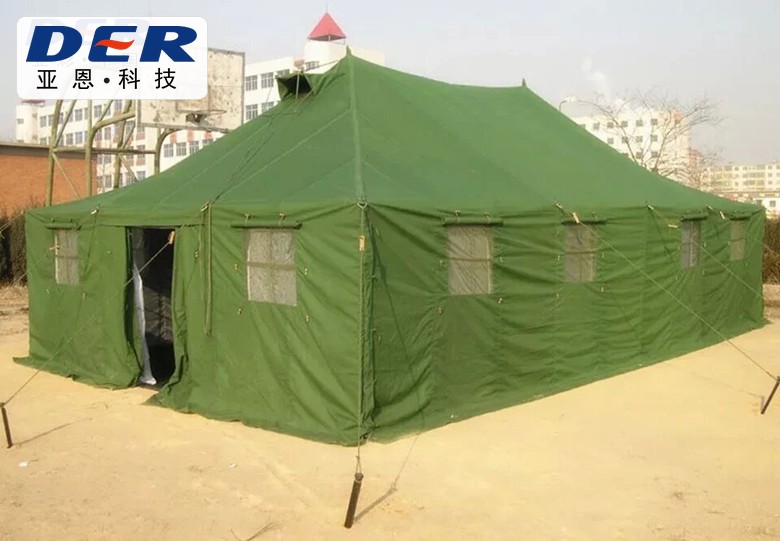
The same core material platform can be adapted to different shelter functions. Roof and wall materials do not always need the same GSM, color, opacity or interior finish.
Waterproof roof and wall panels for personnel sleeping tents, temporary camps and remote-site accommodation.
Rapid-deployment tents for disaster response, temporary housing, community support and relief logistics.
Cleanable shelter skins with optional blackout, light-colored interiors, windows and ventilation openings.
Large-span protective covers for temporary workshops, repair areas, vehicles, machinery and technical equipment.
Weather-resistant warehouse shelters for packaged supplies, tools, spare parts and field distribution operations.
Durable tent materials for mining, construction, infrastructure, exploration and other off-grid work sites.
Flame resistance, tensile strength, tear strength, coating adhesion, cold crack, color fastness and chemical compliance can be measured in different ways. A useful purchase specification identifies the test standard, sample direction, conditioning, units and pass/fail value.
Production orders can be controlled through approved samples, agreed technical data, inspection records and traceable lot information.
Requirements such as B1, M2, NFPA 701 or other regional methods should be confirmed before formulation and sampling. Availability depends on the selected construction and destination market.
SGS testing, RoHS, REACH or restricted-substance documentation can be discussed for the exact formulation and purchase order rather than assumed from a generic sample.
Provide the complete standard number, revision and tender clauses. DER Factory can then review feasibility, test scope, sampling and documentation before confirming compliance.
These six related Der Factory pages help buyers compare the base material, camouflage surface, flame-retardant options, heavy-duty grades and finished custom-tarp capabilities.
Compare general waterproof PVC coated materials for tents, shelters and outdoor structures.
View material guide →Review camouflage PVC rolls for tents, covers, outdoor protection and custom applications.
Explore camouflage options →Learn how reinforced PVC fabrics are configured for demanding industrial and outdoor use.
Compare heavy-duty grades →Review project options where flame performance and test documentation are required.
Check FR fabric options →See available sizes, reinforced edges, welding, eyelets, printing and OEM finishing.
Plan a custom cover →Compare waterproof outdoor materials for camps, equipment, construction and storage.
Browse outdoor tarp solutions →For temporary or weight-sensitive components, 550–650 GSM may be suitable. Repeated deployment often moves the specification toward 700–750 GSM, while larger panels and longer harsh-weather exposure may justify 850–900 GSM. Base-cloth density, coating adhesion and reinforcement design are as important as total weight.
Yes. Solid colors can be matched against an approved reference, and camouflage patterns can be produced from buyer-approved artwork. Pattern repeat, orientation, scale, color tolerance and intellectual-property authorization should be settled before sampling.
The coated material can form a continuous waterproof barrier. The performance of a finished tent also depends on seam welding, roof slope, windows, doors, eyelets, ventilation openings, frame interfaces and correct installation tension.
Yes. A dark intermediate layer can reduce light transmission, while flame-retardant formulations can be developed around an identified test method. The required standard and acceptance value should be provided before material confirmation.
DER Factory can discuss roll supply, cut sheets, welded panels and finished covers. Available details include reinforced hems, webbing, eyelets, loops, Velcro, keder, zippers, windows, ventilation sleeves and equipment openings based on drawings or approved samples.
No. “Army tent” is an application description, not one universal technical standard. Any military, governmental or tender compliance statement requires the exact standard number, revision, test method, sample requirements and pass/fail criteria.
For a faster quotation, include the tent type, finished dimensions, annual quantity, target GSM, base-cloth requirement, color or camouflage artwork, climate, flame test, blackout requirement, supply format and destination port.
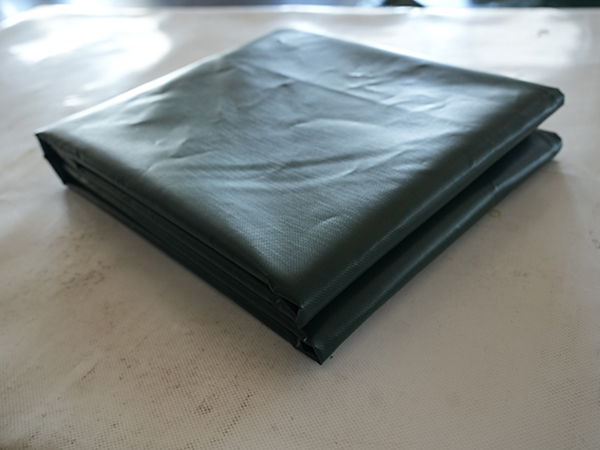
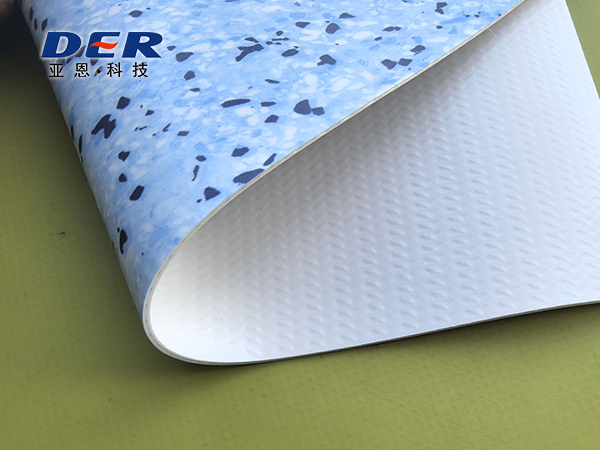
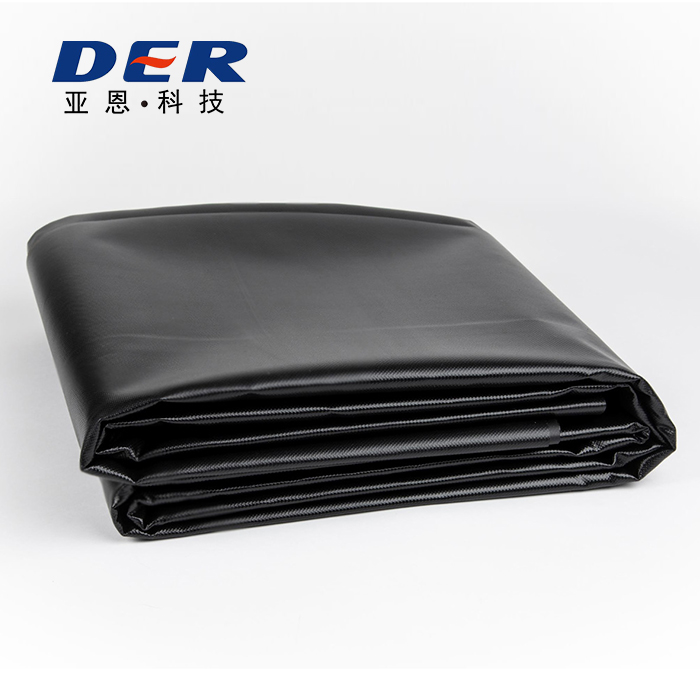
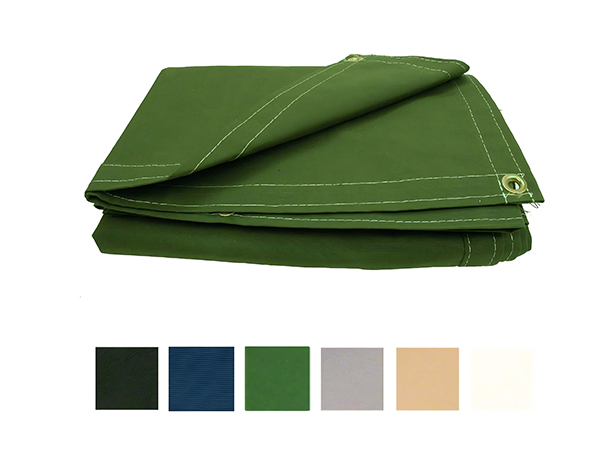
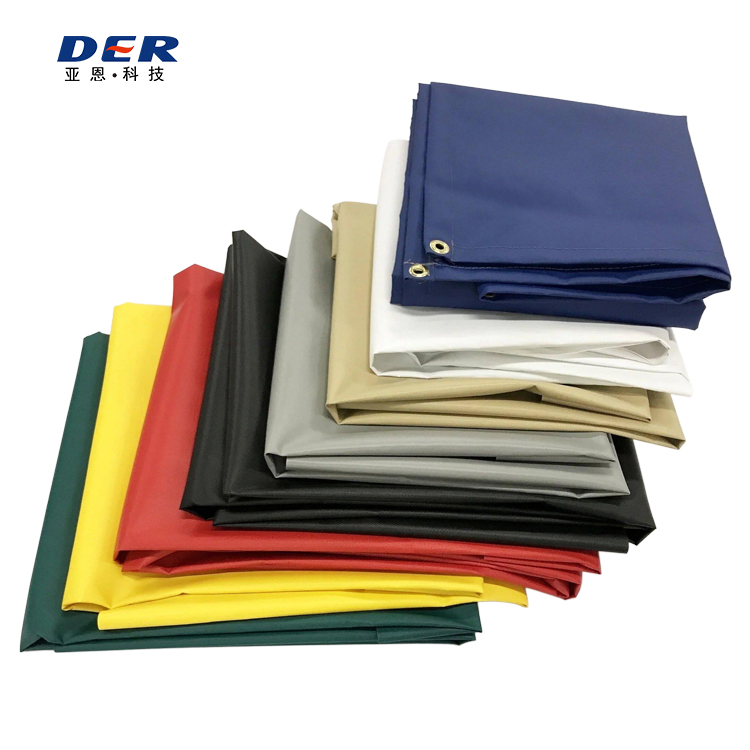
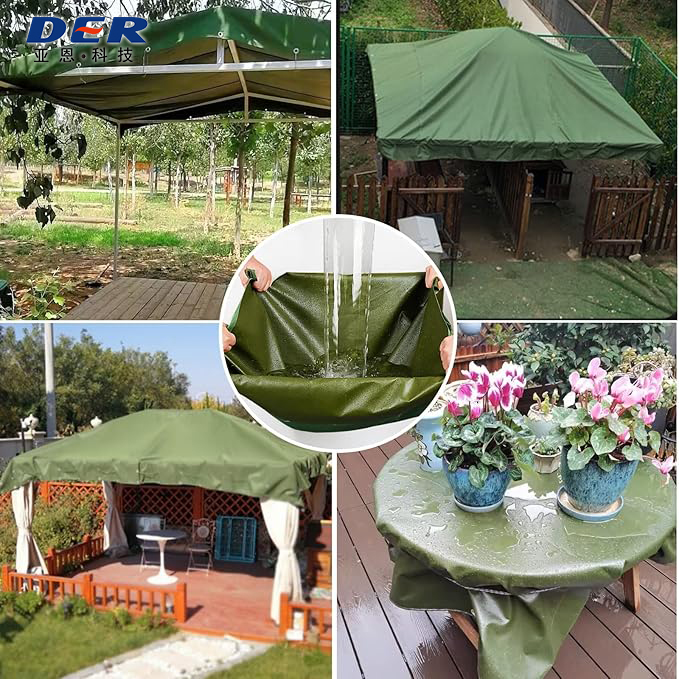
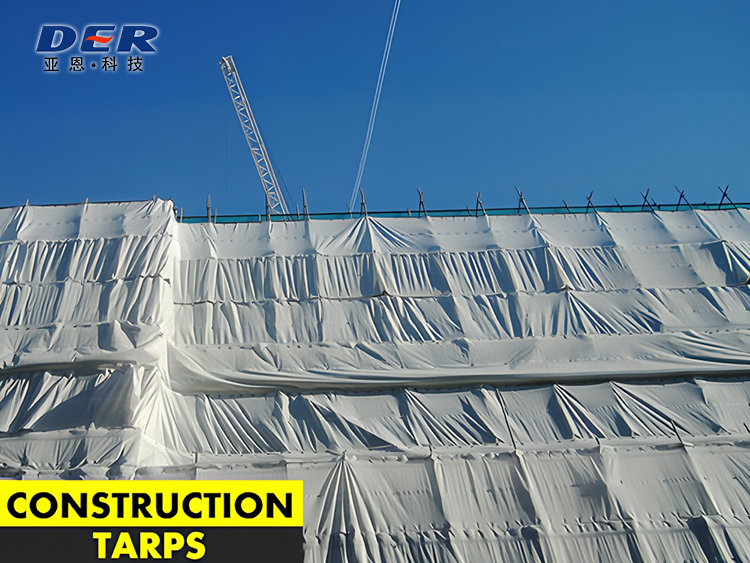
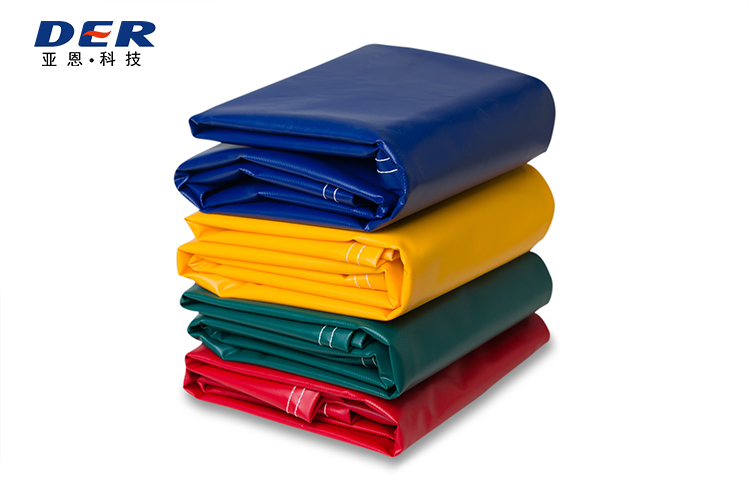
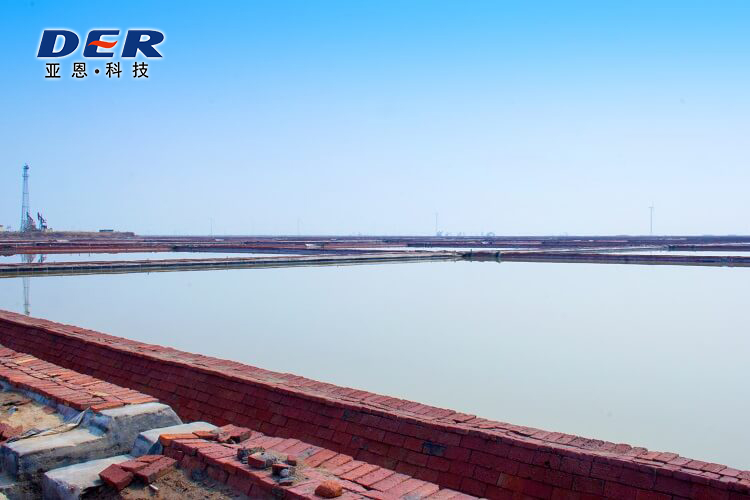
Our products are widely used in our residential and industrial area, which can be used for producing tents, outdoor covering, flexible ventilation tube, water bladders, inflatable castles, architecture membrane structures, etc. Our main products: PVC coated fabrics, PU/TPU coated fabrics, Oxford fabric, PVC ceiling film, flexible banner material. Welcome to our site and order online.