
truck tarps
- 2026-10-26

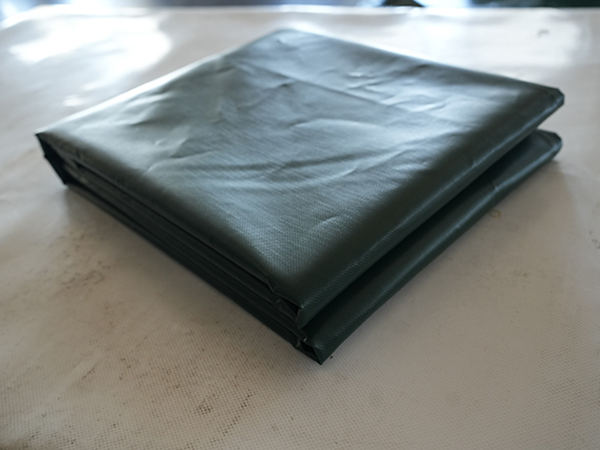
To buy tarps from China, define the application and finished specification, verify the supplier, compare equivalent quotations, approve a representative sample and agree on inspection before shipment. Choose the material, reinforcement and packaging together; a low price is meaningful only when the complete order meets your requirements. DER factory supplies tarp materials and custom covers for distributors, fabricators and industrial buyers, with dimensions, color, seams, fittings and packing reviewed for the project.

Move to the next stage when the previous decision is recorded. A controlled buying process connects your inquiry, quotation, sample, purchase order and inspection report to the same specification.
Describe what is covered, exposure, handling, attachment and your resale or fabrication workflow. Decide whether you need rolls, cut panels or finished tarps.
Record material construction, weight, dimensions, tolerances, reinforcement, seams, fittings, performance requirements and packaging. Mark any details that need a recommendation.
Check the contracting company, production responsibility, relevant equipment and product evidence. Identify which processes are performed in-house or by partners.
Give shortlisted suppliers the same brief. Align units, currency, delivery term, named place, packing, testing scope and exclusions before comparing prices.
Evaluate material swatches and a fabricated prototype where seams or fittings affect performance. Retain the approved reference and resolve deviations in writing.
Confirm the final specification, quantity per variant, schedule milestones, payment stages, packing, inspection access and the process for correcting nonconforming goods.
Check the batch against the order before shipment. Reconcile packing and documents, confirm freight responsibilities and record receipt checks for the next order.
PVC, PE and mesh serve different jobs. Polyvinyl chloride (PVC) coated polyester fabric combines textile reinforcement with a coated barrier; polyethylene (PE) woven tarpaulin is another common cover construction. Mesh permits airflow and does not provide the same rain barrier as a solid sheet.
| Material | Consider it for | What to verify |
|---|---|---|
| PVC coated or laminated polyester | Reusable truck covers, industrial curtains and equipment covers where fabrication and handling matter. | Base fabric, coating adhesion, tensile and tear performance, seam compatibility, flexibility and exposure requirements. |
| Woven PE tarpaulin | General weather covers, temporary protection and wholesale ranges where weight and cost are important. | Weave and lamination construction, finished dimensions, edge reinforcement and the agreed outdoor exposure performance. |
| Mesh tarp material | Ventilated covers, shade or debris-control applications where openings are acceptable. | Open area, containment needs, attachment loads and whether the application requires a separate rain barrier. |
For PVC construction and fabrication options, review DER factory’s PVC tarpaulin manufacturing and supply options. Similar GSM or thickness does not establish equivalent performance across materials.
Rolls suit buyers who cut, weld, sew or install fittings locally. Confirm usable width, length per roll, splice policy, winding, core, batch identification and cutting yield. A wider roll can reduce joins but may require different handling equipment.
Explore heavy duty PVC coated fabric roll supply when your own workshop controls the finished product.
Finished covers need an approved outer-size drawing, seam layout, hem construction and hardware coordinates. State whether straps, D-rings, eyelets, printing and individual packing are included in the unit price.
Review custom tarps and made-to-measure covers for projects that require fabrication before delivery.
A cut sheet loses usable dimensions when material is folded into hems or joins. State whether the listed size means raw cut size or completed outer size, how it will be measured and the permitted tolerance. For fitted covers, specify drops, overlaps and clearances separately.
Verify the seller’s identity and its ability to deliver your construction. A website, photograph or generic certificate alone cannot establish where your goods will be made or how they will be controlled.
Ask for the business license, factory address and an explanation of material production and finishing responsibilities. A live walkthrough or independent audit can help assess the relevant line, inspection area and packing process.
DER factory’s manufacturing quality control overview provides a starting point for a discussion about your order’s inspection requirements.
A trading or coordinating supplier can be suitable when it provides clear production responsibility. Evaluate the documented supply route and accountability rather than relying on the label “factory direct.”
Specify measurable properties for the complete product. “Heavy duty,” “waterproof” and “UV resistant” describe intentions; agreed construction, test requirements and acceptance criteria make those intentions assessable.
| Item | Record in the order | Confirm during approval |
|---|---|---|
| Material and structure | PVC coated or laminated polyester, woven PE or mesh; selected grade and surface finish. | Approved material identity; no substitutions without written agreement. |
| Weight and thickness | Target GSM, required thickness and agreed tolerances where applicable. | Material measurement method and sampling location, excluding fittings and packaging. |
| Dimensions and format | Roll width and length, or completed tarp dimensions, shape and measurement conditions. | Usable width, seam allowance, finished-size tolerance and roll splice policy. |
| Strength and adhesion | Relevant tensile, tear and coating adhesion requirements with a specified test method. | Direction, units, conditioning and acceptance values; do not compare unlike tests. |
| Seams and reinforcement | Joint method and layout, hems, webbing, corner patches and contact-zone protection. | Prototype construction and seam evaluation; sewing holes may need sealing for water protection. |
| Grommets and fittings | Material, opening size, spacing, edge position and strap or D-ring layout. | Position, fit and attachment performance against the agreed drawing. |
| Exposure and special performance | Temperature, sunlight, handling, abrasion and any required flame or chemical test scope. | Evidence for the selected construction. State the chemical, concentration and contact conditions if relevant. |
| Color, printing and branding | Approved color reference, artwork, print location and surface requirements. | Material color and printed appearance on a representative sample. |
| Packaging and traceability | Folded or rolled format, unit pack, carton quantities, marks and batch identification. | Final pack dimensions, net and gross weights, labeling and handling protection. |
Two tarps with the same grams per square metre can have different textile reinforcement, coating proportions and seam quality. Select a workable weight together with the required performance. Do not convert GSM directly into mil thickness without construction-specific information.
For a reusable PVC cover program, the vinyl tarps product guide gives additional context on construction, reinforcement and finishing.
There is no single useful price for all tarps. Material, grade, size, fabrication, order mix, packaging and delivery terms change the cost. Compare quotations for the same specification, then add the charges required to bring accepted goods to your destination.
| Quoted basis | What to check | Common comparison error |
|---|---|---|
| Price per square metre | Usable area, construction, measured GSM, fabrication scope and packing. | Treating material area as completed cover area without seam and hem allowances. |
| Price per kilogram | Material weight basis; exclusion of cores, fittings and packing; applicable GSM. | Comparing unlike weights or counting packaging as useful tarp material. |
| Price per finished tarp | Finished dimensions, fittings, reinforcement, print, tolerances and unit pack. | Assuming all accessories are included because the finished size is the same. |
| Price per roll | Usable width, length, splice policy, net material mass and winding format. | Comparing rolls with different usable lengths or unrecorded joints. |
Theoretical material mass (kg) = area (m²) × GSM ÷ 1,000
Illustrative planning example: a 6 m × 8 m single sheet at 650 GSM has a theoretical base material mass of 31.2 kg. Hems, overlapping seams, reinforcement and hardware add weight; packaging adds gross shipment weight. This example is not a DER factory catalog size or confirmed product grade.
Build a cost sheet from the agreed quotation and delivery term. Add only excluded origin charges, inspection or testing, freight, insurance, destination handling, import charges and local delivery.
Compare cost per accepted tarp, usable square metre or saleable unit. Record whether local import tax is recoverable so it is treated consistently in both comparisons.
Ask whether the minimum order quantity applies to the complete order, each material grade, each color or each finished size. Small quantities spread across many variants can affect setup and packing.
Separate sample readiness, production after approval, inspection, vessel departure and final delivery. DER factory’s bulk tarpaulin and wholesale supply options can help frame a distributor or OEM inquiry.
Need an equivalent-specification quote?
Send the application, drawing, quantity by variant and destination.
A swatch can help evaluate the fabric; it cannot prove the fit, seams, edge reinforcement or fastening layout of a finished cover. Use a material reference and, where fabrication matters, a representative prototype before authorizing bulk production.
Label the approved sample and retain the relevant specification revision. If a stock sample differs from the planned order, list the differences and obtain approval for each one.
Agree on the sampling plan, defect categories, acceptance criteria and correction process in advance. Set the inspection milestone before the contract’s shipment or payment release point.
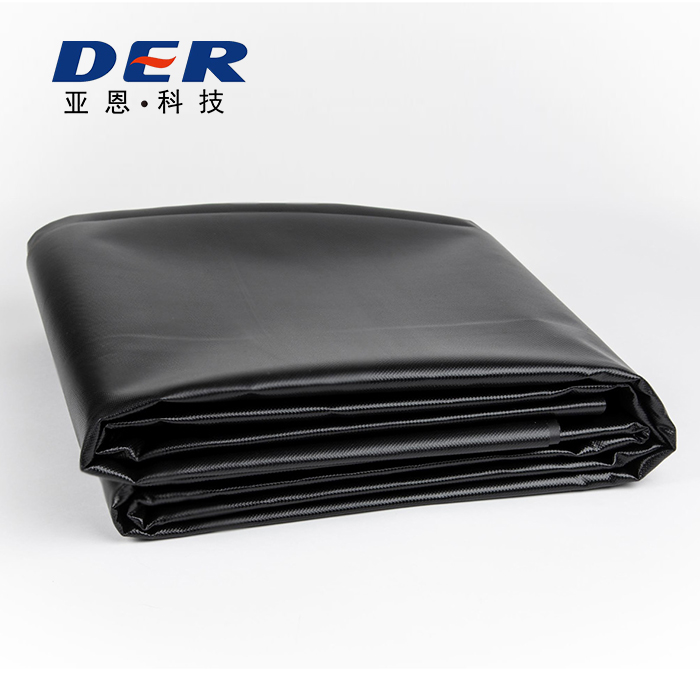
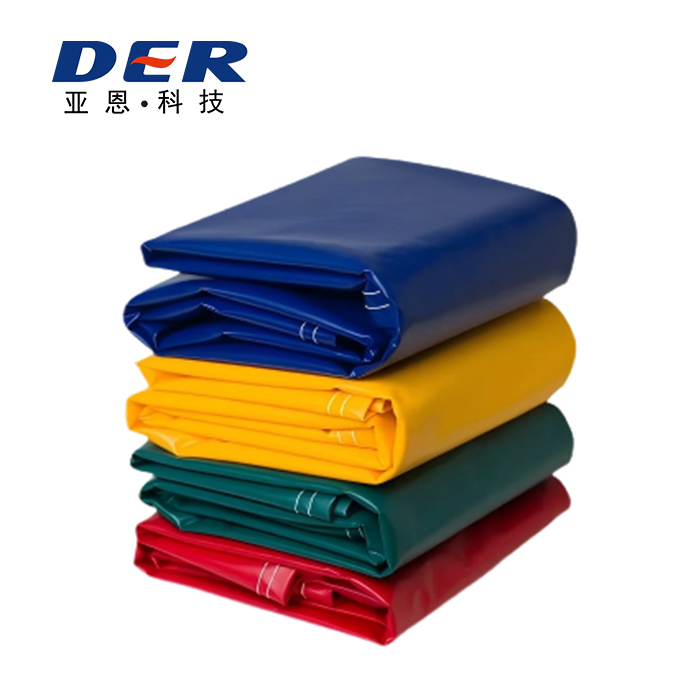
Reorder against the approved revision and sample reference. Ask the supplier to flag any change in material, finish, fittings, packing or production route before manufacture. Keep batch identification and receiving records so a later issue can be traced.
Write the delivery rule, named place or port and Incoterms® version in the quotation and order. Decide who arranges transport, where risk transfers, which charges are included and who completes the relevant formalities.
| Term | Basic delivery distinction | Buyer discussion point |
|---|---|---|
| EXW | Goods are made available at the named premises. | Confirm who handles loading, collection and export clearance; these are not automatically the seller’s obligations. |
| FCA | Delivery to the buyer’s nominated carrier at an agreed place; suitable for any transport mode. | Define the handover point precisely. Discuss FCA for containerized or multimodal shipments. |
| FOB | Delivery on board the vessel at the shipment port; a sea or inland waterway rule. | Confirm origin charges and on-board delivery responsibilities. Do not use it as a generic air-freight term. |
| CIF | Seller arranges freight and required insurance to the destination port; risk transfers at shipment on board. | Review insurance and excluded destination charges. A paid freight quote does not mean risk transfers on arrival. |
Delivery-rule reference: ICC Incoterms® 2020 and ICC Academy’s FCA and FOB explanation.
Request pack count, external dimensions, net and gross weight, pallet requirements and the proposed loading plan. Confirm protection against handling damage and moisture. Folded covers and wound rolls can use container space differently.
Choose less-than-container-load (LCL) or full-container-load (FCL) from the actual shipment, handling needs and total charges. Do not assume a standard number of tarps fits every container.
Prepare a commercial invoice, packing list and the transport document appropriate to the shipment. Confirm whether origin evidence, product reports, labeling or other market-specific documents are required.
Check descriptions, quantities, marks, weights and seller details across the set. Have the destination customs broker confirm classification, applicable duties, taxes and import requirements for the actual material and finished product before shipment.
Send the application, supply format, dimensions and quantity first. Add your material requirements, drawing, performance expectations and destination so the team can review the scope and identify missing decisions.
For a new program, a sample, photograph or reference specification can help explain what you need. State which features must match and which can be recommended.
For OEM or private-label tarps, include approved artwork, packaging requirements and a variant list. Confirm MOQ, sample arrangements, testing and schedule for the selected specification.
Resolve these questions before the first bulk order and revisit them whenever the specification changes.
Yes. First confirm the contracting company and who produces the material and finished cover. Send a clear specification, evaluate a representative sample and agree on inspection, packaging and commercial terms before placing a bulk order.
MOQ depends on the material, grade, color, size mix, finishing and packaging. Ask whether it applies per order or per variant. DER factory confirms the minimum quantity and any trial-order options during review of the actual specification.
Consider PVC coated polyester for reusable covers where reinforcement and fabrication performance matter. Woven PE can suit lighter or temporary cover programs. Compare the selected constructions, handling needs, exposure and agreed test performance; material names or GSM alone do not prove suitability.
For the same material, multiply price per kilogram by GSM divided by 1,000 to estimate material price per square metre. Confirm that the weight excludes cores, packing and accessories. Finished tarp comparisons must also include fabrication, reinforcement and usable dimensions.
A swatch helps assess the fabric, but it does not prove finished fit, seams, hems or fittings. Request a representative fabricated prototype when those details matter. Keep an approved sample reference and written specification for the production order.
Timing depends on sampling, specification approval, material scheduling, fabrication, inspection, shipping and destination clearance. Request separate milestones for sample readiness, production, shipment and arrival. Confirm the schedule for your order rather than assuming a fixed universal lead time.
The shipment commonly needs a commercial invoice, packing list and transport document. Origin evidence, labeling, testing or other documents may be required by the destination market or contract. Ask your customs broker to confirm the requirements for the actual construction and intended use.
Choose the rule for the actual transport and delivery arrangement. FCA suits any transport mode and can fit container shipments; FOB and CIF are sea or inland waterway rules. Name the delivery place or port, state the Incoterms version and confirm cost, risk and insurance responsibilities.
Send DER factory your application, dimensions, material requirements, quantity and destination. Add the drawing, reinforcement layout and required testing for a custom or industrial program.
Material and fabrication scope.
Approved sample and specification.
MOQ, schedule and packing.
Testing and inspection requirements.
Delivery basis and shipment documents.
Final options are reviewed against your project requirements.
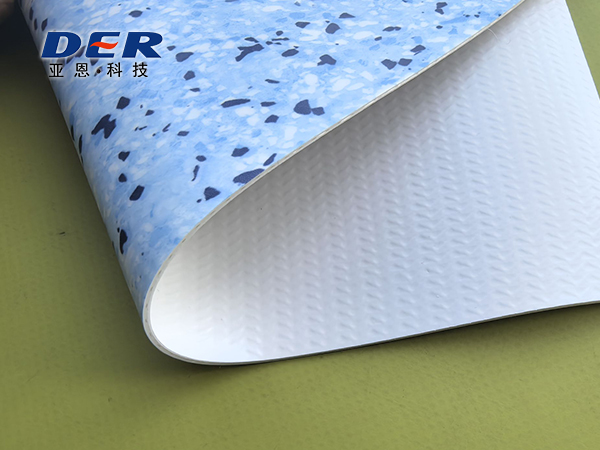

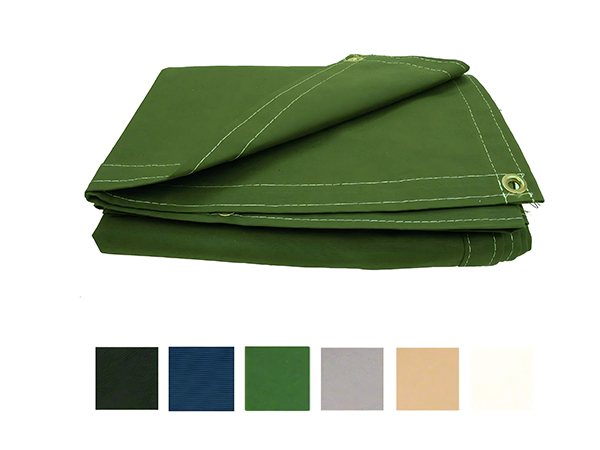
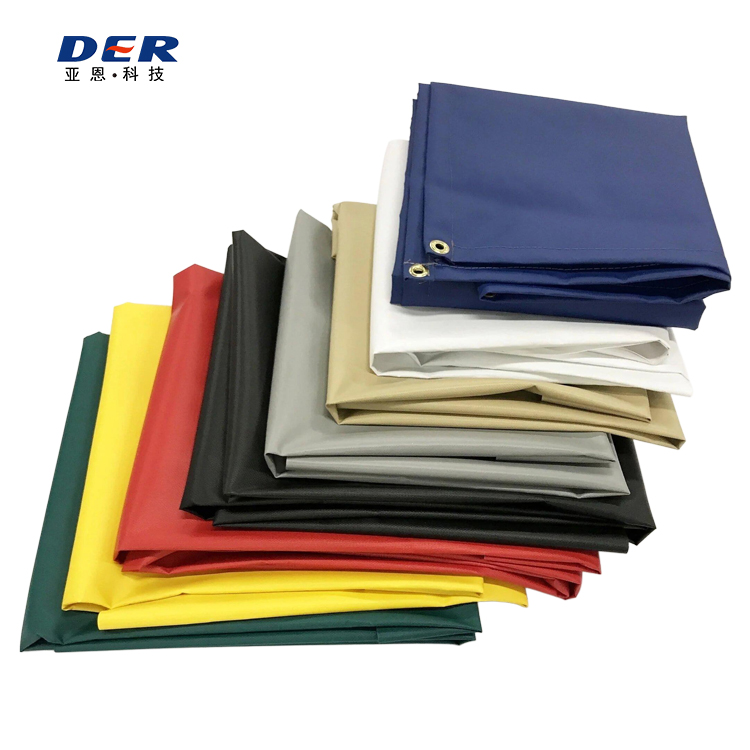
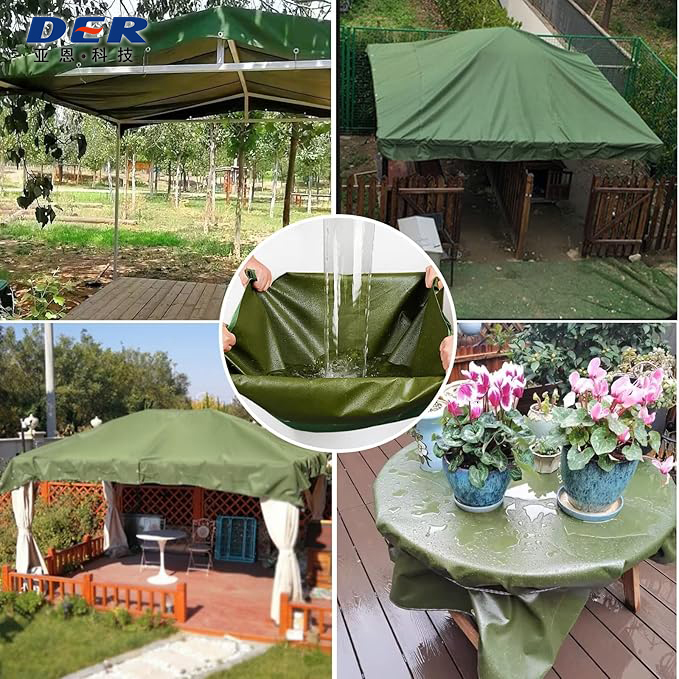
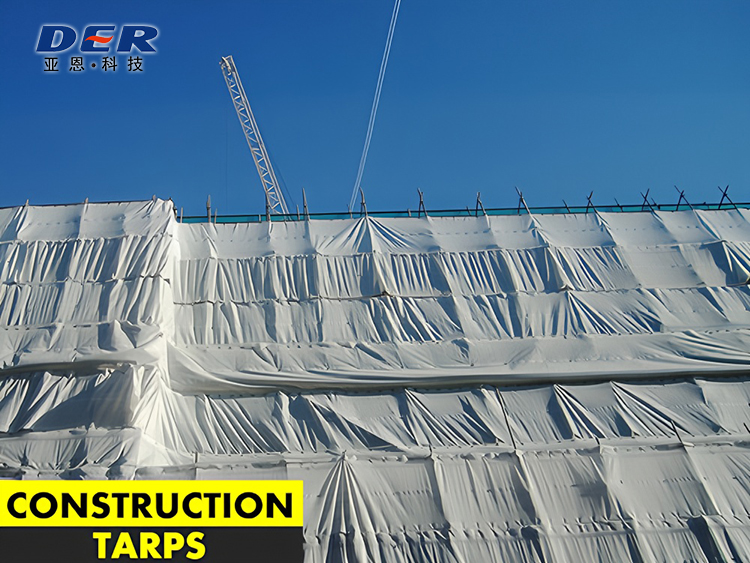
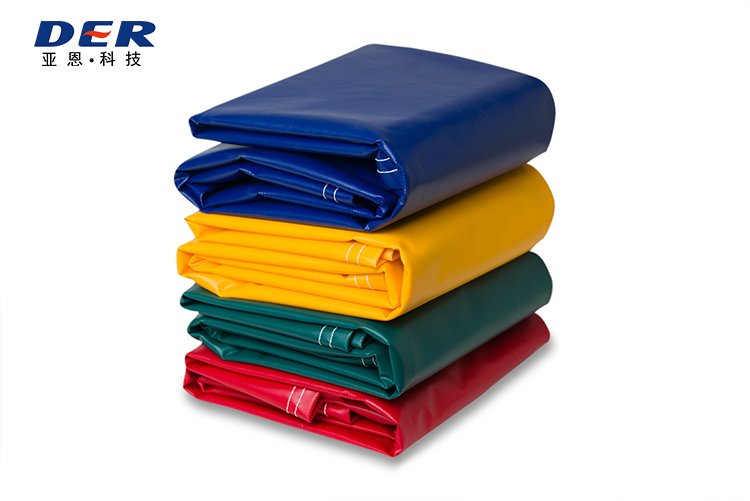
Our products are widely used in our residential and industrial area, which can be used for producing tents, outdoor covering, flexible ventilation tube, water bladders, inflatable castles, architecture membrane structures, etc. Our main products: PVC coated fabrics, PU/TPU coated fabrics, Oxford fabric, PVC ceiling film, flexible banner material. Welcome to our site and order online.