Heavy Duty Tarps Manufacturer | Industri..
- 2026-09-13

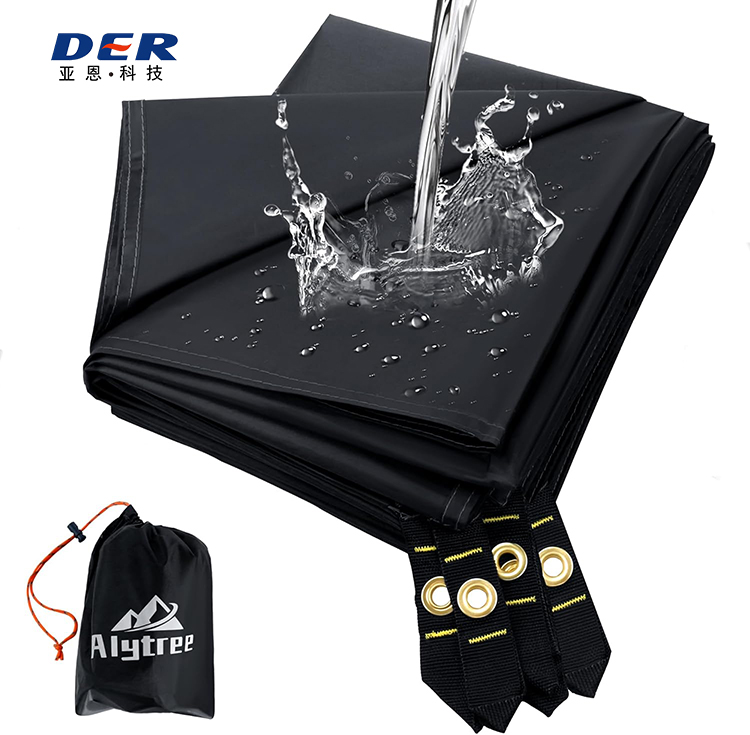
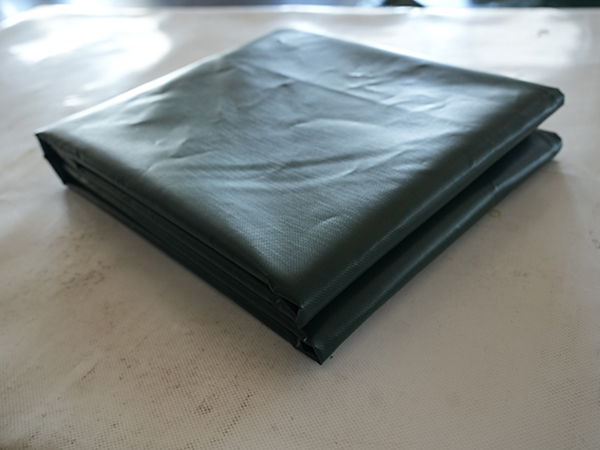
An hui Der factory supplies camping groundsheets for buyers who need more than a basic sheet under a tent. We manufacture waterproof and durable outdoor groundsheets for tent brands, camping equipment distributors, private-label sellers, glamping projects, and outdoor product importers looking for dependable material quality, custom development, stable supply, and commercially practical OEM service.
A camping groundsheet may look simple, but in real outdoor use it affects tent floor life, moisture control, cleaning convenience, setup experience, and overall product quality. The right groundsheet adds value long before the customer notices it directly.
A camping groundsheet is a protective layer placed between the ground and a tent, shelter, picnic setup, or outdoor living area. In its most practical form, it helps reduce direct contact with moisture, mud, dirt, stones, and abrasive ground surfaces. For outdoor users, that means a cleaner, drier, and more reliable base. For tent brands and equipment sellers, it means a product component that improves the real-life performance of the complete camping system.
In the market, buyers may search using different terms such as camping groundsheet, tent groundsheet, waterproof tent footprint, outdoor ground mat, tent base sheet, heavy duty camping groundsheet, or picnic ground cover. These terms often point to slightly different product expectations, but the core purpose is similar: to provide a durable layer of protection between the outdoor environment and the user’s gear or activity space.
A well-designed groundsheet does not only protect a tent floor from wear. It can also help reduce cleaning time after a trip, make tent setup more comfortable, support water control in damp ground conditions, and create a more stable base for camping furniture, cooking zones, or family activity areas. This is why the product is relevant not only to traditional campers but also to glamping operators, festival organizers, overland gear sellers, and outdoor living brands that want to improve user experience.
Not every groundsheet is built the same way. Some products focus on lightweight portability for entry-level camping kits. Others focus on stronger abrasion resistance for rough terrain or repeated commercial use. Some are sold as simple rectangular sheets, while others are cut and finished to match specific tent footprints, tarp systems, shelter modules, or OEM outdoor collections. Depending on the project, customization may include thickness, size, corners, eyelets, edge reinforcement, color, fold pattern, strap arrangement, or packaging format.
For buyers sourcing from a camping groundsheet manufacturer, the key question is not only what the sheet is made of. The bigger question is how the product will actually be used. A family camping brand may prioritize water resistance and easy cleaning. A tent manufacturer may need a footprint that fits a specific shelter model. A glamping operator may want a larger, more durable base mat for longer site use. A distributor may need balanced cost, practical thickness, and stable supply for repeat orders.
At An hui Der factory, we treat the camping groundsheet as an outdoor functional product, not a generic accessory. That means we look at application, market positioning, durability needs, and OEM requirements together so the final product fits the buyer’s business more effectively.
Tell us the target application, product size, thickness preference, and OEM requirement. We can recommend a more suitable camping groundsheet construction for your market.
A good outdoor groundsheet should support real use conditions, not just look acceptable on a product list. Buyers care about how the sheet performs in transport, setup, weather exposure, cleaning, and repeat handling.
One of the main reasons users choose a camping groundsheet is to reduce contact with wet ground. Moisture can affect tent floors, sleeping areas, camping furniture, and stored equipment. A waterproof or strongly water-resistant construction helps improve the user experience and adds a more dependable base layer for outdoor activities. For brands, this feature is also a major selling point in retail communication because it directly answers a practical outdoor problem.
Campgrounds are not always soft grass. Many outdoor settings include gravel, packed soil, exposed roots, stone fragments, or mixed terrain that can wear down a thin or poorly selected sheet. A better camping ground mat should offer a stronger balance of flexibility and surface durability so it holds up under normal outdoor movement and repeated use.
A practical groundsheet should be simple to wipe, shake, rinse, or fold after use. This matters to everyday users, rental operators, and glamping businesses alike. When the groundsheet helps keep the tent base cleaner, the whole camping system becomes easier to maintain. That perceived convenience often becomes an important reason for repeat purchase.
The sheet should sit flat enough for practical use, fold in a manageable way, and remain workable during installation and packing. If the material is too soft, too slippery, or too unstable, the product becomes less convenient even if it is technically waterproof. A serious groundsheet supplier pays attention to real handling performance, not only to lab-style descriptions.
Many buyers do not want a generic rectangle. They need a tent footprint, a shaped shelter base, a glamping platform mat, or a custom floor protector that fits a defined product line. This is where a manufacturer with OEM capability creates more value. Custom length, width, corner structure, strap locations, eyelets, or edge treatment can help the groundsheet integrate better with the final outdoor setup.
Outdoor brands and distributors often need more than a standard supply item. They may want a branded fold bag, a custom color, logo printing, barcode labeling, carton design, or a product range organized by size and target use. OEM support helps buyers build a more differentiated product line instead of reselling the same generic sheet available everywhere.
In outdoor products, inconsistency creates unnecessary returns, customer complaints, and brand damage. A camping groundsheet manufacturer should aim for repeatable dimensions, stable material feel, dependable edge finishing, and predictable packaging. For wholesalers and brand owners, this consistency matters more over time than a low first-order price.
Outdoor buying cycles are often seasonal, and product launches depend on timing. Clear lead-time communication helps buyers plan inventory and campaigns more effectively. For quality-sensitive markets, support for product data discussion, sample confirmation, and requested test-report or certification communication can also be important.
Final specification should be matched to the target outdoor use, expected durability, price level, and brand positioning. The table below is a sourcing reference for discussion.
| Item | Typical Option / Range | What Buyers Should Consider |
|---|---|---|
| Product Type | Camping groundsheet / tent footprint / outdoor ground mat | Product naming may change by market, but the use logic should stay clear |
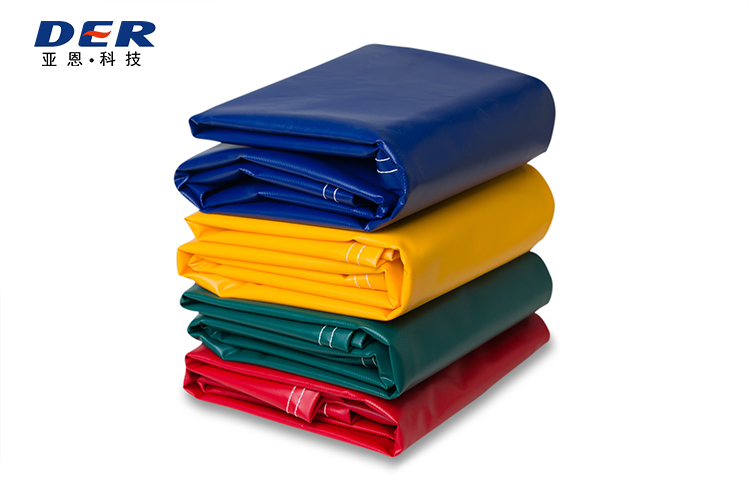
| Material | PVC / coated outdoor sheet / custom base material | Material should match durability target, weight target, and price positioning |
| Waterproof Level | Waterproof or water-resistant depending on selected construction | Chosen according to camping conditions and intended outdoor exposure |
| Thickness | Custom according to project requirement | Thicker sheets usually improve durability but may affect carry weight and cost |
| Surface | Smooth / textured / easy-clean finish | Affects cleaning convenience, grip, and overall feel |
| Size | Standard or custom cut | Can be matched to tent model, tarp system, picnic use, or shelter footprint |
| Shape | Rectangle / custom shape / tent-matched pattern | Useful for footprint products and OEM tent accessories |
| Edge Finish | Heat cut / sewn edge / reinforced edge / bound edge | Edge treatment influences appearance, durability, and target market level |
| Accessories | Eyelets, straps, fold bag, labels, packaging | Can improve usability and brand presentation |
| Color | Standard outdoor tones or custom color | Supports brand differentiation and visual match with tent product lines |
| MOQ | Based on standard or custom product scope | Custom shapes, printing, or OEM packaging usually affect MOQ |
| OEM / Custom | Available | Supports product range development, private label, and project supply |
A camping groundsheet is often underestimated because it looks simple. In practice, however, the right thickness, size, and finish depend heavily on how the product will be used. A footprint for a lightweight consumer tent may need a very different balance than a family campsite floor sheet or a glamping ground protector. That is why comparing groundsheets only by thickness or price can be misleading. A better buying decision considers terrain type, frequency of use, target user group, packaging format, and whether the product is sold as a standalone accessory or as part of a larger tent system.
For example, a retail camping brand may prioritize portability and a cleaner fold. A rental or glamping operator may prioritize washability and durability. A tent manufacturer may need a shape that aligns closely with the shelter floor. The right specification is the one that supports the actual business model behind the product.
The fastest path to a suitable outdoor groundsheet is a clear product brief. Buyers should ideally share the target use, preferred dimensions, expected thickness range, whether the sheet sits under or inside the tent, color direction, accessory needs, packaging expectation, and estimated order quantity. If the groundsheet is meant to match an existing tent model, sharing the footprint drawing or product photo can make development faster and more accurate.
This early clarity helps reduce sample revisions and makes quotation more meaningful. It also supports better lead-time planning once the project moves toward mass production.
We support custom size, custom shape, eyelets, edging, fold bags, logo programs, and private-label packaging for outdoor product buyers.
This is the most common use. The groundsheet acts as a barrier under the tent, helping protect the tent floor from moisture, dirt, and abrasion. For tent brands, a matched footprint can increase perceived product completeness and customer satisfaction.
Larger groundsheets are often used for family campsites where users need a clean area for sitting, gear placement, or activity space near the tent. These buyers often value durability and easy cleaning over ultra-light positioning.
Glamping tents and outdoor hospitality setups often require stronger base protection for repeated use. In these cases, a more robust outdoor groundsheet can help support site cleanliness and improve the overall guest experience.
Temporary outdoor events frequently use groundsheets under tents, canopies, or relaxation areas. The right sheet can improve comfort, reduce mess, and support faster cleanup after use.
Some brands extend the product into picnic mats and outdoor leisure sheets. While the use is lighter than tent protection, appearance, foldability, and easy cleaning become more important to the buying decision.
Camping groundsheets are also used as part of wider outdoor SKU planning. Retailers and brands may want a coordinated product line covering tents, tarps, footprints, picnic mats, and storage bags in matching colors and packaging logic.
Buyers who define the intended use clearly usually get better results. A lightweight tent footprint, a rugged campsite base sheet, and a glamping platform protector are not the same product just because they all sit on the ground. The more clearly the use is defined, the easier it becomes to choose the right combination of thickness, finish, accessories, and price level.
This is especially important for wholesalers and brand owners because customer complaints often come from application mismatch rather than from a purely material defect. If the product is sold for the right use, it performs better and creates fewer downstream problems.
A better camping groundsheet can increase the value of the overall outdoor product system. It helps tent brands offer a more complete accessory program, gives distributors a practical upsell item, and creates an opportunity for private-label outdoor collections. In retail, it also answers a clear customer need: protecting expensive gear from the ground below.
That is why many buyers do not treat the groundsheet as an afterthought. They treat it as a product that supports both user experience and commercial conversion.
The first question is where and how the sheet will be used. Is it meant for weekend family camping, entry-level retail kits, rugged overland use, festival rentals, or glamping operations? The answer will shape the right balance between thickness, durability, portability, and price.
Universal rectangular groundsheets are easier for broad retail sale, but tent-specific footprints can create stronger value for brand ecosystems. If the sheet is meant to pair with an existing shelter, custom shape and fit may matter much more than generic size flexibility.
A heavier sheet may offer stronger abrasion resistance and a more premium feel, but it may also reduce portability. Lightweight users, especially in retail camping categories, often care about packed size and ease of carrying. The best choice depends on the target market, not on thickness alone.
Grass, wet soil, stones, gravel, and mixed campsite conditions create different wear patterns. Buyers serving rougher outdoor use may want stronger construction or reinforced edges. Buyers focused on cleaner leisure use may prefer a lighter and more flexible product.
If the project includes color matching, fold bags, barcodes, logo treatment, carton structure, or retail-ready packaging, these details should be confirmed early. This reduces rework and helps the production schedule stay predictable.
Before placing a large OEM or wholesale order, sample review helps confirm material feel, folding behavior, edging quality, eyelet position, and packaging practicality. That process is especially valuable when the groundsheet will be sold under your own brand.
Buyers looking for a camping groundsheet supplier are not simply buying sheet material. They are choosing a manufacturing partner that affects product fit, retail presentation, packaging logic, outdoor durability, and long-term replenishment reliability. At An hui Der factory, we focus on supplying outdoor groundsheet solutions that are commercially practical and customizable for real product programs.
We understand that not all customers operate the same way. Some are tent brands building matched accessories. Some are outdoor wholesalers that need a balanced product range. Some are private-label sellers developing entry-level and premium lines. Some are project buyers sourcing durable groundsheets for glamping or outdoor site use. Because these needs differ, our approach emphasizes product matching, OEM flexibility, consistent quality, and clear communication.
Many outdoor buyers need more than a stock size. We can discuss custom dimensions, shape adjustments, edging options, eyelet layouts, accessory bags, label needs, and carton arrangements according to the product line. This is especially useful for brands that want a more defined market position.
Outdoor product quality is judged in use, not only at the factory. Buyers care about whether the sheet folds cleanly, arrives with repeatable dimensions, looks consistent, and performs as expected outdoors. That is why product details, sample confirmation, and production consistency matter to us.
Camping categories often move on sales seasons and promotional windows. Clear timing for sample development, production scheduling, and shipment planning helps buyers organize inventory with fewer surprises.
Custom product and private-label support for outdoor brands and distributors.
Focused on stable dimensions, usable handling, edging quality, and repeat supply.
Clear communication for sampling, production, and shipment planning.
Supports tent-specific footprints, outdoor mats, and shaped groundsheet programs.
We support outdoor brands, tent manufacturers, importers, and distributors with custom development and repeat-order supply.
| Criteria | Camping Groundsheet | Generic PE Sheet | Coated Oxford Fabric Base | Foam Outdoor Mat |
|---|---|---|---|---|
| Main role | Tent base protection and outdoor ground barrier | Basic low-cost covering | More textile-like outdoor floor option | Comfort-focused seating or floor layer |
| Waterproof performance | Good when properly selected | Basic to moderate depending on quality | Varies by coating and construction | Not always intended as moisture barrier |
| Abrasion resistance | Balanced for outdoor ground use | Can be inconsistent in lower-grade products | Can perform well in some applications | Usually not ideal for rough ground underneath tents |
| OEM customization | Strong | Often more limited in finish and presentation | Good in some branded product lines | Less suitable for tent footprint logic |
| Best use case | Camping, glamping, tent footprint, outdoor protection | Entry-level utility use | Branded outdoor mats and selected tent systems | Leisure comfort layer, not core tent protection |
| Commercial value | High for product-line integration and repeat sale | Mainly price-driven | Useful for premium positioning | Different category emphasis |
Buyers often compare camping groundsheets with any sheet-like outdoor product that appears similar on price. But a real outdoor groundsheet should be compared by role, not only by material cost. If the product is meant to protect a tent floor, help manage ground moisture, and integrate into a camping gear system, the right choice may differ from a low-cost general-purpose sheet or a comfort-focused foam mat.
A dedicated camping groundsheet usually creates more value when the product must fit into a wider outdoor SKU strategy. It can be sold as an accessory, bundled with tents, used in OEM programs, or positioned across different quality tiers. That gives it more commercial depth than a generic sheet with no product-system logic behind it.
An outdoor equipment buyer needed a camping groundsheet manufacturer for a growing product line focused on family camping and shelter accessories. The buyer did not want a generic sheet that could be found everywhere in the market. Instead, the goal was to create a product that looked more complete under the brand, folded more cleanly, and offered a practical balance between waterproof protection, durability, and retail-ready packaging.
The project began with a review of intended use, price level, preferred product sizes, and how the sheet would be sold: both as a standalone outdoor ground mat and as an accessory matched to selected tent models. Because the product had to work across retail and online channels, packaging and product presentation mattered almost as much as field performance.
Sample development focused on size consistency, fold format, surface feel, and edge treatment. The buyer also needed packaging logic that would fit existing brand presentation standards. Instead of treating the product as a commodity, the development process treated it as part of the brand’s outdoor range.
Once the construction and packaging were aligned, the buyer gained a more defined camping groundsheet line that was easier to position commercially. The product could be sold as an add-on to tents, a family camping essential, and a general outdoor floor sheet. The custom fold and packaging also improved shelf presentation and shipping efficiency.
More importantly, the buyer reduced direct comparison with open-market generic sheets. By using a better-matched product with clearer branding logic, the business created more room for repeat sales and product differentiation. This is one of the main advantages of working with a manufacturer that supports OEM thinking rather than only offering standard stock.
In many outdoor categories, the strongest result is not just one shipment. It is the creation of a product that fits the brand, the user scenario, and the replenishment cycle in a more stable way. That is where a good camping groundsheet program becomes commercially valuable.
A more differentiated camping groundsheet line for retail and tent-accessory sales.
Custom size planning, fold logic, edge finish, and OEM packaging alignment.
Better brand fit, improved presentation, and a more repeatable accessory product strategy.
Share your size plan, market level, product use, OEM details, and order estimate. We can help you evaluate a more suitable groundsheet solution.
Custom development can include product size, shape, thickness, color, edging structure, eyelets, strap layout, fold method, carry bag, label, barcode, carton print, and retail presentation. For some buyers, even small differences like corner style or packed dimensions can affect how the product fits into a wider outdoor category strategy.
OEM support is especially useful for tent brands, outdoor accessory sellers, importers, supermarkets with private-label camping ranges, and distributors serving different price tiers. Instead of selling the same open-market sheet as every competitor, these buyers can build a more defined product line that matches their channel and brand message.
For outdoor brands, this also makes cross-selling easier because the groundsheet can be matched with tents, tarps, picnic products, and storage accessories within one coordinated collection.
Build product ranges that match tent models, style direction, and packaging systems.
Develop balanced outdoor groundsheet lines for different price and use segments.
Create custom outdoor base sheets for glamping, rental, event, or shelter programs.
A camping groundsheet helps protect the tent floor or outdoor living area from moisture, dirt, and abrasion. It creates a practical barrier between the ground and the camping setup.
They are closely related. A tent footprint is usually a groundsheet sized or shaped to fit a specific tent model, while a camping groundsheet can also be a more general outdoor base sheet used for multiple purposes.
Yes. Custom size, custom shape, corner design, edging, eyelets, and packaging can all be discussed according to the buyer’s product plan or tent model.
MOQ depends on whether the order uses a standard product or a custom-developed specification. OEM packaging, logo, custom color, and shaped cuts usually influence the minimum order quantity.
Yes. OEM service can include size planning, bag design, label printing, carton marking, barcode arrangement, and other private-label supply details.
The best thickness depends on terrain, expected use frequency, target user group, and whether the product is positioned as lightweight, standard, or heavy duty. It should be matched to the real market requirement rather than chosen by number alone.
Yes, provided the construction is selected for that use. Commercial and repeated-use projects often benefit from stronger material and more durable finishing than entry-level recreational products.
The most useful details are product size, target thickness, application scenario, desired color, accessory needs, packaging request, estimated quantity, and whether the product is for OEM or standard supply.
This area is reserved for future internal links to expand category depth and support wider site navigation.
A strong camping groundsheet program starts with the right product logic. The sheet should match the real user scenario, the brand’s price position, the desired durability level, and the retail or project packaging plan. Once those factors are clear, the product becomes easier to develop, easier to sell, and easier to reorder with confidence.
At An hui Der factory, we support buyers looking for a camping groundsheet manufacturer that can combine custom development, practical outdoor product thinking, and repeat-order supply support. Whether you need a tent footprint supplier, a waterproof camping groundsheet for retail sales, or an OEM partner for a broader outdoor accessory line, we can discuss a solution around your actual business goals.
Send your inquiry with product size, thickness target, use scenario, OEM details, and quantity estimate. That is the fastest way to move from a general idea to a workable product recommendation.
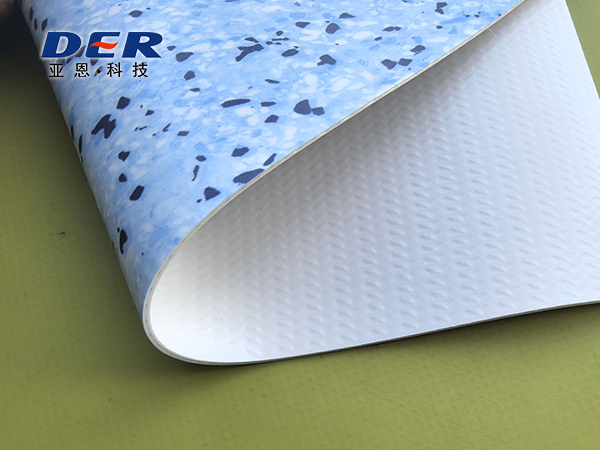
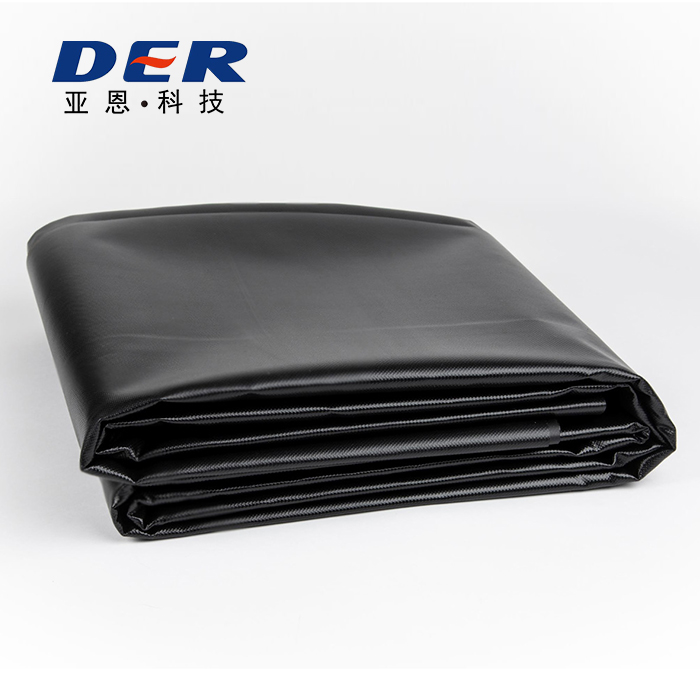
Our products are widely used in our residential and industrial area, which can be used for producing tents, outdoor covering, flexible ventilation tube, water bladders, inflatable castles, architecture membrane structures, etc. Our main products: PVC coated fabrics, PU/TPU coated fabrics, Oxford fabric, PVC ceiling film, flexible banner material. Welcome to our site and order online.