Heavy Duty Tarps Manufacturer | Industri..
- 2026-09-13

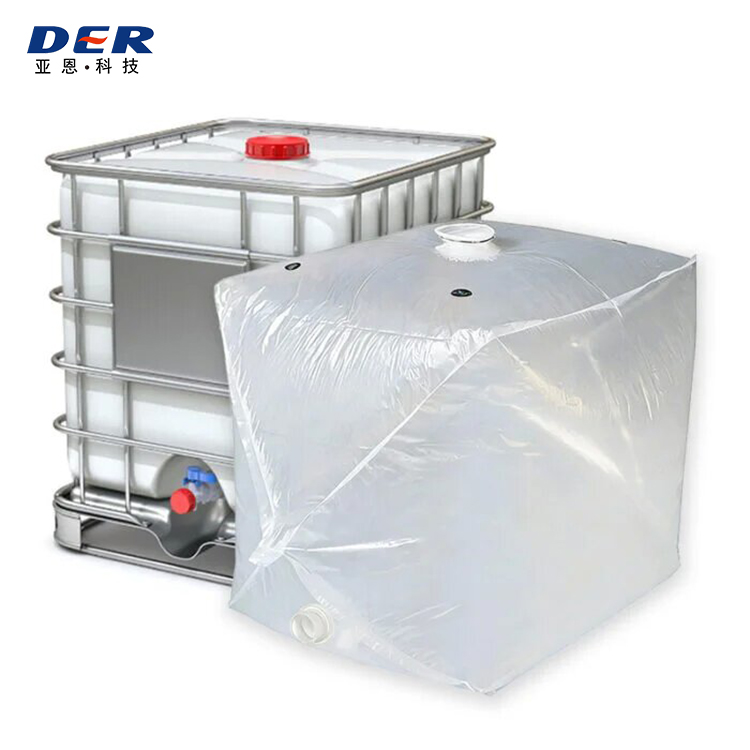

An hui Der factory manufactures chemical-grade PVC liners for 1000L containers for buyers who need dependable internal containment for industrial liquids, process media, and project-specific storage systems. We support custom liner development for dimensional fit, welding structure, discharge configuration, packaging, and OEM supply, helping industrial buyers source a liner solution that matches the real container, filling process, and service condition.
A chemical-grade PVC liner is not just a flexible insert. For serious industrial use, it has to fit the container correctly, hold up under the intended filling and discharge process, align with the stored medium, and support cleaner, more controlled liquid containment.
A chemical-grade PVC liner for 1000L containers is a flexible internal liner designed to sit inside a large-capacity container and create a separate containment layer between the stored liquid and the outer container structure. In many industrial environments, this kind of liner is used to support cleaner liquid handling, reduce contamination risk, simplify maintenance, and improve the practicality of storing or transporting process liquids in container-based systems.
In commercial terms, buyers often search for a 1000L container liner, IBC PVC liner, chemical resistant PVC liner, or custom PVC liner manufacturer when they are trying to solve one of several recurring problems. The first is compatibility between the stored liquid and the base container. The second is the need for a removable or controlled internal barrier. The third is operational convenience, especially where filling, draining, cleaning, replacement, or batch separation matter. The fourth is procurement flexibility, because many industrial projects use different tank shapes, port structures, outlet directions, or working conditions that standard liner stock cannot solve well.
A properly developed chemical-grade liner is not simply a sheet folded into a bag. It is a fabricated containment component. The PVC formulation, thickness selection, sealing structure, dimensional accuracy, weld strength, opening position, and fitment layout all influence how the liner performs once it is placed inside the container and exposed to actual use conditions. For that reason, serious buyers usually prioritize technical matching over generic pricing alone.
For 1000L containers, fit is especially important. At this volume, even small dimensional or structural mismatches can affect how the liner expands, where stress concentrates, how the liquid settles, and how smoothly discharge happens at the bottom outlet. A liner that looks acceptable on paper but does not match the real container geometry can create wrinkles, dead zones, poor drainage, difficult installation, or reduced operational confidence. This is why custom liner supply is often more valuable than buying a loosely similar standard product.
Chemical-grade PVC is chosen in many industrial liner projects because it provides a workable balance of flexibility, processability, weldability, dimensional control, and application-focused resistance characteristics. It can be fabricated into shaped liners with different ports, sleeves, or outlet designs, making it useful for buyers who need a customized internal containment solution rather than a flat membrane alone. Final suitability, however, should always be confirmed against the exact liquid, concentration, temperature, and use cycle required by the project.
At An hui Der factory, we approach this product as an industrial containment component. That means the discussion starts with the liquid, the container, the operating process, and the buyer’s commercial objective. Whether the project is for industrial storage, batch handling, equipment integration, or OEM resale, the right liner is the one that fits the real application.
Share the liquid type, container drawing, required fittings, and target quantity. We can recommend a more suitable chemical-grade PVC liner configuration for your application.
Industrial buyers are rarely looking for a simple flexible bag. They are looking for a liner solution that can perform more predictably inside a 1000L container under real operating conditions.
The first requirement is that the liner serves as a reliable internal containment barrier for the intended liquid system. In practical procurement, this means the material must be selected according to the actual stored medium, concentration, temperature range, dwell time, and process condition. Buyers need a supplier that understands that chemical-grade does not mean universal. It means the product is developed for industrial liquid contact and must be matched carefully to the application.
A 1000L liner has to fit the actual container, not only the nominal volume label. Different container brands and structures may have different internal profiles, top openings, cage arrangements, bottom outlet positions, or installation methods. A custom-fit liner reduces installation problems, helps control expansion behavior, and improves drainage and operational consistency.
Many industrial liner projects need more than a sealed sack shape. Buyers may require top fill ports, venting points, bottom discharge connections, reinforced outlet zones, or special sleeves that match external valves and equipment. PVC fabrication offers flexibility for welded construction, which is one of the reasons it remains relevant in custom containment projects.
The liner should be flexible enough for installation into the container, but not so weak or unstable that handling becomes difficult. The right balance depends on thickness, formulation, and project demands. In actual use, buyers care about whether the liner can be inserted smoothly, seated correctly, filled without unnecessary distortion, and removed or replaced without excessive complication.
There is no single best thickness for every liquid containment liner. Some projects need a lighter, more cost-conscious construction for less demanding use. Others require a thicker, more robust liner because the filling process, liquid behavior, service cycle, or handling conditions create higher stress. A capable PVC liner supplier should be able to discuss thickness selection as a technical and commercial decision, not a fixed catalog number only.
For distributors, equipment integrators, and industrial solution providers, the ability to customize and brand the product matters. OEM support may involve liner dimensions, fitting design, packing format, carton marking, batch traceability requirements, and supply planning for long-term orders. This is especially important where the liner becomes part of a broader system or service package.
In industrial purchasing, timing matters almost as much as the product itself. Production stoppages, liquid handling schedules, equipment commissioning, and planned shipment dates all depend on supply predictability. Buyers value a liner manufacturer that communicates clearly about sample development, drawing confirmation, trial production, and mass-order lead time.
Professional buyers increasingly expect traceable technical communication, sample confirmation, and documentation aligned with the project requirement. Depending on the application, this may include technical data review, dimensional confirmation, packaging records, and discussion of requested testing or compliance documentation where applicable.
The final specification should be adjusted according to liquid type, container structure, outlet design, handling process, and project safety requirement. The table below is a sourcing reference, not a universal final standard.
| Item | Typical Option / Range | What Buyers Should Consider |
|---|---|---|
| Product Name | Chemical-grade PVC liner for 1000L containers | Designed for industrial liquid containment inside large-capacity containers |
| Container Type | 1000L container / IBC / tote-style structure | Actual liner design should follow the real container drawing or sample |
| Material | Chemical-grade PVC | Material selection must be matched to the stored liquid and use condition |
| Thickness | Custom according to project requirement | Chosen based on liquid, stress, service duration, and operating process |
| Fabrication | Heat-welded / fabricated liner structure | Weld design influences reliability, fit, and outlet performance |
| Top Opening | Custom fill port / open top / access design | Must align with filling method and installation workflow |
| Bottom Discharge | Custom outlet / sleeve / fitting arrangement | Critical for drainage efficiency and connection to external system |
| Dimension | Custom based on container size and profile | Nominal volume alone is not enough for final liner design |
| Compatibility | To be confirmed project by project | Exact liquid, concentration, and temperature must be reviewed before approval |
| Packaging | Standard export packing / custom packing / OEM label | Useful for distributors, industrial projects, and repeat procurement |
| MOQ | Based on standard or custom development level | Trial orders and mass production usually follow different quantity logic |
| OEM / Custom | Available | Supports branding, packaging, structure, and drawing-based fabrication |
Industrial liner buyers often begin by asking for a thickness or a price, but a successful project usually depends on more than either of those. A container liner has to function as part of a liquid handling system. The container shape, the port position, the liquid behavior, the filling speed, the discharge direction, and the intended replacement cycle all influence the right specification. When one of those variables is ignored, the liner may still be manufactured, but the risk of installation problems or operational inefficiency becomes much higher.
For example, two 1000L containers may look similar in volume but differ in internal corner shape, top access, or outlet structure. A liner developed for one may not seat correctly in the other. Likewise, two liquids may appear similar from a purchasing perspective but place different demands on the material due to concentration, residence time, or temperature. The best supplier conversation is the one that begins with application detail, not only part name.
The most efficient starting point for a custom PVC liner project is a simple technical package from the buyer. This can include the container drawing, photos of the top and bottom opening structure, the required fill and discharge method, the target liquid description, and the estimated annual quantity. With that information, the supplier can evaluate the liner layout more accurately and reduce the number of trial cycles needed before mass production.
For repeat buyers and OEM partners, this early clarity also improves quotation speed, sample approval efficiency, and lead-time planning. It creates a more controlled procurement process from the first order onward.
We can support custom dimensions, port design, outlet layout, packaging, and OEM supply for 1000L container liner projects.
Many buyers use a 1000L container liner to create a controlled internal barrier for liquid storage or transfer. This can be valuable where cleanliness, separation, or easier replacement of the contact surface is important to daily operation.
In process-related environments, an internal PVC liner may be used to support batch handling, staging, intermediate storage, or controlled discharge, provided compatibility with the specific medium is confirmed before application.
Equipment manufacturers, liquid handling solution providers, and system integrators may require a liner that becomes part of a broader product package. In these cases, dimensional accuracy and repeatable supply are especially important.
Some buyers need liners for contained liquid movement within industrial logistics workflows. The right liner can support cleaner internal separation, though the final use must match actual handling conditions and project requirements.
In systems where product changes or cleaning cycles matter, an internal liner can help reduce downtime associated with direct container cleaning, provided the full operational process is planned correctly.
Custom container liner projects are often driven by unique installation layouts, specific outlet directions, or temporary industrial requirements where an off-the-shelf rigid solution is less practical than a fabricated flexible liner.
The phrase chemical-grade PVC liner can cover a wide range of real industrial uses. Some projects prioritize cleaner containment. Others prioritize easier installation or fitting geometry. Others focus on cost-effective internal protection or repeatable OEM supply. Because these goals are different, the best liner construction is rarely chosen from material thickness alone. A serious purchasing review should consider liquid type, container layout, process temperature, fill method, discharge method, and the number of expected handling cycles.
Buyers who define the application early usually get better results. They shorten development time, reduce sample revisions, and improve the chance that the first mass-production order works as expected in the field.
For distributors and OEM buyers, a custom 1000L tank liner can be more than a single-use component. It can become part of a repeatable product line or project standard. Once the right structure is established, procurement becomes easier, customer communication becomes more consistent, and price comparison becomes less direct because the liner is matched more precisely to the actual use case.
This is one reason why industrial buyers often prefer a manufacturer that can discuss drawings, outlets, and packaging, rather than a seller who only offers a generic material roll.
The starting point is always the stored medium. Buyers should define the liquid name, concentration, operating temperature, storage time, and whether the process includes repeated filling, agitation, or long residence. This is essential because compatibility cannot be assumed from the phrase chemical-grade alone.
A 1000L label is only the volume reference. It does not tell the supplier the true internal geometry, corner shape, opening position, or outlet layout. Sharing container drawings or physical photos helps avoid fit issues and makes custom development far more accurate.
Buyers often focus on storage, but the liner also has to be installed, filled, and discharged. If bottom drainage must be efficient, the outlet zone and internal shape need to be considered in the design. If installation time is critical, the liner form should support easier placement and alignment.
Thickness should reflect not only chemical exposure but also mechanical handling, fill pressure, movement, and replacement cycle. A more demanding use environment may justify a stronger construction even if the liquid itself is not the only challenge.
If the project includes private-label packaging, barcodes, carton marks, traceability requirements, or system-specific fittings, those details should be locked in before final mass production approval. This improves lead time and reduces packaging or shipping confusion.
Before full-scale procurement, sample validation helps confirm dimensional fit, installation logic, weld layout, and the overall practicality of the liner structure. For industrial projects, this step is often more valuable than saving a small amount on the first order.
Buyers sourcing a chemical-grade PVC liner for 1000L containers are not just buying a flexible fabricated product. They are choosing a manufacturing partner that affects fit accuracy, project reliability, installation efficiency, operational confidence, and long-term procurement stability. At An hui Der factory, we focus on supplying liner solutions that are commercially workable and technically aligned with the actual application.
We understand that industrial buyers do not all work the same way. Some are direct end users managing internal liquid handling. Some are equipment or solution providers that need a liner as part of a wider system. Some are distributors building a repeatable product line. Some are project contractors with one defined custom requirement. Each of these buyer types needs a different conversation, and that is why our approach emphasizes application matching, custom capability, and responsive technical communication.
For many industrial liner projects, customization is not optional. It is the only way to make sure the product fits the real container and operating workflow. We can discuss custom dimensions, weld layout, top opening design, bottom outlet structure, fitting integration, packaging, and OEM presentation needs according to the project.
In liner manufacturing, quality is more than whether the material itself looks correct. Buyers care about weld reliability, consistency from piece to piece, dimensional repeatability, packaging clarity, and whether the product arrives ready for practical use. That is why confirmation of drawings, samples, and production details is a central part of successful liner supply.
For recurring industrial demand, stable sourcing becomes more valuable than chasing the lowest first price. A better fit, clearer lead time, and more predictable quality usually lower the total procurement risk over time.
Custom liner structure, packaging, and branding support for private projects and distributors.
Drawing-based development for 1000L containers, openings, outlets, and special installation needs.
Focused on dimensional consistency, weld reliability, and sample confirmation before scaling.
Clear communication for development, trial production, and repeat supply planning.
We support projects requiring custom fitment, chemical review, export packaging, and repeat-order supply for 1000L container liner applications.
| Criteria | Chemical-Grade PVC Liner | Generic Flexible Bag Liner | Rigid Insert Solution | Unlined Container |
|---|---|---|---|---|
| Fit customization | High, can be fabricated to container layout and outlet design | Often limited if standard only | Depends on tooling and geometry | No internal customized barrier |
| Port and fitting flexibility | Good for custom welded openings and outlet zones | Usually more limited | May require more rigid design constraints | Determined only by base container |
| Installation practicality | Flexible and project-dependent | Can be easy, but may lack fit precision | May be more cumbersome or costly | No liner installation step |
| Suitability for custom OEM supply | Strong | Moderate to low | Varies by tooling complexity | Low from liner perspective |
| Containment control and separation | Good when correctly specified | Varies widely | Can be strong but less flexible | Lowest internal separation control |
| Best fit | Industrial liquid handling with dimensional or fitting customization needs | Simple low-demand uses | More rigid dedicated systems | Projects that do not require internal liner logic |
Procurement teams often evaluate multiple containment routes before deciding on a custom PVC liner. The right choice depends on whether the project needs dimensional precision, outlet customization, flexible installation, OEM branding, or easier repeat supply. A generic low-cost liner may look attractive at the first quotation stage, but if it does not match the container correctly or fails to support the discharge process, the total project cost can increase quickly.
A chemical-grade PVC liner is especially useful when the buyer needs a flexible fabricated solution rather than a rigid insert, and when the container system requires custom openings, custom outlet alignment, or project-specific packaging and supply logic. That combination makes it attractive to industrial buyers, OEMs, and liquid handling solution providers.
A project buyer needed a chemical-grade PVC liner manufacturer for a 1000L container program used in an industrial liquid handling workflow. The main goal was to create a controlled internal containment layer while keeping the existing container hardware and process arrangement as unchanged as possible. The buyer had previously tested a more generic flexible liner, but the fit was inconsistent and the discharge area did not align well with the bottom outlet structure.
During the review stage, the buyer shared the container dimensions, photos of the upper opening and lower outlet area, estimated annual volume, and the intended operating process. Instead of offering a standard liner immediately, the development discussion focused on dimensional matching, outlet alignment, weld layout, and the practical steps used by the customer’s installation team. This reduced uncertainty before sample fabrication.
A custom liner format was then prepared around the actual container geometry and workflow. The buyer used samples to validate installation, filling behavior, and discharge practicality. Because the project had repeated use potential, the sample phase also helped establish a clearer basis for packaging and repeat-order planning.
The value of the correct liner did not come only from the material. It came from fit, layout, and process alignment. Once the liner matched the real container more accurately, installation became more consistent and the project team had more confidence in scaling procurement. The buyer also benefited from clearer communication around production details and supply scheduling, which mattered because the liner was part of a broader operational plan.
This type of project reflects a common industrial purchasing pattern. Buyers are not always looking for the cheapest liner. They are looking for a liner supplier that can help reduce fit risk, improve internal containment logic, support custom outlet requirements, and provide a repeatable supply structure for future orders. That is where a manufacturer-led approach creates more value than a simple trading quotation.
In many cases, the most important commercial result is not just the first shipment. It is the fact that the liner becomes a stable, defined part of the customer’s process and can be ordered again with less friction.
A better-fitting chemical-grade PVC liner for an existing 1000L liquid handling container system.
Custom dimension review, outlet alignment, weld structure planning, and sample confirmation.
Improved installation consistency, better process fit, and a more repeatable procurement basis.
Send your container details, liquid type, thickness target, fitting design, and order estimate. We will help you evaluate a suitable chemical-grade PVC liner solution.
Custom development may include liner dimensions, material thickness, fitment position, top opening layout, outlet design, weld structure, carton marking, packing format, and private-label requirements. For some buyers, even small details like fold method or piece labeling can matter once the liner becomes part of a regular operating system.
OEM capability is especially useful for distributors serving industrial customers, equipment manufacturers integrating containment components into larger systems, and project-based buyers that need a defined, repeatable liner standard. Instead of reselling a generic liner that competitors can quote easily, these buyers can build a more application-specific product line with stronger commercial differentiation.
For industrial procurement teams, OEM supply can also simplify internal standardization by making the liner part of an approved operating setup rather than an ad hoc purchase each time.
Build a clearer product identity with custom packing, labeling, and configuration control.
Develop liner geometry and outlet logic that match the complete system rather than a generic container only.
Standardize a container liner solution around a real operating process and recurring procurement need.
It is used as an internal containment layer inside a large-capacity container for industrial liquid handling, storage, transfer, or process-related applications where a separate internal barrier is needed.
No. Final suitability must always be confirmed against the exact chemical, concentration, temperature, storage duration, and operating conditions. Material review is an essential part of responsible product selection.
Yes. Custom development based on the actual container drawing, photos, and outlet structure is one of the most important ways to improve fit accuracy and reduce installation problems.
Yes. Depending on the project, the liner can be developed with custom top opening arrangements, sleeves, or bottom outlet-related structures to match the filling and discharge process more closely.
MOQ depends on whether the product is based on a standard design or a custom-developed structure. Trial orders, sample development, and regular production can have different quantity arrangements.
Yes. OEM support can include carton marking, labels, packing structure, and other presentation details required by distributors, integrators, and industrial buyers.
Thickness should be selected based on the liquid, process stress, fill and discharge conditions, expected service cycle, and project safety target. The best choice is made after reviewing the real use case.
The most useful information includes the container drawing or photos, liquid type, expected temperature, fill and discharge method, target thickness, fitting requirements, estimated quantity, and destination market.
This area is reserved for future internal links to help expand product discovery and category depth across the website.
A successful 1000L container liner project starts with the right questions. What liquid is being stored? What does the container actually look like inside? How is the liner filled, supported, and discharged? What packaging or OEM requirements matter to the buyer’s business? Once these questions are answered clearly, product development becomes faster, sampling becomes more useful, and procurement becomes more repeatable.
At An hui Der factory, we support buyers looking for a chemical-grade PVC liner manufacturer that can combine custom fabrication capability with practical industrial communication. Whether you need a custom IBC PVC liner, a 1000L tank liner supplier for repeat orders, or an OEM partner for container liner development, we can discuss a solution based on your actual project conditions.
Send your inquiry with the container drawing, liquid information, thickness requirement, fitting details, and estimated quantity. That is the fastest way to move from general interest to a workable liner recommendation.
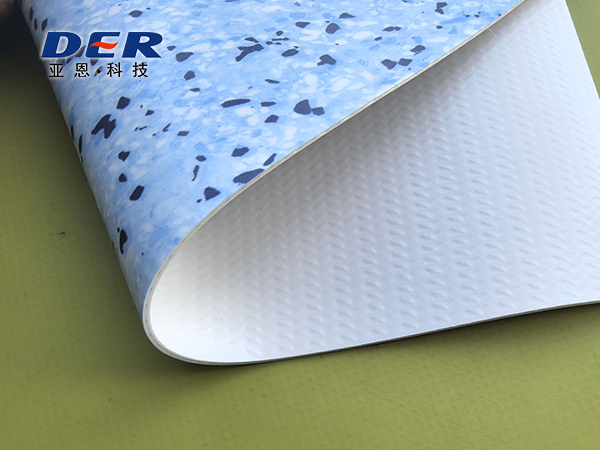
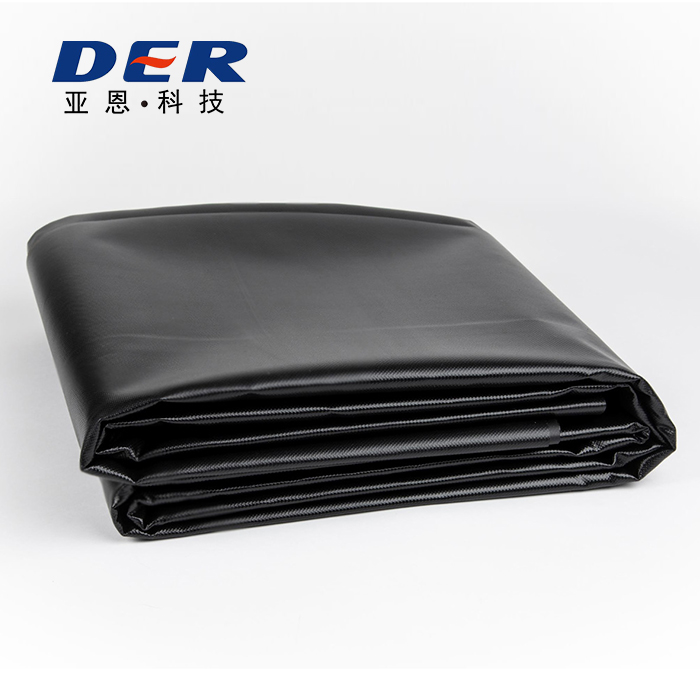
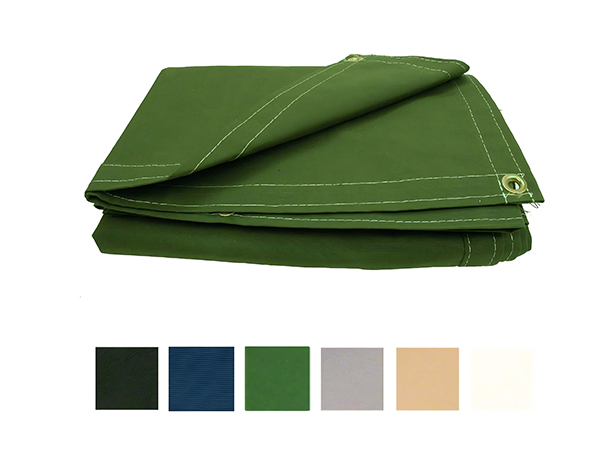
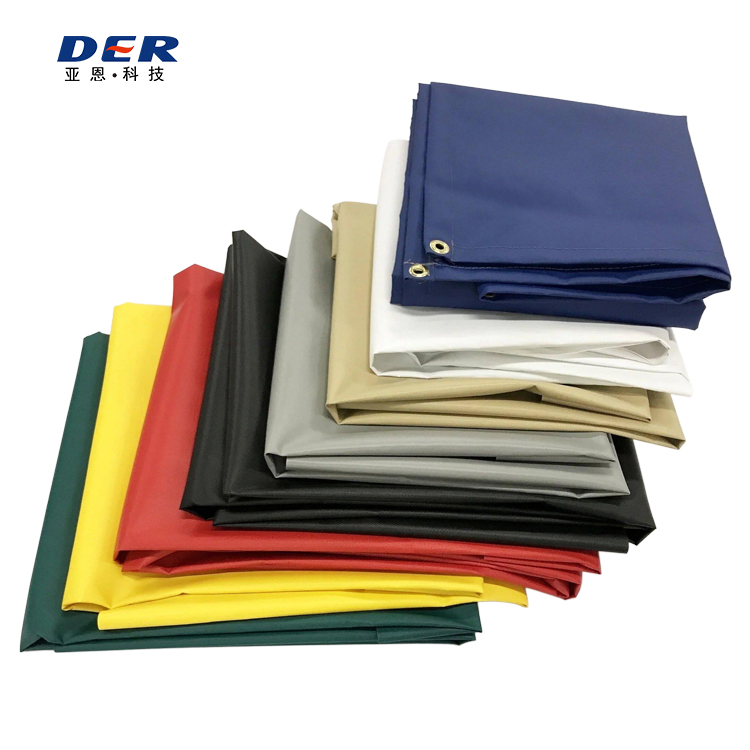
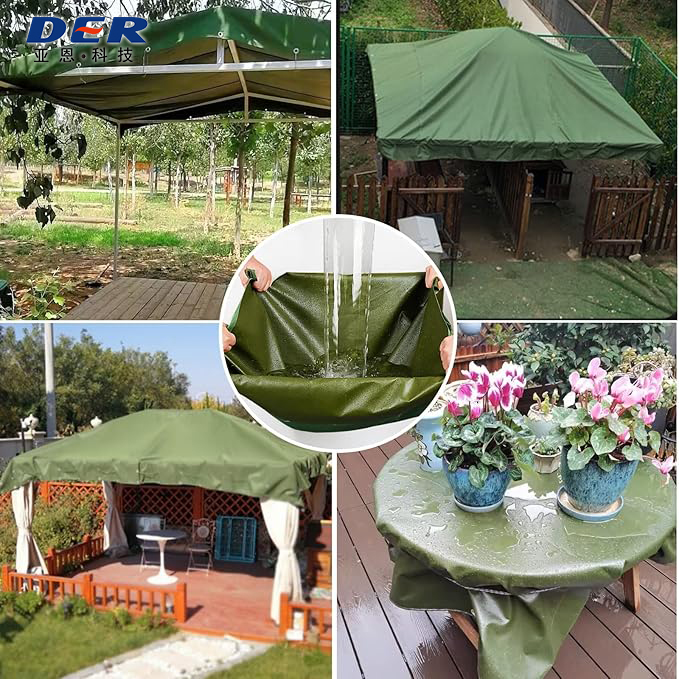
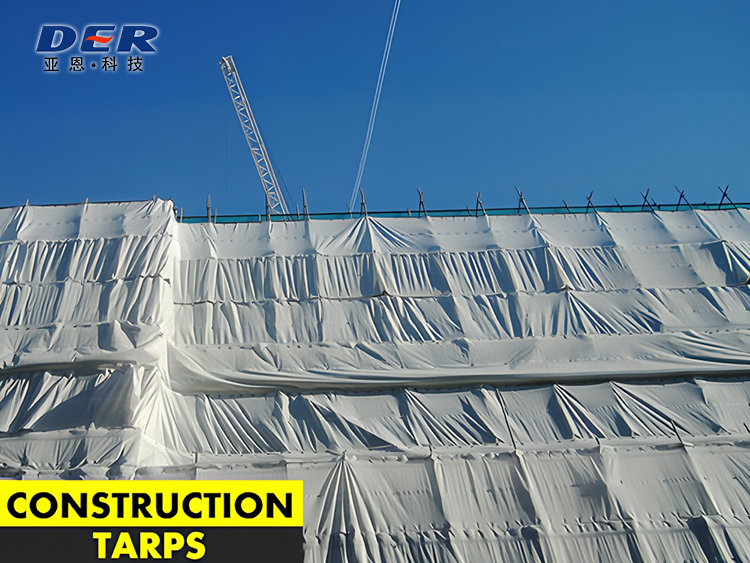
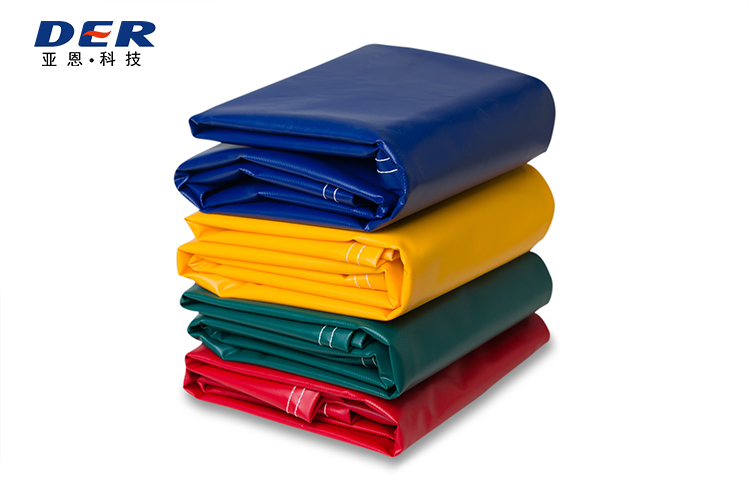
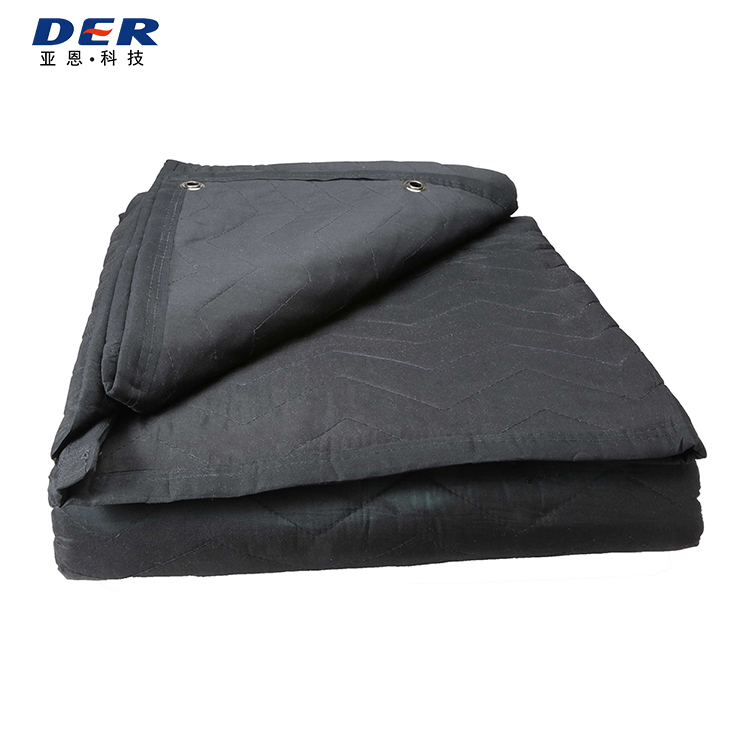
Our products are widely used in our residential and industrial area, which can be used for producing tents, outdoor covering, flexible ventilation tube, water bladders, inflatable castles, architecture membrane structures, etc. Our main products: PVC coated fabrics, PU/TPU coated fabrics, Oxford fabric, PVC ceiling film, flexible banner material. Welcome to our site and order online.