Heavy Duty Tarps Manufacturer | Industri..
- 2026-09-13

An hui Der factory supplies custom container liner systems for exporters, importers, logistics operators, commodity traders, and industrial buyers who need a more practical way to move dry bulk cargo inside shipping containers. Whether you are sourcing a bulk container liner for powders, grains, plastic resins, feed materials, minerals, or other free-flowing products, the priority is rarely just a low unit price. Professional buyers care about loading efficiency, unloading reliability, cargo protection, repeatable quality, delivery stability, and a container liner manufacturer that can adapt the liner structure to real operating conditions.
This page is built for teams comparing container liner supplier options, reviewing custom container liner designs, and planning OEM purchasing programs. The goal is simple: help you judge not only the liner material, but also the full commercial value of the system behind it.
For many commercial buyers, the right dry bulk container liner is not just a packaging item. It is a transport-efficiency decision that affects loading time, contamination control, unloading performance, claims risk, and repeat operating cost.
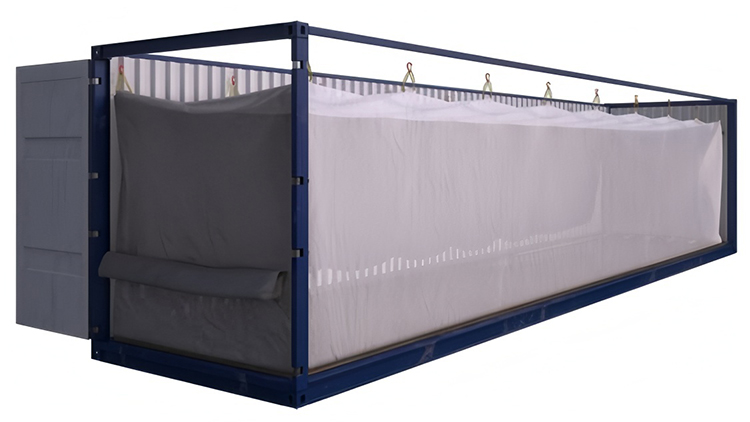
A container liner is a flexible inner lining installed inside a shipping container to convert the container into a practical bulk transport unit for dry cargo. In simple terms, it creates a dedicated interior containment layer between the product and the container walls. This makes the container better suited for powder, granule, pellet, flake, feed, grain, resin, and similar bulk commodities that would otherwise require smaller bags, cartons, or other less efficient forms of packaging.
When buyers search for terms such as container liner, bulk container liner, shipping container liner, dry bulk container liner, or container liner manufacturer, they are usually trying to solve one or more operational problems: contamination control, loading speed, unloading efficiency, packaging waste reduction, or freight cost optimization. The liner itself matters, but the engineering logic behind the liner matters more. A thin, cheap liner that does not match the filling method or discharge system can create delays, material loss, or cleaning issues that cost far more than the savings on purchase price.
That is why experienced buyers evaluate a container liner supplier not only on quotation, but also on how well the supplier understands cargo characteristics, target loading weight, flow behavior, moisture exposure, discharge method, and repeated shipment requirements. For importers, exporters, and OEM procurement teams, a well-matched container liner solution is part packaging product, part logistics tool, and part risk-control measure.
Not all container liner bags are built for the same cargo or operational setup. A serious commercial project requires a solution that balances material performance, loading convenience, unloading control, and factory execution.
Designed to help hold bulk material securely during loading, transit, and discharge. Reinforcement can be adjusted according to cargo density, flow behavior, and handling conditions.
Top filling sleeves, front filling systems, zipper access, discharge spouts, valves, and related accessories can be selected according to how the product enters and exits the container.
The liner helps separate the product from the container interior, which is valuable for buyers concerned about dust, residue, odor transfer, or cross-load contamination risk.
A container liner can support high-volume dry bulk loading programs, making it attractive for customers looking to improve payload efficiency and simplify packaging layout.
Material combination, dimensions, thickness target, baffle layout, spout shape, and packaging method can all be configured for repeat commercial procurement.
For large-volume buyers, consistent production is essential. Stable dimensions, repeatable finishing, organized packaging, and clear specification control matter as much as the liner film itself.
Send your cargo type, container size, loading method, unloading method, destination market, and annual demand. An hui Der factory can support quotation review, sample discussion, and OEM specification matching.
Share your project details to speed up technical matching and commercial quotation.
Exact technical details depend on cargo type, transport route, container size, and filling / discharge process. The table below shows the most common points commercial buyers review when sourcing a custom container liner.
| Item | Typical Options | Commercial Consideration |
|---|---|---|
| Product Type | Container liner / dry bulk liner / container liner bag | Chosen according to cargo type and operating process |
| Material Structure | PE film, PP woven support, or customized composite structure | Matched to strength target, cleanliness requirement, and budget |
| Container Compatibility | Designed around standard shipping container programs | Final dimensions and fixing method should follow actual project use |
| Filling Design | Top sleeve, front sleeve, zipper access, customized inlet arrangement | Selected according to plant loading system and product flow |
| Discharge Design | Discharge spout, valve, full-open front, tailored unloading system | Important for discharge speed, residue control, and operator convenience |
| Loading Capacity | Customized according to cargo density and logistics plan | Should be validated as part of full shipment planning |
| Accessory Options | Steel bars, fixing loops, buckles, baffles, vents, labels, printed marks | Useful for installation, cargo control, and warehouse identification |
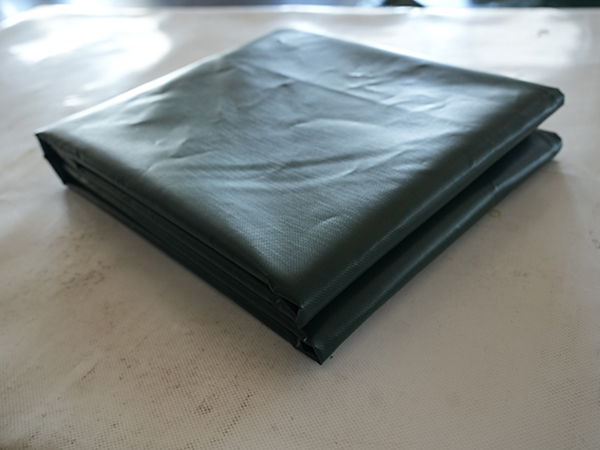
| Packaging | Folded export packaging, carton or bale packing, order-based labeling | Supports easier receiving, storage, and shipment management |
| Supply Model | Sample order, trial order, repeat OEM order | Important for commercial scaling and procurement continuity |
Specification note: project details should be finalized based on cargo behavior, installation method, discharge process, and destination requirements. Commercial buyers usually get better outcomes when the quotation is based on actual loading conditions rather than only a target thickness.
A container liner supplier should not push a one-design-fits-all answer. Different cargoes behave differently during filling, transit, and unloading. The most efficient solution is the one matched to the material and the logistics chain.
For customers moving large-volume dry agricultural or food-related commodities, bulk container liners can simplify handling and improve cleanliness inside the shipping container.
Where dust control, unloading logic, and container cleanliness are important, a properly designed dry bulk container liner can support a more manageable workflow.
Container liners are commonly considered by resin exporters and importers that want efficient filling, stable containment, and better container utilization.
Traders and overseas buyers often need container liner manufacturer partners that can handle repeat orders, predictable packing, and practical communication during reorder cycles.
For brands, packaging distributors, and procurement teams, OEM container liner programs allow the dimensions, print marks, accessories, and packaging format to be standardized.
The best liner is the one that works with the actual plant or port equipment. Filling height, discharge angle, and residue expectation all influence the design choice.
Serious buyers usually compare more than one container liner manufacturer. The best commercial partner is not always the cheapest one on the first quotation sheet. The more valuable partner is the one that helps reduce sourcing friction, technical mismatch, and repeat-order instability.
Custom structure, filling sleeve position, discharge design, labeling, packing method, and other specification details can be aligned to project needs instead of forced into a standard template.
For importers and distributors, a useful supplier is one that can discuss cargo application, loading logic, order volume, and delivery timing in clear commercial terms.
Container liner projects are often linked to shipment planning. Sample development, trial confirmation, and formal production timing all affect vessel booking and inventory coordination.
Batch-based consistency, dimension control, sealing or finishing discipline, and organized packing all matter for customers who reorder regularly and cannot afford avoidable variation.
Export-oriented buyers need more than a product. They need packaging clarity, order traceability, and a supplier that understands repeated international shipments.
Many projects require specific documentation, quality records, or market-related compliance support. These details should be aligned during quotation rather than left until shipment time.
If your team is comparing sample suppliers, OEM partners, or long-term purchasing options, send your use case and target volume. A clearer technical brief usually leads to a faster and more accurate quotation.
Ideal for distributors, trading companies, industrial buyers, and private-label packaging programs.
Buyers often shift to container liner systems because the total logistics logic is more attractive than handling a large number of smaller packages. The right choice depends on cargo type, destination, and unloading method, but the comparison below explains why container liner procurement has become common in dry bulk transport programs.
Best for: High-volume dry bulk loading inside shipping containers.
Advantages: Better container utilization, cleaner cargo isolation, reduced handling complexity, custom inlet and discharge options, strong fit for repeat export programs.
Consideration: Must be matched correctly to cargo flow and unloading setup.
Best for: Smaller lots, manual handling chains, or markets requiring divided retail or warehouse units.
Advantages: Familiar handling method and flexible lot splitting.
Consideration: More labor, more packaging waste, lower loading efficiency for large-volume bulk movement.
Best for: Specific closed-loop logistics systems or infrastructure-heavy facilities.
Advantages: Can work well in fixed industrial programs.
Consideration: Often less flexible for general export trade, container loading, or private-label sourcing programs.
The example below shows the type of sourcing logic many bulk buyers follow when selecting a container liner manufacturer. It is provided as a representative commercial scenario to illustrate project thinking.
A regional exporter of dry granular material needed a more efficient shipment method for repeated overseas container loads. Their original packaging setup increased labor time, created more packaging waste, and slowed discharge at destination.
The buyer needed a custom container liner with practical installation, reliable filling access, smoother unloading, and consistent packaging presentation for warehouse and export documentation control. OEM labeling and repeat-order stability were also important.
By shifting to a tailored bulk container liner design matched to the actual filling and discharge process, the customer improved container loading workflow, reduced handling steps, and moved toward a cleaner, more repeatable shipping routine. The value came from matching the liner to the full operation, not just ordering a generic bag.
Ask whether the supplier is evaluating cargo form, loading method, and discharge method, or simply quoting a standard liner. A serious supplier should look beyond width and thickness.
Review MOQ logic, sample process, repeat-order stability, packaging consistency, communication speed, and how clearly the factory handles OEM requirements.
For container liner procurement linked to shipping schedules, sample development and production timing need to be treated as part of the project, not as an afterthought.
Buyers should confirm inspection steps, packing standards, labeling accuracy, and any documentation or compliance expectations that matter for the shipment route or end market.
An hui Der factory supports custom discussion for bulk shipping projects that need practical design logic, responsive quotation handling, and organized supply for commercial repeat orders.
Tell us your cargo, container type, loading process, and target volume.
The main purpose of a container liner is to transform a standard shipping container into a practical unit for dry bulk transport. It helps improve cargo isolation, support cleaner handling, and reduce the need for multiple small packages in suitable applications.
Common examples include grains, sugar, starch, feed ingredients, powders, plastic pellets, and other dry bulk materials. Final selection should always be matched to product flow behavior, loading conditions, and unloading expectations.
Yes. OEM and custom supply can include size adjustment, material structure selection, inlet and outlet design, labels, packing format, and other order-specific details for repeat business programs.
The most useful information includes cargo name, product form, container type, target loading weight, filling method, discharge method, destination market, and estimated order quantity. This helps reduce mismatch and speeds up technical review.
Because the wrong liner design can affect loading speed, unloading efficiency, residue level, and shipment reliability. A good supplier should match the liner to the real process instead of offering a generic one-size solution.
No. While large-volume exporters often benefit the most, trial orders, new-route testing, and growing distributors can also benefit from container liner programs when bulk shipping efficiency is important.
This block is designed so your editor can keep or expand internal links later without changing the overall layout. Current links point to relevant live sections and product areas already visible on the site.
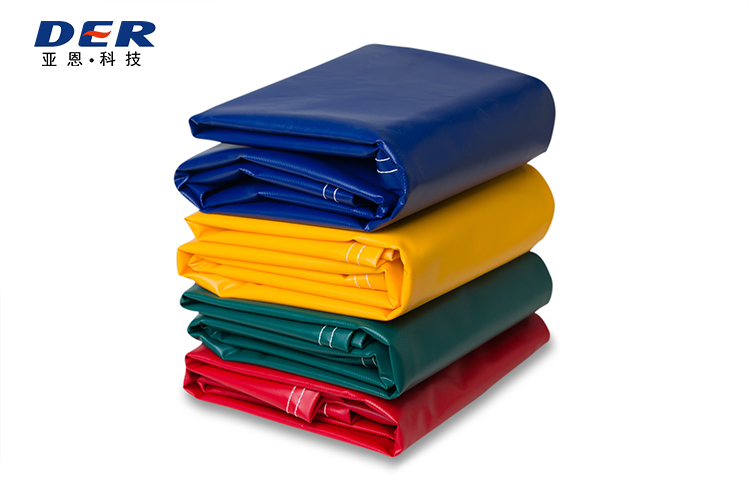
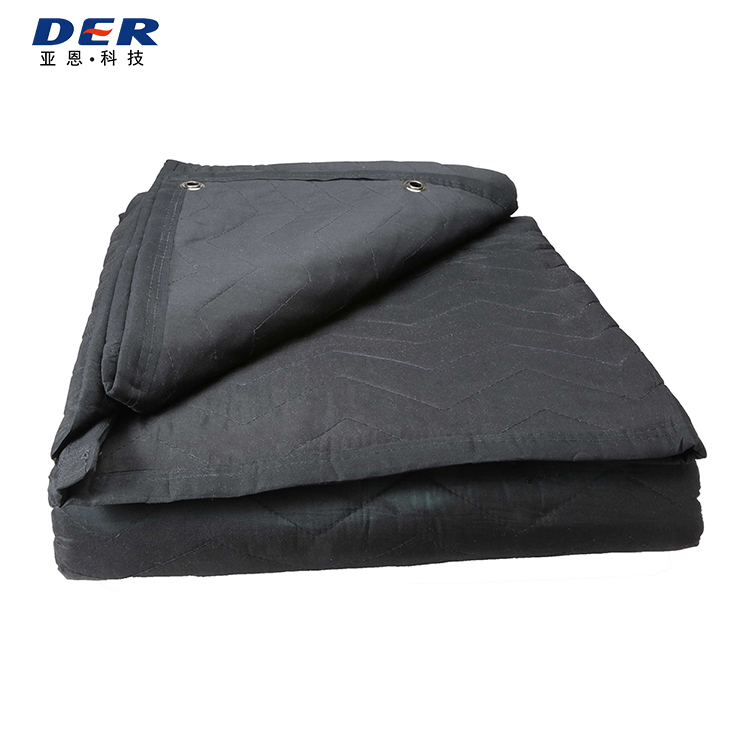
Our products are widely used in our residential and industrial area, which can be used for producing tents, outdoor covering, flexible ventilation tube, water bladders, inflatable castles, architecture membrane structures, etc. Our main products: PVC coated fabrics, PU/TPU coated fabrics, Oxford fabric, PVC ceiling film, flexible banner material. Welcome to our site and order online.