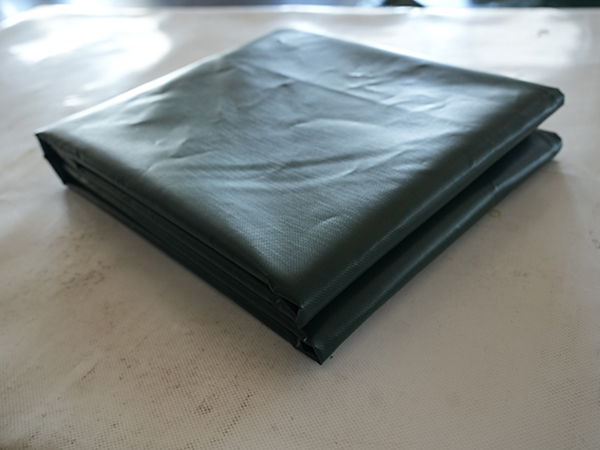
Heavy Duty Tarps Manufacturer | Industri..
- 2026-09-13

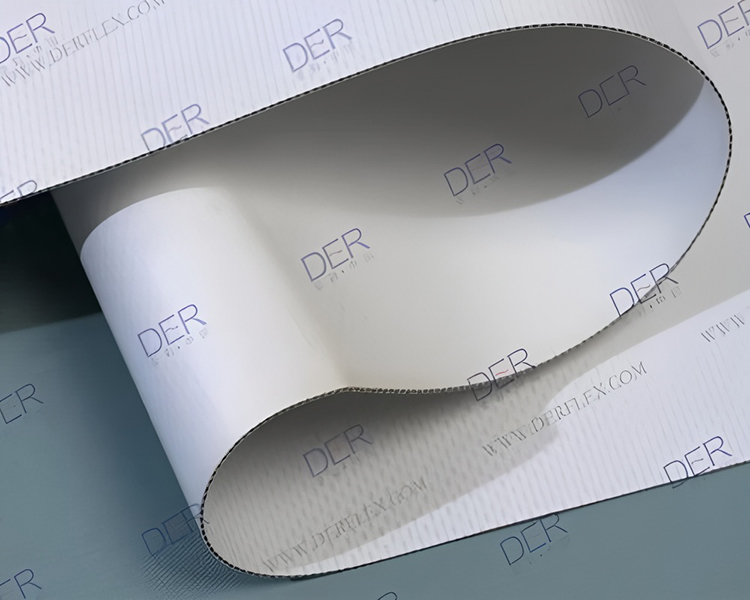
Double-sided banner material is built for brands, printers, sign makers, and distributors that need advertising graphics visible from both directions without distracting show-through. At An hui Der factory, we supply blockout banner material engineered for stable printing, good flatness, durable finishing, and flexible OEM customization for commercial signage projects.
When a banner must be seen from both sides, material structure matters more than artwork alone. A reliable double-sided printable banner should balance opacity, print receptivity, strength, finishing convenience, and outdoor stability.
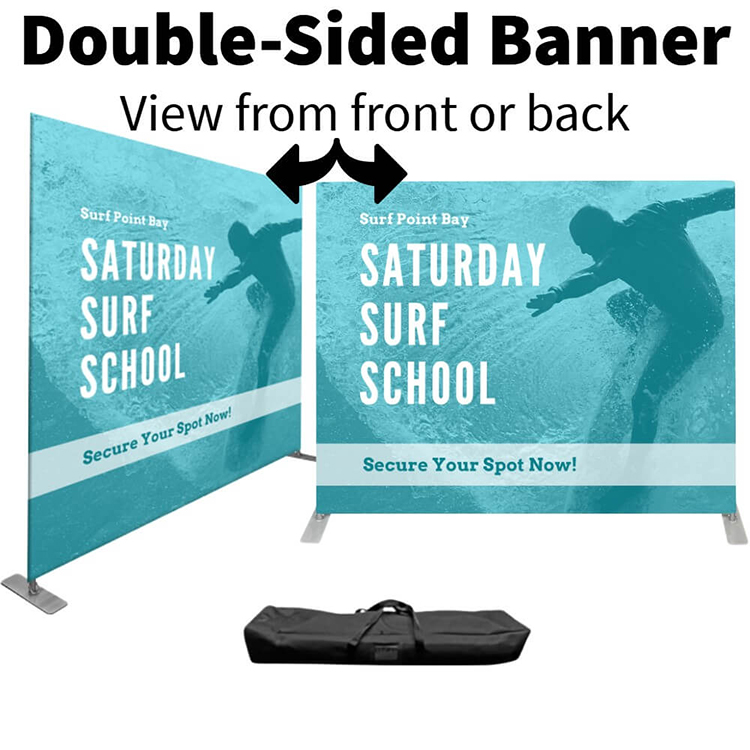
Double-sided banner material is a specialized printable advertising substrate made to display graphics on both sides while minimizing image interference between the two surfaces. In practical commercial terms, it is the material behind many street pole banners, hanging promotions, retail aisle signs, suspended event graphics, directional brand displays, and outdoor advertising pieces that need to communicate clearly to audiences approaching from more than one direction.
A typical double-sided banner uses a layered construction. The visible printable faces are usually white or light-colored PVC surfaces designed for strong ink acceptance and image sharpness. Inside the structure, a blockout layer helps stop light transmission and reduces the chance that artwork printed on one side will affect the readability of the other side. Reinforcing fabric in the middle adds tensile stability and helps the material perform better during printing, hemming, eyeleting, welding, or installation.
This kind of banner material is different from a standard frontlit single-sided banner. With a standard banner, one side is optimized for display while the reverse side is often not meant for presentation. For a double-sided project, that limitation creates waste, compromises visibility, and often results in weaker branding impact. A proper double-sided printable banner makes the media itself do more work. The same installation footprint can show the same message on both sides, or a different message on each side, which is very valuable for modern campaign planning.
For sign companies and print providers, choosing the right double-sided flex banner is not only about opacity. The surface finish must support the intended printer technology. The material should feed consistently, lie flat enough for production efficiency, and handle finishing operations without unnecessary edge cracking or distortion. In outdoor use, tear resistance, dimensional stability, and weather tolerance all affect the final project result. For distributors and importers, consistency from roll to roll is also essential because repeated quality issues can damage customer trust and increase claim risk.
At An hui Der factory, we position double-sided banner material as a functional advertising textile rather than a commodity roll good. Different users need different performance priorities. Some need economical media for short campaigns. Some want a cleaner matte finish for premium retail presentation. Others need heavier construction for lamp post banner systems, wind exposure, or repeated installation cycles. That is why our supply approach focuses on matching construction to use case instead of forcing one generic grade into every application.
Whether you are sourcing double-sided banner rolls for wholesale, private label distribution, custom OEM supply, or project conversion, understanding the material structure is the first step toward getting more durable signage and more reliable printing outcomes.
Tell us your application, target gsm, roll width, ink system, and required lead time. We will recommend a practical double-sided banner solution with OEM/custom options.
A high-performing double-sided banner supplier should offer more than roll stock. Buyers need material choices that align with real-world printing, finishing, installation, and market expectations.
The central requirement of double-sided banner material is visual separation. When one side of the banner is too transparent, the message becomes harder to read and the campaign looks low quality. A suitable blockout layer helps reduce light transmission and supports more professional front-and-back presentation. For city banners, projecting signs, and suspended retail displays, this clarity is directly linked to brand perception.
A practical banner material should support stable imaging with the print method used by the customer. Depending on the grade, many buyers need compatibility with solvent, eco-solvent, UV, or latex printing. Ink anchorage, drying behavior, color density, and surface smoothness all influence production speed and final appearance.
Material that is too soft may stretch or deform during handling, while overly rigid construction can create transport and finishing challenges. Good double-sided banner media should maintain a useful balance: stable enough for processing, flexible enough for rolling, finishing, and installation, and manageable for converters producing banners in large quantities.
Surface finish affects how the printed banner feels and how the brand is perceived. Matte finishes can reduce glare under bright retail or exhibition lighting, while semi-gloss finishes can help colors appear more vivid in certain campaigns. Buyers increasingly look for a surface that supports both printing efficiency and premium visual impact.
Double-sided banners are often used in exposed environments, including urban roads, shopping streets, sports events, campus promotions, and seasonal retail installations. The material should be selected according to wind load, mounting system, and service duration. Fabric reinforcement, thickness, and finishing method all matter for project safety and lifespan.
A serious banner manufacturer should be able to adjust the product for the customer’s market. Customization may include weight, scrim construction, surface recipe, whiteness, roll length, inner core size, label design, export packaging, or container loading plan. For distributors building their own brand, this flexibility can make the difference between standard trading and long-term business growth.
For regular buyers, product quality is only one part of the decision. Supply continuity matters just as much. Advertising campaigns have deadlines, and wholesale distributors need predictable replenishment. A capable supplier should support planning on standard items while also communicating clearly on custom lead times, trial production, and shipment windows.
Many importers and project customers request supporting documents for material compliance or performance. Depending on product grade and target destination, documentation may include technical data sheets, packing lists, sample approvals, and third-party test report support for requested standards. This is especially important for professional distributors, government projects, and retail chain procurement.
Specifications can be adjusted for market positioning, printer compatibility, durability targets, and price expectations. The values below are a practical reference range for sourcing discussions.

| Item | Typical Range / Option | What It Means for Buyers |
|---|---|---|
| Product Type | Double-sided printable PVC banner / blockout banner | Suitable for front-and-back visual communication in one installed piece |
| Construction | PVC surface + reinforcement fabric + internal blockout layer | Helps reduce show-through while keeping material strength and printable faces |
| Weight | Approx. 440 gsm to 750 gsm | Lighter grades support cost-sensitive jobs; heavier grades fit more demanding outdoor use |
| Surface | Matte / semi-gloss / custom finish | Different appearance options for retail, event, exhibition, or outdoor promotion |
| Printing Compatibility | Solvent / eco-solvent / UV / latex depending on grade | Should be matched to printer technology for image quality and production stability |
| Width | Custom roll width available | Supports regional machine sizes and reduces material waste |
| Roll Length | Standard or custom | Can be optimized for wholesale handling or print-house workflow |
| Opacity | Blockout structure designed to minimize transparency | Critical for dual-face message clarity and premium campaign presentation |
| Weather Use | Indoor / outdoor depending on selected grade | Product recommendation should follow project duration and installation conditions |
| Finishing | Suitable for hemming, eyelets, stitching, welding or converting depending on construction | Important for sign production efficiency and installation reliability |
| Packaging | Standard export packing / private label / palletized options | Useful for importers, distributors, and OEM customers |
| MOQ | Based on stock item or custom specification | Standard grades usually support more flexible quantity than custom-developed items |
Buyers sometimes compare banner materials only by gsm, but this approach is incomplete. Two products with the same weight can behave very differently in printing and use. The internal structure, the quality of the coating formulation, the reinforcement stability, and the surface finish all affect performance. A lower-cost sheet may look acceptable at first glance but create more waste in production or show faster degradation after installation. That is why technical discussion should always include application details, not just target price.
For example, a retail hanging sign in a climate-controlled interior space may prioritize surface quality and print sharpness over heavy structural strength. A lamp post banner in a public street environment may need more attention on finishing strength, wind movement, and long-term appearance retention. A distributor serving multiple printer types may value broad print compatibility more than any single premium feature. The correct specification is the one that fits the application, not the one with the longest data sheet.
An hui Der factory supports OEM and custom development for buyers that need more than a standard catalog grade. This can include a different hand feel, adjusted face whiteness, surface tuning for a preferred printer method, a different roll format, carton marking, pallet requirements, or private-label packaging. For repeat importers and regional distributors, a custom-developed product line can improve market differentiation and reduce direct price comparison.
When starting a custom banner project, the fastest path is to share four pieces of information: intended use, target printer method, desired weight range, and estimated order quantity. From there, sample selection becomes more efficient and technical communication becomes more focused.
We can support custom weight, print face, blockout structure, width, roll length, label, and export packaging for wholesale and project business.
One of the most common uses for double-sided banner material is public street advertising. Municipal campaigns, shopping districts, tourism zones, festivals, and city branding programs often need banners visible from both traffic directions. A blockout banner keeps the message clear while supporting a cleaner visual presentation in outdoor urban environments.
Hanging signs above aisles, atriums, entrances, and escalators benefit from two-sided communication. Customers approach from multiple angles, so one-sided signage wastes visibility. Double-sided banner rolls allow brand owners to present promotions, campaign graphics, or seasonal messages more efficiently in the same physical space.
Exhibition halls are movement-heavy spaces where visitors circulate around displays. Double-sided signage improves wayfinding and maximizes booth visibility. For event contractors and print houses, a suitable banner substrate reduces glare, supports vivid image presentation, and helps maintain a more professional project finish.
Universities, sports venues, and civic spaces frequently need temporary or seasonal advertising media that can be installed quickly and seen from more than one direction. Double-sided printable banner material helps create stronger directional branding while keeping production and installation relatively straightforward.
In transportation hubs, event entrances, tourist zones, and commercial properties, directional signs need to be visible from multiple approach paths. Rather than using two separate graphics, a single dual-face banner can simplify installation and improve message consistency.
For shop branding and street-facing promotion, projecting banners are more effective when both sides carry strong visual content. This application benefits from banner material that combines enough stiffness to hang attractively with enough flexibility for conversion and transport.
The same phrase—double-sided banner—covers many different project realities. A short-duration in-store campaign, a six-week city promotion, and a demanding outdoor pole banner installation do not require the exact same construction. Buyers that choose media only by price often end up paying more later in the form of reprints, complaints, installation failures, or poor appearance. Material selection should always consider installation method, viewing distance, campaign duration, and printer technology.
For example, retail buyers may care most about a clean matte surface and premium image presentation under interior lighting. Outdoor street use may demand greater structural confidence, especially if the banner is finished with pole pockets or tension mounting. Distributors serving a broad customer base may choose a middle-range construction that balances printability, opacity, and commercial pricing. A good supplier helps narrow this decision with application-led recommendations.
Double-sided banner material does more than show an image on both sides. It improves media efficiency. It allows campaign planners to communicate with audiences moving in opposite directions. It reduces wasted back-side space. It can support two different messages in one installation point. For many buyers, this means better cost-per-view opportunity than using single-sided signage or multiple separate signs.
For printers and distributors, it also opens access to more specialized project work. A customer seeking pole banner material, dual-face exhibition graphics, or heavy-duty retail hanging media usually has a clearer functional requirement and is less likely to judge the project only by the cheapest price. That creates room for better technical consultation and more stable repeat business.
Start with the environment. Indoor suspended graphics, shopping mall signs, and exhibition displays can usually prioritize surface quality and print appearance. Outdoor street banners, lamp post advertising, and public space installations may need a more robust structure. The material should match the real service conditions rather than a catalog description alone.
Ask these questions early: Will the banner face direct sun? Is it fixed tightly or free-hanging? Will it be exposed to seasonal wind? Is it for a one-time campaign or repeat usage? Does the customer expect premium visual impact at close viewing distance? Each answer affects which weight and construction make sense.
A double-sided banner supplier should understand how the face layer interacts with the user’s print system. If the buyer prints mainly with solvent or eco-solvent, surface absorption and drying behavior become key concerns. UV and latex users may emphasize different handling and curing characteristics. Selecting the wrong surface can lead to lower color quality, slower production, or finishing problems later.
Sharing printer type and ink details during the inquiry stage makes recommendation more accurate. It also reduces sample-testing time and improves the chance of first-order success.
Some buyers serve highly price-sensitive promotion markets. Others supply premium retail, exhibition, or urban branding projects where visual quality matters more. A lower-cost banner may still perform well in temporary applications, while a premium grade may be a better fit when appearance, finishing confidence, and project reputation are on the line. Your market position should guide the construction choice.
Not every banner is finished the same way. Some are hemmed and eyeleted. Some use pole pockets. Some are stitched. Others are welded or framed. Finishing affects stress concentration and long-term performance. Telling the supplier how the material will be converted helps avoid mismatched recommendations.
If you are buying stock items for a standard market, MOQ may be more flexible. For customized width, packaging, or product tuning, a higher quantity and longer production window may be necessary. Serious buyers save time by sharing annual or seasonal demand estimates from the beginning. This supports more efficient sampling, production planning, and shipping discussion.
Before scaling to a container order or private-label program, sample testing is the smart move. Check print appearance, blockout performance, finishing behavior, roll handling, and final installation result. A sample process based on real application conditions gives both buyer and supplier better confidence for long-term cooperation.
Buyers looking for a double-sided banner manufacturer are not only purchasing material. They are choosing a supply partner that affects print stability, project delivery, customer satisfaction, and repeat order confidence. At An hui Der factory, our role is to help customers source banner media that is commercially workable, technically appropriate, and customizable for the market they serve.
We understand that not every banner buyer has the same business model. Some customers are distributors building a local inventory line. Some are printers who need dependable media that works across recurring jobs. Some are project contractors requiring a specific structure, width, or packaging format. Some are importers that want OEM differentiation and more supply control. Our approach is to align recommendations with buyer goals instead of pushing one generic solution.
OEM and custom production are important for buyers that need a more defined position in their market. We can discuss customization around product feel, surface finish, target weight, roll format, labels, packaging, and order structure. This is especially valuable for traders and regional distributors that want to reduce product overlap with competitors and build a stronger own-brand offering.
Banner material failures are expensive because the cost is not limited to the roll itself. A failed project can also affect print labor, finishing labor, installation time, and customer trust. That is why clear technical communication matters. We encourage buyers to define application, printing method, and expected performance early so that the supplied material matches the real job more closely.
Campaign work moves on deadlines. Wholesale restocking also depends on timing. We aim to provide clear lead-time expectations for standard items and realistic planning for custom orders, helping buyers organize production and shipping with fewer surprises.
Custom weight, width, finish, packaging, and labeling options for private-market supply.
Practical MOQ discussion based on whether the product is standard stock or custom-developed.
Recommendations based on printer type, installation method, and end-use environment.
Export packing, roll marking, and shipment coordination for wholesale buyers.
Share your gsm target, printer type, quantity, and delivery country. We can propose a more suitable double-sided banner material solution.
In banner supply, quality is the combination of structure consistency, print-face stability, clean roll presentation, usable finishing performance, and order-to-order repeatability. Buyers judge quality not only by the laboratory description of the sheet, but by what happens when it reaches the printer, the finishing table, the installation team, and the final customer.
For that reason, our quality discussion focuses on practical deliverables: whether the material works for the intended print method, whether the blockout effect supports clean visual separation, whether the roll format matches customer workflow, and whether the final graphics can meet market expectations. Sample validation remains one of the most effective tools in reducing uncertainty before a larger order.
Certification needs vary by market, application, and customer type. Some buyers only require standard product data and packing information. Others ask for specific third-party testing or compliance-related documents. Depending on the selected grade and end-use requirement, support can be discussed for relevant technical documentation or test-report arrangements. If your market has a required standard, it is best to mention it early during the inquiry stage.
Typical discussion topics may include product data sheets, sample confirmation records, export packing details, requested performance reports, and project-specific quality expectations.
MOQ is not a fixed answer for every banner inquiry. Standard grades usually allow a more flexible starting quantity, while custom-developed materials, special roll dimensions, private label requests, or packaging changes may require higher minimums. The most efficient quotation process happens when the buyer shares whether the need is for trial order, market test, recurring wholesale supply, or full OEM rollout.
If your company is comparing several double-sided banner suppliers, it is helpful to evaluate MOQ in context. A very low MOQ may look attractive at first, but if product consistency or lead time becomes unstable later, the total procurement cost may rise. For repeat buyers, it is often more valuable to secure a workable long-term supply program than to optimize the first small order only.
Customization can include more than just changing the label. Serious OEM capability may involve tuning weight, adjusting softness, selecting a preferred printable surface, defining roll length, customizing core size, choosing carton marks, or planning pallet configuration for container efficiency. These details are especially important to distributors building a brand identity in the sign media market.
The stronger the alignment between the supplied material and the buyer’s end market, the more stable the repeat business becomes. That is the long-term value of custom capability.
| Criteria | Double-Sided Banner Material | Single-Sided Frontlit Banner | Mesh Banner | Paper / Lightweight Poster Media |
|---|---|---|---|---|
| Visibility from both directions | Excellent, designed for dual-face graphics | Limited; back side is not the display surface | Possible but visual quality depends on structure and use | Poor for dual-direction advertising |
| Opacity / show-through control | Strong because of blockout construction | Often insufficient for true two-sided display | Low because of perforation | Very limited in demanding lighting conditions |
| Outdoor suitability | Good when the correct grade is selected | Good for standard outdoor banner use | Useful for windy locations | Mainly short-term or indoor |
| Premium visual presentation | Strong, especially for retail and project signage | Good on the main face only | Graphic density is affected by holes | Can look clean indoors, but durability is limited |
| Best use case | Pole banners, hanging signs, exhibition graphics, retail displays | Wall banners, fences, outdoor promotion facing one direction | Building wraps, windy fences, large exterior graphics | Indoor posters and short-life displays |
| Production value for dual-message campaigns | High, one installation can communicate two ways | Low unless two separate banners are produced | Moderate, depending on campaign goals | Low for signage exposed to both directions |
Buyers sometimes compare double-sided banner material directly against any other printable media with a similar price point. That often leads to the wrong conclusion. The real comparison should be made according to communication purpose. If the graphic only needs to face one direction, a standard frontlit banner may be enough. If airflow is the main concern, mesh media may be the better solution. But when the message must be seen from both sides with cleaner image separation, double-sided blockout banner material offers a more specialized and more effective answer.
Even when the material cost is higher than single-sided media, the project economics may still be better. One dual-face sign can reduce installation complexity, improve visibility, and make better use of high-traffic locations. For campaign buyers, that can translate into better communication value from the same physical advertising position.
A regional visual graphics contractor needed a double-sided banner supplier for a city retail promotion program covering shopping streets, mixed-use commercial blocks, and key pedestrian approach routes. The campaign required visually consistent pole banners that could be seen from both driving and walking directions. Because the project combined multiple locations, the material had to balance clean presentation, reliable printability, and practical finishing performance.
The customer’s main concerns were straightforward but important. First, the banners needed a blockout effect strong enough to keep artwork on each side clean and legible. Second, the print house wanted a surface that could support commercial color output without slowing production too much. Third, the installation contractor wanted material that could be converted into pole banner format with confidence. And finally, the project team needed coordinated supply timing because the program launch date was fixed.
After confirming use conditions, print method, banner dimensions, and finishing style, the project moved forward with a double-sided printable banner structure designed for outdoor campaign use. Samples were checked before bulk production so the client could verify print appearance and handling. This reduced risk at the full-order stage and gave the contractor more confidence when committing the schedule to the end customer.
In execution, the value of the correct material showed up in multiple places. The blockout construction helped maintain a clearer visual result when the banners were installed along streets with varying light conditions. The printable surfaces supported campaign graphics intended to be seen at both walking distance and passing-traffic distance. Because both sides were active display faces, the city’s advertising locations generated stronger communication coverage without requiring a second separate sign structure.
For the contractor, the project also demonstrated why material recommendation should be tied to actual use rather than general product naming. Had a standard single-sided banner been selected for price reasons, the reverse-side presentation would have been weaker and the visual consistency of the street program would have been harder to maintain. With the correct double-sided banner material, the buyer achieved better message readability, more efficient media usage, and a smoother overall project workflow.
This is a common pattern in real procurement. Buyers are not simply looking for any banner roll. They are looking for a banner manufacturer that understands how opacity, printability, conversion, timing, and final display conditions all connect. That is where a more application-led supply approach creates better results.
Street pole banner media with clean front-and-back visibility and practical print-house handling.
Double-sided blockout banner construction matched to outdoor campaign use and conversion requirements.
Better dual-direction messaging, more professional appearance, and more efficient use of advertising positions.
We support importers, print houses, brand owners, contractors, and distributors with standard supply and custom OEM development.
Custom banner development is most useful when the buyer already understands the market it serves. For some customers, the goal is to achieve a more competitive price at a controlled performance level. For others, the goal is to create a more premium product line or a private-label alternative that is harder for competitors to copy directly.
OEM supply is especially valuable to distributors, regional traders, sign material wholesalers, and importers that want a stable product identity. Instead of competing only on the same open-market grade available to everyone, they can position a more defined banner line based on their own market needs. This can improve repeat business, reduce direct comparison, and strengthen long-term channel control.
For project buyers, customization can also solve practical problems such as unusual banner size, preferred roll format, or a more appropriate balance of printability and durability.
Build a differentiated banner line with private-label packaging and a market-appropriate construction.
Improve job consistency by selecting media aligned with your printer system and finishing workflow.
Specify the right banner characteristics for the installation environment and campaign duration.
A normal frontlit banner is mainly designed for one display face. Double-sided banner material is built so both faces can carry visible graphics with reduced interference from the reverse side. The internal blockout structure is the key difference because it helps keep messages clearer and more professional from both directions.
Yes. This is one of the main reasons buyers choose double-sided printable banner media. One side can show the same message for stronger repeated branding, or the two sides can carry different messages depending on traffic direction, audience segment, or campaign objective.
It can be, provided the correct grade is selected. Outdoor pole banner applications should consider the banner size, wind condition, finishing method, service duration, and installation system. A suitable outdoor grade will usually be stronger than a basic indoor promotional grade.
Depending on the chosen construction, double-sided banner material may be suitable for solvent, eco-solvent, UV, or latex printing. Buyers should share printer and ink details during inquiry so the recommended surface matches the real production condition.
MOQ depends on whether the order is for a standard item or a custom specification. Standard products may allow a lower starting quantity, while custom weight, width, packaging, or private-label development may require a more structured MOQ.
Yes. OEM support can include product specification adjustment, label design, packaging details, carton marking, pallet arrangement, and other supply details needed by distributors or importers building their own product line.
Matte is often preferred where glare control and a more refined visual effect are important, such as retail interiors or exhibition graphics. Semi-gloss may support a brighter visual impression in some promotional uses. The better choice depends on viewing conditions, lighting, and brand presentation goals.
Yes. The fastest way is to send your application, printer method, target weight range, desired width, estimated quantity, and destination market. Based on that, we can suggest a more appropriate standard or custom double-sided banner solution.
This section is reserved for future internal links to support broader site navigation and product discovery.
If your business needs double-sided banner material that does more than look acceptable on a specification sheet, focus on application fit first. The right banner should support your printing method, present graphics cleanly on both sides, perform reliably in converting, and match the service environment expected by your customer. That combination creates better value than choosing media on price alone.
At An hui Der factory, we work with traders, print houses, project contractors, wholesalers, and importers seeking a practical double-sided banner manufacturer. Whether you need a standard product, a blockout banner supplier for recurring orders, or OEM/custom development for your own line, we can discuss a workable supply approach around your actual market requirements.
Send us your inquiry with as much detail as possible: application, target gsm, width, print system, quantity, destination, and any packaging request. That makes the recommendation faster and more accurate.
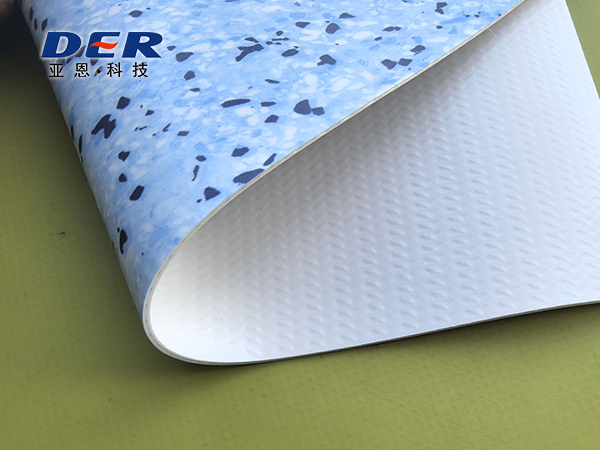
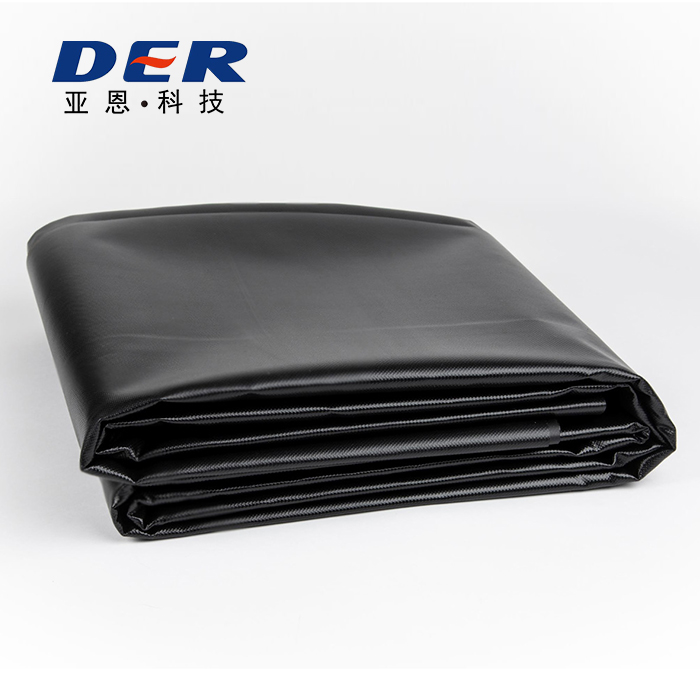
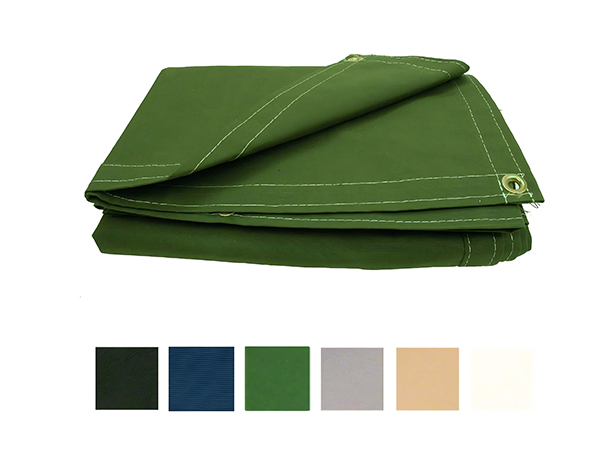
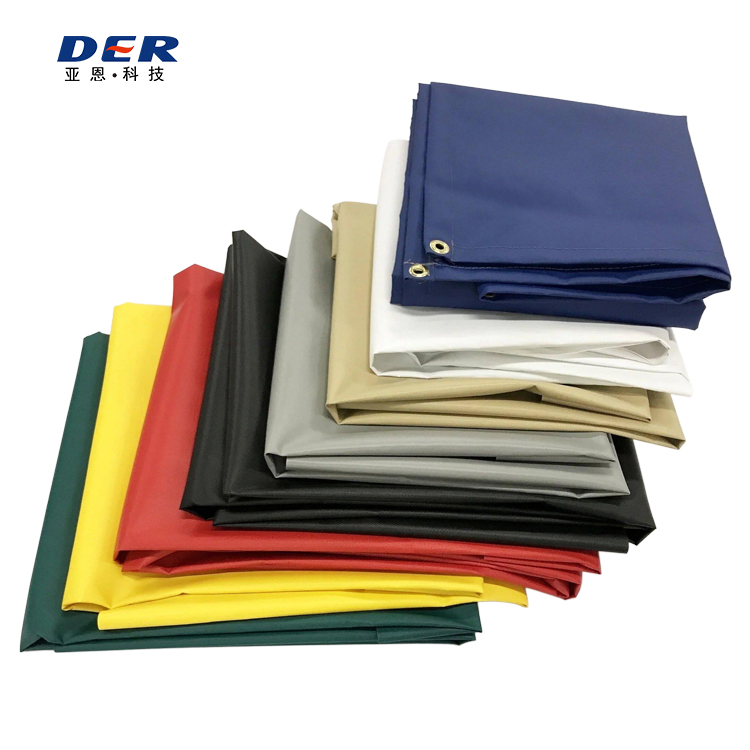
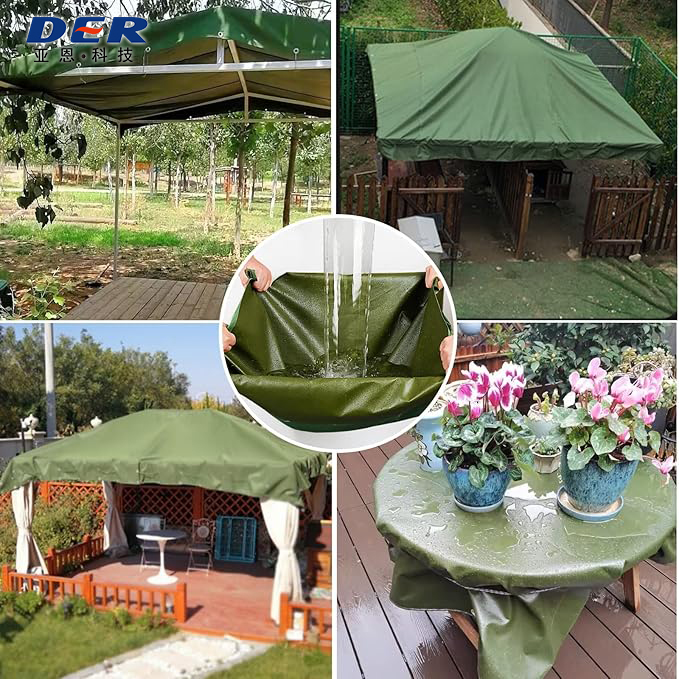
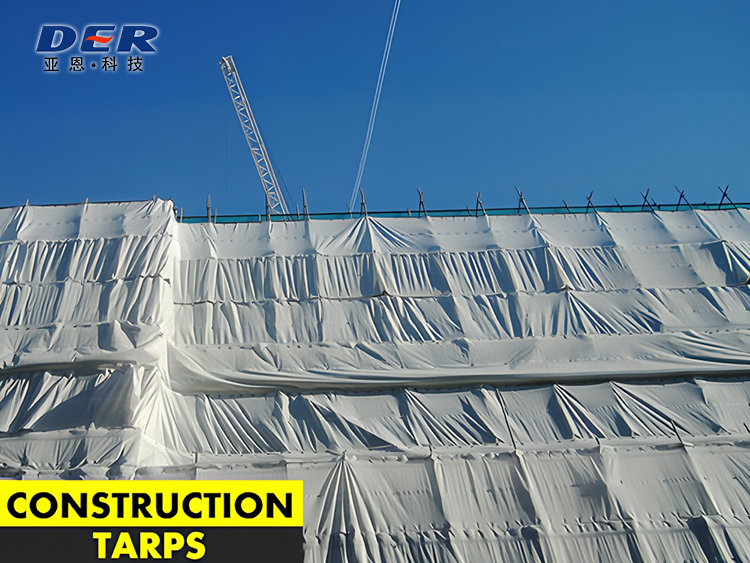
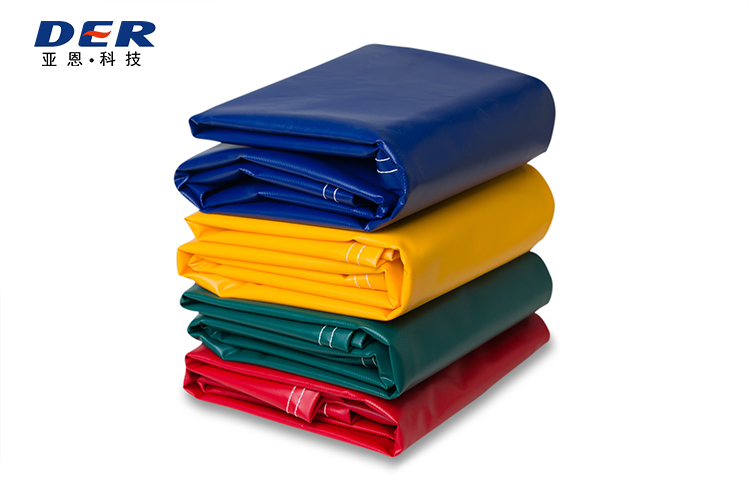
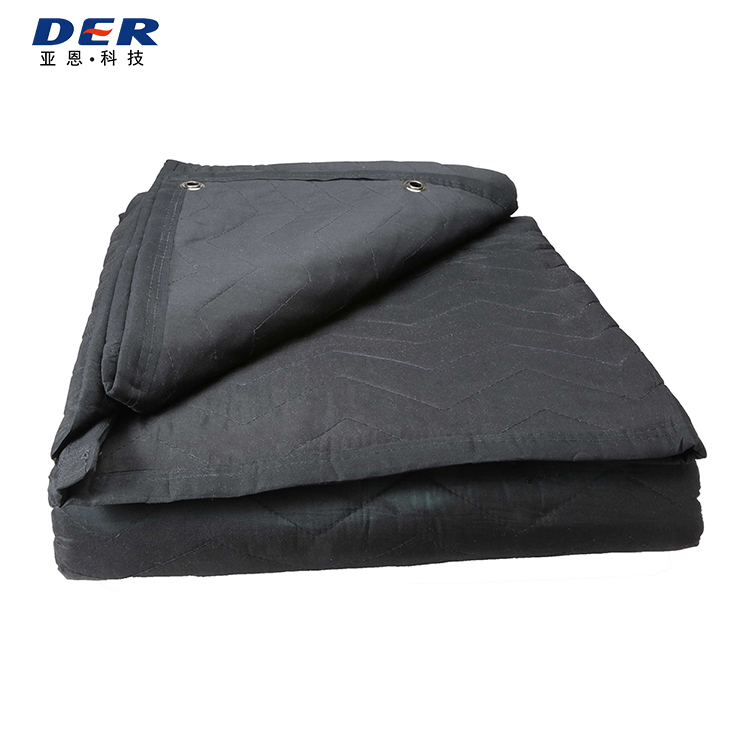
Our products are widely used in our residential and industrial area, which can be used for producing tents, outdoor covering, flexible ventilation tube, water bladders, inflatable castles, architecture membrane structures, etc. Our main products: PVC coated fabrics, PU/TPU coated fabrics, Oxford fabric, PVC ceiling film, flexible banner material. Welcome to our site and order online.