Define the End Use
State whether the tarp is a construction enclosure, equipment cover, warehouse divider, pallet cover, temporary shelter, transport cover or OEM finished product. The hazard and installation conditions differ.

DER factory supplies and fabricates flame retardant tarp solutions for buyers who need more than a generic “FR” label. A practical fire retardant tarpaulin program starts with the application, required fire-test route, material construction, finished size, edge loads, seams, reinforcement and fastening layout. The final FR tarp specification is confirmed after technical review.
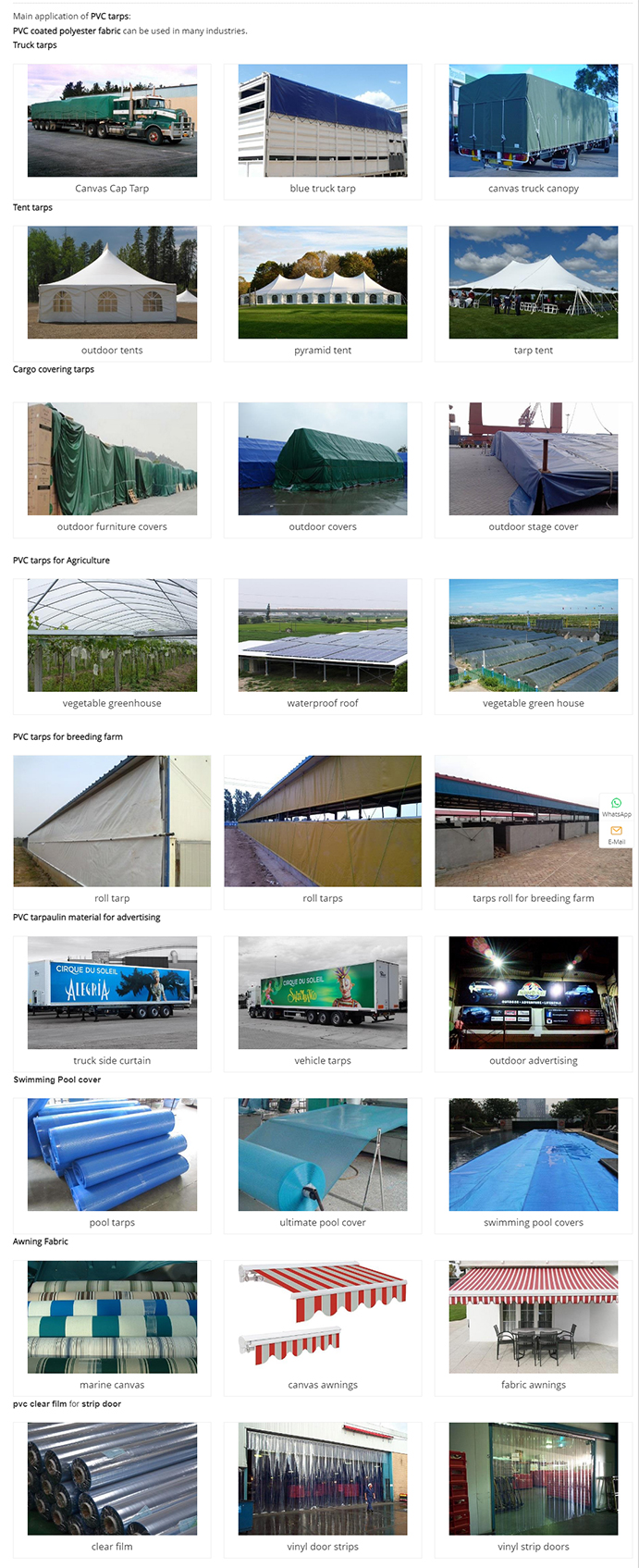
A flame retardant tarp is a protective tarpaulin made from a material system designed to reduce ignition and flame propagation under a stated test method. For industrial buyers, the useful specification is not simply “FR tarp.” It should identify the required fire-test route, substrate and coating construction, finished size, waterproof requirement, outdoor exposure, seams, reinforcement, attachment hardware and documentation expectations. PVC-coated polyester is a common direction for reusable waterproof industrial covers because it can combine a reinforced textile base with a weldable coated surface. The final material and test requirement should be confirmed before production.
A fire retardant tarpaulin should not be treated as protective clothing, a welding blanket, a molten-metal barrier or a product for direct sustained flame exposure unless the exact product has been specified and tested for that separate purpose.
Two tarps can look identical and still have different fire behavior, tear resistance, seam performance and documentation. For safety-sensitive sourcing, the test requirement must be tied to the actual construction being purchased.
State whether the tarp is a construction enclosure, equipment cover, warehouse divider, pallet cover, temporary shelter, transport cover or OEM finished product. The hazard and installation conditions differ.
Do not order by “FR” wording alone. Provide the standard or test method requested by the project, customer, insurer, local authority or market.
Choose material weight, panel layout, seams, hems, webbing, grommet spacing and corner reinforcement for wind, tension, abrasion and handling—not for GSM alone.
If testing or reports are required, state the test method, sample construction, report format, third-party requirement and acceptance criteria before mass production.
Send the standard name together with the application, dimensions, quantity and finished-cover drawing. DER factory can review the material and fabrication direction before quotation.
For many reusable industrial tarp programs, the product is an engineered system rather than a single layer. Buyers should review the base textile, coating or lamination, flame-retardant formulation, surface finish and finished fabrication together.
Polyester reinforcement can provide the tensile and tear framework for PVC tarp fabrication. Yarn structure, weave density and finished weight should be selected for the real mechanical load.
For the material family behind many industrial covers, review DER factory PVC coated polyester fabric.
A coated surface can provide waterproofing, cleanability and weldability while the formulation is developed around the required flame behavior. A change in construction can affect performance, so the tested build matters.
For broader material-level information, see DER factory flame retardant fabric.
The tarp is completed by panel joining, hems, webbing, corners and attachment hardware. The strongest fabric can still fail early if stress is concentrated around poorly reinforced edges or grommets.
Welded panelsReinforced hemsGrommets / D-ringsAn FR tarp still has to perform as a tarp. Fire behavior is one requirement; mechanical strength, water management, fabrication and environment determine whether the finished cover is practical in service.
Specify the test route and acceptance requirement. Do not assume that “flame retardant,” “fire retardant” and “fire resistant” labels prove the same result.
Coated fabric can provide a waterproof barrier, but the finished result also depends on welded or sewn seams, penetrations, overlaps and installation.
Base fabric construction and coating weight influence handling and load response. Selection should consider wind, tie-down tension, abrasion and repeated folding.
Panel-joining method should be selected for the chosen material, waterproof requirement and finished geometry. Weld quality is part of the cover specification.
If the tarp will remain outside, state UV, weather, cold and cleaning conditions during the RFQ so the material direction can be reviewed together.
Reinforced hems, webbing, corner patches and attachment spacing should spread load rather than concentrate it at individual eyelets.
The table intentionally avoids invented fixed values. Exact weight, thickness, strength, width and flame-test performance should be confirmed for the approved construction and project.
| Product | Flame Retardant Tarp / Fire Retardant Tarpaulin / FR Tarp |
|---|---|
| Common Industrial Material Direction | PVC-coated polyester or another project-reviewed coated textile, selected according to application and required fire test |
| Flame-Retardant Requirement | Buyer-specified standard, test method or project criterion; confirm the exact method and acceptance scope before production |
| Weight / GSM | Project dependent; select from mechanical load, handling, fabrication and service environment rather than GSM alone |
| Thickness | Project dependent; confirm together with material construction and coating system |
| Width / Panel Layout | Customizable after technical review; seam count and panel direction should be considered for large finished covers |
| Finished Size & Shape | Made to project dimensions, drawing or approved pattern; distinguish cut size from required finished size |
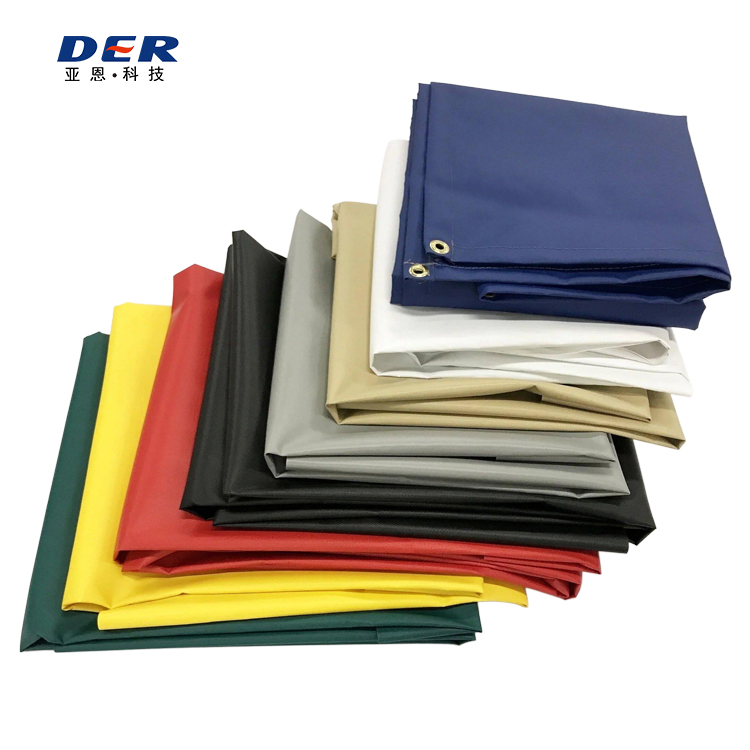
| Color & Surface | Project colors and selected surface direction subject to material availability and technical review |
| Outdoor Options | UV, cold-weather or other environmental directions can be reviewed according to service conditions |
| Seams | Heat, hot-air, HF/RF or sewn construction selected according to material, geometry and waterproof requirement |
| Edge Reinforcement | Folded hems, webbing, corner patches and stress-zone reinforcement available according to load and attachment method |
| Hardware | Eyelets/grommets, D-rings and selected fasteners; position and spacing should follow the actual load path |
| Branding & Packing | Logo, labels, OEM marks and project packing can be reviewed for production programs |
| Testing & Documentation | Testing can be arranged according to agreed project requirements; specify method, edition if applicable, sample construction, report needs and acceptance criteria |
NFPA 701 is a standard method for fire tests for flame propagation of textiles and films; it is not a synonym for “fireproof.” When a North American project requests NFPA 701, the buyer should still confirm the exact project requirement, report scope and whether the tested construction matches the material being purchased.
“Flame retardant tarp,” “fire retardant tarpaulin” and “fire resistant tarp” are frequently used as commercial search terms. They do not by themselves tell a buyer which test method was used or whether a report applies to the exact construction.
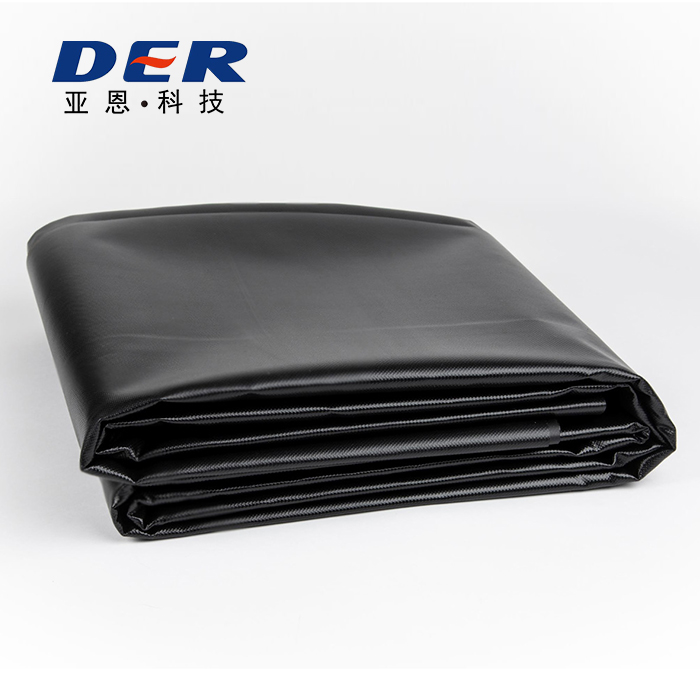
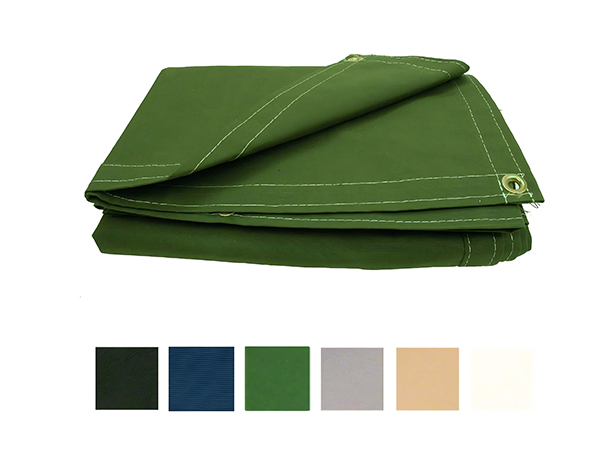
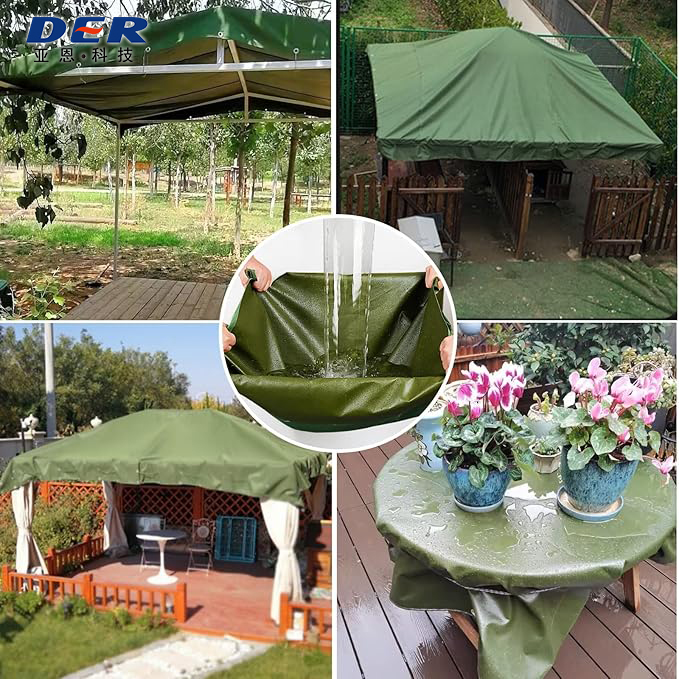
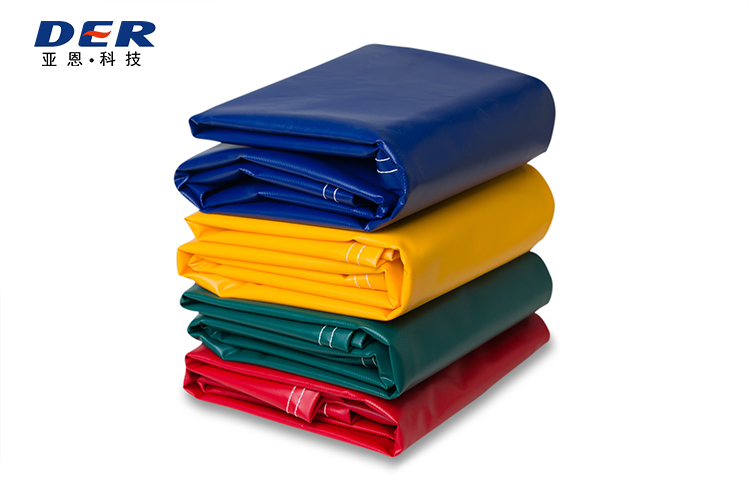
These images use DER factory site assets. Visuals help buyers understand product form and material structure, but fire performance must be verified through the agreed specification and test route.
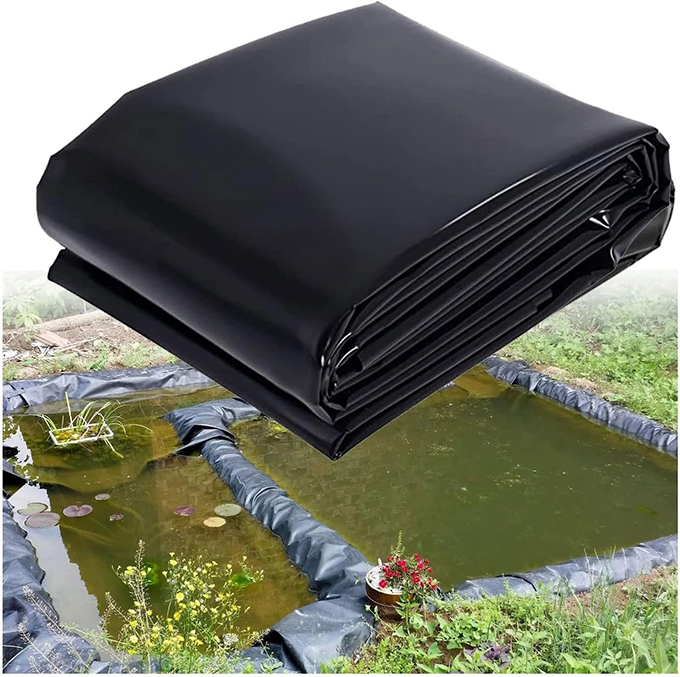

Image selection note: the finished FR tarp should be represented by the approved production construction and project application. Do not infer fire-test compliance from a photo.
The same fire-retardant requirement can lead to different tarp constructions because the mechanical and environmental loads are different.
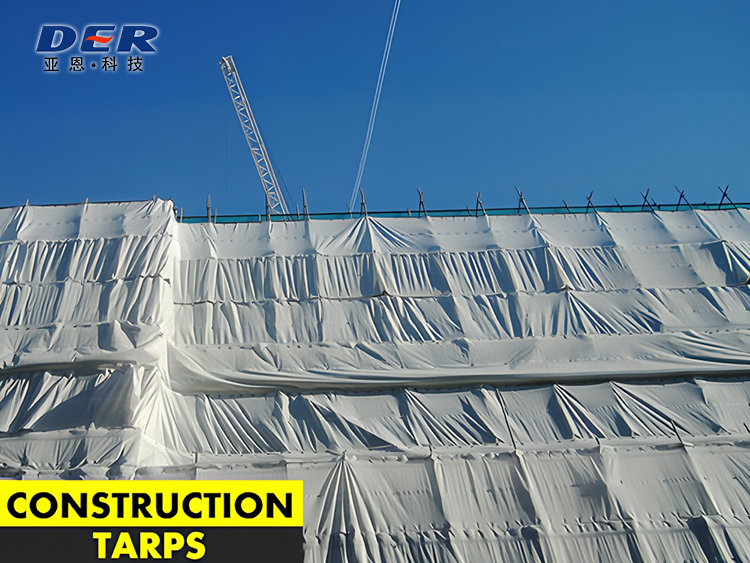
Temporary enclosures, scaffolding zones and material covers can combine fire-performance requirements with wind, weather, abrasion and repeated handling.
Specify: fire-test route, wind/tie-down condition, UV exposure, panel seams and reinforced attachment zones. See DER factory construction tarps.Industrial equipment covers may need controlled fit, dust or rain protection and frequent removal without damaging corners, handles or service access points.
Specify: equipment geometry, hot surfaces to avoid, access openings, abrasion points, seam direction and attachment method. Review construction equipment covers.Reusable pallet or storage covers prioritize handling, fit, cleanability and repeated movement. Fire-performance expectations should be confirmed with the facility or customer.
Specify: indoor/outdoor use, pallet dimensions, lifting clearance, closure design and reuse cycle. See pallet protective covers.Moving-vehicle use adds dynamic wind, flapping, abrasion and repeated folding. A fire-retardant direction should not compromise the load-bearing details of the cover.
Specify: vehicle type, speed/exposure, tie-down system, abrasion zones, reinforcement and finished size. Compare the broader vinyl tarp construction options.Tents, temporary partitions and shelters often require the fire-test route to be identified before material approval, together with weather and seam requirements.
Specify: market/location, required test, roof vs sidewall use, transparency/lighting needs, panel size and joining method.Distributors and equipment manufacturers need repeatable dimensions, bill-of-material consistency, labels, packing and a documented approval sample.
Specify: drawing revision, approved material code, test/report requirement, logo, packaging, labeling and repeat-order controls.“Which tarp is best?” is the wrong question. The correct choice depends on whether the project needs a defined flame-test route, repeated heavy-duty handling, temporary economical coverage or true high-temperature protection.
A practical direction for reusable industrial covers that need waterproofing, reinforcement and weldable fabrication together with a project-defined flame-retardant requirement.
Useful for heavy-duty weather protection where waterproofing, abrasion handling and custom fabrication matter but a flame-test requirement is not part of the project.
Often lighter and more economical for temporary protection. It should not be treated as mechanically or fire-performance equivalent to a specified industrial FR PVC cover.
For welding sparks, molten metal, sustained radiant heat or direct flame exposure, specify a purpose-designed welding blanket, curtain or other high-temperature material—not a generic FR tarp.
A finished flame retardant tarp should translate field loads into panel layout, seams and reinforced attachment zones. DER factory can review the following features according to the selected material and end use.
Rectangles, multi-panel covers and drawing-based shapes can be reviewed. Include drops, overlaps, openings, access points and required tolerances.
Heat, hot-air, HF/RF or sewn routes should be chosen for the material and waterproof requirement. Not every seam process suits every coating system.
Edge reinforcement can spread tie-down loads and reduce local tearing. Windy or repeatedly handled covers often need more than a simple folded edge.
Position hardware according to load direction and mating structure. “Every 1 meter” may be inappropriate if the actual support points are not evenly spaced.
Project colors, logos, labels and packaging can be reviewed. If fire testing is critical, confirm whether the approved construction includes the requested color and finish.
For specification-sensitive projects, align the physical sample, drawing, material code, test requirement and final purchase specification before bulk production.
Quality control is most useful when the production order has an approved material and finished-cover specification. The checks below can be aligned with the project without claiming a certification or fixed test result that has not been confirmed.
Check the material identity and agreed construction before fabrication begins.
Verify agreed physical characteristics according to the approved purchase specification and applicable tolerance.
Inspect visible coating consistency, contamination, color and surface defects that could affect conversion or appearance.
Review welded or sewn seams for continuity, alignment and project-specific waterproof or mechanical requirements.
Confirm finished size, panel layout, hems, webbing, corners and hardware locations against the approved drawing.
When flame testing or other third-party tests are part of the order, define the method, sample construction and report requirement during quotation.
Most preventable problems happen before production—when the requirement is described too loosely.
A clear RFQ shortens the path from “I need an FR tarp” to a comparable production specification.
Concise answers to the questions buyers commonly ask before selecting an FR tarp or fire retardant tarpaulin.
A flame retardant tarp is a protective cover made from a material system formulated or treated to reduce ignition and flame propagation under a specified test method. For purchasing, the exact test route and material construction matter more than the FR label alone.
No. Flame-retardant does not mean fireproof. An FR tarp can still be damaged by heat or flame, and it should not automatically be used for direct flame, welding spatter, molten metal or protective clothing applications.
In commercial search and purchasing, the two phrases are often used for the same product category. Compare the actual material, fire-test method, report scope, seams, reinforcement and end-use conditions rather than treating the wording as a performance class.
PVC-coated polyester is a common direction for reusable industrial FR tarp fabrication because it can combine a reinforced textile base, waterproof coated surface and weldable fabrication. Other materials may be more suitable for specific fire or temperature requirements.
No. NFPA 701 is a standard method for evaluating flame propagation of textiles and films. A test result is not a “fireproof” guarantee. Confirm the exact test method, report scope, material construction and local project requirements.
Yes, a coated or laminated tarp system can be specified to combine a waterproof barrier with a flame-retardant direction. The finished cover also needs suitable seams, penetrations, edge details and installation to manage water.
DER factory can review custom finished dimensions, panel layout, welded or sewn construction, reinforced hems, webbing, corner patches, grommets, D-rings, color, branding and packing. Feasibility should be confirmed against the chosen material and project drawing.
MOQ and lead time depend on the approved material construction, finished size, fabrication complexity, hardware, printing, quantity, testing and packaging. Confirm them after the technical specification is defined; fixed values should not be assumed before quotation.
Send the application, required fire-test route, finished dimensions, quantity, material or GSM preference if known, outdoor exposure, seam requirement, reinforcement, grommet/D-ring layout, logo/packing needs and required test documentation. DER factory can review the material-and-fabrication direction before quotation.
Request A QuotePrevious:period
Next:Tarps Supplier | Wholesale Tarps & Custom Bulk Tarpaulin | DER factory
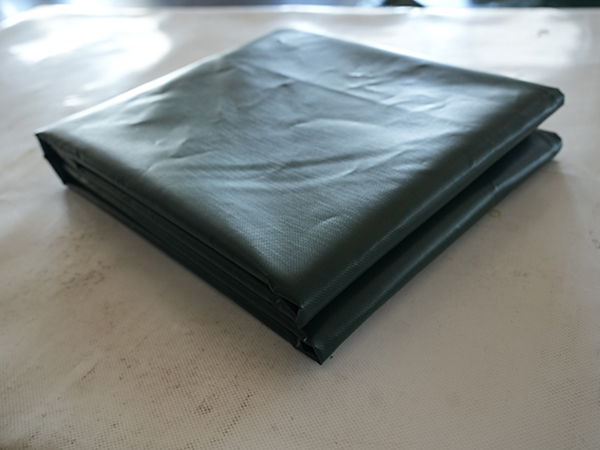
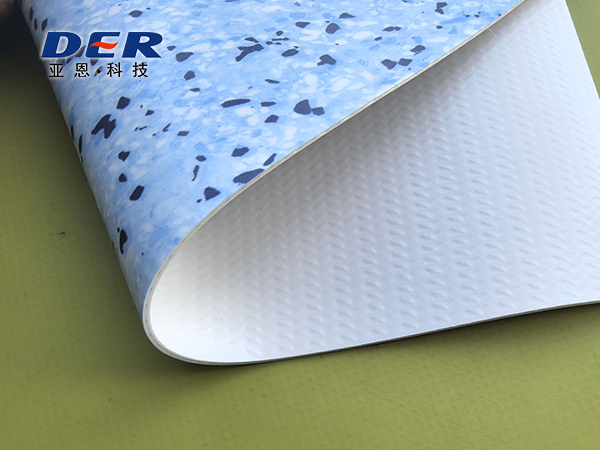
Our products are widely used in our residential and industrial area, which can be used for producing tents, outdoor covering, flexible ventilation tube, water bladders, inflatable castles, architecture membrane structures, etc. Our main products: PVC coated fabrics, PU/TPU coated fabrics, Oxford fabric, PVC ceiling film, flexible banner material. Welcome to our site and order online.