Coating continuity
Pinholes, voids, thin spots or damaged coating can create local leakage paths. Surface appearance alone is not enough for critical applications.

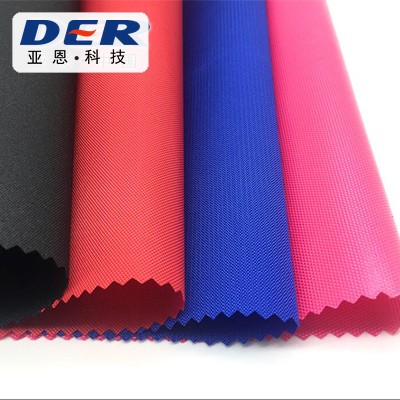
 Technical coated fabric · OEM material development
Yes—TPU fabric can be waterproof when a continuous thermoplastic polyurethane layer is coated or laminated onto a textile base. The more important sourcing question is whether the finished product will remain waterproof after cutting, welding, sewing, folding, valves, hardware and repeated use.
TPU fabric is waterproof when its thermoplastic polyurethane coating or laminated film forms a continuous barrier over the woven or knitted substrate. The textile underneath—often nylon or polyester—provides reinforcement, while the TPU layer prevents water from passing through the material face. However, a finished dry bag, inflatable chamber, water bladder or protective cover is only as waterproof as its seams, closures, valves, attachment points and fabrication quality. Sewing can create needle holes; welding or heat sealing can create a continuous seam when the selected TPU structure and process are compatible. For serious waterproof or airtight applications, buyers should specify a measurable test requirement and validate the finished construction before bulk production.
Water-resistant usually describes limited protection against splashes or short exposure. Waterproof sourcing should be tied to a defined test condition, pressure or finished-product requirement.
A fabric that blocks liquid water is not automatically proven airtight. Inflatable products need a suitable barrier structure plus sealed seams, valves and product-level leakage testing.
Two TPU fabrics with similar weight can behave differently if the substrate denier, weave, TPU chemistry, coating side, film thickness or bonding process differs.
A TPU coated fabric is a composite material: the textile carries mechanical load and the thermoplastic polyurethane layer provides the sealing surface. Waterproofness therefore depends on coating continuity, bonding quality, flex behavior and the way the material is converted into the finished product.
Pinholes, voids, thin spots or damaged coating can create local leakage paths. Surface appearance alone is not enough for critical applications.
The TPU layer must remain bonded to the textile through folding, abrasion and conversion. Peel behavior should be considered where repeated flexing is expected.
The final barrier is completed at seams. Heat sealing, hot-air or HF welding may be evaluated according to TPU grade, coating side and equipment.
The correct specification depends on the application, exposure, pressure, folding frequency, joining method and product weight target. DER factory also provides a broader TPU material and application overview for buyers comparing use cases.
| Selection Point | Direction to Consider | Why It Matters | What the Buyer Should Specify |
|---|---|---|---|
| Base textile | Nylon or polyester | Nylon is often considered for soft folding and tear-oriented products; polyester for dimensional stability and controlled roll behavior. | Finished product, weight target, strength priority and expected flexing. |
| TPU chemistry | Polyether TPU or polyester TPU | Polyether TPU is commonly considered for wet/humid and hydrolysis-sensitive use; polyester TPU for abrasion, oil-related exposure and mechanical performance directions. | Liquid contact, humidity, temperature, chemicals and required testing. |
| Coating side | Single-side or double-side | One side can reduce weight or retain textile feel; two sides can support more demanding sealing, cleanability or air/liquid-holding layouts. | Which surfaces must seal, weld, clean or resist abrasion. |
| Coated vs laminated | TPU coating or TPU film lamination | Both can create a barrier, but hand feel, film build, bonding and conversion behavior can differ. | Target feel, barrier requirement, welding process and sample approval criteria. |
| Weight / thickness | Project dependent | More material can improve barrier or abrasion margin but increases weight and can change flexibility and welding behavior. | Do not specify GSM alone; include substrate, TPU build and end-use performance. |
| Surface finish | Smooth, matte, gloss or project-specific finish | Finish influences appearance, blocking, cleaning, abrasion and handling during fabrication. | Visible side, packing method, friction and branding requirements. |
For heavier roll goods, flexible containment and industrial conversion, review DER factory’s TPU coated tarpaulin fabric direction and send the final application with your RFQ.
No coating family is automatically the correct choice for every project. The practical comparison is based on finished-product requirements, conversion process, budget, flexibility, chemical exposure, service temperature and expected life cycle.
| Decision Area | TPU Coated Fabric | PVC Coated Fabric | Conventional PU Coated Fabric |
|---|---|---|---|
| Typical sourcing direction | Flexible, weldable technical products, inflatables, premium bags, air/liquid containment. | Industrial tarps, covers, curtains, membranes and heavy-duty cost-controlled products. | Apparel, bags and lighter coated-textile applications where a softer coating direction may be appropriate. |
| Water barrier | Can form a continuous waterproof layer; final result depends on coating and seams. | Can form a continuous waterproof layer; widely used in industrial waterproof fabrics. | Can provide water resistance or waterproof performance depending on coating build and construction. |
| Welded fabrication | Many grades can be heat sealed or welded after compatibility testing. | Commonly welded in tarpaulin fabrication. | Highly formulation-dependent; sewing and seam tape are also common in some product categories. |
| Flex / repeated folding | Often selected where soft folding and elastic behavior are important. | Can be flexible but heavier constructions may be stiffer. | Can be soft and lightweight; hydrolysis and long-term durability depend on chemistry. |
| Buyer focus | TPU chemistry, coating side, peel, welding window, air/water barrier. | Base fabric, coating weight, lacquer, UV/FR options, seam and reinforcement design. | Coating chemistry, hydrolysis resistance, breathability if relevant, seam sealing method. |
If your project is primarily an industrial tarp or cover rather than a sealed flexible product, compare the alternative PVC coated polyester fabric route before approving TPU solely on material name.
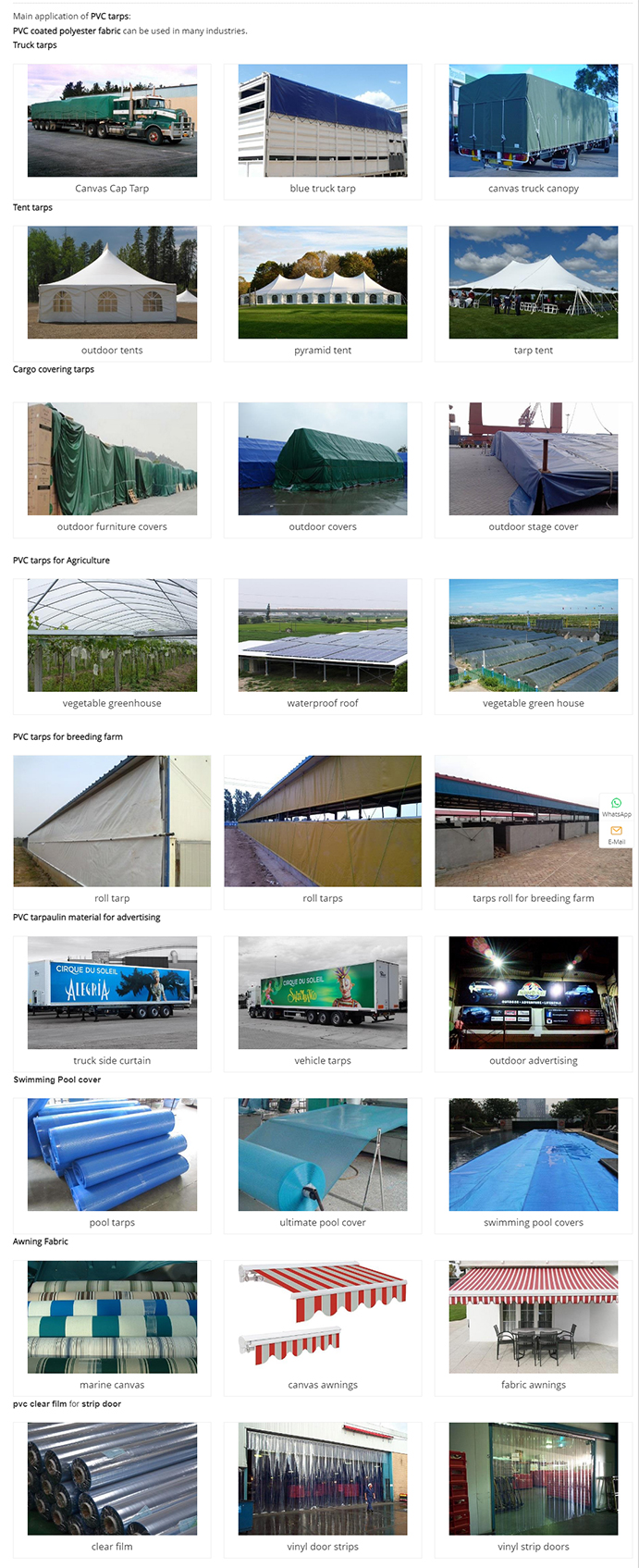
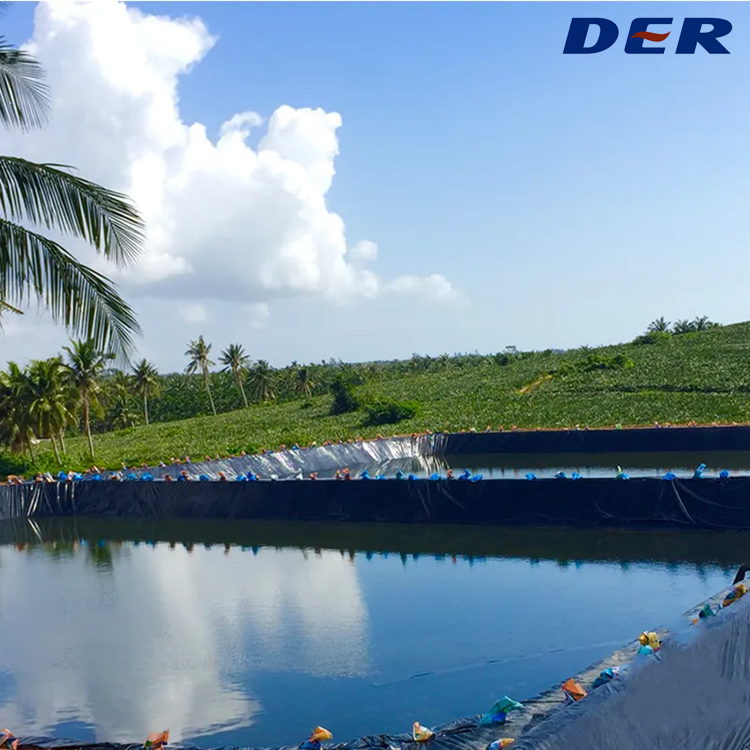
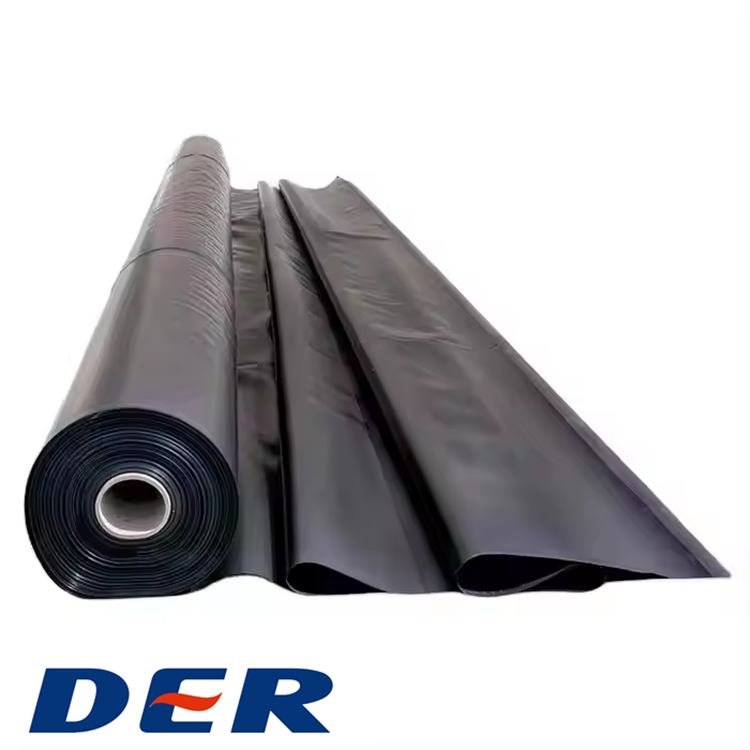
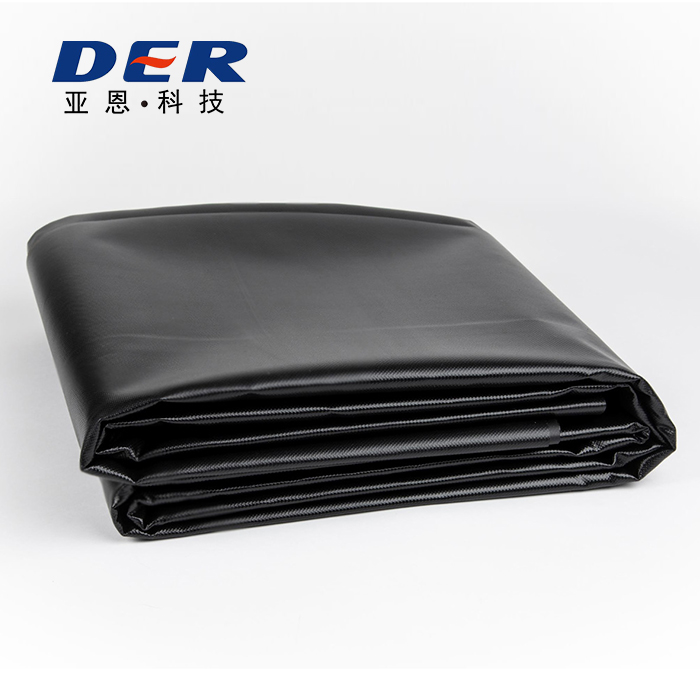
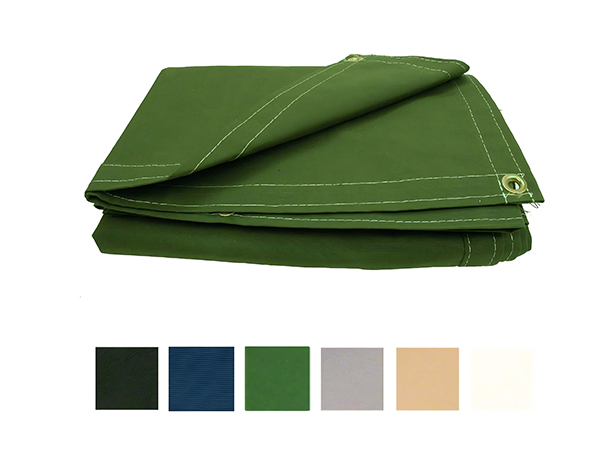
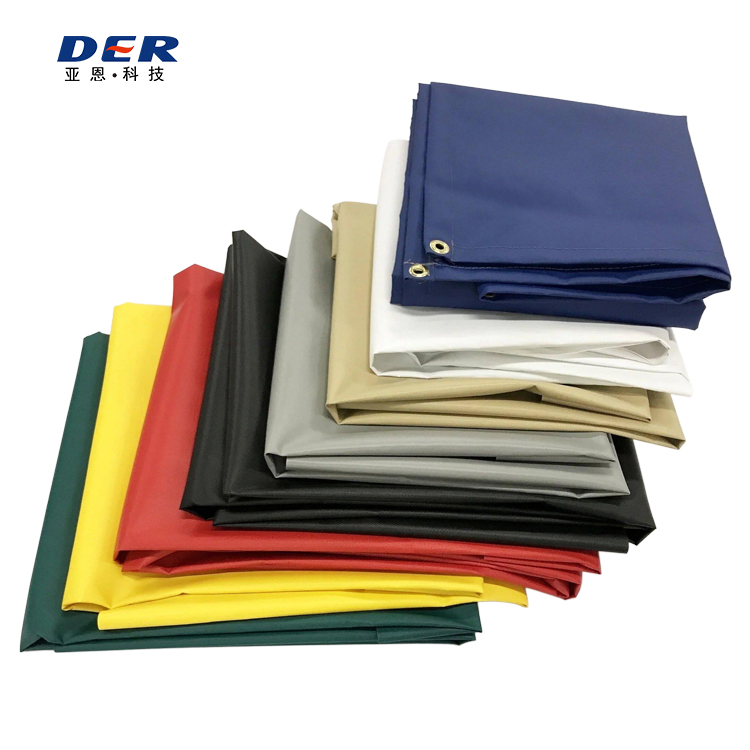
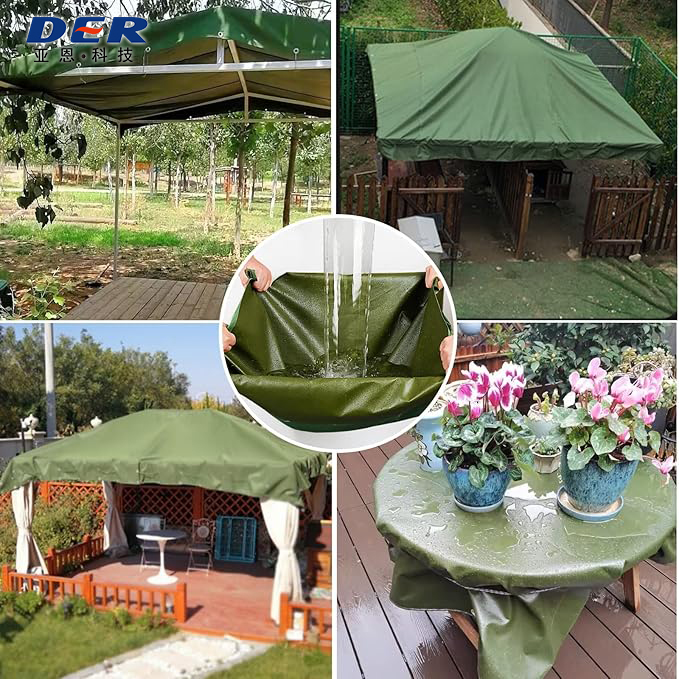
These are existing DER factory website images used as application references. They show waterproof coated-fabric and containment environments; they should not be interpreted as proof that every photographed item is made from the exact TPU specification discussed on this page.
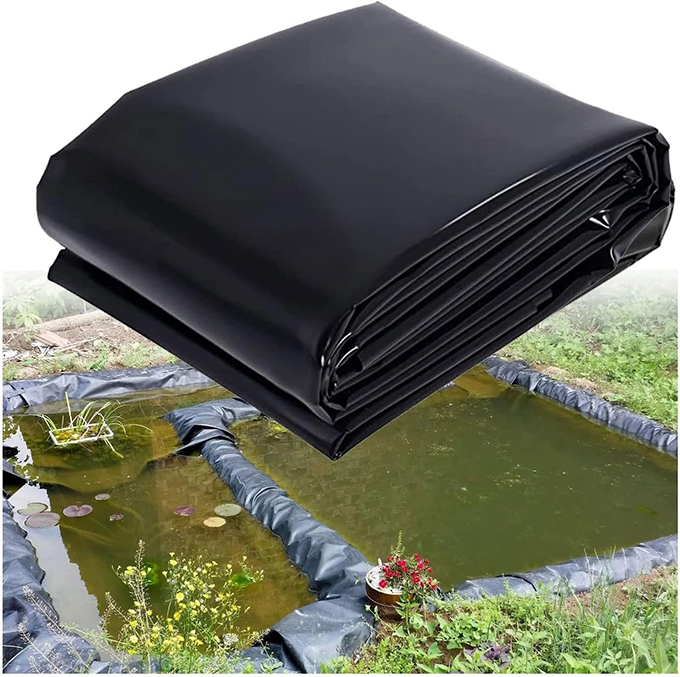
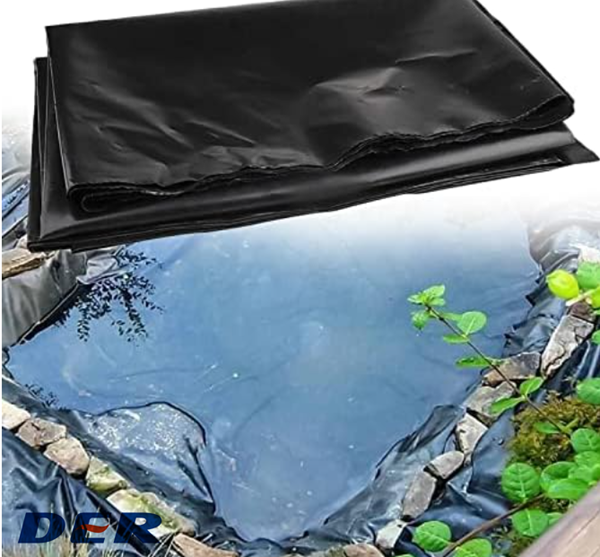
Focus on hand feel, abrasion, foldability, coating side, surface finish and compatibility with the planned welded or sealed seam.
Buyer should send: bag size, roll-top/zip closure, target weight, color, seam method and water-exposure requirement.The project usually needs more than rain protection. Material barrier, seam design, baffles, valves and pressure cycling should be validated as a finished system.
Buyer should send: pressure direction, chamber geometry, welding method, substrate preference and leak-test requirement.Use conditions can involve continuous water contact, repeated folding, ground abrasion, fittings and welded seams. For related material systems, see DER factory’s liquid bag tarpaulin page.
Buyer should send: liquid type, capacity, footprint, working temperature, fitting layout and testing needs.For potable or regulated water contact, material chemistry and local compliance requirements must be specified separately from generic waterproof performance.
Related reading: water bladder fabric vs water tank fabric.Pressure cushions, air cells and similar products can require controlled film/coating surfaces, consistent welding and application-specific material documentation.
Buyer should send: device use, air pressure, cleaning method, target substrate and required test/documentation list.Covers, sleeves and liners may prioritize abrasion, oil/chemical exposure, cleanability and dimensional stability more than ultra-light weight.
Buyer should send: equipment geometry, exposure, abrasion zones, cleaning chemicals, dimensions and fastening design.Many TPU coated or laminated fabrics can be evaluated for high-frequency welding, hot-air welding or heat sealing. A successful weld depends on TPU chemistry, surface side, coating thickness, fabric construction, equipment temperature, pressure, dwell time and seam geometry.
Sewing creates needle penetrations. A sewn TPU fabric product can still be useful for splash protection or covered seams, but products marketed for demanding waterproof use may require seam tape, welded seam covers or a different joining method.
A practical acceptance plan connects the roll material to the buyer’s conversion process. Exact test methods and pass/fail limits should be agreed for the project rather than copied from unrelated products.
Hydrostatic resistance or agreed water-penetration test on the approved material.
Peel / adhesion behavior appropriate to folding, abrasion and end-use loading.
Tensile, tear, puncture or abrasion criteria selected from the product risk.
Sample weld strength, sealing window and appearance on the buyer’s intended process.
Leak, air-retention, pressure or use-cycle test on the actual product design where required.
GSM does not identify the base denier, weave, TPU chemistry, coating side, film build or bonding quality.
A material suitable for one welding method may need different settings—or a different surface structure—on another line.
Polyether and polyester TPU directions can behave differently in wet environments, abrasion or oil-related applications.
Air retention is a more demanding system requirement involving material, seams, valves and pressure testing.
Approve the material together with cutting, welding, folds, fittings and cleaning/handling conditions before bulk production.
“Waterproof” should become a measurable requirement or agreed application test, especially for immersion or pressure.
MOQ, lead time, test availability and final specification should be confirmed during quotation because they depend on the selected material, width, color, production arrangement and project requirements.
A continuous TPU coating or TPU film can create a waterproof barrier, but “100% waterproof” should not be assumed for every finished product. Waterproof performance depends on coating integrity, seams, closures, valves, stitch holes and the test condition. For critical use, specify and verify the required test.
Yes, TPU coated nylon can be waterproof when the TPU layer is continuous and suitable for the required exposure. The nylon provides reinforcement; the TPU provides the water barrier. Finished seams still need appropriate sealing when full waterproofness is required.
Not automatically. Airtight products require an appropriate barrier structure and sealed finished construction. Double-side TPU coated or laminated structures are often considered for air-holding products, but the final chamber and seams should be leak-tested.
Many TPU coated or laminated fabrics can be processed by high-frequency welding, hot-air welding or heat sealing. The best method depends on TPU grade, coating side, thickness, base textile, machine settings and product design. Sample trials are recommended before bulk conversion.
Some specialized TPU membrane systems can be engineered for moisture-vapor transmission, but a heavy continuous TPU coating intended for dry bags, inflatables or liquid containment is generally selected for barrier performance rather than breathability. Specify the actual vapor-transmission requirement if breathability matters.
Polyether TPU is commonly considered for wet, humid and hydrolysis-sensitive environments. Polyester TPU is commonly considered where abrasion, oil-related exposure and mechanical performance are priorities. Final material choice should be based on the actual service environment and agreed tests.
TPU coated nylon is often considered when soft folding and tear performance are priorities. TPU coated polyester is often considered when dimensional stability and controlled industrial roll behavior are important. The correct choice depends on the final product, weight target, welding method and use conditions.
DER factory can discuss sample evaluation and custom material directions including base fabric, coating structure, width, color, surface finish, roll format and conversion requirements. Sample availability, MOQ, production schedule and testing should be confirmed for the selected specification.
Send DER factory your application, water exposure, need for airtightness, base-fabric direction, target weight or thickness, roll width, color, welding method, quantity and required testing. The project can then be reviewed as a complete material-and-fabrication system rather than a generic “waterproof TPU” request.
DER factory · Technical coated fabric sourcing guide. Product specifications, performance values, compliance requirements, MOQ and production schedule are project-dependent and should be confirmed before production.
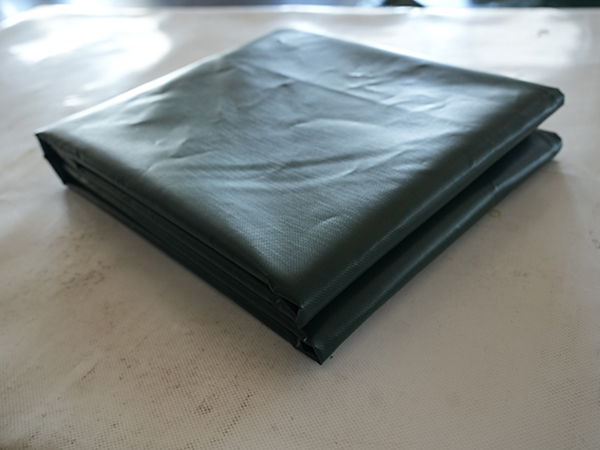
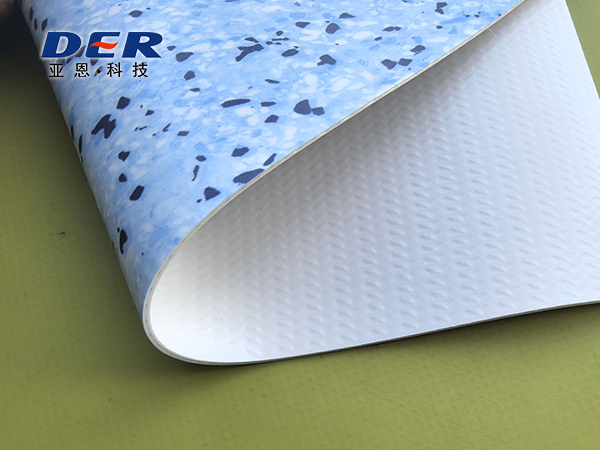
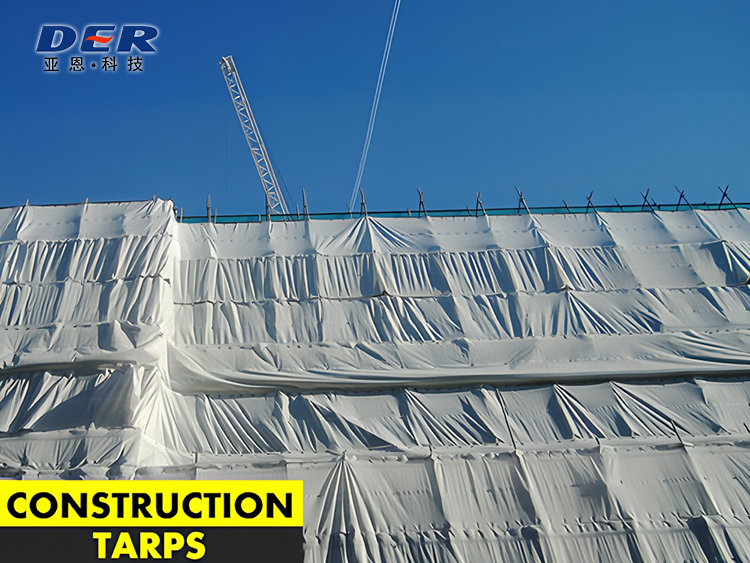
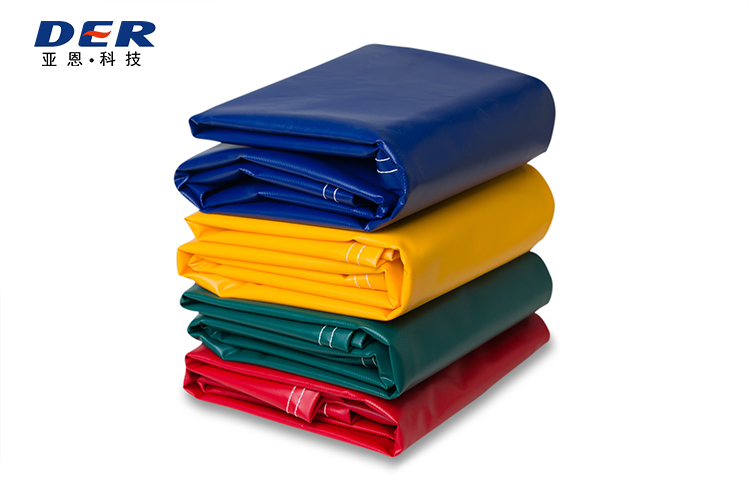
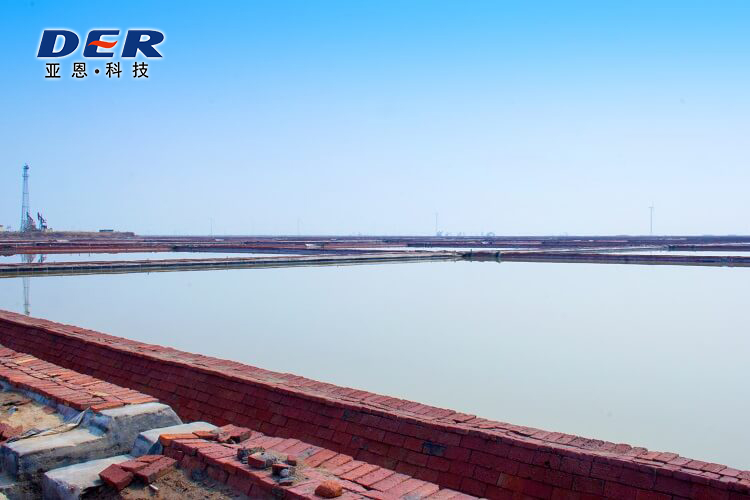
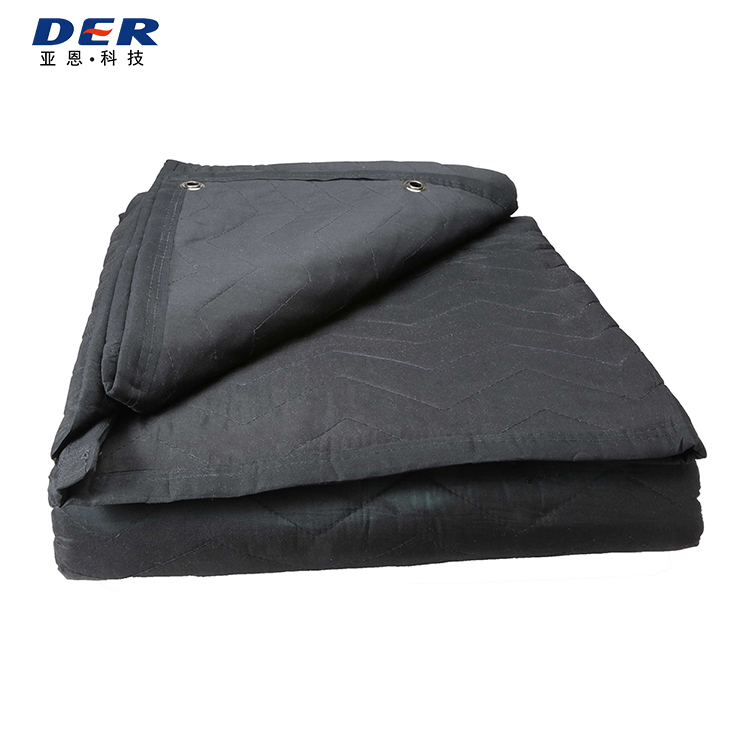
Our products are widely used in our residential and industrial area, which can be used for producing tents, outdoor covering, flexible ventilation tube, water bladders, inflatable castles, architecture membrane structures, etc. Our main products: PVC coated fabrics, PU/TPU coated fabrics, Oxford fabric, PVC ceiling film, flexible banner material. Welcome to our site and order online.