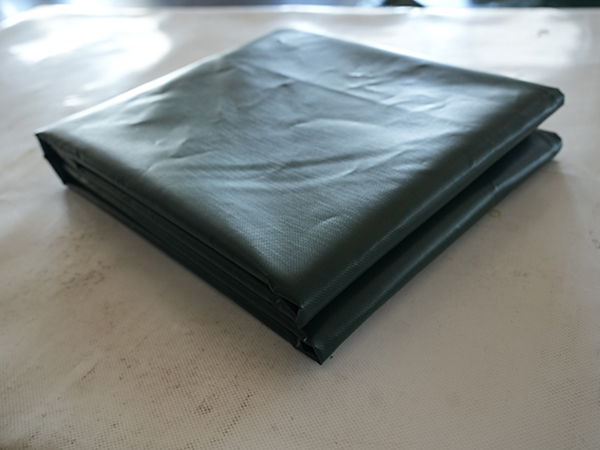
Heavy Duty Tarps Manufacturer | Industri..
- 2026-09-13

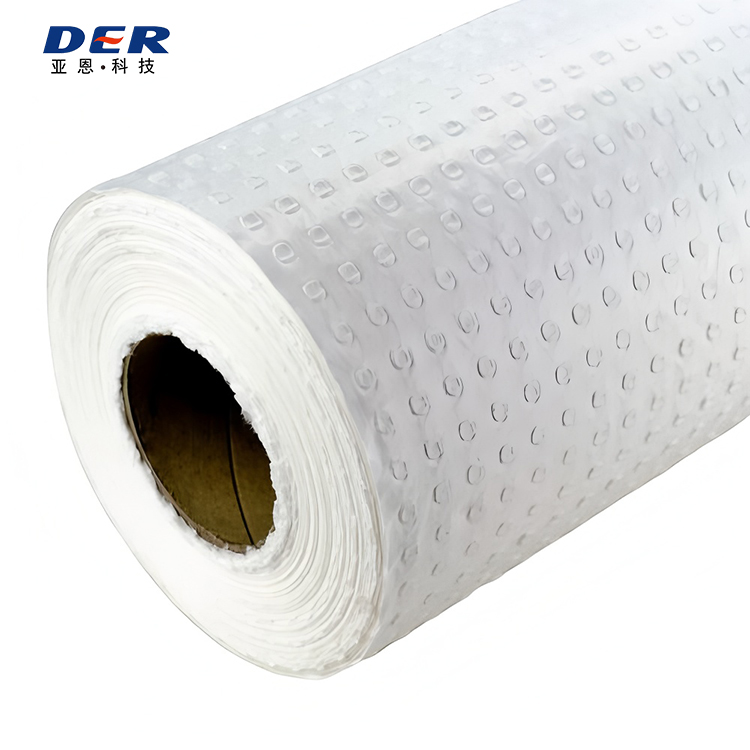
An hui Der factory supplies lab bench cover materials and custom protective bench cover solutions for research laboratories, school labs, pharmaceutical workrooms, industrial testing areas, clean utility spaces, and laboratory furniture OEM programs. Designed for buyers who need more than a basic sheet cover, this page focuses on waterproof performance, surface cleanability, chemical splash resistance, stable quality, custom dimensions, and commercially practical supply for long-term laboratory use.
Whether you are sourcing a laboratory bench cover for a new facility, replacing worn work surface protection in a teaching lab, building an OEM product line for dealers, or qualifying a bench cover supplier for project delivery, the purchase decision usually comes down to the same operational questions. Will the material clean easily after daily use? Can it tolerate routine splash exposure from common lab chemicals? Is the surface smooth enough for an organized work environment yet durable enough for repeat cleaning? Can the supplier support custom sizes, edge finishing, color selection, private labeling, and dependable lead times? This standalone page is written to answer those questions in a direct and conversion-focused way.
A lab bench cover is a protective material layer placed over or manufactured for use on laboratory work surfaces to reduce direct wear on the bench, simplify cleanup, and improve resistance to spills, stains, dust, moisture, and chemical splash exposure. Depending on the use case, a lab bench cover may be supplied as a flexible sheet, a cut-to-size laboratory bench cover panel facing, a bench top protection layer for temporary or semi-permanent use, or a custom fabricated workbench protective cover for OEM laboratory furniture and equipment suppliers.
In practical buying language, many customers searching for a lab bench cover, laboratory bench cover, lab table protective cover, or laboratory workbench cover are trying to solve a mix of problems rather than buy a single material by name. They may be dealing with scratched surfaces in school labs, splash-related cleanup problems in analytical rooms, poor durability from low-grade plastic covers, inconsistent size control in custom orders, or the need to source a more professional lab bench cover supplier for an institutional or distributor project. That is why the material specification matters, but the supply model matters just as much.
A high-quality laboratory bench cover is not simply about having a sheet that can be placed on a table. For real laboratory use, buyers normally look for a combination of smooth surface finish, reasonable flexibility, dimensional stability, wipe-clean convenience, visual neatness, optional anti-slip backing concepts, edge finish possibilities, and a formulation suitable for day-to-day laboratory operations. In some sectors, such as education, healthcare support areas, industrial QC rooms, microbiology prep spaces, or testing workshops, the cover must also help preserve a more orderly appearance while supporting fast maintenance routines.
From a sourcing perspective, the best lab bench cover manufacturer is often the one that understands the operational context behind the request. A school distributor may prioritize economical roll supply and easy installation. A pharmaceutical-support workroom may focus more on cleanliness, surface consistency, and documentation. A dealer building a private-label line may care about repeatability, packaging, and branding. A laboratory furniture brand may need OEM bench cover production integrated with precise cut sizes and conversion requirements. Because of these differences, An hui Der factory positions this product not as a one-size-fits-all generic cover, but as a custom and application-oriented bench protection solution.
Tell us your width, thickness, color, surface finish, roll length, cut-sheet size, quantity target, and application environment. Our team can help match a more suitable laboratory bench cover solution for your project.
Laboratory purchasing is rarely just a material purchase. It is usually a risk-control decision. If the bench cover stains too easily, the room looks poorly maintained. If the surface is difficult to clean, labor cost goes up. If the size is inconsistent, installation becomes slow and frustrating. If the cover cannot support routine splash exposure, the bench below may degrade faster. If supply is unstable, dealers and project contractors lose confidence. This is why buyers increasingly look for a more complete bench cover supplier rather than the cheapest sheet source.
For that reason, we recommend evaluating lab bench cover materials through four filters: surface behavior, application fit, conversion practicality, and supply stability. The right material should not only look good in a product sample, but also perform consistently once it enters regular laboratory operations.
Below is a practical reference range for custom lab bench cover production. Exact construction depends on application environment, required cleanability, expected exposure conditions, installation method, and order volume. If your project has special chemical exposure, temperature, or compliance needs, the material structure should be confirmed before mass production.
| Item | Typical Range / Option | Notes |
|---|---|---|
| Product Name | Lab Bench Cover / Laboratory Bench Cover | Custom OEM and project-oriented protective surface material |
| Material Structure | PVC-coated fabric, PVC sheet, or custom protective composite | Selected based on surface feel, durability, and application needs |
| Weight | Approx. 450-900 gsm | Heavier constructions may support better durability and dimensional feel |
| Thickness | Approx. 0.35-0.90 mm | Customizable according to protection level and flexibility target |
| Width | Custom roll width or cut-sheet size | Matched to furniture size, converter requirement, or installation plan |
| Surface Finish | Glossy, matte, smooth, embossed | Selected based on cleanability, visual style, and anti-slip preference |
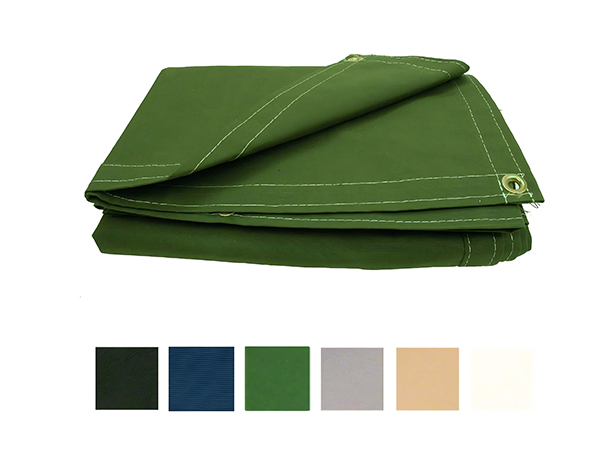
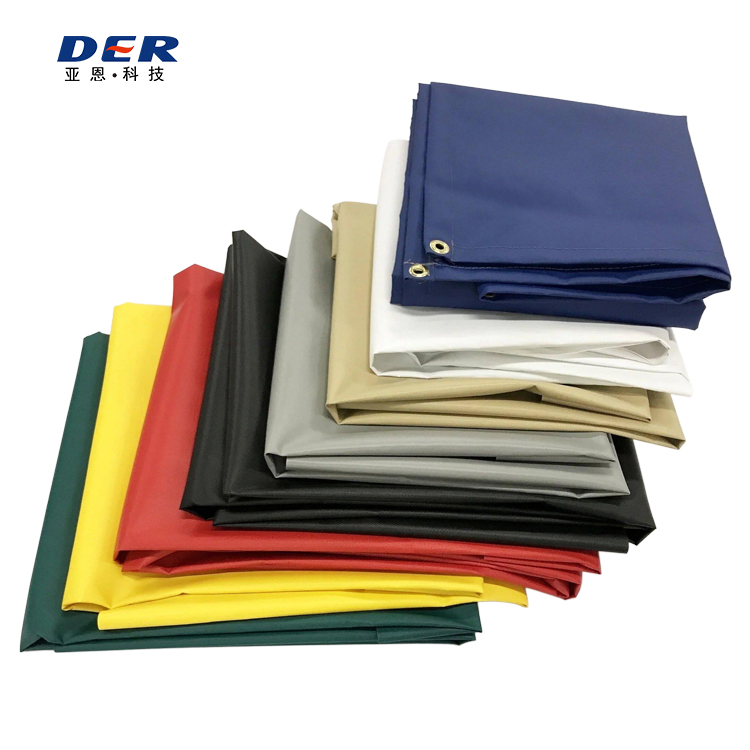
| Color | Gray, blue, green, white, black, custom tone | Used for zoning, institutional standards, or brand programs |
| Water Resistance | Good moisture and spill barrier performance | Supports day-to-day wipe cleaning and bench protection |
| Chemical Splash Behavior | Depends on formulation and exposure medium | Always verify against actual chemicals, concentration, and contact time |
| Temperature Range | Defined by material construction | Should be confirmed if hot instruments or special environments are involved |
| Conversion | Roll goods, cut sheets, OEM packing | Suited for distributors, workshop conversion, or finished supply programs |
| Optional Features | Private label, custom packaging, compliance support, FR pathways | Final scope depends on project, market, and order requirement |
Specification values above are a commercial guide for inquiry preparation and not a universal fixed grade. Final production details should be confirmed based on your actual lab environment and order requirements.
We can support inquiries for laboratory bench cover rolls, cut-to-size sheets, OEM branded orders, and custom workbench surface protection programs.
A professional laboratory bench cover supplier should be able to support more than one narrow use case. Bench protection requirements vary widely from school science rooms to industrial QC labs, from sample handling spaces to light clean production support areas. The same cover structure will not be optimal for every environment. That is why application matching is essential.
The more clearly you define your application, the easier it becomes to qualify the correct material. Key questions include: Is the cover used for temporary or repeat use? Will it be laid loose, bonded, clamped, or integrated into a furniture system? What fluids are likely to contact the surface? How often is it cleaned? Does the project prioritize budget, appearance, durability, or compliance? Will the order be sold through a dealer channel or installed directly by a project contractor?
These details help determine whether a light flexible sheet, a more structured PVC lab bench cover, or a custom composite protective layer is the better route. They also help define whether roll supply or finished cut pieces make more sense for the order.
An hui Der factory approaches product supply from the standpoint of use, not just raw material output. That means we pay attention to how the lab bench cover will actually be converted, sold, installed, and maintained. Buyers who need custom width, surface finish, private packaging, or project-specific performance considerations generally benefit from a manufacturer that thinks beyond a basic sheet offer.
For international distributors, dealers, and institutional projects, this reduces friction across the purchasing process. Instead of asking the buyer to adapt to a fixed stock-only model, we work toward a supply structure that better matches the target market and order objective.
Custom production matters in this category because laboratory environments are not standardized worldwide. Bench sizes, cleaning routines, visual standards, local user expectations, and dealer positioning all vary. Our OEM and custom supply model can support different thickness levels, roll or sheet formats, surface options, and packing methods. This makes it easier for a brand, importer, or contractor to build a product program that is commercially relevant in their own market.
When needed, we can align development around sample review, application feedback, appearance expectation, and order repeatability rather than pushing a generic one-grade solution.
In practical B2B supply, product quality is only part of the value. The other part is predictability. Dealers, contractors, and procurement teams need a realistic production plan, understandable communication, and shipment coordination that does not create avoidable delays. That is why we emphasize lead time planning from the start of the quote process. Clearer specifications lead to clearer production expectations.
This is especially important for repeat institutional purchasing, seasonal ordering for education channels, container-based export planning, and OEM programs where packaging and labeling must be matched to the final delivery schedule.
A bench cover may look simple, but buyers still care about consistency. Surface defects, color mismatch, roll unevenness, poor cutting accuracy, and packing mistakes can all create downstream problems. We focus on practical quality control: batch consistency, visual review, specification confirmation, and order-based documentation support where required.
For projects that involve certification pathways, compliance requests, flame-retardant consideration, or material documentation requirements, the scope should be defined at the inquiry stage so the correct production route can be evaluated. This helps buyers control risk and avoid mismatched expectations later.
| Comparison Item | Custom Lab Bench Cover | Generic Table Cover | Rigid Bench Surface System |
|---|---|---|---|
| Application Focus | Designed around laboratory, testing, and technical work surfaces | General-purpose utility or household use | Permanent bench construction solution |
| Customization | High flexibility in width, thickness, finish, and packing | Usually limited stock sizes and styles | Project-specific fabrication but less flexible once installed |
| Cleaning Practicality | Can be optimized for wipe-clean performance | May stain, wrinkle, or degrade quickly | Usually durable but replacement is more costly and disruptive |
| Commercial Suitability | Strong fit for OEM, dealer, and export supply | Weak for professional channel positioning | More suited to full bench construction projects |
| Upgrade Path | Easier to replace, update, or private label | Often treated as a commodity | Longer lifecycle but higher installation complexity |
| Cost Logic | Balanced approach between protection and flexibility | Lowest upfront cost but often weaker performance | Higher total investment with structural integration |
For many buyers, the most practical option is not the cheapest generic cover and not the heaviest permanent bench system. It is a well-matched custom laboratory bench cover that gives enough protection, better cleanability, good appearance, and manageable replacement cost. That middle-ground value is exactly why this category has become more relevant for schools, technical rooms, laboratories, and distributors serving professional end users.
A regional laboratory furniture distributor needed a custom lab bench cover supplier for a multi-site education project involving science classrooms, preparation rooms, and technical training labs. The buyer did not want a household-grade table cover that would wrinkle, stain easily, or look inconsistent after installation. They also did not need a full permanent rigid bench construction program for every room.
The requirement was for a cleaner-looking, easy-to-maintain protective material that could be supplied in consistent rolls, converted into cut-to-size pieces for various bench layouts, and packed clearly for installation teams. Color consistency and stable lead time were important because the project involved multiple delivery stages.
The solution path focused on a custom PVC-based laboratory bench cover with a practical surface finish, suitable thickness balance, and OEM-oriented packing structure. A sample confirmation step helped align appearance and handling expectations before bulk production. Roll supply and size planning were coordinated around the installation schedule so the distributor could manage delivery more efficiently.
The result was a more commercially usable bench cover program: cleaner room presentation, simpler maintenance, easier distribution handling, and a product position that felt more professional than low-end generic covers. This type of project illustrates why buyers often prefer a specialized manufacturer rather than a basic commodity source when institutional credibility matters.
This case is presented as a representative OEM supply scenario to show how product matching typically works in real-world purchasing.
Share your application, target market, and required dimensions. We can support custom production, OEM labeling, repeat supply planning, and product matching for laboratory bench cover projects.
A laboratory bench cover is usually selected with more attention to cleanability, moisture resistance, surface consistency, and commercial suitability for technical environments. A normal table cover may be adequate for casual use, but it often lacks the practical performance and professional appearance needed in labs, testing rooms, and institutional spaces.
Yes. Customization can include width, thickness, roll length, cut-sheet dimensions, color, surface finish, packaging, and in some cases private label requirements. The most efficient inquiry includes your target size, quantity, application environment, and preferred material direction.
Chemical splash behavior depends on the specific material formulation, the chemical involved, its concentration, the temperature, and how long it remains on the surface. For that reason, buyers should share their actual exposure conditions so the suitability of the proposed construction can be reviewed more accurately.
Yes. OEM and custom programs may include custom dimensions, branded packaging, roll identification, color matching direction, and repeat production planning. This is especially useful for dealers, importers, furniture brands, and supply companies building their own lab bench cover line.
Please send the application, bench size or roll width requirement, preferred thickness, color, surface finish, estimated order quantity, packaging needs, and delivery destination. If you expect splash contact with specific chemicals, that information should also be included early in the quotation process.
Yes. Depending on the order model, the product can be supplied as roll goods, cut sheets, or OEM-packed material. The best supply format depends on whether you are converting in-house, installing on site, or reselling through a channel network.
When procurement teams compare suppliers, price is usually easy to list, but the real cost drivers often appear later. A slightly cheaper cover that cleans poorly, arrives with unstable width, or does not match the intended application can end up costing more in complaints, replacements, and installation inefficiency. That is why supplier qualification should look at the full buying picture.
First, evaluate whether the supplier understands the end use. A company that only sells general-purpose flexible sheets may not ask the right questions about chemical splash conditions, cleaning frequency, finish preference, or roll versus sheet conversion. Second, confirm whether customization is practical rather than theoretical. Many sellers say “custom” but only offer trivial changes. True custom supply should include useful options that matter commercially. Third, look at production communication. A reliable manufacturer should help turn a vague request into a clearer specification path, because that is how repeat quality is built.
Fourth, think about documentation and order control. Even a relatively simple product like a laboratory workbench cover benefits from consistent quotation format, product identification, packing clarity, and batch-level review. Finally, consider growth potential. If your first order succeeds, can the supplier support repeat ordering, a wider color range, branded packaging, and a more complete dealer program? Buyers who think beyond a single shipment usually make better long-term sourcing decisions.
For importers and OEM buyers, this is especially important. The right manufacturer should not only ship material, but also help you build a more usable product position in your market. That might mean supporting a cleaner-looking matte finish, a more durable structure, or a packaging format that aligns better with warehouse operations and sales presentation. Good suppliers reduce friction. Great suppliers make the product easier to sell again.
To support long-term content reuse and future internal linking, the page already reserves several natural link positions below. You can keep these as they are or replace them later with more specific destination pages when your site expands.
Guide buyers from this page into broader coated fabric and industrial material categories.
View ProductsBuild more trust by linking to company background, capabilities, and factory information.
Company ProfileDirect commercial traffic into your quote and custom request process.
Request A QuoteReserve this block for related pages such as PVC coated fabric, industrial cover materials, or application-specific protective sheets.
Add Future Internal LinkIf you are sourcing a lab bench cover manufacturer, laboratory bench cover supplier, or custom workbench protection partner for OEM, export, dealer, or project supply, send us your requirements today. We can review your target dimensions, usage environment, surface preference, packaging needs, and quantity plan to propose a more suitable solution.
Recommended inquiry details: application, chemical exposure type, dimensions, thickness target, color, finish, quantity, packaging, destination port, and required delivery timing.
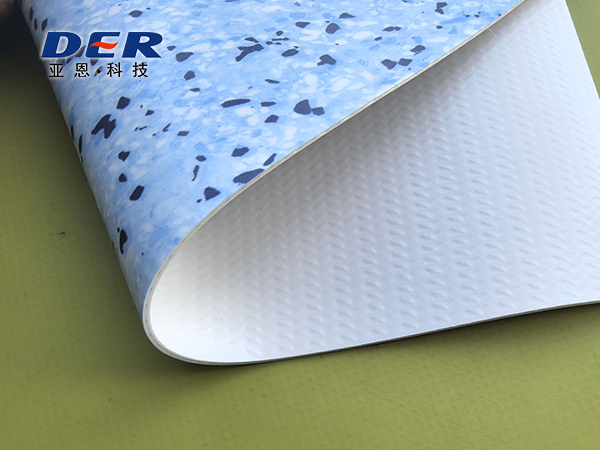
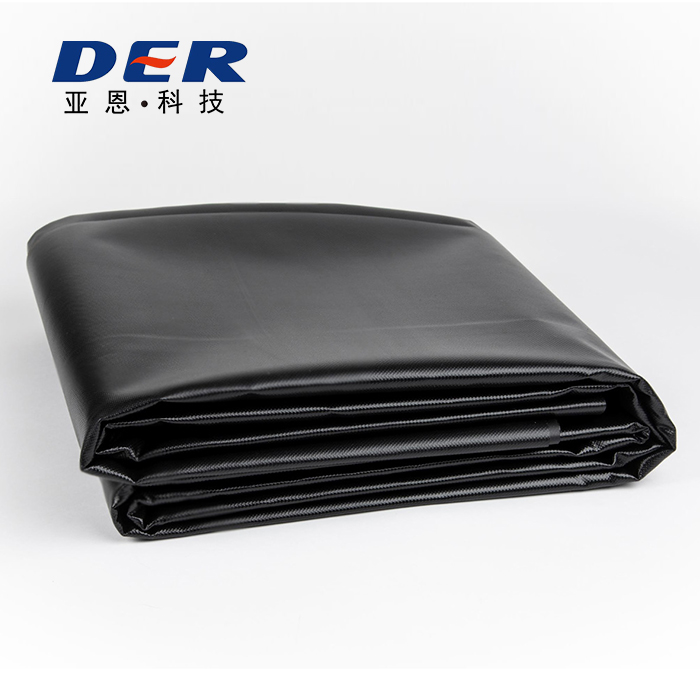
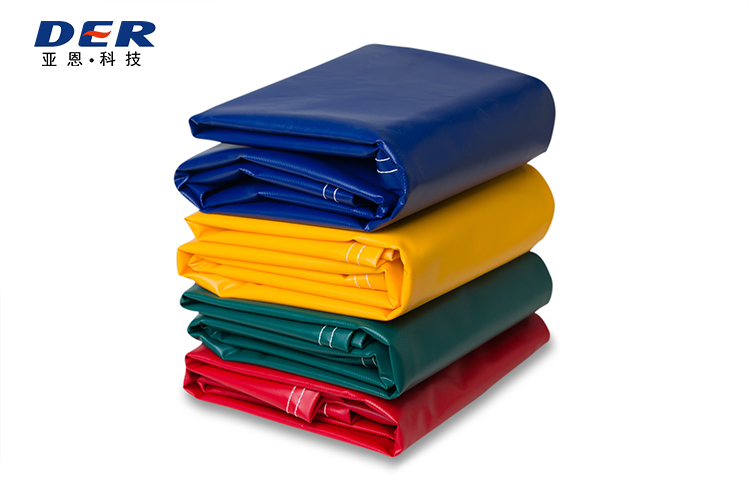

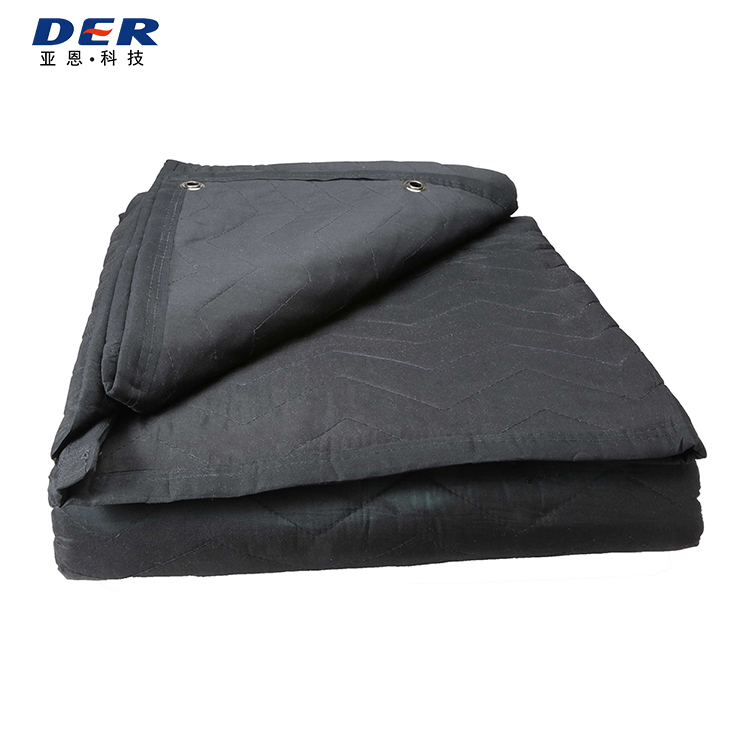
Our products are widely used in our residential and industrial area, which can be used for producing tents, outdoor covering, flexible ventilation tube, water bladders, inflatable castles, architecture membrane structures, etc. Our main products: PVC coated fabrics, PU/TPU coated fabrics, Oxford fabric, PVC ceiling film, flexible banner material. Welcome to our site and order online.