Heavy Duty Tarps Manufacturer | Industri..
- 2026-09-13

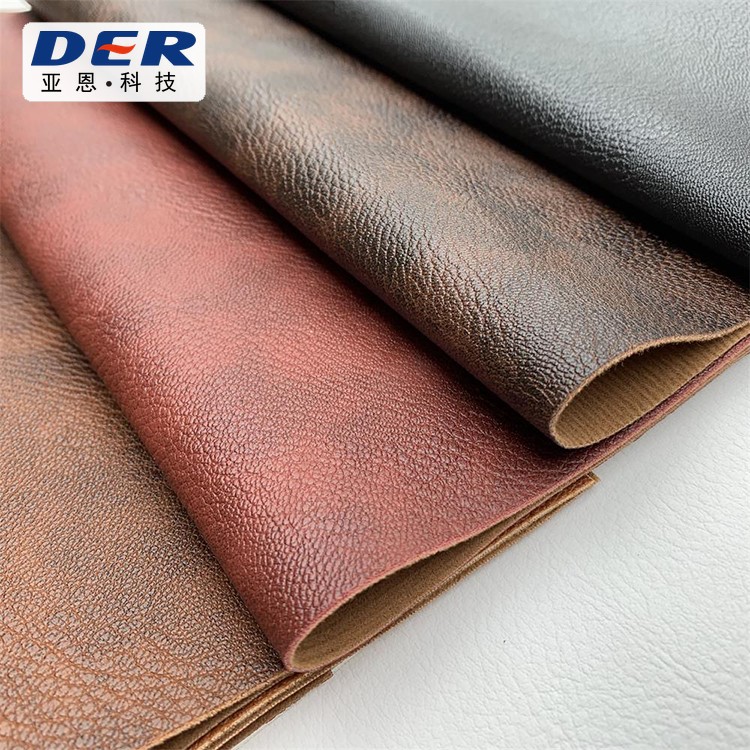
PU leather and PVC leather can look similar, but they use different surface polymers and often behave differently in touch, flexing, moisture exposure, cleaning and aging. This guide turns that chemistry difference into a practical specification decision for furniture, automotive interiors, bags, medical upholstery and OEM products.
Buyer rule: compare the exact grade—not only the polymer name. Backing, coating thickness, topcoat and formulation can change performance substantially.
 Polymer-coated material sourcing and custom project review
Direct answer
PU leather uses a polyurethane-based surface system; PVC leather uses a polyvinyl chloride-based surface system. In many commercial grades, PU is selected when softness, flexibility, drape and a more refined hand feel matter. PVC is often selected when a stronger moisture barrier, easy cleaning, firmer body and cost control are important. Neither material is automatically better: the backing, total thickness, topcoat, formulation and end-use conditions can matter as much as the polymer family.
Quick choice: touch-led and flexible product → start by evaluating PU. Utility-led, moisture-heavy or frequent wipe-down product → start by evaluating PVC. Critical OEM project → test both exact grades against the real application before approval.
Side-by-side buyer guide
The most useful comparison is not “which is better?” but “which construction better matches the product and failure risks?” Use the table as a sourcing starting point, then approve a physical sample and agreed test requirements.
| Selection factor | PU leather | PVC leather | What the buyer should verify |
|---|---|---|---|
| Surface polymer | Polyurethane-based | Polyvinyl chloride-based | Confirm full composition, backing and topcoat—not only the trade name. |
| Typical hand feel | Often softer, warmer and more supple | Often firmer or more structured; soft grades also exist | Approve touch, tack, grain depth and gloss on the actual sample. |
| Flexibility & drape | Commonly favored for wrapping, folding and comfort | Can provide more body and shape retention depending on grade | Test actual bend radius, seam, crease and forming process. |
| Breathability | Can be higher in microporous constructions | Conventional PVC surfaces are usually less vapor permeable | Request a test method if vapor permeability is a functional requirement. |
| Moisture barrier | Good in many coated grades, but construction-dependent | Frequently chosen for a robust, non-porous barrier | Evaluate face material plus seams, backing and finished-product design. |
| Cleaning | Often wipe-clean; cleaner compatibility varies by topcoat | Often chosen for frequent wipe-down and utility environments | Test the actual disinfectant, detergent, dwell time and cleaning frequency. |
| Cold behavior | Can retain good flexibility when engineered for the temperature range | Some grades become noticeably firmer in cold conditions | Specify cold-flex or low-temperature handling where relevant. |
| Common aging concern | Hydrolysis, flex fatigue, peeling or coating-adhesion loss can occur in unsuitable grades | Plasticizer migration, hardening or cracking can occur in unsuitable formulations | Match accelerated aging to heat, humidity, UV, cleaners and expected use. |
| Appearance | Strong option for fine grain, soft touch and premium styling | Wide color/embossing range; often practical and uniform | Lock approved grain, gloss, color tolerance and master sample. |
| Price direction | Varies widely by resin, backing, finish and performance package | Often competitive for utility programs, but high-performance grades can cost more | Compare quotations at the same thickness, width, backing and test level. |
Material fundamentals
Synthetic leather is an engineered layered material. The visible grain may be nearly identical while the coating chemistry, foam/intermediate layer, textile backing and protective topcoat are completely different. That is why two “PU leathers” can perform differently—and the same is true for PVC leather.
Construction varies by product. Buyers should ask the supplier to identify the actual backing, coating/skin system, total thickness and surface finish used for the quoted grade.
Polyurethane systems can be engineered for low flexural resistance and a supple surface, making them attractive for upholstery curves, bags, footwear, wrapped panels and products where hand feel is part of perceived quality. The final result still depends strongly on backing stiffness and coating build.
Flexible PVC leather is formulated from polyvinyl chloride with additives that control softness and processing. A dense vinyl layer can give strong body, surface barrier and easy-clean behavior. Formulation and temperature can change softness considerably, so sample approval matters.
Durability explained
Service life is grade- and application-dependent. A generic “PU vs PVC lifespan” number is not a reliable purchasing specification. Heat, humidity, UV exposure, repeated flexing, surface cleaning, body oils, abrasion, seam stress and storage conditions can change the dominant aging mechanism.
Some PU systems—particularly unsuitable formulations in warm, humid service—can lose coating integrity through hydrolysis or adhesion failure. High-flex zones may show cracking or peeling first.
PVC depends on formulation to achieve flexibility. Over time, migration or loss of plasticizing components and environmental exposure can change feel and flexibility. Cold conditions can make some grades noticeably stiffer.
Do not approve durability from a showroom swatch alone. Ask for the same product code that will be mass-produced, then test the exact grade after the aging condition most relevant to your end use.
For related coated-material manufacturing context, DER factory also documents its PVC coated fabric production process and PVC coated polyester fabric construction.
Application-to-material mapping
The table above explains properties; the application map below turns them into a first-pass material direction. “Start with” does not mean automatic approval—performance requirements should still be validated on the exact grade.
Often start with PU. Soft hand, drape and leather-like touch can support a more refined seating experience. Check abrasion, seam strength, hydrolysis, stain resistance and cleaner compatibility.
Often compare PVC first, then PU alternatives. Wipe-clean behavior and moisture barrier can matter more than ultra-soft touch. Test the actual cleaning chemistry and fire requirement.
Often start with PU. Flexibility and fine embossing can support folding, sewing and wrapped edges. Check backing stability, edge cracking, color rub and adhesion.
Compare application-specific PU and PVC. Heat, UV, fogging/VOC, abrasion, flex and appearance requirements can make generic grades unsuitable. Approve against the vehicle program specification.
Use a purpose-designed grade, not a generic polymer label. Barrier, disinfectant compatibility, flex, seam/weld process and required safety testing should drive selection. See DER factory's medical PU coated leather page.
Do not choose by PU/PVC alone. Specify UV, mildew/humidity, hydrolysis, cold-flex, salt/cleaner resistance and backing suitability. Weather-resistant formulations should be validated for the real exposure.
When the application needs a heavier structural coated textile rather than decorative synthetic leather, compare materials such as high-strength PVC polyester fabric or PVC/TPU liquid-bag coated fabric instead of forcing a leather product into the wrong job.
Sample approval protocol
A robust sourcing process compares matched samples under matched conditions. The following sequence closes the gap between “looks good on a sample card” and “works in the finished product.”
Record polymer type, backing, total thickness, surface finish, color/grain reference and product code. Without this baseline, later test results may not describe the bulk material you actually receive.
Wrap, fold, sew, staple, laminate or weld the material using the same radius, tension and process planned for production. Check whitening, wrinkling, seam puckering, edge cracking and recovery.
Choose abrasion, flex, scratch, stain, color-rub or cleaner tests based on the actual application. Test methods and acceptance criteria should be agreed before bulk production.
Where service conditions justify it, condition samples for heat, humidity, UV or cold exposure and then repeat flex, adhesion, color and surface evaluations. Aging can reveal failure modes that a fresh sample hides.
Keep an approved physical standard for color, gloss, grain, hand feel and backing. Use it to align repeated production and incoming inspection rather than relying only on digital photos.
Send the target product, use environment, reference material, grain/color, processing method and required tests. DER factory can review the material direction before quotation.
Specification logic
Polymer name is a category, not a finished specification. For repeatable B2B sourcing, define the material in enough detail that the supplier can quote and reproduce the same construction.
For buyers comparing a PVC leather program with other vinyl-based products, DER factory's vinyl/PVC material page provides additional context on how PVC-coated systems are engineered for different end-use priorities.
Cost & sustainability claims
Resin system, backing type, coating build, thickness, embossing, topcoat, color matching, special performance additives, required testing, order quantity, roll width and packaging can all move price. A thin decorative PU and a high-performance PU are not the same cost class; the same is true for PVC.
For a valid quote comparison, normalize width, thickness, backing, finish and required performance before comparing unit price.
Neither PU nor PVC should be described as environmentally superior from the polymer name alone. PU may use solvent-based, waterborne or other process routes; PVC formulations use different plasticizer and additive systems. Recycled content, restricted-substance compliance, VOC direction and end-of-life options all require product-specific evidence.
Ask for current declarations or test documentation that matches the exact product code and destination market.
RFQ checklist
Furniture, automotive trim, bag, medical cover, panel or other product; indoor/outdoor; temperature, humidity, UV and cleaning conditions.
Preferred PU/PVC direction, backing, thickness, width, stretch/stiffness, grain, gloss, color and reference sample.
Cutting/sewing/wrapping/bonding process, quantity, required tests, packaging, labeling and destination market.
When you do not know the exact construction, send the application and a benchmark sample. A technically useful quotation can then start from the target feel, manufacturing process and failure risks instead of a vague “PU leather” or “PVC leather” description.
People also ask
PU leather uses a polyurethane-based surface system, while PVC leather uses a polyvinyl chloride-based surface system. PU is commonly selected for softness and flexibility; PVC is commonly selected for a firmer structure, moisture barrier and easy-clean utility. Exact results depend on the backing, thickness, formulation and topcoat.
There is no universal winner. PVC can be effective in moisture-heavy and easy-clean applications, while PU can perform well where flexibility and soft handling matter. Compare the exact grade using the abrasion, flex, aging, adhesion and cleaner-resistance requirements that match the product.
PU leather can be more vapor-permeable than conventional PVC leather, particularly in microporous constructions, but breathability is not guaranteed by the polymer name. Request a construction description and test method when this property matters.
PVC leather typically provides a strong moisture barrier through its continuous vinyl surface. Finished-product water resistance also depends on backing, seams, needle holes, edges and construction, so evaluate the complete assembly when leakage matters.
Those are common failure patterns, not fixed rules. Some PU grades can lose coating integrity through hydrolysis, flex fatigue or adhesion loss. Some PVC grades can harden or crack as formulation balance changes with age. Heat, humidity, cleaning and use conditions influence both.
PU is often evaluated first where softness and a refined touch matter. PVC can suit utility or contract seating where wipe-clean performance and moisture resistance are priorities. Commercial seating should be approved against project-specific abrasion, flex, cleaning, stain, flame and aging requirements.
Common sourcing variables include color, embossing/grain, gloss, backing, total thickness, width and selected performance directions. Feasibility and testing should be confirmed for the exact project before bulk production.
Backing, resin/formulation, coating build, thickness, surface finish, color matching, special performance requirements, testing, order volume, width and packaging can all affect cost. Compare quotations on the same construction and test requirements.
Project-specific material review
Send DER factory your application, reference sample, desired hand feel, grain/color, backing, thickness, processing method, quantity and required tests. The goal is to identify a material direction that can be sampled and validated before bulk production.
For a useful quotation, include:
Application · material direction · backing · thickness · width · color/grain · processing method · quantity · testing · destination
Request A QuoteMaterial-selection guidance is general. Final suitability should be confirmed using the exact production grade, agreed test method, finished-product construction and applicable destination-market requirements.
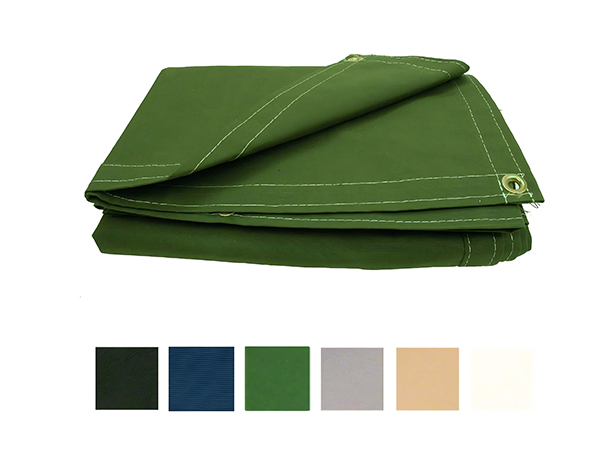
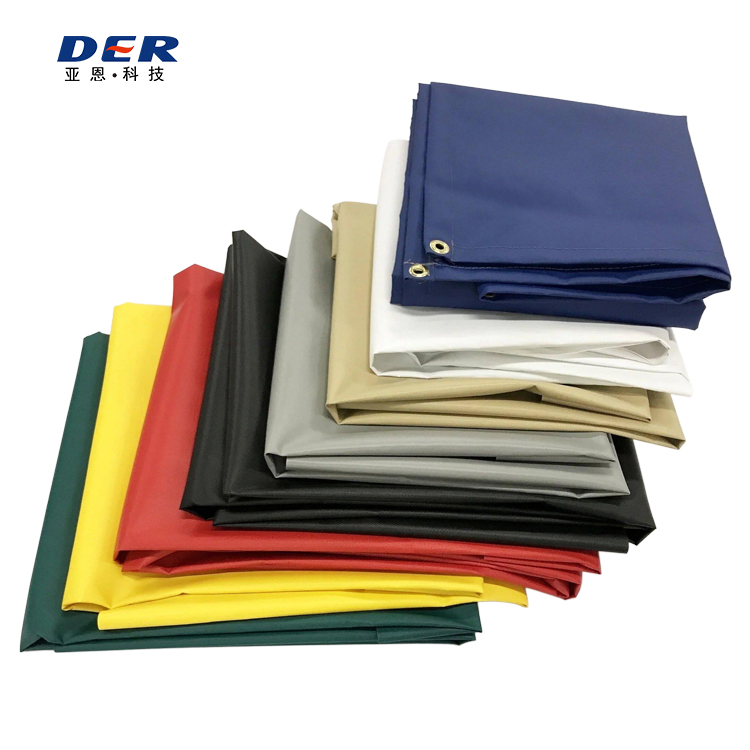
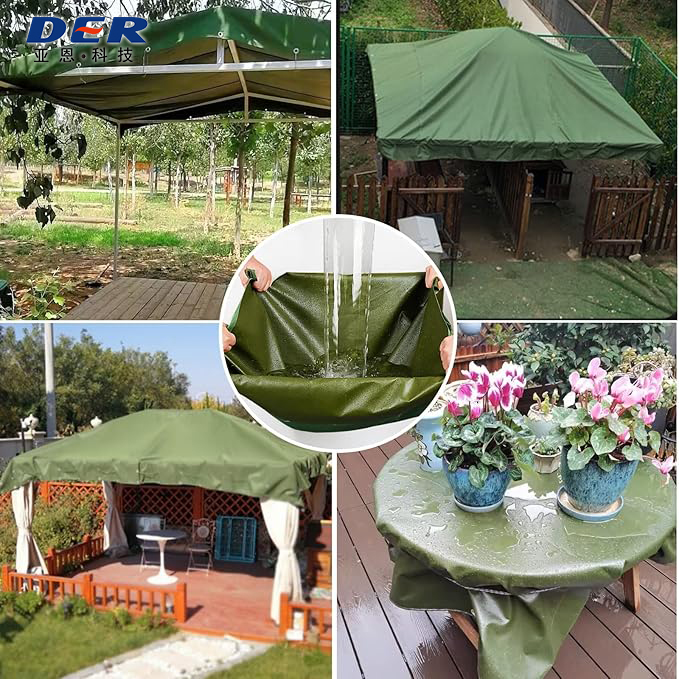
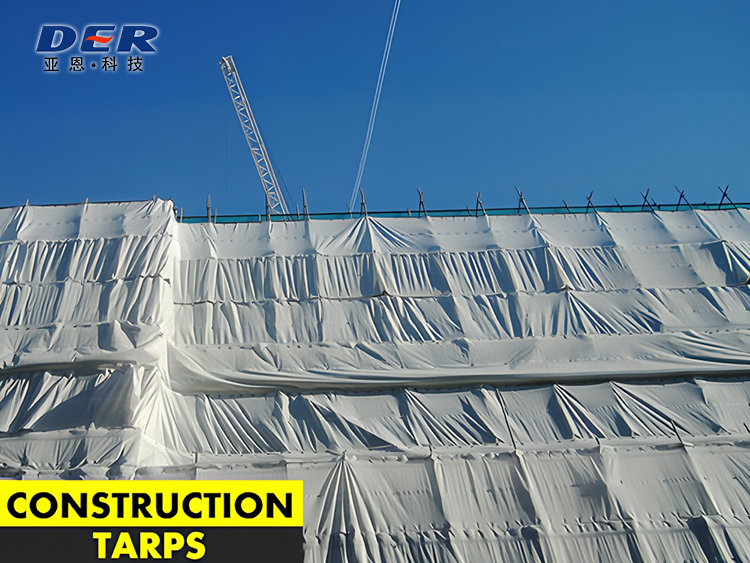
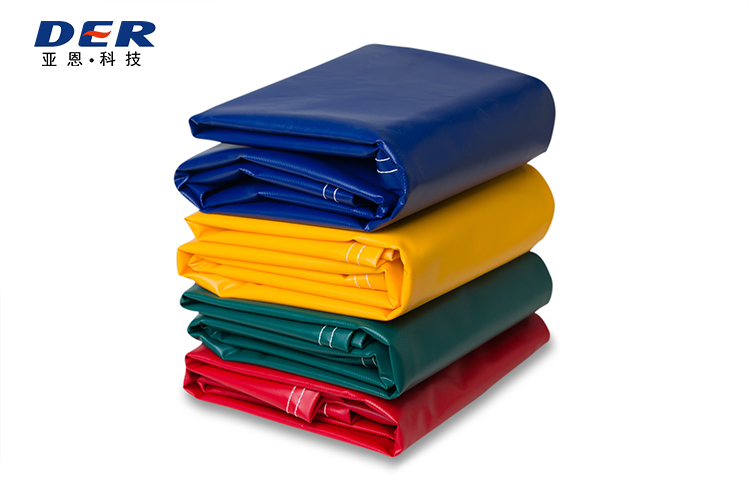
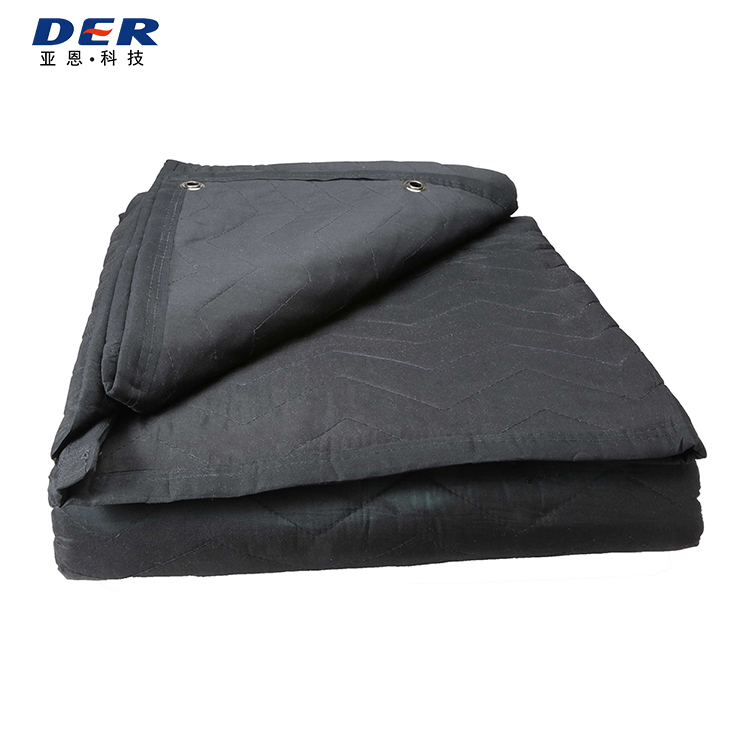
Our products are widely used in our residential and industrial area, which can be used for producing tents, outdoor covering, flexible ventilation tube, water bladders, inflatable castles, architecture membrane structures, etc. Our main products: PVC coated fabrics, PU/TPU coated fabrics, Oxford fabric, PVC ceiling film, flexible banner material. Welcome to our site and order online.