01
Frontlit Flex Banner
For billboards, roadside signs, event graphics, retail promotions and general banners illuminated from the front. Buyers normally compare printable surface, opacity, strength, weight and cost efficiency.

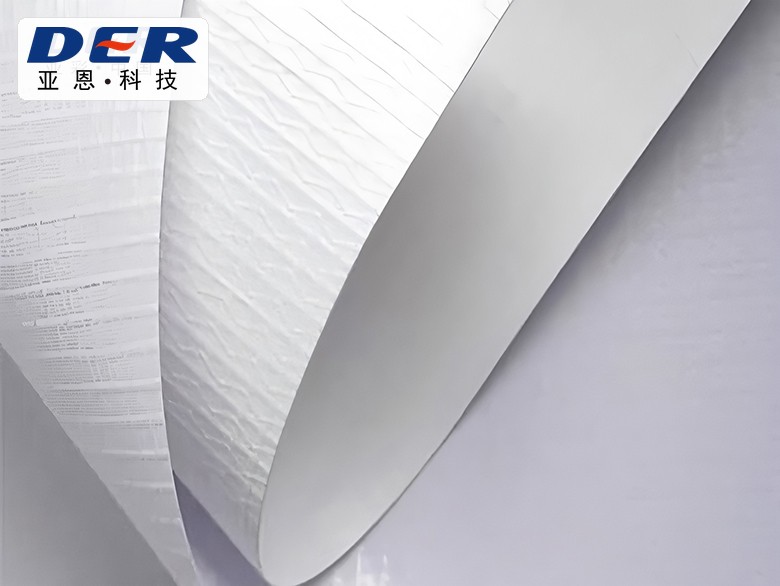
Source frontlit, backlit, blockout and mesh PVC banner materials for billboards, light boxes, street banners, retail graphics, events and wholesale printing-media programs. DER factory supports project-based material selection, roll specifications, surface finish, packaging and OEM supply.
Direct Answer
DER factory’s existing advertising material range covers printable media used by sign makers, converters, printing-material distributors and OEM/private-label buyers.
Product Family
The fastest way to avoid a wrong purchase is to define how light, wind and viewing direction interact with the finished graphic.
For billboards, roadside signs, event graphics, retail promotions and general banners illuminated from the front. Buyers normally compare printable surface, opacity, strength, weight and cost efficiency.
For light boxes and illuminated displays where controlled light transmission and even diffusion matter. Surface uniformity becomes more critical because defects are easier to see after illumination.
For two-sided hanging banners, pole banners and applications where image show-through must be minimized. See DER factory’s double-sided blockout banner material.
For fences, scaffolding, building wraps and other wind-exposed areas. Open structure allows airflow through the graphic. Review vinyl mesh banner material when wind pressure is a primary design factor.
Material Engineering
Printable performance comes from the interaction of the reinforcement, PVC formulation and surface finish. A “same GSM” material can behave differently when yarn construction, coating method or surface treatment changes.
The woven or mesh polyester core contributes dimensional stability, tensile behavior and resistance to tearing around hems, eyelets and tension points.
The PVC system creates the printable, weather-resistant flexible surface. Construction may be laminated or coated depending on performance and price positioning.
Matte, glossy or application-specific surface directions can affect glare, perceived color, ink wetting, drying and handling during wide-format printing.
Specification Logic
The table below is intentionally written as a purchasing framework rather than a fixed catalogue. Final values should be confirmed against the selected construction, printer, target market and agreed test requirements.
| Parameter | Available Direction | Why It Matters to the Buyer |
|---|---|---|
| Material | PVC with polyester reinforcement | Defines the base product family and overall balance of printability, flexibility and mechanical strength. |
| Construction | Frontlit / Backlit / Blockout / Mesh; coated or laminated | Should be selected before weight because construction determines lighting behavior and primary use. |
| Weight / GSM | Project dependent; multiple grades can be discussed | Higher weight can add body and durability, but also affects handling, shipping and cost. |
| Base Fabric | Yarn and weave selected by product grade | Influences tensile behavior, tear resistance, dimensional stability and finishing performance. |
| Width | Standard or custom roll plan after technical review | Match printer width and finished panel layout to reduce seams and trim waste. |
| Roll Length | Standard / customized according to order plan | Affects printer loading, warehouse handling, carton design and freight efficiency. |
| Surface | Matte / glossy / application-specific finish | Changes glare, visual appearance, print handling and market positioning. |
| Color / Backing | White; opaque or special backing direction where applicable | Critical for blockout, two-sided graphics and specific display systems. |
| Ink Compatibility | Confirm solvent / eco-solvent / UV / latex by selected grade | Printer and ink chemistry should be verified before mass production. |
| UV / Weather Requirement | Available depending on application | Outdoor campaigns need different durability expectations from short-term indoor graphics. |
| Flame-Retardant Requirement | Specify required standard before production | Do not assume one FR grade is accepted in every market; project standard must be defined. |
| Packaging | Roll packing, label and OEM packaging can be discussed | Important for distributors, private-label brands and export handling. |
Buyer Decision Guide
The decision should be based on end use and performance target, not on a generic claim that one process is always superior.
Two banner rolls at the same nominal weight can differ in polyester yarn, weave density, PVC formulation, coating distribution and finish. For repeat wholesale programs, request a confirmed construction and approved sample rather than purchasing from weight alone.
Application Mapping
| Application | Recommended Direction | Selection Priority |
|---|---|---|
| Roadside billboard / wall banner | Frontlit PVC banner | Outdoor exposure, printable surface, panel size, strength and installation tension. |
| Retail light box / illuminated sign | Backlit PVC banner | Light transmission, diffusion uniformity, color appearance under illumination and surface consistency. |
| Street pole / hanging two-sided graphic | Blockout / double-sided banner | Opacity, two-side print performance, dimensional stability and edge reinforcement. |
| Fence / scaffold / building wrap | PVC mesh banner | Airflow, wind exposure, mesh opening, liner need, edge finishing and fixing spacing. |
| Trade show / short promotional display | Lightweight printable banner or display media | Flatness, transport weight, print appearance and campaign duration. |
| Window advertising | Perforated window film rather than solid banner in many cases | Visibility from inside, adhesive system, perforation ratio and glass application. Compare one-way vision perforated film. |
Printing & Converting
A banner that looks correct on the roll can still fail in production if the printer chemistry, drying profile or finishing method is not matched to the material.
Provide the printer model and whether the job uses solvent, eco-solvent, UV or latex ink. Compatibility should be confirmed for the exact banner grade before a large order.
Tell the supplier whether the printed banner will be hemmed, welded, sewn, eyeleted, pole-pocketed or tensioned in a frame. Finishing changes the required strength and edge design.
For a new printer, ink, market or large-format application, sample evaluation can reduce risk from unexpected color, drying, adhesion, curling or fabrication behavior.
Quality Control
Wholesale buyers need repeatability between rolls and batches. Quality control should focus on the characteristics that affect printing, converting and installed appearance.
Check reinforcement consistency, visible defects and agreed construction direction.
Review layer uniformity, bonding, surface continuity and obvious pinholes or contamination.
Verify roll width, length, weight direction and tolerance according to the agreed specification.
Inspect smoothness, finish, color consistency and suitability for the agreed printing process.
Tensile, tear and related tests can be specified where the project or buyer requires documented values.
Critical for blockout and backlit media; test the property that matches the intended display system.
Good winding and edge alignment help reduce handling problems and printer feeding issues.
Confirm core, protective wrapping, labels, cartons or pallets against the export and OEM plan.
Testing can be arranged according to agreed project requirements. Required standards should be specified during quotation rather than assumed.
Wholesale & OEM
For distributors and converters, the buying problem is usually not one roll—it is building a repeatable product program across different price points and end uses. DER factory can discuss roll goods, bulk supply, custom specification direction, packaging and OEM/private-label requirements after technical review.
Build a range that separates economy frontlit, standard advertising media, premium coated grades, blockout, backlit and mesh rather than selling overlapping products with unclear positioning.
Discuss custom labels, roll marks, packing direction, carton information and repeat-order specification control for wholesale programs.
Approve the intended construction and printing performance before bulk production, especially when replacing an existing supplier or entering a new market.
DER factory Image Sources
These DER factory pages contain product imagery directly related to PVC banner, coated banner, blockout, mesh and installed banner applications. Use the original image files from these pages in the CMS when publishing this page so the final image URLs remain on DER factory.
Use concise descriptions such as “PVC flex banner material roll for wide-format printing”, “coated frontlit PVC banner surface”, “blockout double-sided banner layer”, “PVC mesh banner with reinforced eyelets”, and “printed vinyl banner installed on outdoor fence”. Avoid repeating manufacturer/supplier/factory terms in every alt attribute.
RFQ Checklist
A better RFQ reduces back-and-forth and makes it easier to compare like-for-like offers from different suppliers.
Frequently Asked Questions
It is typically made from a polyester reinforcement combined with printable PVC layers or coating. The exact construction varies by frontlit, backlit, blockout or mesh use and by the chosen production process.
Frontlit material is viewed with light coming from the front. Backlit material is designed for light boxes and other illuminated displays where light comes through the banner. Blockout material contains an opaque layer that reduces show-through, making it suitable for two-sided or opacity-critical signs.
Not automatically. Laminated material can be a practical choice for price-sensitive promotional work, while coated grades are commonly considered when surface consistency or stronger performance is required. The correct choice depends on campaign duration, print system, installation and target price.
These are common printing systems for PVC banner products, but compatibility should be confirmed for the exact selected grade. Include your printer model and ink type in the RFQ and test a sample when changing media.
Do not choose by GSM alone. Outdoor performance also depends on yarn construction, coating or lamination, installation tension, wind exposure, hems, eyelets and support spacing. Send the application and finished size so the material direction can be matched to the job.
OEM, bulk and wholesale requirements such as roll format, surface direction, label and packaging can be discussed after technical review. Final specification, minimum order and production timing should be confirmed during quotation rather than assumed.
Project-specific functional requirements can be discussed. If your market requires a particular flame-retardant, UV, cold-weather or other test standard, state that requirement before production so the correct material and test plan can be evaluated.
Send your banner type, printer/ink system, roll width, surface finish, target application, quantity and any OEM or performance requirements. DER factory can review the specification direction before quotation.
Previous:period
Next:What Is a Tarp in Mining? Mining Tarps, Uses & Selection | DER factory
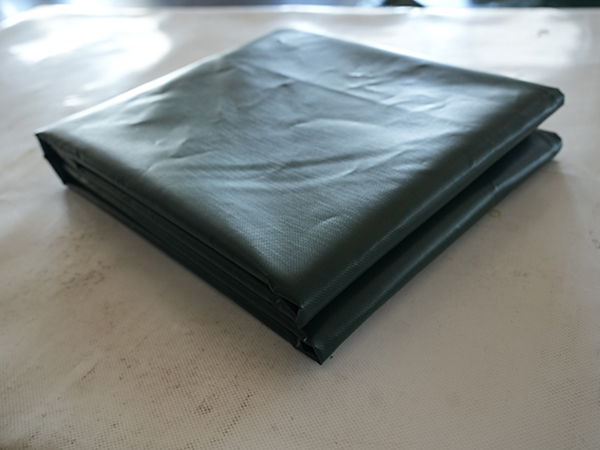
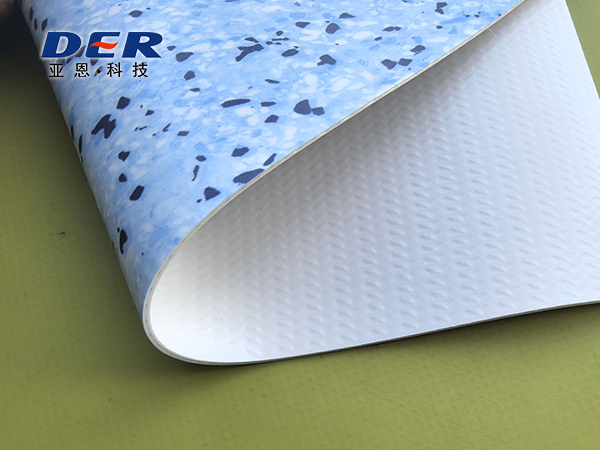
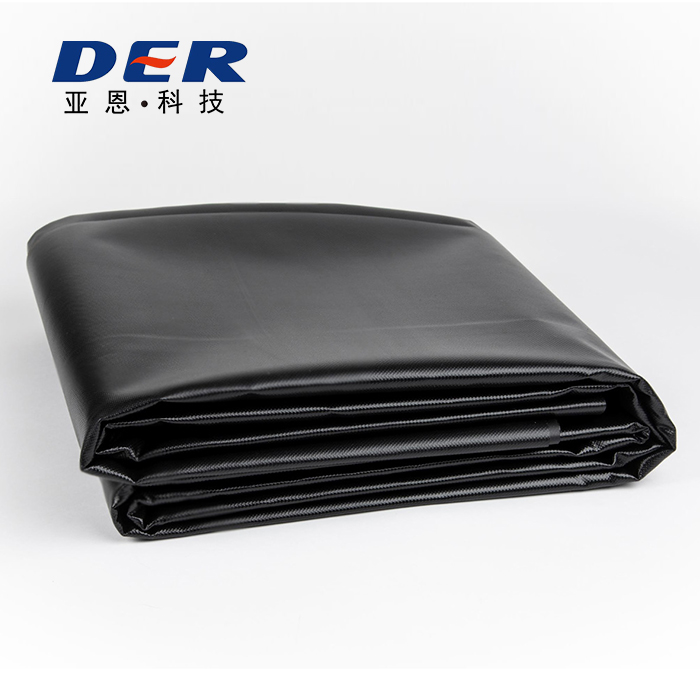
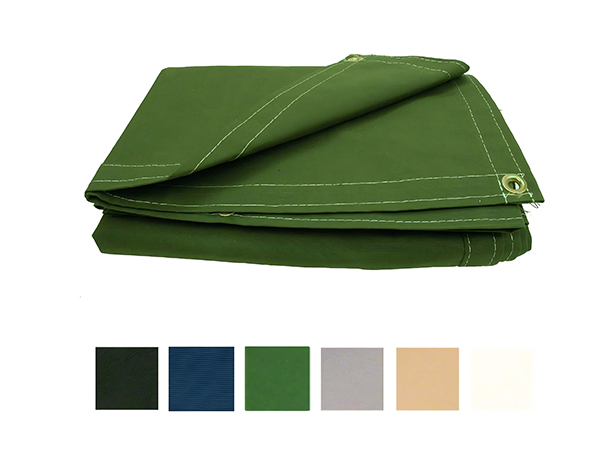
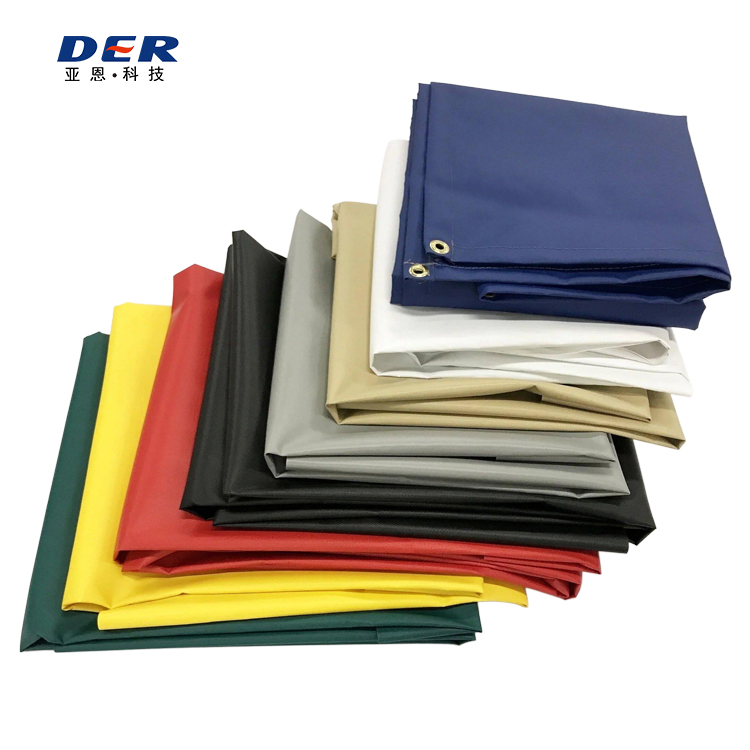
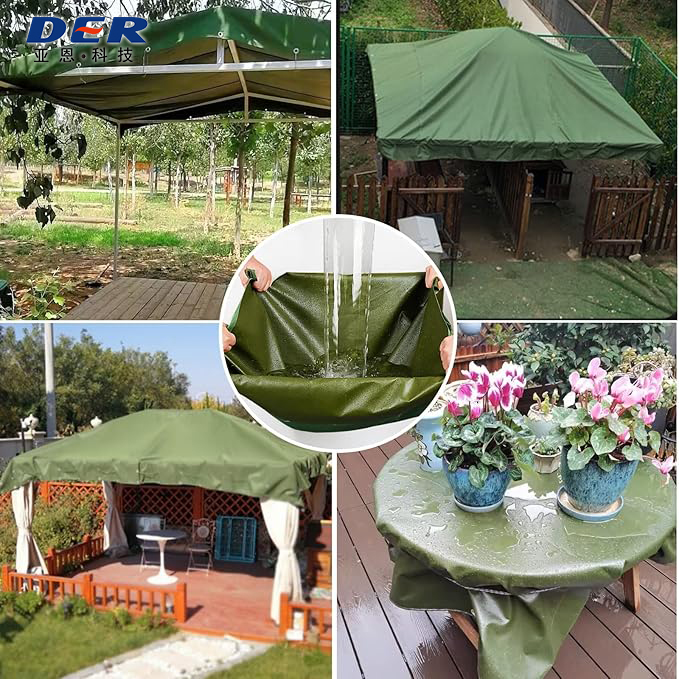
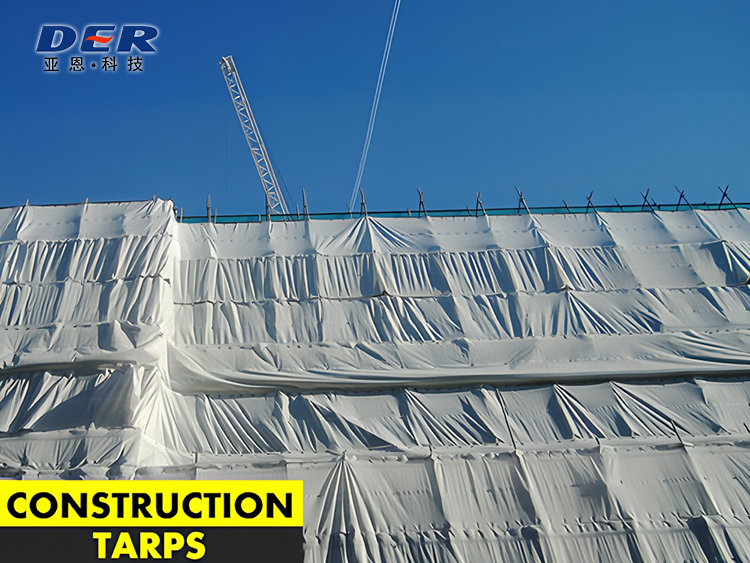
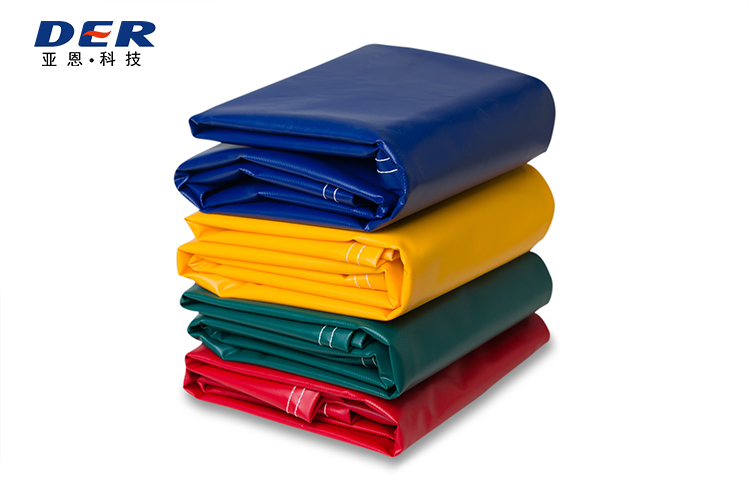
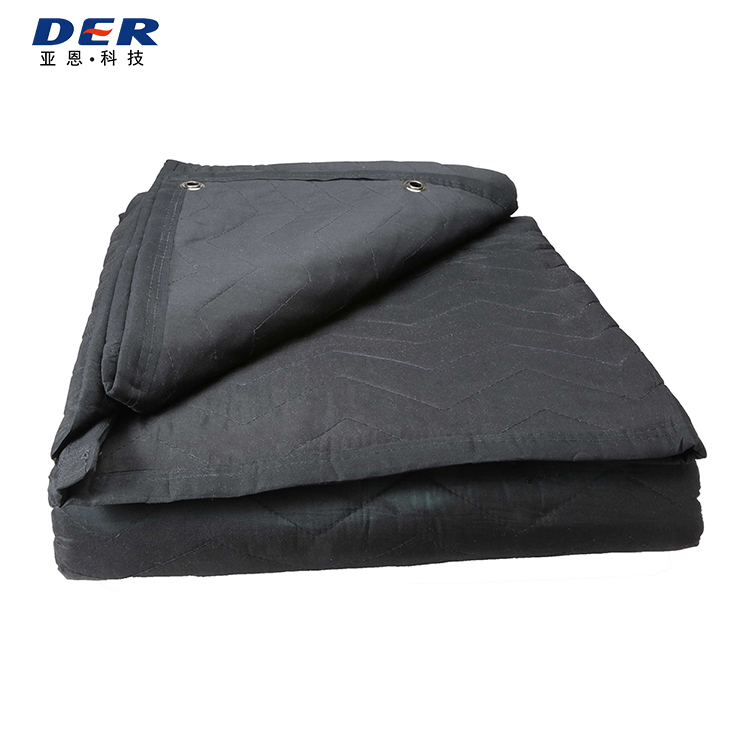
Our products are widely used in our residential and industrial area, which can be used for producing tents, outdoor covering, flexible ventilation tube, water bladders, inflatable castles, architecture membrane structures, etc. Our main products: PVC coated fabrics, PU/TPU coated fabrics, Oxford fabric, PVC ceiling film, flexible banner material. Welcome to our site and order online.