Define the end use first
Truck covers, construction tarps, industrial curtains, liners and temporary structures can all use PVC-coated textiles, but their load, flexing, abrasion and exposure profiles differ.

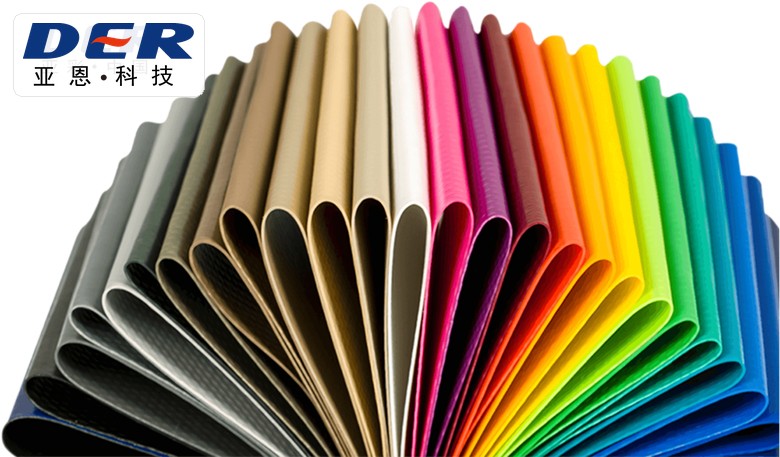
DER factory supports buyers sourcing PVC coated fabric for tarpaulins, transport covers, industrial curtains, shelters, protective covers and custom converted products. Instead of choosing a roll by GSM alone, the project is reviewed around the textile reinforcement, PVC layer, usable width, surface, weather exposure, welding or sewing method, functional requirements and finished-product design.
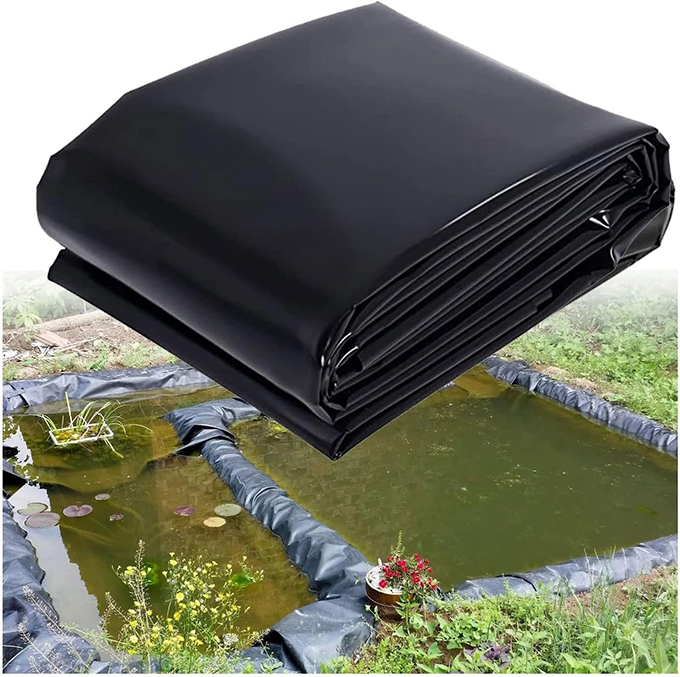
A PVC coated fabric manufacturer supplies a reinforced textile combined with a polyvinyl chloride surface system, normally as roll goods for later cutting, welding, sewing, printing or fabrication. The textile reinforcement contributes tensile strength, tear resistance and dimensional stability; the PVC layer creates the protective surface and influences waterproofing, cleanability, flexibility, weldability, color and weather performance. For industrial buyers, the important specification is the complete construction—not one headline number. DER factory can review substrate direction, weight or thickness, usable width, roll format, color, surface finish, functional options and downstream fabrication requirements before the material is confirmed.
A useful PVC fabric factory relationship starts with specification control. The buyer should be able to connect the end product to the base textile, coating construction, surface, roll format, conversion method and inspection plan so the quotation represents the material actually needed.
Truck covers, construction tarps, industrial curtains, liners and temporary structures can all use PVC-coated textiles, but their load, flexing, abrasion and exposure profiles differ.
Record the substrate direction, coating type, weight/thickness target, width, surface and functional requirements. The same GSM can hide different internal structures.
If the material will be HF welded, hot-air welded, sewn, printed or reinforced, sample evaluation should reproduce that process as closely as practical.
Use an approved sample, written specification, color reference and agreed inspection items so later orders can be compared against the same target.
If you need a general material definition and a broader product overview, see DER factory's PVC coated polyester fabric page. This page is intentionally focused on manufacturer selection, factory-side specification logic, roll purchasing, conversion compatibility and RFQ preparation.
PVC coated fabric is best understood as a system of layers. The reinforcement carries mechanical loads, the PVC forms the protective layer, and optional surface treatments tune appearance, cleaning, weathering or downstream processing.
A woven textile—commonly polyester for industrial tarpaulin-type materials—provides the internal structure. Yarn size, weave density and construction influence tensile strength, tear behavior, dimensional stability, drape and finished-product weight.
Polyvinyl chloride covers and anchors to the textile. Coating build affects waterproof barrier performance, abrasion behavior, surface feel, flexibility and welding response. Single- or double-side requirements should be specified rather than assumed.
Color and application-specific additives may be incorporated according to the project. UV resistance, flame-retardant performance, low-temperature behavior or other requirements should be defined during quotation and linked to the required test method when applicable.
Gloss level, matte appearance, lacquer direction, embossing or print-oriented surfaces can change appearance, cleanability and fabrication behavior. A physical sample is the safest reference for visual and tactile acceptance.
Illustrative layer logic only. The exact construction, coating build and finish depend on the approved project specification.
GSM measures mass per square meter; it does not reveal how that mass is divided between the textile reinforcement and the PVC layer. Two fabrics with similar GSM can behave differently if yarn, weave, coating build, surface treatment or formulation differs.
A heavier surface does not automatically mean higher tensile or tear performance. Ask how the base textile is constructed and request the strength values that matter for the project.
Thickness, formulation and surface finish influence fold behavior, weld window, abrasion and handling. A converter should test the intended welding or sewing process, not rely on weight alone.
A suitable wider roll can reduce panel seams and labor, while an unnecessarily wide roll can increase handling difficulty or waste. Evaluate usable width against the cutting plan.
Sun, heat, cold and moisture exposure should be part of the grade definition. If UV or temperature performance is critical, state the service environment and required test basis.
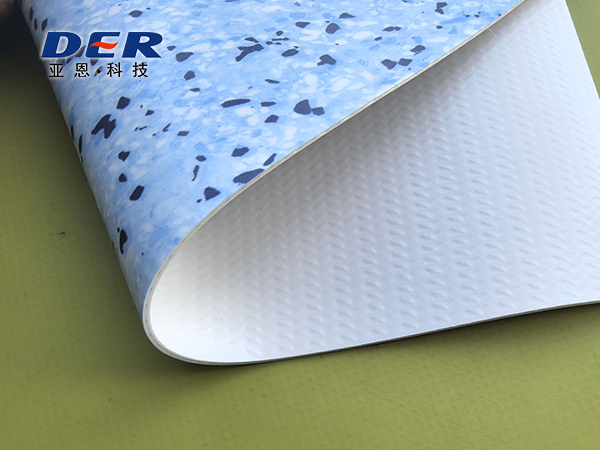
Two glossy blue rolls may look almost identical in a photograph but use different reinforcement, coating build or finishing. Approve the technical specification together with the visual sample.
Even a strong coated textile can fail at a poorly placed seam, sharp edge, grommet or unsupported load point. Material specification and fabrication design should be reviewed as one system.
The most useful specification table separates confirmed requirements from values that still need technical review. This avoids creating a quotation around assumed dimensions or performance claims.
| Parameter | Project Direction | Why the Buyer Should Specify It |
|---|---|---|
| Material | PVC coated reinforced textile; polyester-based direction commonly used for industrial tarp applications | Defines the product family and affects strength, flexibility and fabrication. |
| Construction | Coated structure; single/double-side or special build to be confirmed | Coating arrangement influences surface, barrier and processing behavior. |
| Base fabric | Yarn / weave / density selected around target mechanical performance | GSM alone cannot describe reinforcement strength. |
| Weight | Customizable / project dependent | Important for handling and cost, but must be read with construction. |
| Thickness | Available on request; confirm measurement basis | Influences fold, abrasion and welding behavior. |
| Usable width | Project dependent; specify cutting-plan requirement | Can reduce seams and material waste when matched to finished panels. |
| Roll length | Confirm before production | Affects conversion planning, handling and packaging. |
| Color | Project color / approved physical reference | Color should be linked to an agreed reference for repeat orders. |
| Surface | Gloss, matte, lacquered, embossed or project-reviewed option | Changes appearance, cleanability and sometimes downstream processing. |
| Tensile / tear target | Specify required values or end-use load expectation | Mechanical requirements are more useful than choosing only by weight. |
| UV requirement | Available depending on project requirements | State outdoor exposure, climate and any test requirement. |
| Flame-retardant requirement | Optional; required standard/test method must be confirmed | “FR” is not one universal level; define the target before production. |
| Fabrication method | HF welding, hot-air welding, sewing or combination after compatibility review | Material approval should reflect how the converter will actually make the product. |
| Packaging | Roll core, wrapping, labels and pallet/carton direction as required | Protects roll quality and supports warehouse identification. |
| Testing / documentation | Confirm project requirement during quotation | Prevents unplanned compliance or test work after production begins. |
Start with the service conditions and conversion process, then work backward to the material. This sequence is more reliable than starting from a supplier's stock GSM list.
Will the material stay fixed, flap in wind, fold daily, slide over cargo or wrap around equipment? Repeated flexing and abrasion change what matters in the substrate and surface.
Indoor/outdoor use, sun, rain, cold, heat, chemicals, dirt and cleaning determine whether special formulation or finish needs to be reviewed.
Identify tension zones, tie-down points, corners, seams and unsupported spans. These often determine tear-strength and reinforcement needs more directly than overall tarp area.
State whether the material will be HF welded, hot-air welded, sewn, printed or fitted with hardware. A trial made on the actual equipment can reduce production risk.
Compare roll width with the finished panel layout. Reducing one seam may save labor, but only if the wider roll is practical for the converter's table, welding line and handling.
Keep the approved sample, specification and color/surface reference together. The sample confirms appearance; the written specification confirms what cannot be seen.
Neither construction is automatically “better” for every job. Compare the finished material on adhesion, flexibility, surface, strength, conversion behavior, intended service cycle and cost rather than choosing only by process name.
| Decision Area | PVC Coated Direction | PVC Laminated Direction | Buyer Question |
|---|---|---|---|
| Layer integration | Coating is applied to the textile as part of the material build. | PVC film/layers are bonded or laminated with the textile. | Which construction has been proven in your service environment? |
| Surface / hand | Can be engineered through coating and finishing choices. | Can offer a different surface feel and visual structure. | Do you need a specific gloss, texture, stiffness or folding behavior? |
| Fabrication | Often selected for industrial welding and repeated-use covers, subject to exact grade. | Can also be weldable depending on the laminate and formulation. | What welding/sewing equipment will be used? |
| Durability | Depends on substrate, coating build, adhesion and formulation. | Depends on substrate, film layers, bonding quality and formulation. | What abrasion, flexing and weather cycle is expected? |
| Cost comparison | Compare against the required performance and usable yield. | May suit cost-sensitive or specific construction programs depending on grade. | Are quotes based on the same usable width, weight, strength and finish? |
If the project requires a completed cover rather than roll material, the fabric is only one part of the design. DER factory's vinyl tarps page shows how material is converted into finished waterproof covers with hems, reinforcement and fastening details.
A disciplined sourcing program converts the application into a controlled specification before bulk production. The exact production route depends on the selected grade, but the buyer-side decision flow should remain clear.
Send the end use, sample/TDS, required width, color, quantity, fabrication method and any performance or test requirements. A reference sample can make comparison faster than a generic “same quality” request.
The correct priorities depend on the application. Waterproofing may dominate one project, while tear strength, welding, low-temperature flex, flame-retardant performance or cleanability may be more important in another.
Coating integrity creates the material barrier; finished waterproofing also depends on seams, holes, stitching, edges and installation.
Match mechanical targets to wind, tie-down loads, tension, handling and local stress rather than choosing the highest number by default.
Truck loads, machinery edges and frequent folding can create surface wear. Describe contact points and handling cycle during material review.
State the welding process and equipment. Surface treatments and formulation can affect the practical welding window.
Outdoor exposure should be specified with climate and expected service conditions. Testing requirements should be stated before production.
For safety-sensitive applications, define the required standard or test method. See DER factory flame-retardant fabric for a dedicated material direction.
Cold folding, repeated rolling and hot environments can change required formulation and handling. Give the service temperature if it is critical.
Gloss, lacquer, texture and formulation can influence dirt release and cleaning. Confirm allowed cleaning chemicals for the final application.
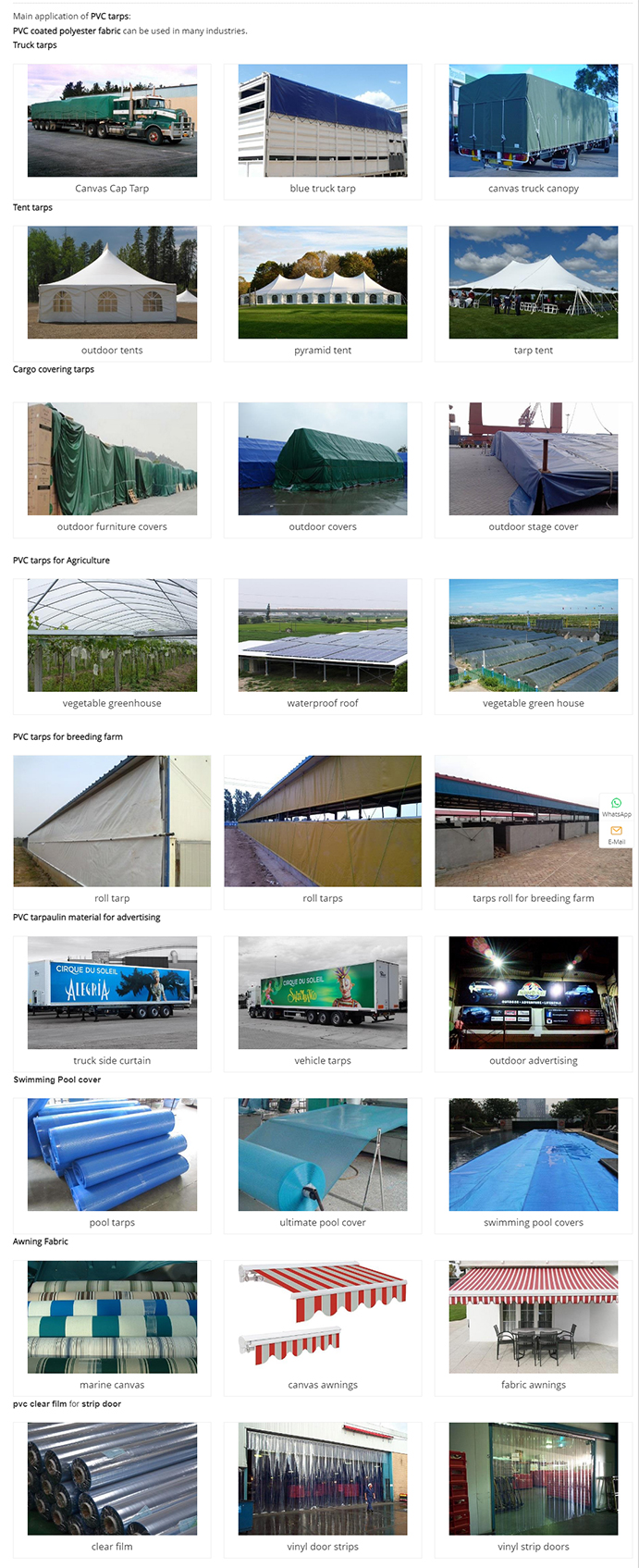
PVC coated textile is used wherever a flexible reinforced waterproof surface must also be cut, joined or fabricated. Each application should emphasize a different part of the specification.
Transport tarps face wind, repeated handling, tie-down loads and abrasion around cargo and vehicle hardware.
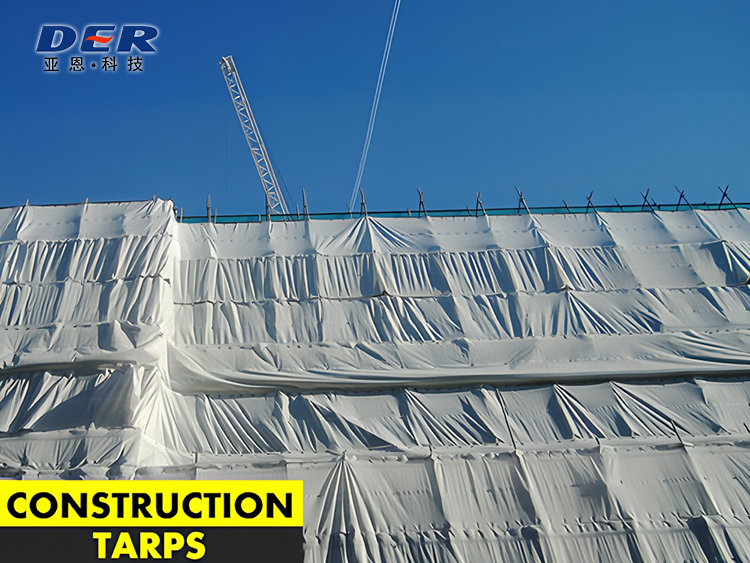
Temporary roofs, scaffolding covers and material covers need weather protection with practical installation and handling.
See construction tarps for the finished application.
Flexible dividers and workshop barriers may be opened, folded or cleaned frequently.
Protective covers may sit against corners, handles and protrusions while being removed repeatedly.
Review DER factory construction equipment covers for a fabricated-use reference.
Reusable pallet covers combine flexible protection with warehouse handling, identification and repeat sizing.
See DER factory pallet protective covers.
Containment applications depend on a continuous coated surface and reliable welded seams, but compatibility must be checked for the actual contents and supporting surface.
Roll specification and fabrication specification should be connected. Width, surface, flexibility and coating system can affect how efficiently the material cuts, welds, sews, reinforces and packs.
For converters that cut and weld in-house. Confirm usable width, roll length, core/packing, color identification and any edge requirements.
Converter supplyRepeat rollsLarge panels can be joined by a compatible welding method where the selected material and equipment permit. Seam direction should be planned around loads and finished dimensions.
Panel joiningWaterproof seamsSewing is useful for selected hems, pockets and assemblies but introduces needle penetrations. Do not assume a sewn seam has the same water barrier as a welded seam.
HemsAssembliesWebbing, double layers, patches and reinforced edges can move stress away from grommets, D-rings, corners and attachment points.
Stress zonesEdgesGrommets, eyelets, D-rings, rope, hook-and-loop, zipper or other accessories should be selected around load, handling and corrosion environment.
FasteningAccessLogo, labels, roll marks and packaging can be reviewed for repeat programs. Printing compatibility should be checked against the actual surface and print system.
BrandingPackingA practical quality plan measures the properties tied to the approved specification and the buyer's conversion risk. Not every project requires the same test package, so required standards and reports should be agreed before production.
Check the specified substrate direction, weave appearance and any agreed reference properties before coating.
Review surface uniformity, coating defects, color and the agreed material build through production controls.
Measure against the agreed tolerance and measurement method rather than a generic catalog value.
Confirm usable width, length identification and roll condition because these affect converter yield.
Tensile, tear or other mechanical tests can be included when required by the approved project specification.
Where important, evaluate welding, sewing, adhesion or printing on the approved grade and actual process conditions.
Check color, surface, contamination, creases and visible defects against the agreed quality level and sample.
Confirm roll labels, wrapping, cores and project identification so received material can be matched to the order.
If the project needs a specific ASTM, EN, DIN, NFPA or other method, provide the exact standard/version and acceptance requirement. Testing can be arranged according to agreed project requirements; it should not be inferred from a generic “industrial grade” description.
Put every supplier on the same comparison sheet. A unit price has little meaning if the base fabric, coating construction, usable width, surface, testing or packing is different.
| Compare This | Why It Changes the Result | What to Request |
|---|---|---|
| Base textile | Changes strength, tear behavior, dimensional stability and weight distribution. | Yarn / weave direction or agreed mechanical targets. |
| Coating construction | Changes barrier, surface, abrasion, flexibility and conversion behavior. | Coated/laminated direction, side structure and sample. |
| GSM + thickness | Shows material mass and build but not strength by itself. | Nominal values plus agreed tolerance / measurement method. |
| Usable width | Changes cutting yield and number of seams in the final product. | Usable—not only nominal—roll width. |
| Performance requirements | UV, FR, cold flexibility or other requirements can change formulation and cost. | Exact performance target and test method where needed. |
| Conversion compatibility | A material that does not weld or print reliably can create more cost than its price saving. | Sample or trial roll for your actual process. |
| Packaging | Core, wrap, pallet/roll handling and labels influence transit and warehouse efficiency. | Agreed roll packaging and identification. |
| MOQ / lead time | These vary by construction, color, width, quantity and test requirements. | Confirm only after the final specification is fixed. |
A detailed RFQ reduces back-and-forth and makes supplier quotations more comparable. Even if some values are unknown, the application and conversion method provide a useful starting point.
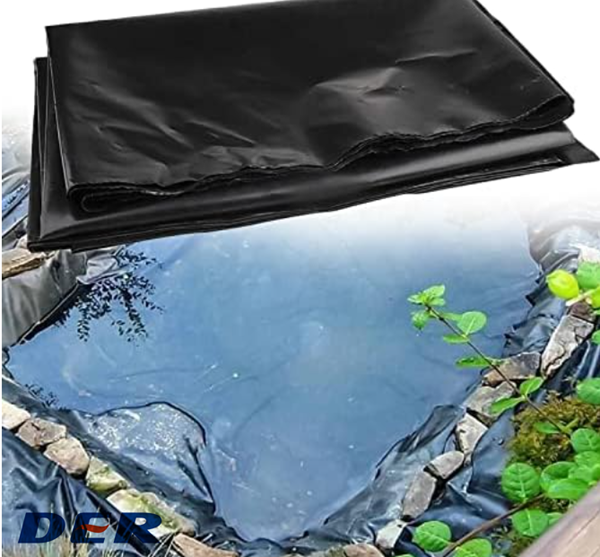
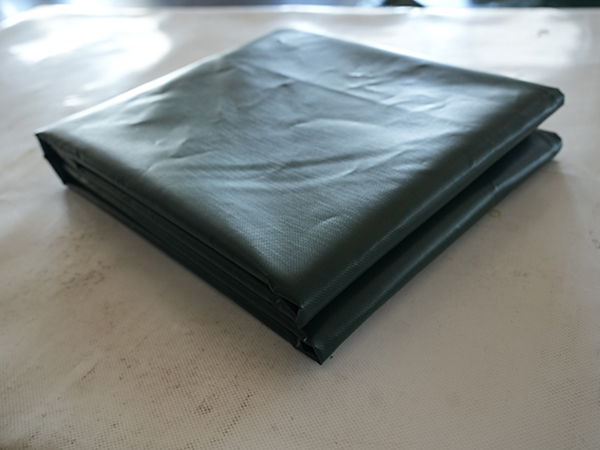
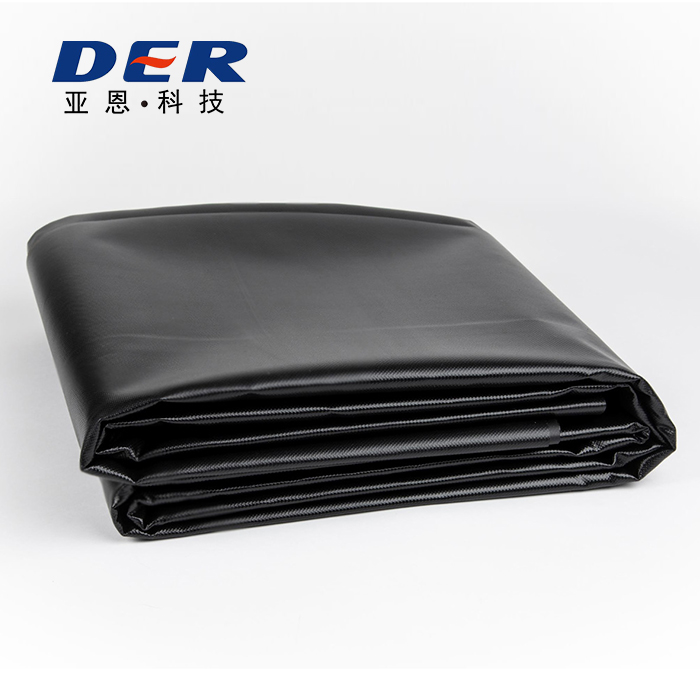
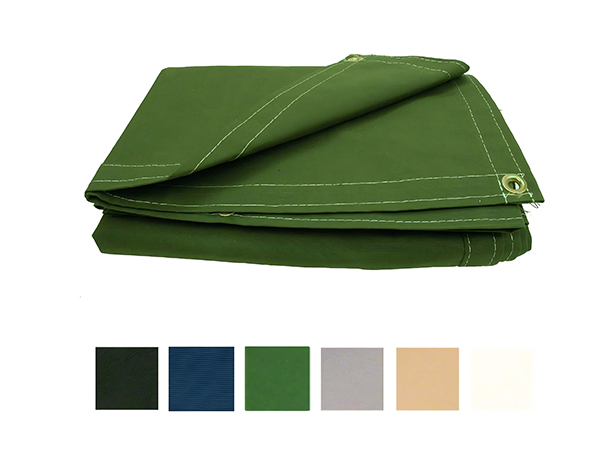
The images below use files from the DER factory website. They show reinforced PVC material and practical application directions without using competitor, stock-photo or AI-generated product imagery.
These questions address the material, sourcing and factory-comparison issues buyers typically need to resolve before sampling or bulk purchasing.
PVC coated fabric is a reinforced textile covered with polyvinyl chloride. The textile substrate carries tensile and tear loads, while the PVC layer creates a protective surface that can improve waterproofing, cleanability, weather resistance and weldability depending on the formulation and construction.
Specify the end use, base-fabric requirement, target weight or thickness if known, usable width, roll length, color, surface finish, outdoor exposure, UV or flame-retardant requirements, welding or sewing method, quantity, required testing, packaging and destination. A reference sample or TDS is especially useful.
Coated and laminated fabric use different ways to combine PVC with the textile substrate. The practical choice should be based on adhesion, surface consistency, flexibility, strength, welding behavior, service environment and cost. Compare approved samples and technical specifications rather than assuming one process is always superior.
A continuous PVC coating can provide a waterproof material barrier. However, the finished product is only as waterproof as its seams, welds, stitching, penetrations, edges and installation. If rainproof or liquid-containment performance is critical, specify both material and finished seam requirements.
Many PVC-coated fabric constructions are compatible with high-frequency or hot-air welding. The exact welding window depends on coating formulation, thickness, surface treatment and the equipment used. Tell the manufacturer the intended welding method before sample approval.
DER factory can review custom material and roll requirements including color, width, weight direction, surface finish and functional options. Feasibility and final values should be confirmed after technical review and sampling, especially where a special width, color or performance test is required.
Compare every quote against the same approved specification: base fabric, coating construction, GSM/thickness, usable width, roll length, color, surface, mechanical targets, functional requirements, testing, packaging and commercial terms. If these inputs differ, the prices are not directly comparable.
MOQ and lead time depend on construction, color, width, surface treatment, functional requirements, order quantity, testing and packaging. Confirm both only after the technical specification is fixed. A generic MOQ or lead time can be misleading for a custom-coated textile program.
Send your application, target material or sample, required width, color, quantity, conversion method and any UV, flame-retardant, mechanical, testing or finished-fabrication requirements. DER factory can review the project and confirm the specification direction before quotation.
Request A QuotePrevious:period
Next:OEM Tarpaulin Manufacturer | Private Label Tarp Production | DER factory
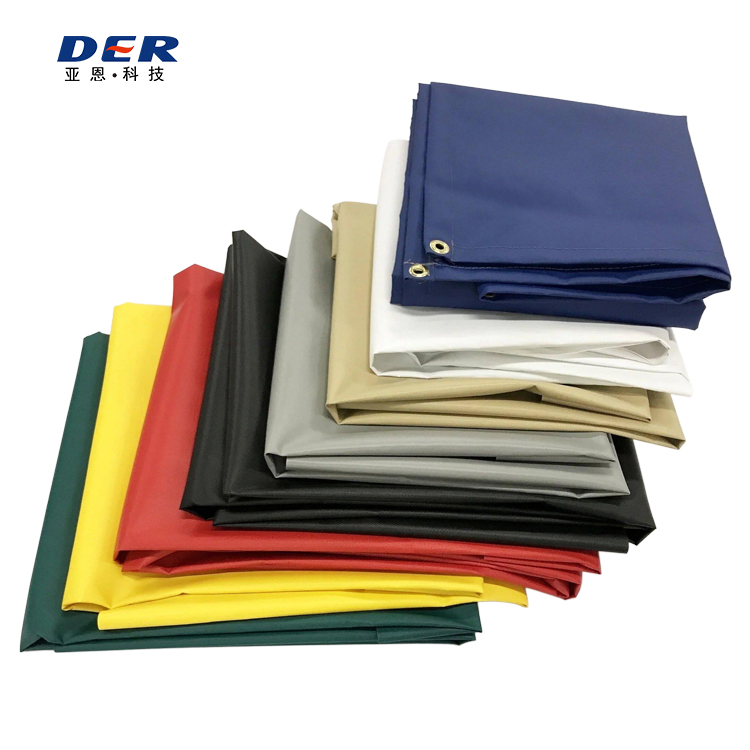
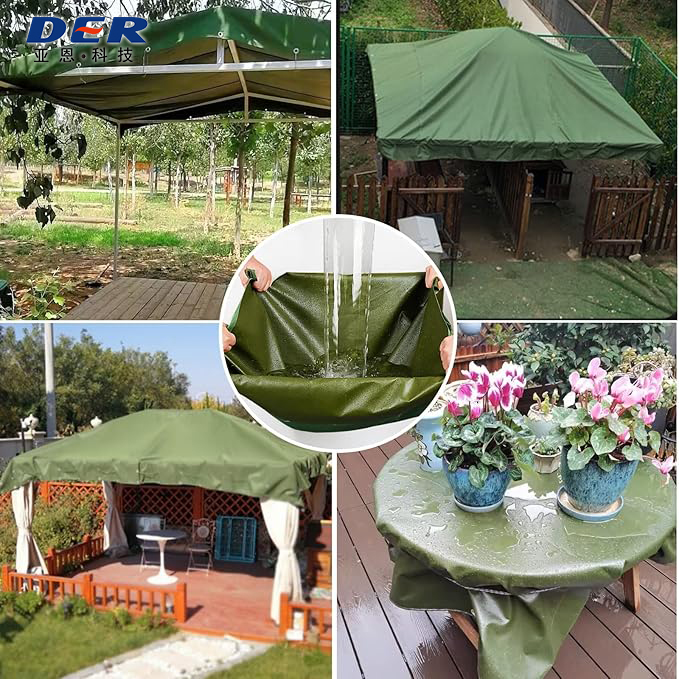
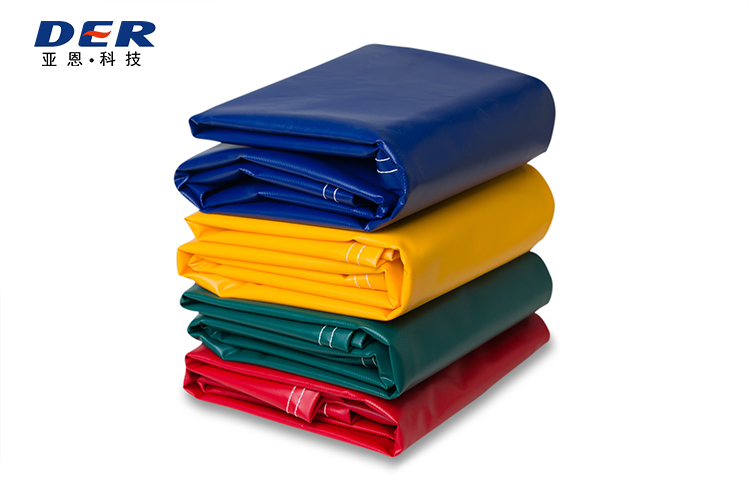
Our products are widely used in our residential and industrial area, which can be used for producing tents, outdoor covering, flexible ventilation tube, water bladders, inflatable castles, architecture membrane structures, etc. Our main products: PVC coated fabrics, PU/TPU coated fabrics, Oxford fabric, PVC ceiling film, flexible banner material. Welcome to our site and order online.