A tear at a grommet
Check the load path through the eyelet, patch, hem and supporting webbing.
Review before adding weightAttachment location, patch size, edge construction, tie-down direction and uneven tension.

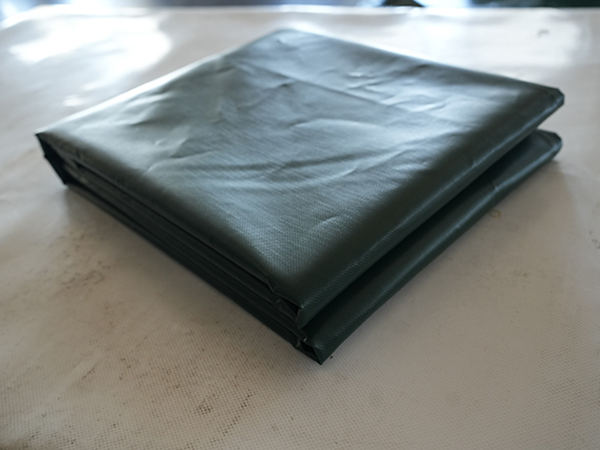
For reusable industrial covers, start by evaluating PVC-coated polyester. Then compare the actual fabric, seams and attachment points against the way your tarp will be used.

PVC-coated high-tenacity polyester is a strong candidate for heavy-duty waterproof tarps used repeatedly on trucks, machinery and industrial sites. The polyester reinforcement carries tension, while the PVC coating provides a water barrier and a weldable surface.
But “strongest” can mean highest breaking force, resistance to an existing tear, durability at a grommet, or strength relative to weight. Those are different requirements. A heavy industrial vinyl tarp and an ultralight hiking tarp cannot be judged by the same buying priorities.
Use this guide to shortlist a construction, then compare the finished tarp—not just its material label. DER factory supplies fabric rolls and custom covers for buyers who need an agreed material, reinforcement layout and sample approval route.
For heavy-duty weather covers, evaluate reinforced PVC first. For a temporary cover, breathability or low carried weight, another construction may fit better. The table gives selection directions, not a laboratory strength ranking.
| Material | Useful strengths | Trade-off to check | Buying priority |
|---|---|---|---|
| PVC-coated polyester (reinforced vinyl) | Reinforced textile core; waterproof surface; heat-welded panel fabrication. | Handling weight, formulation, cold flexibility and coating adhesion vary by grade. | Repeated industrial use, truck covers and custom waterproof panels. |
| Woven PE tarpaulin (poly tarp) | Often economical and easy to handle for temporary weather protection. | Grade, lamination, UV treatment and edge construction vary substantially. | Coverage duration, replacement plan and verified tear performance. |
| Canvas | Tough woven construction; some finishes allow useful moisture-vapor movement. | Water resistance, wet weight, shrinkage and breathability depend on fiber and treatment. | Handling protection and ventilation requirements. |
| Coated ripstop nylon or polyester | Lightweight shelter fabrics can balance packability and tear control. | “Ripstop” describes a reinforcement pattern; it does not establish a universal strength rating. | Carried weight, water resistance and tie-out design. |
| UHMWPE-fiber composite | Selected grades target high strength at very low fabric weight. | Puncture, abrasion, seam design and price must suit the use. | Weight-sensitive portable shelters rather than a direct industrial PVC substitute. |
PVC = polyvinyl chloride; PE = polyethylene; UHMWPE = ultra-high-molecular-weight polyethylene. “Poly tarp” commonly means PE, while polyester is a different polymer.
For industrial buyers: use reinforced vinyl tarps as a material starting point, then request the exact grade and finished construction. Avoid treating every vinyl, PE or canvas product as equivalent.
A PVC tarp is a coated textile system. Its strength comes from the interaction of reinforcement, coating and fabrication—not simply from adding more PVC.

Yarn quality, fabric architecture and direction affect tensile load and tear behavior. Denier describes yarn linear density; it is not a measured breaking-force result.
The surface contributes weather protection, weldability and wear behavior. Adhesion between the coating and textile also affects performance during flexing and tearing.
Seams, hems, patches and hardware must transfer forces into the fabric without concentrating all the tension at one small opening.
Explore PVC-coated fabric options when specifying roll goods for your own conversion process.
Separate fabric breaking force, resistance to tear growth and finished-cover performance. Ask for a test method, units, specimen direction and conditioning with every quoted result.
| Measure | What it tells you | What to request |
|---|---|---|
| Tensile / breaking strength | Force needed to break a specimen when pulled under a defined procedure. | Warp and weft values, grab or strip method, specimen width, units and test conditions. |
| Tear resistance | Resistance to tear growth under the selected test geometry. | Both fabric directions and the exact tear procedure, such as tongue or trapezoid where applicable. |
| Puncture / abrasion | Resistance to localized penetration or surface wear under the specified setup. | Probe or abradant, test setup and acceptance criteria appropriate to contact hazards. |
| Coating adhesion | Bond behavior between coating and textile reinforcement. | Agreed adhesion procedure, direction, units and representative production material. |
| Seam and attachment performance | Whether the fabricated joint, hem, patch or fitting becomes the failure point. | Finished sample layout, welding or stitching details, load direction and failure mode. |
| Retained properties | How a selected property changes after agreed exposure or flexing. | UV, heat, cold or flexing conditions, exposure duration and the property to retest. |
Keep comparisons like for like. A grab tensile value is not interchangeable with a strip result, and tongue tear is not the same test as trapezoid tear. Unit conversion alone does not make different procedures comparable. ASTM D751 includes multiple coated-fabric test procedures; naming the standard without the procedure is incomplete.
Use the tarpaulin specification and test guide to organize the grade, units and reporting details before comparing quotations. A fabric breaking-force result is a material property; it does not establish a working load limit or wind rating for the finished tarp and its attachment system.
Start with where the previous cover failed. The following checks help focus a supplier discussion; they are not proof of a failure cause without inspecting the actual tarp and installation.
Check the load path through the eyelet, patch, hem and supporting webbing.
Review before adding weightAttachment location, patch size, edge construction, tie-down direction and uneven tension.
Review the joint design and fabrication conditions alongside the fabric strength.
Request a representative jointUse the intended overlap, material, welding process and loading direction for sample evaluation.
Look for repeated rubbing or localized pressure rather than assuming low tensile strength.
Review the contact zoneSurface protection, reinforcement location, cover movement and the shape of the supporting load.
A practical heavy-duty tarp specification combines the material grade with suitable fabrication and installation requirements.
Discuss your current failure point ↗Choose a material that addresses the dominant exposure and failure risk. Then confirm the grade with relevant test evidence and a finished sample.
| Application | Construction to evaluate | Decisive checks |
|---|---|---|
| Flatbed freight and repeat hauling | PVC-coated polyester with targeted wear patches and a reinforced attachment layout. | Handling weight, abrasion, tear resistance, seams, corner protection and cold folding. |
| Reusable outdoor equipment cover | Weather-specified reinforced PVC where waterproof coverage is the priority. | UV requirements, drainage, ventilation needs, fit and rubbing against the equipment. |
| Temporary site or emergency cover | PE or a suitable PVC grade, selected against duration and handling requirements. | Coverage period, reinforcement, fixing method, water shedding and replacement cost. |
| Breathable handling cover | A suitable canvas construction after reviewing its treatment and moisture behavior. | Breathability versus rain protection, wet weight, shrinkage and contact with the covered item. |
| Portable hiking shelter | Coated ripstop fabric or a selected UHMWPE-fiber composite. | Strength relative to carried weight, puncture, tie-outs, seam construction and repair method. |
For fleet projects, review the truck tarpaulin supply options and send the vehicle geometry, cargo contact points and fastening arrangement.

No. GSM measures mass per area and mil measures thickness. Neither directly measures tensile strength, tear resistance or attachment performance.
Outdoor durability needs its own specification. A high initial breaking force does not establish service life. Ask how the proposed material addresses sunlight, temperature, movement and repeated folding. Do not infer flame performance, chemical compatibility or a wind rating from GSM or color.
Give suppliers the same application brief, construction requirements and acceptance criteria. That makes price and performance comparisons more useful than asking each supplier for its “strongest tarp.”
| Specification field | What to send or agree | DER factory review |
|---|---|---|
| Use and environment | What is covered, exposure duration, temperature, sunlight and contact hazards. | Material direction and project-specific performance requirements. |
| Material and size | Reference grade or sample; GSM/thickness if known; roll width or finished drawing. | Available construction, size, finish and production format. |
| Required strength | Tensile and tear targets, both directions, test procedure, units and reporting needs. | Test arrangements and acceptance criteria to confirm before production. |
| Seams and reinforcement | Joint position, attachment layout, hems, webbing and wear patches. | Feasible fabrication details and representative sample requirements. |
| Special performance | UV, cold-flex or flame requirements; name any required test or standard. | Suitability and availability subject to technical confirmation. |
| Commercial details | Quantity, color, branding, packaging, destination and required delivery date. | Project quotation, sample plan, MOQ and lead time to be confirmed. |
Retain the approved construction and agreed acceptance criteria for repeat batches. A color match alone does not demonstrate the same fabric or reinforcement.
For drawing-based covers, discuss custom tarp dimensions and reinforcement with DER factory before finalizing the order.
Send your application, quantity, destination, drawing, exposure conditions and current failure photos. Ask DER factory to identify the proposed material construction, strength test methods, seam and attachment details, sample arrangements and bulk quotation in one project proposal.
PVC-coated high-tenacity polyester is a strong starting point for reusable waterproof industrial tarps. Its suitability depends on the actual fabric grade, tensile and tear results, coating adhesion, seams and attachment reinforcement. No material name establishes a universal strength ranking.
Industrial PVC-coated polyester often offers a practical durability advantage over lightweight PE tarps in repeated handling and abrasion. However, a premium PE construction and a light PVC construction cannot be ranked by polymer name alone. Compare tested grades using the same methods.
Canvas can be tough and abrasion resistant, while reinforced vinyl is useful for welded waterproof covers. Neither is always stronger: fiber, weave, weight, treatment and test direction matter. Where breathability is essential, review the specific canvas finish rather than selecting solely for breaking force.
No. Thickness and GSM describe dimensions and mass, not breaking force. Additional coating can increase weight without a proportional increase in the textile reinforcement. Ask for base-fabric construction, tensile strength, tear resistance and finished attachment details alongside GSM.
UHMWPE-fiber composites, including selected Dyneema Composite Fabric grades, are options when strength relative to carried weight is the priority. They serve a different design brief from heavy industrial PVC tarps. Check puncture, abrasion, seam construction and cost for the intended application.
There is no fixed lifespan ranking that applies to every grade and installation. UV formulation, heat, abrasion, water pooling, folding and wind movement all affect service life. For reusable outdoor covers, evaluate a weather-specified reinforced material and its retained performance after agreed exposure testing.
Request the exact material grade, weight, base fabric, tensile and tear results in both directions, test methods and units, coating adhesion, seam evaluation and attachment construction. Add UV or cold-flex requirements where relevant, then approve a representative finished sample.
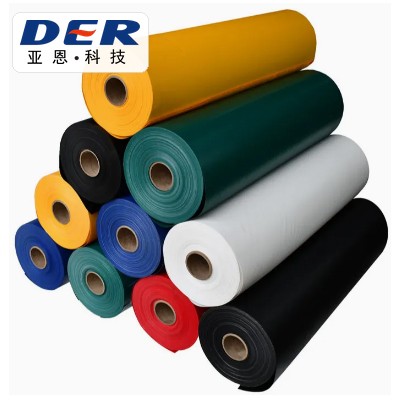
DER factory offers tarp material rolls and custom fabricated covers. Send the application, drawing or finished dimensions, quantity, exposure conditions and reinforcement requirements for review. Material options, sample arrangements, MOQ, pricing and lead time are confirmed for the specific project.
Technical references: ASTM D751 coated-fabric test methods (2019 edition) describes distinct breaking, tearing, adhesion and seam procedures. Agree the applicable procedure and edition for an order. Seaman Corporation’s PVC-coated fabric guidance explains the roles of textile reinforcement, adhesion and weldability. Dyneema’s composite fabric information provides context for weight-sensitive shelter materials. These references describe methods and material principles; they are not DER factory test results or endorsements.
Send your application, drawing or finished size, quantity, exposure conditions and the problem you need to solve. DER factory can review material rolls, fabricated panels or finished covers against your requirements.
Include a photo of any worn or failed tarp to help explain the contact and attachment conditions.

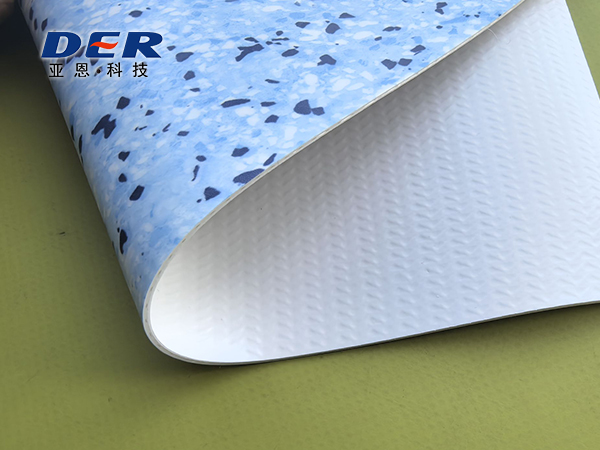
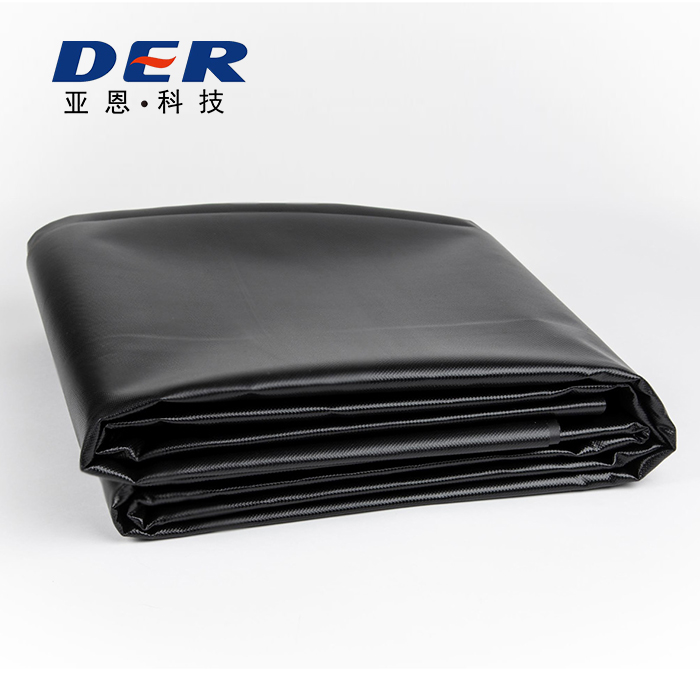
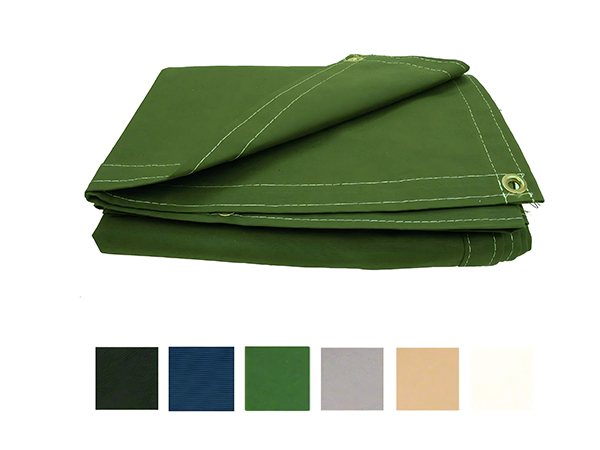
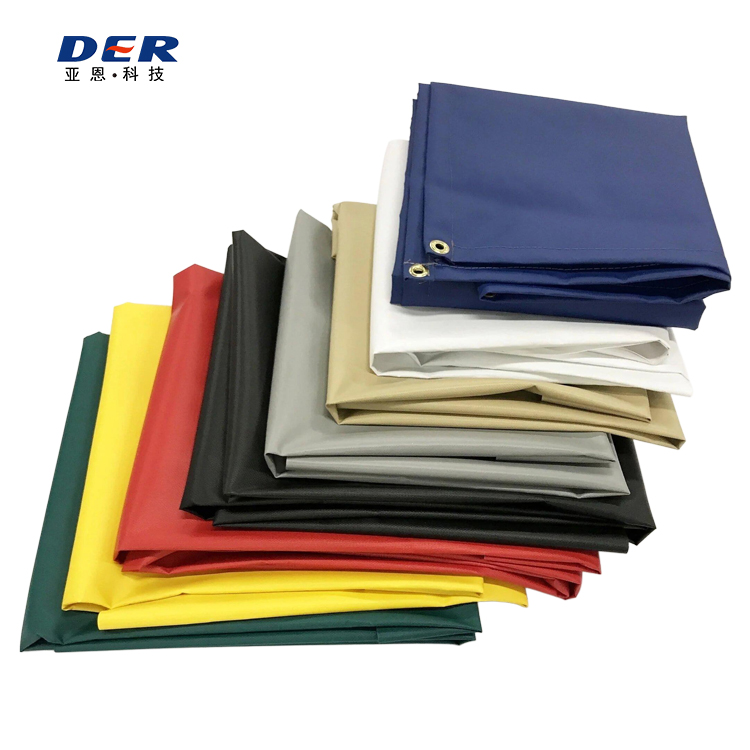
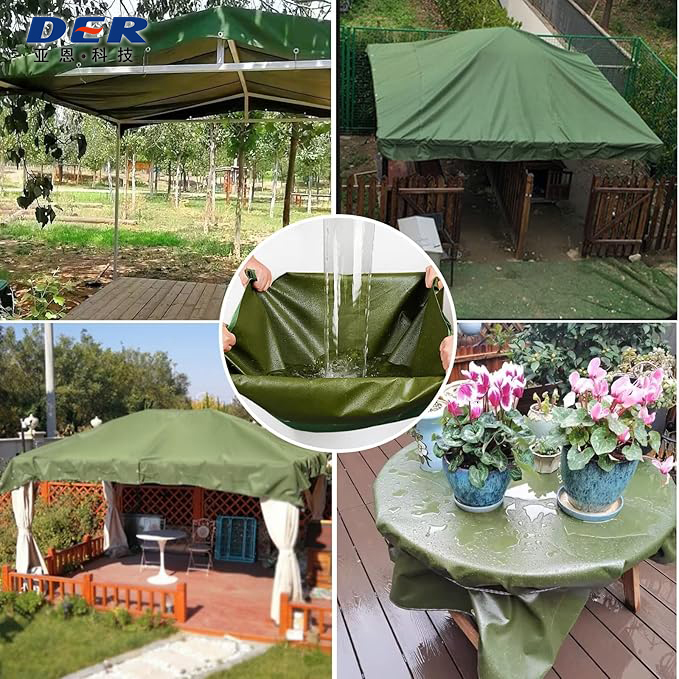
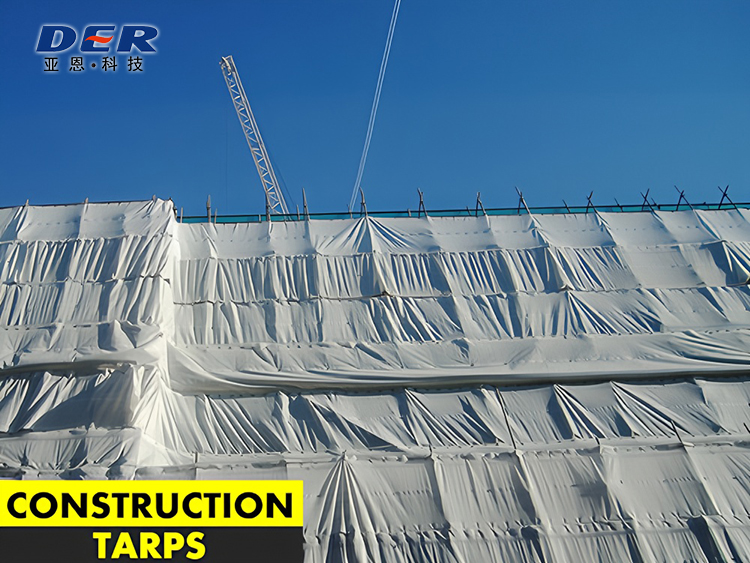
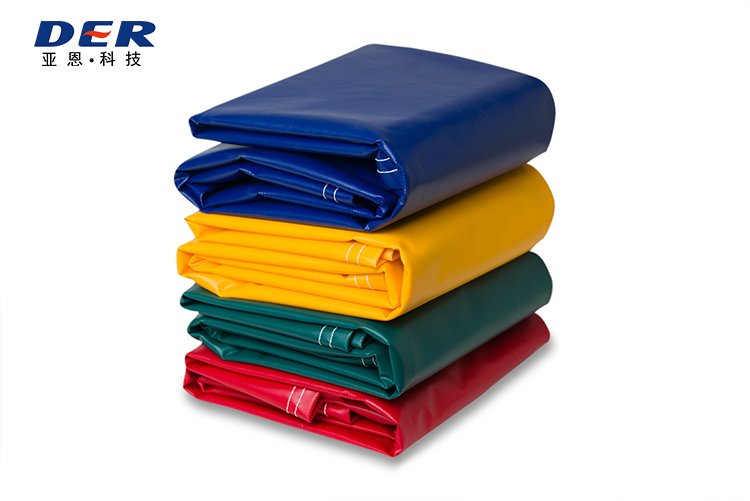
Our products are widely used in our residential and industrial area, which can be used for producing tents, outdoor covering, flexible ventilation tube, water bladders, inflatable castles, architecture membrane structures, etc. Our main products: PVC coated fabrics, PU/TPU coated fabrics, Oxford fabric, PVC ceiling film, flexible banner material. Welcome to our site and order online.