01
Material Construction
Define PVC coated polyester, PVC laminated polyester, PE, canvas or another material route. For industrial PVC tarps, the polyester scrim and PVC layers work together.

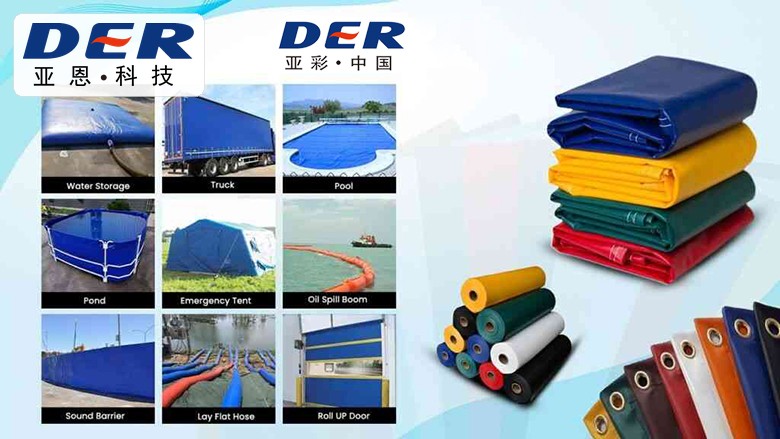
A practical specification guide for importers, distributors, fabricators, trucking suppliers, construction buyers and industrial cover manufacturers comparing GSM, thickness, polyester denier, weave density, tensile strength, tear strength, coatings, UV/FR options and finished tarp details.
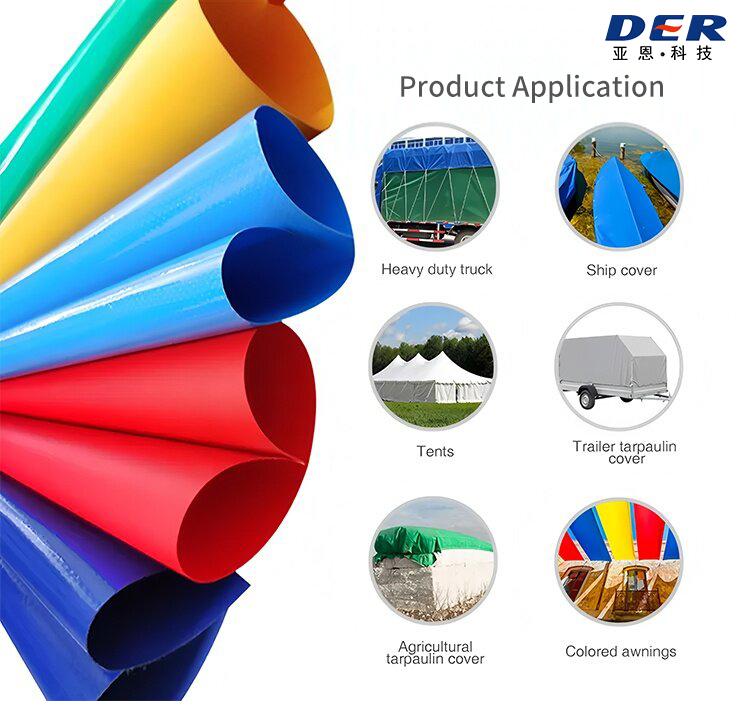
A tarp specification is the technical description used to define what a tarpaulin must be made from, how it should perform and how it should be fabricated. A complete tarpaulin specification normally covers material type, GSM or thickness, polyester yarn and fabric density, tensile and tear requirements, roll width or finished size, surface finish, UV or flame-retardant options, temperature conditions, reinforcement, fittings, seams and packaging. For a PVC tarp specification, GSM alone is not enough: two tarps of similar weight can perform differently because the base-fabric construction, PVC distribution, coating adhesion and reinforcement system are different.
Read a tarp data sheet as a linked system. Each field answers a different part of the performance question, and changing one parameter can affect handling, welding, durability, cost and finished-cover weight.
Define PVC coated polyester, PVC laminated polyester, PE, canvas or another material route. For industrial PVC tarps, the polyester scrim and PVC layers work together.
Grams per square metre describes total fabric mass. It helps group lightweight, medium and heavier constructions, but does not independently define strength.
Thickness is measured in millimetres or mil. Do not assume one fixed thickness from GSM because coating formulation and base-fabric structure change the relationship.
Denier describes the linear density of polyester yarn. Values such as 1000D must be read together with warp/weft density and weave construction.
Thread count or mesh density indicates how yarns are arranged. Higher density can change dimensional stability and mechanical performance without changing the yarn denier.
Tensile data should state warp and weft values plus the test method. It helps assess resistance to sustained pulling and load transfer across the sheet.
Tear strength describes resistance to propagation from a cut, puncture or damaged edge. It is different from tensile strength and is important around rough-use applications.
For coated materials, adhesion helps indicate how well the PVC layer remains bonded to the polyester substrate during repeated flexing and fabrication.
Usable roll width affects seam count, fabrication yield and shipping efficiency. Finished tarps may be welded from multiple panels where larger dimensions are required.
Outdoor duration, climate and exposure should be stated. UV stabilization is a formulation choice, not a guarantee that every tarp has the same outdoor service life.
When a project needs FR performance, specify the required standard and market before production. Avoid writing only “fireproof” without a test basis.
Define welded or sewn seams, reinforced hems, webbing, eyelets, grommets, D-rings, straps, pockets, rope, hook-and-loop, printing and packaging.
The table below is a quotation framework rather than a promise that one construction covers every application. Published DER factory product pages show broad PVC tarp and PVC coated polyester options, while the final combination should be confirmed against the end use and the required test basis.
| Specification Item | DER factory Supply Direction | What the Buyer Should Confirm | Why It Matters |
|---|---|---|---|
| Material | PVC coated or laminated polyester tarp constructions; other tarp materials available by product line | End use, exposure, reusability, welding / sewing process | Material route influences strength, surface, flexibility and processing. |
| Weight / GSM | Project-defined; current DER factory PVC coated polyester pages publish a broad 200–1200 GSM range | Target GSM and tolerance, or allow selection after application review | GSM affects handling and material mass but should not be used alone. |
| Thickness | Project-defined; representative DER factory vinyl tarp pages publish multiple thickness options | Nominal thickness, tolerance and whether thickness or GSM controls approval | Two equal-GSM fabrics can have different thickness and feel. |
| Base Fabric | High-tenacity polyester options depending on construction | Denier, warp/weft yarn, thread density or an approved reference sample | The scrim carries much of the structural load. |
| Width | Roll width selected by construction; current PVC coated polyester pages publish widths up to 3.2 m | Usable width, finished width, seam plan and cutting yield | Wider goods can reduce seams but may change processing and logistics. |
| Roll Length | Available on request / project dependent | Required roll length, core, roll weight limits and packing | Important for converting equipment and container planning. |
| Tensile Strength | Specify required warp/weft values or approve supplier TDS after review | Minimum or typical value and test method | Supports load-bearing and tension assessment. |
| Tear Strength | Specify required warp/weft values or approve supplier TDS after review | Test method and whether value is minimum, average or target | Critical where punctures, corners or repeated handling can initiate tears. |
| Coating Adhesion | Available according to selected coated-fabric construction | Required value and test method if contractually important | Relevant to coating durability, welding and repeated flexing. |
| Surface | Gloss, matte and other project-dependent finishes | Cleanability, anti-fouling, printability, slip or appearance requirements | Surface choice affects use and converting. |
| Color | Standard and custom color discussion available | Color reference, translucency / opacity and batch consistency need | Color can affect branding, visibility and heat absorption. |
| UV Requirement | UV-stabilized options can be discussed by project | Climate, outdoor duration, altitude, storage and warranty expectations | Outdoor performance depends on more than the words “UV resistant.” |
| FR Requirement | Available depending on material and required standard | Exact test standard, market and document required before production | Different projects accept different flame test methods. |
| Temperature | Project-defined formulation | Lowest use temperature, highest service temperature and flexing condition | Cold flexibility and heat exposure should be considered separately. |
| Fabrication | Roll goods, cut panels or finished tarp fabrication depending on project | Heat / HF / hot-air welding, sewing, hem design, seam orientation | Finished construction can become the weakest or strongest part of the tarp. |
| Reinforcement | Reinforced hems, webbing, eyelets / grommets, D-rings and accessories can be reviewed | Spacing, load path, edge design, pull direction and hardware type | Attachment design matters as much as base fabric strength in real use. |
| Packaging | Project dependent | Folded or rolled, labels, palletization, export marks and destination | Packing can affect creasing, handling and warehouse efficiency. |
Note: a contractual TDS should state whether values are nominal, typical, minimum or tolerance-controlled, and should identify the agreed test method for critical mechanical properties.
The same total weight does not guarantee the same tarp. Performance changes with the ratio of base-fabric weight to PVC, yarn size, thread density, weave, coating route, adhesion, surface treatment and reinforcement.
More mass may be concentrated in the PVC layer. The tarp can feel thicker or smoother but the structural scrim may differ.
A denser or different polyester base can change tensile, tear and dimensional behavior even when the total GSM is similar.
A strong roll fabric can still underperform if seams, grommets or corners concentrate load. Finished engineering must be specified too.
Procurement rule: compare GSM together with base fabric, strength data, test method, coating construction and finished reinforcement—not as a single isolated number.
PVC tarpaulin normally combines a polyester textile reinforcement with polyvinyl chloride layers. Buyers should distinguish coated and laminated routes because they can produce different adhesion, surface, handling and cost profiles.
In coated constructions, PVC compound is applied to the textile substrate. The specification should focus on coating consistency, adhesion, base-fabric construction and whether the selected surface is suitable for welding, abrasion and outdoor exposure.
DER factory's PVC coated polyester fabric page is the closest internal reference for buyers sourcing roll goods for tarpaulin conversion.
Laminated construction bonds PVC films to the reinforcement. It can be appropriate for many cover and tarp applications, but the buyer should still define yarn construction, total GSM, surface, weldability and finished reinforcement instead of treating “laminated” as a complete specification.
Buyers who need finished PVC tarps can review DER factory's vinyl tarps and PVC tarpaulin range.
Start with what the tarp must do, then translate the duty cycle into construction, strength and fabrication requirements. This is more reliable than choosing a “heavy duty” label without measurable criteria.
| Application | Starting Specification Direction | Prioritize | Avoid |
|---|---|---|---|
| Temporary / Short-Term Cover | Manageable construction with adequate waterproof protection and simple fastening. | Handling weight, cost, folded size, basic reinforcement. | Over-specifying weight when the tarp must be moved frequently. |
| Pallet & Warehouse Cover | Reusable waterproof PVC cover with fit, fastening and cleanability defined. | Finished dimensions, corners, closures, abrasion zones. | Quoting only square metres without a finished-cover drawing. |
| Construction Cover | Weather-resistant construction with stronger edges and fastening geometry. | Tear resistance, UV exposure, wind loading zones, grommet spacing. | Assuming higher GSM alone solves wind damage. |
| Truck / Transport Tarp | Durable, weldable PVC construction matched to repeated flexing and cargo restraint layout. | Tensile, tear, abrasion, low-temperature flexibility, seam and hardware design. | Ignoring repeated flapping, edge loads and attachment geometry. |
| Agriculture / Outdoor Storage | UV-aware, waterproof cover selected around storage duration and anchoring. | UV formulation, reinforcement, overlap, field repair and cleaning. | Using indoor-grade assumptions for long seasonal exposure. |
| FR-Sensitive Application | Project-specific flame-retardant tarp or fabric with standard identified before production. | Required fire test, document type, material construction and market. | Buying a generic “fireproof tarp” without a test basis. |
For demanding cover projects, compare the specification logic used on DER factory's construction tarps, agriculture tarps, and pallet protective covers. These pages help translate a generic tarp spec into a finished application requirement.
A roll-fabric data sheet is only half of a finished tarp specification. Finished tarps should also define where loads enter the panel and how the seams and perimeter transfer those loads.
Choose a welding or sewing route compatible with the material and end-use. Where seam strength is critical, define seam orientation, overlap and the acceptance basis.
Reinforced hems, rope edges or webbing can spread tension over a larger area. The reinforcement should follow the actual pull direction rather than only the tarp perimeter.
Specify material, diameter, spacing and reinforcement around the fitting. Closely spaced fittings are not automatically stronger if the surrounding tarp is not reinforced.
Useful where repeated tie-down loads are higher than a basic grommet should carry. The webbing layout should connect the hardware to a reinforced load path.
Provide finished dimensions, not only fabric cut size. Clarify hem allowance, overlap, pockets, sleeves, cut-outs, curved edges and tolerance.
Logos, orientation arrows, panel IDs and safety markings should be specified with color, position and print compatibility before production.
Real DER factory-hosted visuals help search engines and buyers connect the specification language with tarp materials, finished covers, truck applications and industrial fabrication.
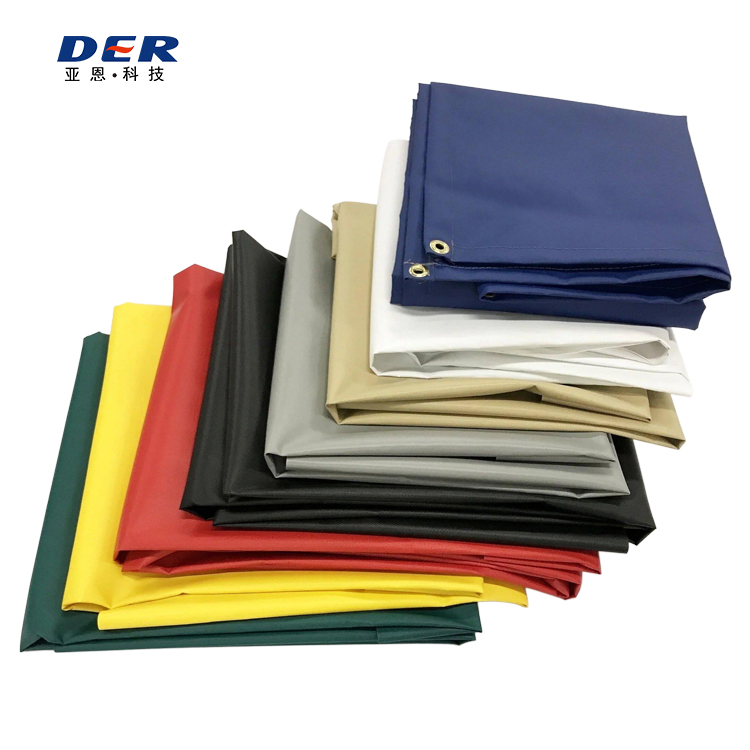
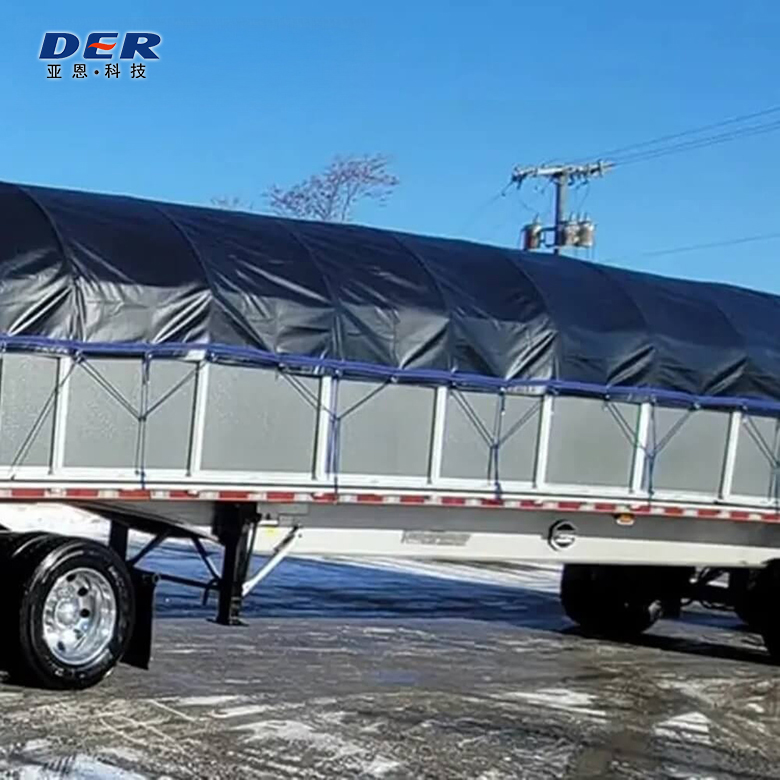
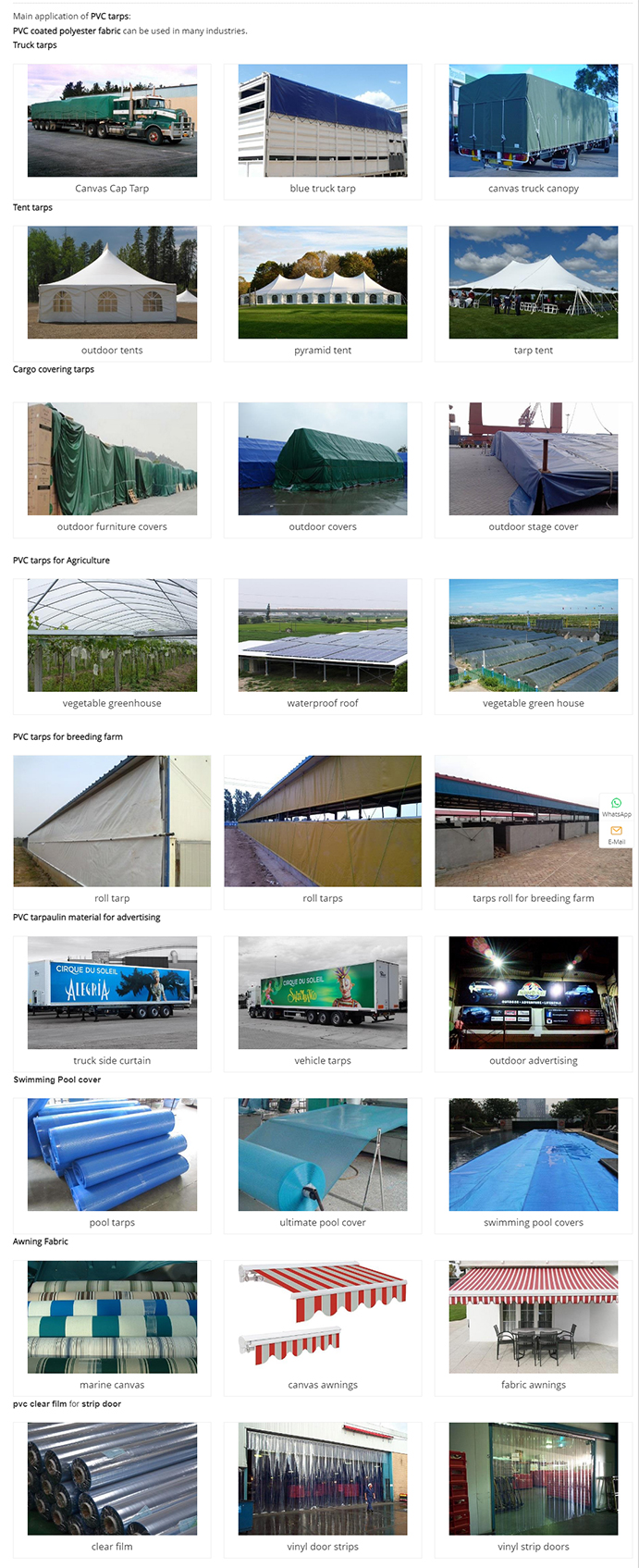
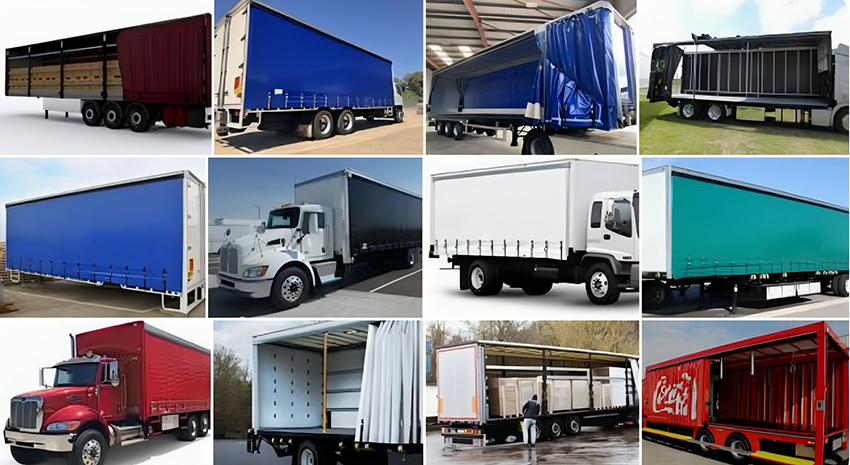
A specification becomes useful only when the critical fields can be checked. The buyer and manufacturer should agree which values are controlled, which are typical and which inspection method applies.
If a project requires a particular flame test, tensile method, tear method or compliance document, specify it during quotation and sample approval. Different test methods can produce values that are not directly comparable. For FR-focused material selection, see DER factory's flame retardant fabric reference.
GSM does not reveal the full base-fabric, coating or reinforcement design. Always compare the construction behind the weight.
A tensile or tear number without the test method, sample direction and acceptance basis can create false comparisons between suppliers.
Clarify whether a value is nominal, typical, average, minimum or tolerance-controlled before using it as an inspection criterion.
A heavier construction can become difficult to deploy when the tarp is very large. Finished panel weight is an operational variable.
A strong tarp body does not compensate for weak corners, isolated grommets or poorly designed load paths.
State climate, outdoor duration and use conditions. UV performance should be matched to the actual exposure rather than a generic label.
A clear RFQ reduces back-and-forth and makes supplier quotations more comparable. Send the end-use first, then the material and acceptance criteria.
Tell DER factory where the tarp will be used, its finished dimensions, expected handling, weather exposure, quantity and any required strength or compliance criteria. The material construction and fabrication can then be reviewed against the actual project instead of a single weight number.
A useful tarpaulin specification should define material construction, nominal GSM or thickness, polyester yarn and weave/thread density, dimensions, tensile and tear requirements, coating or lamination route, surface finish, UV or flame-retardant requirements, temperature conditions, reinforcement, fittings, fabrication method, packaging and the test method used for critical performance values.
No. GSM measures mass per square metre; thickness measures distance through the material. Similar-GSM tarps can have different thicknesses because the polyester base, PVC formulation and coating distribution differ.
1000D identifies the denier of the polyester yarn. Denier is a yarn linear-density measure. It should be read with warp/weft density or weave because identical yarn denier can be used in different fabric structures.
Tensile strength measures resistance to being pulled apart across a test strip. Tear strength measures resistance to an existing cut or tear propagating through the material. A tarp can perform differently on these two tests, so both may matter.
There is no universal best GSM. Heavy-duty selection depends on base-fabric construction, repeated handling, abrasion, wind, finished size, reinforcement and service duration. Use GSM as one field in the specification, not the whole specification.
Neither route is automatically better for every use. Coated and laminated constructions can differ in adhesion, surface, flexibility, cost and processing behavior. The correct choice depends on end use and the required performance data.
DER factory can discuss custom dimensions, roll goods, cut panels, reinforced hems, webbing, eyelets/grommets, D-rings, welded construction, color, printing and other project-specific details after technical review.
Send the application, target material or sample, GSM/thickness, dimensions, quantity, color, UV/FR needs, any tensile or tear targets, reinforcement and fittings, logo/marking, packaging, destination and any required test method or document.
Send your application, dimensions, material requirement, quantity, weather conditions, special performance requirements and finished-tarp drawing. DER factory can review the material and fabrication direction before quotation and sample evaluation.
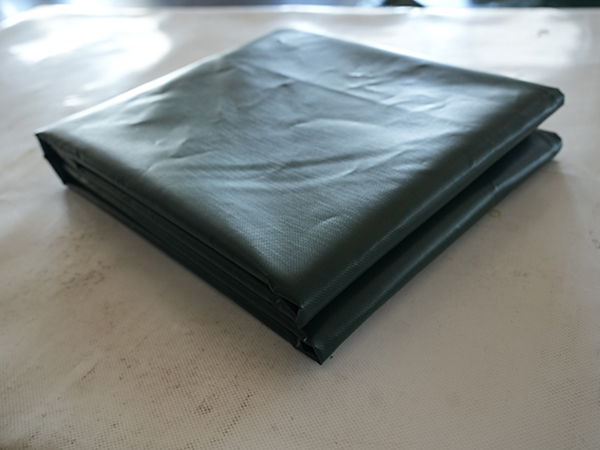
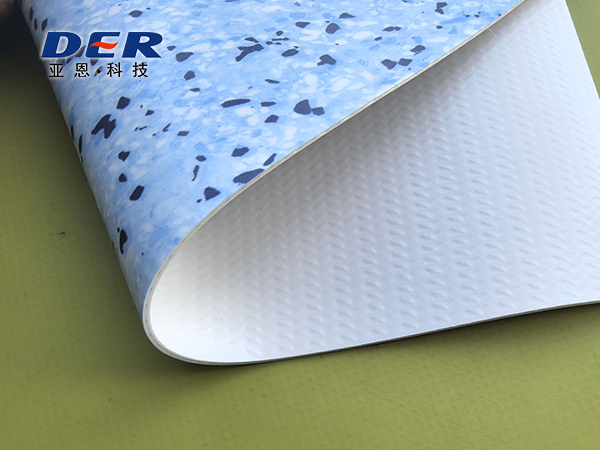
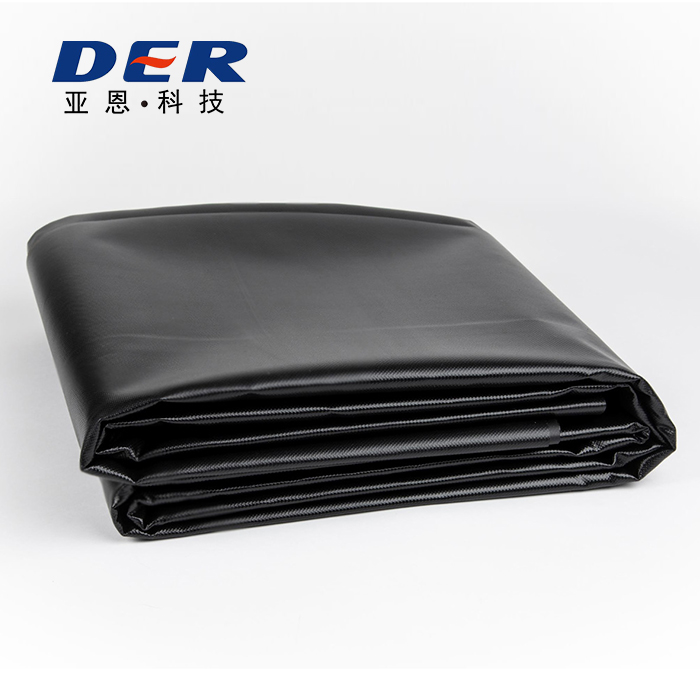
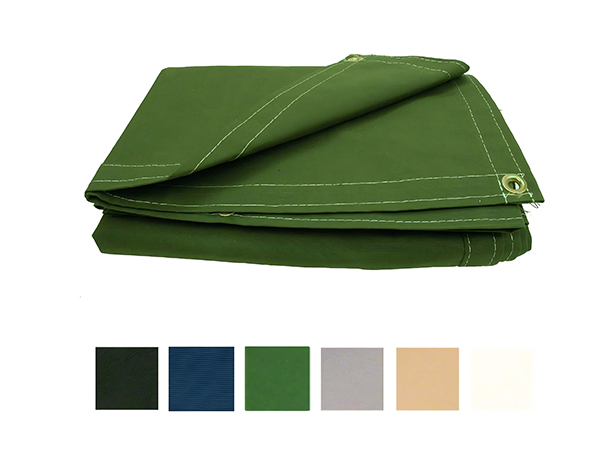

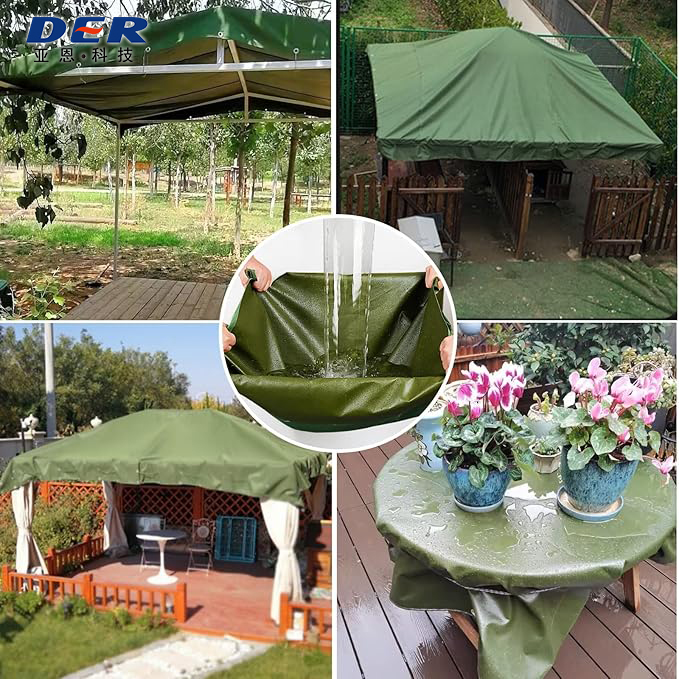
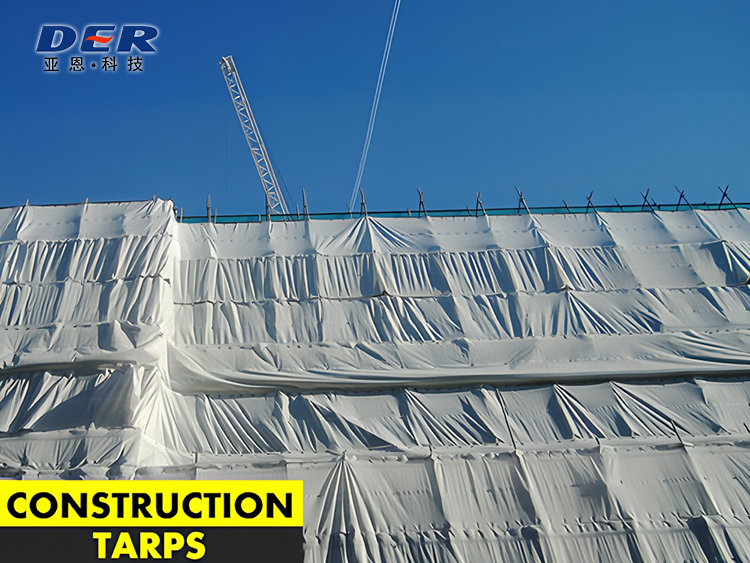
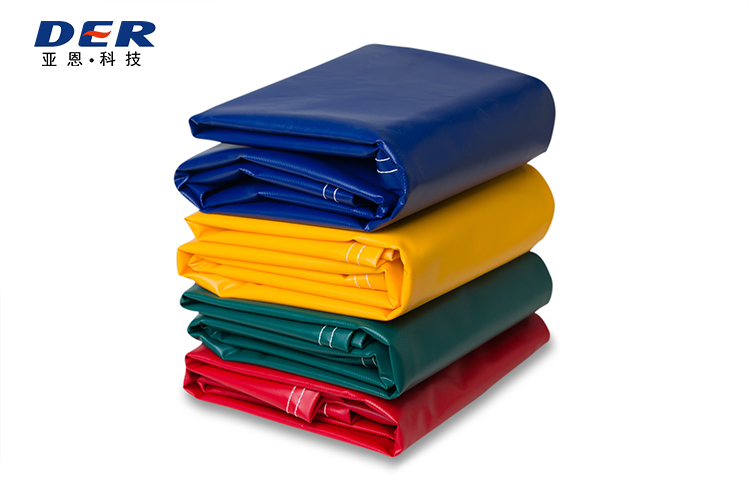
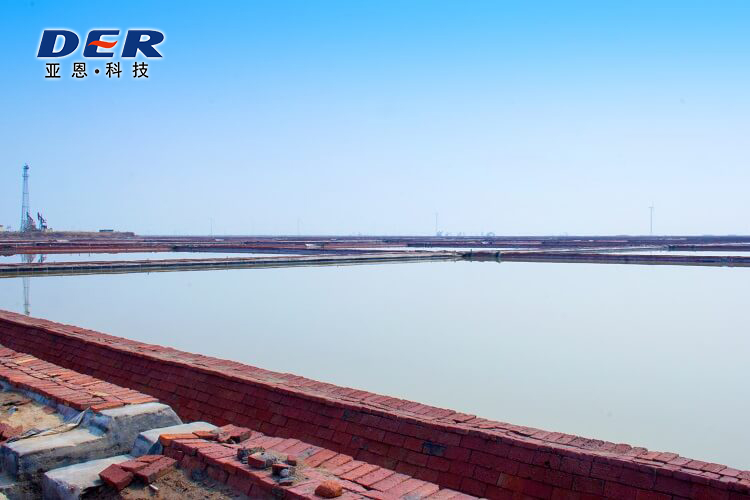
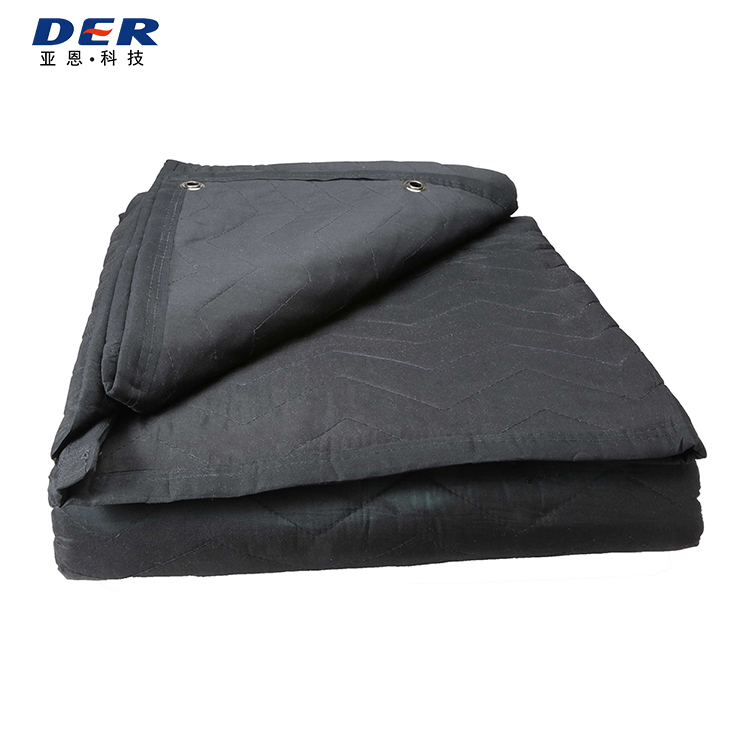
Our products are widely used in our residential and industrial area, which can be used for producing tents, outdoor covering, flexible ventilation tube, water bladders, inflatable castles, architecture membrane structures, etc. Our main products: PVC coated fabrics, PU/TPU coated fabrics, Oxford fabric, PVC ceiling film, flexible banner material. Welcome to our site and order online.