Premium Tarps & Tarpaulin Manufacturer

+86 15601786499 (steven)

info@der-factory.com

Update time:2026/9/18 22:00:40 Views:0

Tarpaulin Cost Guide | Vinyl Tarp Manufacturing Cost | DER factory

B2B Cost Guide · Vinyl Tarps · Factory Quotation Logic

Tarpaulin Cost: How Vinyl Tarp Manufacturing Cost Is Built

A useful tarpaulin cost is not one generic number per square meter. For wholesale and OEM sourcing, the real quotation is built from the material construction, usable fabric consumption, fabrication work, reinforcement, accessories, treatments, packing and commercial terms. This guide shows how to compare those elements without confusing a roll-fabric price with a finished-tarp price.

  • Understand the major cost drivers
  • Separate roll goods from finished tarp cost
  • Calculate fabric mass from area and GSM
  • Account for seams, hems and reinforcement
  • Normalize supplier quotations fairly
  • Prepare a quote-ready RFQ
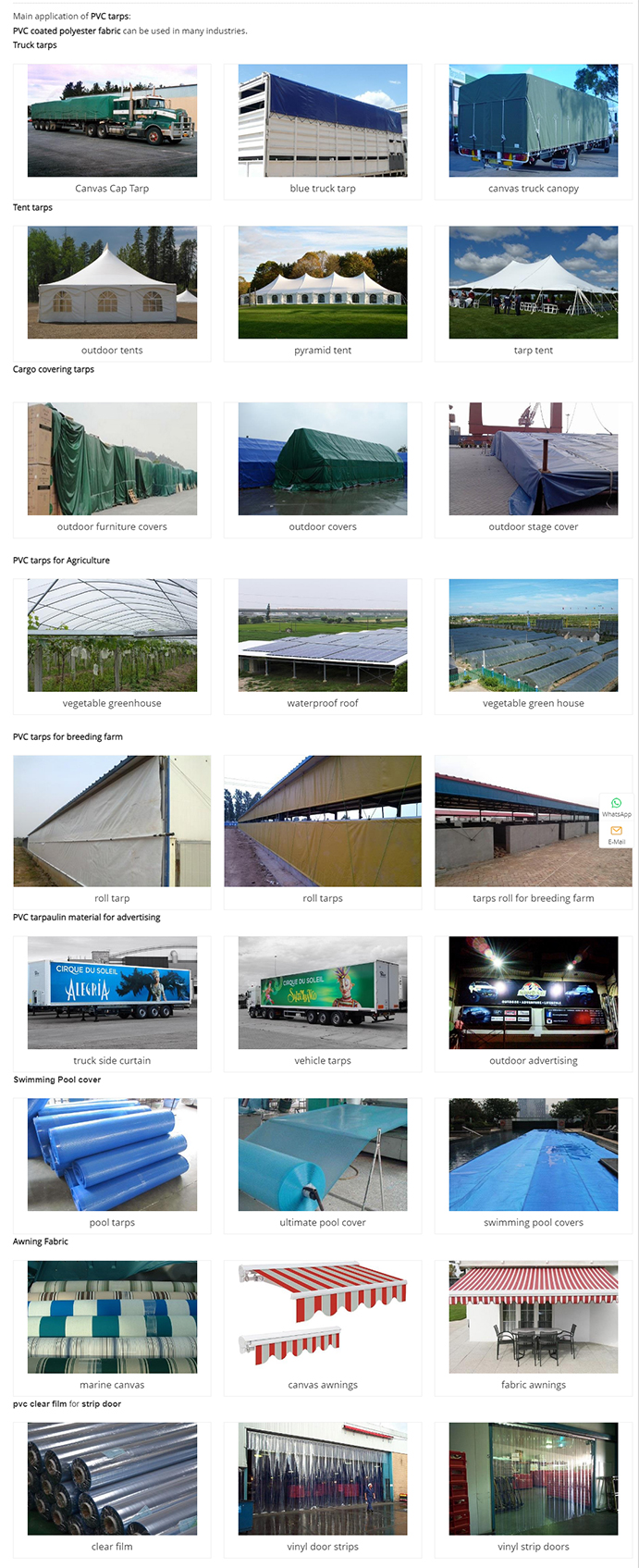
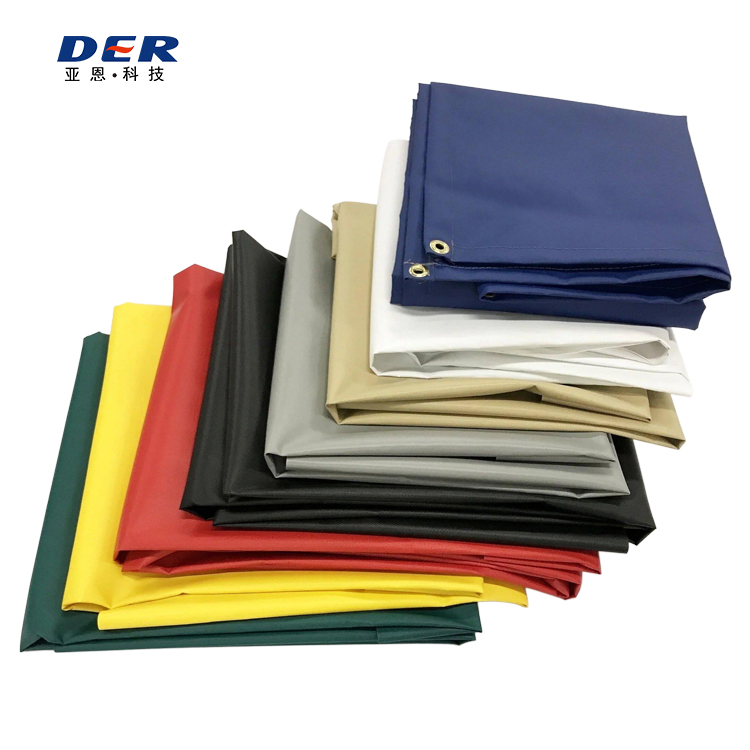
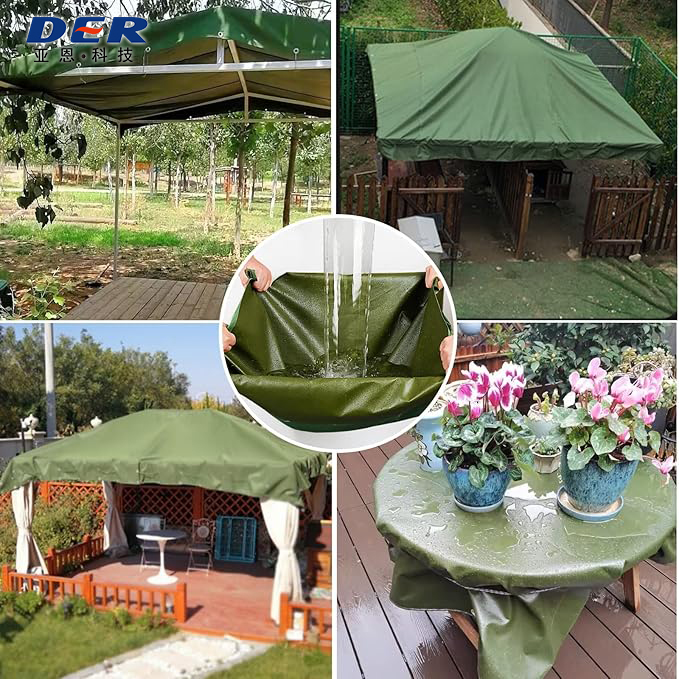
DER factory tarpaulin applications showing transport, industrial and outdoor cover uses
A tariff only becomes meaningful when the quoted construction and finished application are defined on the same basis.
MaterialPVC/PE direction, scrim, coating and GSM
YieldRoll width, panel layout, overlaps and trim
ConversionCutting, seams, hems, webbing and fittings
Landed BasisPacking, freight, duty/tax and Incoterm
Direct Answer

How Much Does a Tarpaulin Cost?

There is no universal tarpaulin cost that is meaningful for every project. A wholesale or factory quotation should be compared by the same material construction, GSM, usable dimensions, quantity, fabrication, reinforcement, accessories, treatments, packing and trade term. Vinyl tarp cost can rise because more coated textile is consumed, because a custom finished tarp needs cutting and welding, or because webbing, grommets, D-rings, printing, FR/UV requirements and logistics are added. For procurement, the most reliable comparison is the landed cost per usable square meter or finished piece on an identical specification.

Cost Formula

A Practical Tarp Manufacturing Cost Model

Finished dimensions are only the starting point. The factory may need extra material for panel layout, seam overlap, hems or pockets, local reinforcement and production handling. A useful budget therefore separates material consumption from conversion and commercial costs.

Estimated project cost = purchased fabric value + fabrication + reinforcement & hardware + printing / treatments + packaging + logistics
  • Finished area = finished length × finished width.
  • Nominal fabric mass = purchased area (m²) × GSM ÷ 1,000.
  • Material value = purchased area × quoted roll-goods price per m².
  • Landed unit cost = total landed project cost ÷ usable finished quantity.
Cost Drivers

What Changes Tarpaulin Cost and Vinyl Tarp Cost?

Cost follows the physical specification. Two tarps can have the same finished dimensions and still require different raw material, coating, manufacturing time, hardware and freight.

01

Material Construction

PVC-coated or laminated textile, PE woven material and other structures use different raw materials and processes. For reusable industrial covers, compare the full construction rather than the color alone.

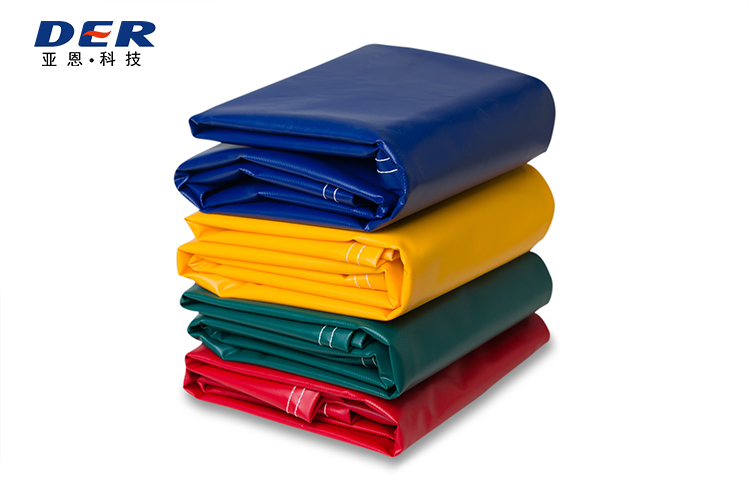
See DER factory vinyl tarps for the PVC tarp product direction.

02

GSM & Base Scrim

Higher GSM usually means more material mass, but GSM does not show how that mass is divided between the polyester reinforcement and PVC layers. Yarn and weave construction also influence performance and value.

MassScrimCoating
03

Roll Width & Fabric Yield

A width that matches the panel layout can reduce the number of seams and offcuts. A poorly matched width can increase purchased square meters even when the finished dimensions do not change.

04

Coating & Surface Finish

Coating or lamination method, lacquer, surface texture and application-specific finish can change manufacturing complexity. Review the underlying PVC coated polyester fabric before comparing price-only offers.

05

Custom Treatments

UV stabilization, anti-mildew direction, low-temperature requirements or flame-retardant performance can change formulation, testing and quotation. When fire behavior matters, specify the exact requirement and review the flame retardant fabric direction.

06

Fabrication Work

Cutting, hot-air or high-frequency welding where suitable, sewing, large-panel handling, shaped fabrication and repeated seam work add conversion time beyond the roll-goods material value.

07

Reinforcement & Hardware

Webbing, rope hems, doubled stress zones, corner patches, grommets, eyelets, D-rings, straps, hook-and-loop fasteners or zippers all create a bill of materials beyond the main fabric.

08

Quantity, Packing & Trade Terms

Run length, color changes, packing format and shipping basis affect unit economics. Compare EXW, FOB, CIF or other terms only after the product specification itself is aligned.

Manufacturing BOM

Tarp Manufacturing Cost: What the Factory Actually Consumes

The most useful manufacturing-cost discussion is a bill-of-materials discussion. It explains where cost comes from and helps the buyer challenge quotes without forcing a weaker material specification.

Cost bucket What the factory consumes or performs Buyer input that controls it Common comparison mistake
Main fabric PVC/PE construction, coating mass, polyester scrim and purchased roll area Material type, GSM, performance requirement, color Comparing two quotes only by GSM
Panel yield Panel orientation, roll-width fit, trim, join positions and usable offcuts Finished dimensions, shape, allowable seams, roll format Assuming finished area equals purchased area
Seams & overlaps Weld or stitch length, overlap width, handling and setup Panel design, seam method, water-resistance requirement Ignoring conversion because the raw fabric price is low
Edges & stress zones Hems, pockets, webbing, rope, corner patches and local reinforcement Tie-down method, load direction, handling cycle Specifying grommets without edge-load reinforcement
Hardware Grommets, D-rings, straps, buckles, hooks, zipper or hook-and-loop Hardware type, spacing, quantity and material Comparing “finished tarp” quotes with different accessory counts
Printing & marking Logo preparation, print process, labels and identification marks Artwork, print area, colors and repeat-order control Treating custom branding as free standard work
QC / testing Inspection steps and any project-agreed tests or documentation Acceptance criteria and required test method Requesting unspecified “certification” after production
Packing & logistics Folding/rolling, bags/cartons/pallets, loading, freight and trade-term scope Packing method, destination and Incoterm Comparing FOB material cost with delivered finished cost
Image Package

What the Tarpaulin Cost Is Paying For

Material and application images help buyers connect an abstract price per square meter with the actual coated textile, fabrication and end-use environment.

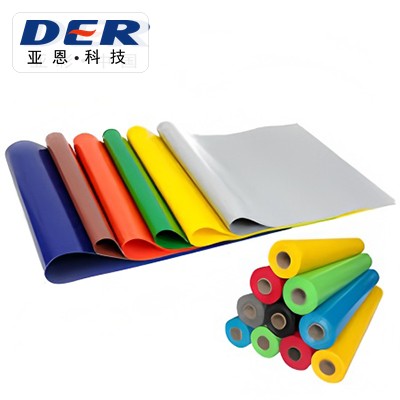
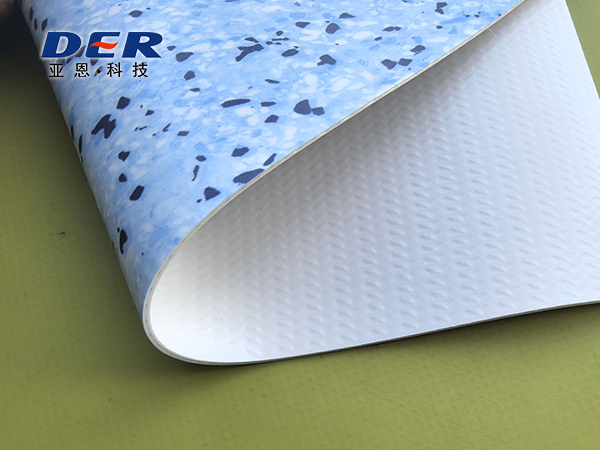
Reinforced PVC coated textile showing a waterproof flexible material construction
Material reference: coated textile structure and reinforcement affect raw-material cost.
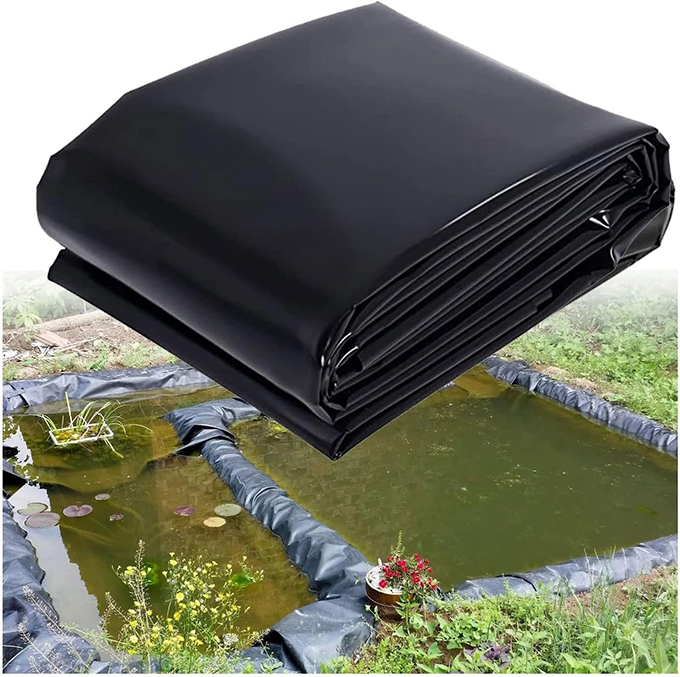
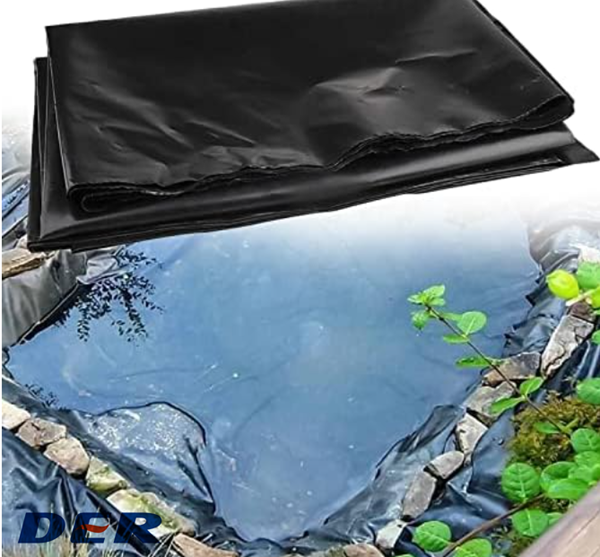
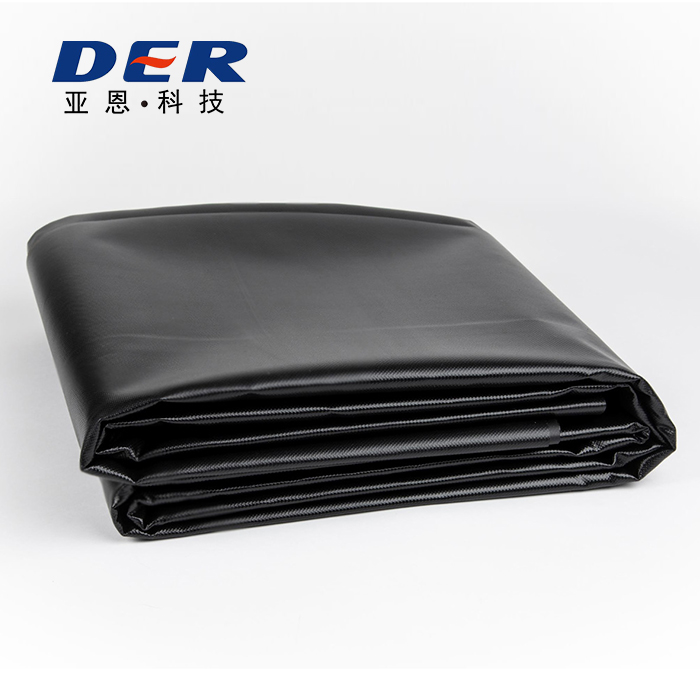
DER factory heavy duty PVC tarpaulin lining application showing fabricated waterproof material
Fabricated application: large panels, seams and installation conditions influence total project cost.
Roll vs Finished

Why Tarpaulin Roll Price and Finished Tarp Cost Are Not the Same

A roll-goods quote covers the coated textile format. A finished tarp can carry substantial conversion work and accessories, so the two should never be treated as equivalent offers.

Cost element Tarpaulin roll Finished vinyl tarp / cover Procurement question
Main coated fabricIncludedIncludedIs the same material construction being quoted?
Panel cuttingUsually buyer-sideProject-dependentDoes the finished size need multiple panels?
Welded / sewn seamsNot normally includedMay be requiredWhat seam method and overlap are specified?
Hems / webbingNot includedProject-dependentWhere does the tarp carry tie-down load?
Grommets / D-ringsNot includedProject-dependentWhat type, quantity and spacing are needed?
Printing / labelsOptionalOptionalIs artwork and print area defined?
PackingRoll packingPiece, bundle or OEM packingWhat packing basis is included in the quote?

Cost-control principle

Do not reduce a finished tarp to “square meters × fabric price.” Optimize the panel layout, seam count and reinforcement only after the application is understood.

Discuss Finished Tarp Cost
Planning Tool

Tarpaulin Cost Calculator for Buyer-Supplied Quotes

Enter your own supplier or internal planning values. The tool does not create a DER factory price; it helps normalize area, nominal material mass and a simple budget before technical review.

Planning note: the “extra %” field is deliberately user-entered because actual factory consumption should come from roll width, panel nesting, seams, hems and reinforcement—not a universal waste rate.

Planning Result

Use the output to compare quotations on the same assumptions. Currency follows whatever unit you enter in the fabric-price and other-cost fields.

Finished area
Planned purchased area
Nominal fabric mass
Material subtotal
Estimated project total
Estimated cost / finished piece
This calculator is a budgeting aid only and is not a quotation, offer or guarantee of material yield.
Quote Normalization

How to Compare Tarpaulin Quotes Without Buying the Wrong Specification

The lowest price can be a different product. Put every supplier offer into one comparison sheet and force the technical and commercial basis to match before choosing a source.

1. Normalize the Material

  • Material construction
  • Nominal GSM / thickness direction
  • Base fabric / reinforcement
  • Coating or lamination structure
  • Color and surface finish

2. Normalize the Finished Work

  • Finished dimensions and tolerances
  • Panel layout and seam method
  • Hems, webbing and stress patches
  • Grommet / D-ring type and spacing
  • Logo, labels and packing

3. Normalize the Commercial Basis

  • Quantity and unit of measure
  • MOQ only after specification is fixed
  • Trade term and destination
  • Testing / inspection responsibility
  • Freight, duty/tax and landed basis
Application-to-Cost Mapping

The Cheapest Tarpaulin Is Not the Same for Every Application

Cost control starts by removing unnecessary performance—not by removing the features that carry the load. The correct specification changes with exposure, handling, movement and attachment.

Construction Protection

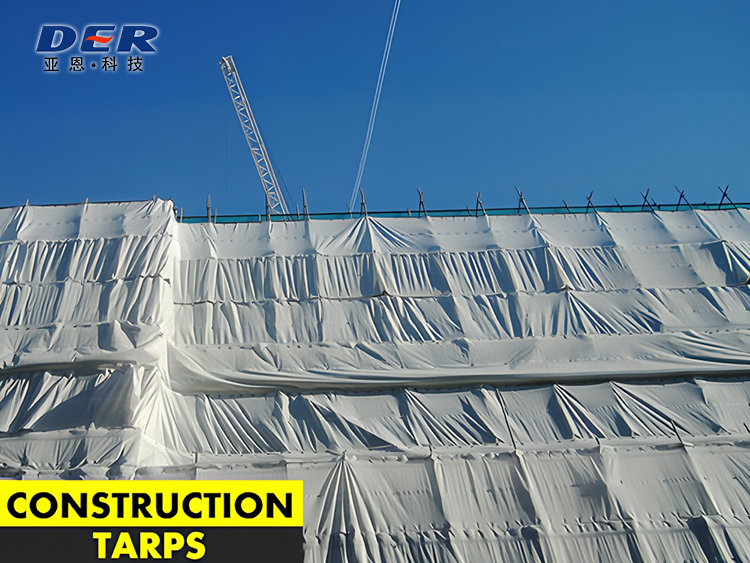
Large coverage, wind exposure, abrasion around scaffolding or edges, temporary roofing details and fastening density can dominate the budget. Review construction tarps when the tarp must survive site handling rather than simply cover a static object.

Wind loadAbrasionFastening

Agriculture & Outdoor Storage

UV exposure, seasonal reuse, dirt, moisture, edge restraint and broad coverage often matter more than maximum weight. Agriculture tarps cover applications should be costed around the expected service cycle and installation method.

UVSeasonal handlingCoverage area

Pallet & Warehouse Covers

Reusable fitted covers add cutting, corner geometry and closure details, but can avoid the material mismatch of an oversized flat sheet. Compare a purpose-built pallet protective cover on a per-use basis when repeat handling is expected.

FitClosuresRepeat use

Transport & Dynamic Covers

Moving covers see cyclic tension, edge load and abrasion. Saving on reinforcement, seam design or attachment zones can move cost from the purchase invoice into field repair or early replacement. Specify the load path before reducing GSM or hardware.

Cyclic loadSeam designStress zones
Buyer Decision Guide

Five Ways to Lower Tarp Cost Without Blindly Downgrading Quality

01

Match the specification to the duty

Do not pay for a heavy construction simply because “heavier sounds safer.” Define expected exposure, load and use cycle, then select the material direction.

02

Optimize panel layout

Choose roll width and panel orientation to reduce unnecessary joins and offcuts. For large covers, yield planning can matter as much as a small change in unit fabric price.

03

Reinforce the load path

Use stronger edges and attachment zones where the forces occur instead of automatically over-specifying the entire sheet.

04

Standardize repeat orders

Stable color, material, hardware layout and packing can reduce re-engineering and simplify quality checks across repeat production programs.

05

Compare landed usable cost

Normalize freight, conversion and usable yield. A lower roll-goods price can become a higher finished cost after local fabrication or avoidable material waste.

06

Send a complete RFQ

A precise request reduces the number of assumptions in the quotation and makes supplier comparison faster, especially for custom or OEM covers.

Common sourcing mistake: asking “What is your tarp price?” before defining the tarp

The question forces suppliers to assume a material, GSM, width, color, fabrication level, quantity and shipping basis. Those assumptions differ by supplier, so the resulting prices are not comparable. A better RFQ fixes the technical basis first.

RFQ Checklist

What to Send for an Accurate Tarpaulin Cost Quote

If some items are unknown, send the application and operating conditions first. DER factory can review the specification direction before the commercial quotation is finalized.

Technical Information

  • Application / protected object
  • PVC, PE or material direction if known
  • GSM / thickness or performance target
  • Finished size or roll width × length
  • Color / surface finish
  • Outdoor UV exposure
  • FR or other special requirement
  • Welded / sewn / roll-goods format

Commercial & Finishing Information

  • Quantity and repeat-order forecast
  • Hem / webbing / corner reinforcement
  • Grommet / eyelet / D-ring layout
  • Logo printing or labels
  • Packing requirement
  • Required testing / inspection
  • Destination
  • Preferred trade term

Need help turning an application into a costable specification?

Send dimensions, photos or a drawing together with the use environment. The quotation can then be based on a defined material and fabrication route instead of a generic price assumption.

Send Your RFQ
Buyer Questions

Tarpaulin Cost FAQ

Short answers to common questions about tarpaulin cost, vinyl tarp cost and tarp manufacturing cost.

How much does a tarpaulin cost?

There is no universal tarpaulin cost. A comparable B2B quote depends on material construction, fabric weight, usable roll consumption, finished dimensions, fabrication, reinforcement, accessories, printing or treatments, packaging, quantity and trade terms. Compare quotations on the same technical and commercial basis.

What affects vinyl tarp cost the most?

Vinyl tarp cost is mainly shaped by the PVC-coated textile construction, GSM and base scrim, coating or lamination structure, roll-width utilization, custom treatments, fabrication work, reinforcement and hardware. Freight can also change landed cost because heavier constructions increase shipment mass.

How is tarp manufacturing cost calculated?

Tarp manufacturing cost should be built from the actual purchased fabric area plus conversion work such as cutting, welding or sewing, hems, webbing, reinforcement, grommets or D-rings, printing, packaging, inspection requirements and logistics. Finished dimensions alone do not reveal the factory's true material consumption.

Does a higher GSM always mean a higher tarpaulin cost?

Higher GSM normally increases material mass and shipping weight, but final cost is not determined by GSM alone. Scrim construction, coating type, additives, width, color, quantity and fabrication can make two tarpaulins with the same GSM quote differently.

Why does a finished tarp cost more than tarpaulin roll fabric?

A finished tarp can include cutting, panel layout, welded or sewn seams, hems, webbing, corner reinforcement, grommets, D-rings, straps, printing and individual packing. Roll fabric usually leaves those conversion steps to the buyer, so the two quotations are not directly comparable.

How can I compare tarpaulin quotations from different factories?

Normalize every quotation to the same material construction, GSM, width, finished size or roll format, quantity, reinforcement, hardware, treatments, packing and Incoterm. Then compare both purchase cost and landed cost per usable square meter or finished piece.

What information should I send for an accurate tarpaulin cost quotation?

Send the application, material direction, fabric weight or performance target, finished dimensions or roll width and length, quantity, color, UV or flame-retardant requirement, reinforcement, hardware, printing, packing, test requirements, destination and preferred trade term. Exact MOQ and lead time should be confirmed after specification review.

From Cost Question to Comparable RFQ

Request a Project-Specific Tarpaulin Cost from DER factory

Send the application, dimensions or roll format, material/performance direction, quantity, reinforcement and accessories, printing, packing, test requirements and destination. DER factory can review the technical basis and quote the defined project instead of relying on an unrelated generic tarp price.

Request A Quote

Contact Us (You are welcome to consult at any time!)

Zhangbaling Plastic Polymer Industrial Park, Zhangbaling Town, Mingguang City, Chuzhou, Anhui Provin

info@der-factory.com

+86 15601786499 (steven)

Product recommendation

#
#
#
vinyl tarps
  • 2026-09-13
#
Waterproof Tarps
  • 2026-08-27
#
#
#
#
Vinyl Coated Tarps
  • 2026-05-24
#
#
Cargo Dust Cover
  • 2026-05-19

Application Fields Of Our Products

Our products are widely used in our residential and industrial area, which can be used for producing tents, outdoor covering, flexible ventilation tube, water bladders, inflatable castles, architecture membrane structures, etc. Our main products: PVC coated fabrics, PU/TPU coated fabrics, Oxford fabric, PVC ceiling film, flexible banner material. Welcome to our site and order online.