1
Can the factory identify the correct textile base?
Ask whether nylon, polyester or another reinforcement is more appropriate for the load, foldability, dimensional stability and target product weight. A generic “TPU fabric” answer is not enough.

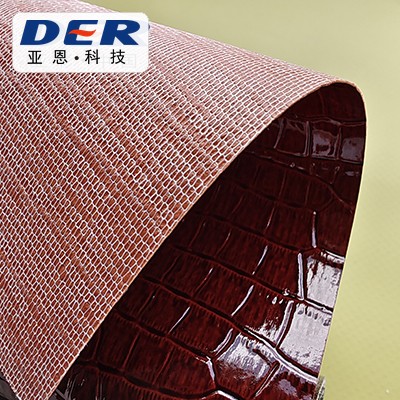
Source thermoplastic polyurethane coated fabric around the finished product—not a generic GSM number. DER factory supports TPU coated nylon and TPU coated polyester directions for waterproof, airtight, weldable, foldable and industrial OEM products.
For B2B sourcing, the important question is not simply “Do you sell TPU fabric?” It is whether the factory can align the base fabric, TPU chemistry, coating or lamination structure, coating side, surface, roll width, welding process and end-use testing with the finished product. DER factory can discuss roll goods and project-specific constructions for buyers producing dry bags, inflatables, flexible tanks, medical air systems, marine equipment, industrial bladders and other sealed textile products.
Buyers who need a deeper material definition can also review DER factory’s TPU fabric product page. This factory-focused page concentrates on sourcing, specification control, factory evaluation, quality checkpoints and what to put in an RFQ.
A capable supplier should be able to turn an end-product requirement into a controlled material specification. Use the following questions before comparing price per meter.
Ask whether nylon, polyester or another reinforcement is more appropriate for the load, foldability, dimensional stability and target product weight. A generic “TPU fabric” answer is not enough.
Polyether and polyester TPU can be selected for different service environments. The factory should also discuss one-side versus two-side structures and when a laminate may make more sense than a direct coating route.
HF/RF, hot-air, hot-wedge and heat-sealing processes do not share one universal setting. Material selection should account for coating thickness, surface, dwell time, pressure, seam geometry and machine configuration.
Width, weight, thickness, surface appearance, color, coating uniformity and roll condition should be checked against the approved sample or technical agreement. Performance tests should be tied to the project requirement.
Sample approval should happen before mass production when the product depends on air retention, liquid containment, cold folding, repeat welding or a controlled appearance. Keep the approved sample as a reference.
For medical, potable-water, fuel, chemical, fire-retardant or other regulated applications, the supplier should ask for the target standard or test method instead of making a broad compliance promise.
These materials can look similar but behave differently in cutting, folding, welding, inflation and long-term use. Selection should start with the finished product.
| Material route | Typical reason to consider it | What the buyer should confirm |
|---|---|---|
| TPU coated nylon fabric | Useful when soft folding, tear performance and strength-to-weight balance are important. | Nylon type/denier, weave, coating side, TPU chemistry, finished weight, welding response and expected folding cycles. |
| TPU coated polyester fabric | Useful when dimensional stability, controlled stretch and stable roll handling are important. | Base construction, coating thickness, surface finish, width, seam method, load and outdoor or liquid exposure. |
| TPU laminated fabric | Useful where a defined TPU film layer, surface feel or composite construction is preferred. | Film thickness, bonding route, peel behavior, laminate stack, welding side and flex requirements. |
| Double-side TPU fabric | Often considered for airtight, inflatable, cleanable or liquid-holding products that benefit from TPU on both faces. | Which side is welded, baffle/patch construction, pressure, seam width, cleaning and compatibility requirements. |
Do not assume that two fabrics with the same GSM are interchangeable. Base denier, weave, TPU chemistry, film or coating thickness, bonding route and surface treatment can change flexibility, abrasion reserve, weldability, air retention and finished-product behavior.
For a product-specific example, see DER factory’s page on TPU coated nylon fabric for a demanding lightweight application.
The exact production route depends on the agreed construction. A practical factory workflow is to translate the end-use requirement into a textile + TPU structure, validate it by sample, then control the repeat specification during bulk production.
Final numbers must be agreed for the project. The table below is intentionally written as a specification checklist rather than a universal catalog claim.
| Specification item | Available discussion direction | Why it matters |
|---|---|---|
| Base fabric | Nylon / polyester / project-dependent textile | Controls tensile behavior, tear resistance, stretch, hand feel and finished weight. |
| TPU type | Polyether TPU / polyester TPU / project-specific formulation | Influences hydrolysis, abrasion, oil/contact behavior and service-environment suitability. |
| Construction | Coated or laminated; single-side or double-side | Affects barrier design, cleanability, textile feel, welding layout and cost. |
| Total weight | Project dependent; confirm after application review | Should be selected together with textile denier and TPU layer—not used as the only quality indicator. |
| Thickness | Customizable after technical review | Changes stiffness, barrier reserve, welding window and abrasion behavior. |
| Roll width / length | Available on request | Wider rolls can reduce seam count; feasibility depends on construction and production route. |
| Color / surface | Project color; smooth, matte, glossy or textured directions where feasible | Influences appearance, handling, anti-blocking, cleaning and brand consistency. |
| Tensile / tear | Specify target and test method | Mechanical requirements should reflect real load, seam geometry and safety factor. |
| Waterproof / airtight | Project-specific material and finished-product validation | Finished performance also depends on seams, valves, fittings and fabrication quality. |
| Temperature / UV | Specify service conditions | Polymer grade and formulation should match cold, heat, humidity and sunlight exposure. |
| FR / regulated tests | Available only after standard and requirement confirmation | Do not rely on a generic “FR” or “medical” label without a defined test or documentation target. |
| Packaging | Roll winding, core, labels and protective packing by agreement | Important for converters, repeat orders, traceability and transport handling. |
Send the existing material, finished-product use and welding method so the discussion can start from a real benchmark.
The same “TPU coated fabric” label can cover very different engineering priorities. Tell the factory what the finished product must hold, resist, fold, weld or clean.
Prioritize soft folding, abrasion resistance, seam sealing, appearance and repeated opening/packing cycles. Lightweight or medium constructions may be preferred depending on load.
Prioritize air retention, welded seam strength, puncture resistance, pressure cycles, field abrasion and low-temperature folding. Double-side TPU structures may be considered.
Prioritize barrier integrity, liquid compatibility, seam geometry, fitting reinforcement and repeated folding. Review DER factory’s liquid bag tarpaulin material for related containment considerations.
Prioritize cleanable surfaces, air retention, controlled feel, seam reliability and the specific documentation or test requirements of the target market. Avoid generic “medical grade” assumptions.
Prioritize hydrolysis direction, saltwater/humidity exposure, abrasion, foldability, UV conditions and repair/fabrication methods.
Prioritize dimensional stability, repeated roll conversion, surface durability, custom width, color consistency and predictable processing on the customer’s equipment.
For water-storage sourcing, DER factory also compares water bladder fabric vs. water tank fabric and the different requirements created by liquid containment.
High-frequency/radio-frequency welding, hot-air welding, hot-wedge welding and heat sealing are common directions. The result depends on TPU grade, coating side, coating thickness, base fabric, seam overlap, temperature, pressure, dwell time and machine settings. For airtight or liquid-holding products, evaluate the welded assembly rather than relying only on the raw fabric specification.
Useful for many thermoplastic TPU assemblies where controlled energy and pressure create a sealed overlap.
Useful for continuous seam construction; settings should be qualified for speed, heat, pressure and seam width.
Can suit selected structures and production layouts where the TPU interface is heat activated.
Where sewing is required, needle holes and seam waterproofing must be designed into the finished product rather than assumed away.
The quality plan should connect raw-material consistency to the buyer’s conversion process and end-use risk. Testing can be arranged according to agreed project requirements.
For a broader material explanation, see DER factory’s TPU application overview.
No coating is automatically best for every project. TPU is usually shortlisted when the finished product places a premium on flexible handling, heat welding, repeated folding, abrasion resistance, air or liquid sealing, low-temperature performance or a PVC-free material direction. PVC may be more practical for many heavy industrial covers and large-volume tarpaulin uses, while PU can suit lighter coated textiles depending on chemistry and application.
| Decision factor | TPU coated fabric | PVC coated fabric | PU coated fabric |
|---|---|---|---|
| Typical sourcing direction | Sealed, welded, flexible technical products | Heavy-duty tarps, covers, tents and industrial fabrics | Lightweight waterproof textiles and selected technical coatings |
| Flexibility / repeated folding | Often a strong option when soft handling and elastic recovery matter | Depends on formulation and weight; heavier grades can be stiffer | Often soft in lighter coatings; durability varies by chemistry |
| Welded airtight products | Well suited with compatible TPU structure and validated seams | Also widely weldable for many industrial applications | Depends strongly on coating chemistry and joining method |
| Low-temperature direction | Can be developed for cold-flex applications with the right TPU grade | Formulation dependent | Formulation dependent |
| Cost direction | Often selected where performance justifies a premium technical material | Frequently practical for large-area industrial use | Depends on coating weight, chemistry and end use |
If your project is specifically a tarpaulin-style composite, compare with DER factory’s TPU coated tarpaulin fabric page.
GSM does not tell you the full reinforcement, TPU chemistry, coating side, film thickness, weave or bonding route.
A material that feels excellent in hand can still behave differently on your HF or hot-air production line.
For oil, fuel or chemicals, identify the exact media, concentration, temperature, contact time and cleaning method.
Airtight or watertight performance belongs to the complete assembly, not only the coated fabric.
Approve a representative sample and lock the construction, color, surface, roll format and acceptance points first.
Regulated applications need a defined market, test method or documentation target. Generic labels are not enough for responsible sourcing.
A precise inquiry gives the factory enough information to recommend a realistic structure and quote the correct material instead of sending a generic catalog grade.
Check whether the supplier can match base fabric, TPU chemistry, coating side, welding method, roll specification and required tests to your end product. Ask for a representative sample and define acceptance criteria before bulk production.
The TPU layer can create a waterproof barrier, and suitable constructions can be used for airtight products. Finished-product performance also depends on seam design, welding parameters, valves, fittings and fabrication quality.
Neither is universally better. Nylon is often selected where flexibility and tear performance are important, while polyester is often selected where dimensional stability and controlled stretch are priorities. Denier, weave, TPU structure and final load must also be considered.
Many TPU coated structures can be processed by HF/RF welding, hot-air welding, hot-wedge welding or heat sealing. The preferred process depends on TPU grade, coating thickness, coating side, fabric construction and equipment settings, so a welding trial is recommended.
TPU coated fabric applies or forms a TPU layer directly on the textile, while TPU laminated fabric bonds a TPU film to the textile. Both can be appropriate; the best route depends on film or coating thickness, bonding target, hand feel, surface finish and conversion process.
DER factory can discuss project-specific base textile, coating side, color, width, roll format, surface finish, fabrication and performance requirements after technical review. Final parameters should be confirmed before production.
Sample evaluation is recommended for projects where welding, air retention, liquid containment, folding behavior, appearance or regulated testing matters. Sample availability and format depend on the requested construction; confirm during quotation.
Key cost drivers include base textile, denier and weave, TPU chemistry, coating or film thickness, one-side versus two-side construction, width, color, surface finish, functional additives, testing requirements, packaging and order quantity. A meaningful quote requires a defined application and specification.
Send DER factory the application, base textile preference, target weight or thickness, width, coating side, welding method, service environment, quantity and test requirements. The quotation can then be based on a defined material direction instead of a generic TPU roll.
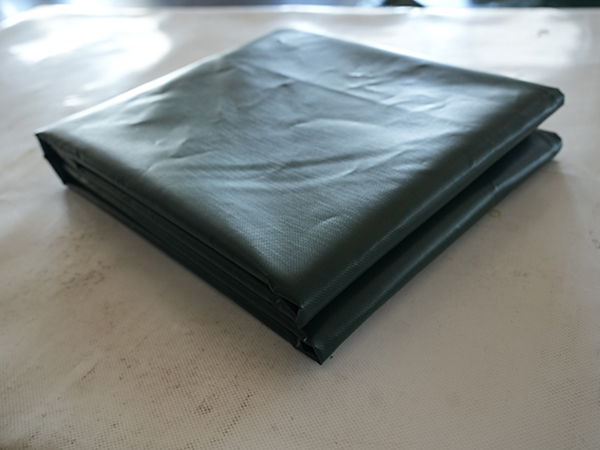
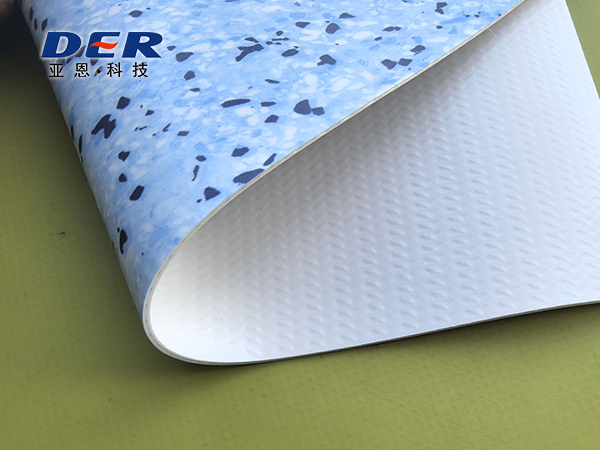
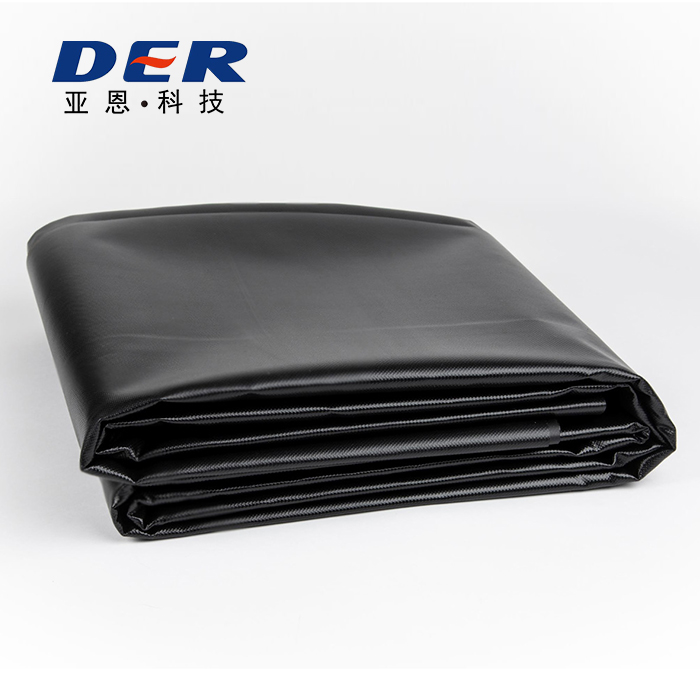
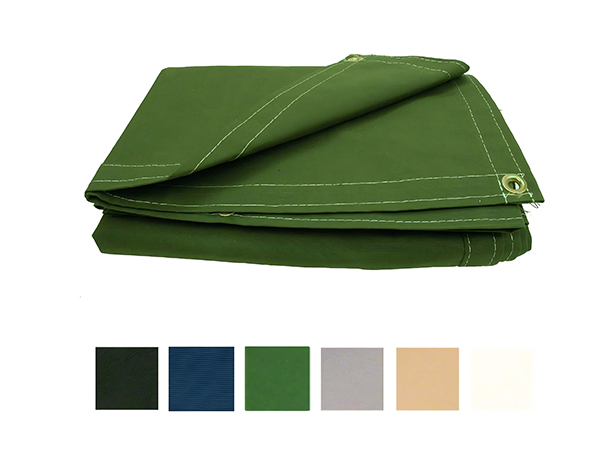
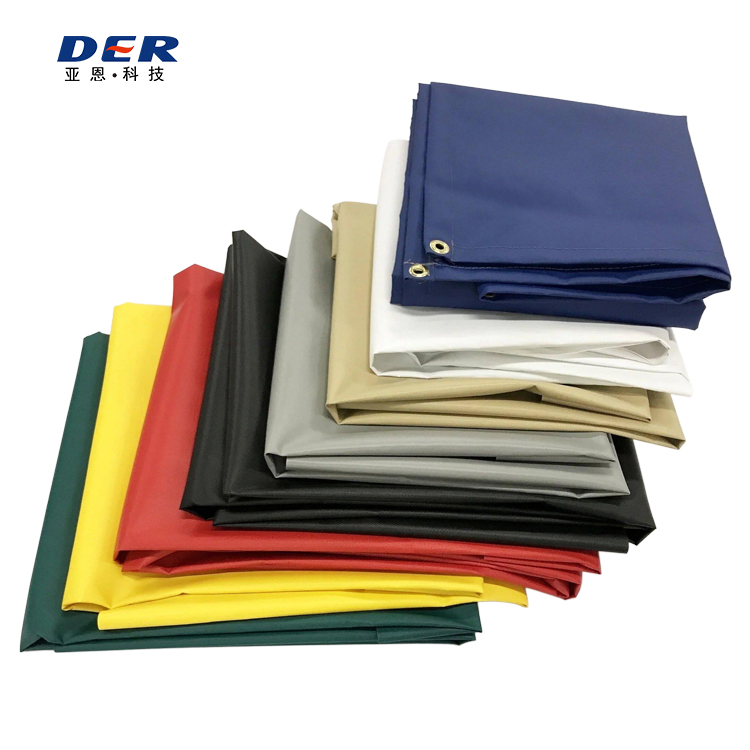
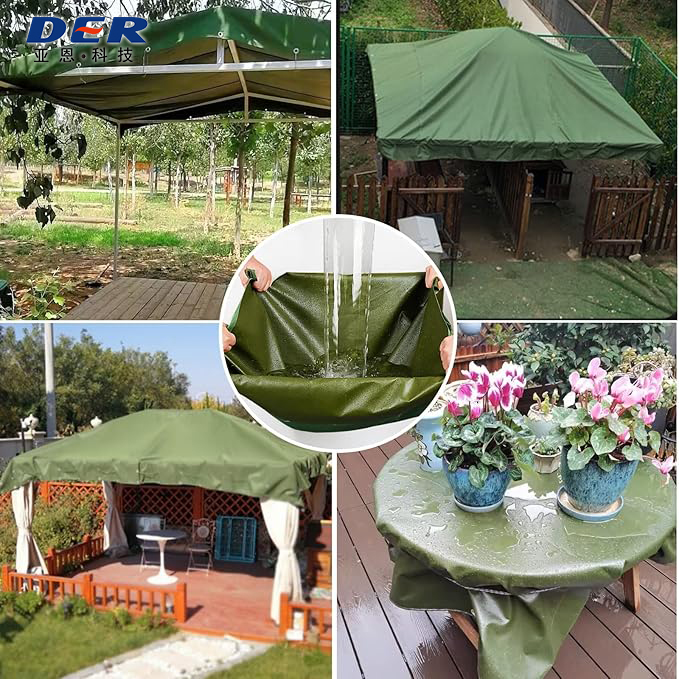
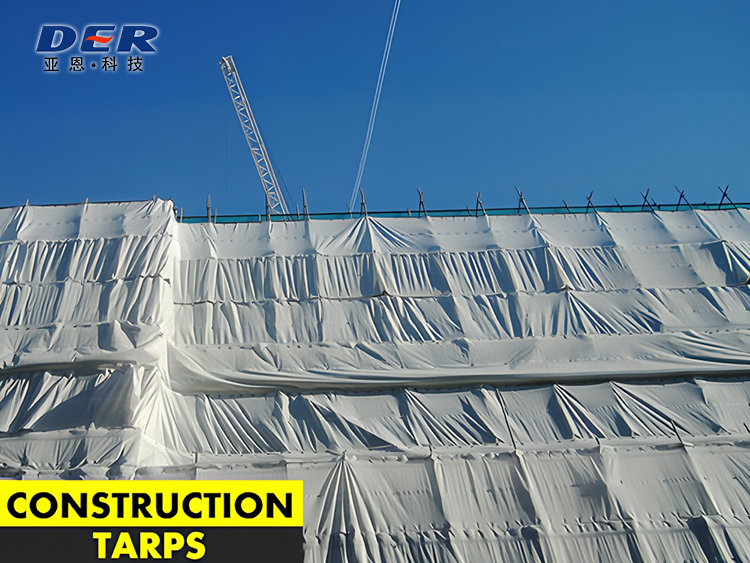
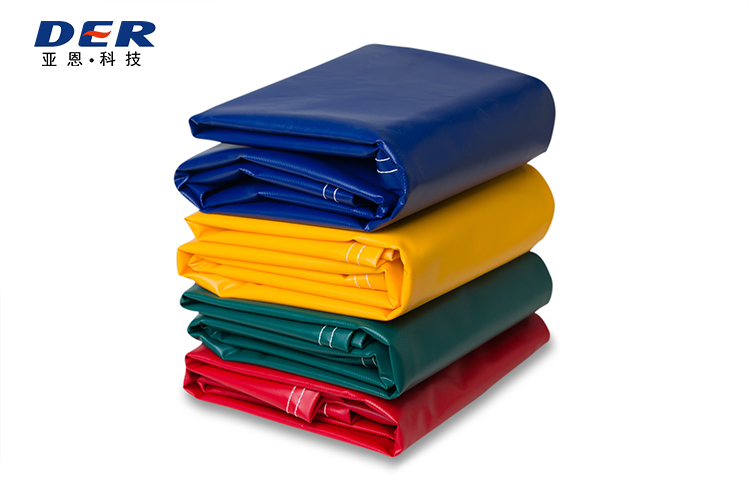
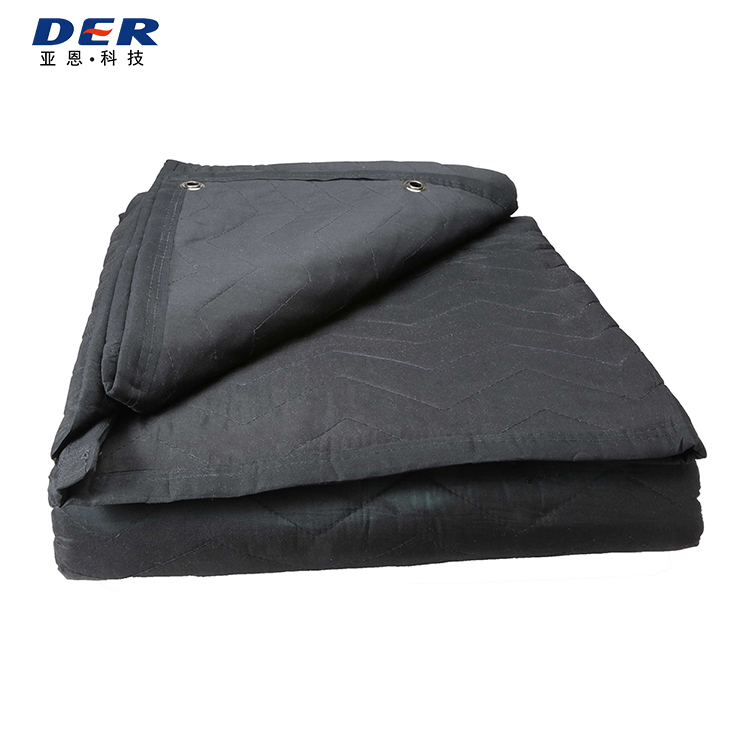
Our products are widely used in our residential and industrial area, which can be used for producing tents, outdoor covering, flexible ventilation tube, water bladders, inflatable castles, architecture membrane structures, etc. Our main products: PVC coated fabrics, PU/TPU coated fabrics, Oxford fabric, PVC ceiling film, flexible banner material. Welcome to our site and order online.